What We Will Not Do
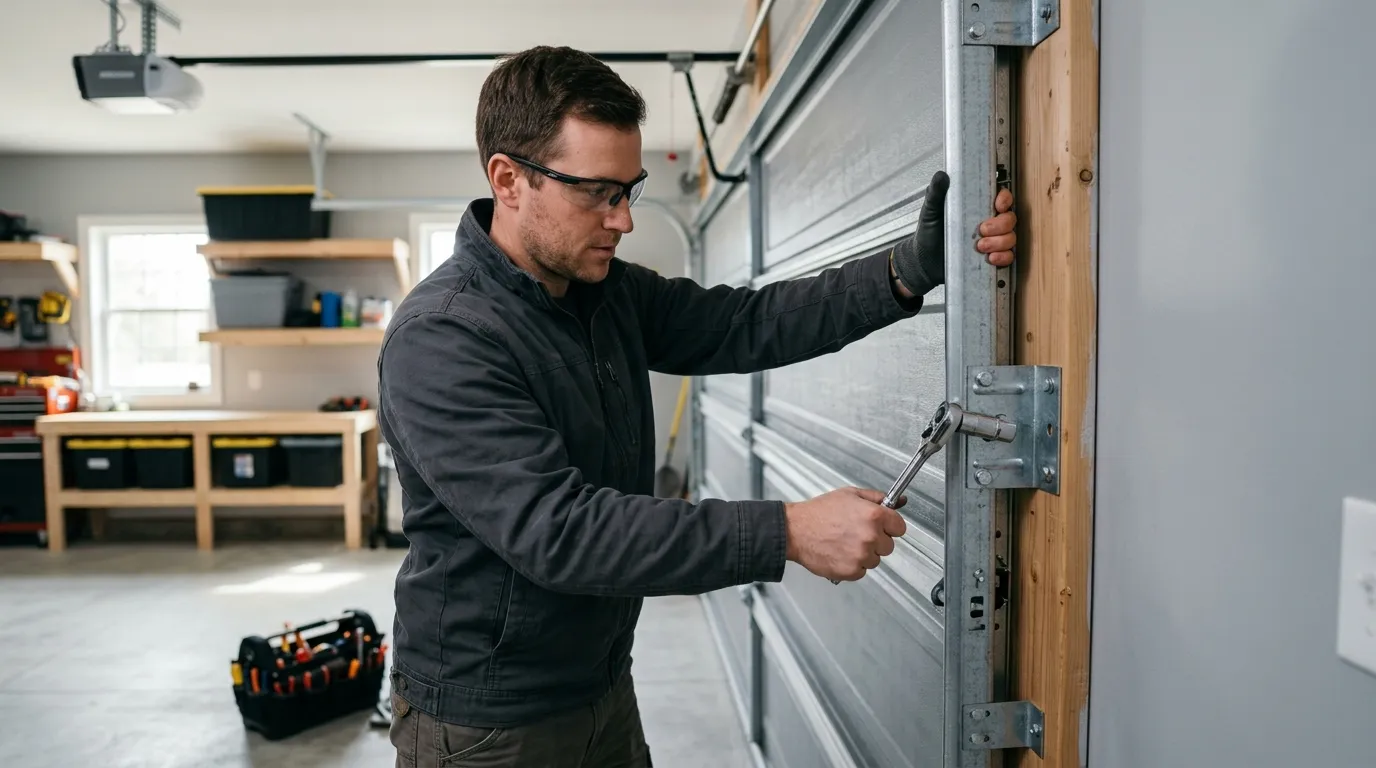
We don't sell a new door when a spring or a bent track will do the job. A lot of houses in this part of Kansas City, KS were built between 1950 and 2004, with the bulk of the stock going up in the 1960s and 70s, and those original openers and torsion setups are often still fixable if the drums and cables haven't been neglected. We won't tell you a 15-year-old steel door is junk just because the paint's faded.
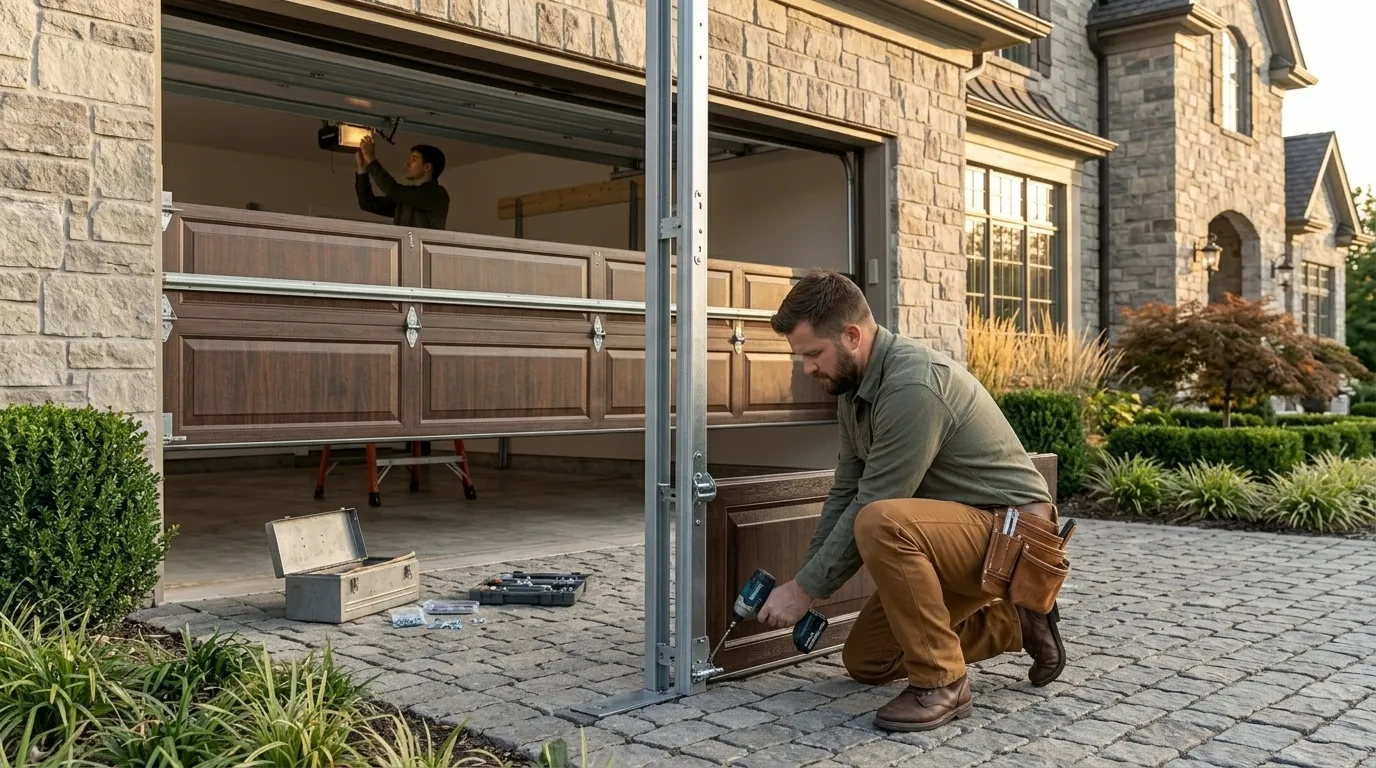
We also don't stock every obscure part on the truck. If your door uses a discontinued spring size or a proprietary opener board from a builder-grade install, we may need to order it, and we'll tell you that up front instead of pretending we can fix it same-day. We don't do new construction installs for builders, and we don't touch gates or fences. We stick to garage doors, openers, springs, tracks, and the hardware that moves them. If a job falls outside that, we'll say so instead of taking the money and figuring it out on your driveway.
Who You Are Dealing With
We're a garage door repair outfit working out of 10 Hill St, Kansas City, KS 66103. We run calls across Wyandotte County and into the close-in suburbs: Mission, Roeland Park, Prairie Village, and the rest of the towns within roughly a 15-mile ring of downtown Kansas City, KS.
The area we cover has around 67,367 households, with 37,757 of those owner-occupied houses, and a median household income near $89,385. That mix matters to how we quote a job: most owners here would rather pay for a correct spring replacement or a track realignment than replace a whole door that still has years left in it, and we price jobs with that in mind rather than pushing toward a bigger ticket.
We don't have a company history to sell you, no anniversary, no staff roster, no framed certificates on the wall. What we have is a phone number, an address, and a truck that goes to the job.
What We Are Called Out For
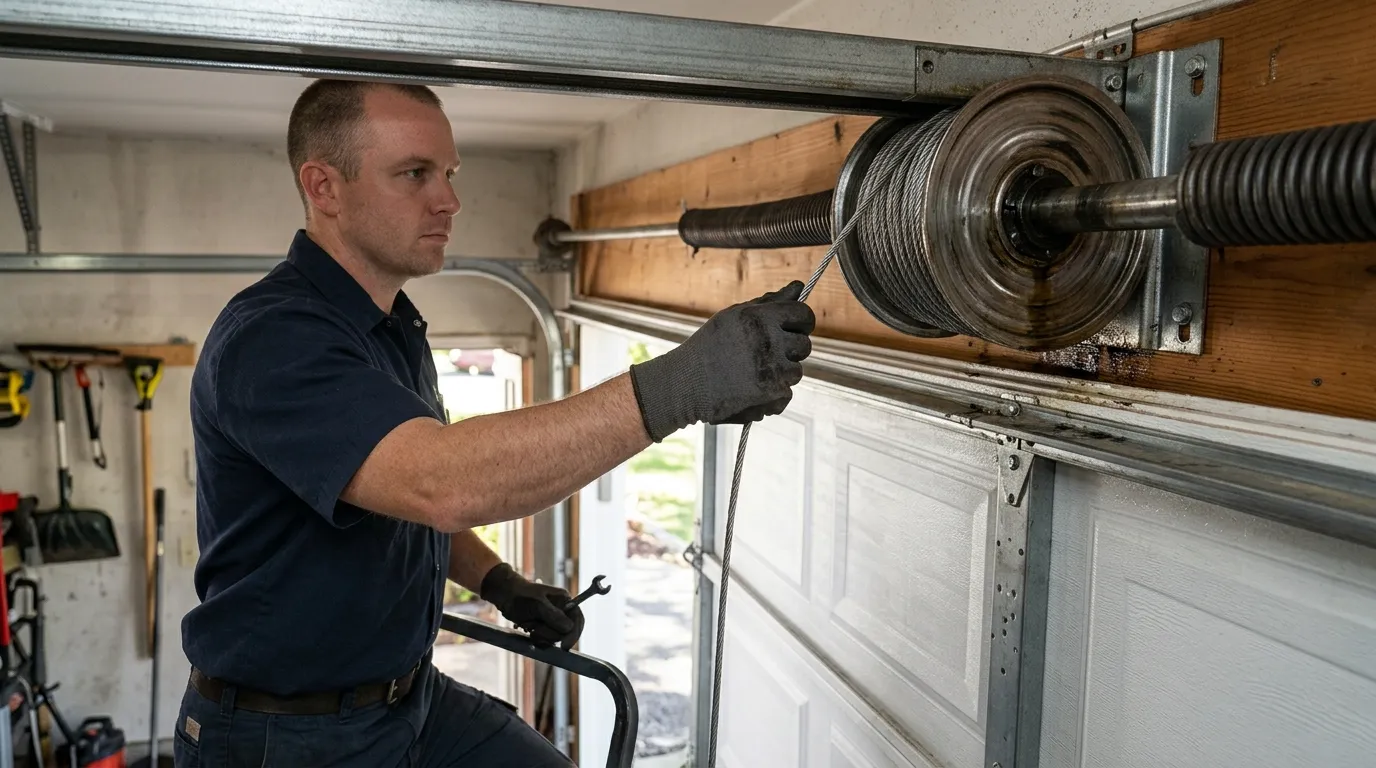
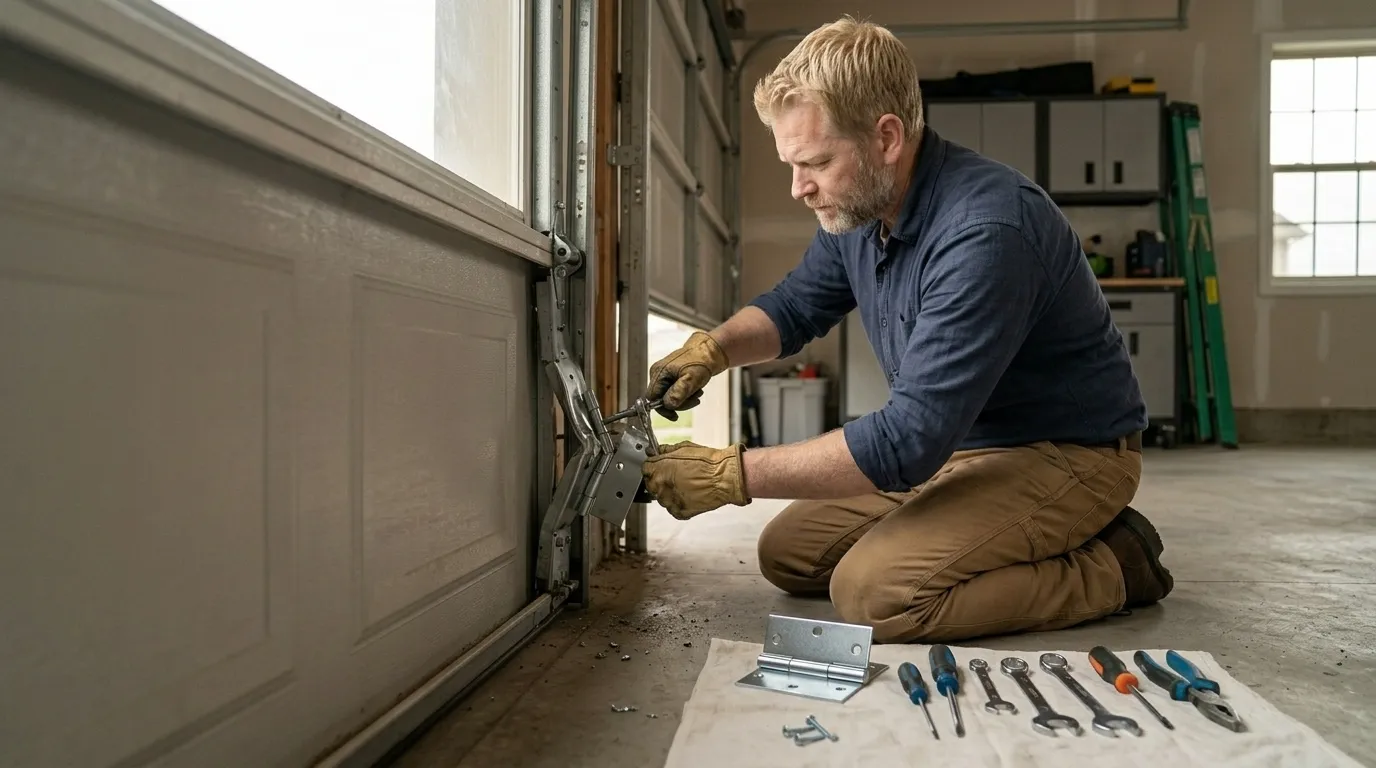
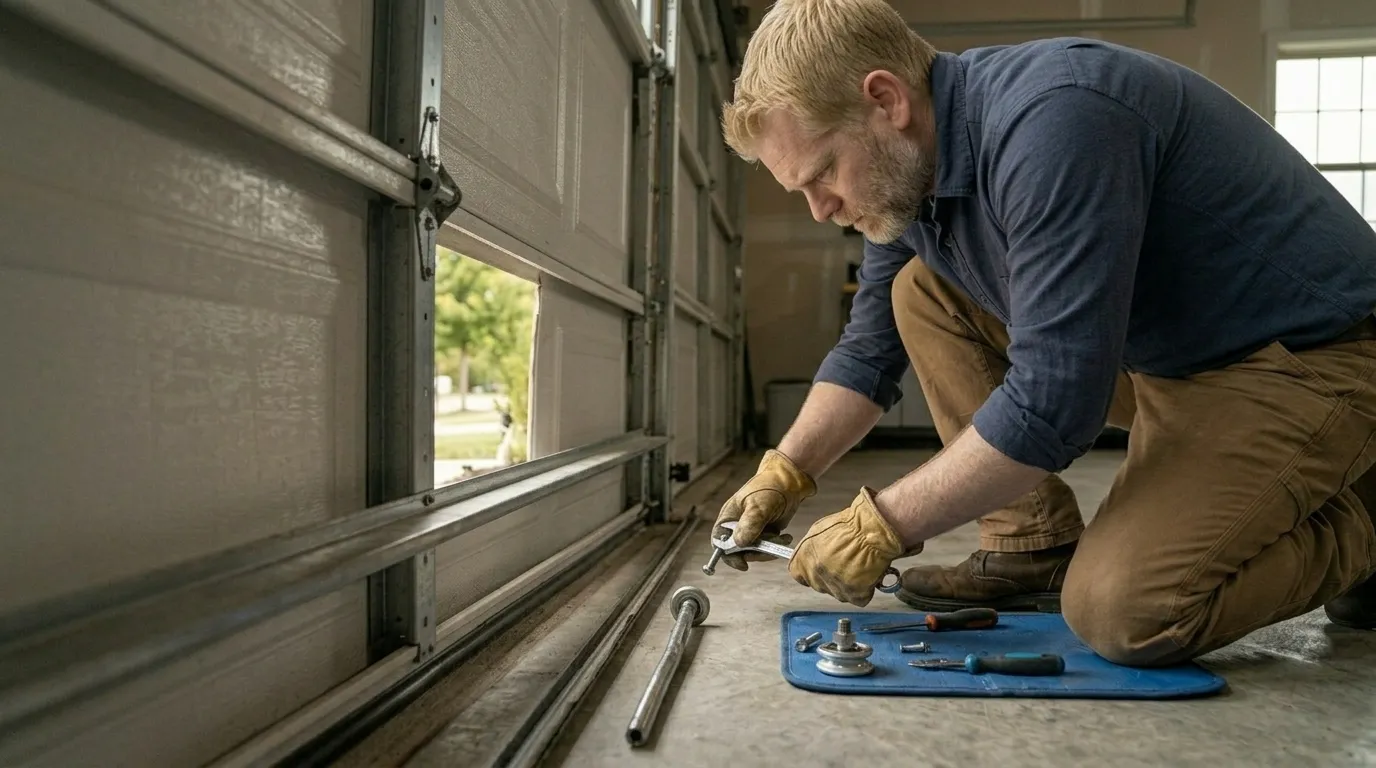
Broken torsion springs are the most common call, especially on doors installed during the long stretch of building between 1950 and 2004 that makes up most of the housing here. A lot of that hardware is original, and torsion springs have a service life measured in cycles, not years, so a door that's opened twice a day for decades is due.
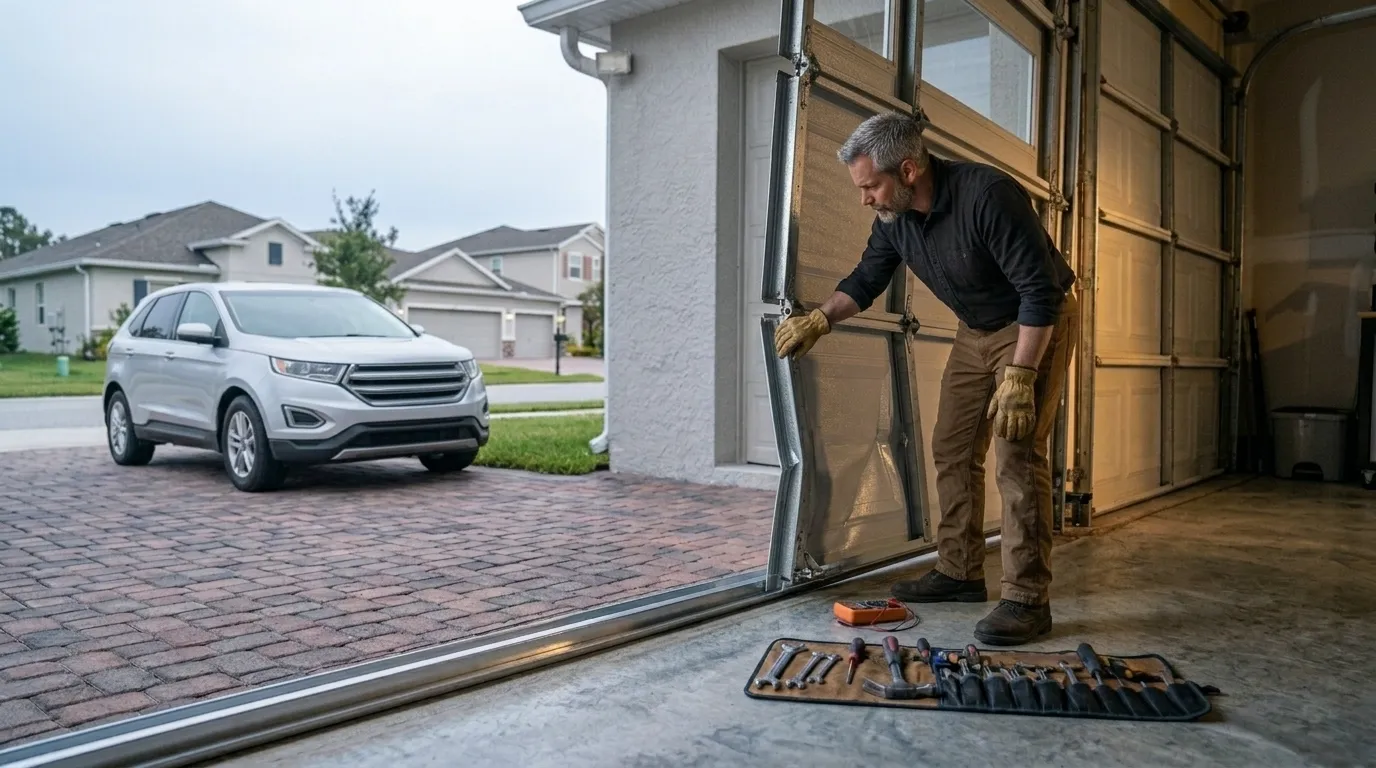
Winters in this area sit in a cold, severe climate band, and that shows up in the calls: cold-stiffened lubricant on rollers and tracks, openers that strain on frozen mornings, and cables that snap when a door already fighting a bent track gets forced through one more cycle. We also get called for rollers worn out from age, sections dented from a car bumper or a wind gust, and openers that just quit, usually a logic board or a worn drive gear rather than the motor itself.
What we don't get many calls for is brand-new construction work. Most of what comes through the door, literally, is repair on houses that have had the same door and opener since the 1960s or 70s.