Season by Season
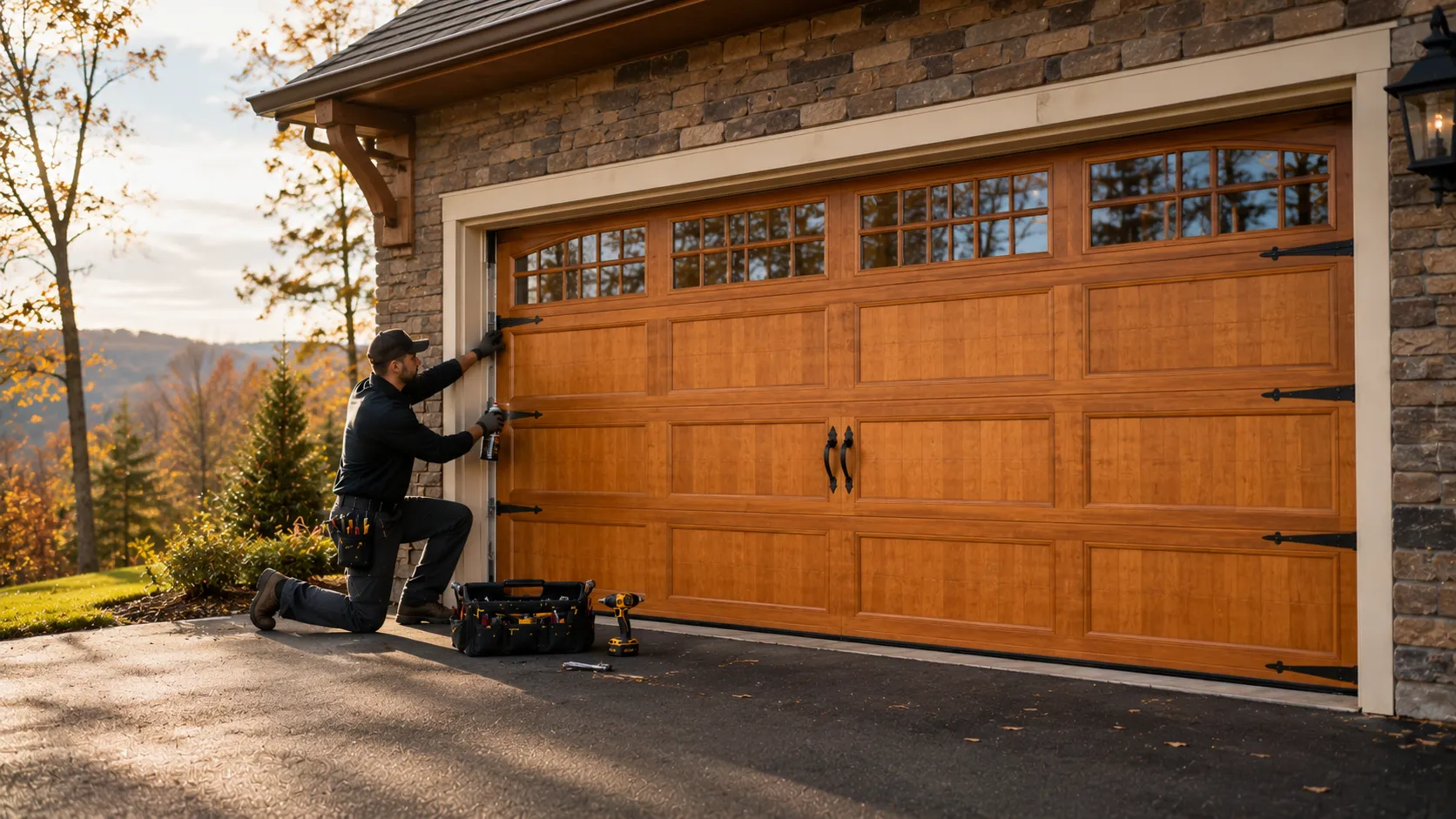
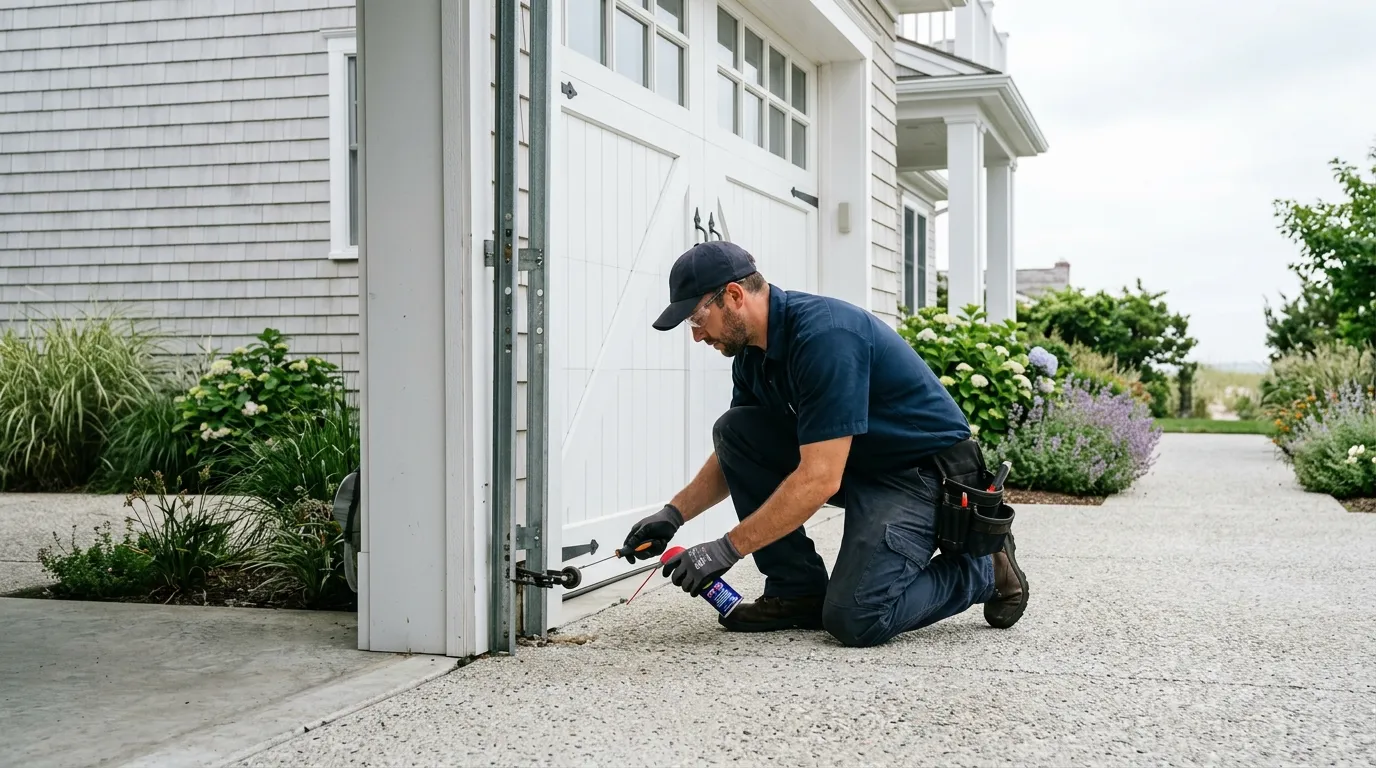
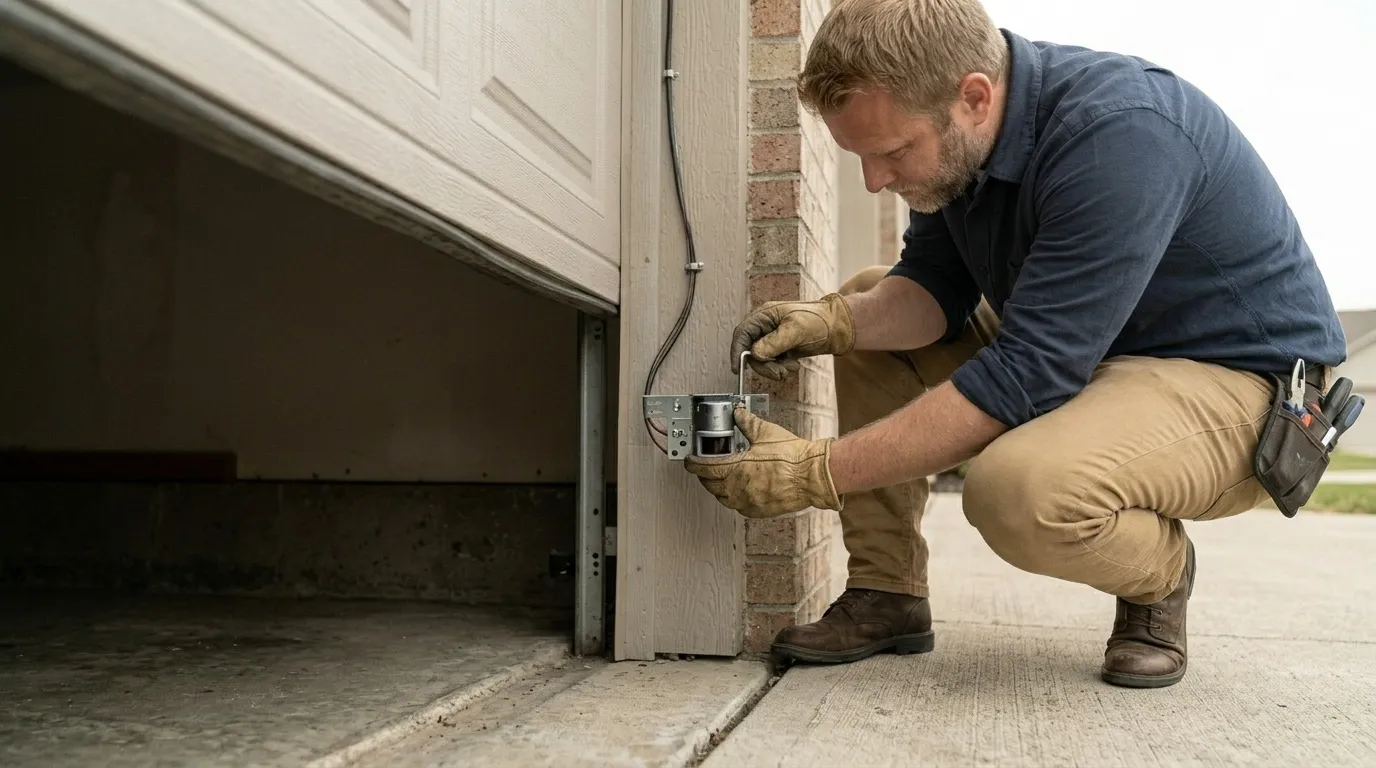
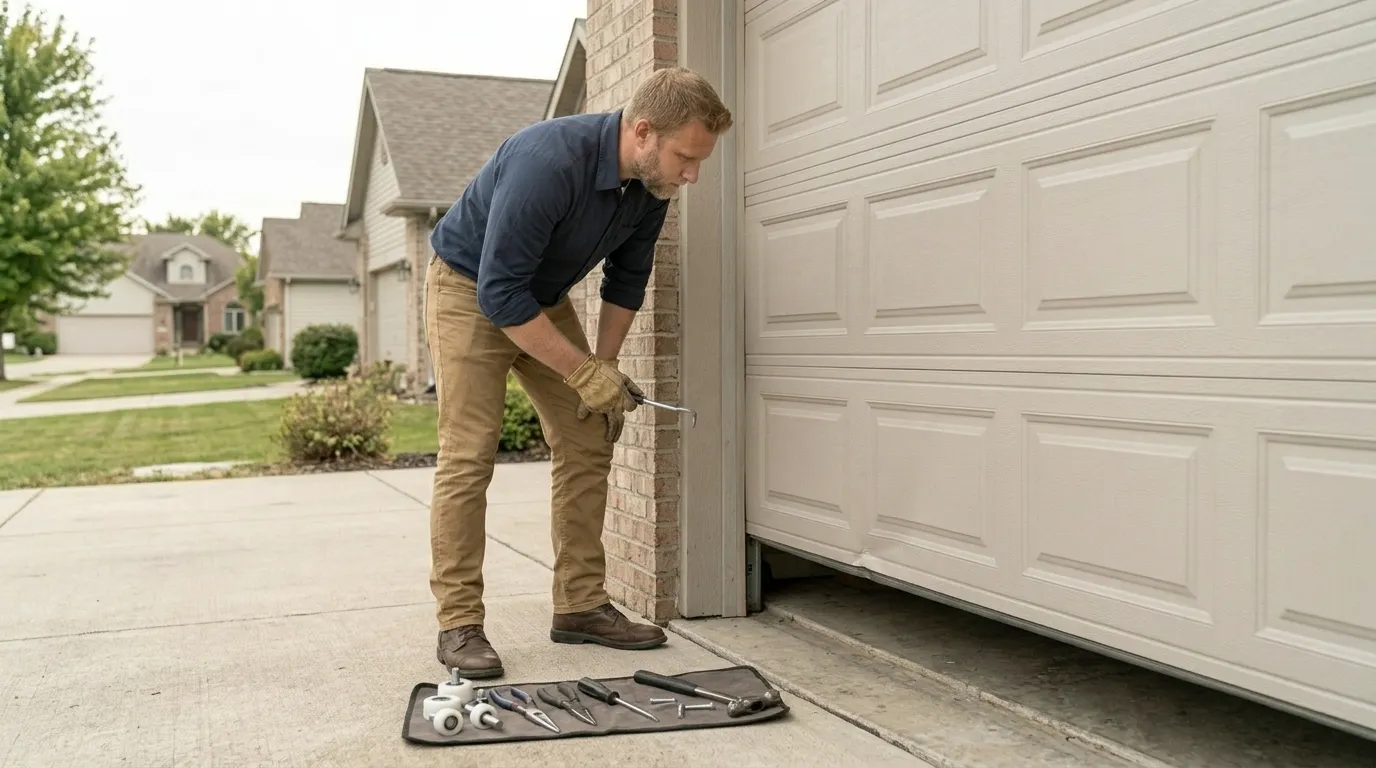
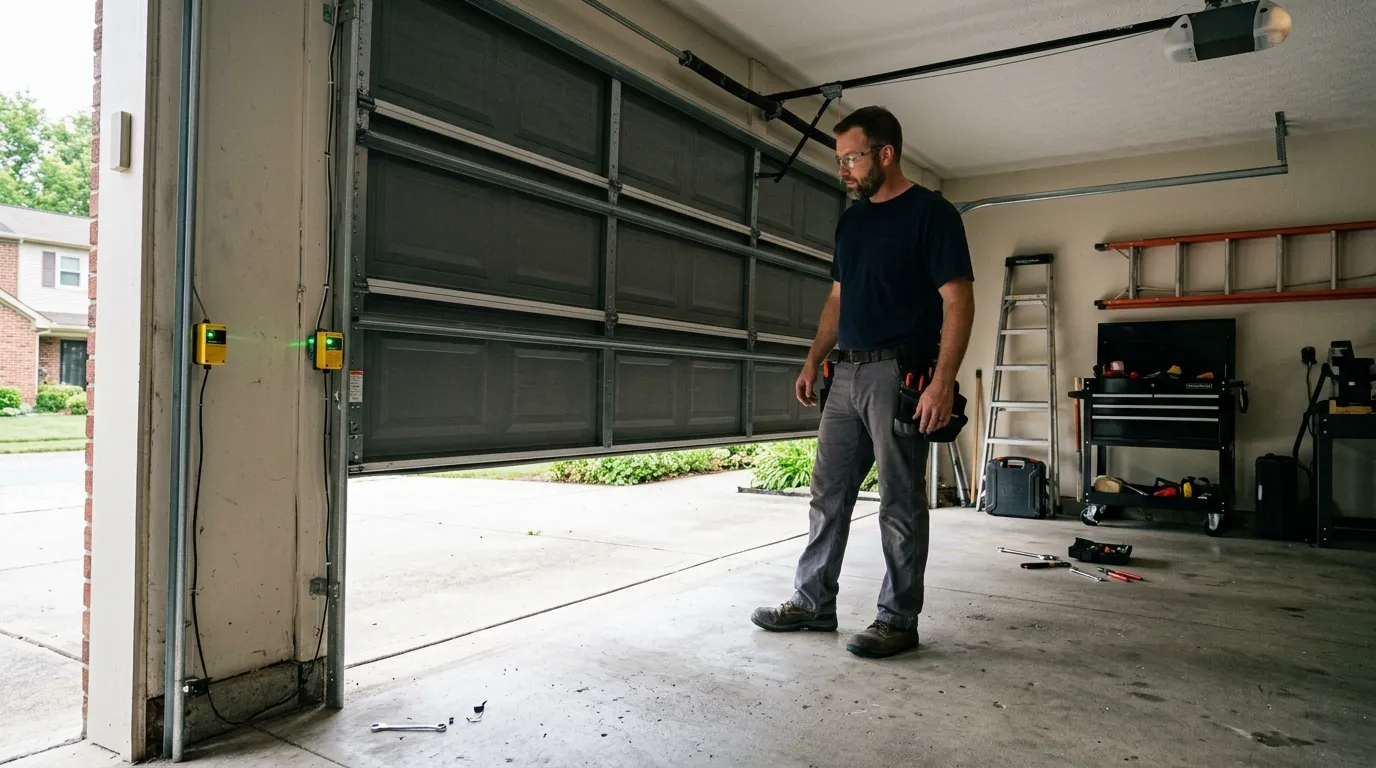
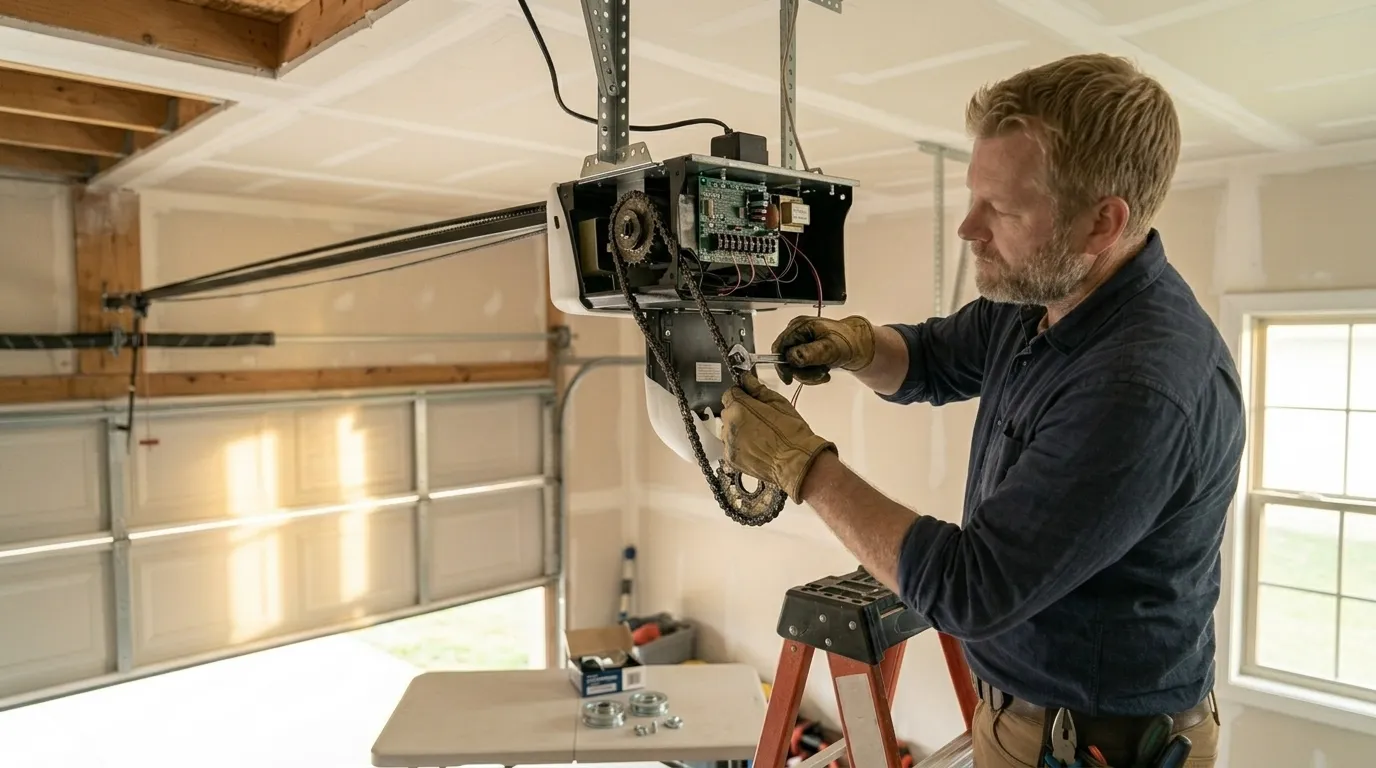
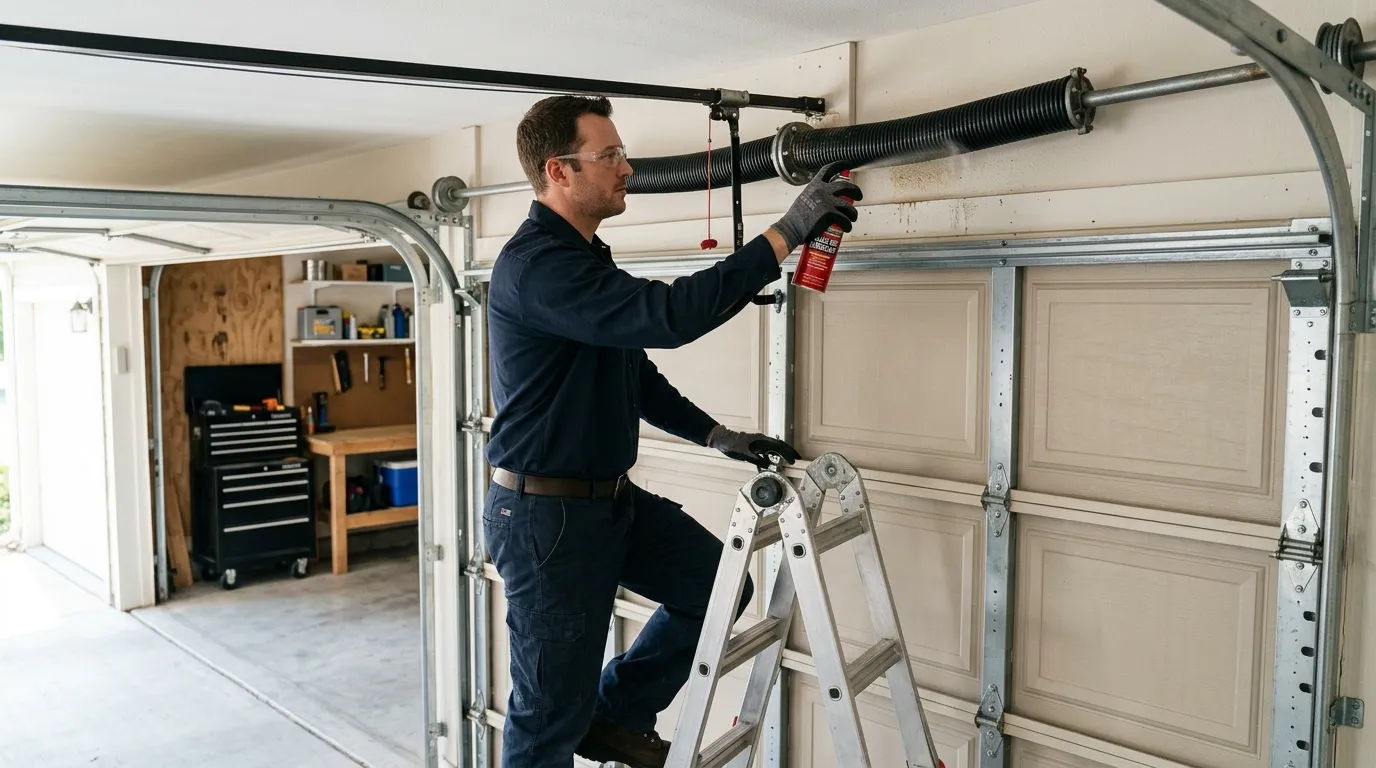
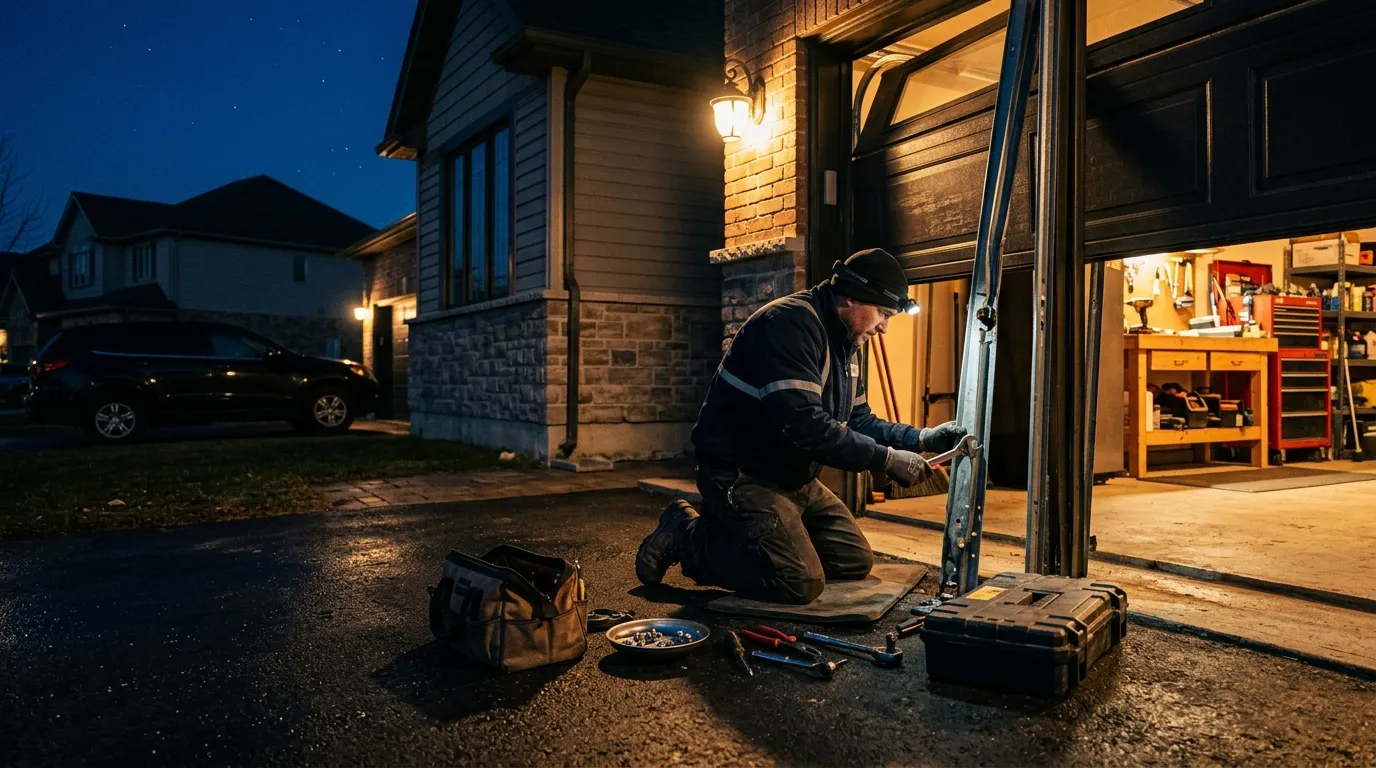
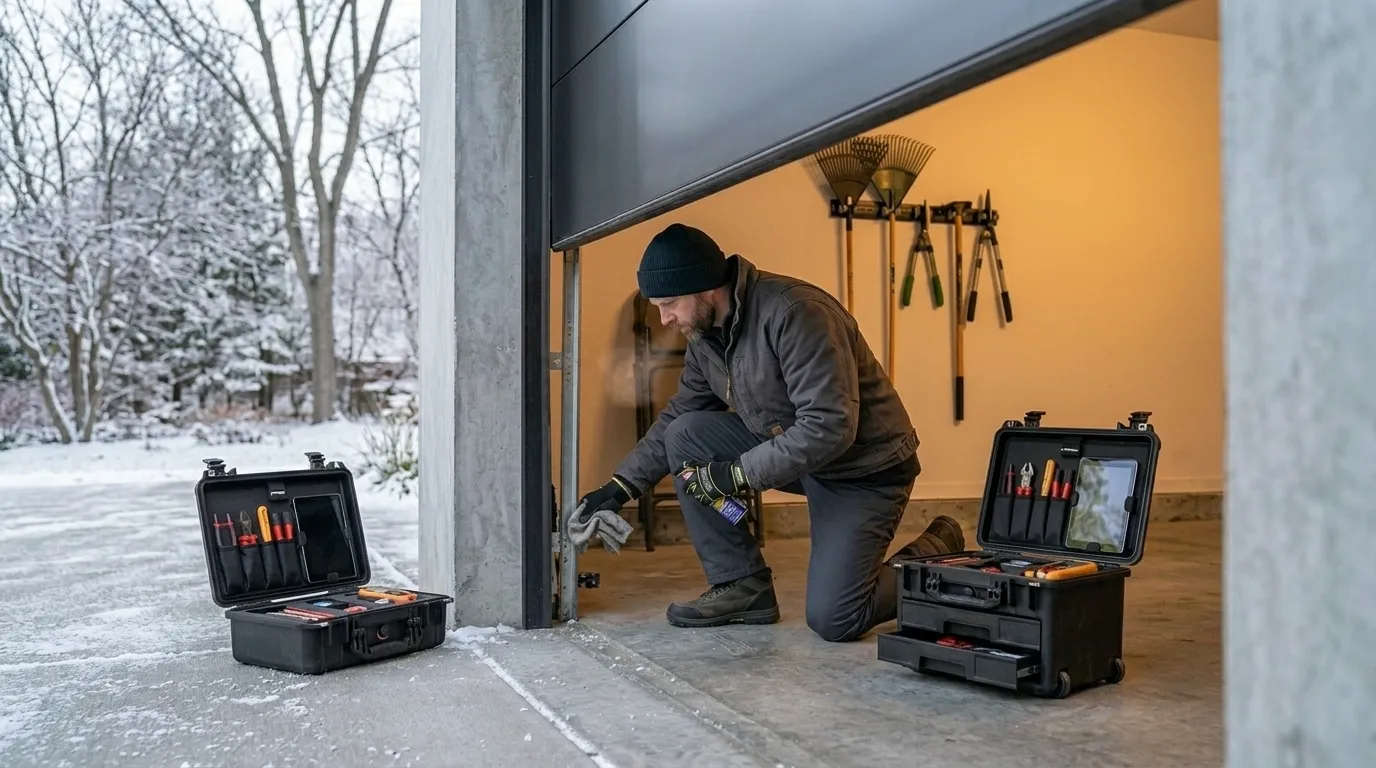
Kansas City, KS sits in a cold-climate band with real winter severity, and that shapes when calls come in. Cold snaps stiffen steel torsion springs and thicken old lubricant on tracks, so openers strain and doors reverse or stall right when temperatures drop hardest. We see a run of these calls every time a hard freeze moves through. Spring and fall bring their own pattern: temperature swings make wood jambs and old steel frames expand and contract, which throws alignment off on doors that were fine all summer. We don't treat every visit the same because the season isn't the same. A January call is usually about spring tension and cold-stiffened rollers. A March call is more often about a track that's drifted out of plumb over the winter. Knowing which season we're in tells us what to check first before we even open the panel or touch the opener unit.
How Local Conditions Play In
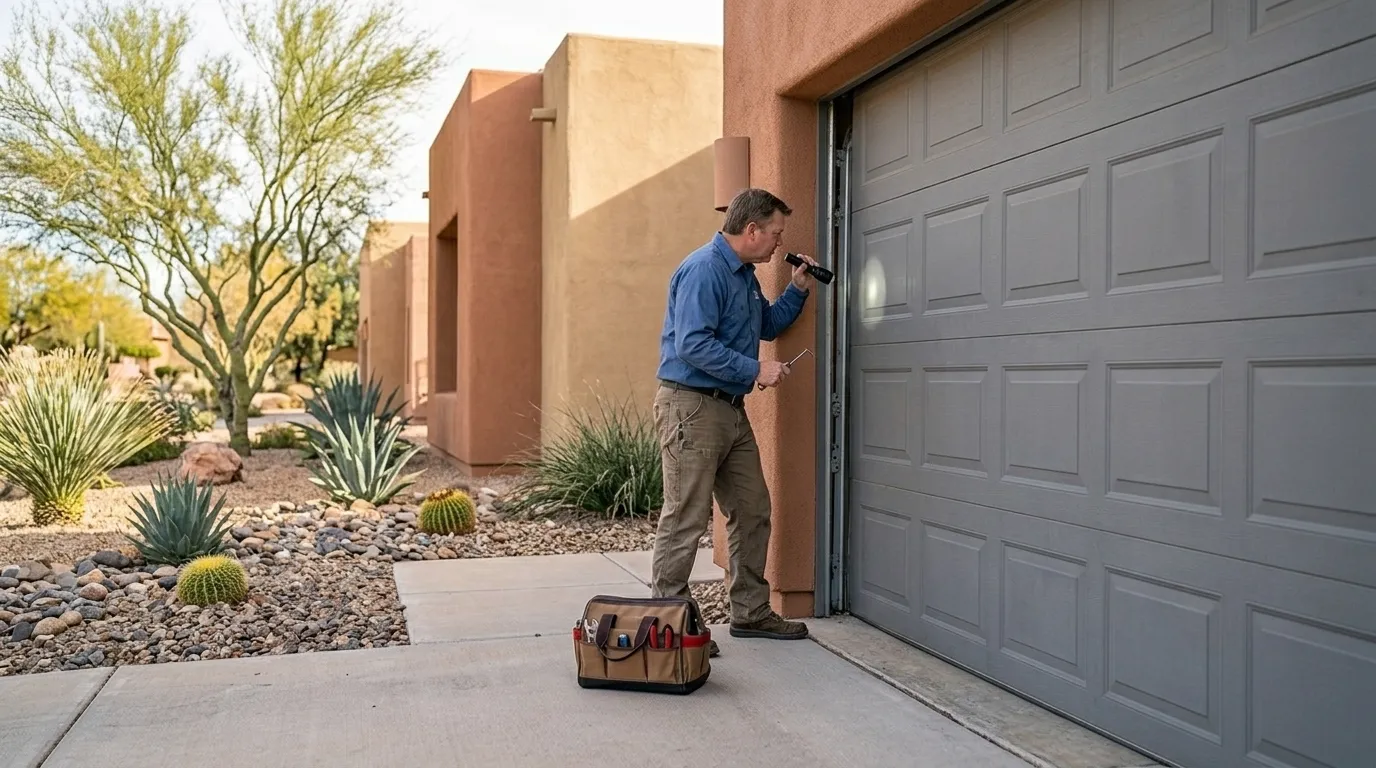
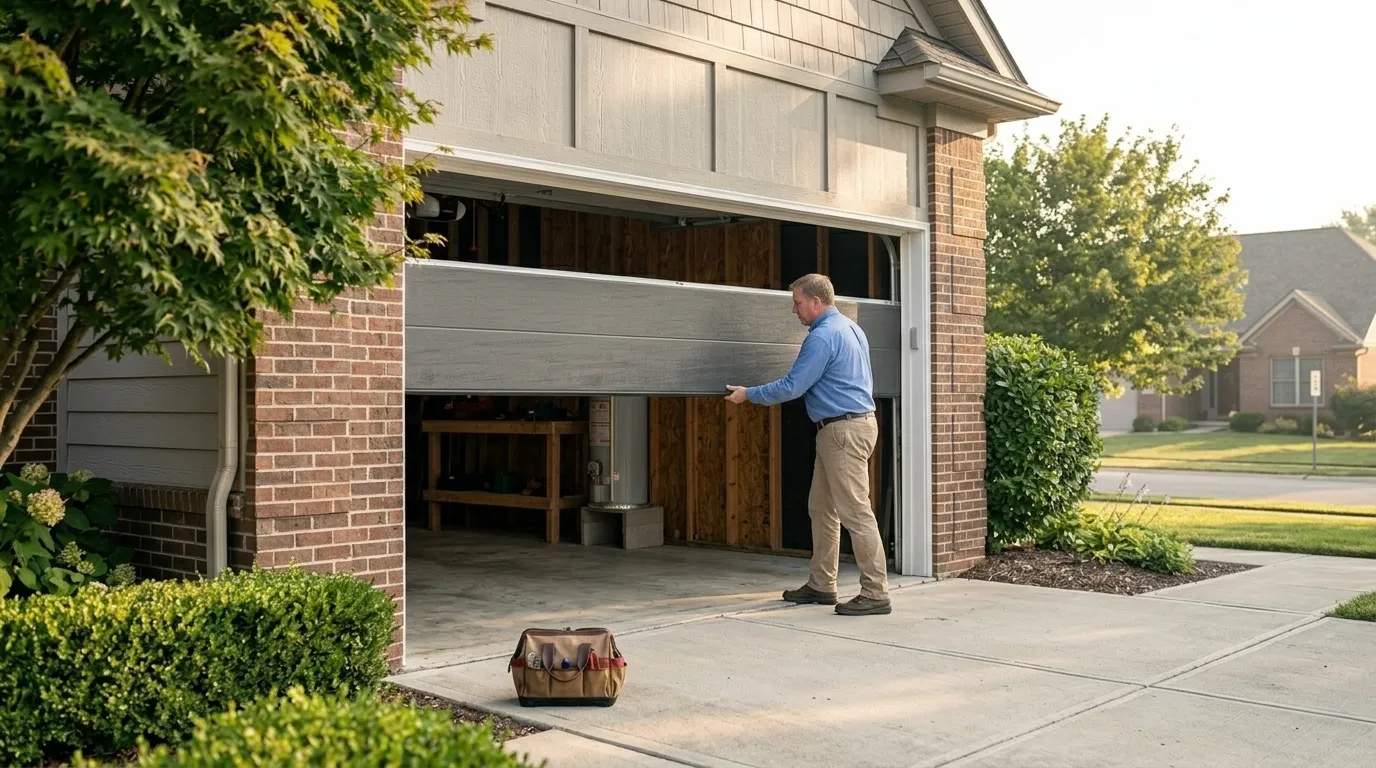
Most housing in this service area went up between 1950 and 2004, with the median build year around 1973, and the bulk of it across the 15 named areas we cover is 1960s-70s stock. That means a lot of original steel doors, side-mounted torsion setups, and openers that have been replaced once or twice but sit on hardware nobody makes new brackets for anymore. A service call on a house like that isn't just "check the door" - it's checking whether the track spacing still matches a door panel built for dimensions that changed decades ago. Add the cold-severe climate here and you get springs cycling through more temperature swing per year than a mild-climate house ever sees, which shortens spring life and loosens fasteners faster. We look at both things together: how old the bones of the door are, and how hard the winters here have been on them. A door that would be fine in a milder climate can be one bad cold snap away from a snapped cable here.
What You Pay
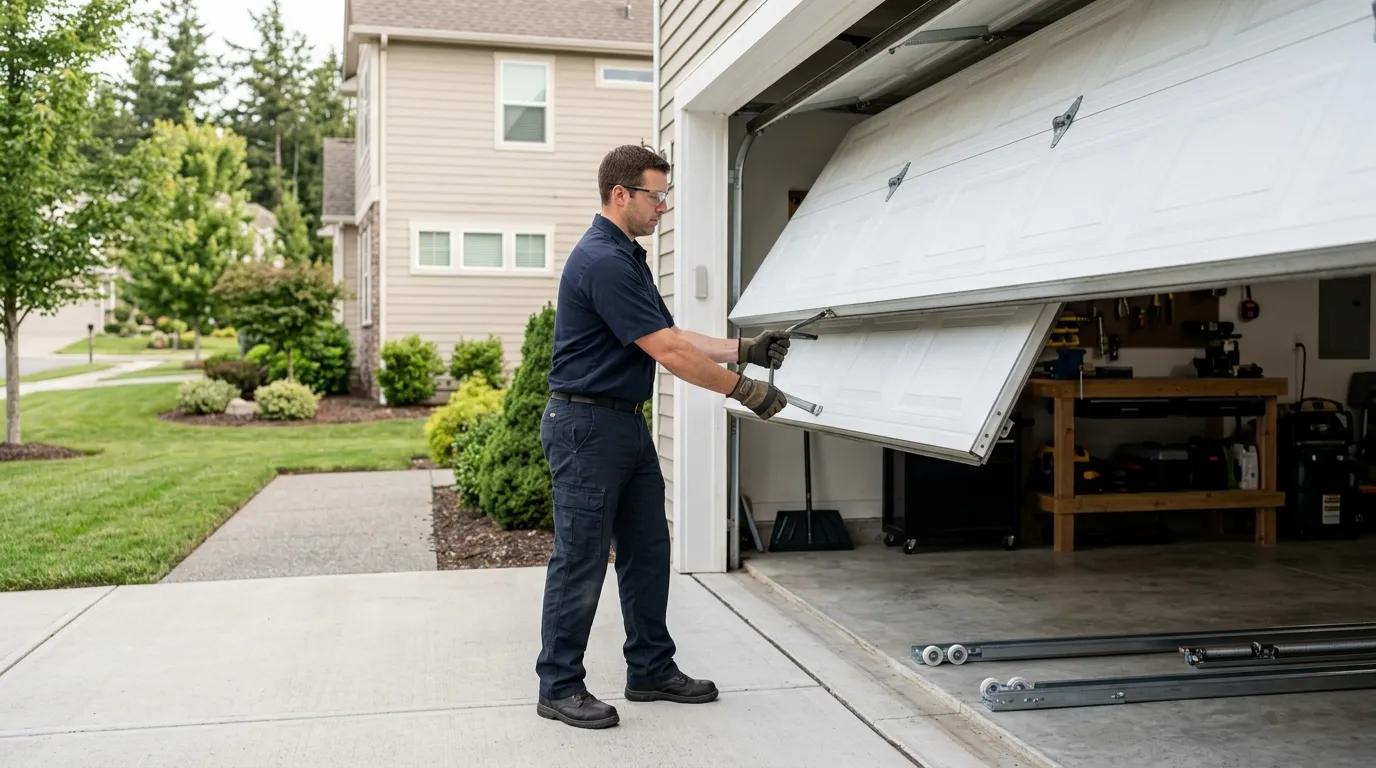
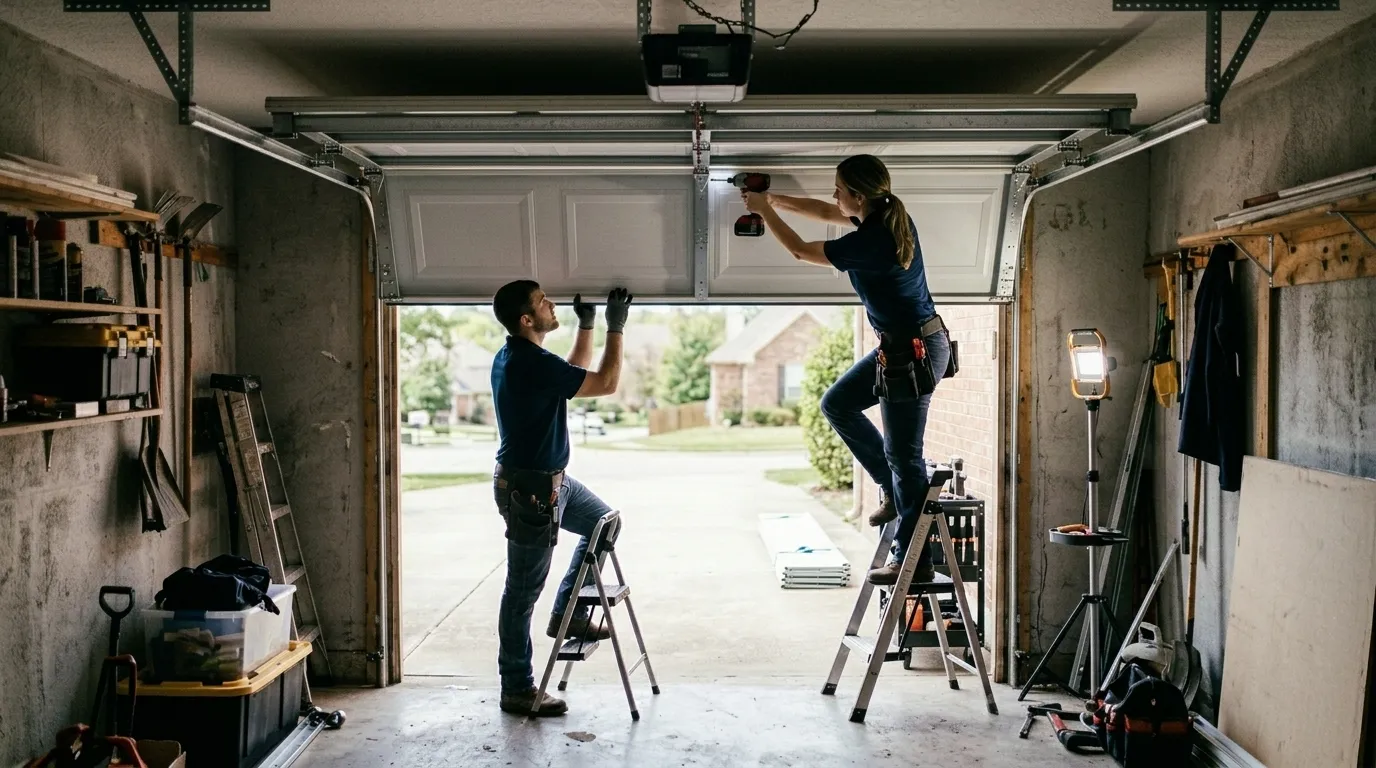
We don't have a flat number to put here, and giving you one would be a guess dressed up as a fact. What drives the cost of a call is mostly what we find once the door's open: whether it's a spring replacement, a cable, a track realignment, or an opener issue, and whether the hardware is original 1960s-70s stock that takes more time to source or match. Older torsion setups on houses from that era sometimes need adapted parts rather than an off-the-shelf swap, and that adds labor time even when the part itself isn't expensive. One honest limit: if your door and opener are both original from the 1970s and both are failing, replacement is usually the better call than patching two dying systems separately - we'll tell you that straight rather than run up a repair bill on hardware that's at the end of its life. We'll give you the real number after we've looked at the door, not before.