What Causes It Around Here
Most of the housing across this service area went up between 1950 and 2004, with the median build year sitting at 1973. That means a huge share of the openers we get called on are either original units nobody ever swapped out, or a second-generation replacement installed sometime in the 80s or 90s on the same worn bracket and rail. The 15 named areas we cover skew heavily toward that 1960s-70s wave of construction, so the hardware problems repeat block to block: sagging header brackets, stripped gear sets, and logic boards that were never rated for the swings this region sees.
The climate band here is classified as severe cold, and that matters more for openers than most homeowners think. It's not just the motor - it's the sensors, the drive belt or chain tension, and the capacitor inside the logic board, all of which contract and expand every winter. A door that's fine in October starts grinding, reversing on its own, or refusing to close all the way once the hard freezes set in. We see the same failure pattern across every town in this service area because the housing age and the winters are the same everywhere we go - not because any one street has bad luck.
The Symptom
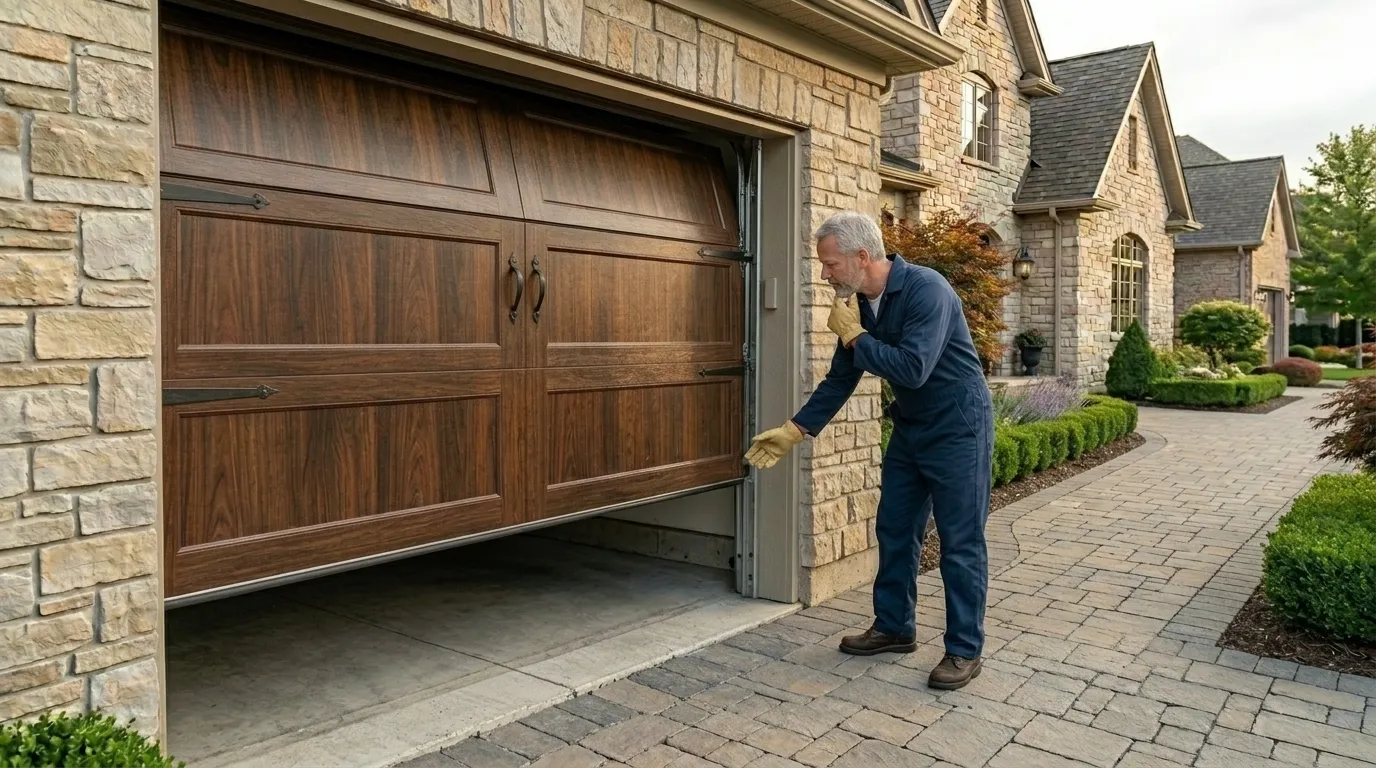
The call almost always starts the same way: the door reverses before it touches the floor, or the opener runs but the door doesn't move, or there's a grinding sound followed by nothing. Sometimes it's a remote that used to work and now only works standing next to the unit. Each of those points to a different part - travel limit switch, drive gear, capacitor, or a antenna/logic board issue - but they all show up more in this region because of how old the housing stock is and how hard the winters lean on aging plastic and metal parts.
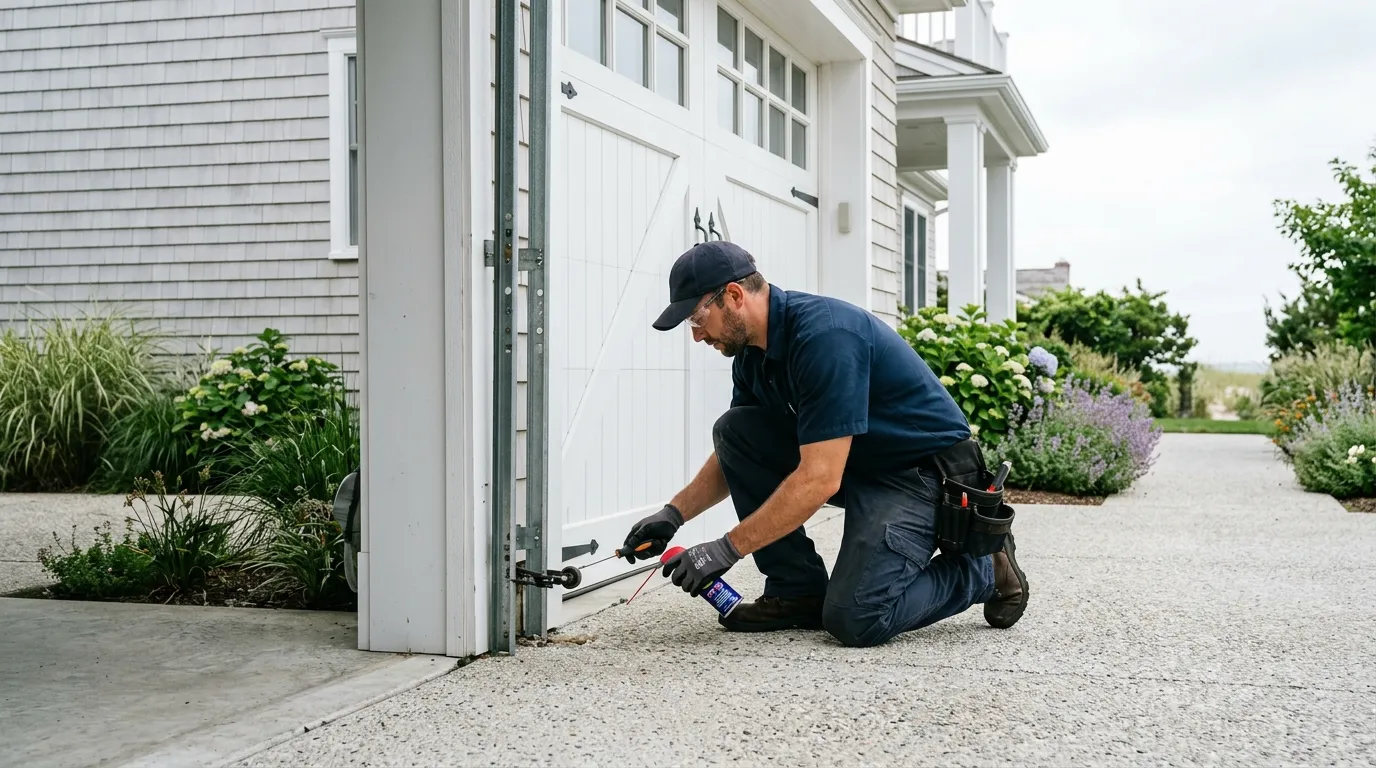
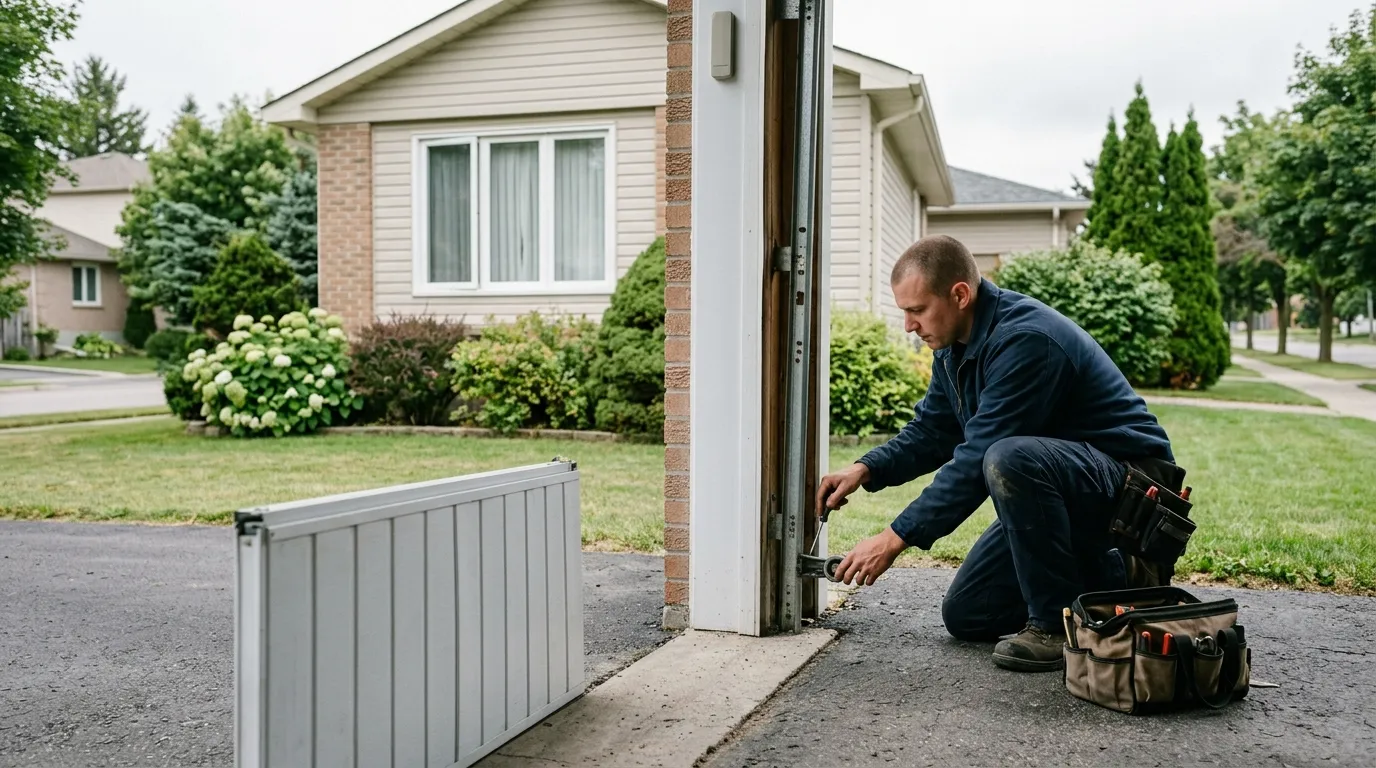
A door that opens but won't close, or closes and immediately reverses, is usually a safety sensor problem - dirty eyes, a knocked-out-of-alignment bracket, or a wire nicked during a shelf install in the garage. A door that won't respond to the wall button or remote at all is more often the logic board or the transformer. We ask what year the house was built and what year the opener was last touched, because in a service area built mostly before 2004, that tells us more than the symptom alone.
How We Fix It
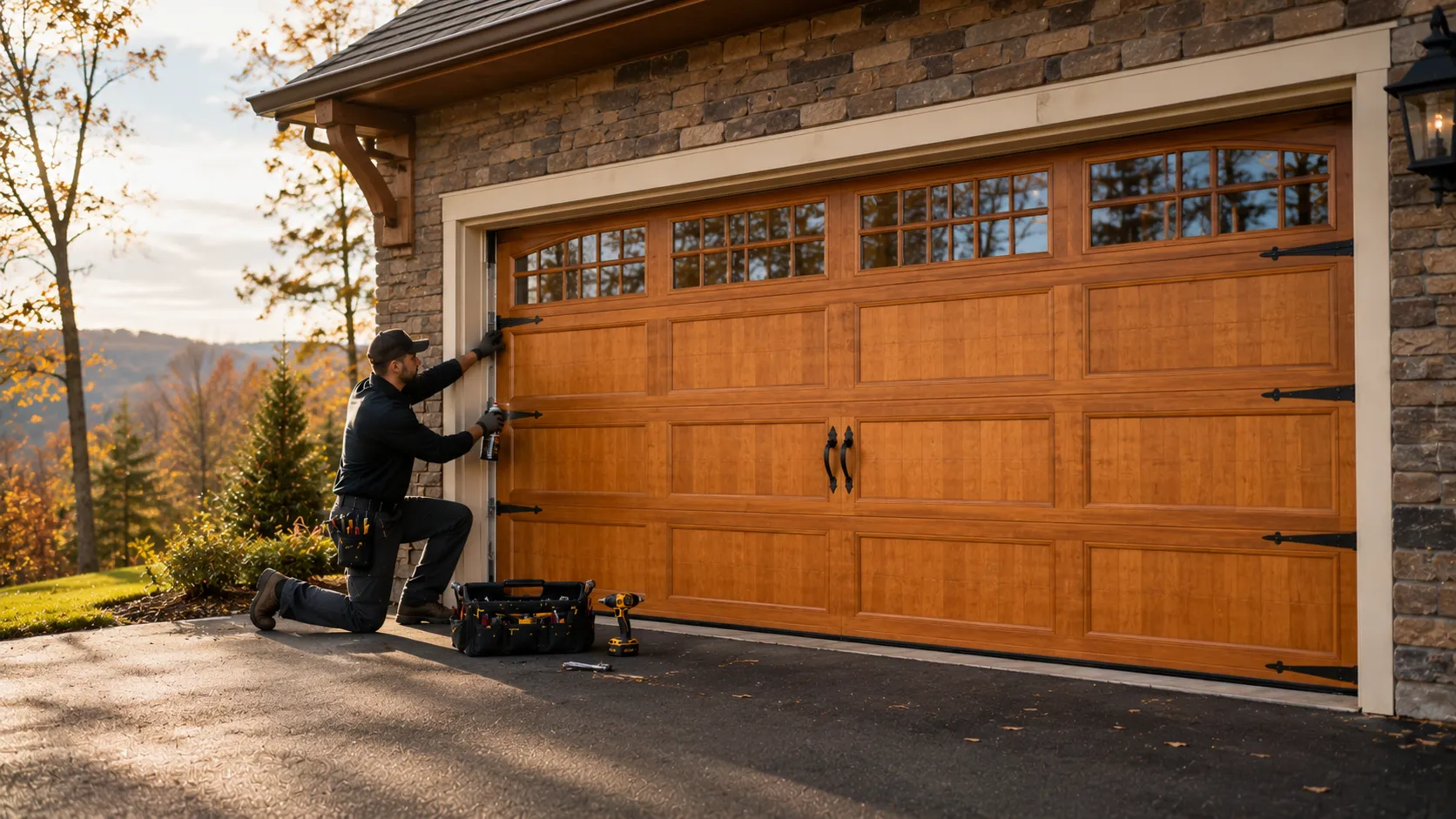
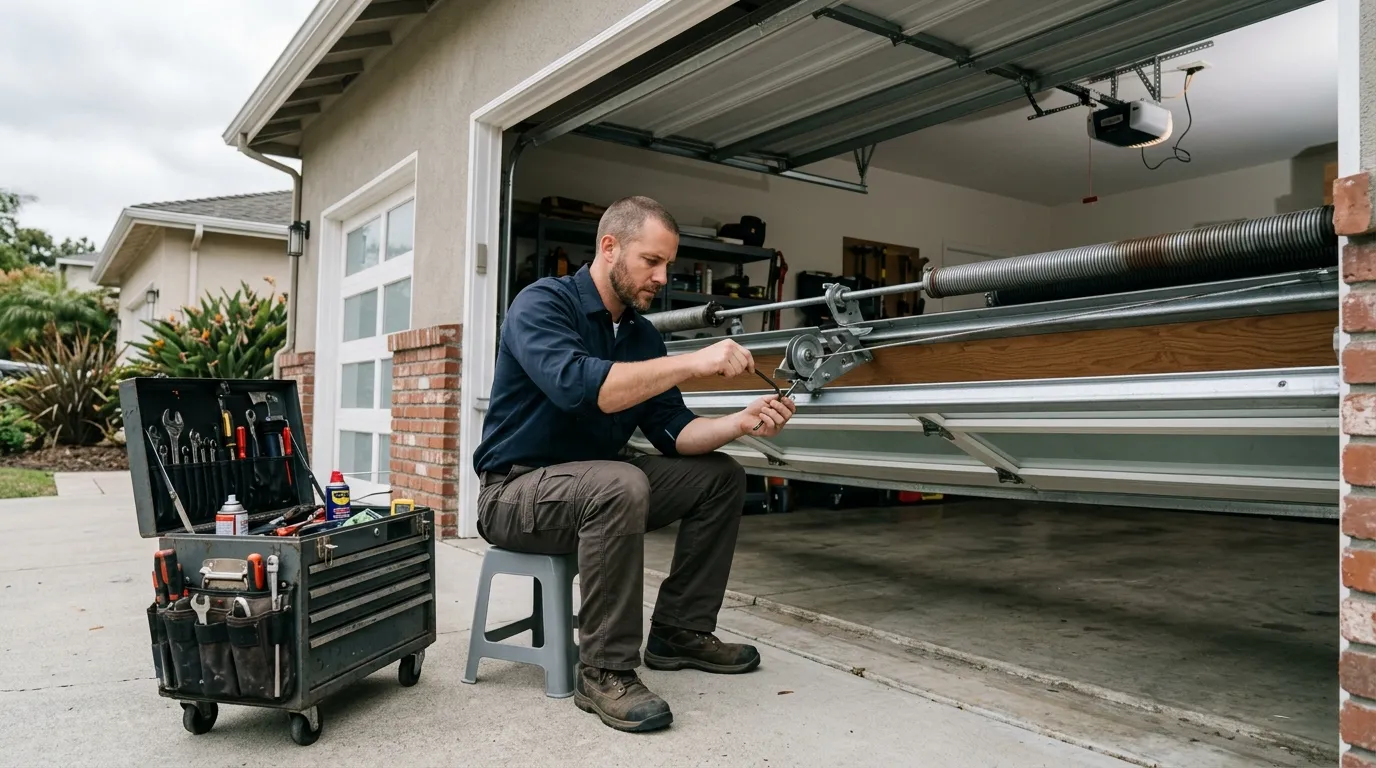
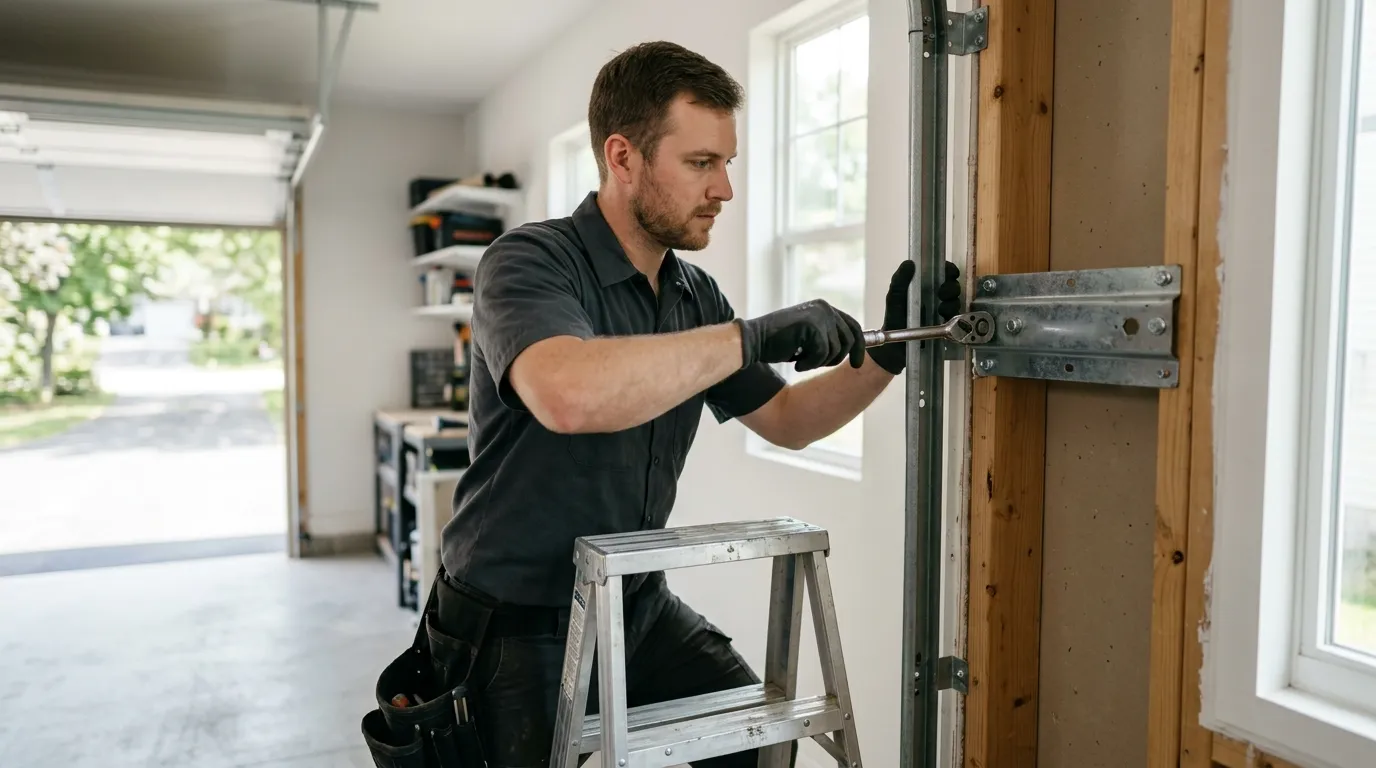
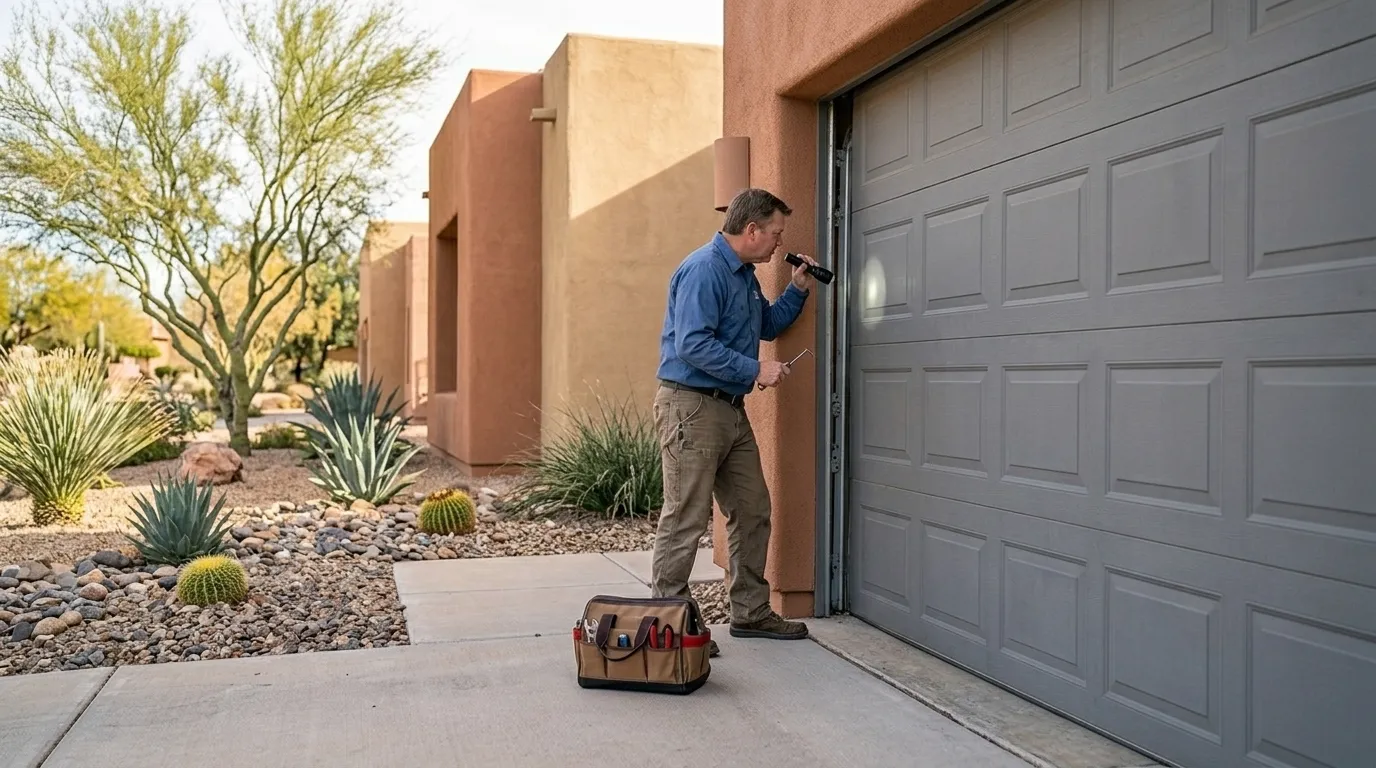
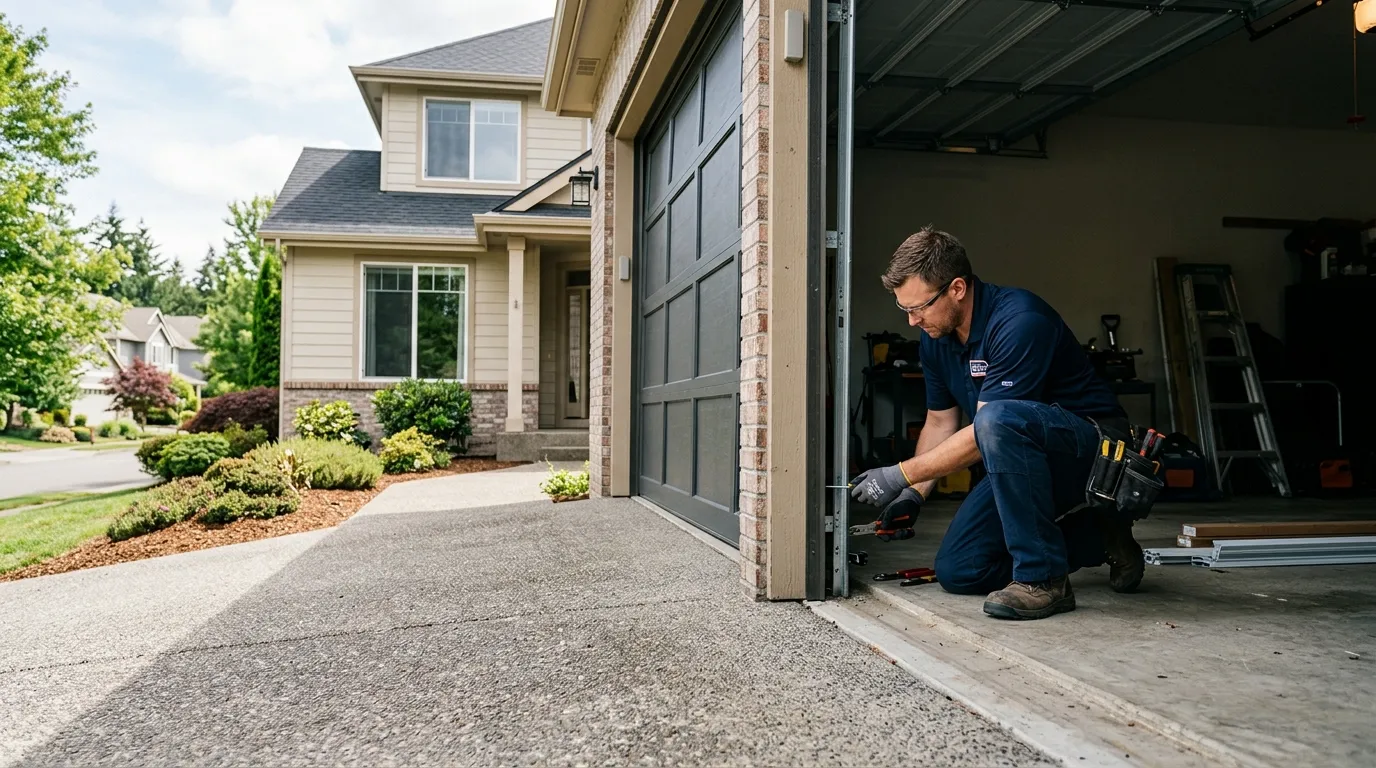
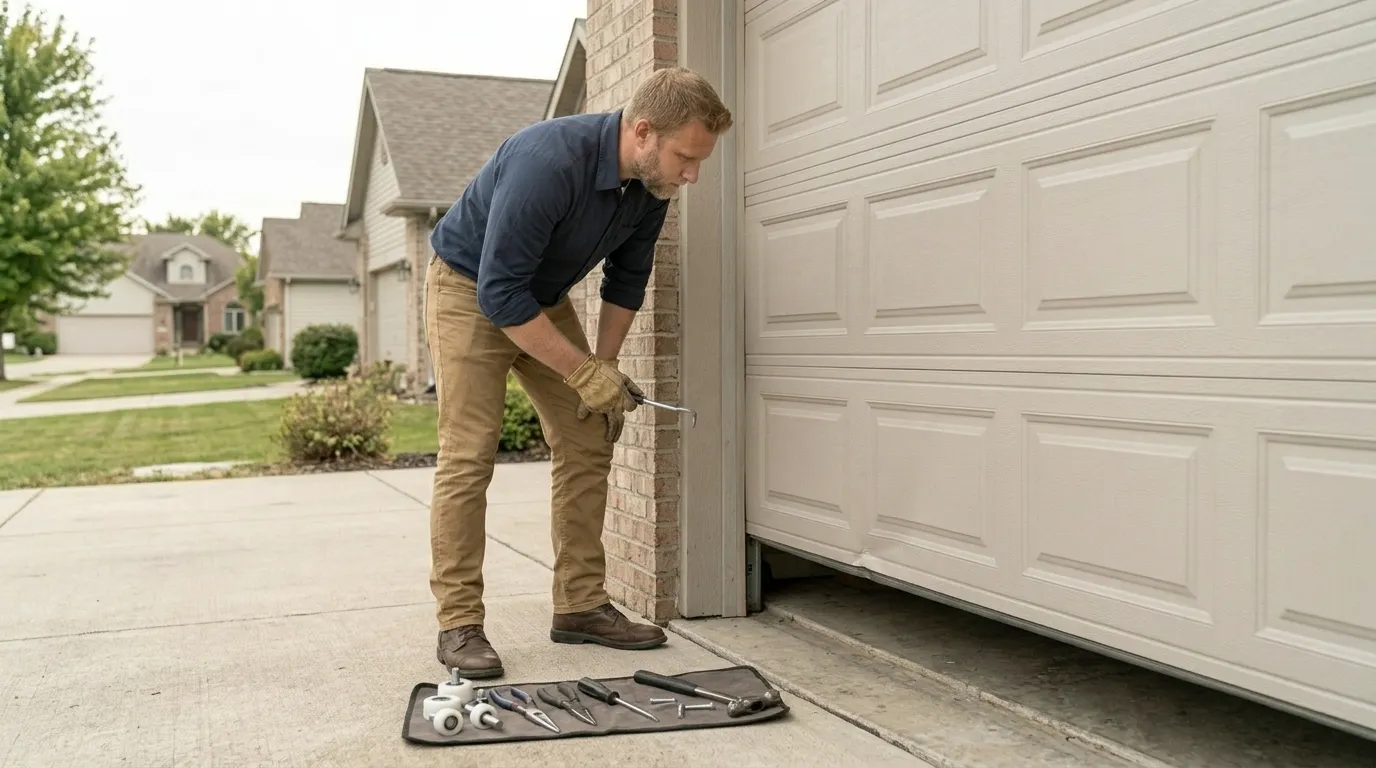
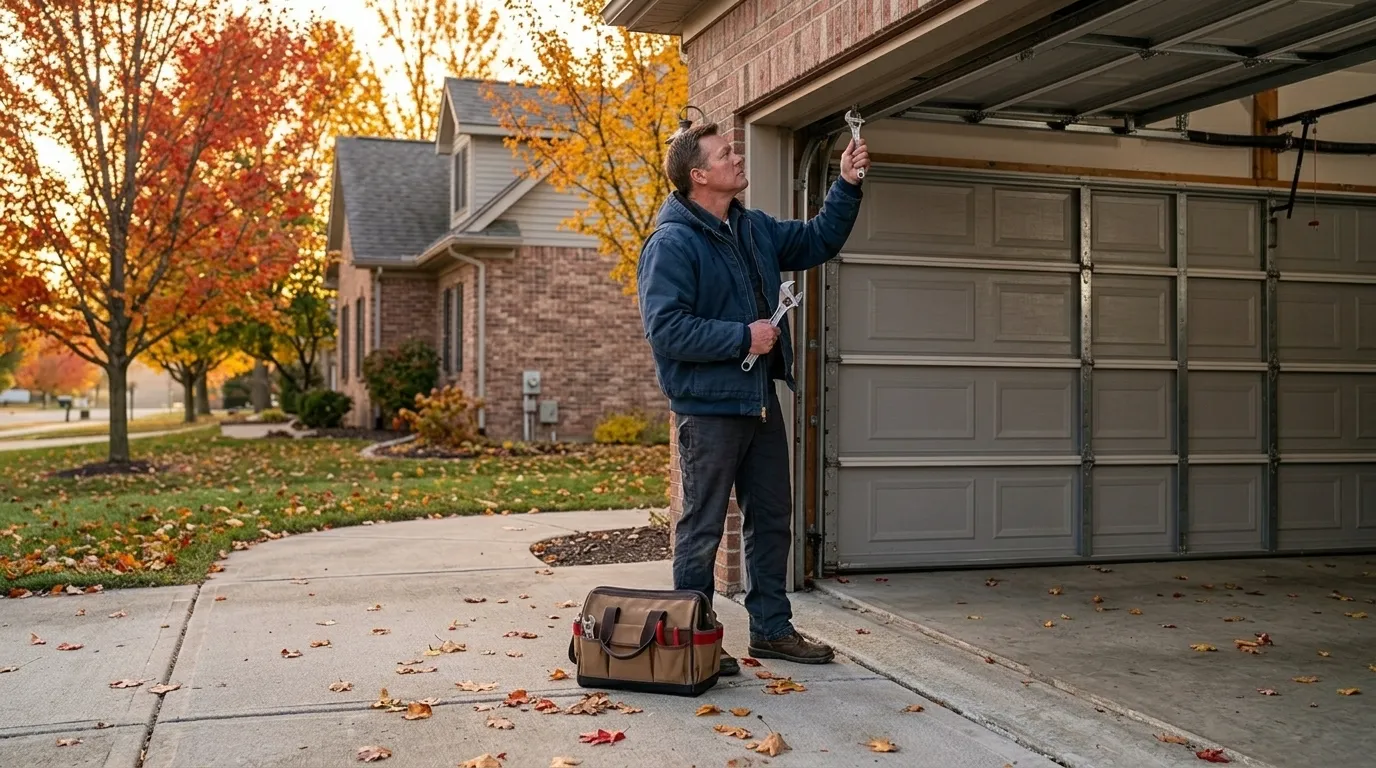
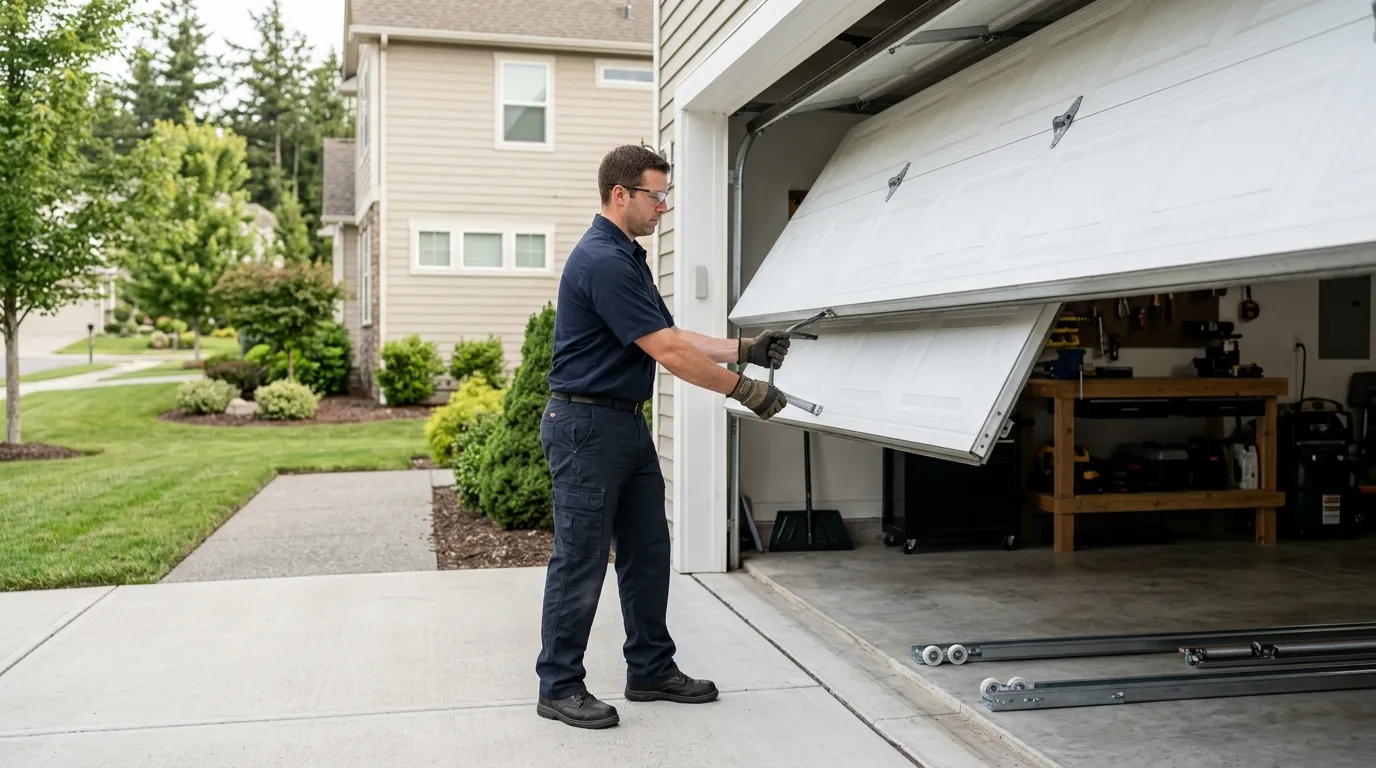
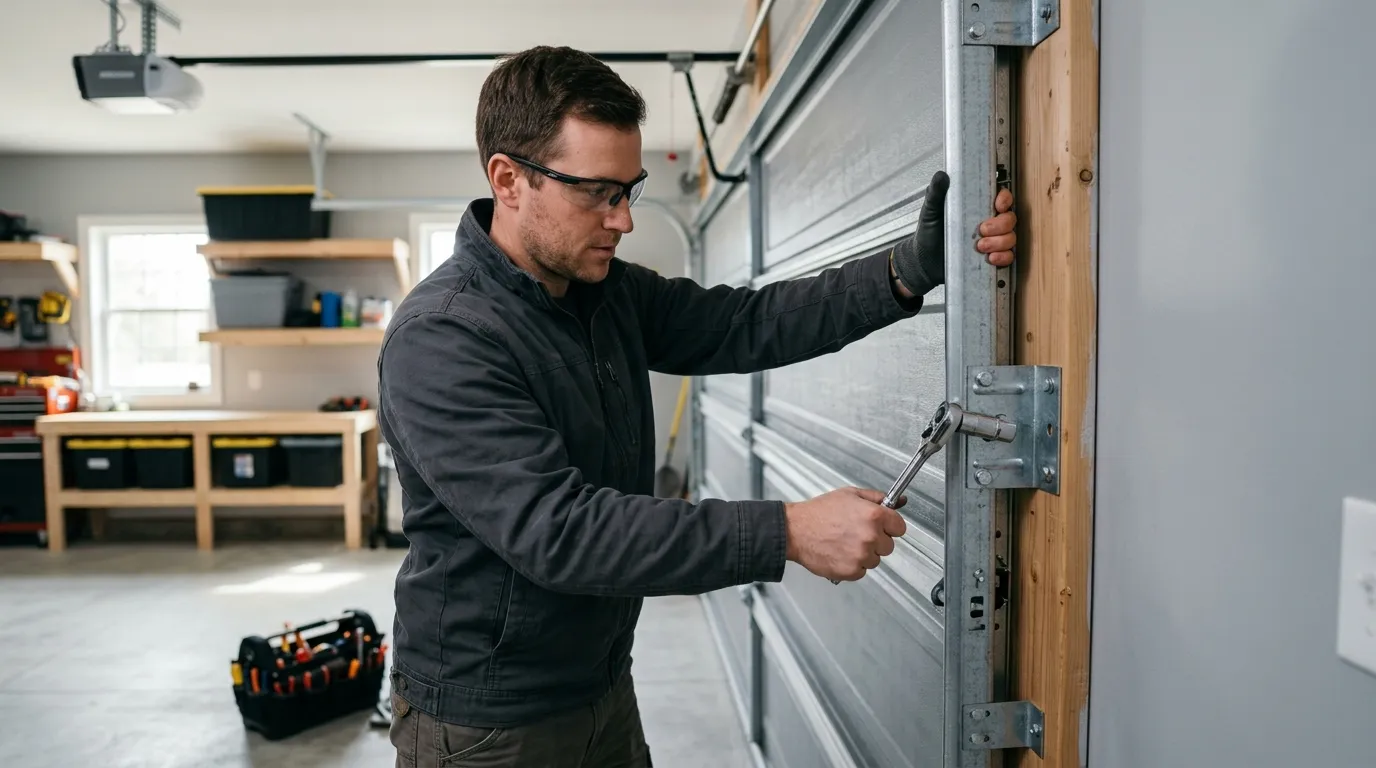
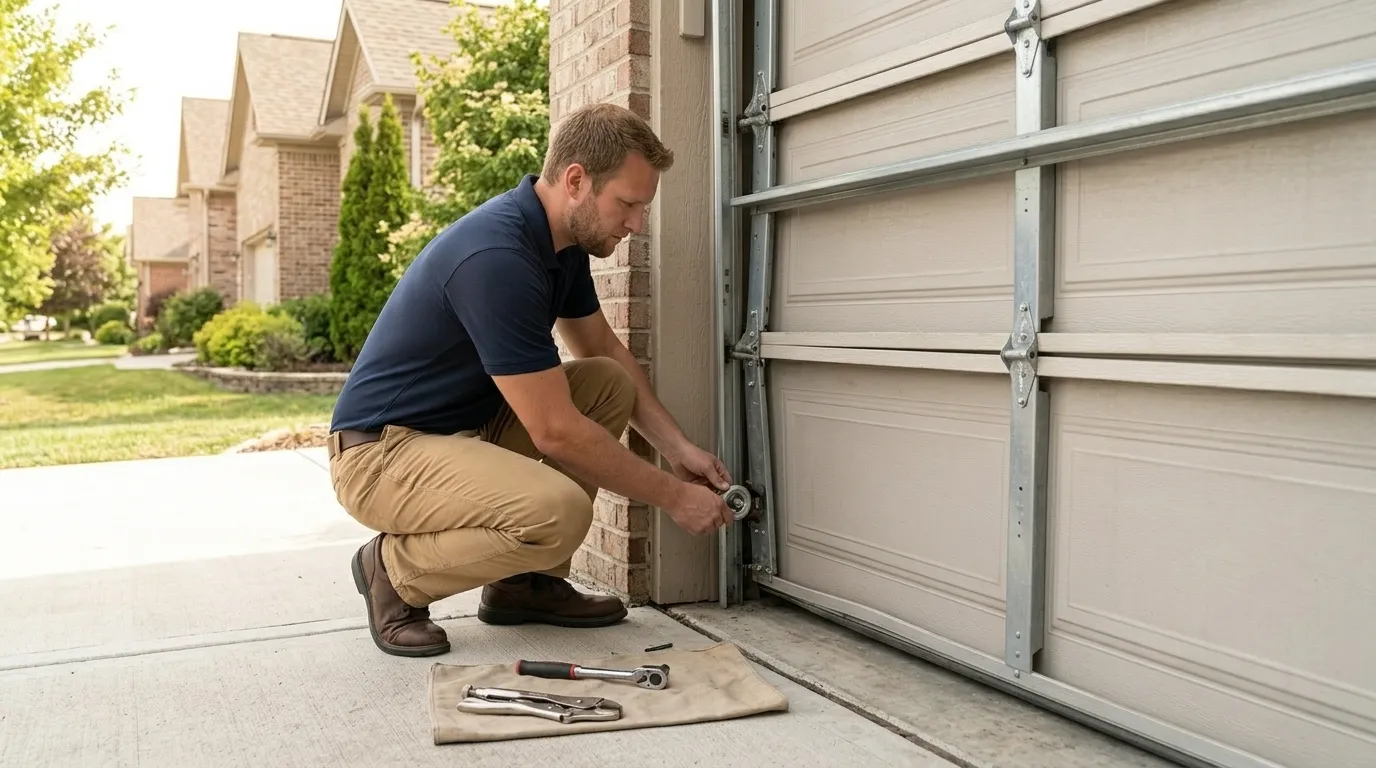
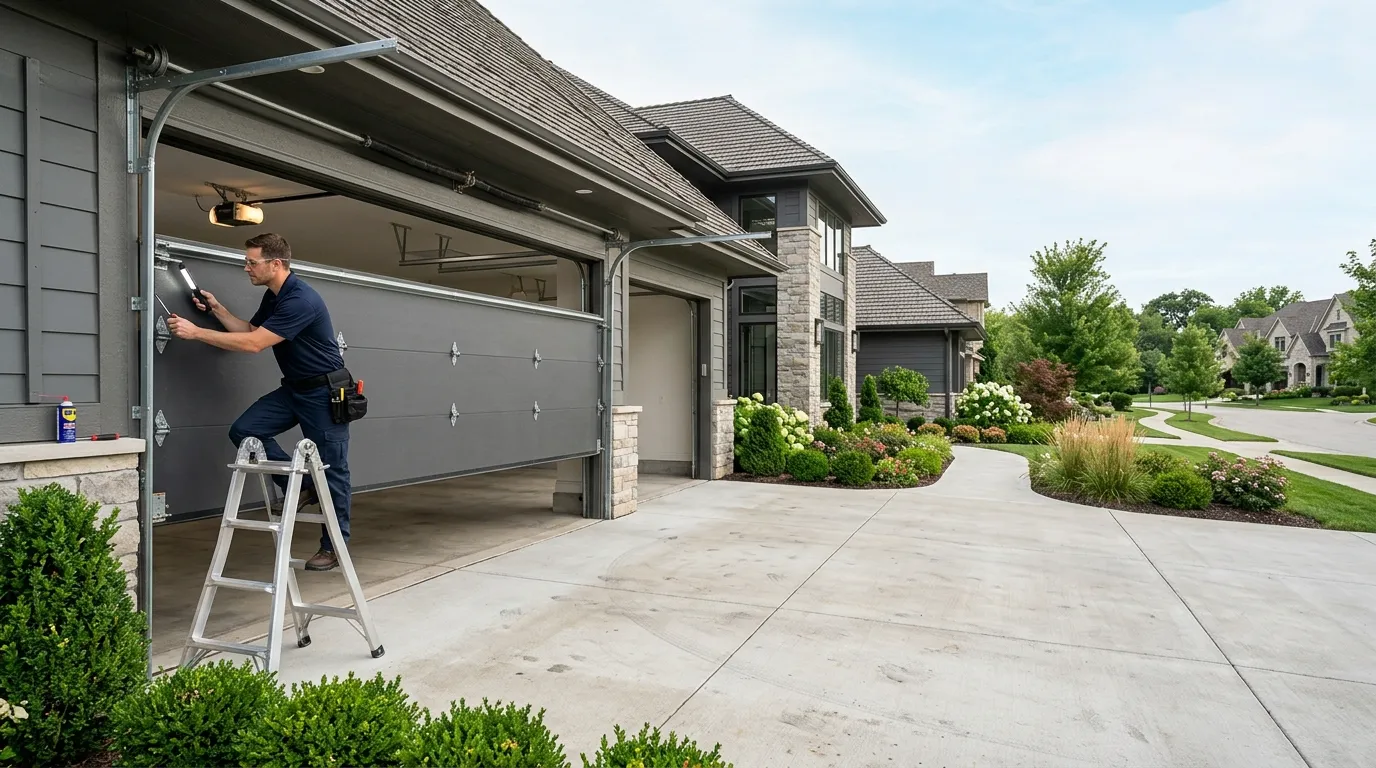
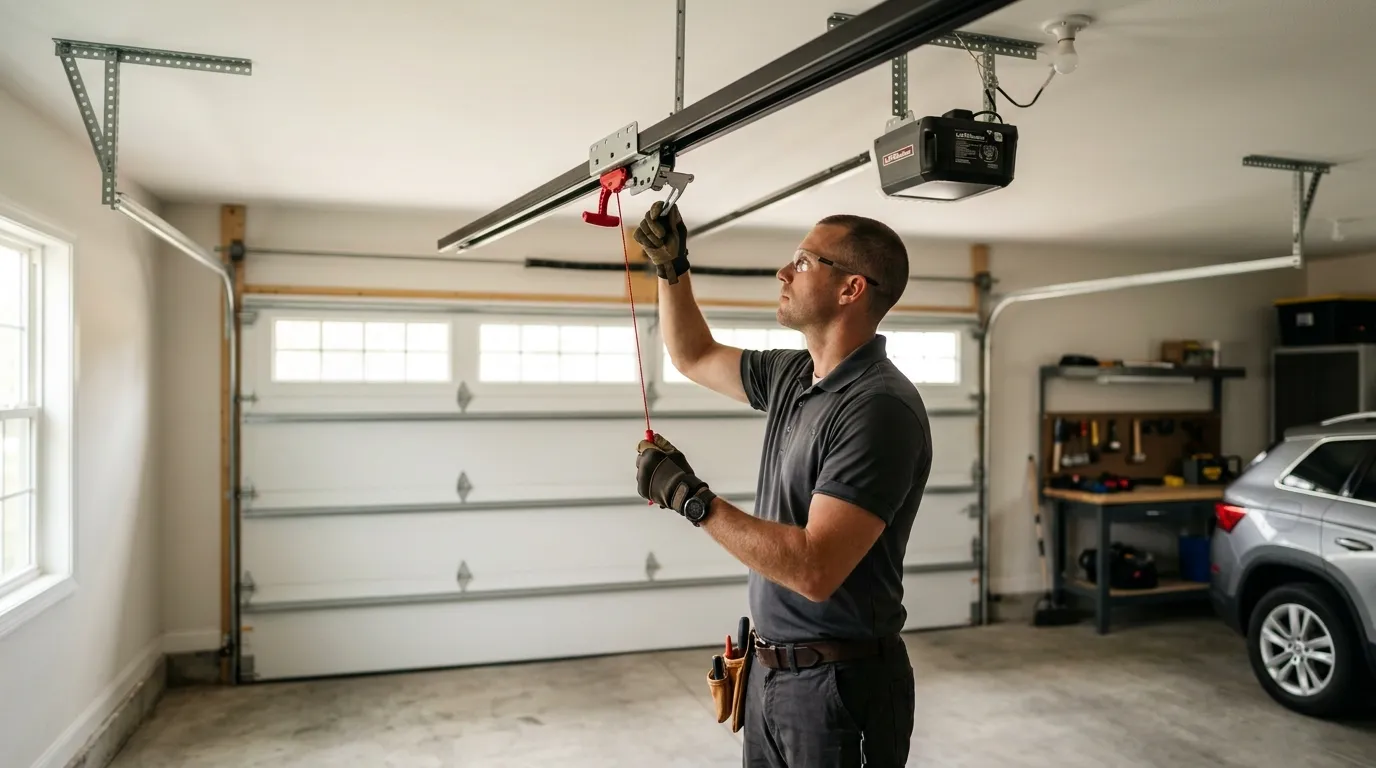
First we run the door through a full cycle and watch where it hangs, reverses, or stalls, because that tells us more than any single symptom you describe on the phone. Then we check the sensors, the travel limits, the gear and belt or chain tension, and the logic board itself - in that order, cheapest and fastest checks first.
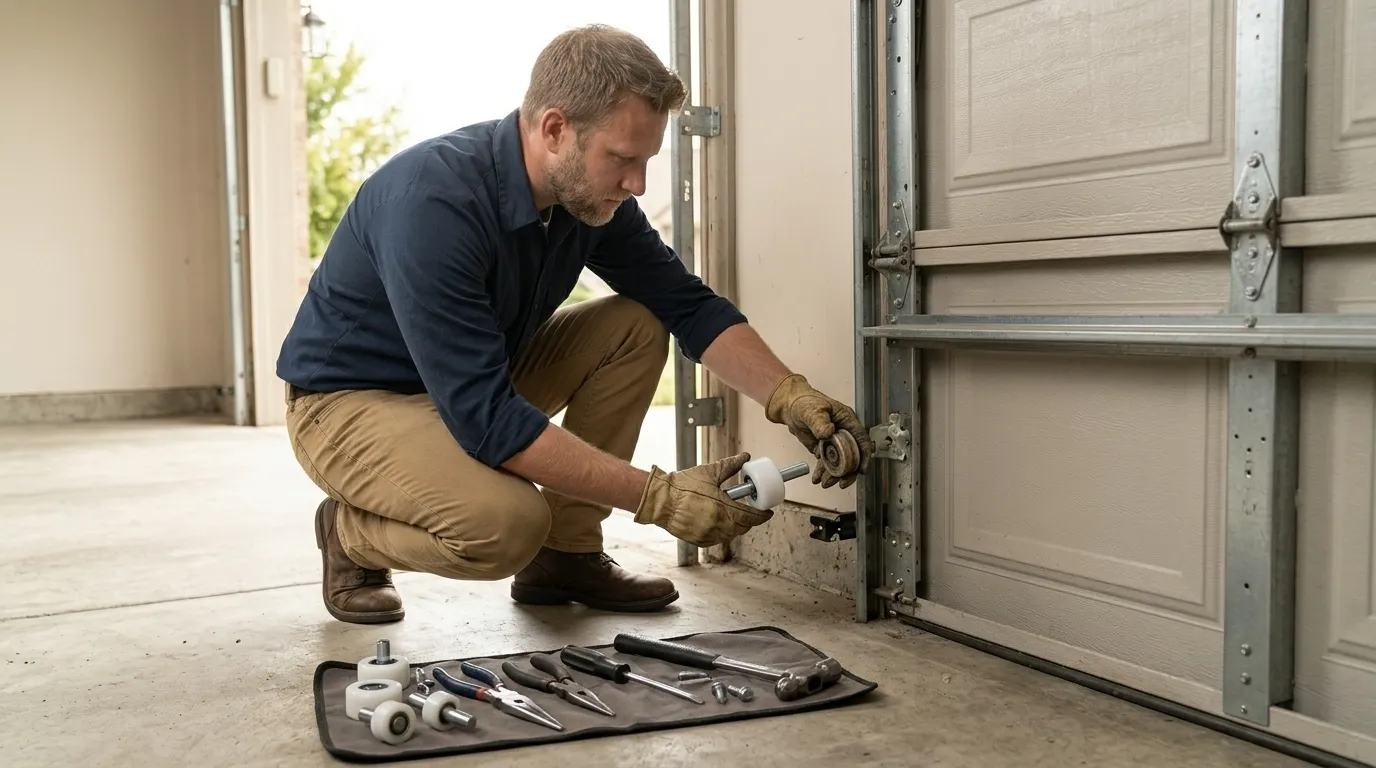
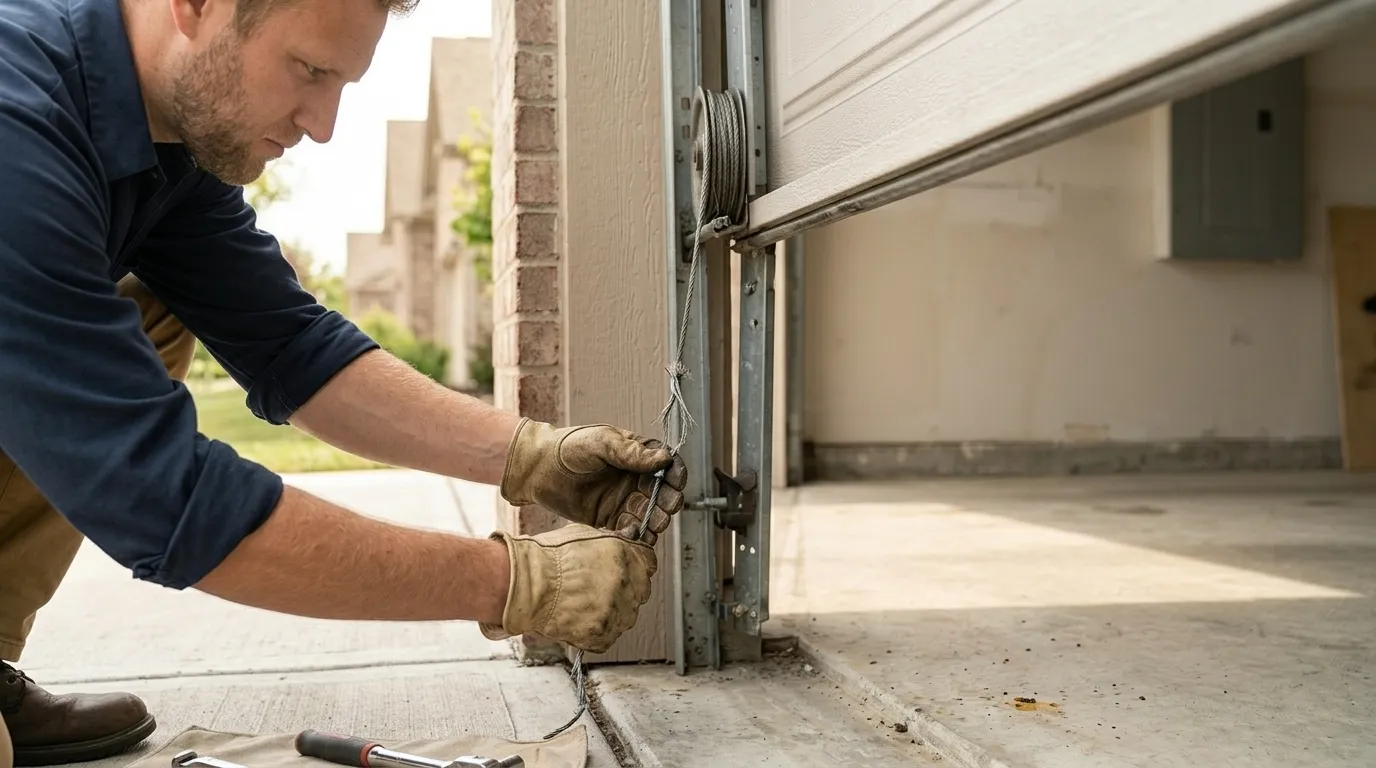
If it's a gear, capacitor, sensor, or switch, we carry the common parts on the truck and most jobs close out same visit. If it's a board that's discontinued or a motor that's seized, we'll tell you that up front rather than order a part that takes weeks to land and still leaves you with an old unit. Across the 37,757 owner-occupied houses in this service area, the opener brands and ages repeat enough that we know within a few minutes of watching the door cycle which of those two paths we're on.