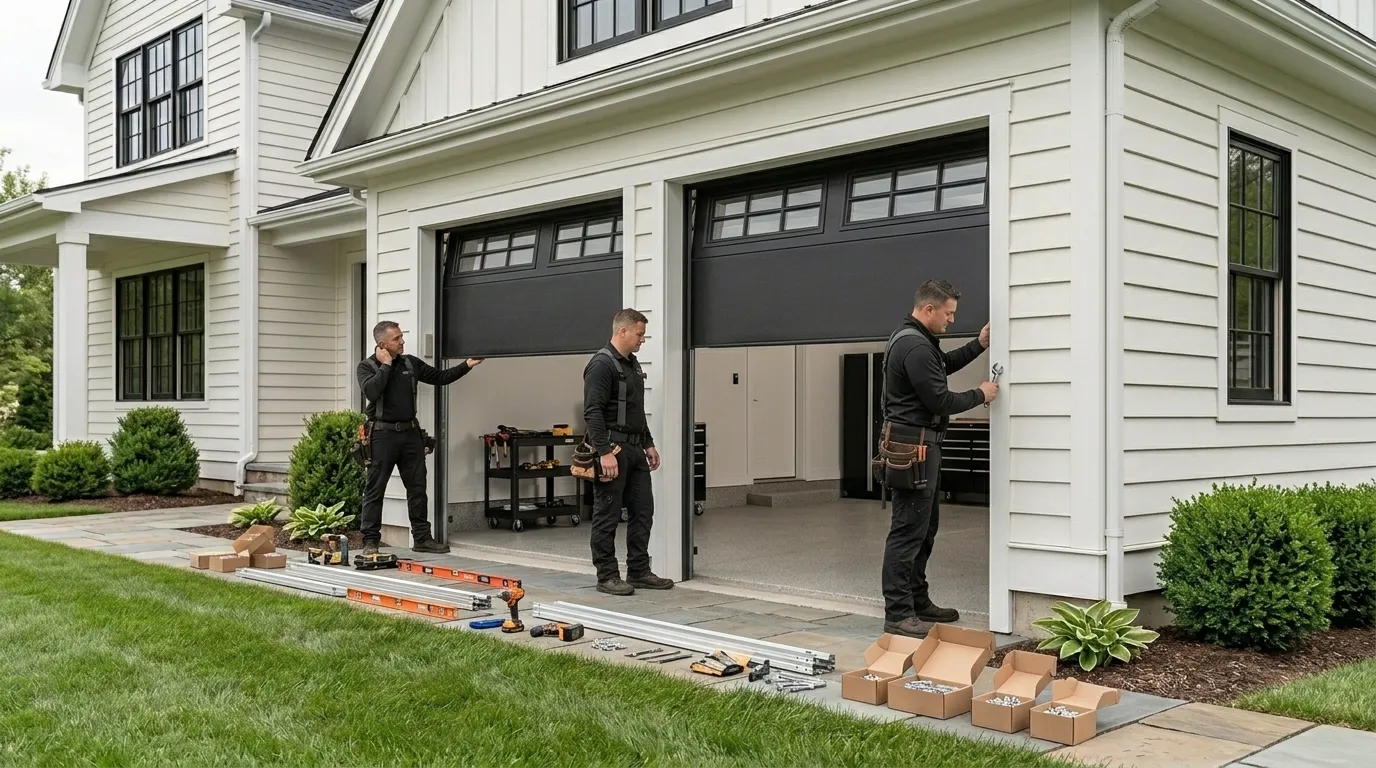
How That Shows Up in the Door
Most of the houses we work on across the wider Kansas City service area went up between 1950 and 2004, with a lot of that stock clustered in the 1960s and 70s. Lansing runs later than that. The typical Lansing house was built around 1987, which puts it a solid decade or more past the doors and hardware we see on the older side of the metro.
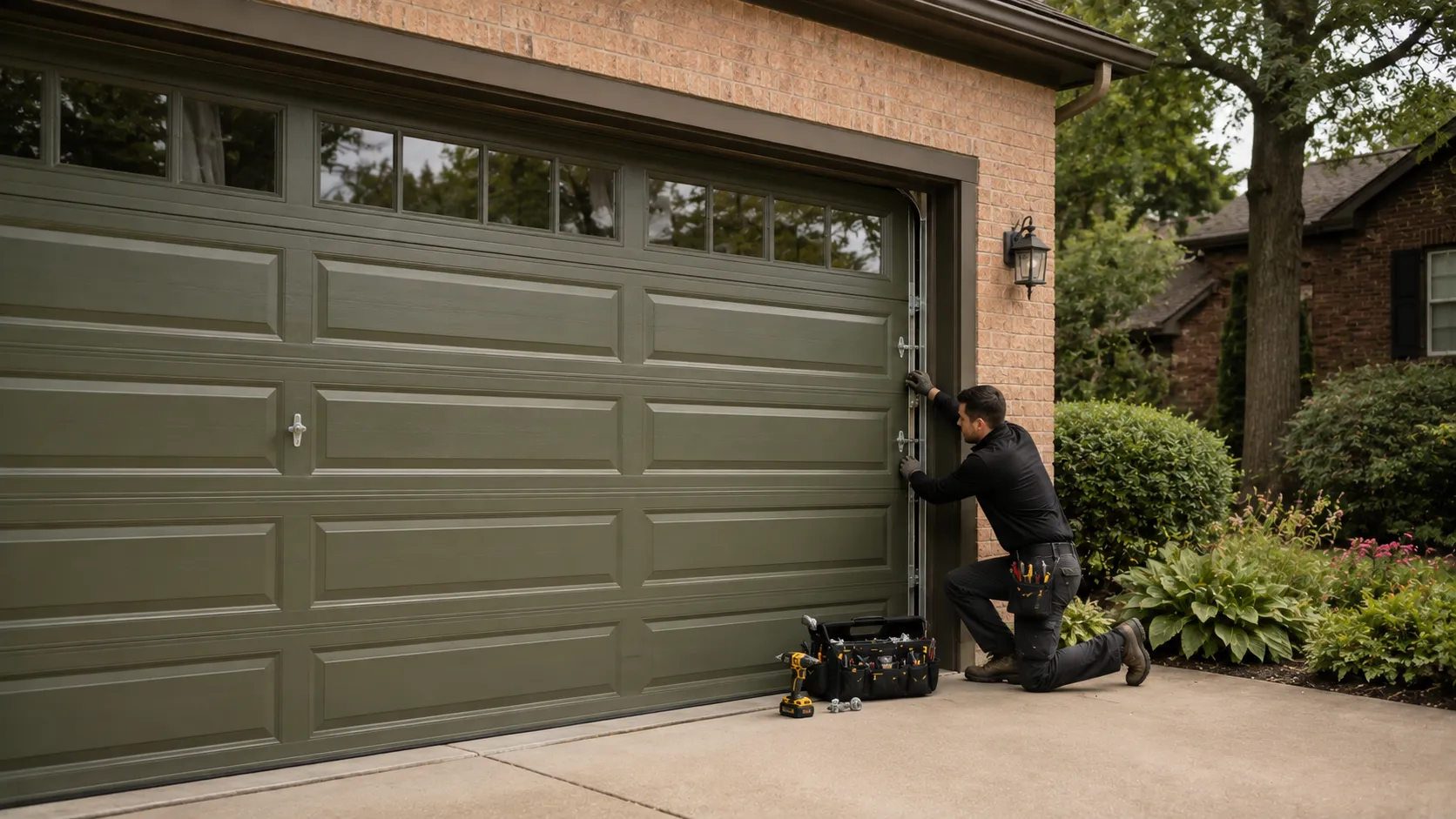
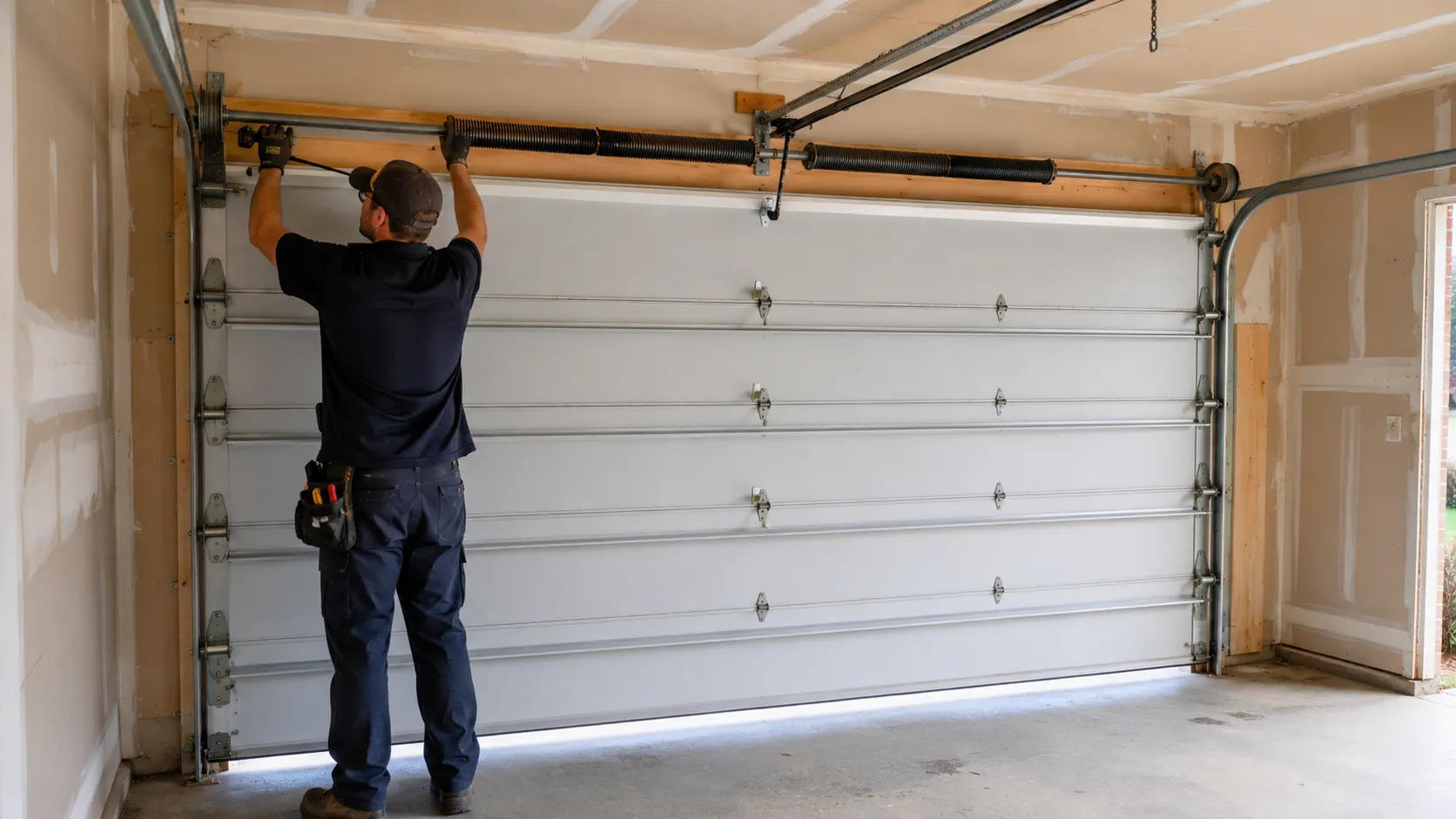
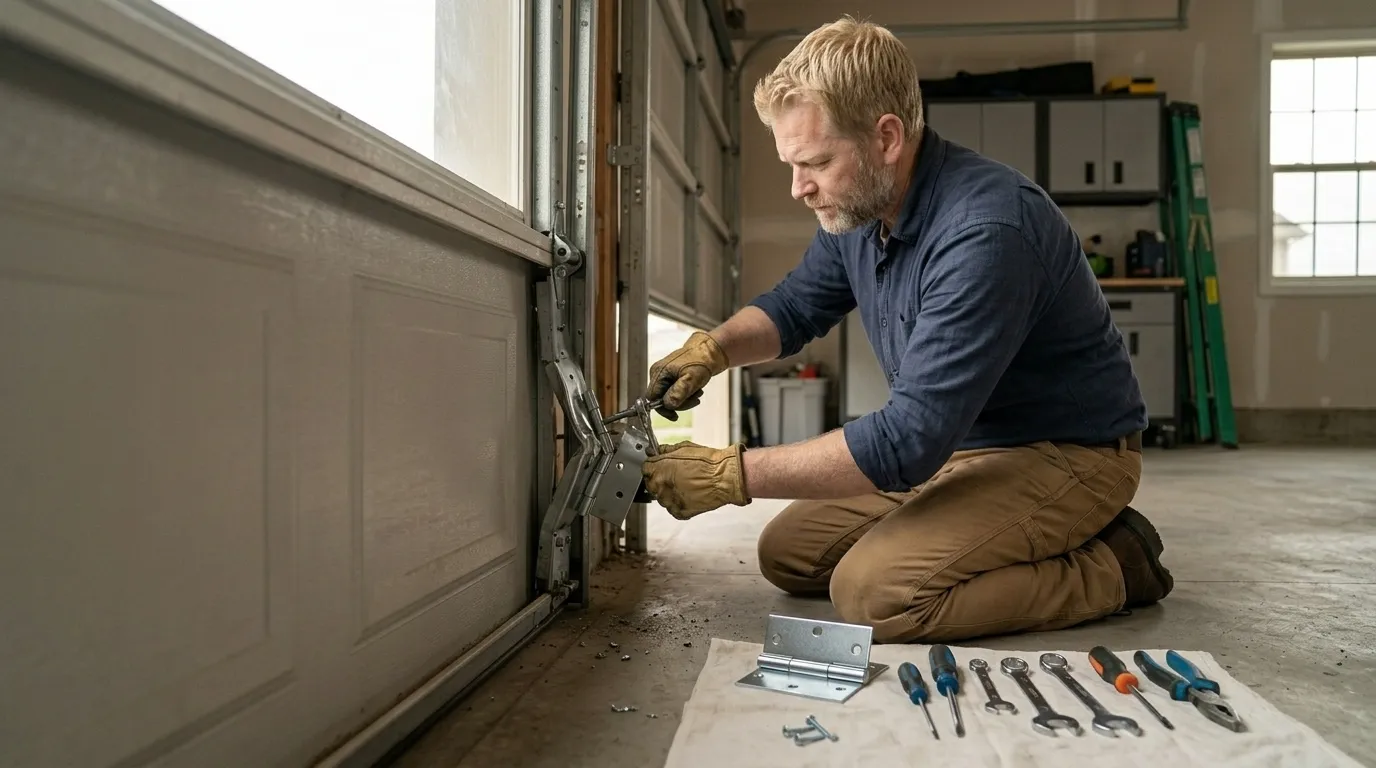
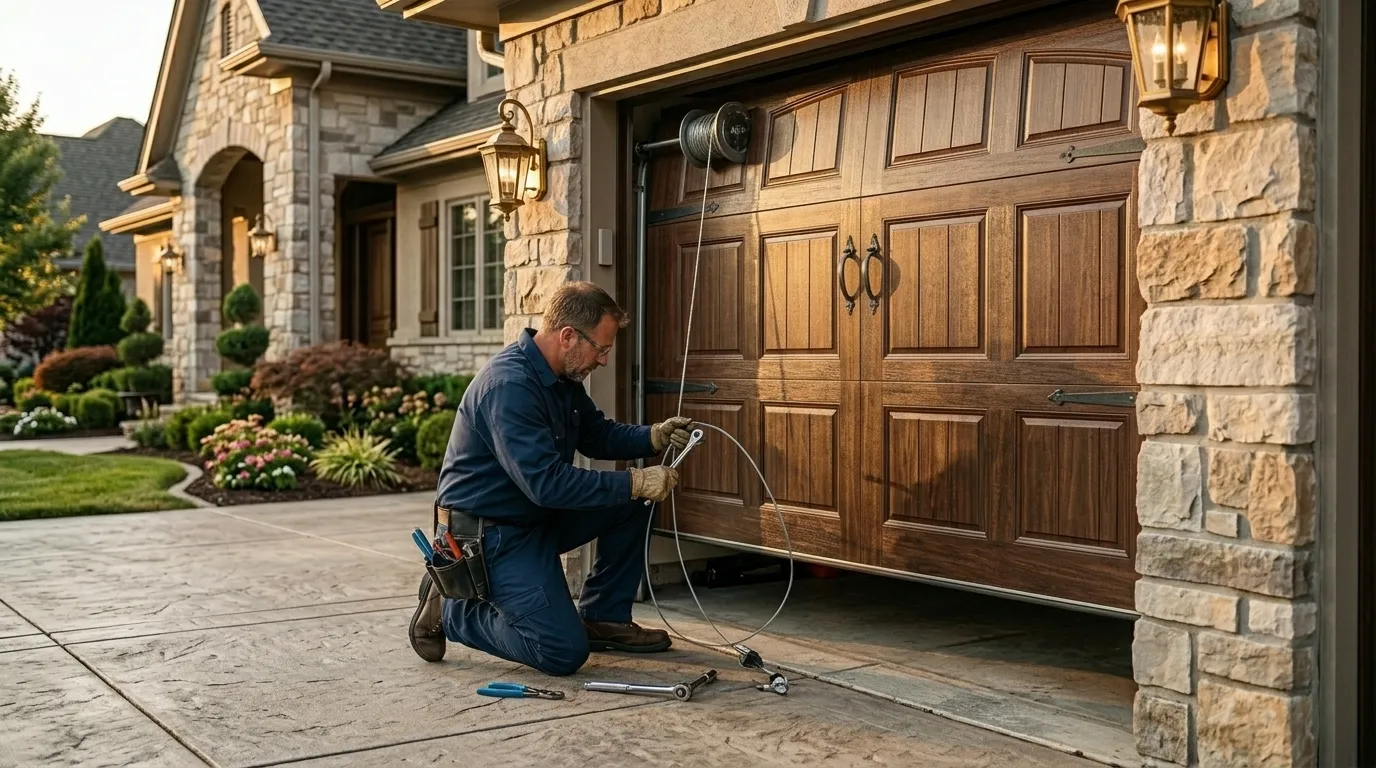
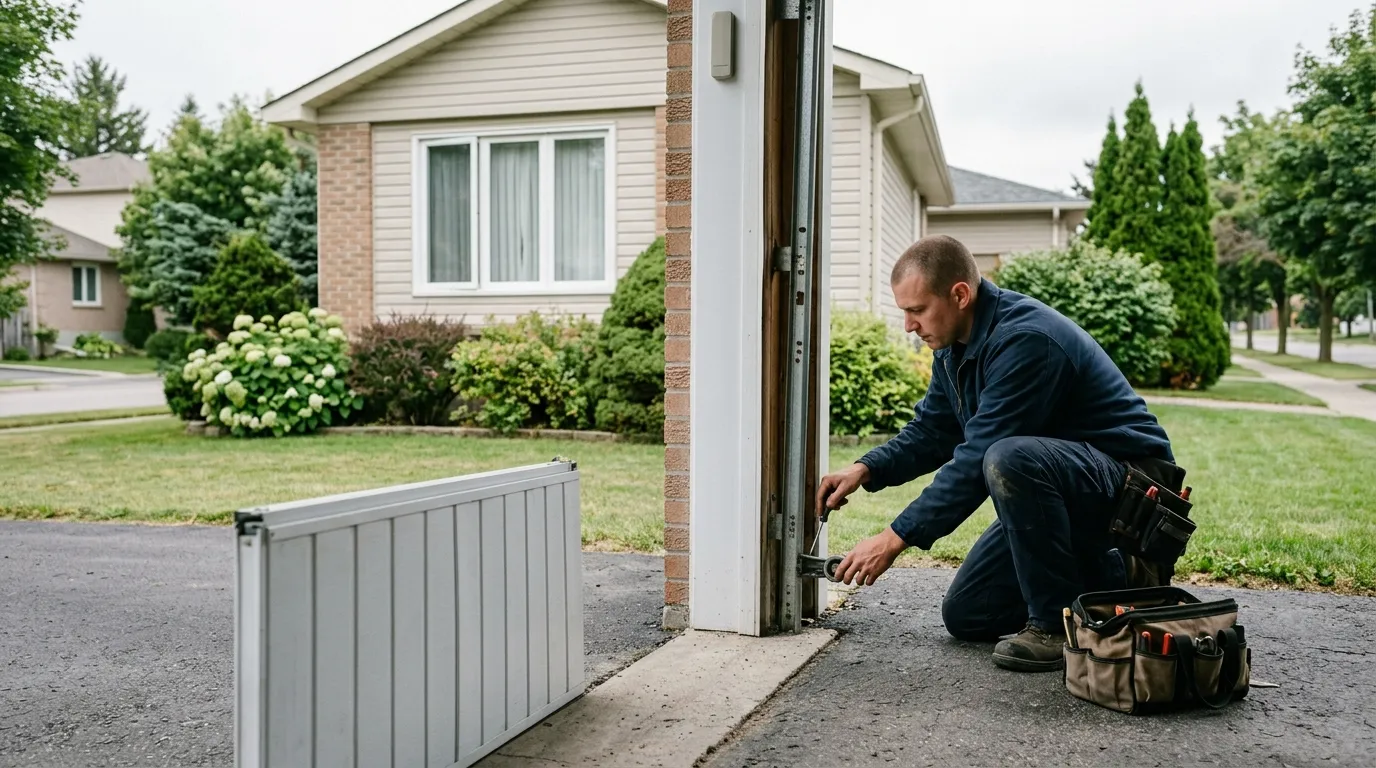
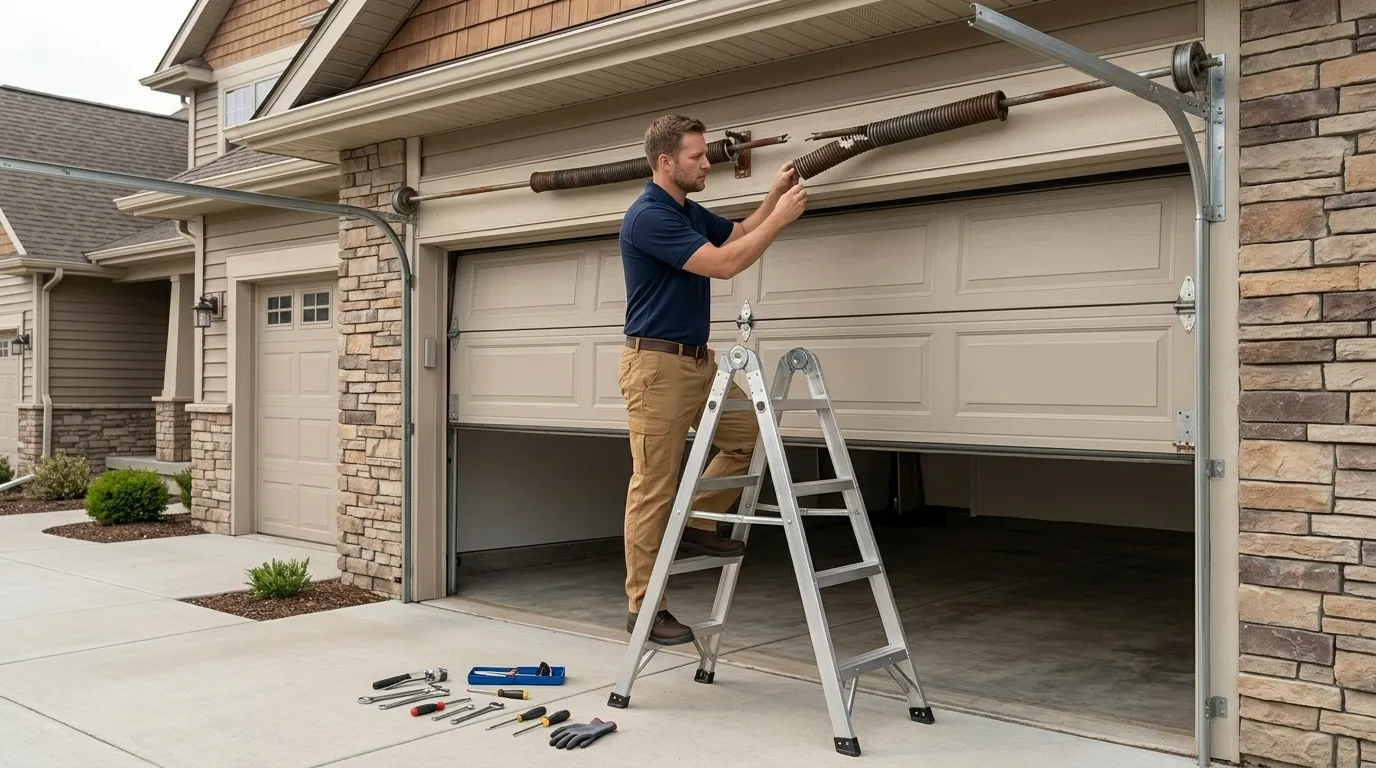
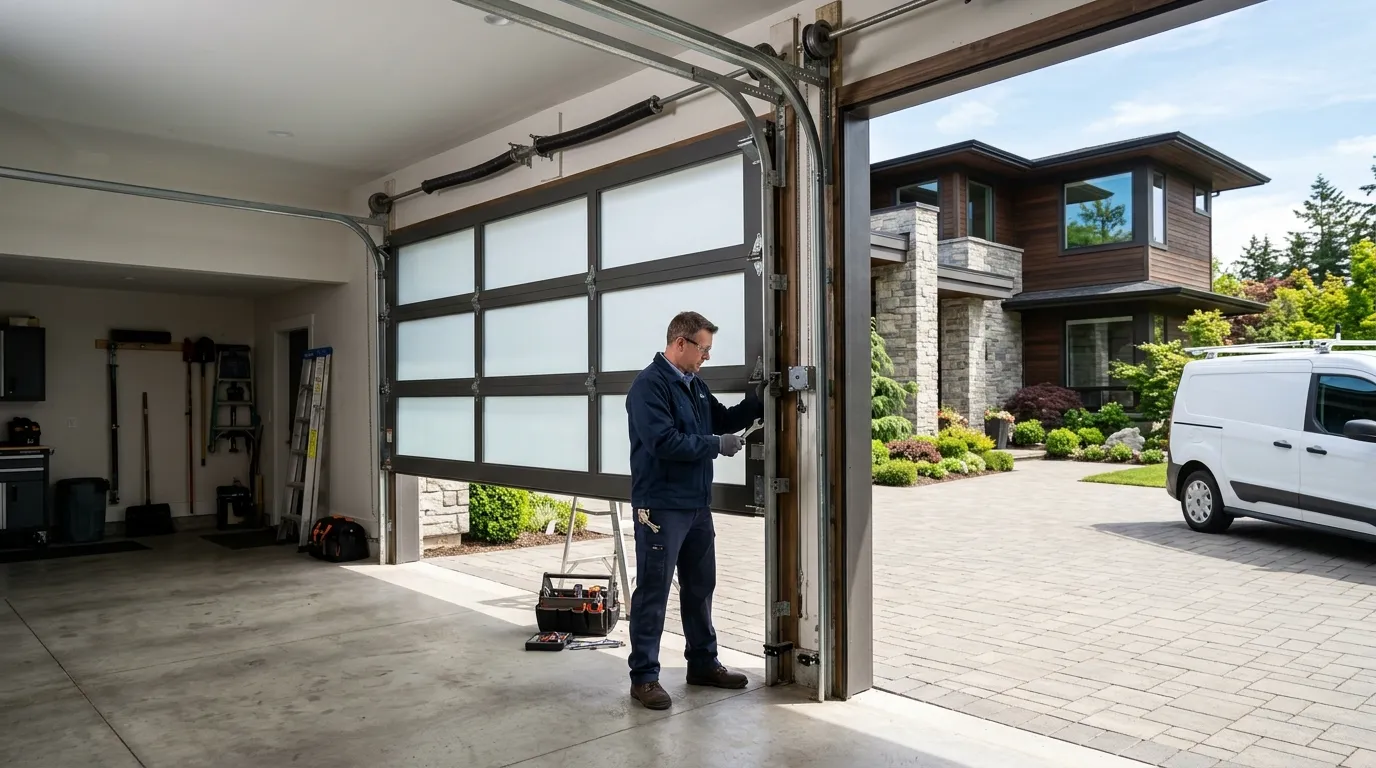
That gap matters. A 1987 build usually means a wider single-panel or sectional steel door on extension springs or a torsion bar sized for that era's opener technology, not the earlier chain-drive units with pull-cord releases you find on 1960s houses. The rot patterns are different too. Older doors fail from decades of wood swelling and steel fatigue. A Lansing door in this age range is more likely showing worn nylon rollers, a stretched or fraying lift cable, or an opener logic board that's simply reached the end of its service life rather than a door that's structurally shot.
We look at the build year before we look at the door, because it tells us what we're probably going to find under the panel.
What We Do Not Do
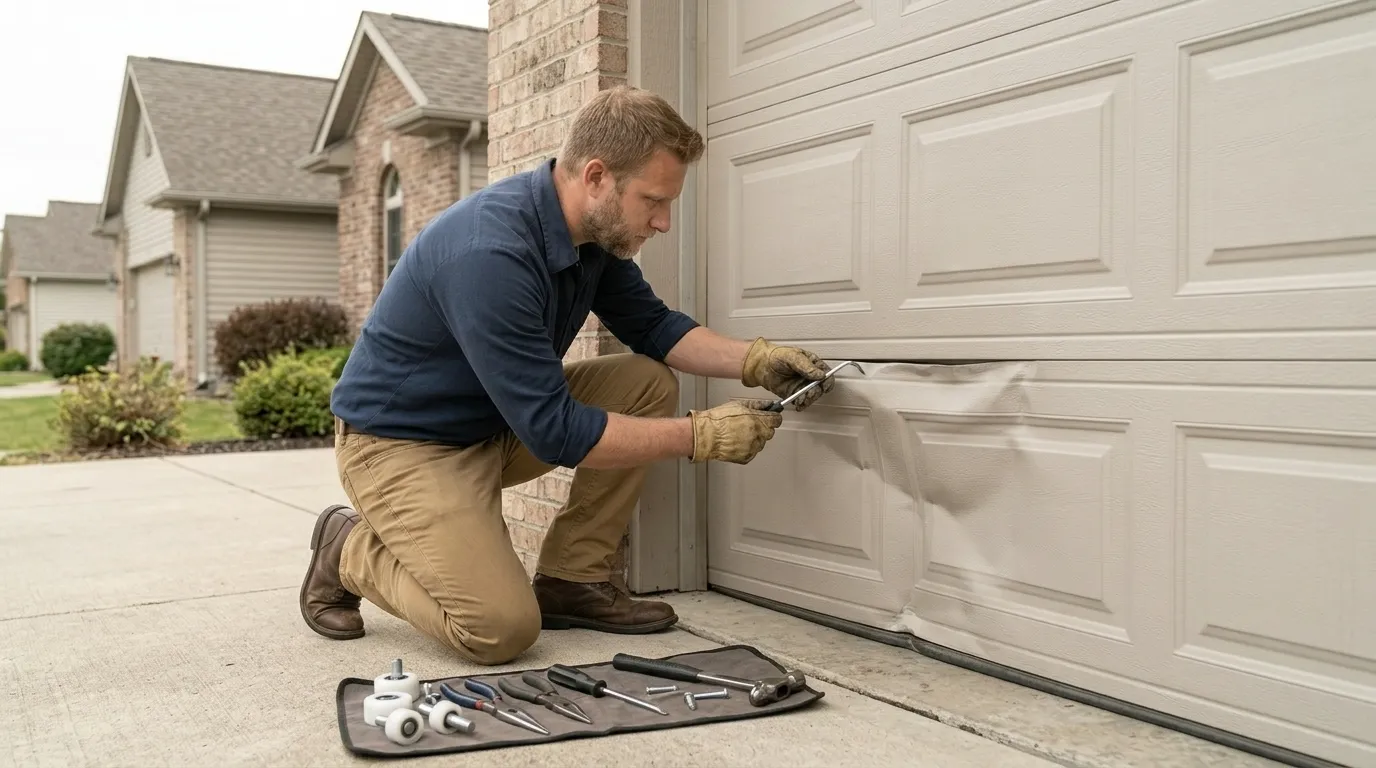
We don't replace a door when the fix is a spring, a cable, or a set of rollers. If your opener is from the same install as the house and it's still running the original logic board, we'll tell you straight whether it's worth repairing or whether parts for that model are getting hard to source. We're not going to sell you a new opener because the old one is inconvenient to diagnose.
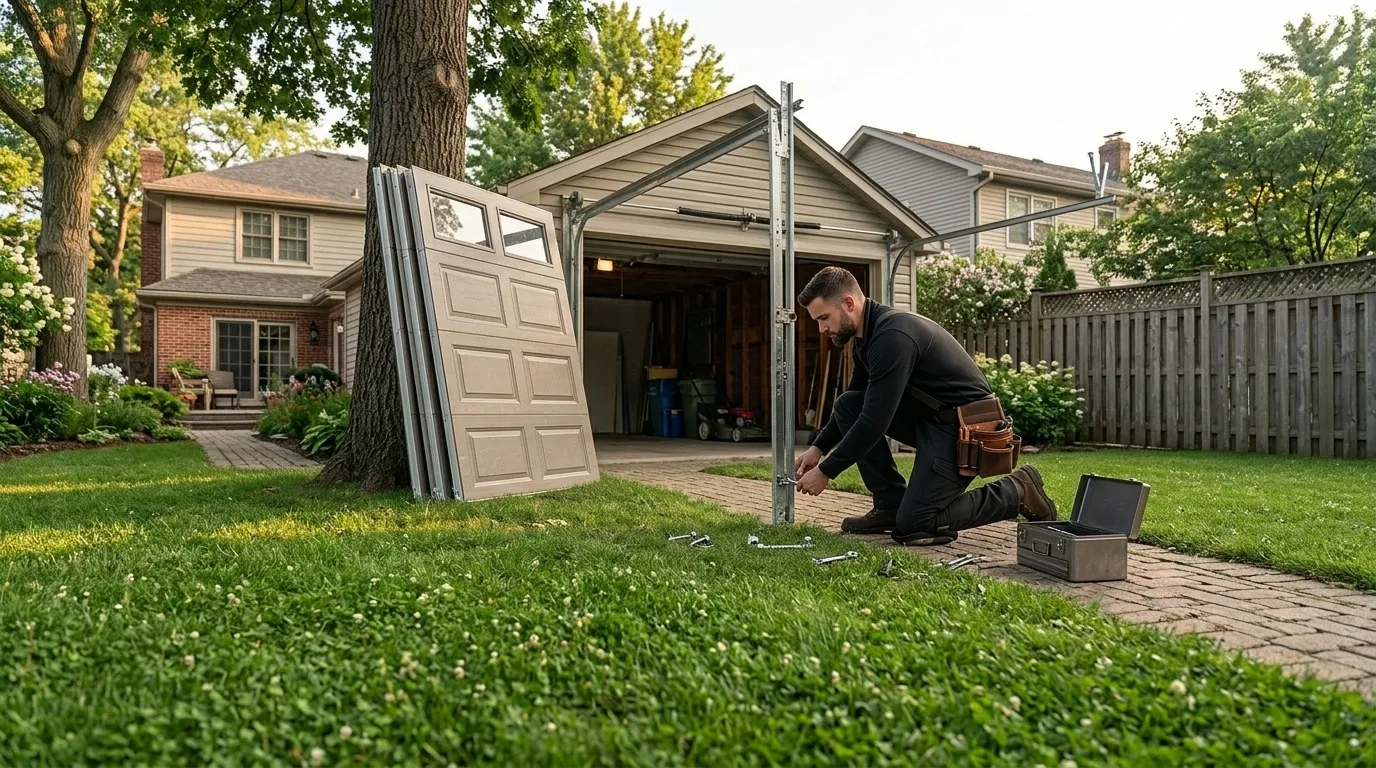
We also don't stock every part on the truck for every era of door. Extension spring kits and older torsion setups sometimes mean a return trip if the exact size isn't something we carry that day. We'd rather tell you that up front than pretend otherwise.
And we don't work outside the coverage area listed for this business. If a job needs something we can't verify or a part we can't get, we'll say so instead of guessing at a fix that might not hold.
What Was Built Here
Lansing households report a median income of $100,871, noticeably higher than the roughly $89,385 median across the broader service area. That tracks with the housing stock: newer construction from the 1980s costs more to put up and tends to sit on larger lots with garages built to hold two full-size vehicles rather than the single-bay setups common on older streets closer to the city core.
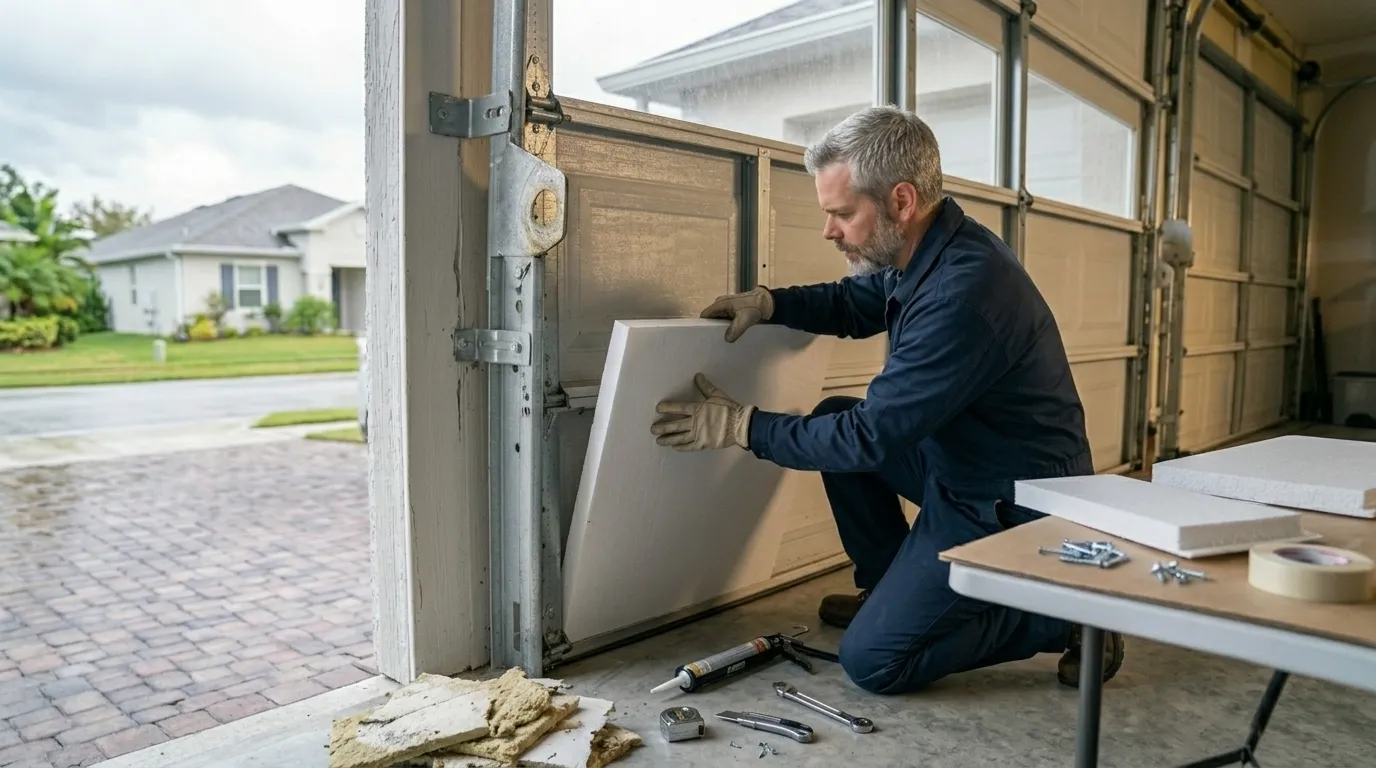
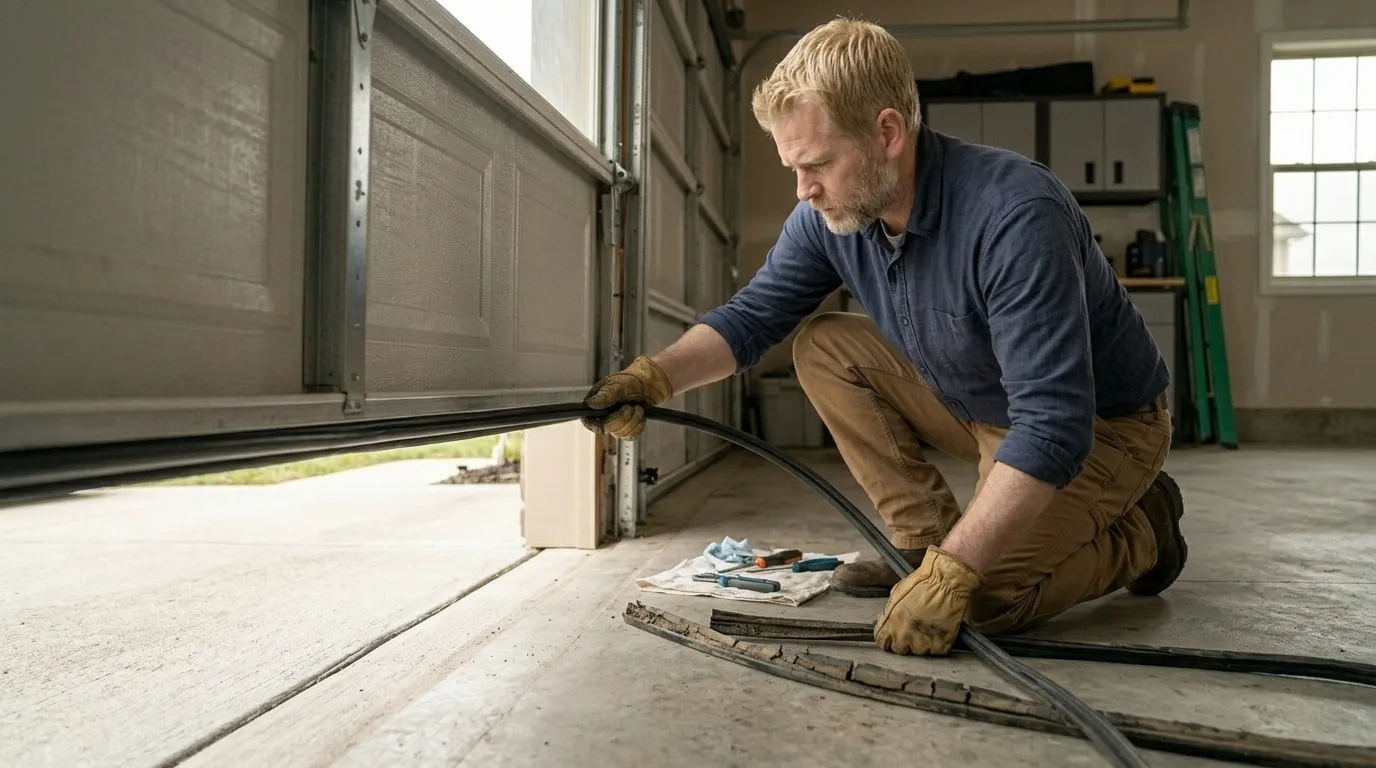
With about 3,632 households in the area, this isn't a sprawling market, but it's a consistent one - enough uniform 1980s-era construction that the same handful of door widths, spring sizes, and opener generations show up job after job. The broader region falls in a cold-climate band with real seasonal severity, and Lansing's later-built garages were framed with that in mind, but a garage from 1987 still wasn't insulated the way builders do it now. Cold snaps stiffen lift cables and thicken old grease on rollers regardless of the build year, which is why winter is when a marginal spring or a tired cable finally gives out.