How That Shows Up in the Door
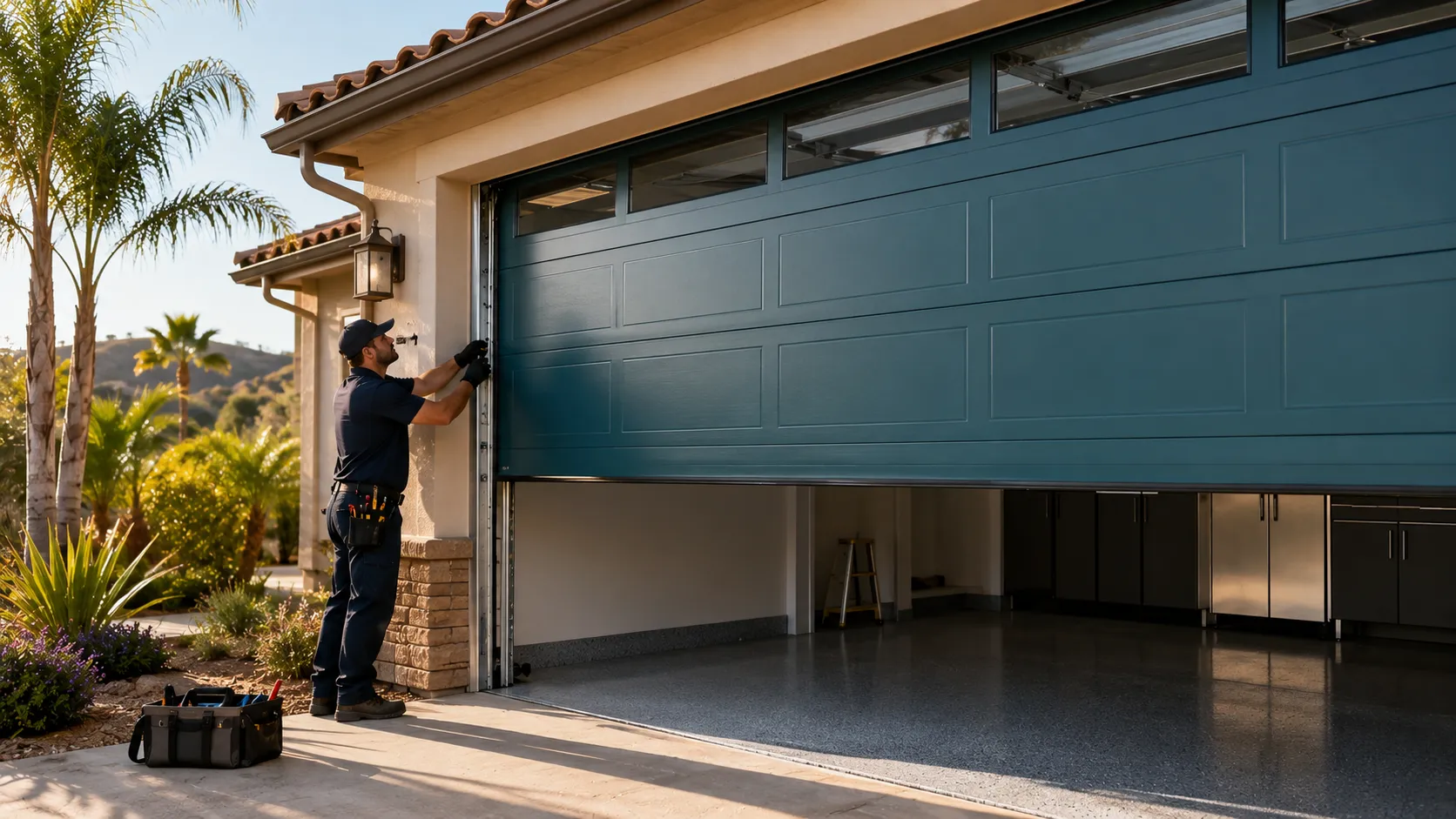
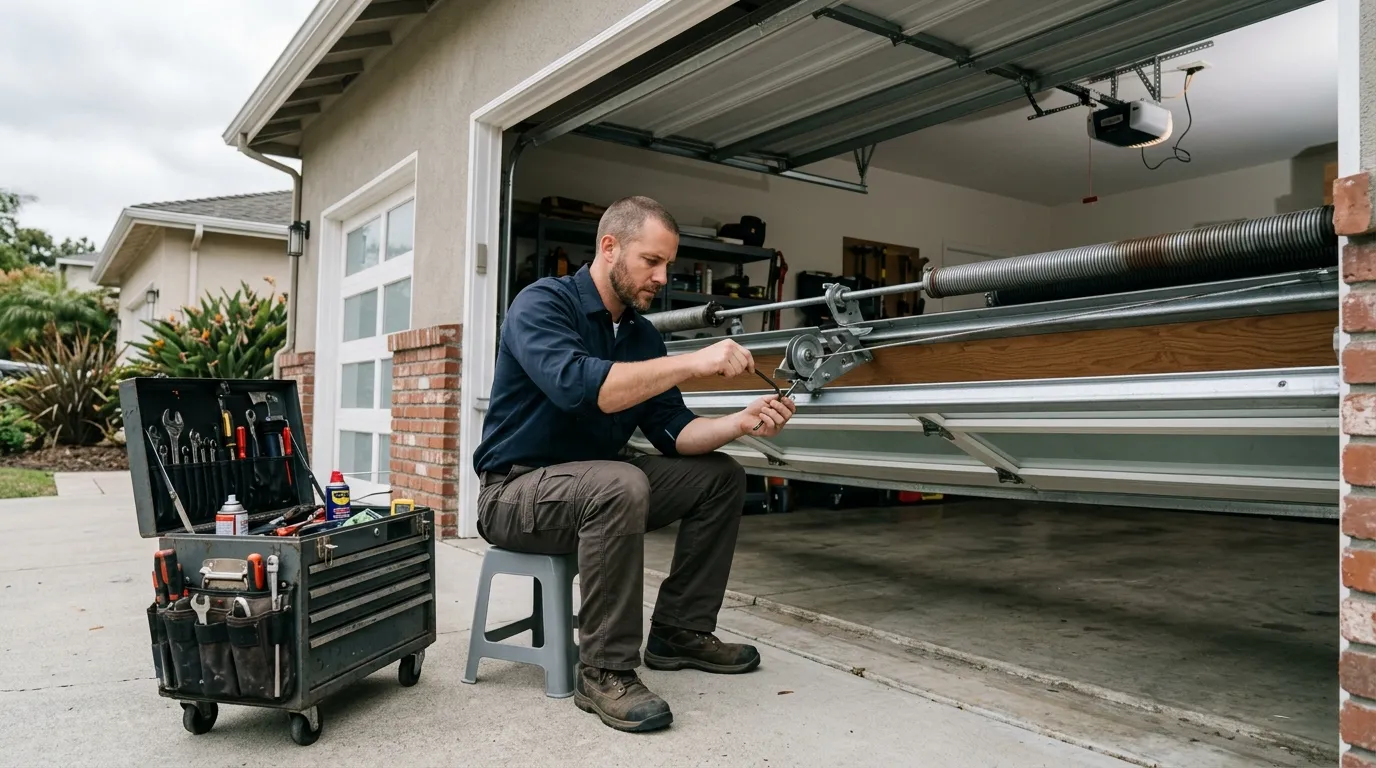
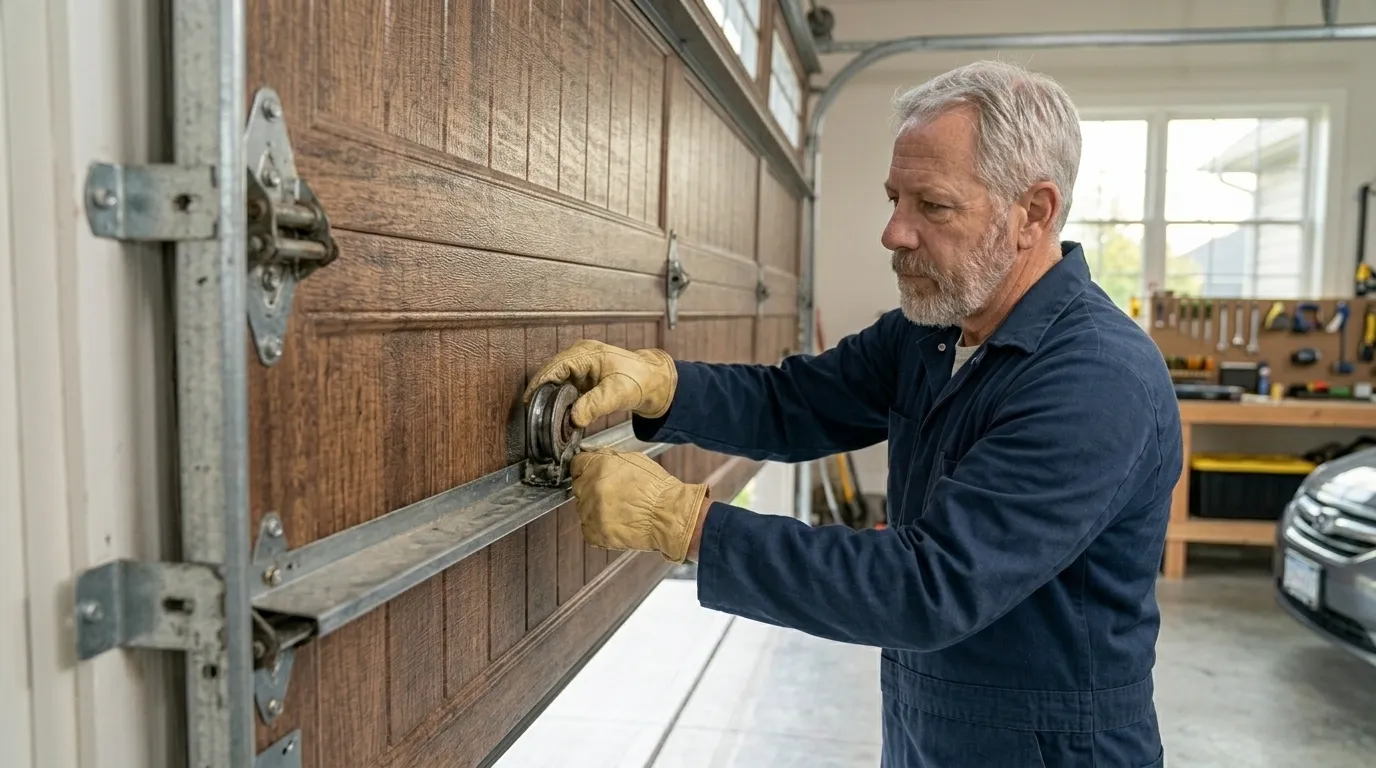
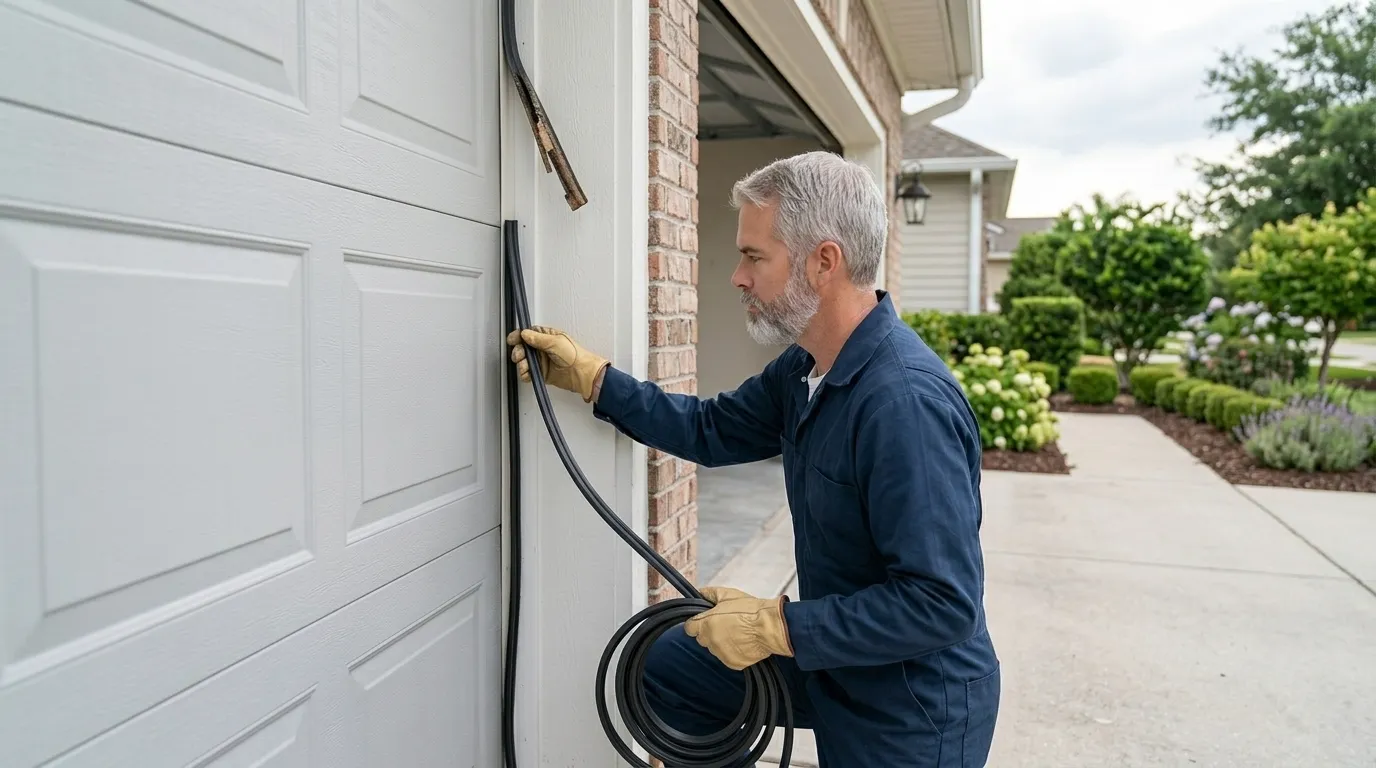
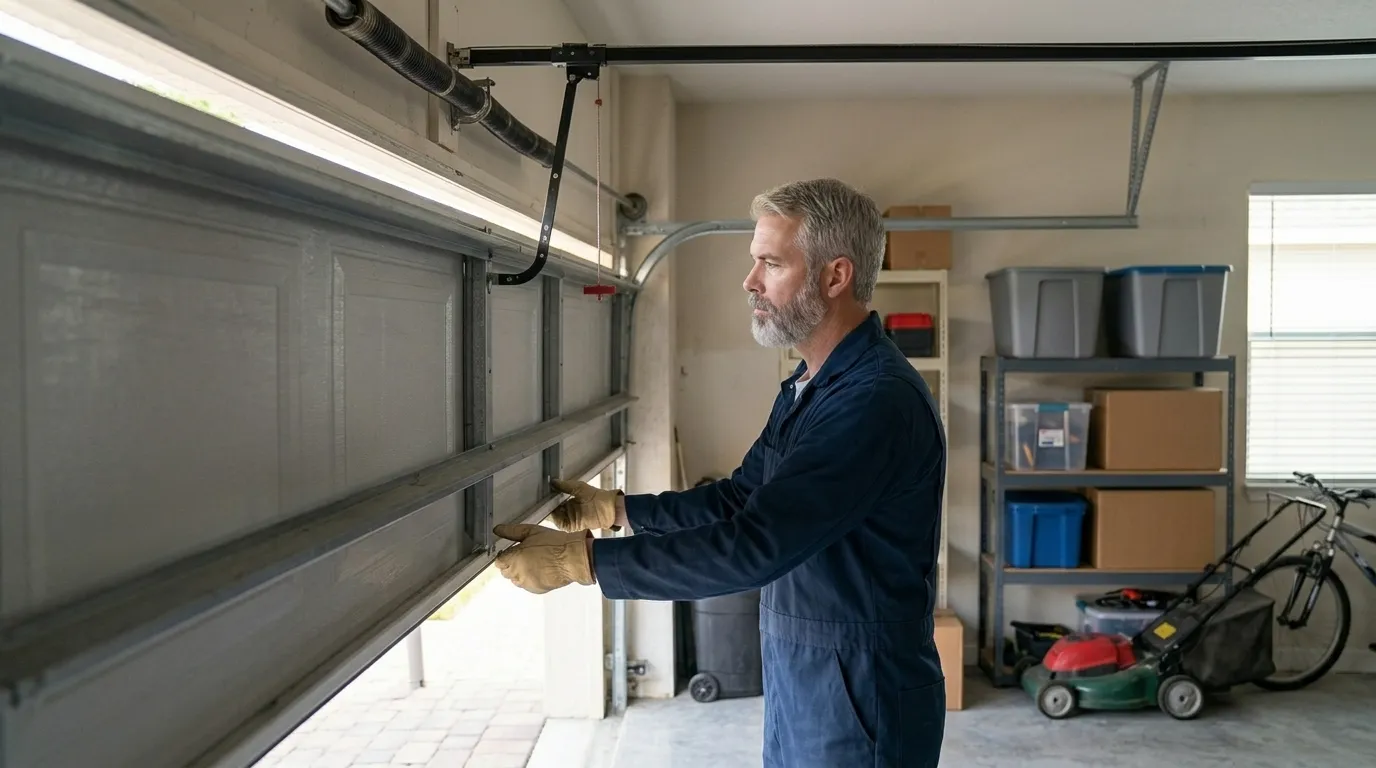
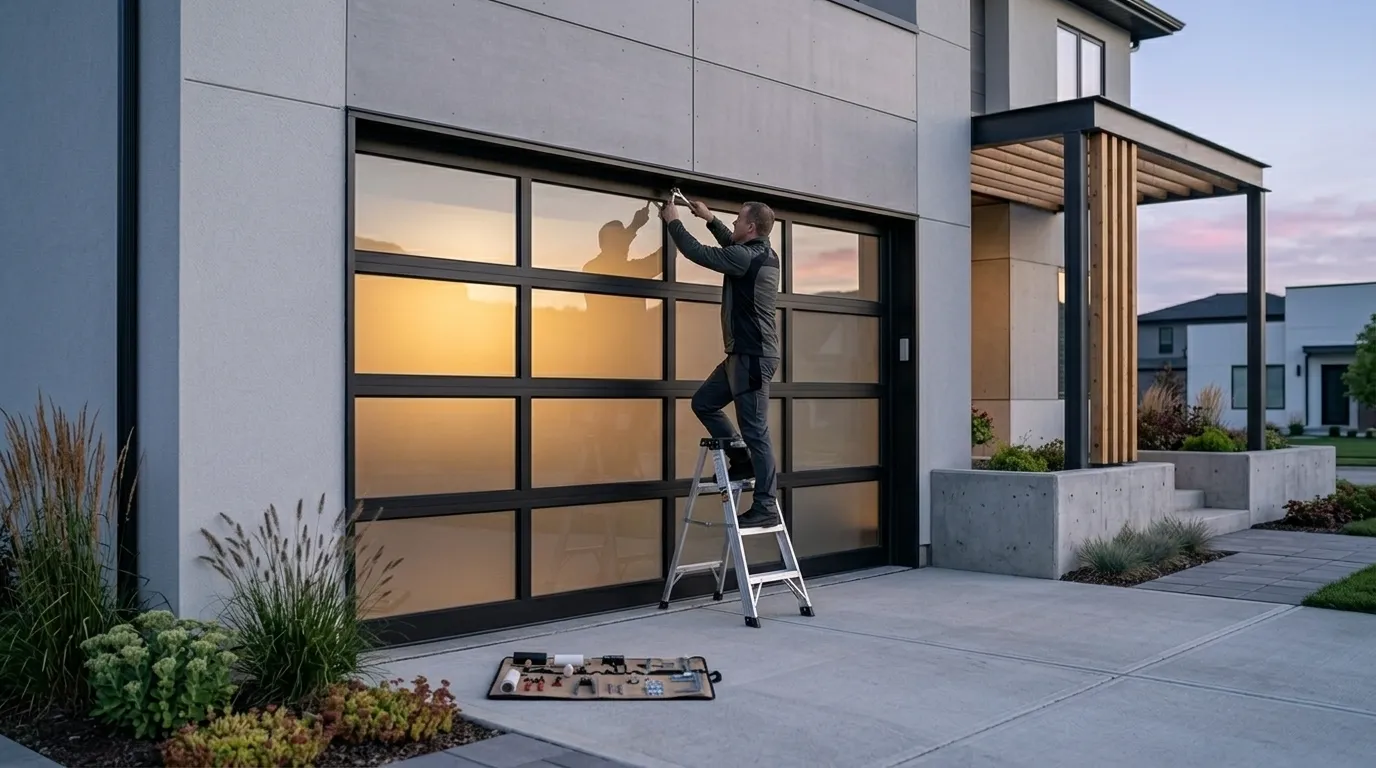
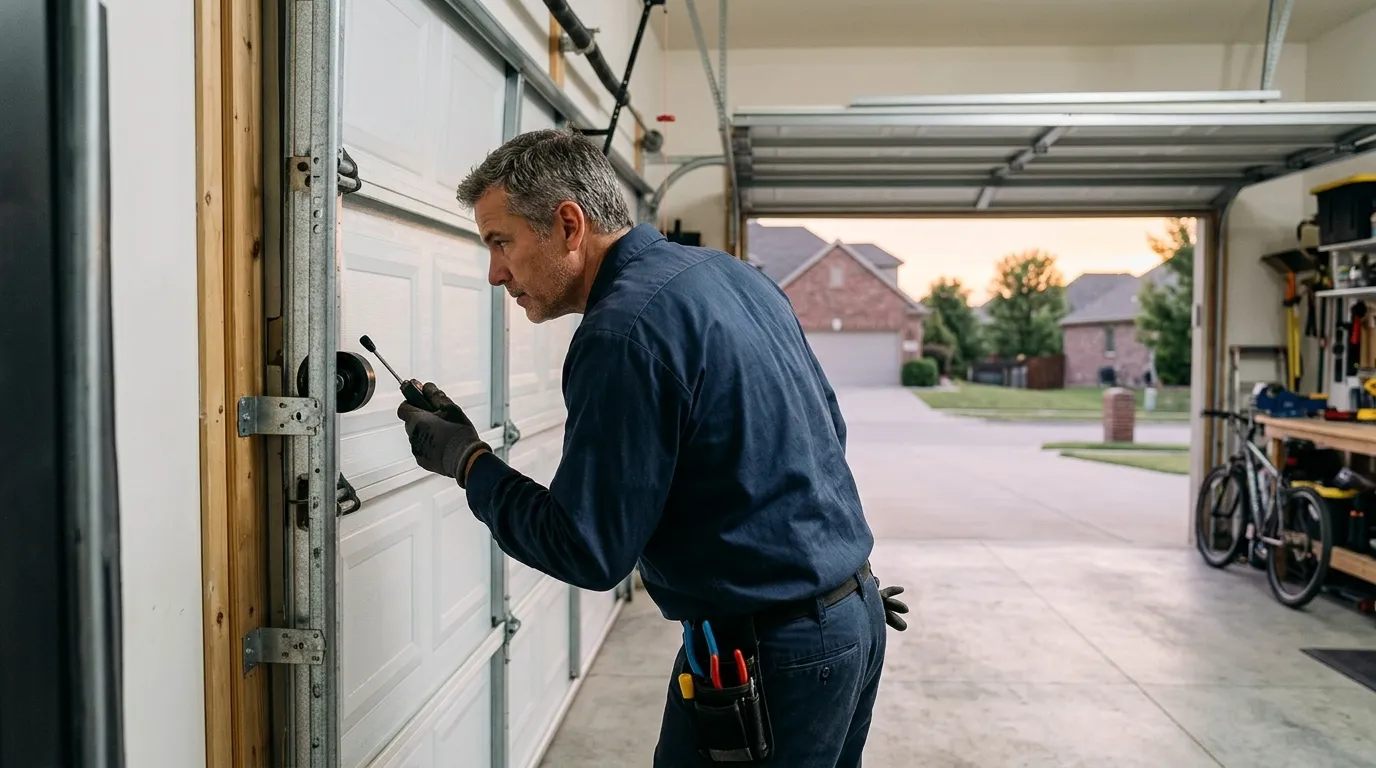
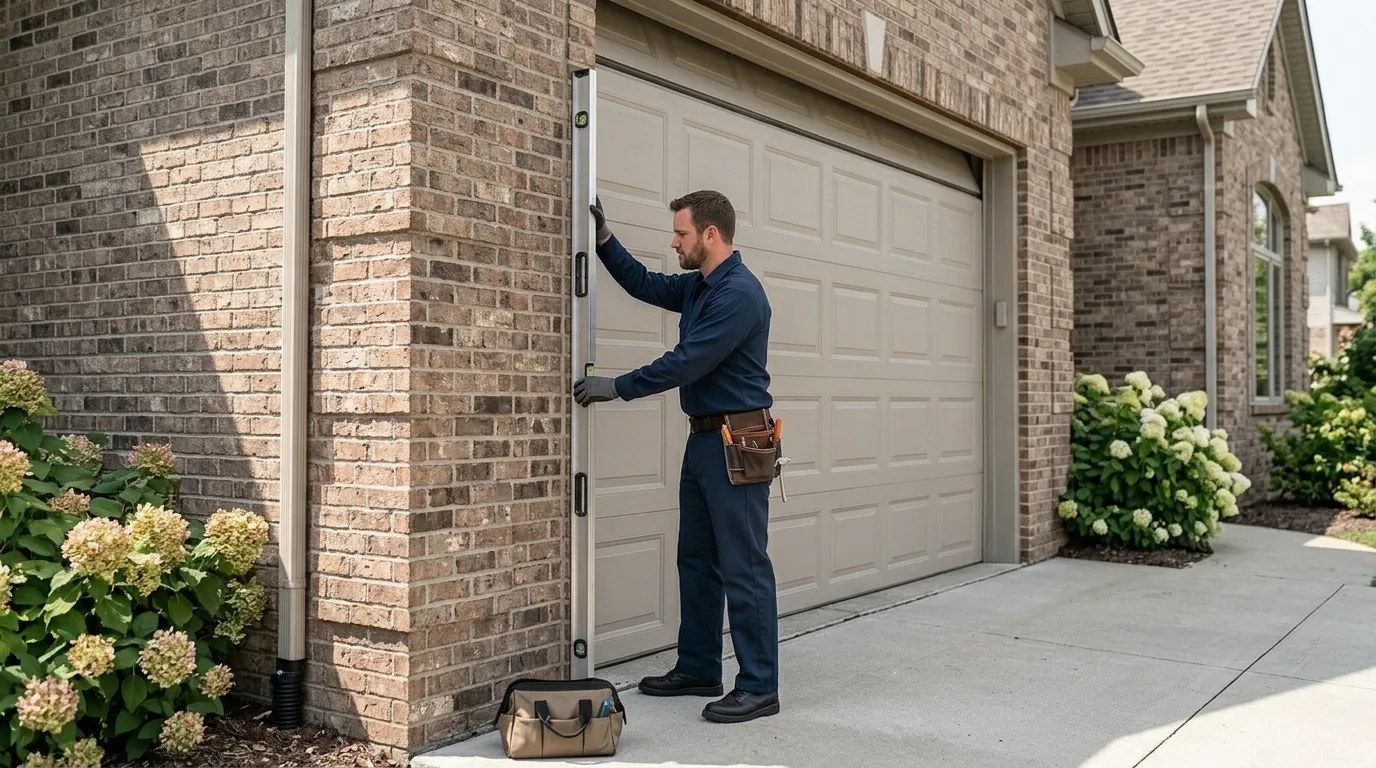
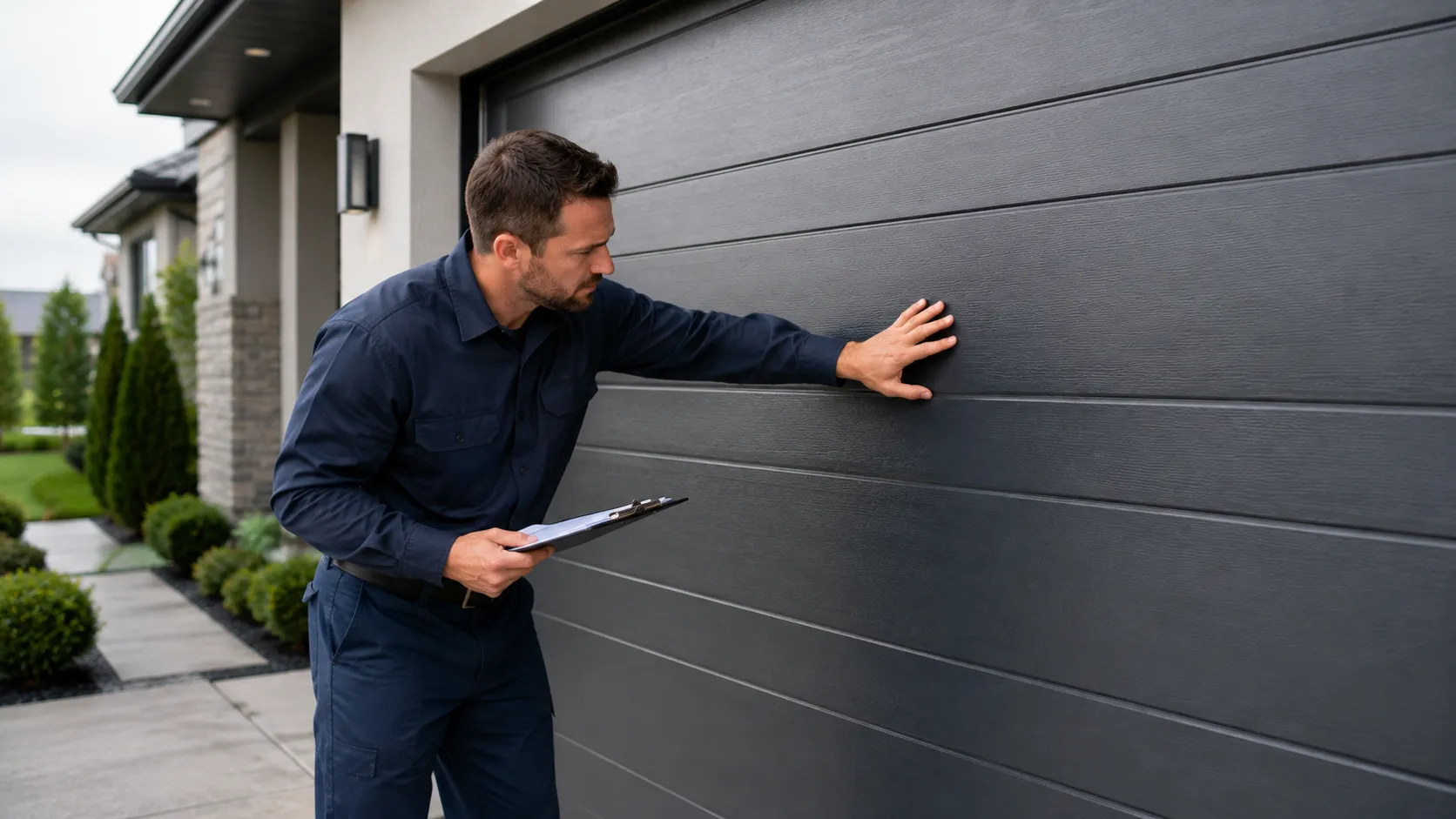
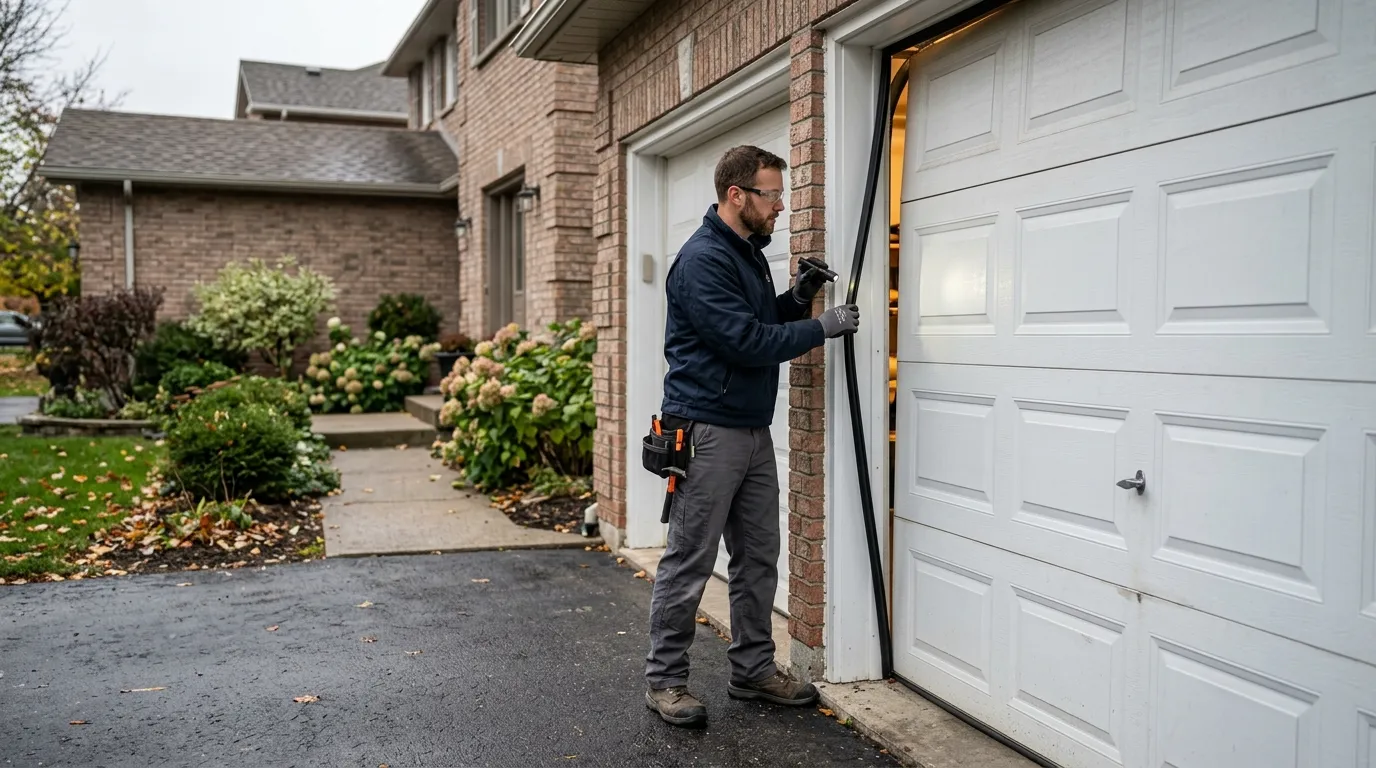
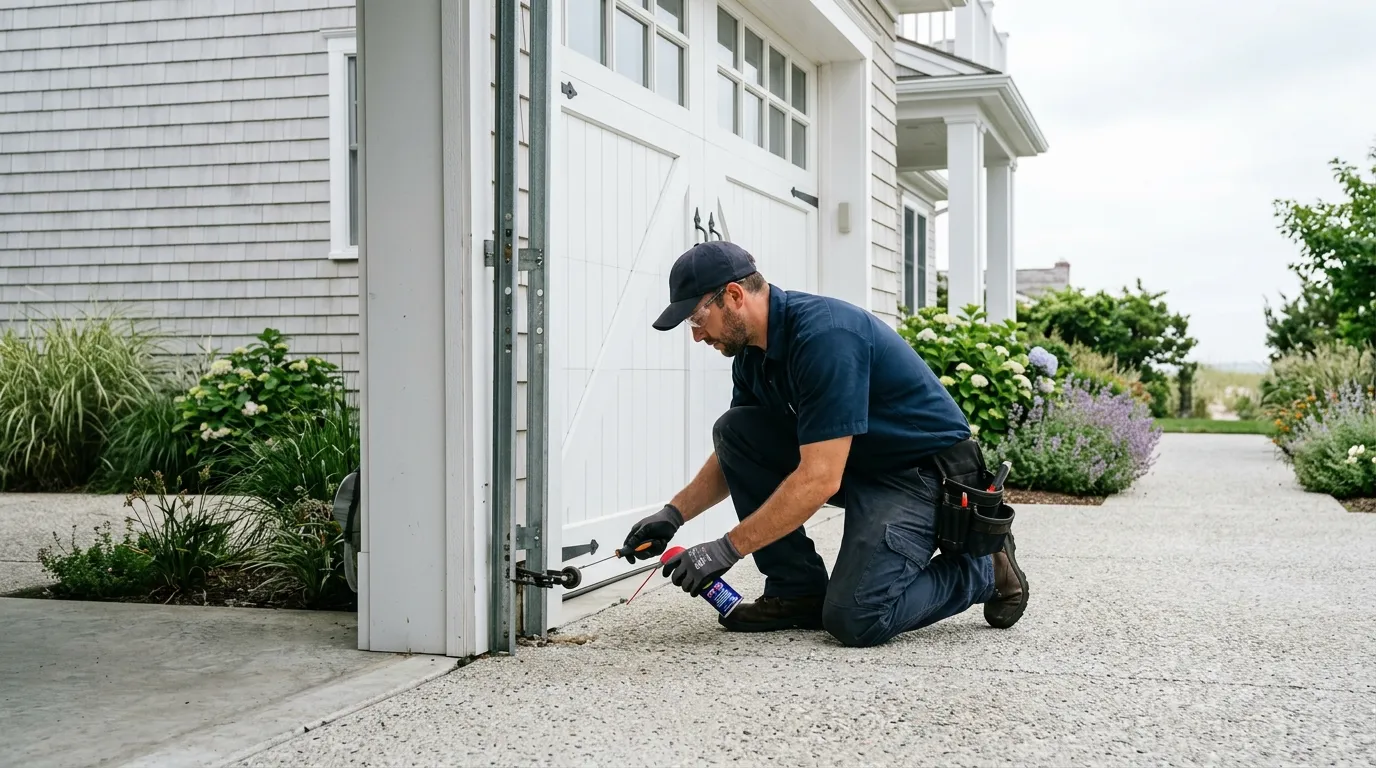
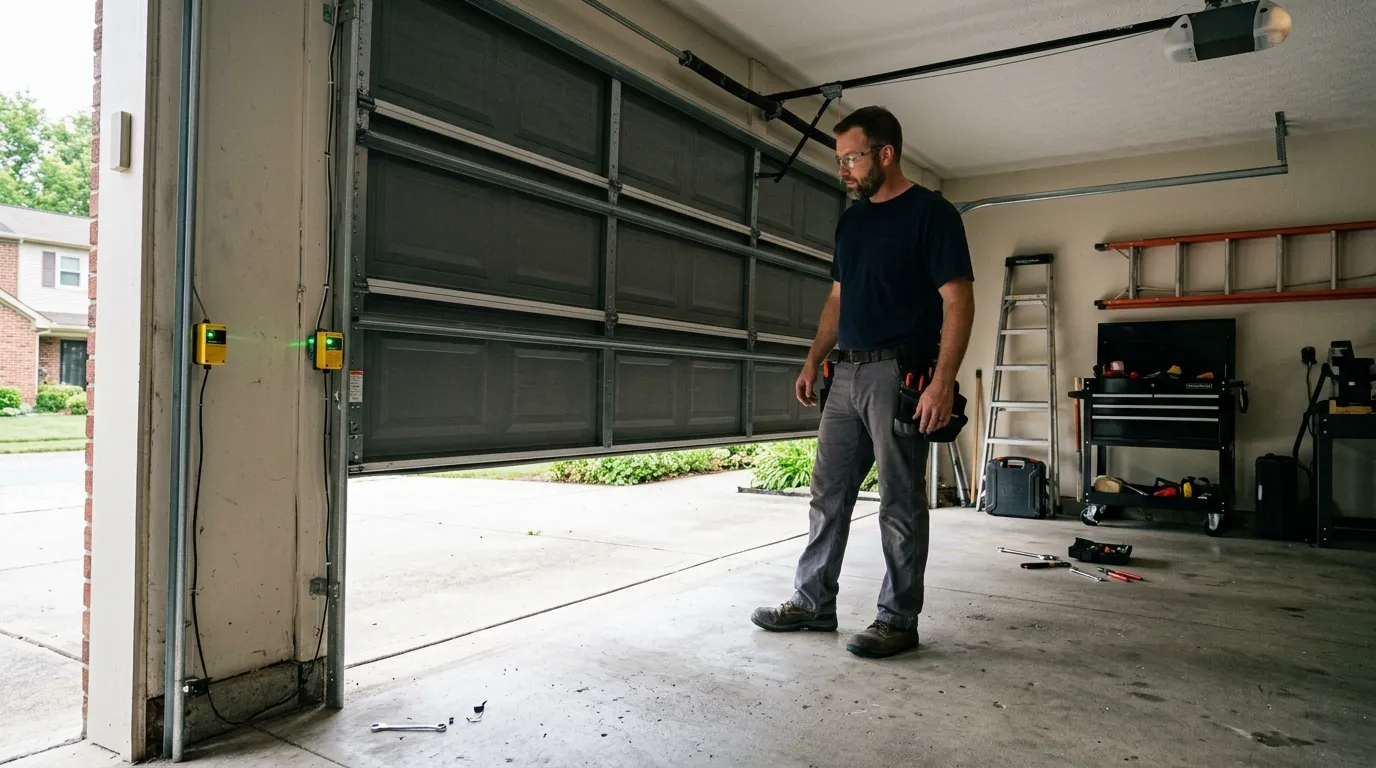
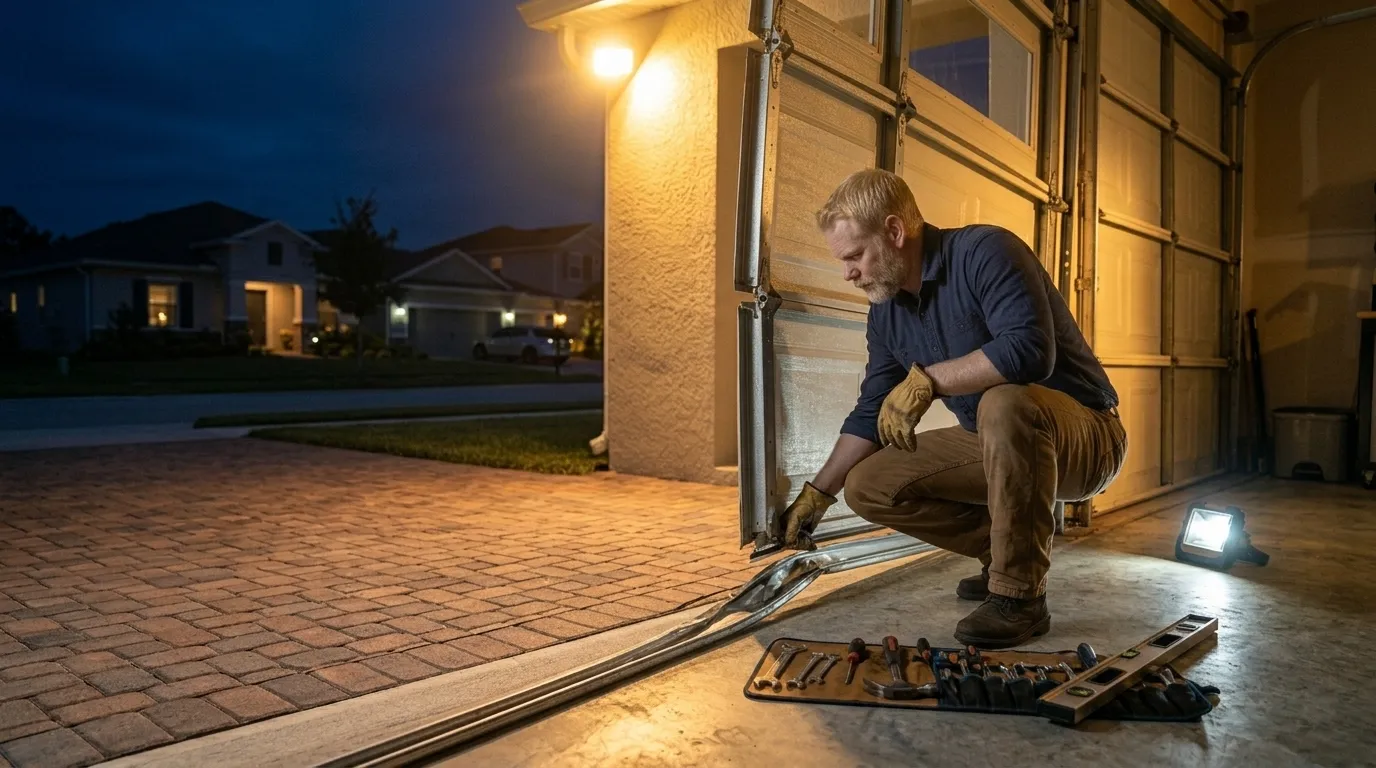
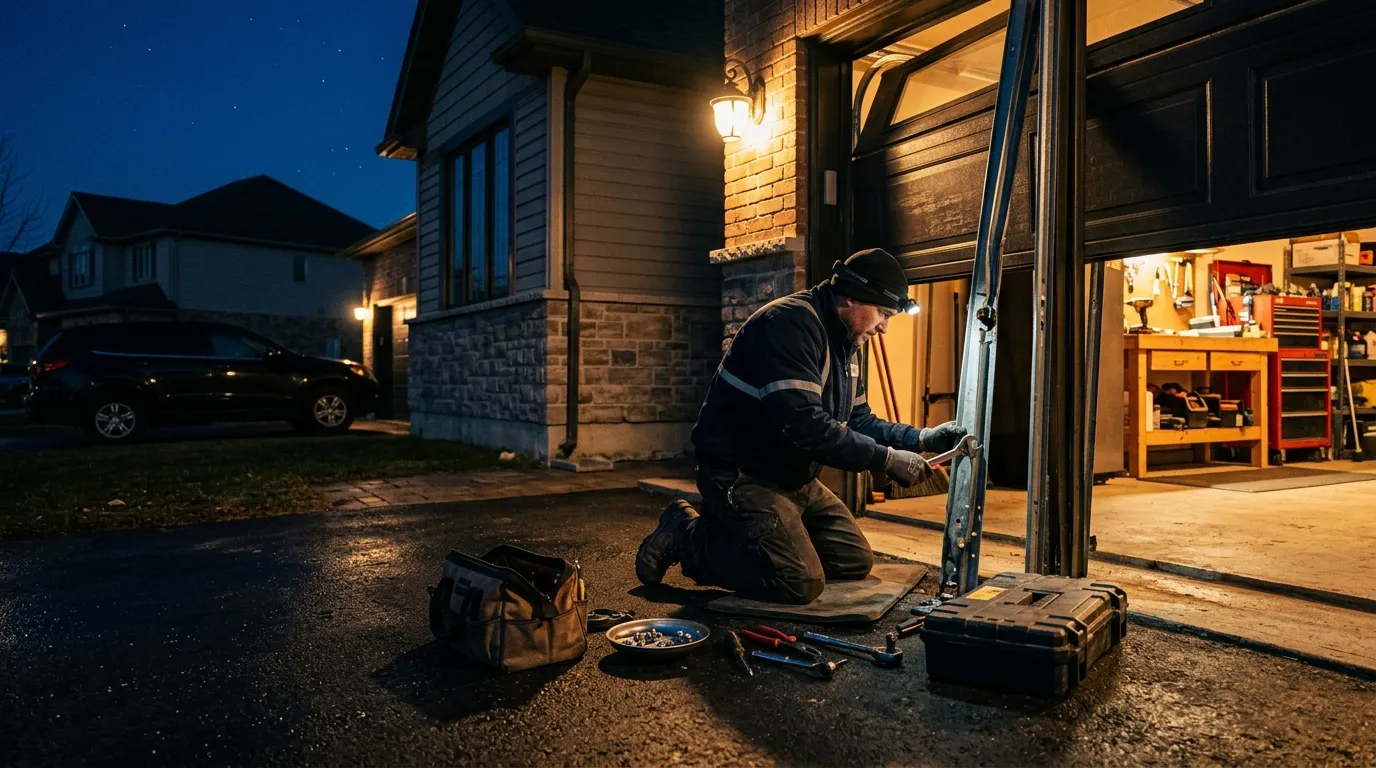
Leavenworth's median house dates to 1969, a few years ahead of the 1973 median across our whole coverage area. That gap matters more than it sounds. Builders in the late '60s were still putting up a lot of steel doors on torsion springs mounted dead-center over the opening, not the side-mount setups that showed up more in the '70s work elsewhere in our area. If your door is original to the house, or close to it, you're looking at a spring wound for a heavier, thicker panel than what's sold today, and a track width that doesn't match a lot of the openers on the shelf now. We see it as sagging bottom panels where the steel has fatigued at the hinge points, and as center-mount springs that finally let go after 50-plus winters of cold-band stress. Kansas gets real cold snaps here, and steel contracts every time a front comes through - that's when an old spring that's been holding on finally snaps. If your door still has its factory hardware, expect the fix to involve parts your average big-box store doesn't carry, not because we're picking a fight with easy jobs, but because 1969 hardware isn't 2024 hardware.
What We Do Not Do
We don't stock every obsolete panel or track profile that a 55-year-old Leavenworth garage might need on the truck - some of that has to be sourced, and that means a return trip. We also won't tell you a repair is worth doing when the door's steel has rusted through at the bottom corners or the track is bent past straightening; at that point patching it is just delaying a replacement you'll pay for twice. And we're not a local shop with a Leavenworth address - we're a Kansas City company that drives here for the work. If you need something same-day and we're already routed the other direction, we'll tell you that up front instead of promising a window we can't hit.
What Was Built Here
With roughly 13,480 households in Leavenworth and a median income of $71,239 - noticeably below the $89,385 median across our broader coverage area - a lot of houses here were built to be solid and plain, not upgraded twice over. That tracks with the 1969 median build year: single-layer steel doors, standard headroom, torsion springs sized for the door of that decade rather than today's insulated double-layer panels. It's a different maintenance conversation than in the newer pockets of our service area, where doors are younger and springs haven't taken as many freeze-thaw cycles yet. Here, the question is usually less 'what's wrong with it' and more 'how much life is left in hardware pushing past its expected spring cycles' - a fair question in a cold-winter town where the original parts have already outlasted most warranties.