Serving Kansas City, KS & nearby
(913) 442-7958
Kansas City, KS

Openers, Backup Power, and Kansas City's Cold Winters

How Kansas City's severe cold winters and 1960s-70s housing stock affect garage door openers, battery backup, and what happens when the power goes out.

Openers, Backup Power, and Kansas City's Cold Winters

Season by Season

Kansas City sits in a cold band rated severe, and that shows up in the opener calls we get most. In the coldest stretches, grease in an old chain-drive unit thickens and the motor has to work harder to pull a cold, stiff door off the floor. That extra load is what burns out a gear or strips a sprocket that had been limping along all fall. Spring tension also drops in cold weather, which means the opener is doing more of the lifting than it's rated for, and that wear adds up fast on units already pushing twenty years.

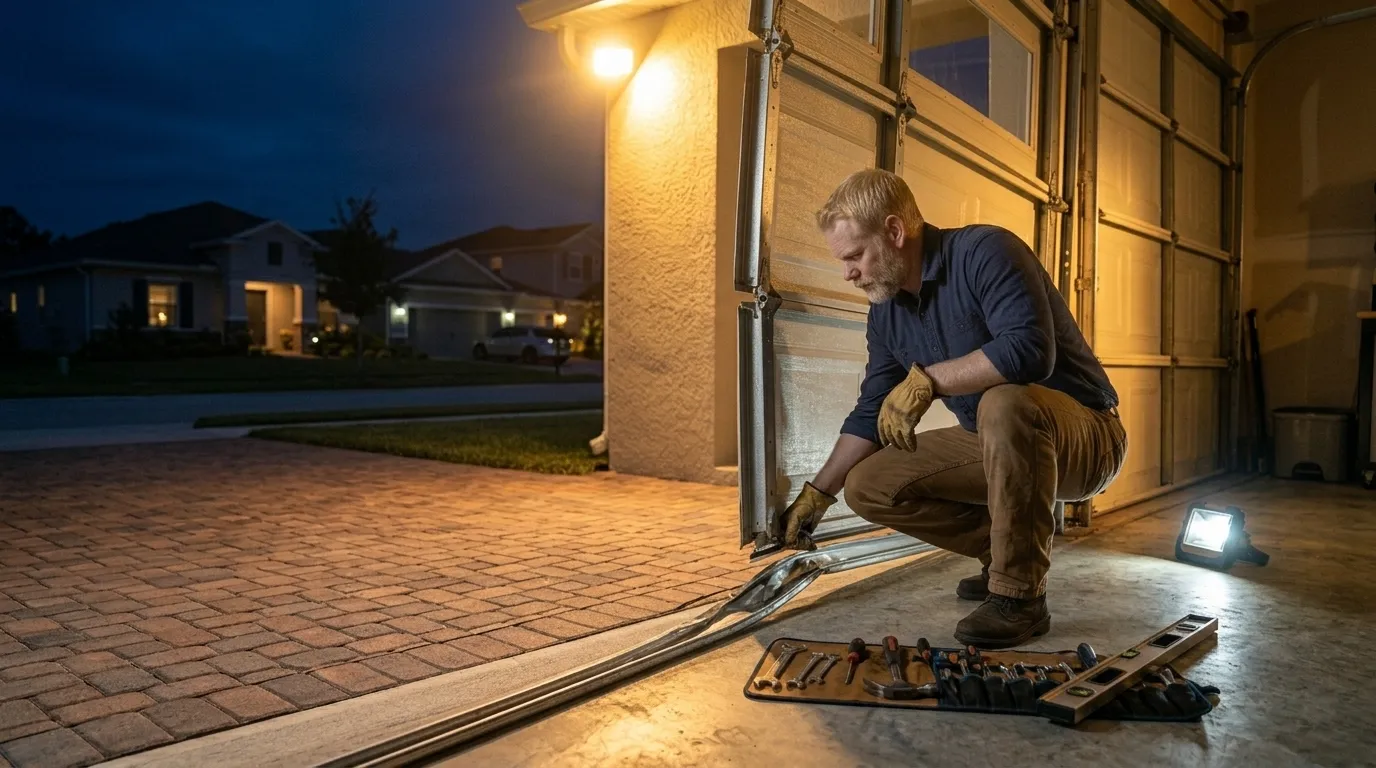
The other seasonal problem is simpler: the power goes out. Kansas City's cold band is rated severe, and that's exactly the kind of winter that trips a breaker or drops a line for hours at a stretch. If your opener doesn't have battery backup, that means a dead unit sitting over your only way in or out of the garage until the power's back. We don't install anything that fixes the weather - we install openers that keep working when the weather takes the grid down with it.

Summer isn't nothing either. Heat expands metal track and can throw an already-marginal alignment out further, but it's the cold months where an old opener actually fails rather than just complains.

How Local Conditions Play In

Houses across this side of town mostly went up in the 1960s and 70s, meaning original chain-drive openers built before battery backup was ever an option. Median build year here sits at 1973, so most openers we find were never wired for a battery unit at all - they were built for a grid that didn't go down as often as this one does now, and they were never meant to run twenty more winters past their design life.

That combination - older hardware, severe cold, and a house that was never built with a battery unit in mind - is the actual problem, not just "the opener is old." A homeowner in a newer subdivision with a five-year-old opener and battery backup already installed has a different problem than a homeowner whose garage still has the same drive unit that went in when the house was built. We see both, but the second one is a lot more common out here.

Manual release is the other piece nobody thinks about until the power's out and the door won't move. Every opener has a release cord for exactly this reason, but if nobody's shown you where it is or how much muscle it takes to lift a heavy door by hand in the cold, that's the moment you find out the hard way.

The Situation

We work jobs from five miles out to eighteen miles, and the opener problems look different depending on which decade the neighborhood went up. Across the 15 areas we run trucks through, the housing stock clusters in the 1960s and 70s, not the newer builds you'd find further out. That means a lot of original chain-drive units, a lot of doors matched to hardware that predates today's opener sensors, and a lot of first calls that start with "it just stopped working" and end with us finding a motor that's simply worn out.

We don't carry every opener brand or every part for units that old - some of that hardware just isn't stocked anymore, and when that's the case, replacement is the honest answer rather than a repair that won't hold. We'll tell you straight when a fix isn't worth the labor against a new unit that comes with backup power built.

What You Pay

We don't have a flat number to hand you here, because what an opener job costs depends on what's actually on your garage now - chain drive versus belt, whether the track and springs are original 1970s hardware or already replaced, and whether you want battery backup added or you're starting from scratch. A straight opener swap on hardware that's still in decent shape is a different job than one where we're also correcting old track or a spring that's not rated for the door anymore.

What we can tell you is what drives the number up or down: age and condition of the existing rail and track, whether your panel is heavier than what the old motor was ever rated for, and whether backup power is something you're adding new or just keeping. We'll walk the garage, tell you what we find, and price the actual job in front of you rather than quote a number over the phone that doesn't match what's on your wall.
How it works

From “it’s stuck” to “it’s fixed”

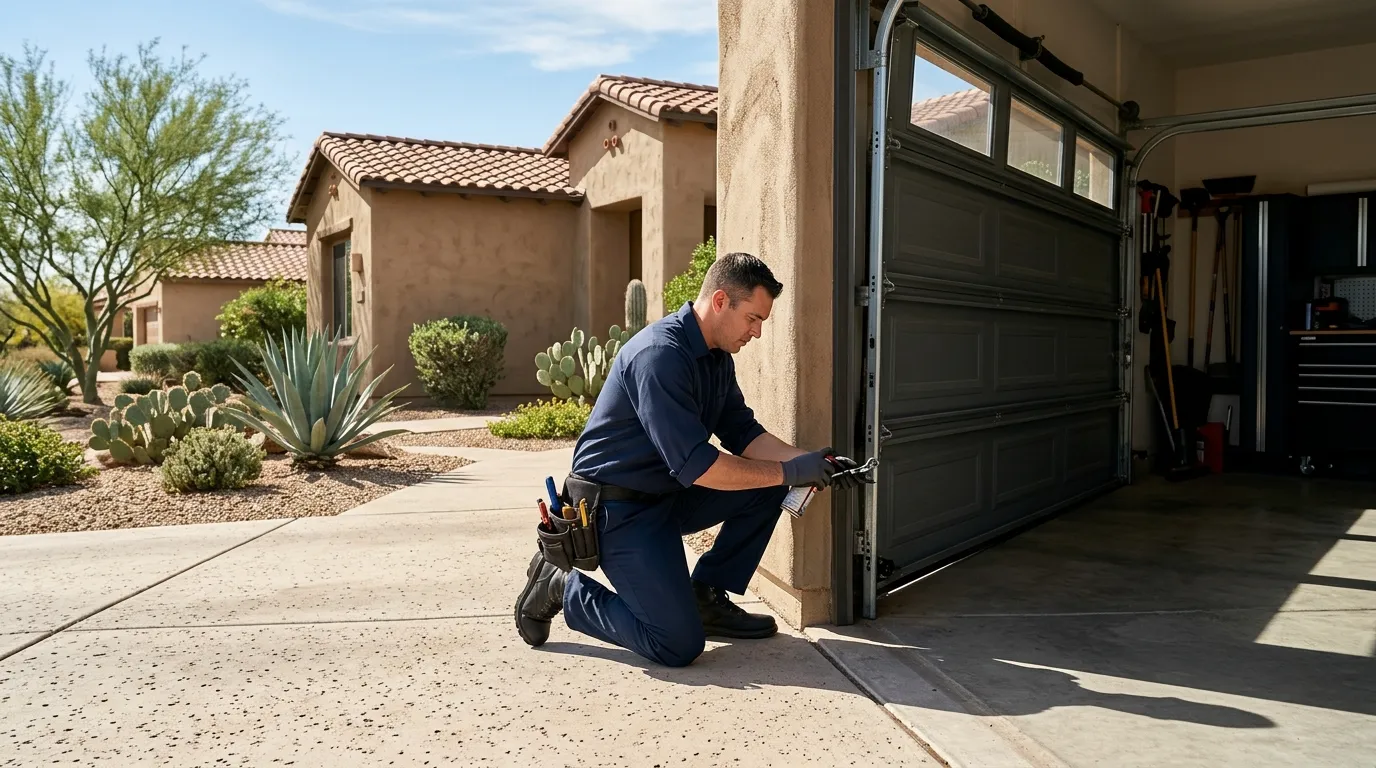
Tell us what’s wrong - Kansas City garage door service

Tell us what’s wrong

Describe the symptom - won’t open, loud bang, opener runs but the door won’t move.

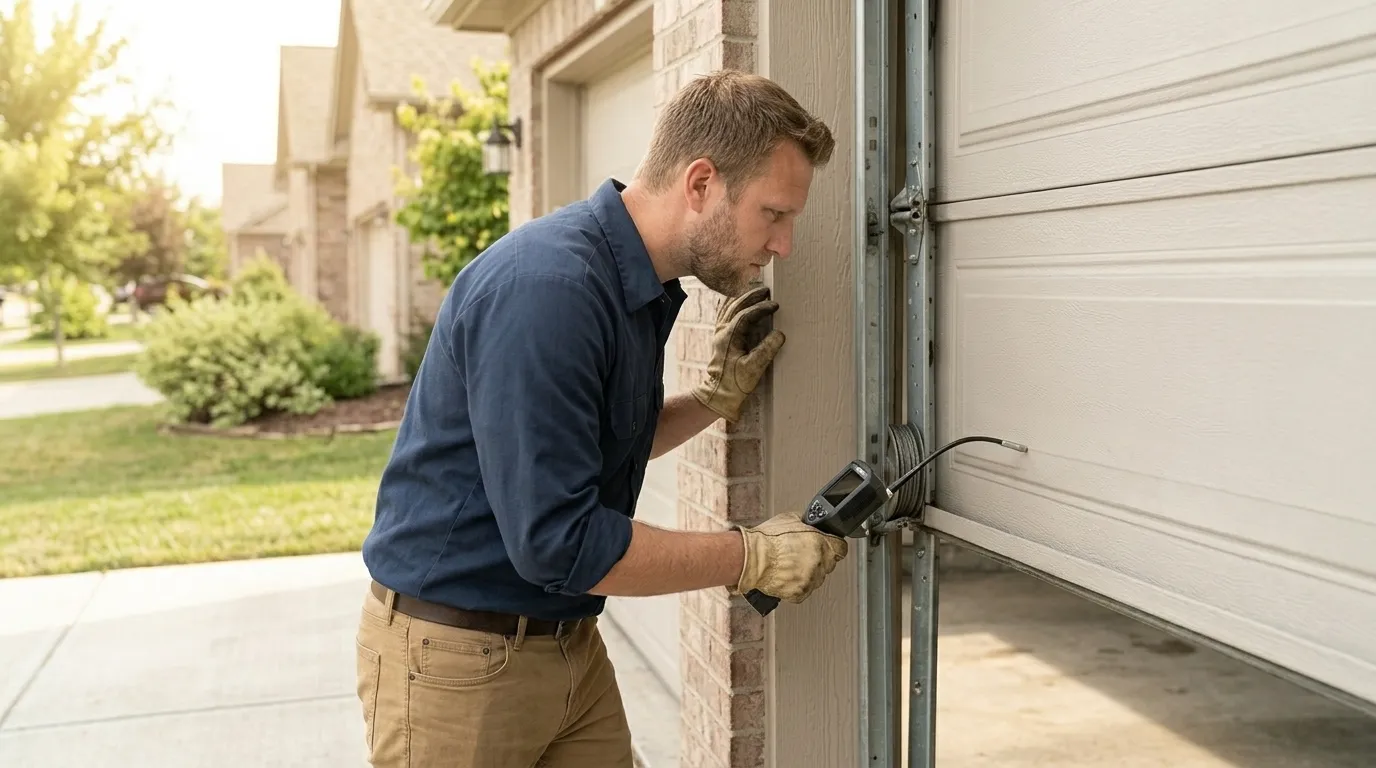
On-site diagnosis - Kansas City garage door service

On-site diagnosis

A technician tests the door under power and by hand and finds what actually failed.

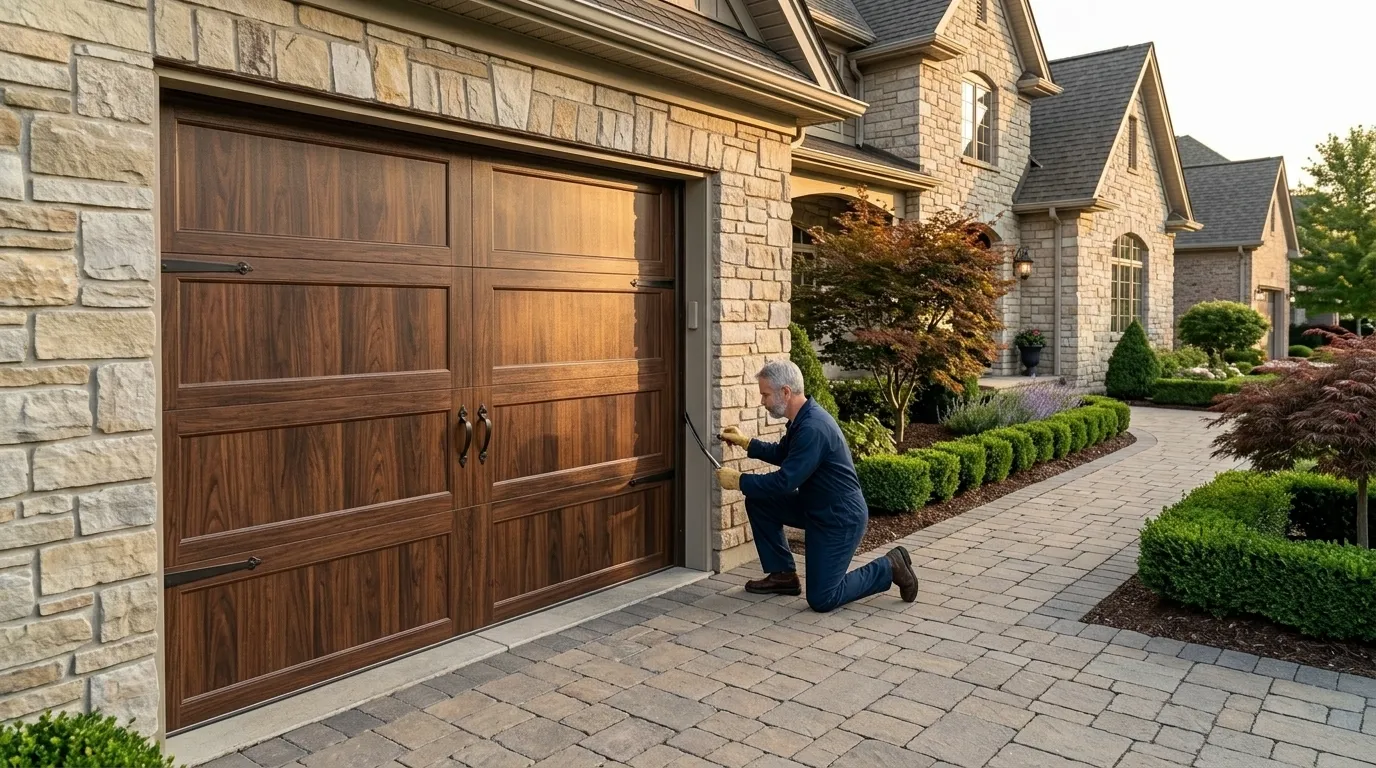
Clear, up-front plan - Kansas City garage door service

Clear, up-front plan

You get the fix that’s needed and what drives the cost - before any work starts.

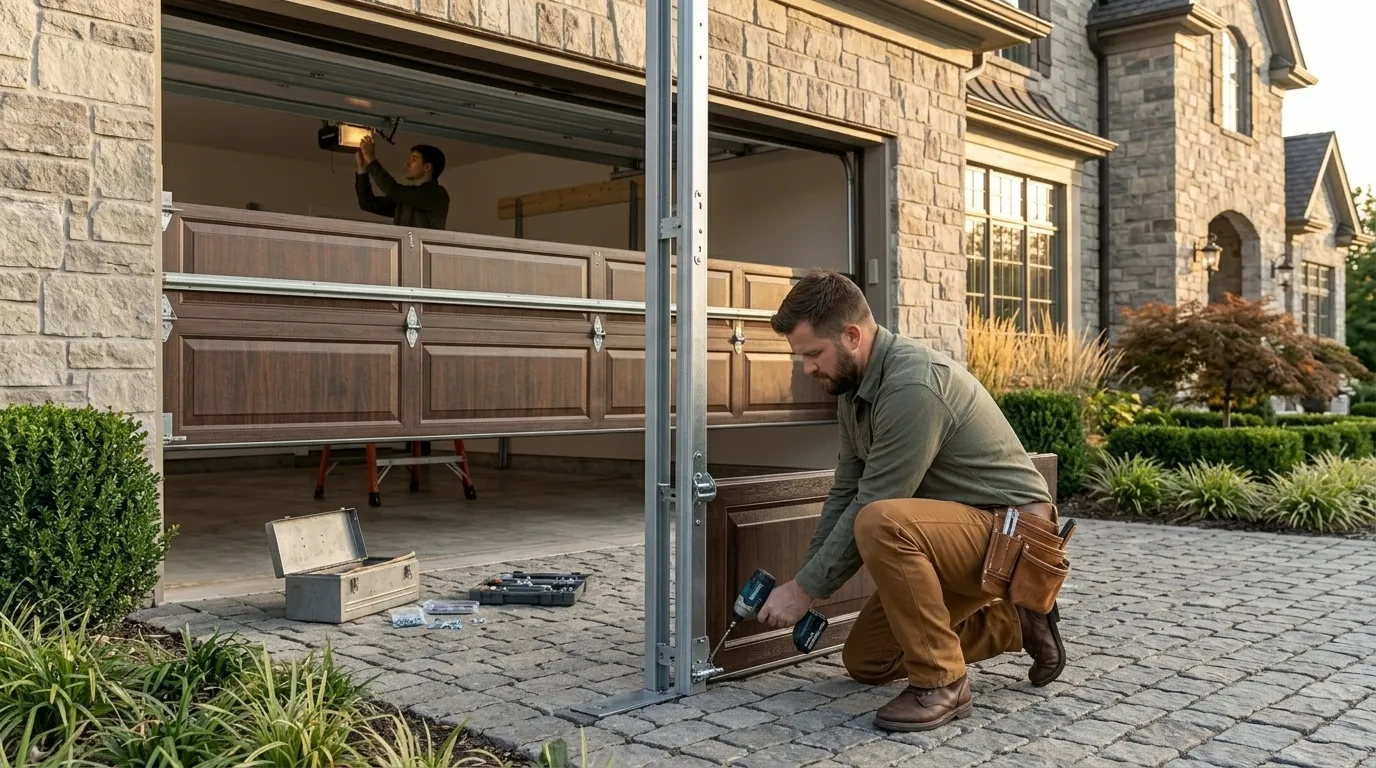
Repaired & tested - Kansas City garage door service

Repaired & tested

The repair is done, the door is set true and tested, and the work area left clean.

Serving Kansas City, KS - tell us what your door’s doing and we’ll take it from there.

How we work

What to expect

Diagnosis firstEvery visit starts by finding what actually failed - not a pre-written parts list.
The right part for the doorSprings and openers matched to the door’s weight and age, so the fix holds up.
Straight answersWhen a repair makes more sense than a replacement - or the reverse - you hear it plainly.
Clean, careful workTension released safely, hardware set true, the door tested under power before we leave.
What we do

Garage Door Services

Repair and installation work for Kansas City homes and businesses.

Questions

Frequently asked

Straight answers about garage door repair in Kansas City. Still unsure? Ask us directly.

Does my garage door opener need battery backup in Kansas City?

If your opener doesn't have it already, it's worth adding. Kansas City's cold band is rated severe, and that's the season when outages hit hardest and last longest. Without backup power, a dead opener during a cold-weather outage means the garage door stays shut - or open - until the power comes back, with no motor to move it either way.

Why did my opener suddenly fail this winter after years of working fine?

Cold thickens the grease in an aging chain-drive unit and stiffens spring tension, so the motor has to work harder to lift the same door. On a unit already twenty-plus years old - common in the 1960s-70s housing stock out here - that extra strain in a cold snap is often what finally strips a gear that had been wearing down for a while.

Can you fix my old opener instead of replacing it?

Sometimes, but not always. Parts for units built decades ago aren't always stocked anymore, and if the motor itself is worn out, a repair won't hold long. We'll look at what's actually failing and tell you honestly whether a fix makes sense or whether a new unit with backup power is the better call.

Where do you run service calls from?

We cover a range that runs from about five miles out to around eighteen miles, across the 15 areas in between. Most of that ground is the same 1960s-70s housing stock, so the opener issues we see look pretty consistent from one neighborhood to the next.

Ready to get your garage door sorted?

Tell us what it’s doing and where you are in Kansas City - we’ll take it from there.

Request a QuoteCall