How That Shows Up in the Door
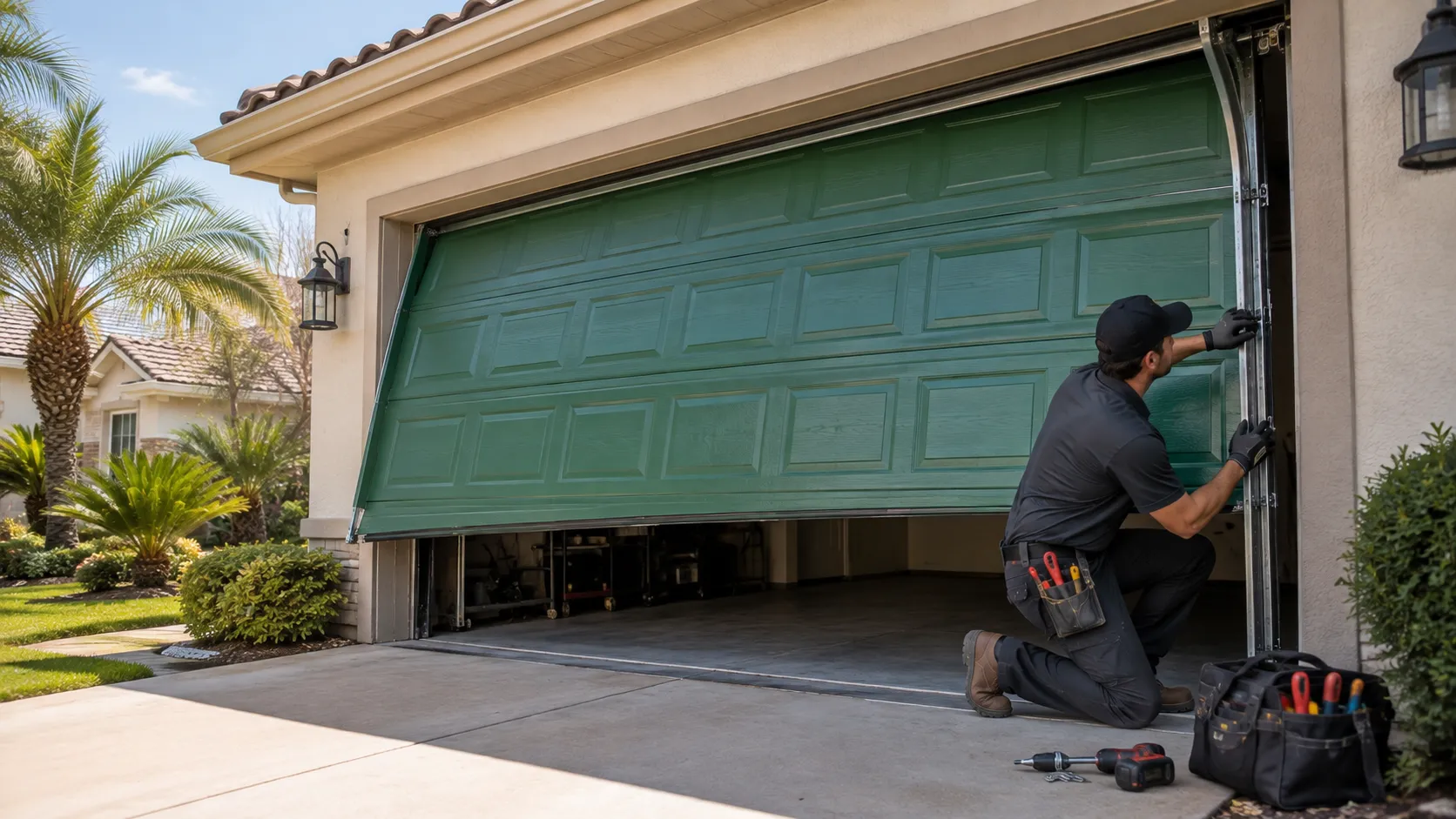
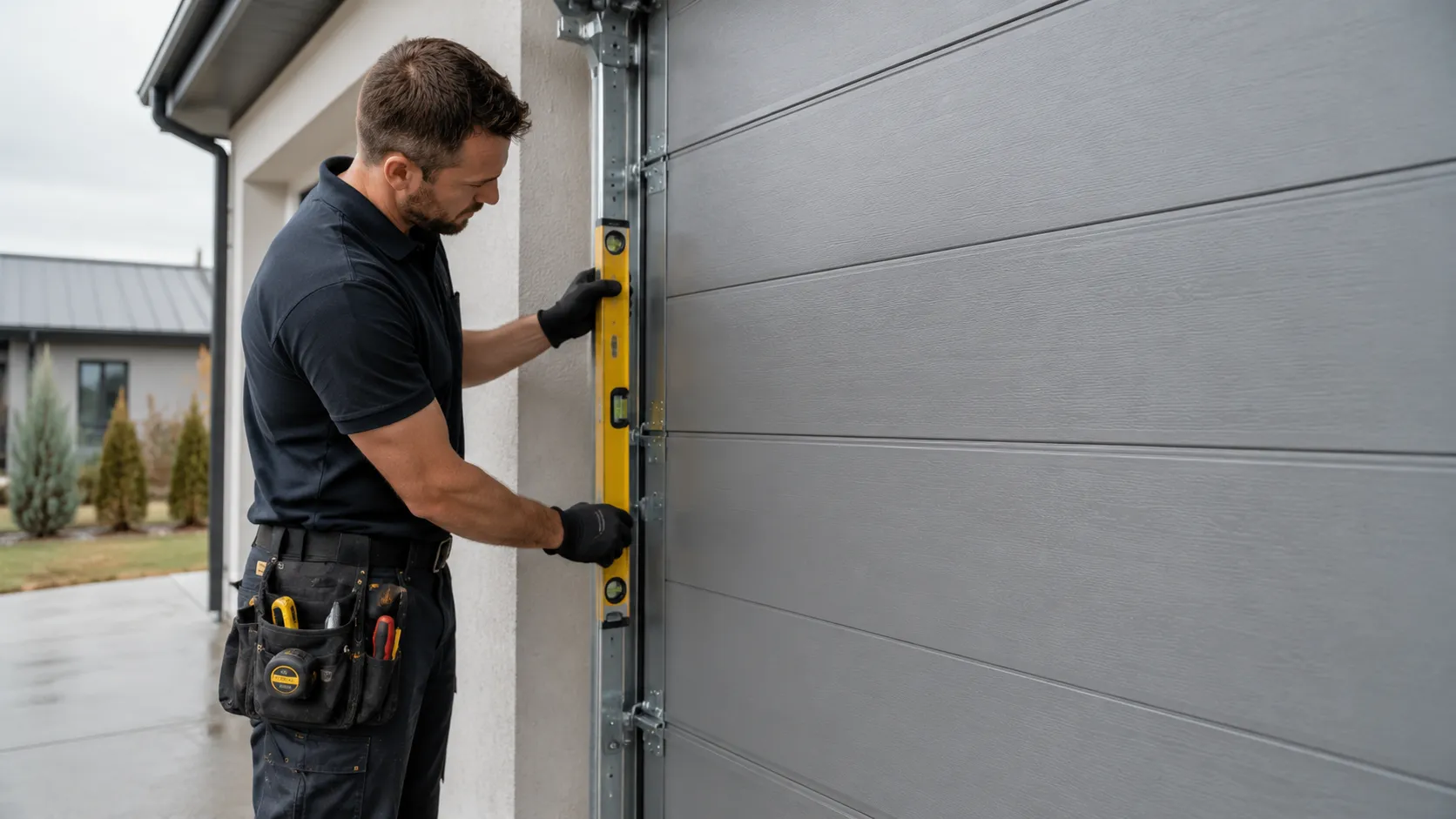
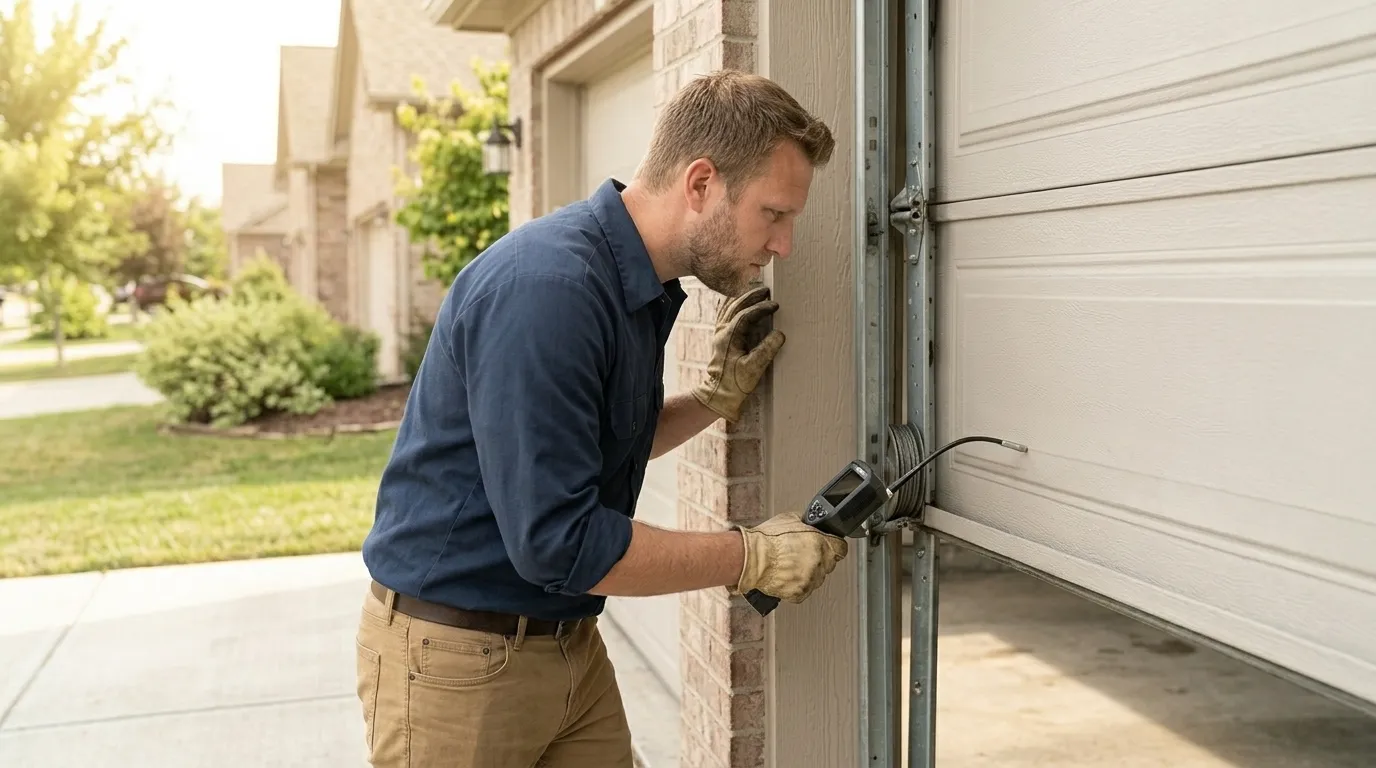
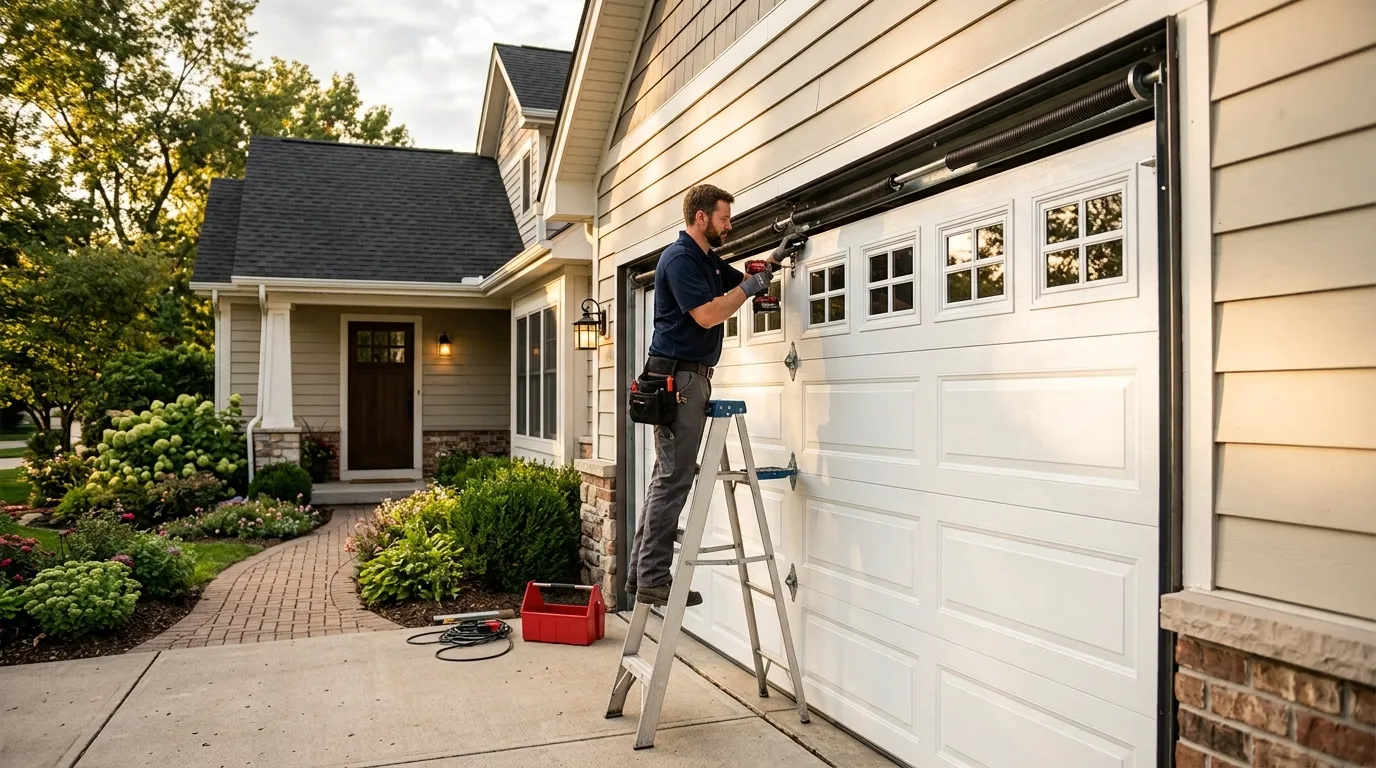
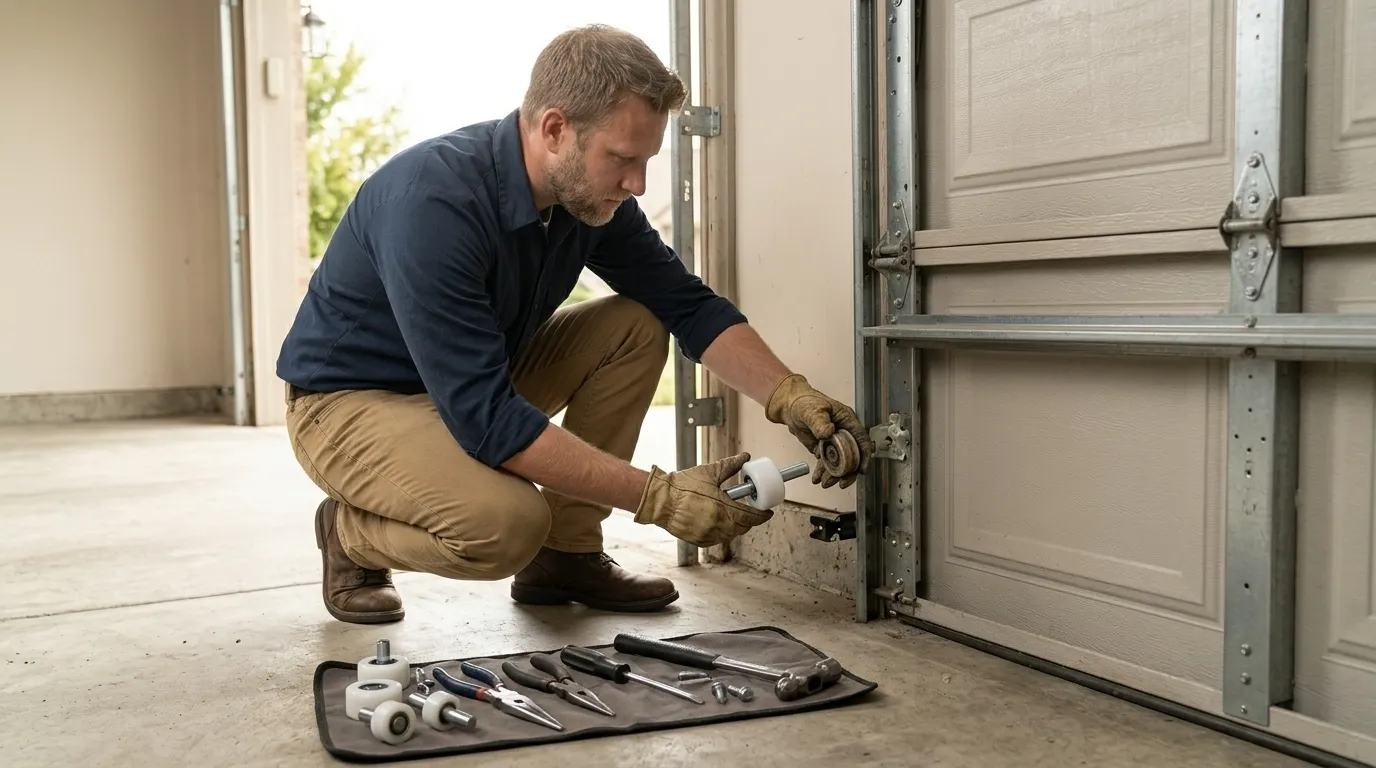
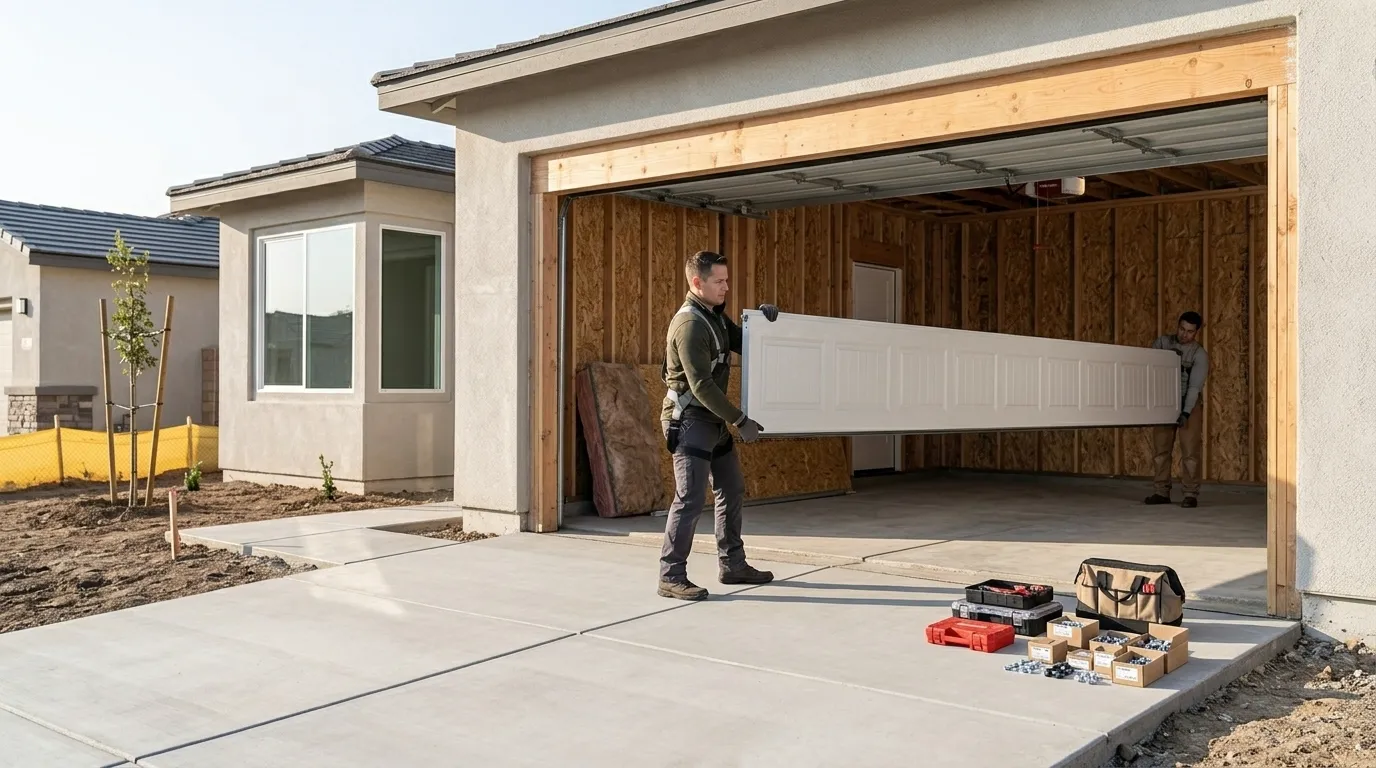
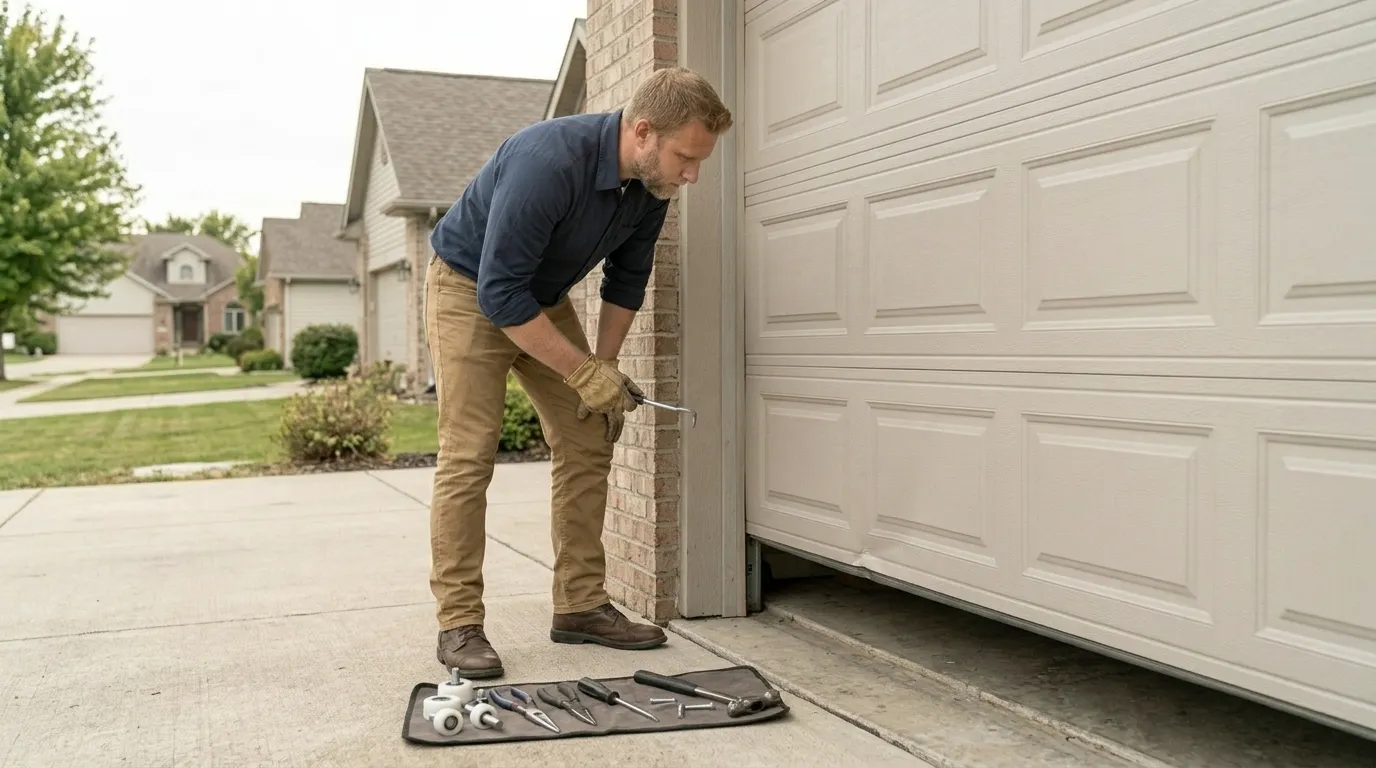
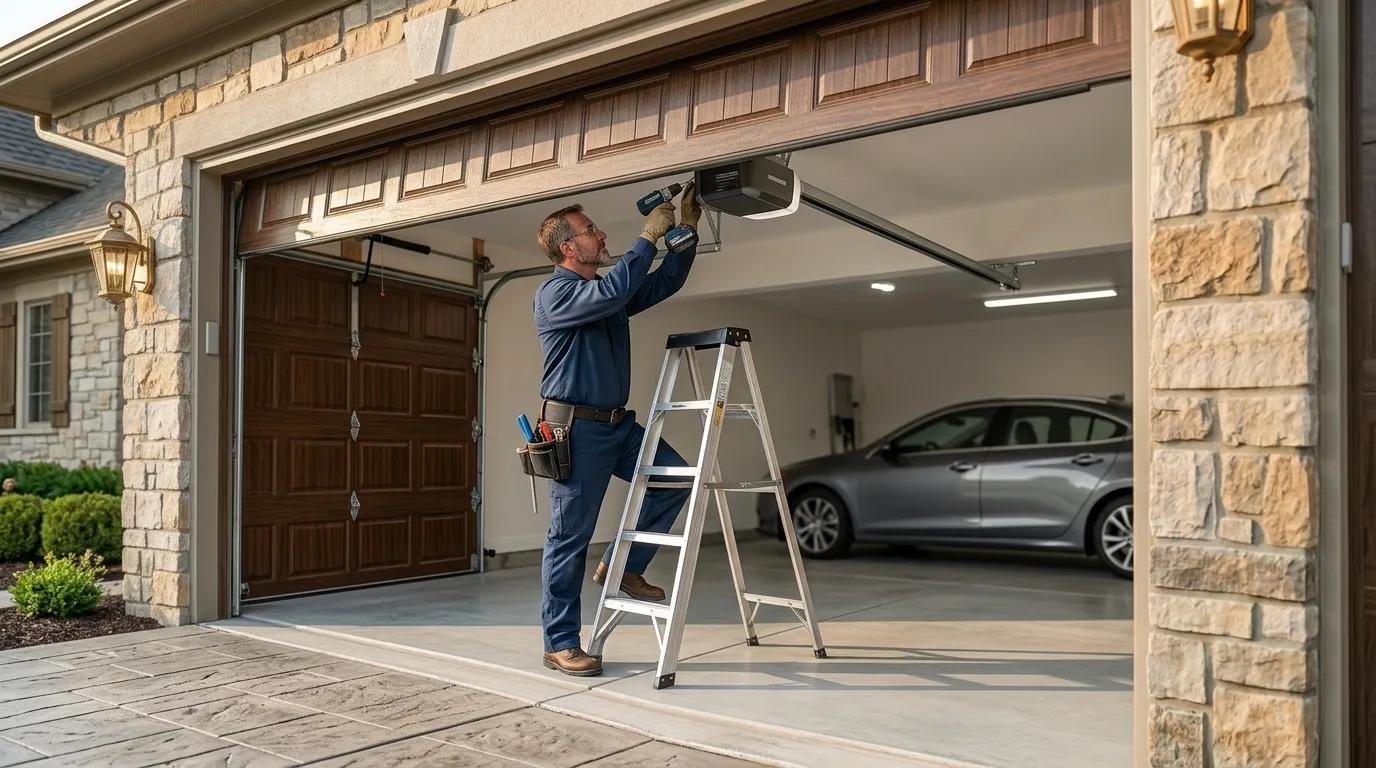
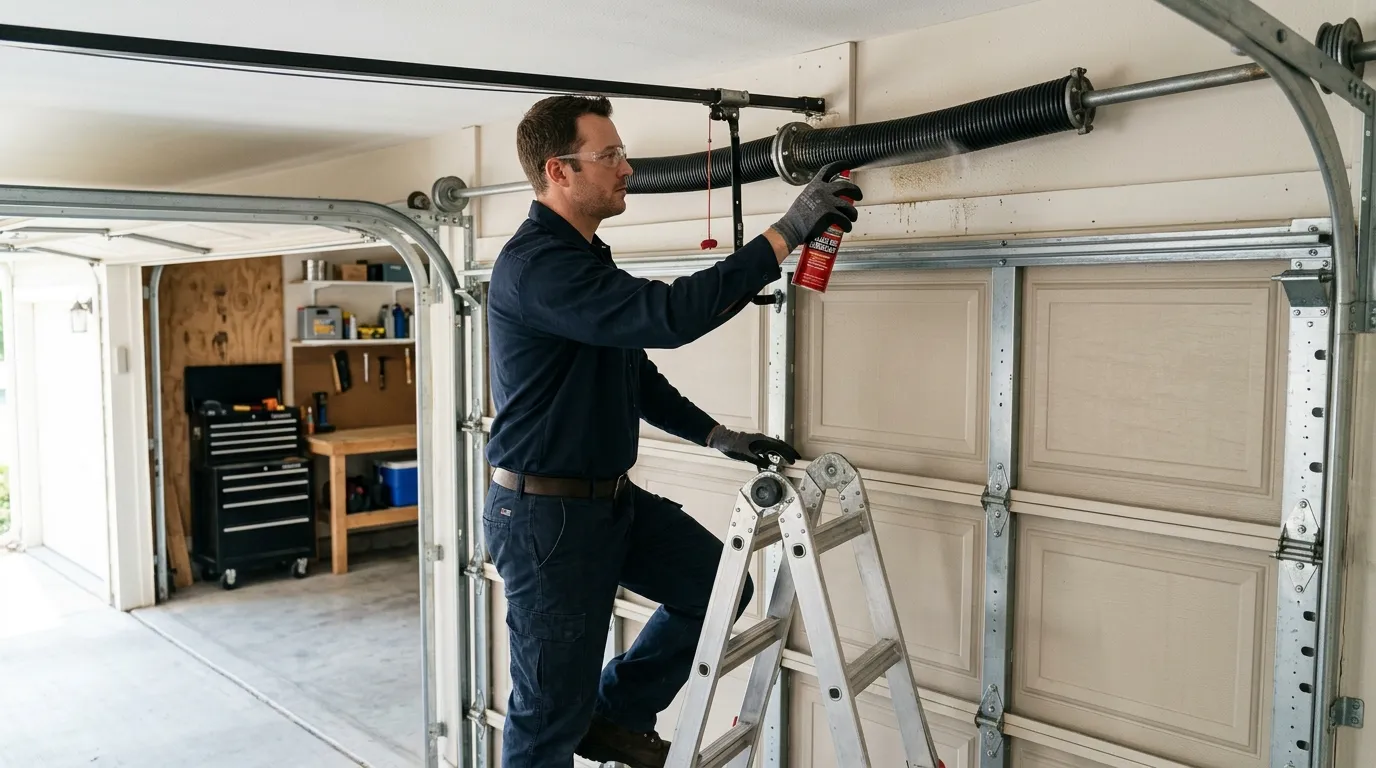
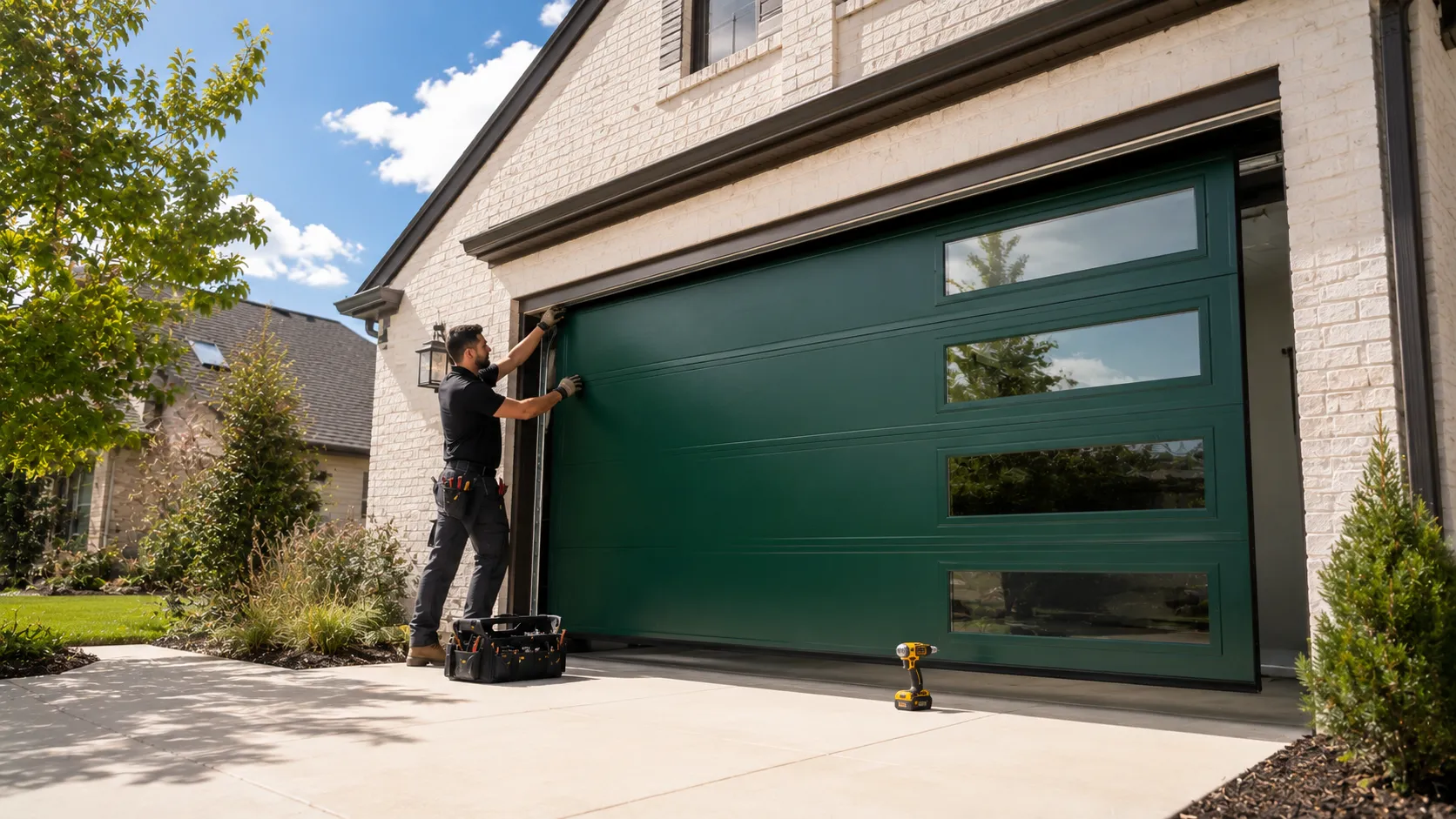
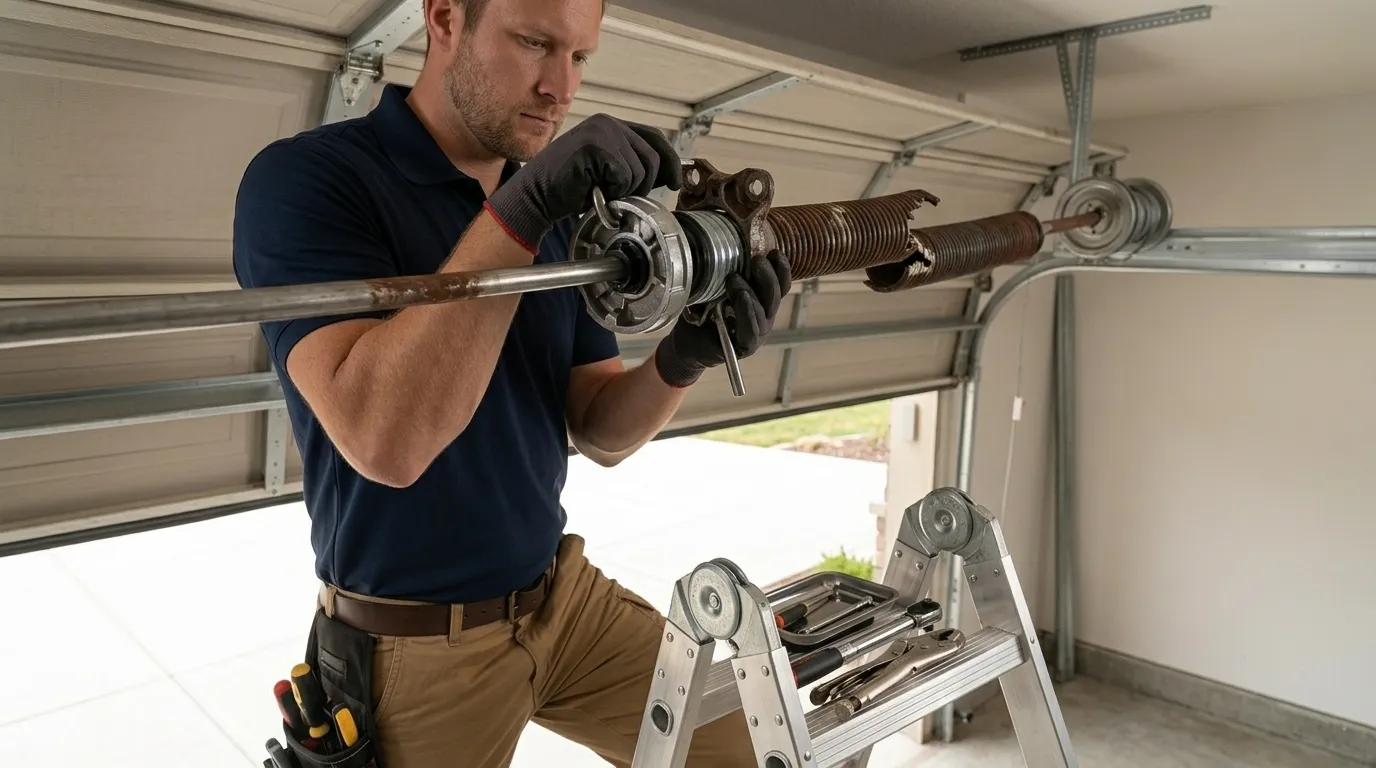
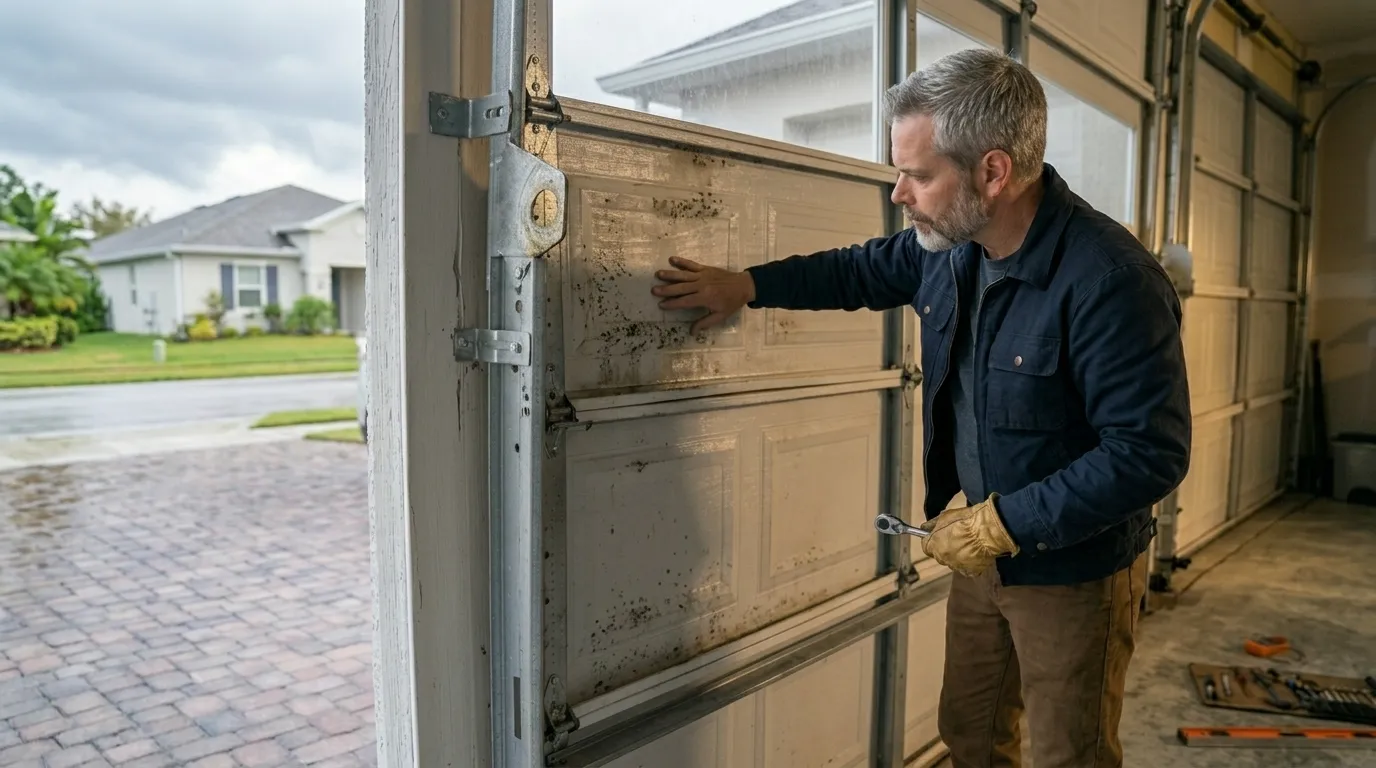
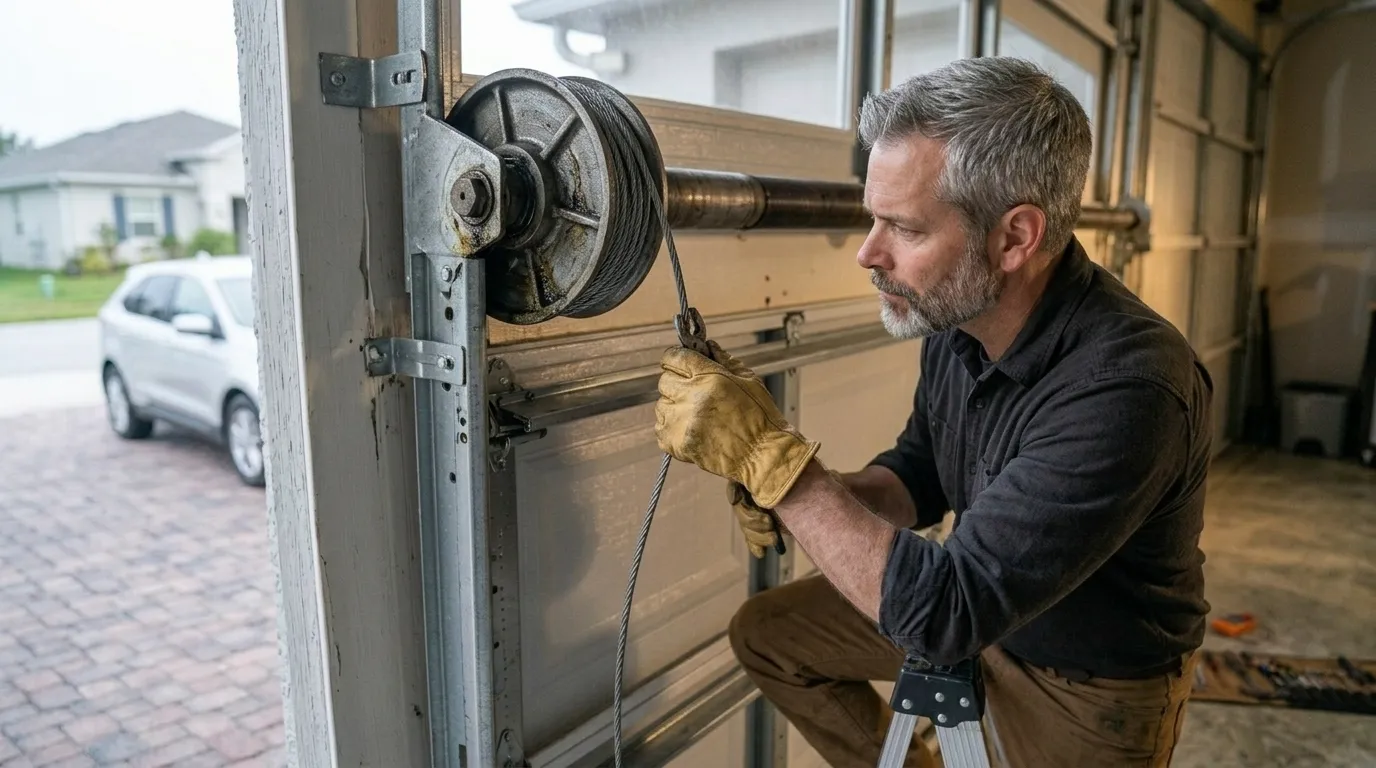
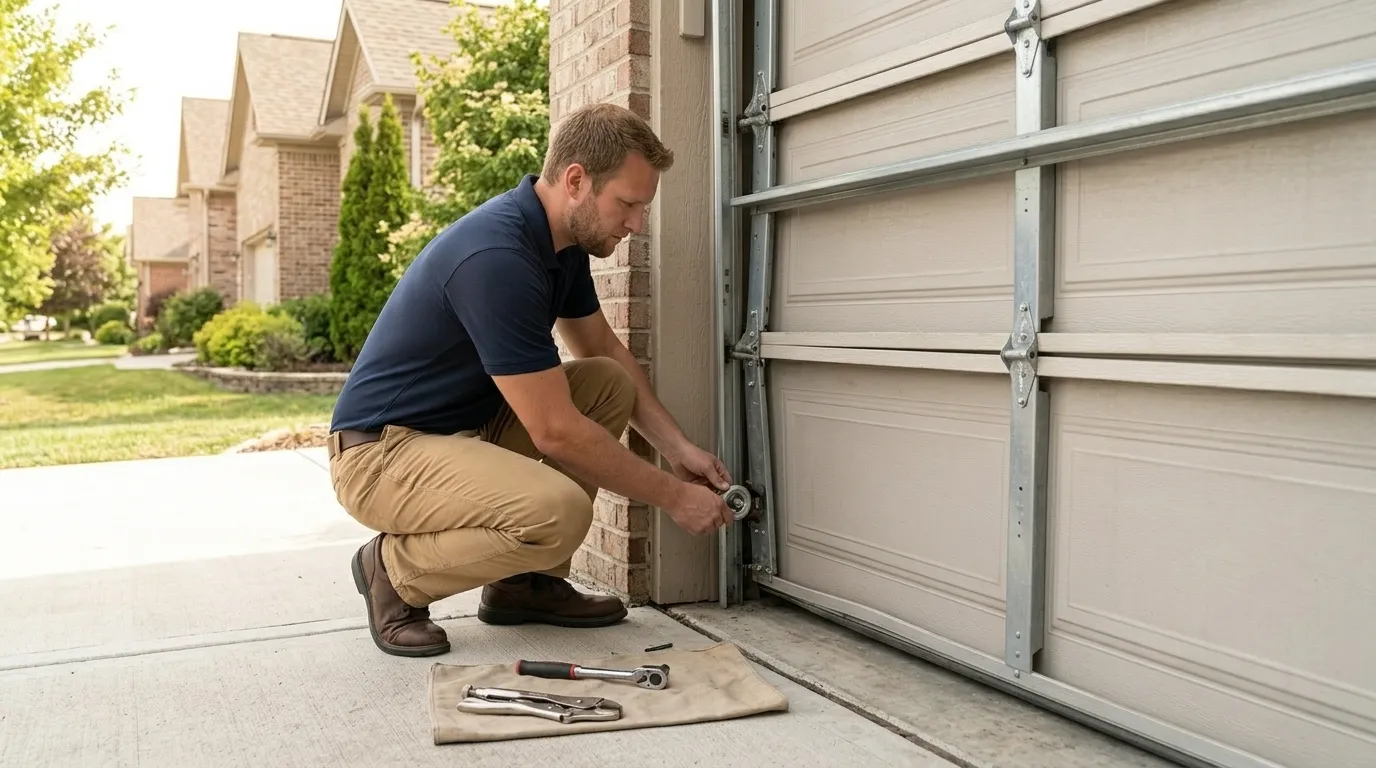
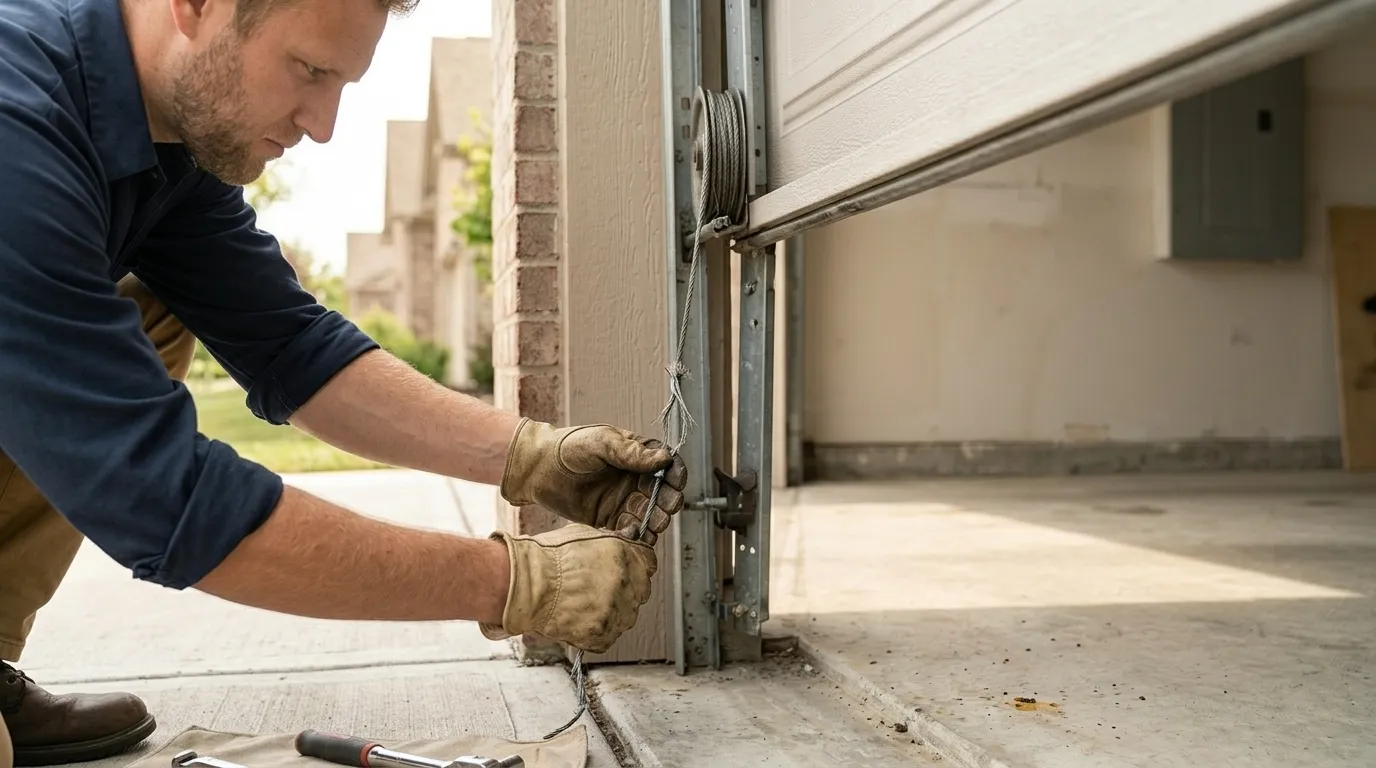
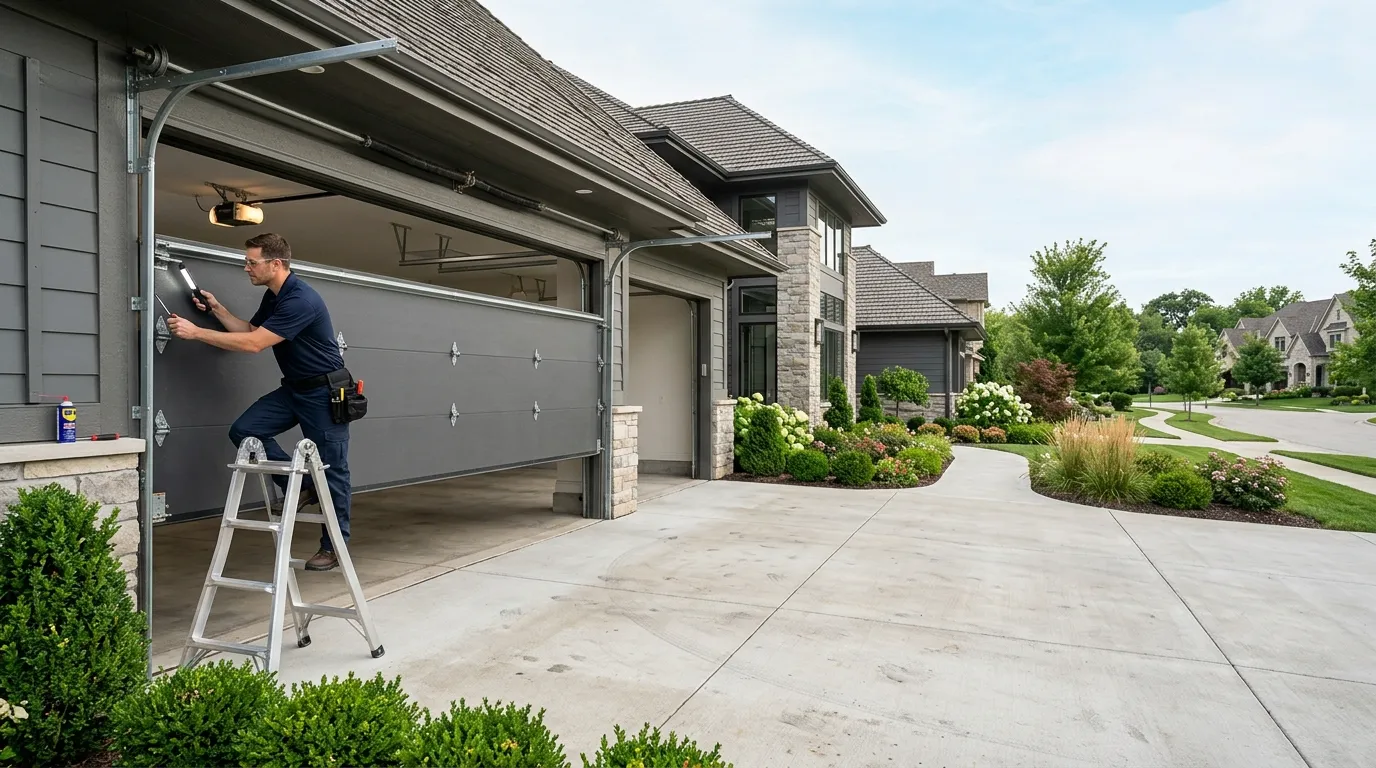
Basehor is one of the newer pockets in the area we cover, with a median build year around 2004 - decades younger than the 1973 median across the wider service territory. That gap matters more than it sounds like it should. A house built in 2004 came with a steel raised-panel door on a factory torsion spring and, more often than not, a chain or belt-drive opener with a circuit board instead of a mechanical relay. The failures we see out here are opener-side: a logic board that stops talking to the wall button, a safety sensor knocked out of alignment during a move-in or a landscaping job, a drive gear stripped after years of daily use. We don't see the tired one-piece doors or the second-generation torsion setups that show up on older streets closer in. What we do see is a coil spring rated for a heavier door than the builder installed, or a keypad that's outlived its battery twice already. If your door is acting up and the house is under twenty years old, the spring is rarely the first thing to check.
What We Do Not Do
We don't stock or install wood carriage doors - if that's what's on the house, we'll tell you that up front rather than sell you something we don't carry. We also don't do same-day emergency dispatch to Basehor; we're driving out from Kansas City, and honest scheduling beats a promise we can't keep. If a spring has been replaced twice already and the drum or shaft is worn, we'll say so rather than sink a third spring into a system that needs bigger work. And we don't guess at part numbers over the phone for a door we haven't seen - modern openers vary enough by model year that a wrong guess wastes your money and our trip.
What Was Built Here
With roughly 2,621 households and a median income above $106,000, Basehor reads differently than the rest of the coverage area, where the wider median sits closer to $89,000 across 67,367 households. That income gap tends to line up with what we find in the garage: better-grade openers, insulated steel doors, and fewer of the bargain builder-grade units that fail early. It also means owners here are more likely to replace a door outright rather than patch it repeatedly, which changes the kind of call we get - less spring-and-cable triage, more opener upgrades and full door swaps. The winters here still hit the same cold-severe band as the rest of the region, so insulation and weatherstripping still matter regardless of the build year, but the structural bones of these garages are newer and it shows in every service call.