What Causes It Around Here
Most houses on this side of the metro went up between 1950 and 2004, with the typical build year landing around 1973. That means a huge share of the doors we open are still running on original or first-replacement torsion springs sized for a mid-century garage, not the heavier insulated doors a lot of owners have since bolted on. Across the fifteen named areas we work in, the stock skews 1960s and 70s, which is the era when builders were putting up single-car and narrow double garages with hardware that was never rated for today's door weights.
Then there's the winter. This is a cold-climate zone with real severe stretches, and steel contracts hard when the temperature drops fast. A torsion spring that's already fifty years old and undersized for its door doesn't handle that contraction well - the coil gets brittle right where the wind is spent. That's why we see a spike in spring failures on the first hard cold snap of the season rather than gradually over the year. The age of the housing stock and the climate band aren't separate problems here; they compound each other.
The Symptom
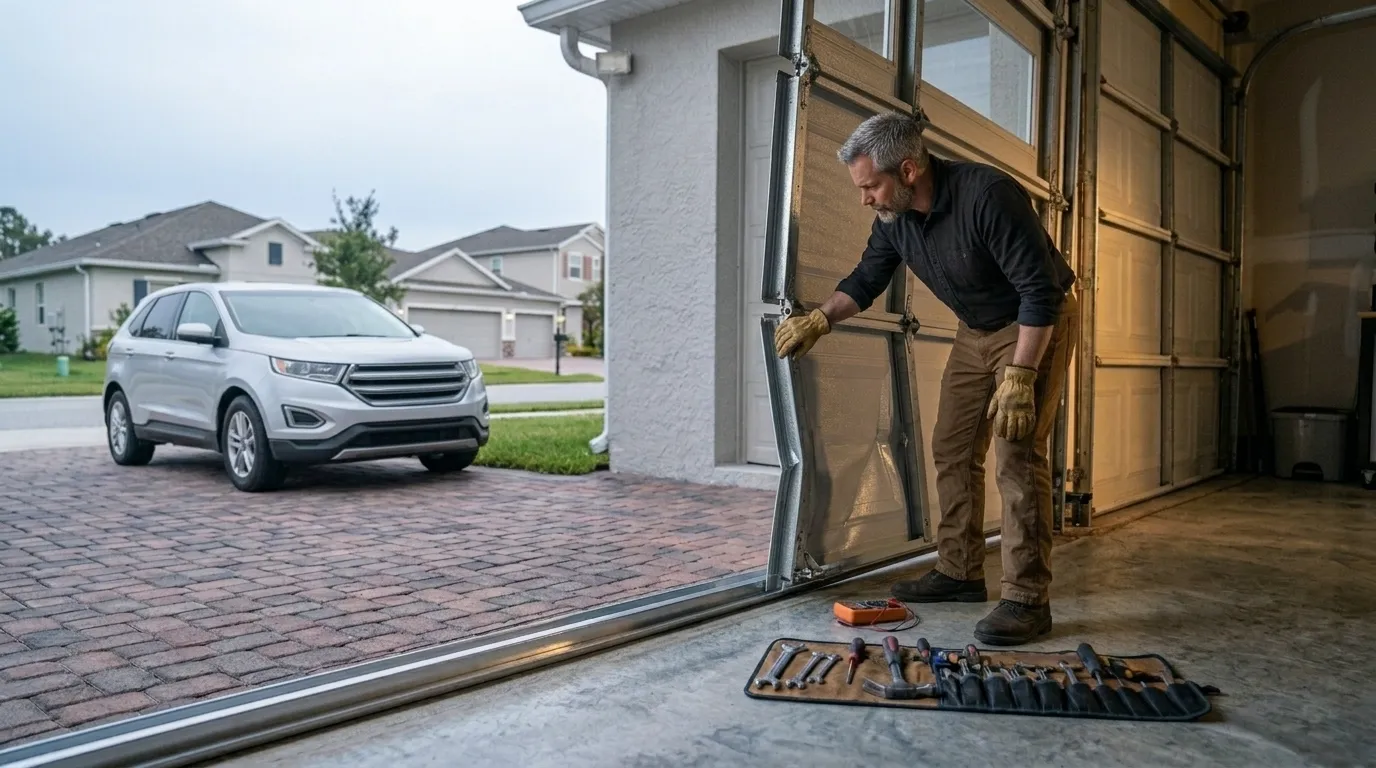
It usually starts small. The door hesitates a beat before it lifts, or the opener strains and makes a grinding whine it didn't make last month. Some owners hear a loud bang from the garage - that's the spring letting go, not the opener. After that, the door either won't move at all, or it lifts a few inches and stalls because the opener is trying to lift full door weight with no spring assist.
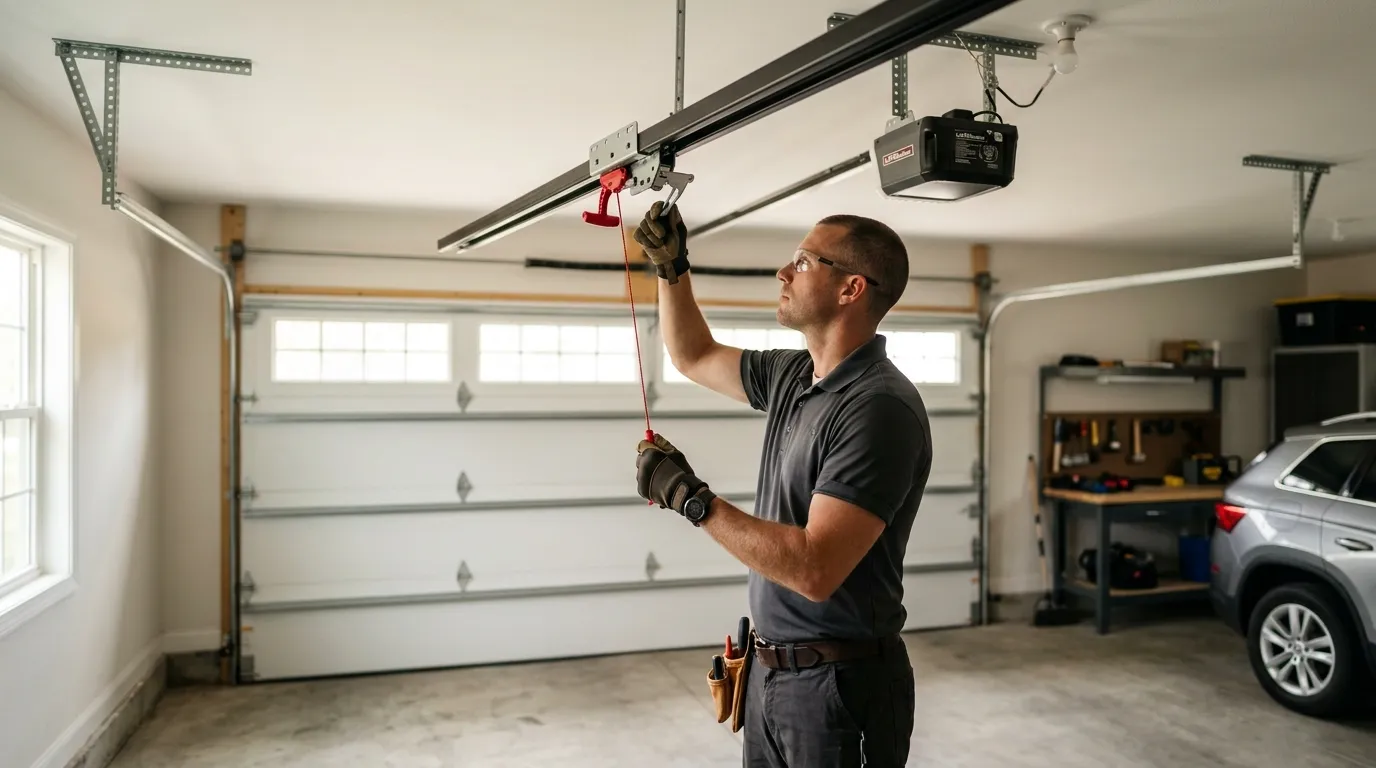
If you pull the emergency release and the door feels like dead weight in your hands, that confirms it. A door with a working spring should lift with one hand and stay roughly where you leave it. One that slams down or is too heavy to hold has lost its counterbalance.
How We Fix It
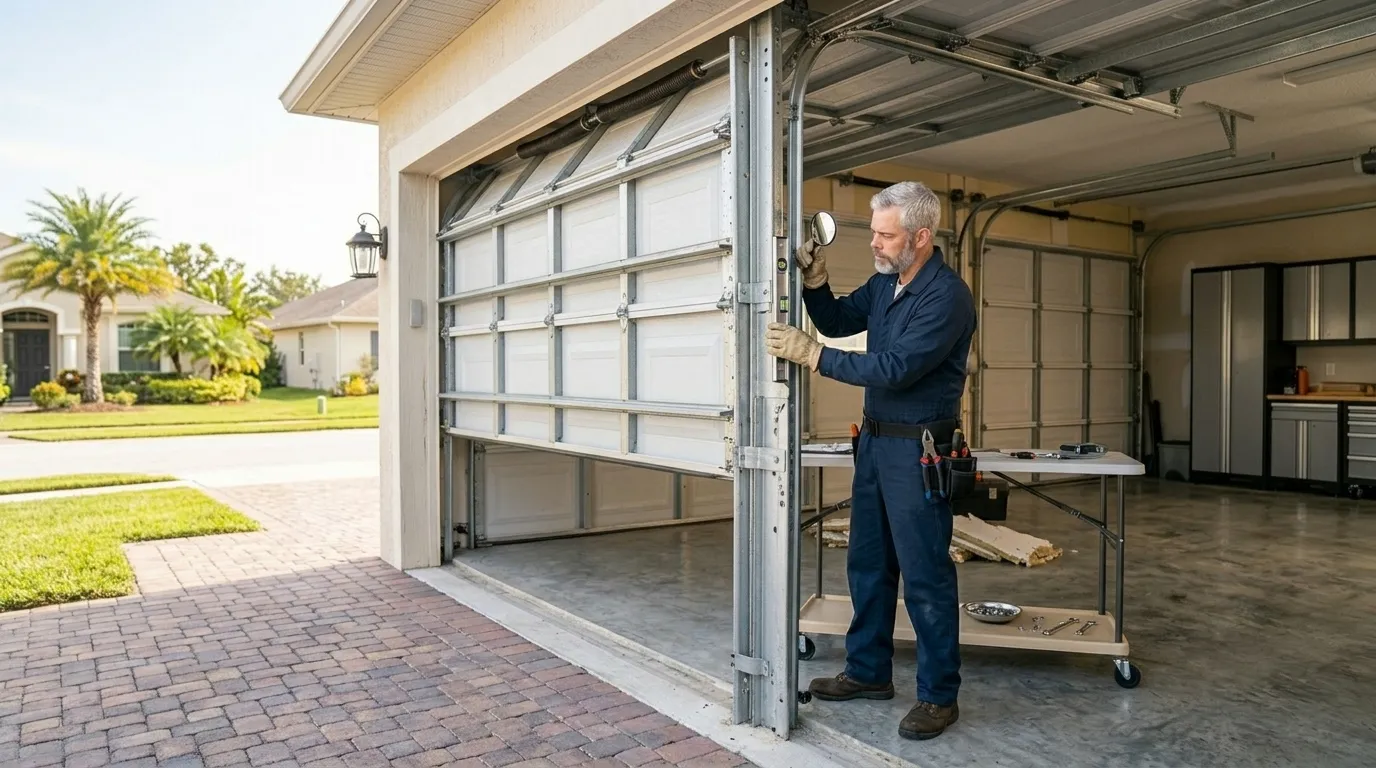
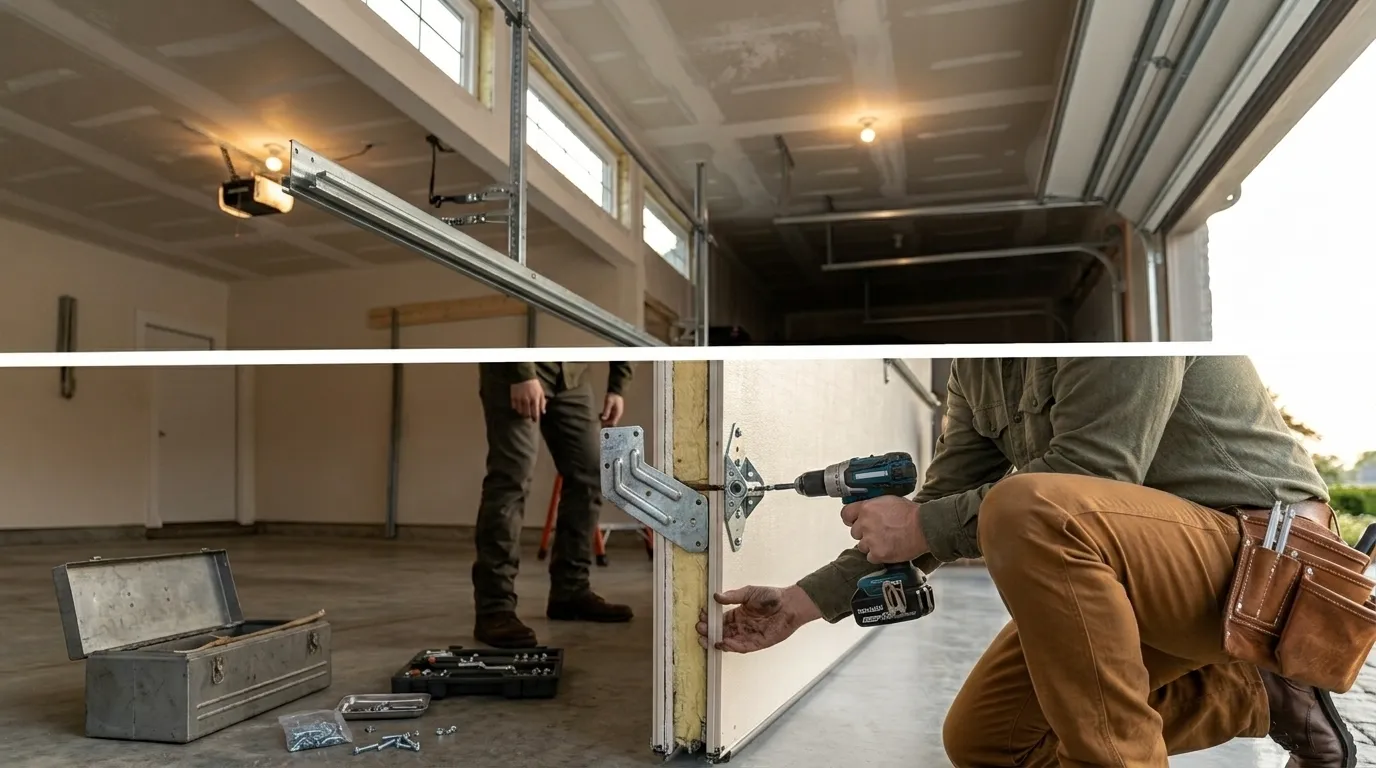
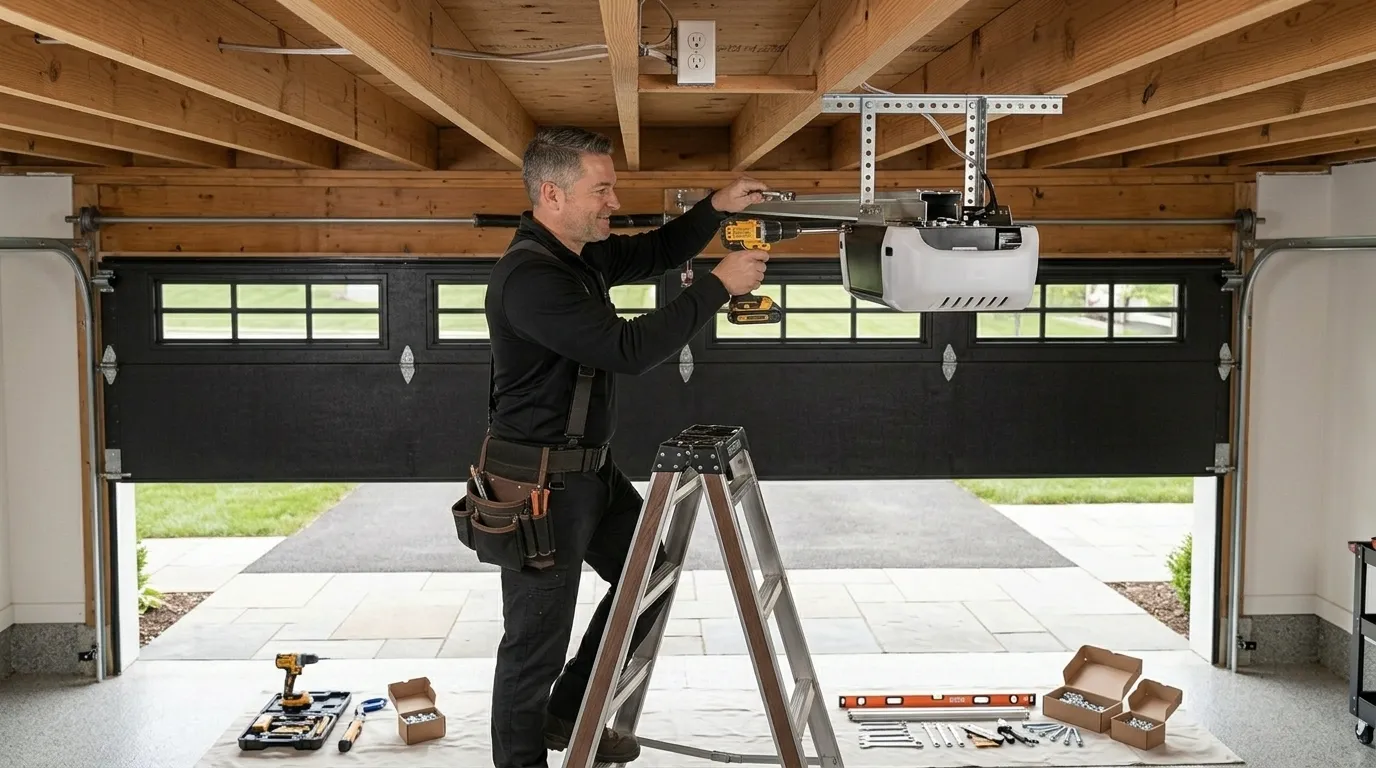
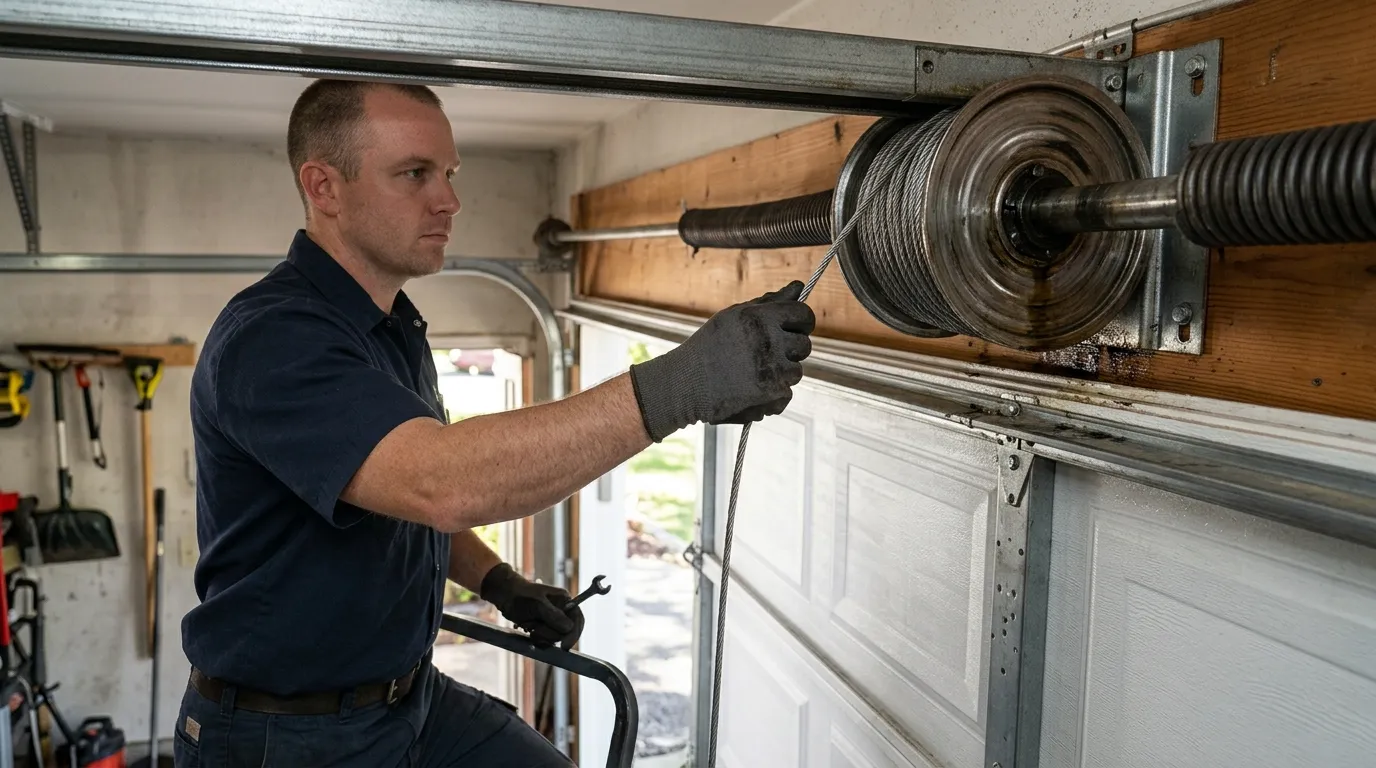
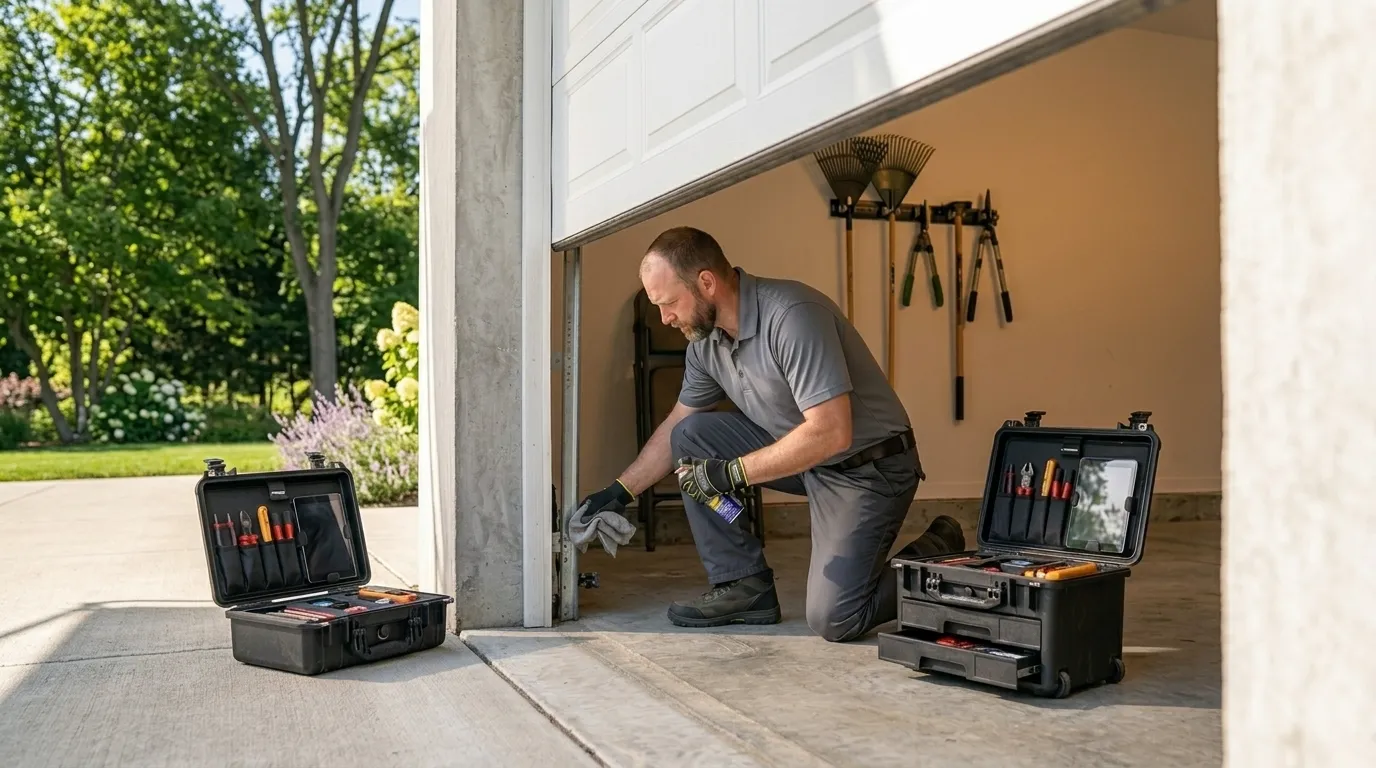
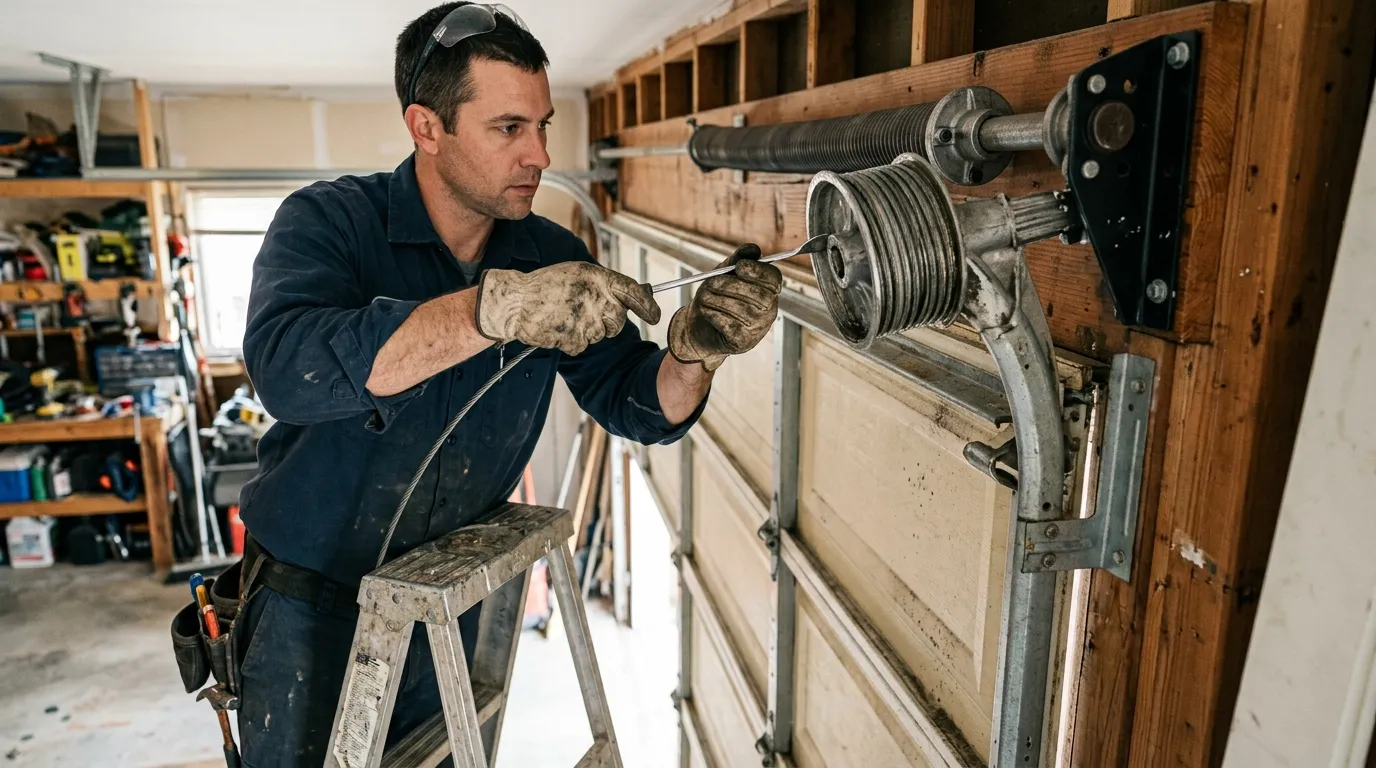
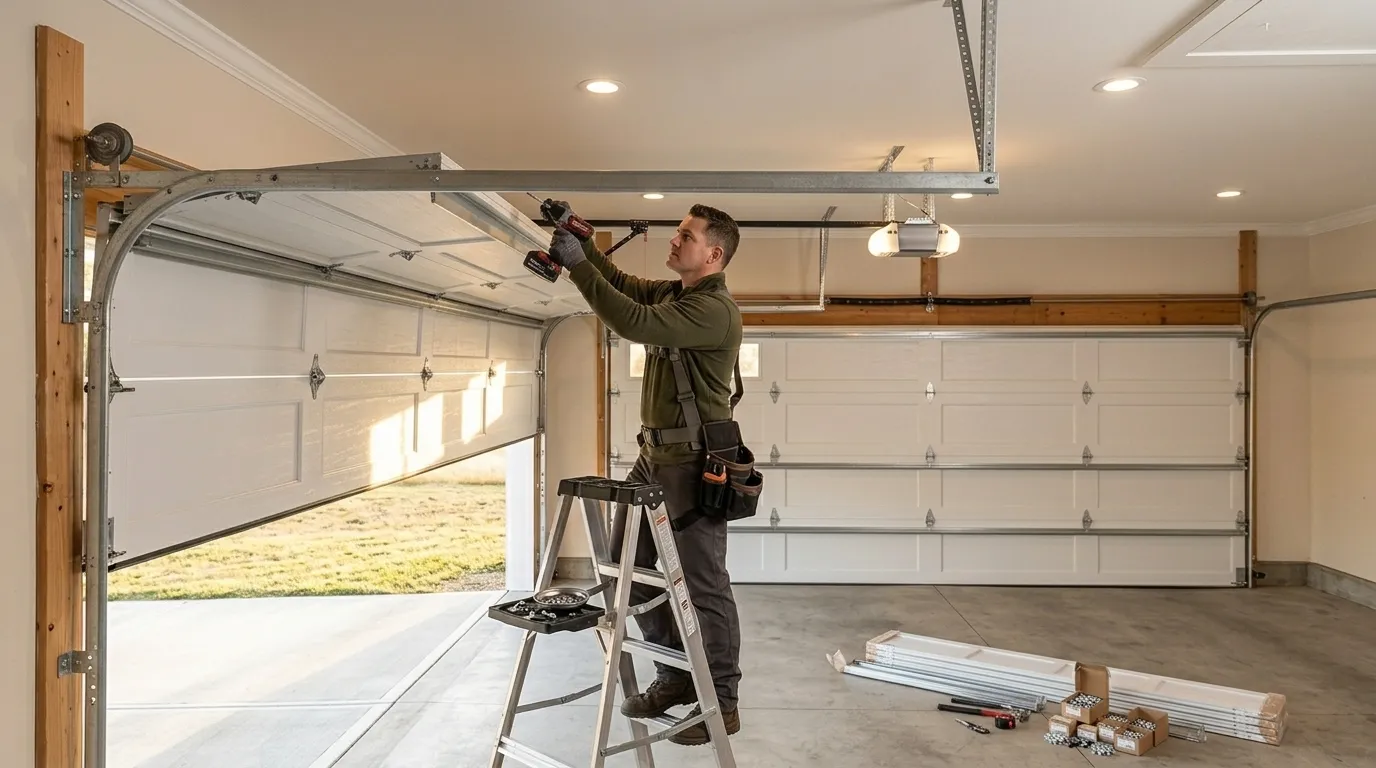
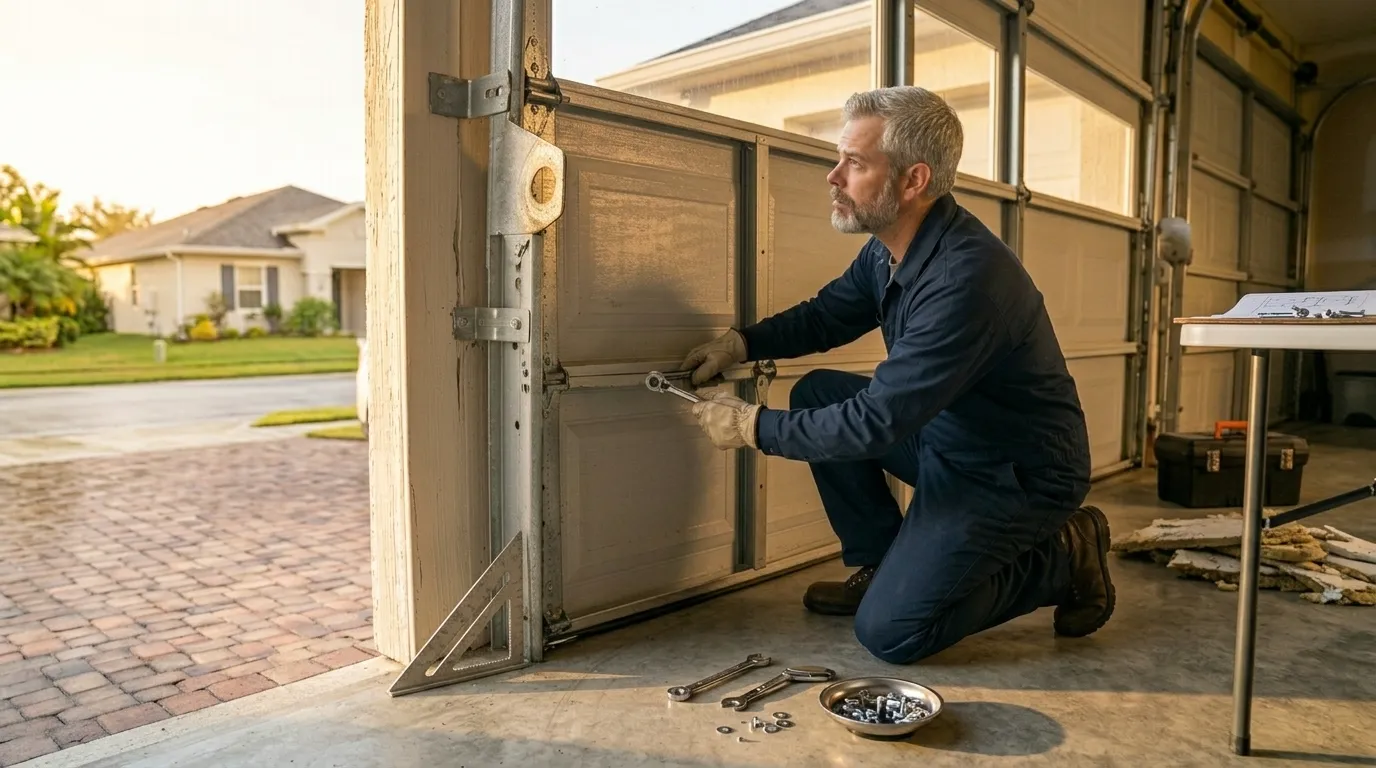
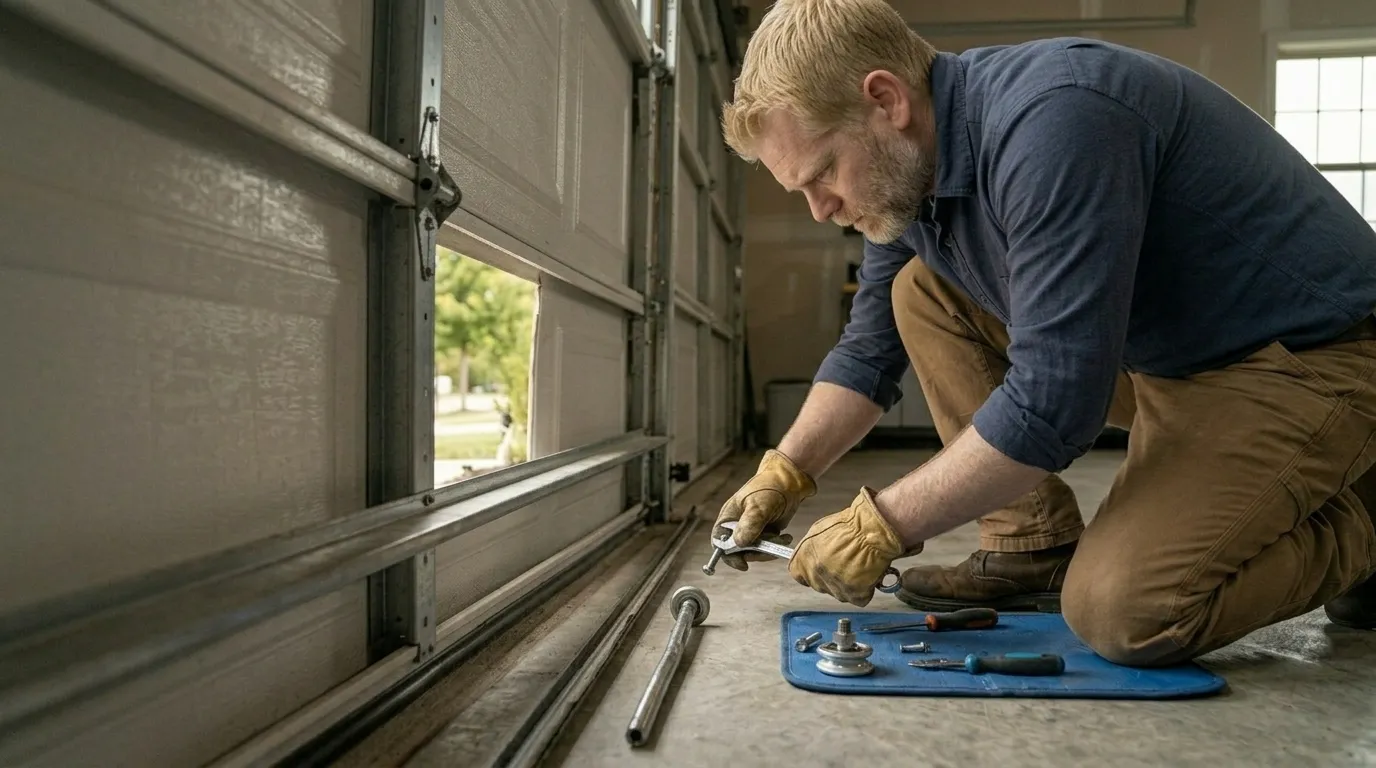
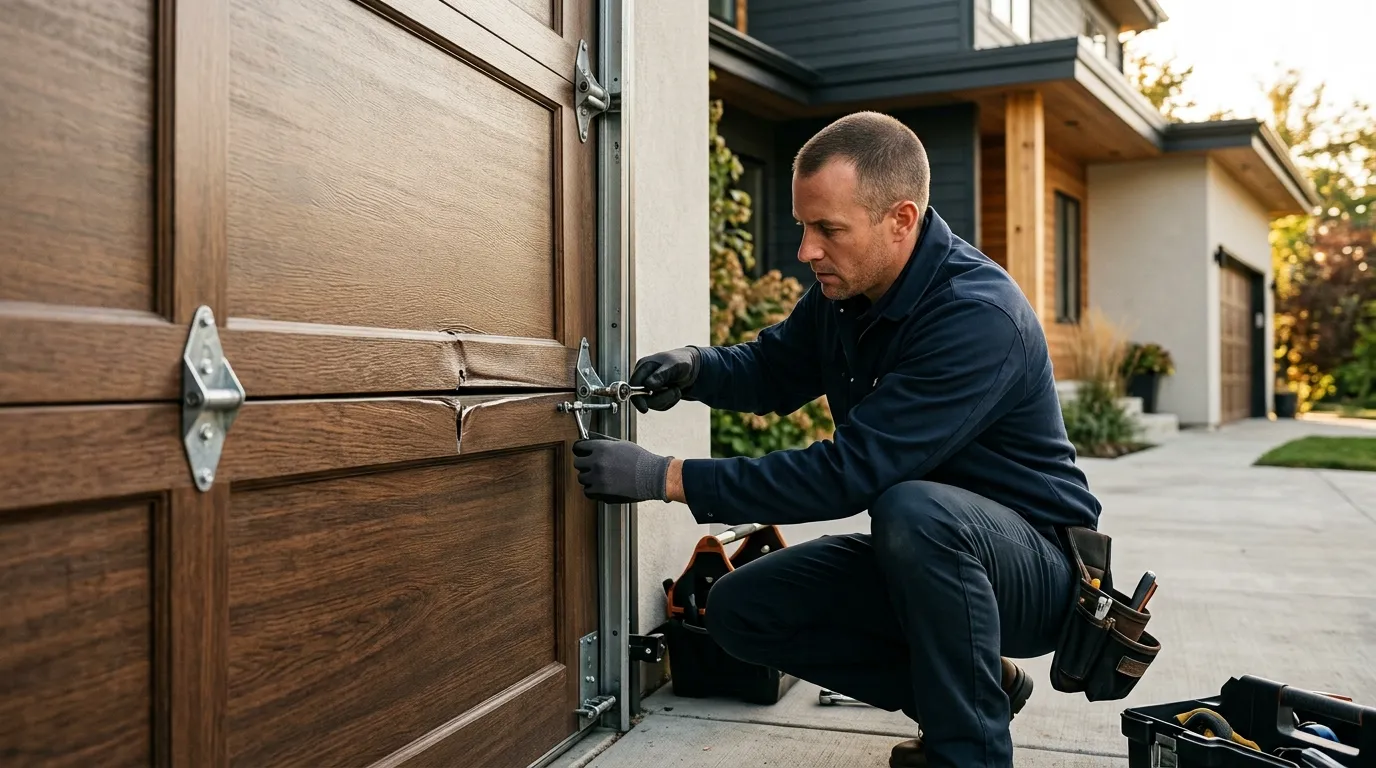
We come out, check the door's actual weight and cycle count needs, and replace the spring with one sized correctly for that door - not just a like-for-like swap of whatever failed. On the older housing stock common here, that often means upgrading past what the original builder installed, since doors have gotten heavier since the 1960s and 70s. We also check cables and the drums while we're in there, since a spring failure under load sometimes takes a cable with it.
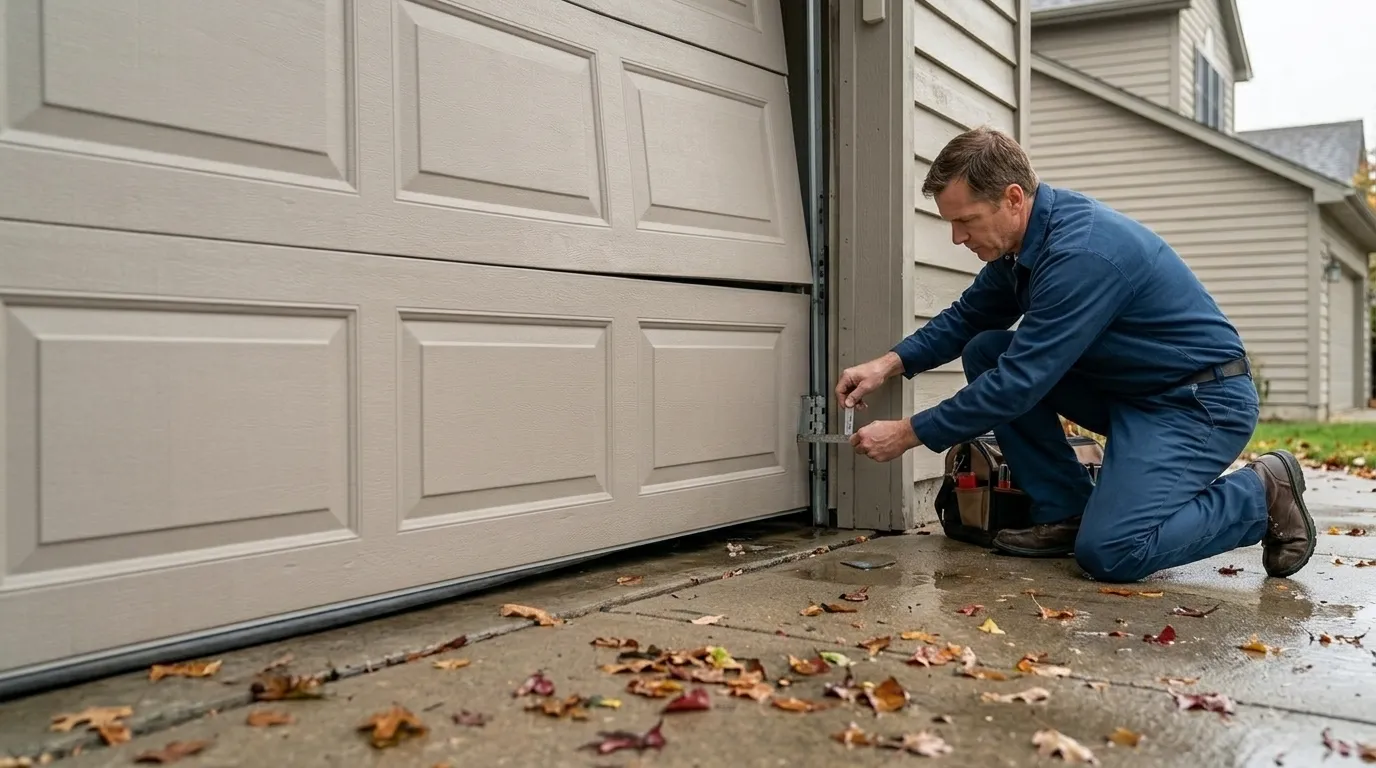
One limitation worth saying plainly: if the door itself is original from the 1950s-70s era and the track or hardware is bent or badly rusted, replacing just the spring is a short-term fix. At that point we'll tell you straight that a new door is the better money, not push a repair that won't hold.