Season by Season
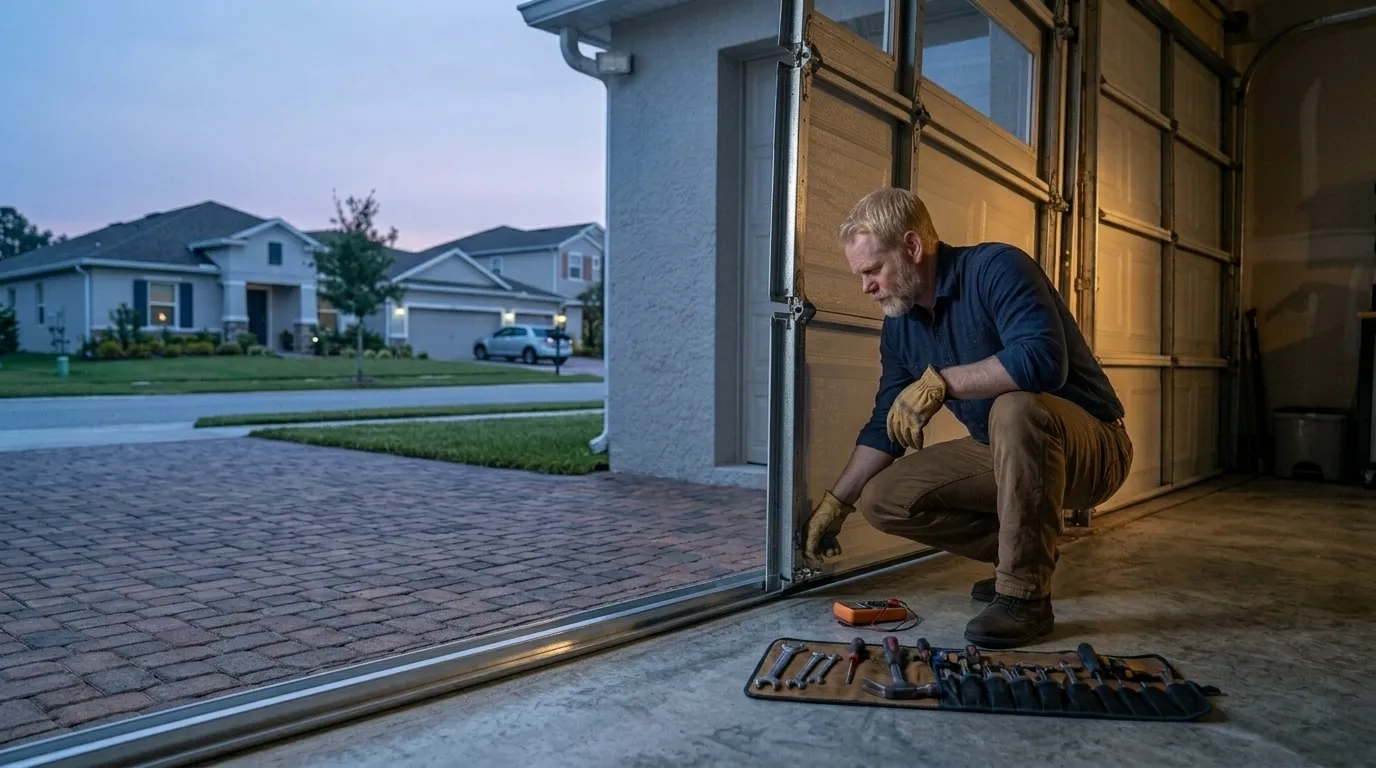
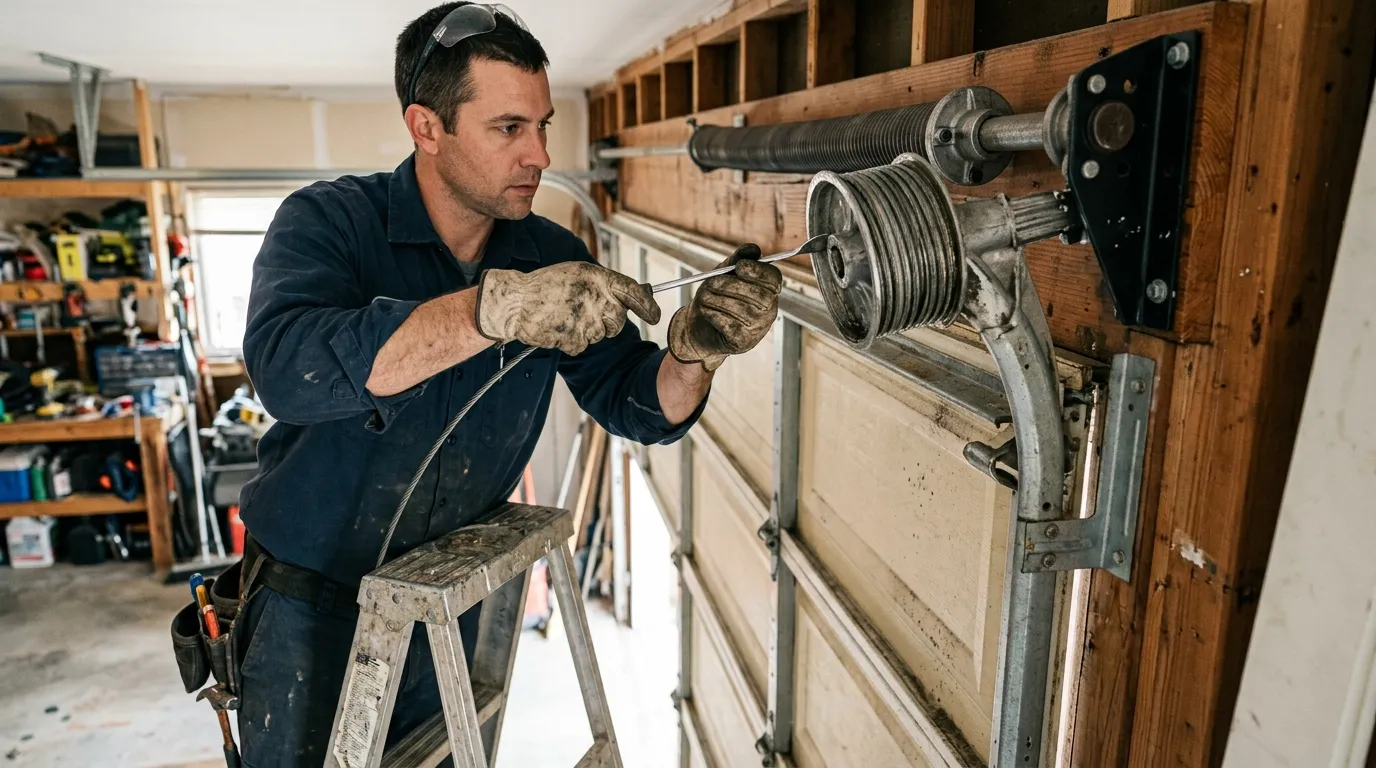
Kansas City, KS sits in a climate band rated cold-severe, and that matters more for a garage door spring than almost anything else on the house. Steel loses flexibility as it gets cold, and a torsion spring that's already fatigued from years of cycling has less give left to work with. You'll see the calls cluster hard in the first real cold snap of the year and again after a stretch of single-digit nights - not because the spring failed that morning, but because the cold was the last straw on a coil that was already close to its cycle limit. Summer and fall are quieter. The door still opens fine in July on a spring that's one cold morning away from letting go. That's the pattern here: failures bunch up around the season the metal contracts, not evenly across the year. If you've noticed your door groaning or sounding rougher once the temperature drops, that's not your imagination - it's the same spring behaving differently in the cold.
How Local Conditions Play In
Housing across this area was mostly built between 1950 and 2004, with the median landing at 1973, and the bulk of it - across the neighborhoods and nearby areas from to - is 1960s and 70s stock. That era matters for one specific reason: a lot of these garages still run original or first-replacement torsion hardware sized for the doors of that period, lighter wood or single-layer steel panels on springs that were never rated for the number of cold-cycle years they've now put. A spring rated for 10,000 cycles doesn't know it's been 50 years - it just knows it's done fewer or more depending on how the door's been used, and cold weather pulls forward whatever's left. Newer builds in this area, where doors are heavier insulated steel on properly matched springs, tend to hold up longer under the same cold. Older stock is where we see it first.
What You Pay
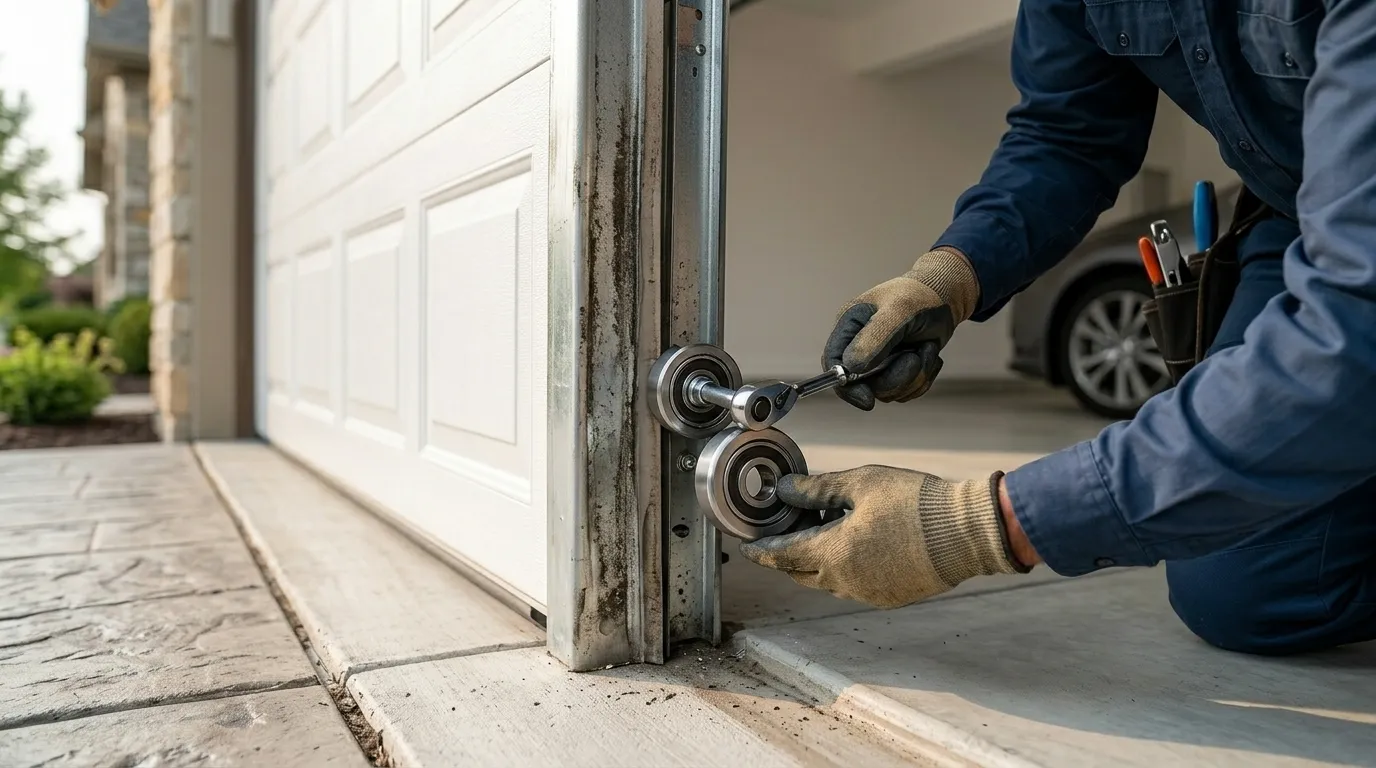
We're not going to hand you a number here, because a spring job on a 1973-era door with original hardware isn't priced the same as one on a newer insulated steel door, and door weight, spring size, and whether the drums or cables need replacing too all move the total. What we can tell you is what drives it: the size and type of spring your door needs, how many springs (single vs double door), and whether cold-related stress cracked anything else on the way down. Across the service area - 37,757 owner-occupied houses among 67,367 households, with a median income of $89,385 - most homeowners are working with older torsion setups that need like-for-like replacement rather than a cheap universal spring, which is part of why we look at the actual hardware before quoting rather than guessing off a phone call.