How That Shows Up in the Door
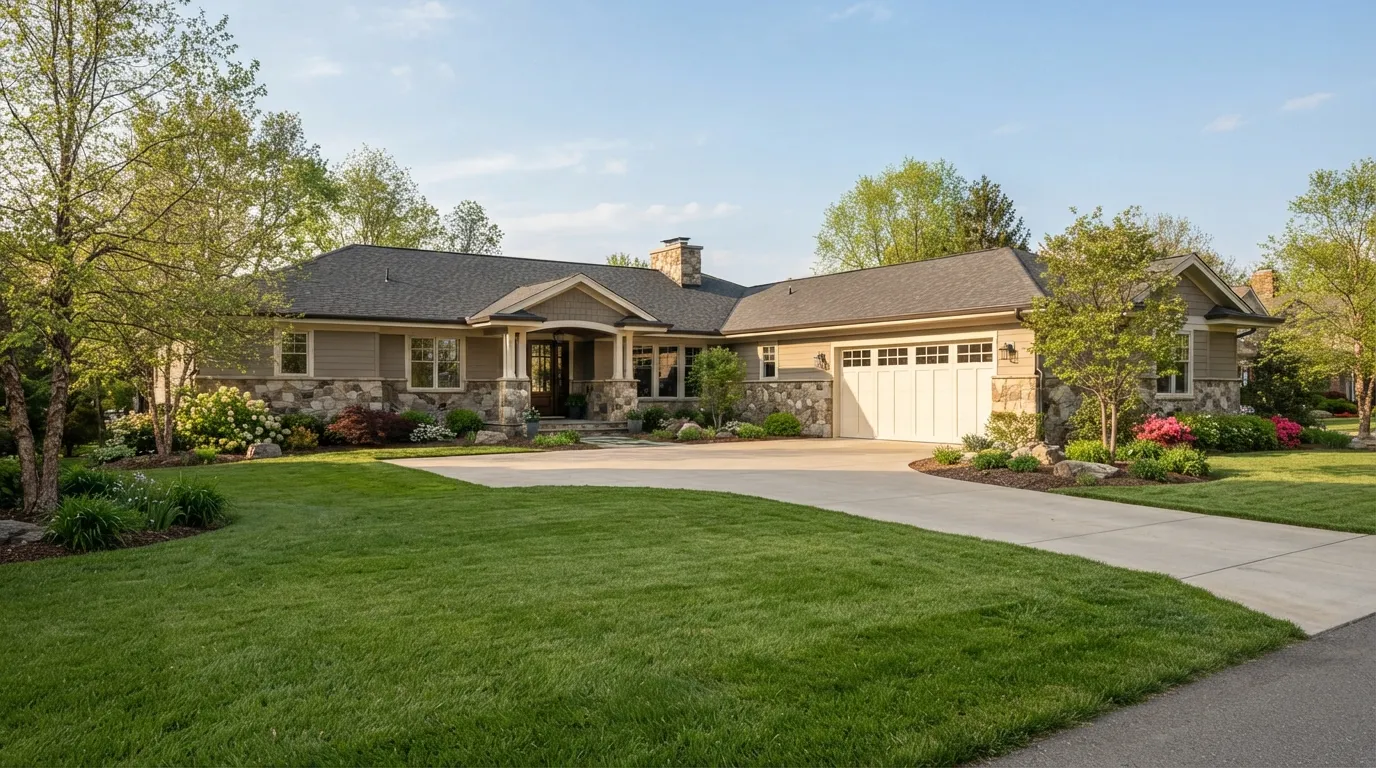
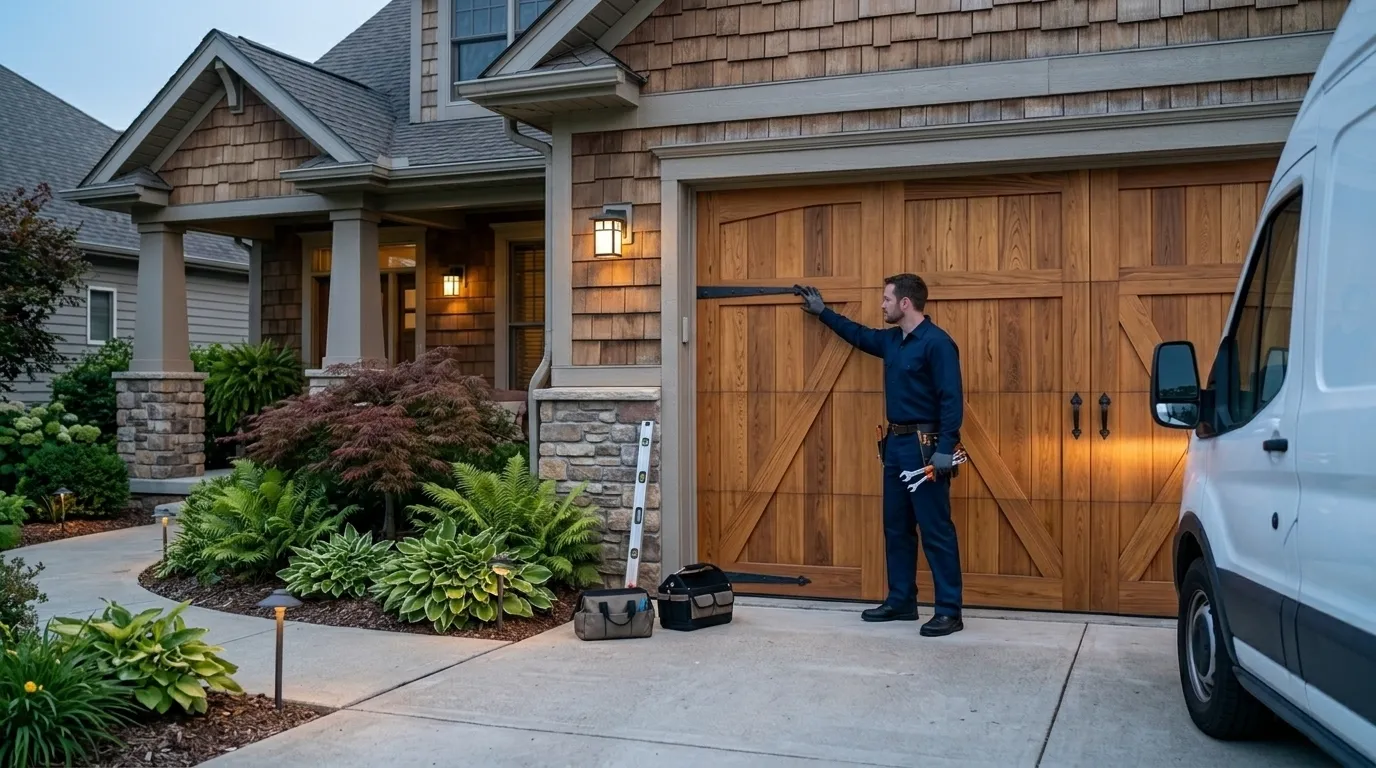
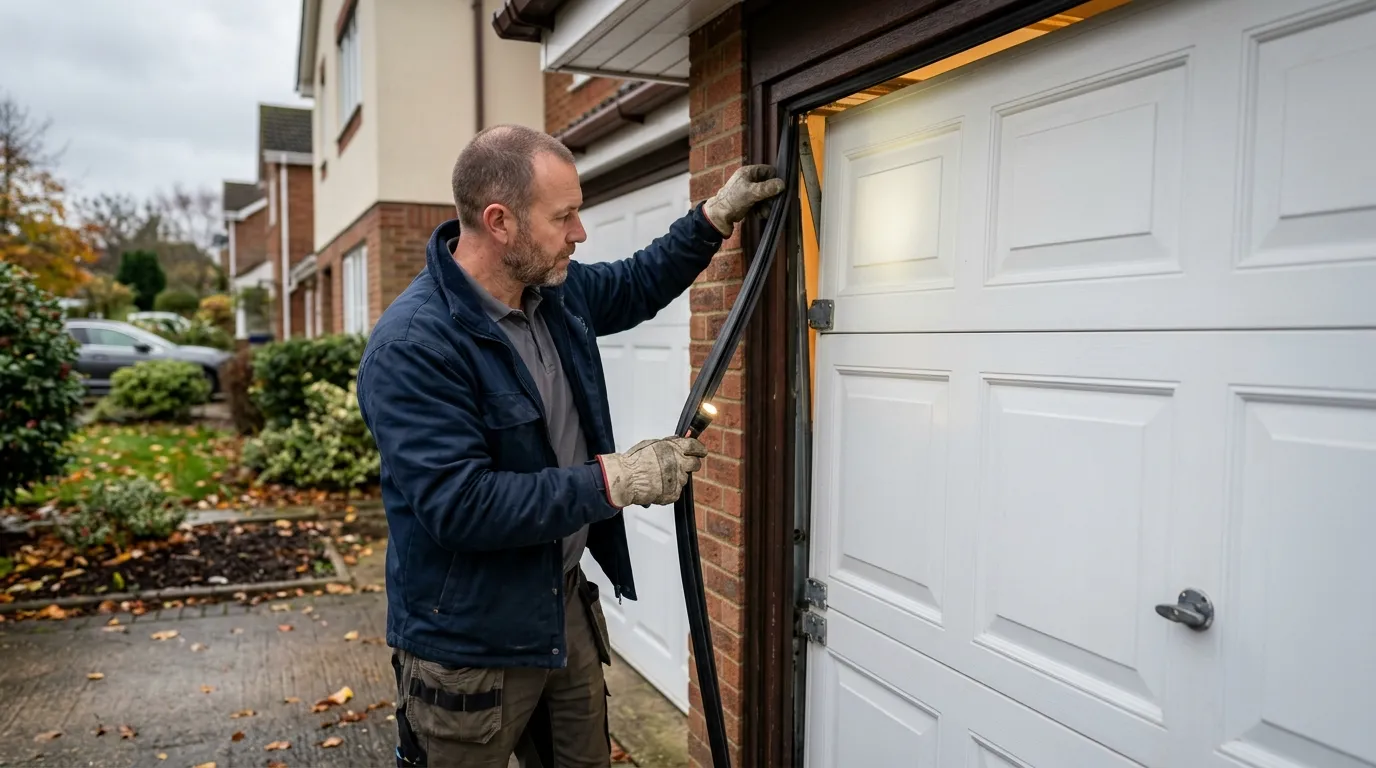
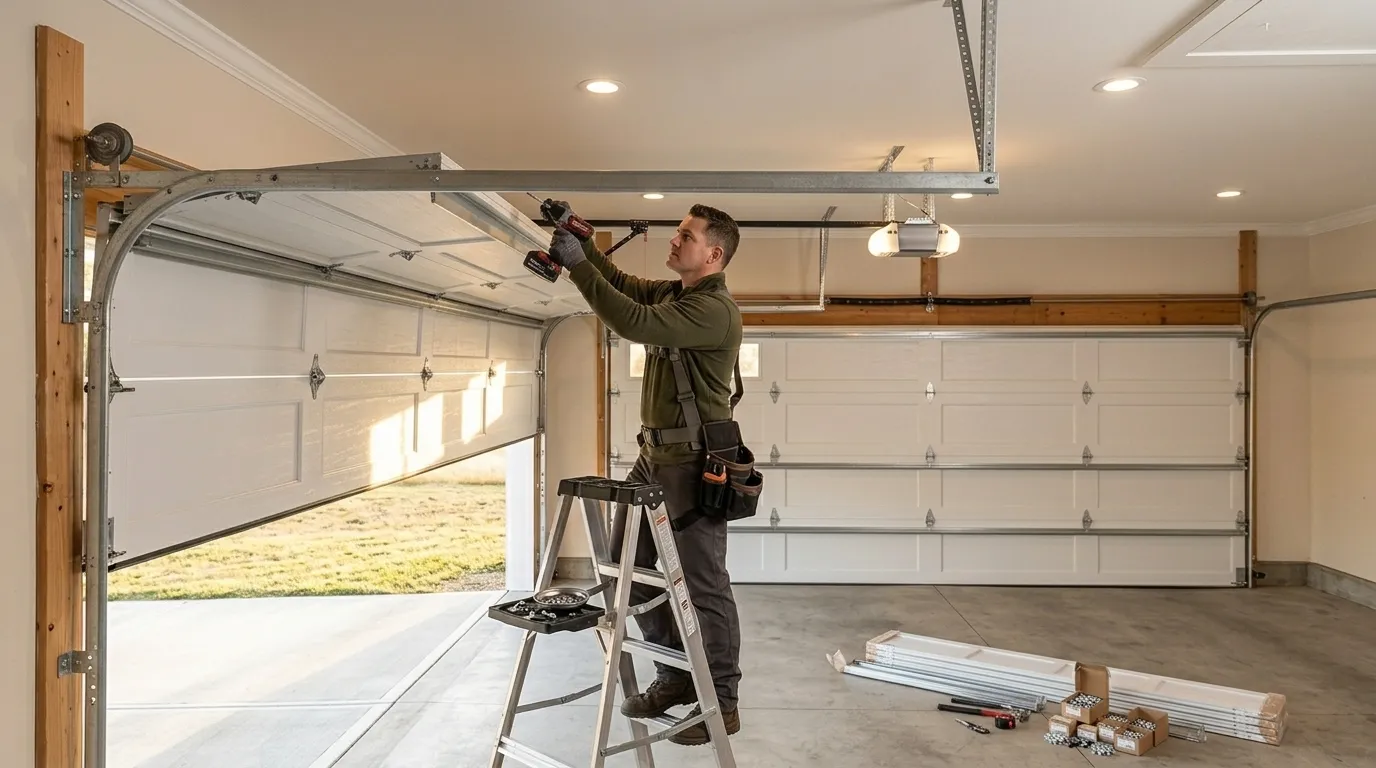
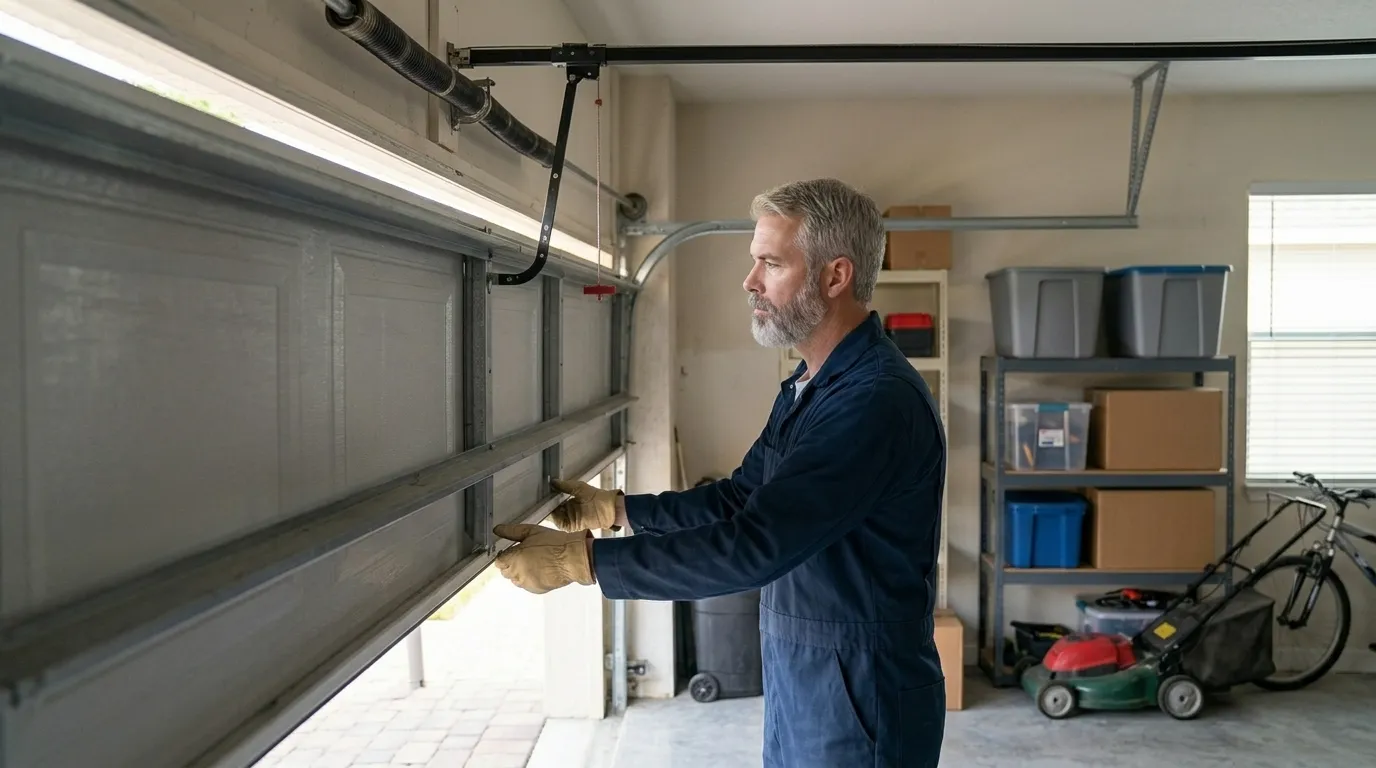
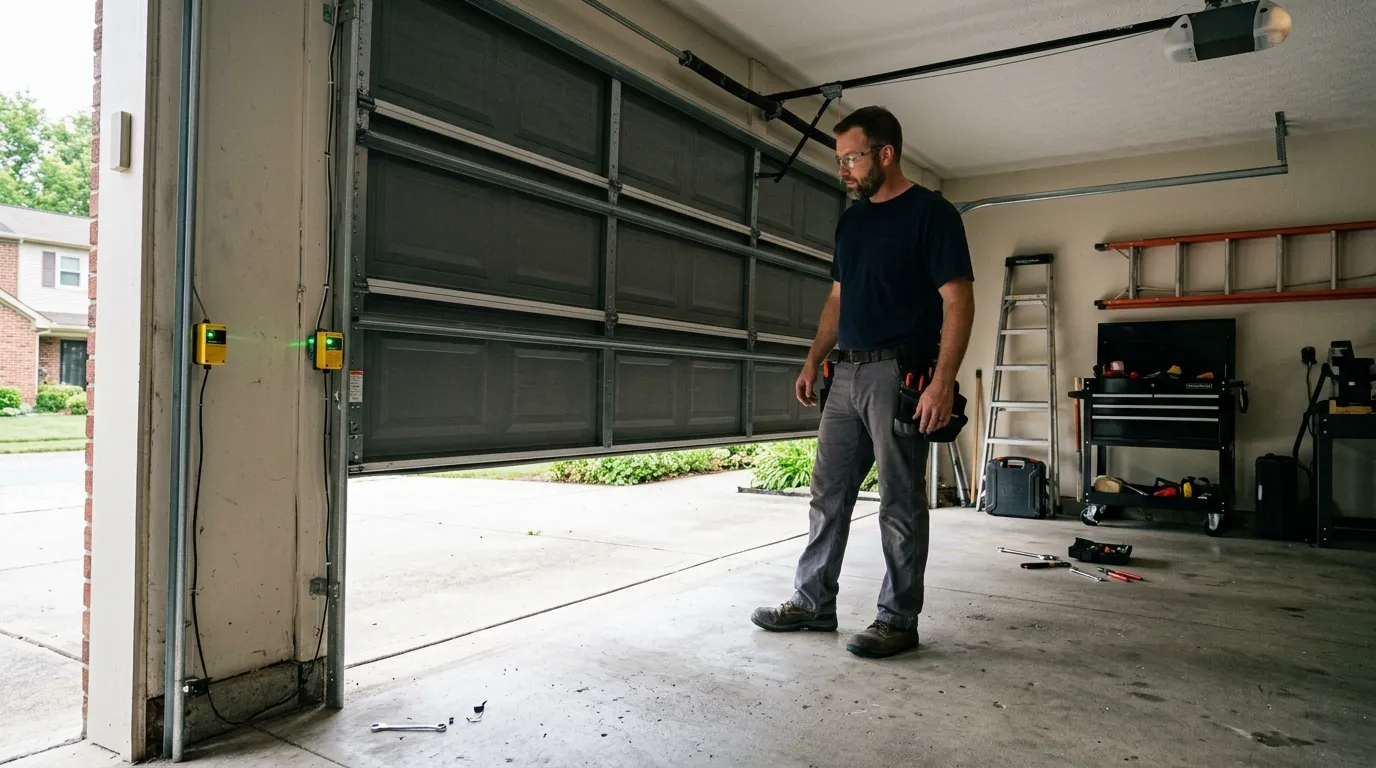
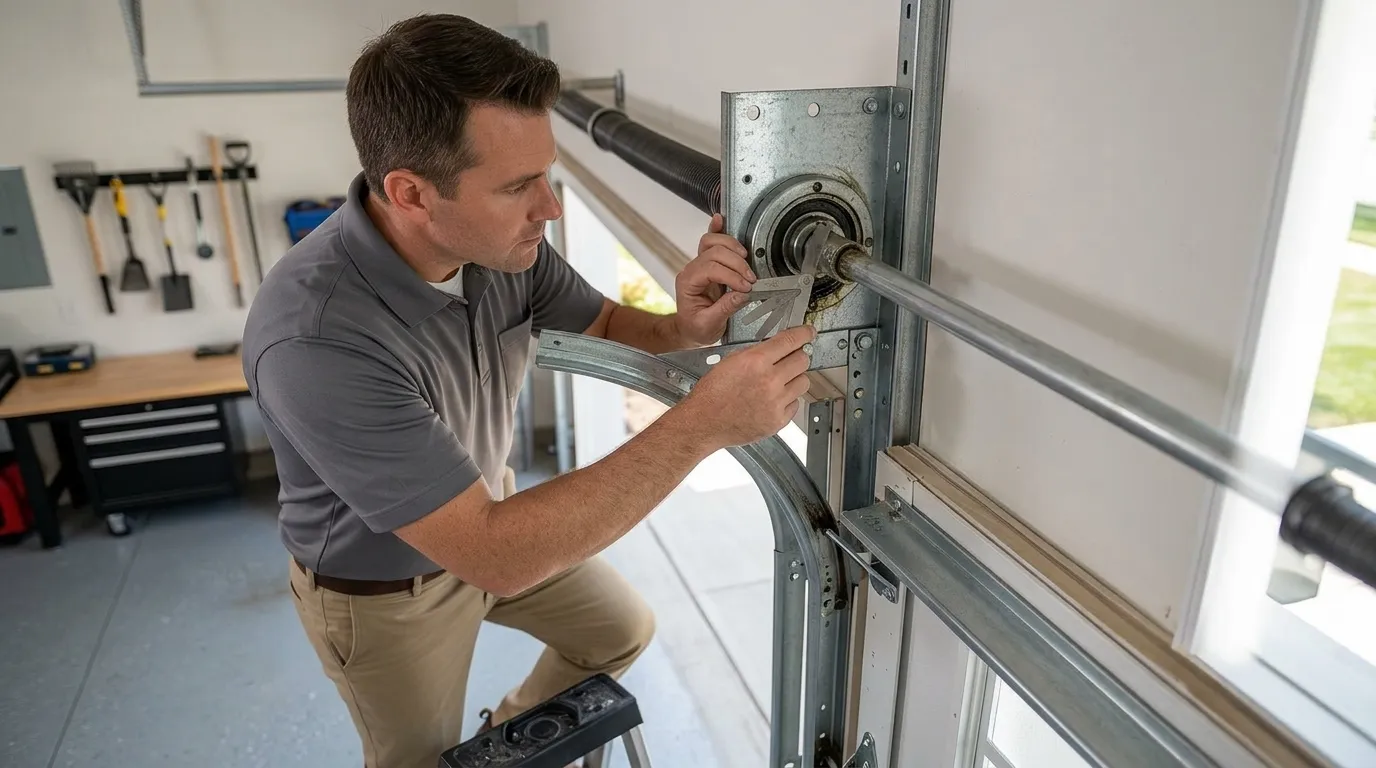
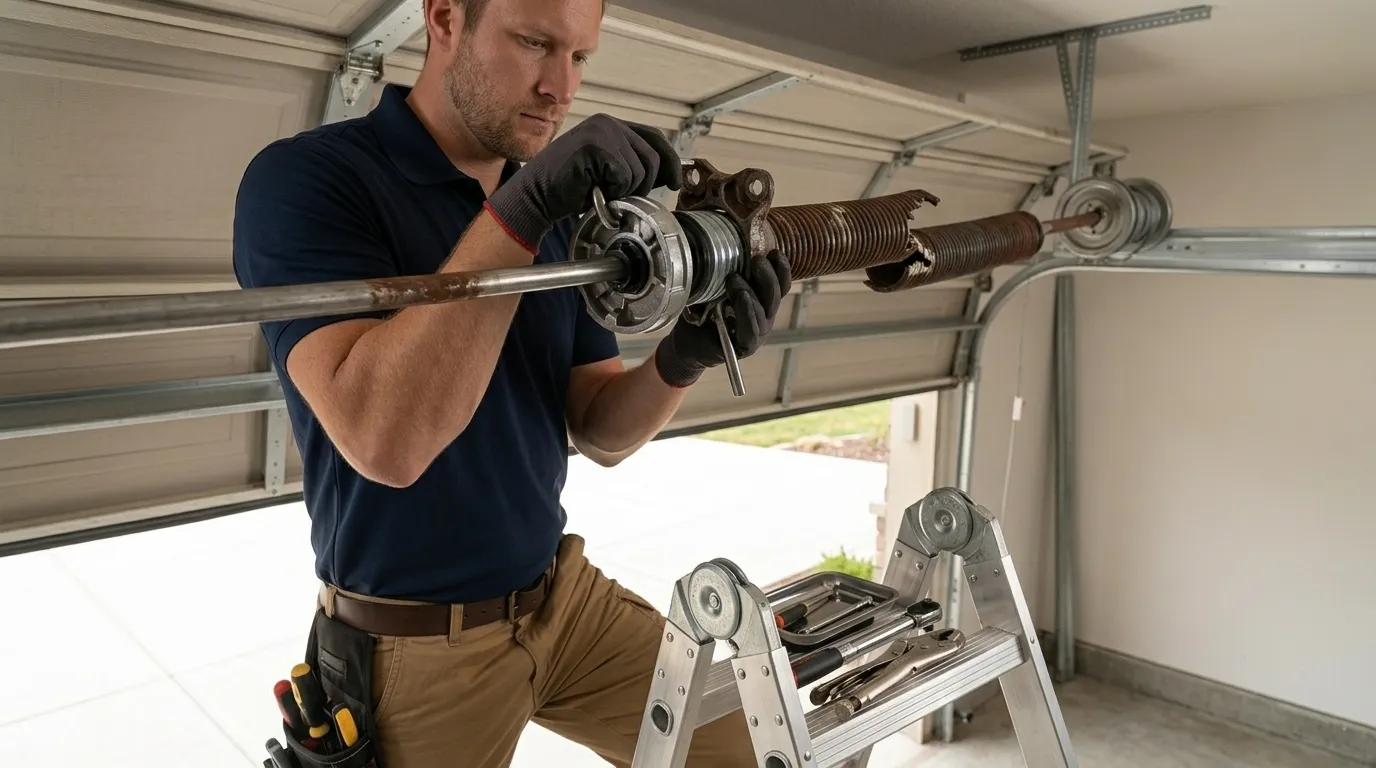
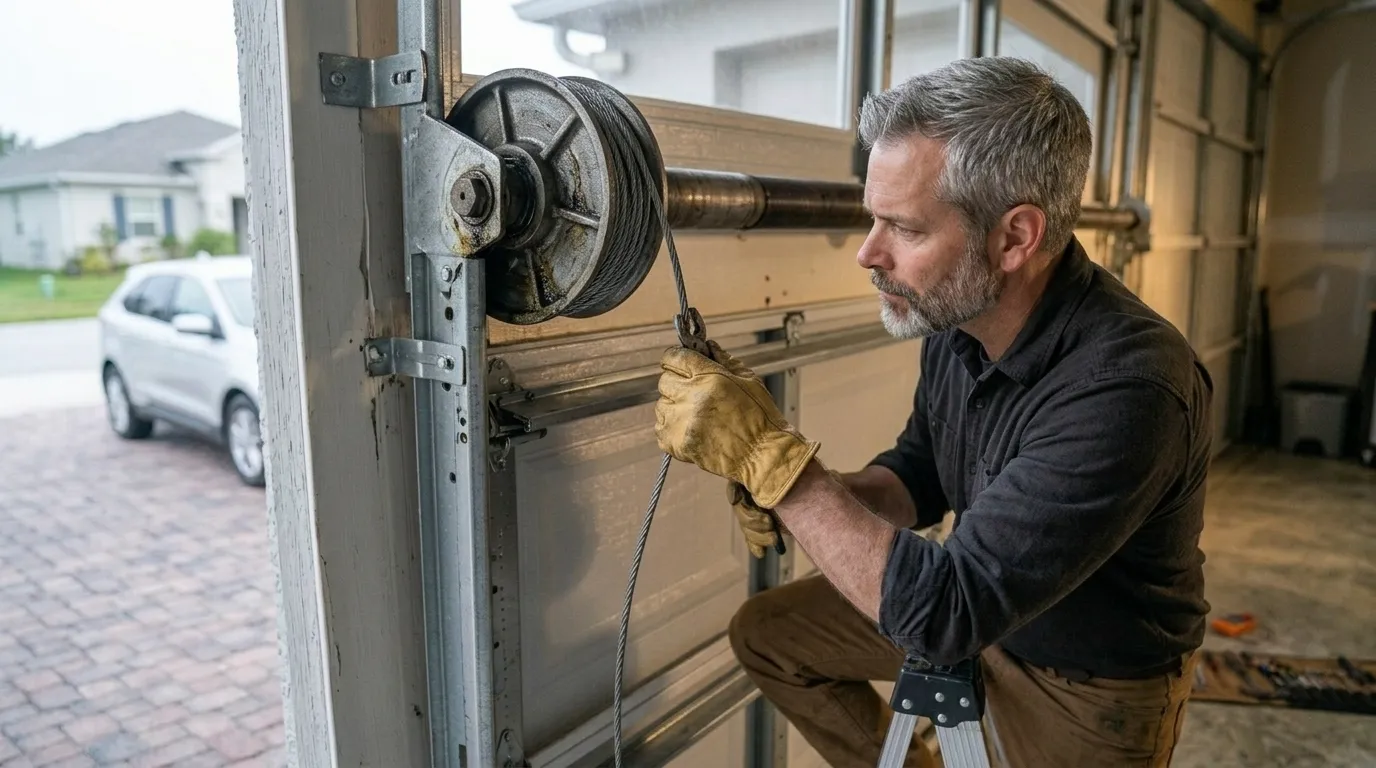
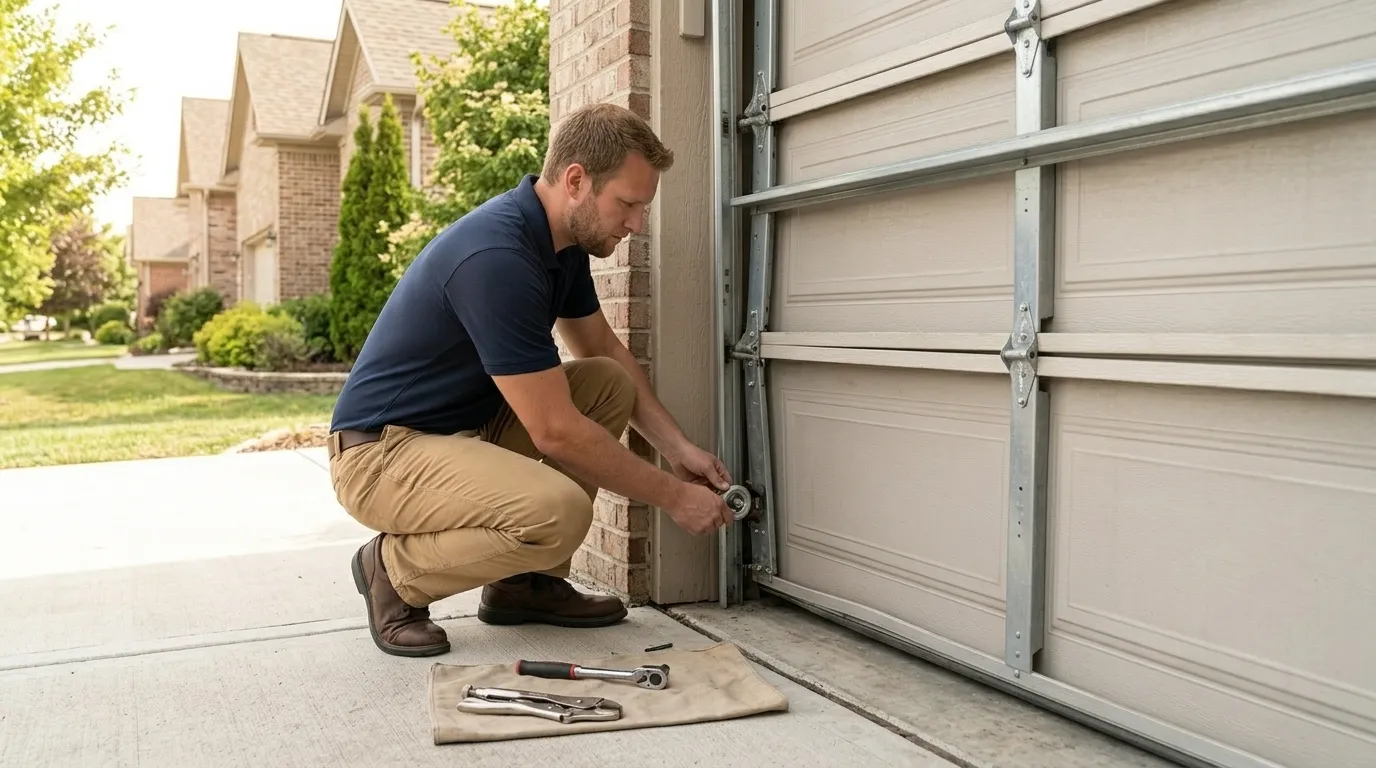
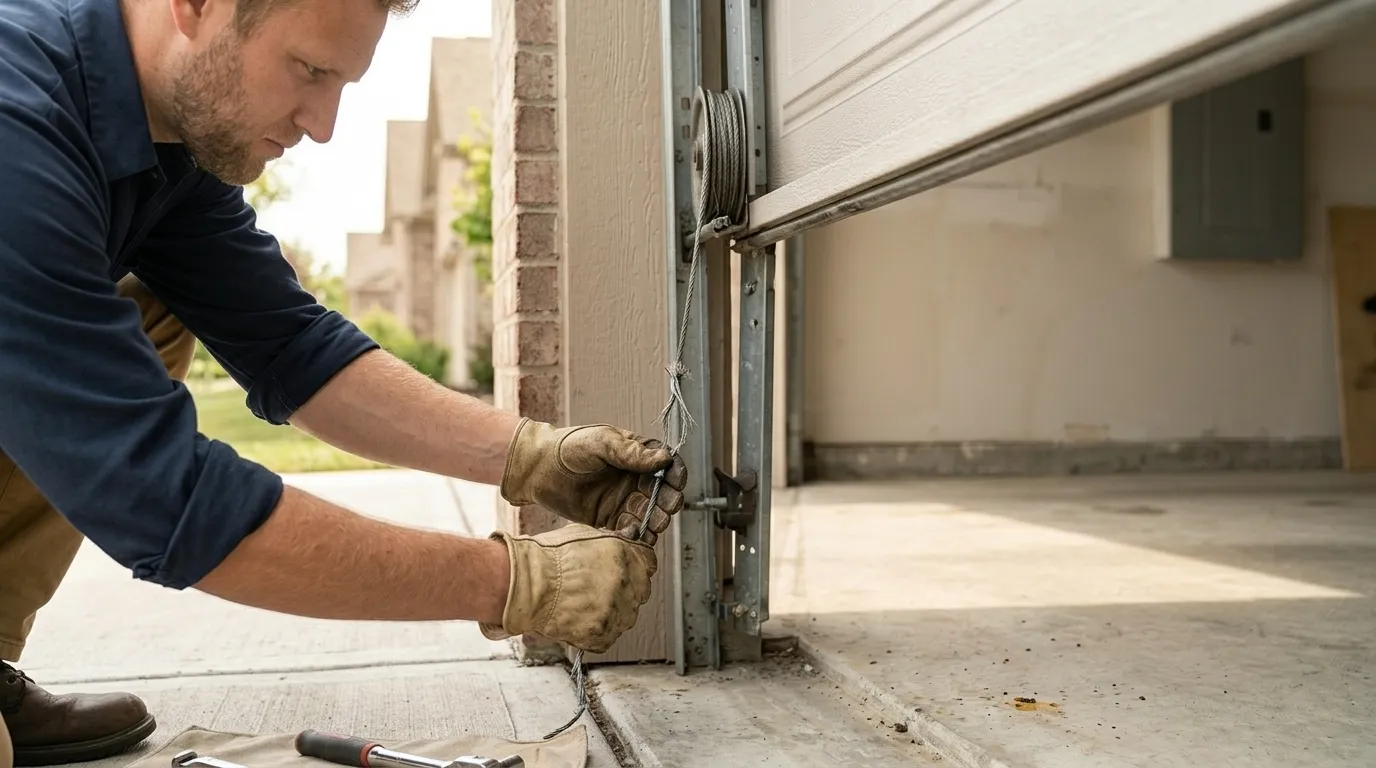
Roeland Park's housing stock centers on 1950, which puts it well ahead of the 1973 median for the rest of our service area. That gap of over two decades matters more than it sounds like on paper. A door installed on a house built in 1950 has usually been replaced at least once, sometimes twice, but the opening itself, the header, the jamb framing, the way the track was ever anchored, often still reflects original 1950s construction. We see more non-standard door widths here than in the newer subdivisions eight and ten miles out, because early postwar builders weren't working off the same standardized rough openings that came later. We also see more extension-spring setups retrofitted awkwardly into openings that were never built for torsion hardware, plus older wall-mounted button openers wired straight into a circuit that predates any safety-sensor requirement. None of that is unusual for a house this age. It just means the fix isn't always a straight swap-and-go, and a tech who's only ever worked in newer stock can misjudge the header strength or the anchor points.
What We Do Not Do
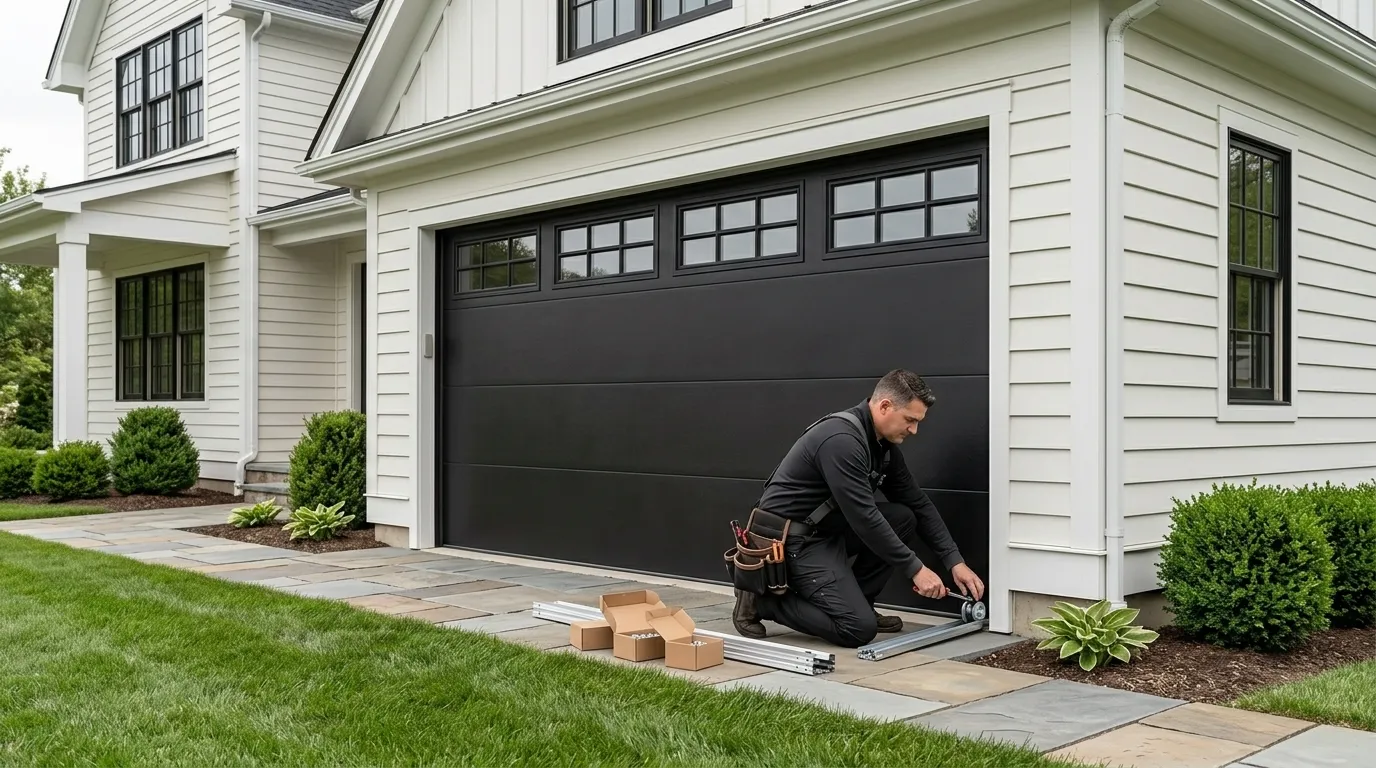
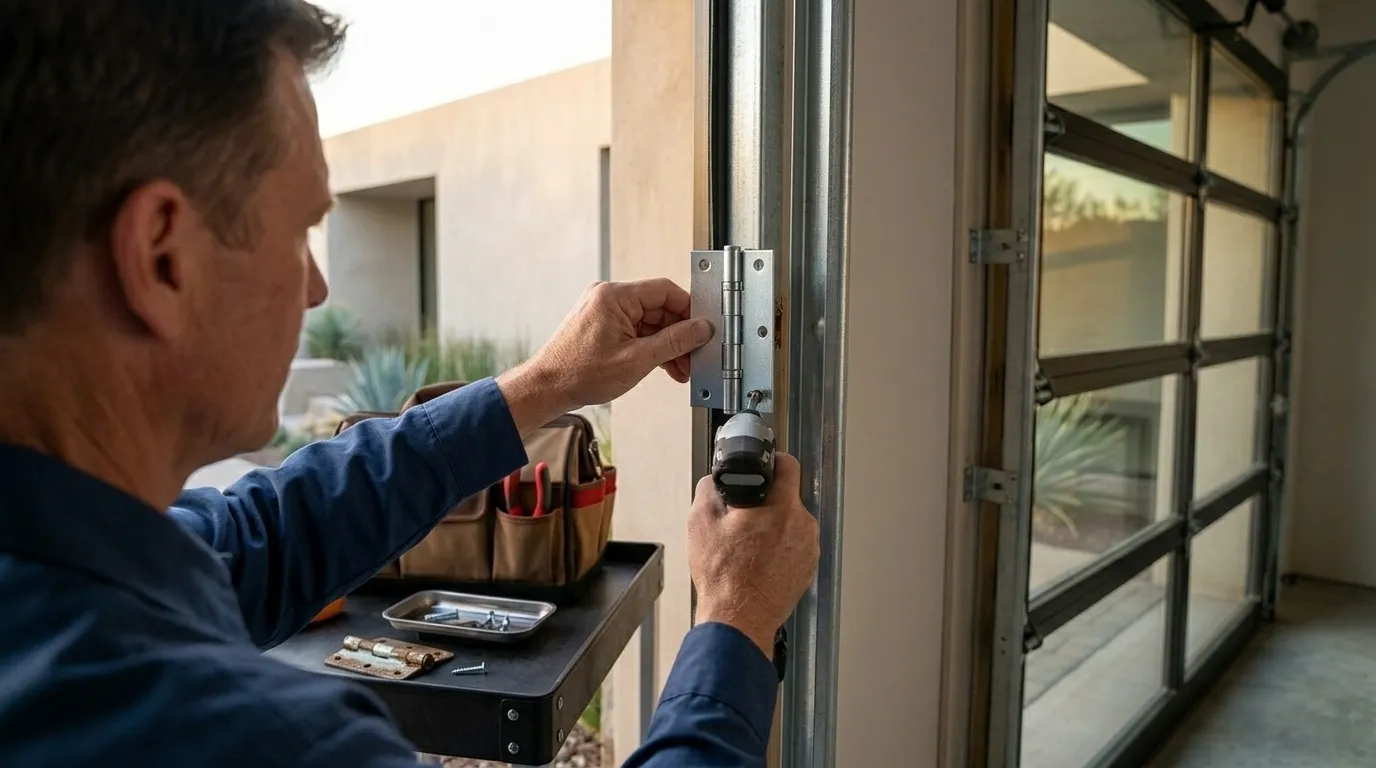
We don't try to force a modern steel door into a 1950s-era opening without checking the framing first, and we won't quote a job over the phone sight-unseen when a house this old is involved, because the header condition and the track anchoring vary too much house to house to guess. We also don't carry a stock of exact-match replacement parts for every original 1950s track or hinge pattern. If your hardware is genuinely original, expect a wait on certain pieces, or a recommendation to replace the section rather than chase a part that hasn't been manufactured in decades. That's not us upselling you. It's the honest math on parts availability for hardware this old.
What Was Built Here
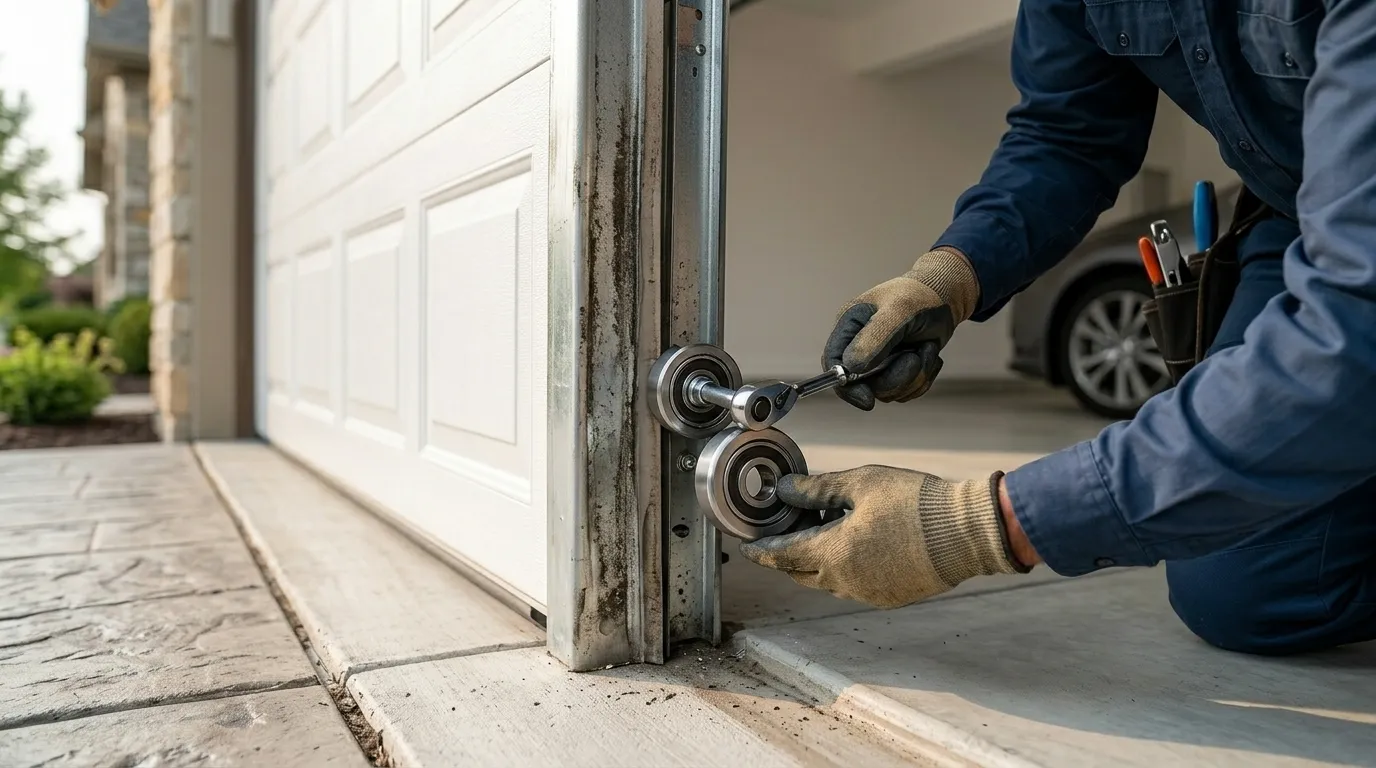
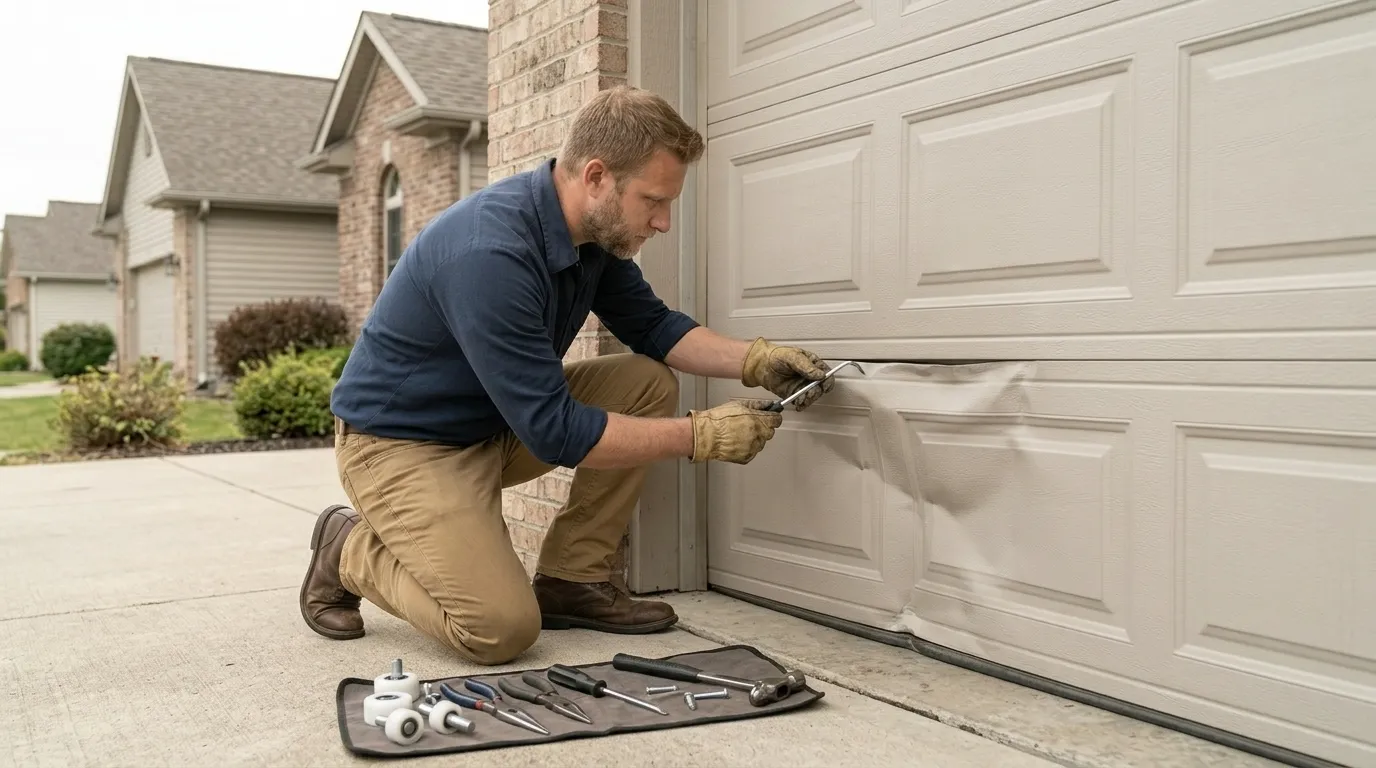
With roughly 3,256 households in Roeland Park and a median household income of $89,385, this is a smaller, tighter market than the wider service area's near 67,400 households, but the income figure tracks close to the area median. The cold winters that hit the whole region hard on torsion springs and nylon rollers apply here the same as anywhere else we cover, but the 1950 build date changes what actually breaks. Steel doors here are more likely to be later replacements on older framing, which means the door and the opening don't always match up cleanly, and that mismatch is often the real reason a door starts binding or dropping out of track well before the springs give out.