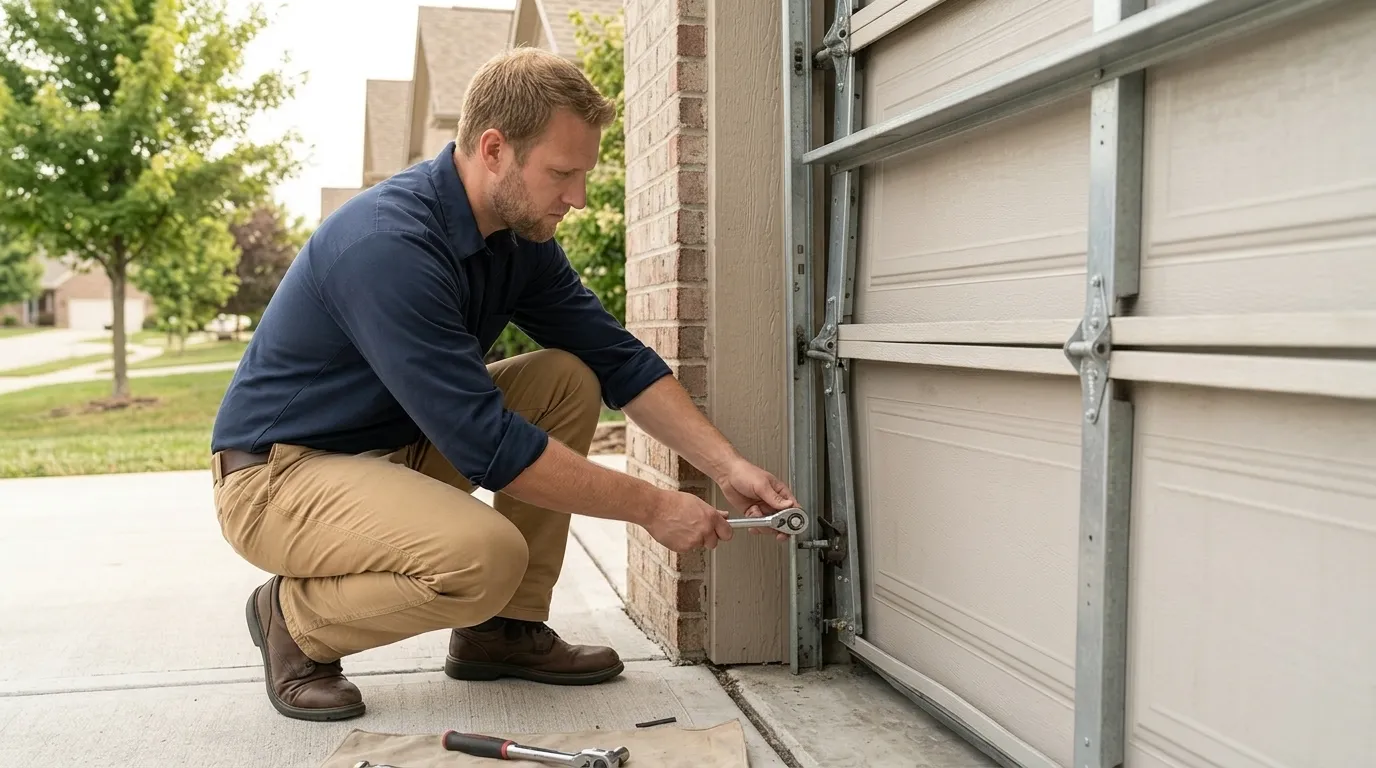
How That Shows Up in the Door
Most of our service area was built between 1950 and 2004, with a lot of that stock dating to the 1960s and 70s. Leawood runs later than that median - the typical house here went up around 1989. That's a real gap, and it matters on a service call.
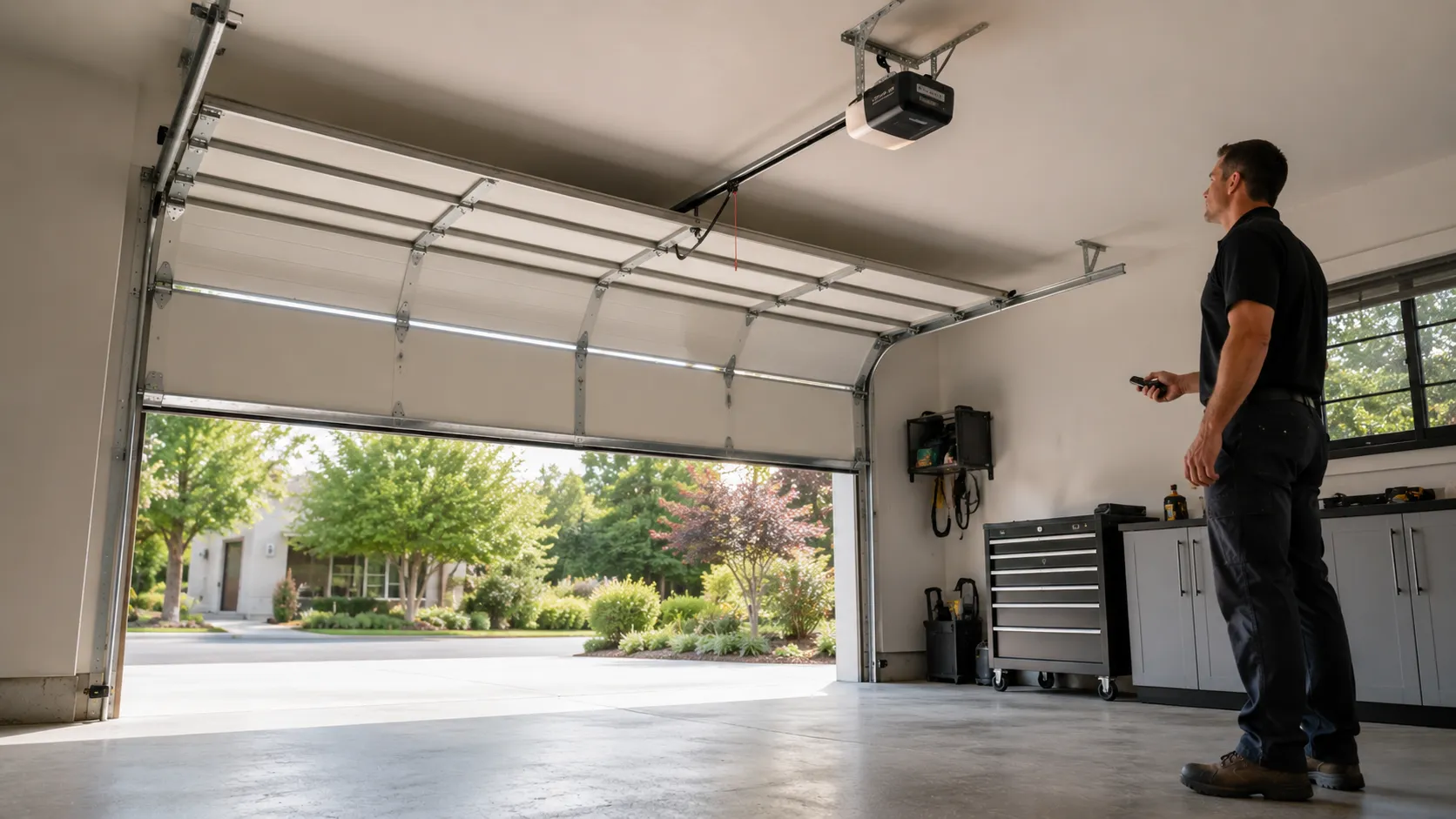
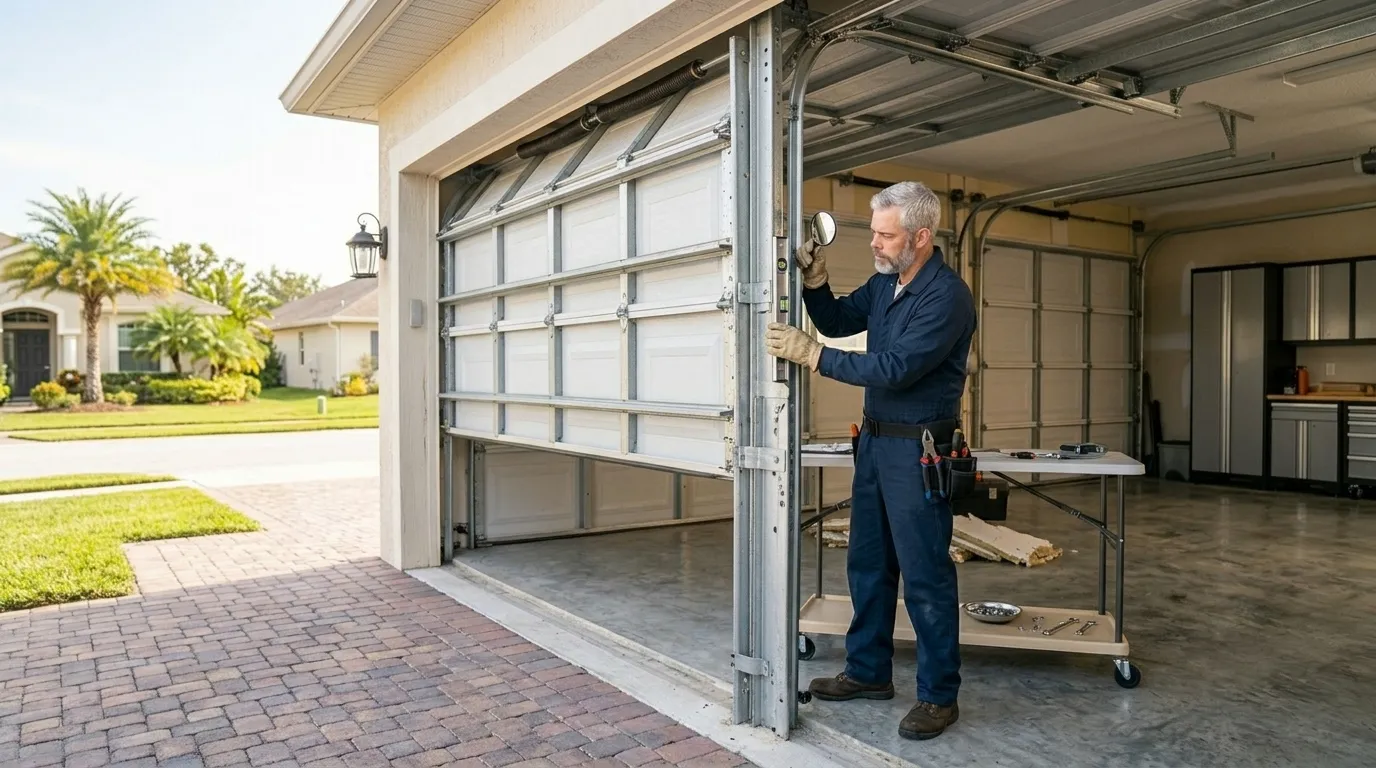
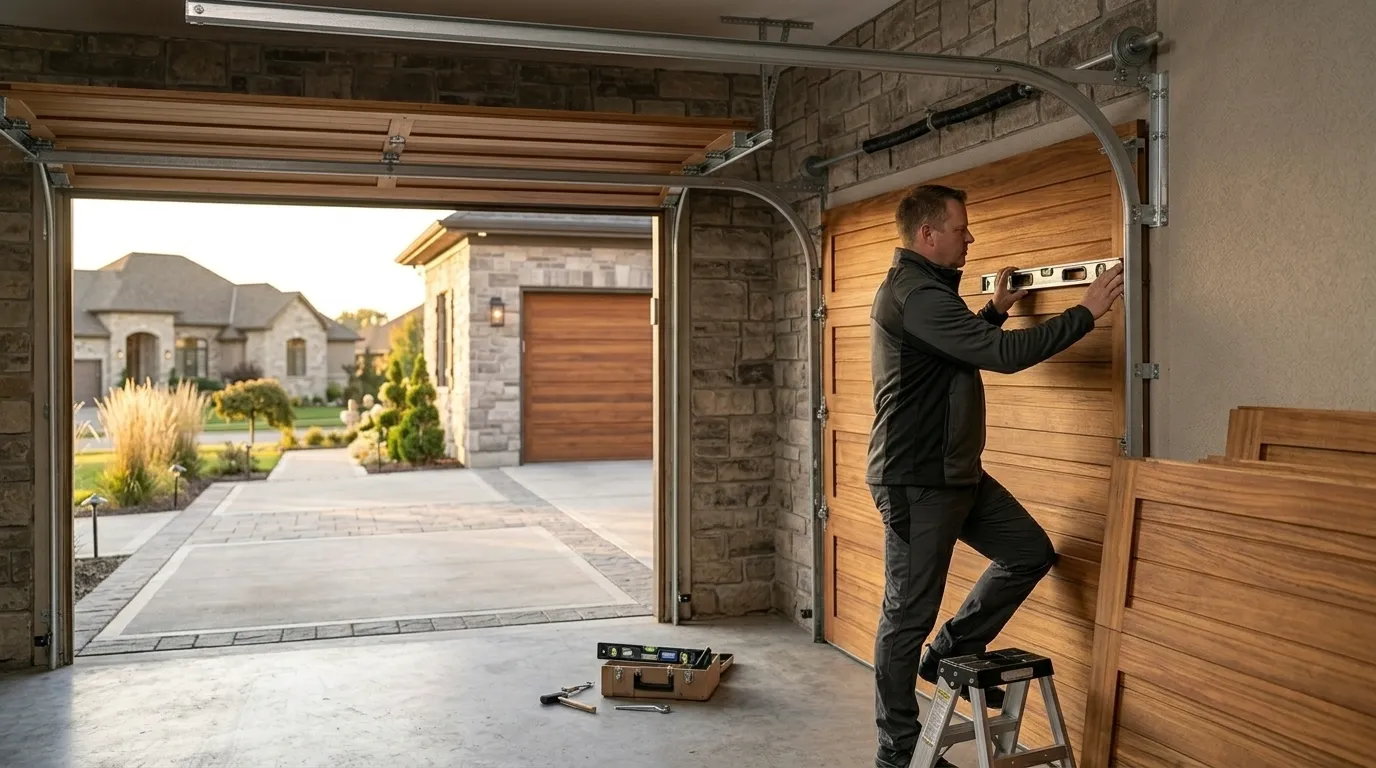
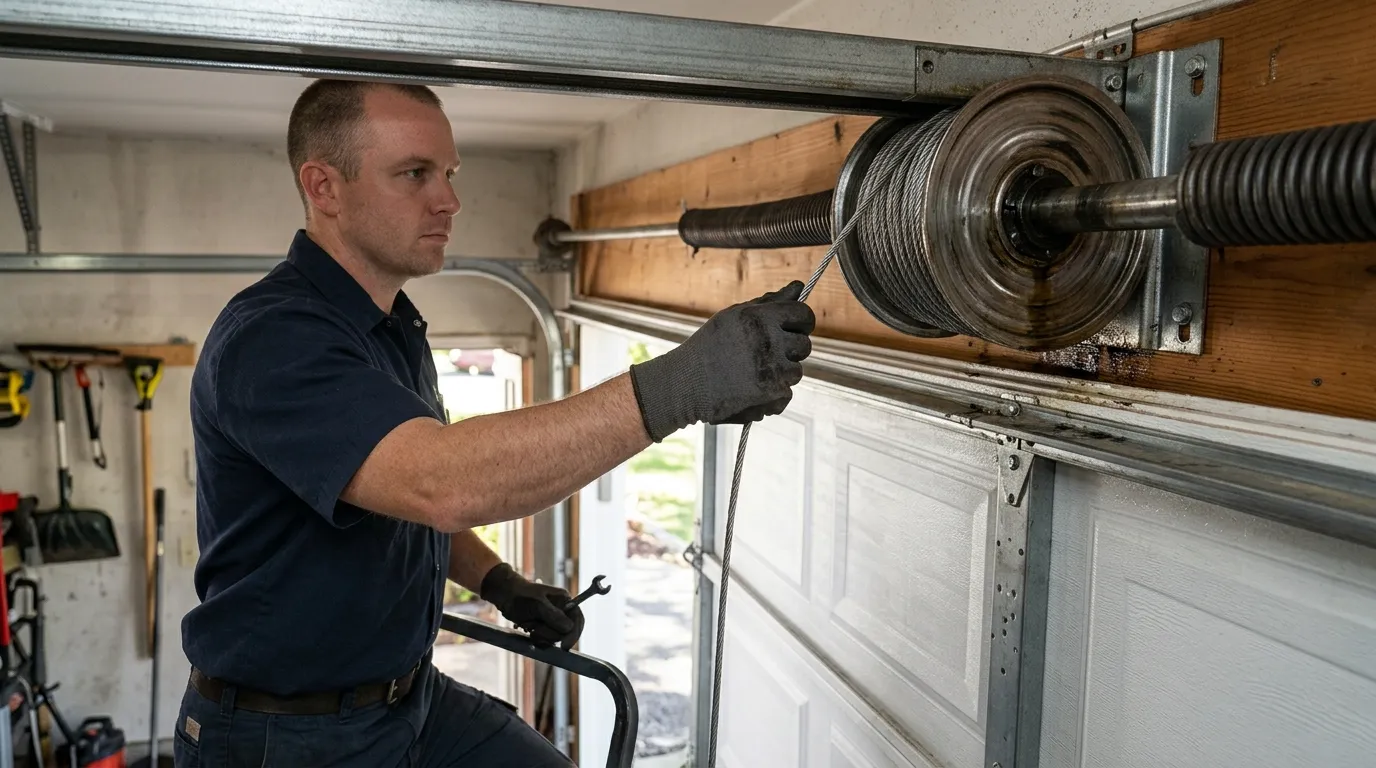
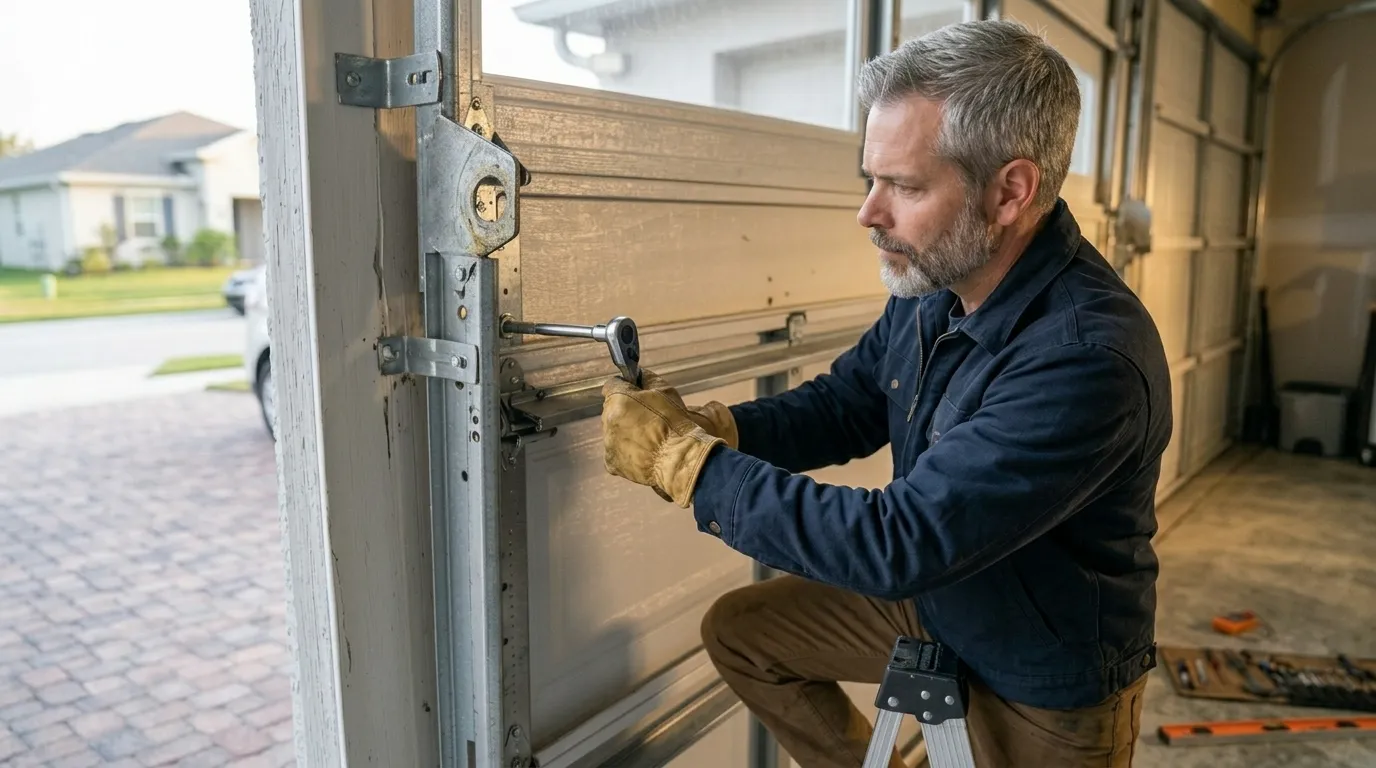
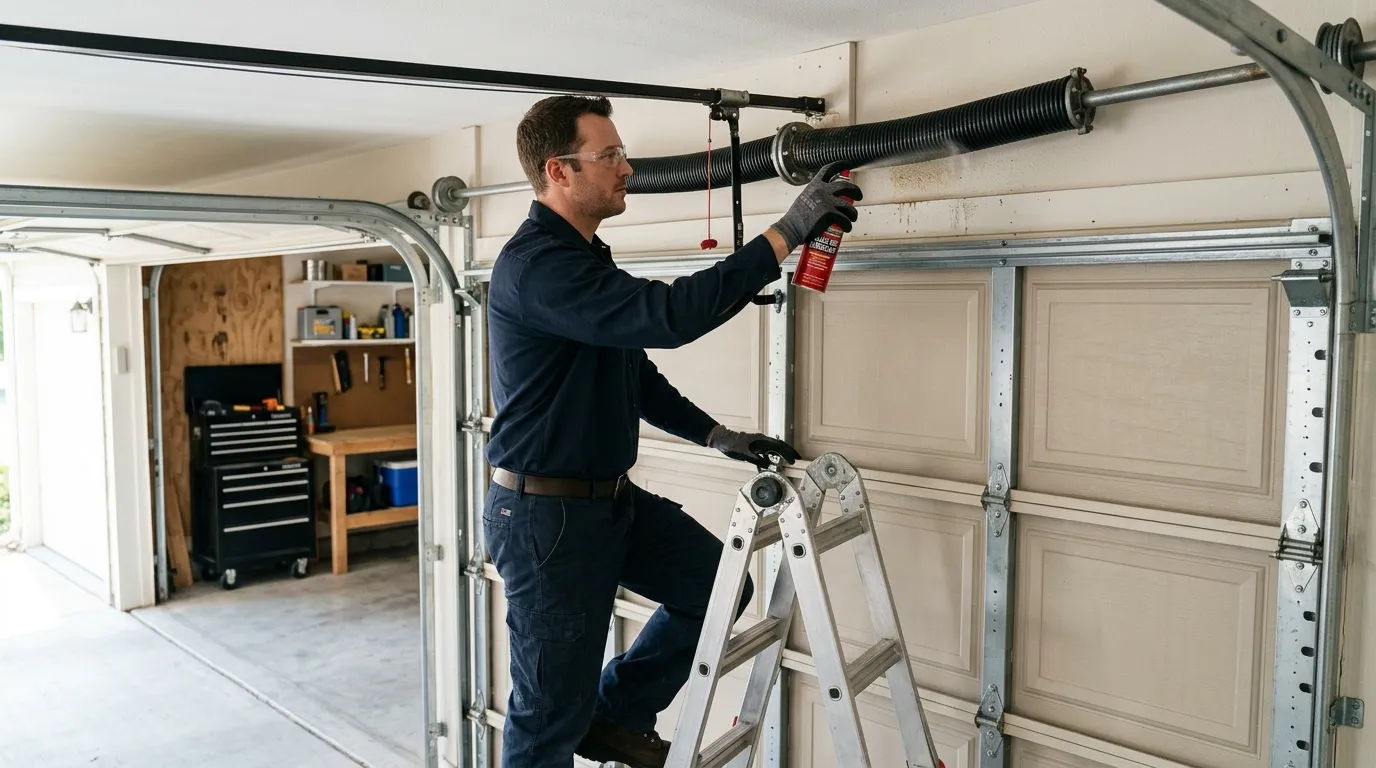
A door installed in 1989 is likely on steel torsion hardware rather than the older extension-spring setups still common on the earlier side of our territory. The openers are more likely chain or belt drive units from the 90s or 2000s rather than the screw-drive relics we still pull off 1960s houses. Panels tend to be wider, insulated sandwich construction instead of thin single-layer steel.
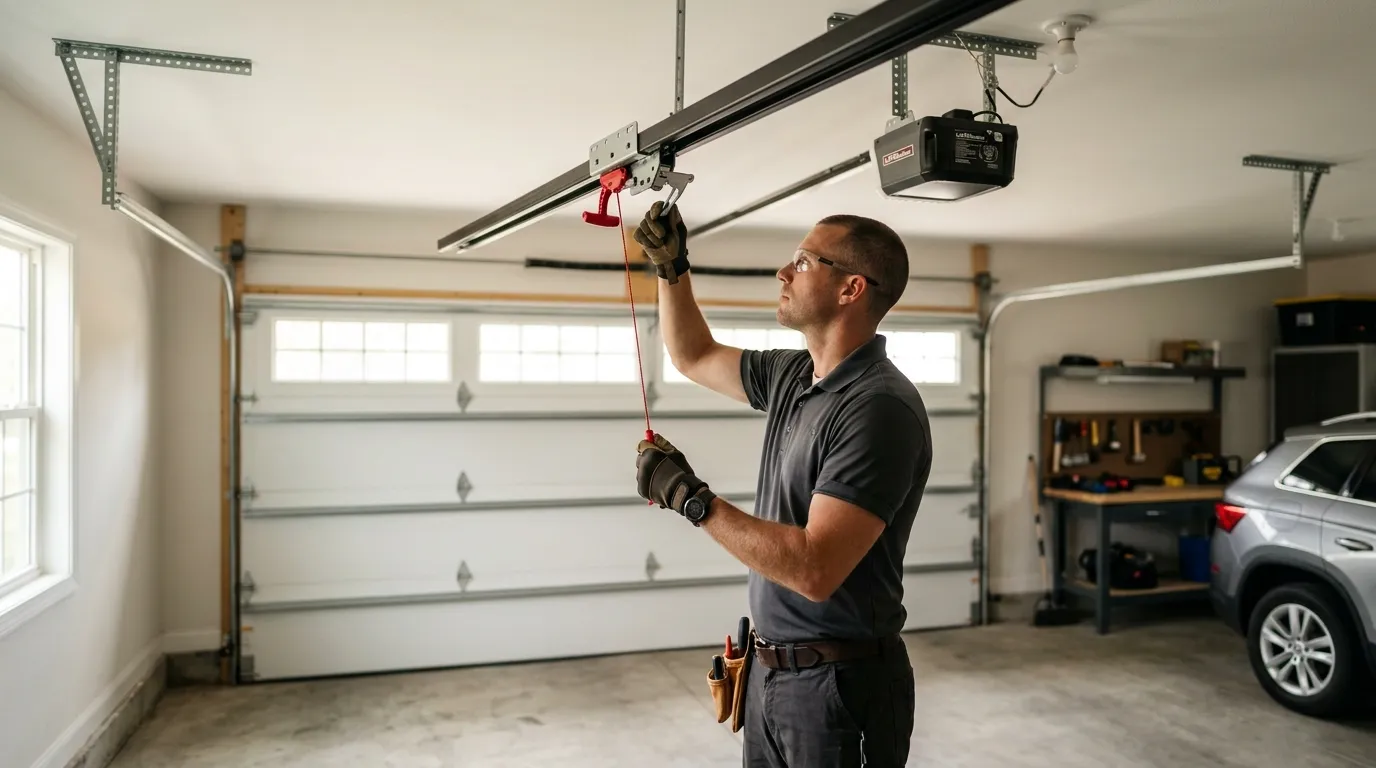
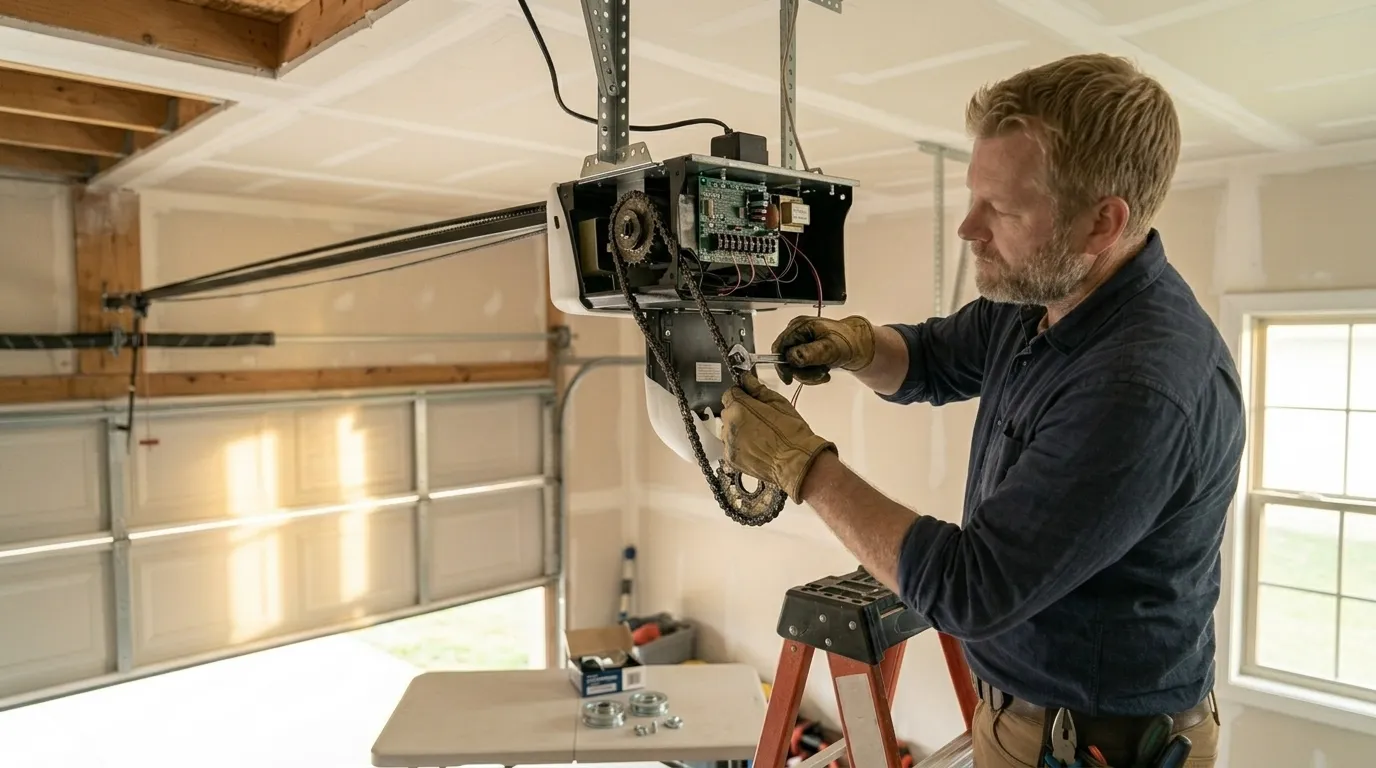
What that means for you: fewer of the odd side-mounted torsion setups that plague the older tract housing, but more openers that are just old enough to have worn-out logic boards or gear-and-sprocket kits that have stripped after three decades of cold starts. We see a lot of the same complaint here - door reverses on its own, or the opener runs but the door doesn't move - and it's almost always the gear kit or the circuit board, not the springs.
What We Do Not Do
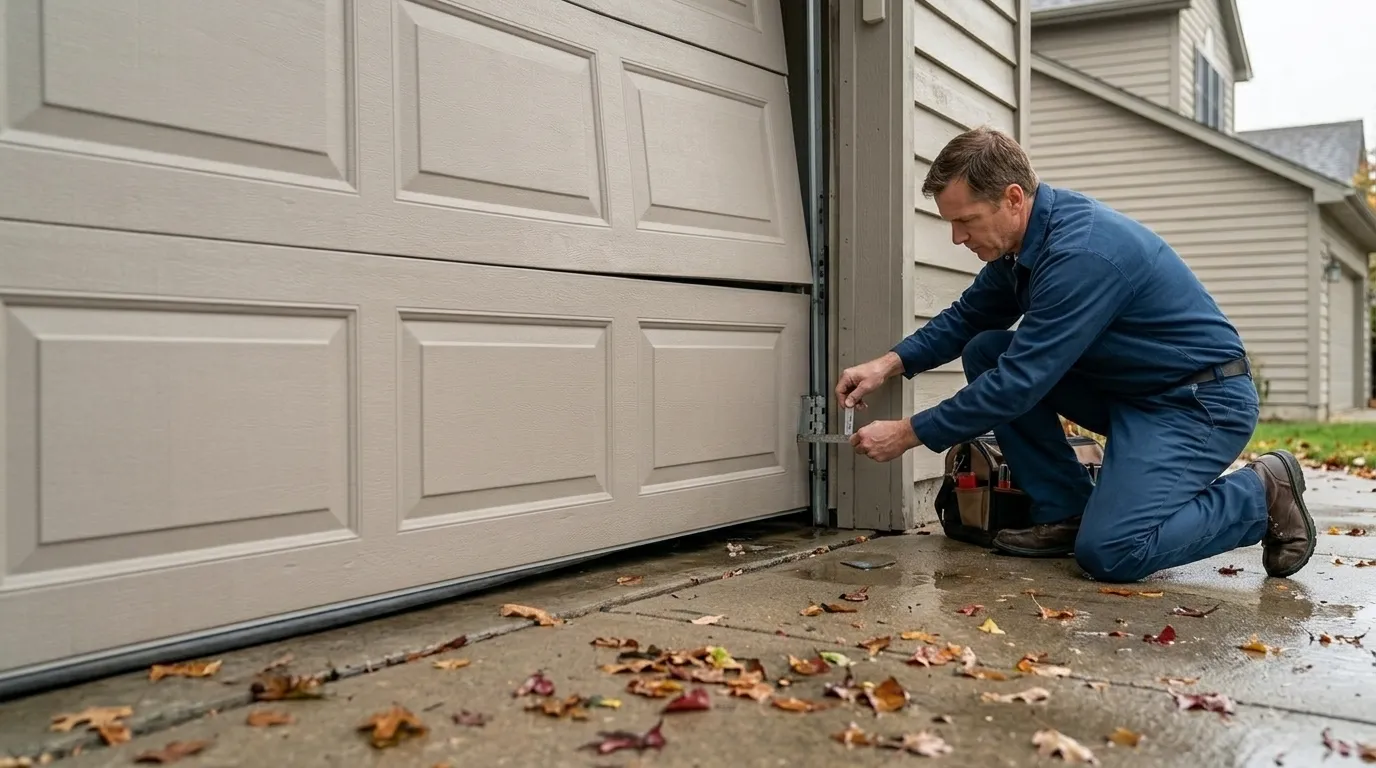
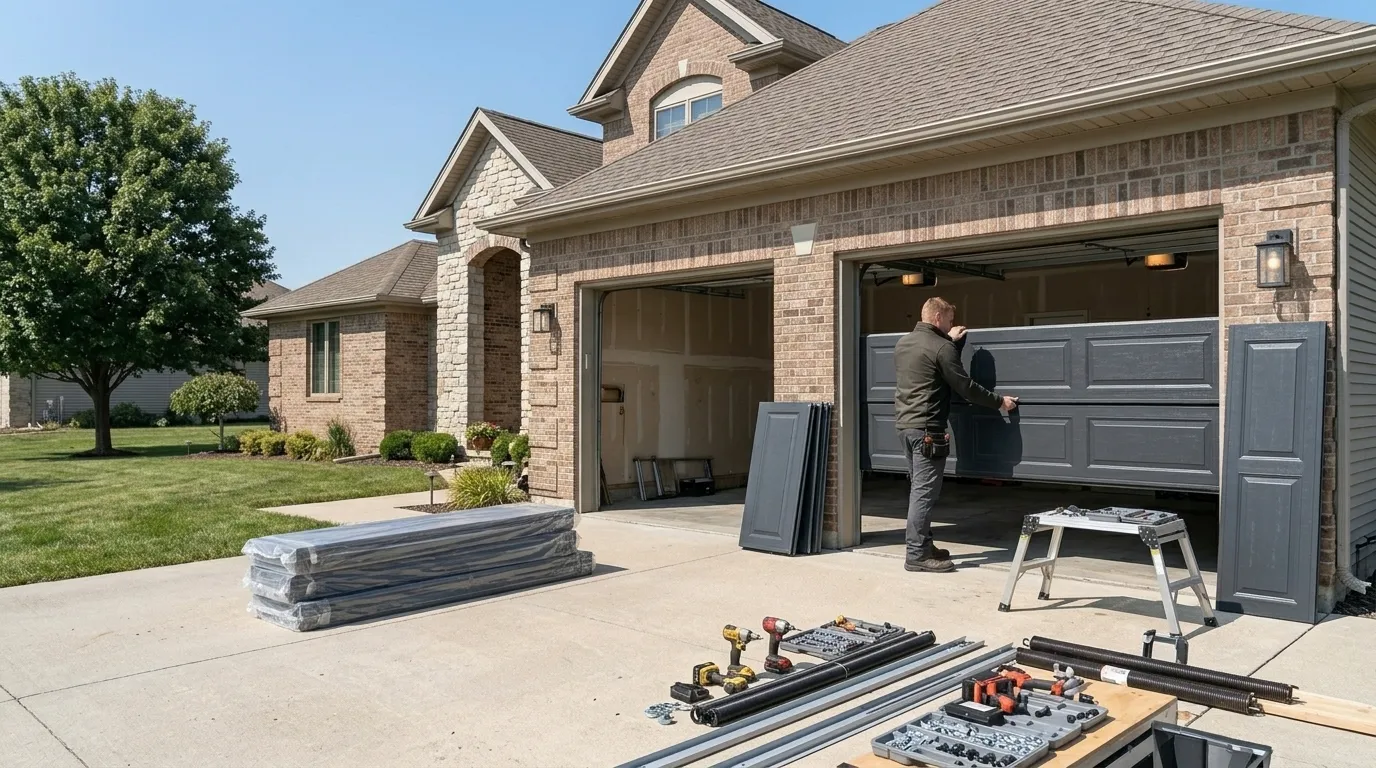
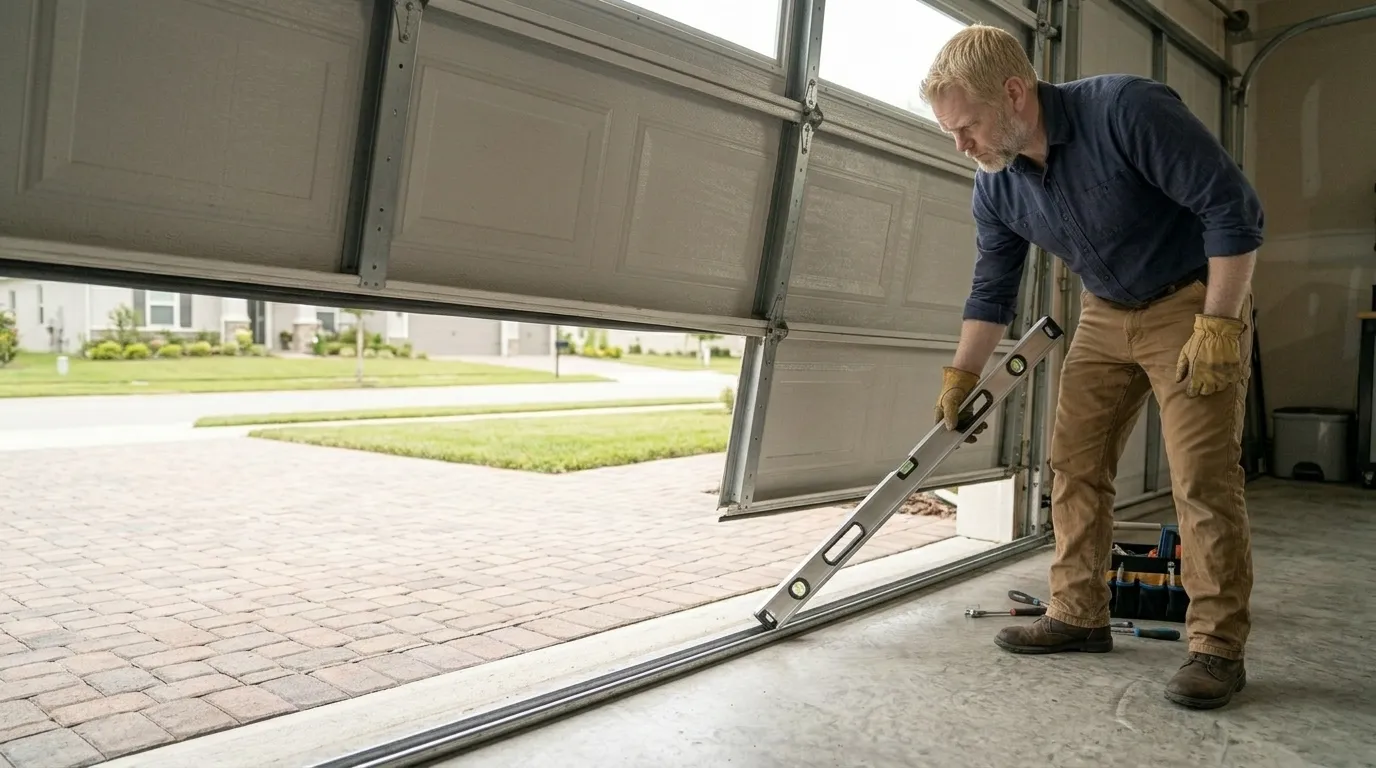
We don't try to force a repair on a spring or drum system when the door itself is past its service life. If a 1989-era door has a bowed panel or the track is bent from an old impact, patching it with a new spring is a short-term fix that costs you a second call. We'll tell you straight when replacement is the better spend, even if that's not the answer that fills our day faster.
We also don't stock every opener logic board on the truck. Some of the 90s and early-2000s opener models used by builders in this area have controllers that are no longer made, and if yours is one of them, we may need to order the part or talk you through a full opener swap instead. That's not a call we like making from your driveway, but it's more honest than promising a same-visit fix we can't back up.
What Was Built Here
The service area overall runs older - 1950 to 2004 construction, median year 1973, spread across roughly 15 named pockets that each built out in their own decade. Leawood is one of the later chapters in that story, with most homes going up closer to 1989.
Income here also sits well above the area median of $89,385 that we see across the wider 67,367-household territory. That doesn't change how a torsion spring fails, but it does mean homeowners here more often ask about insulated doors, quieter belt-drive openers, or smart-opener retrofits rather than the cheapest like-for-like swap.
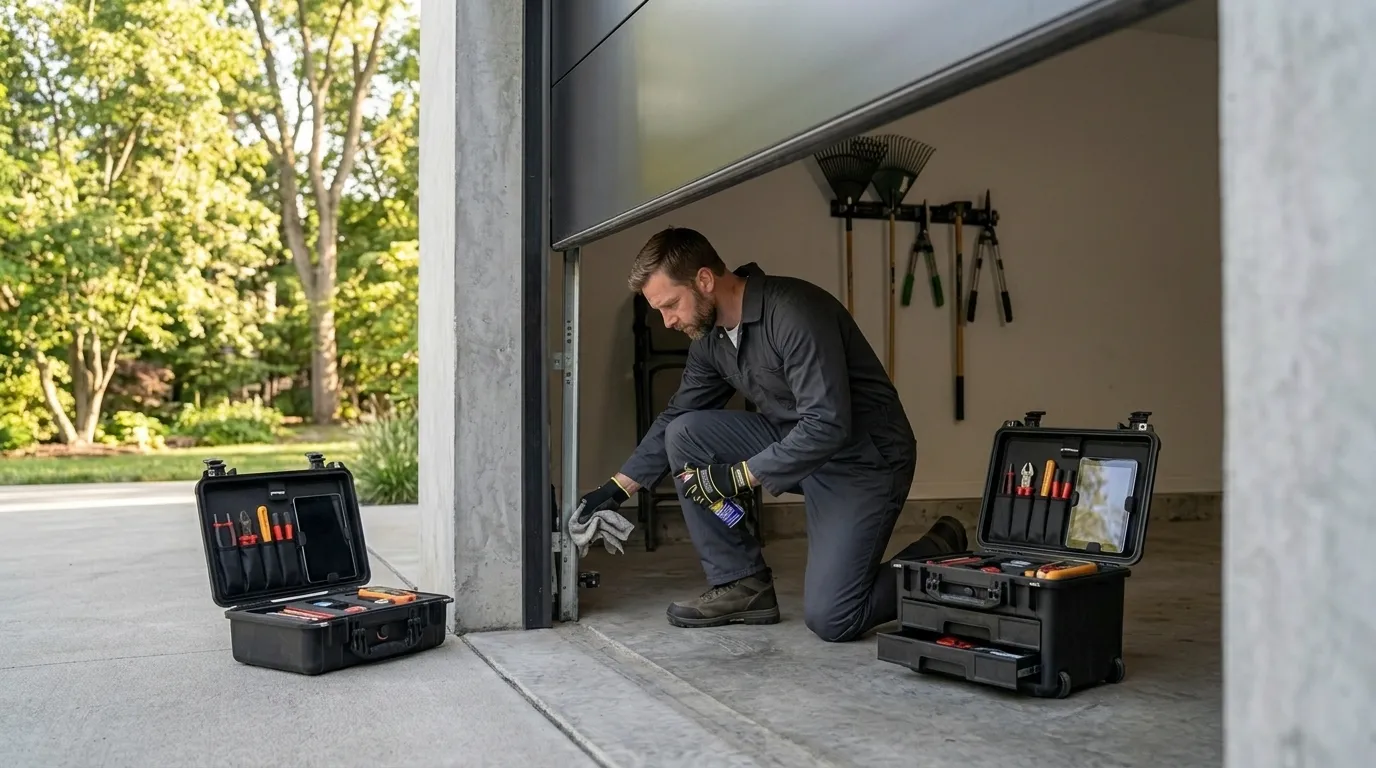
Winters here fall into the same cold-severe climate band as the rest of the region, so the cold-weather failures are the same regardless of build year: springs losing tension in low temperatures, nylon rollers cracking, openers straining on frozen tracks. The difference is what's inside the door when that happens - newer torsion and drive hardware instead of the older, harder-to-source parts we deal with on the 1960s side of town.