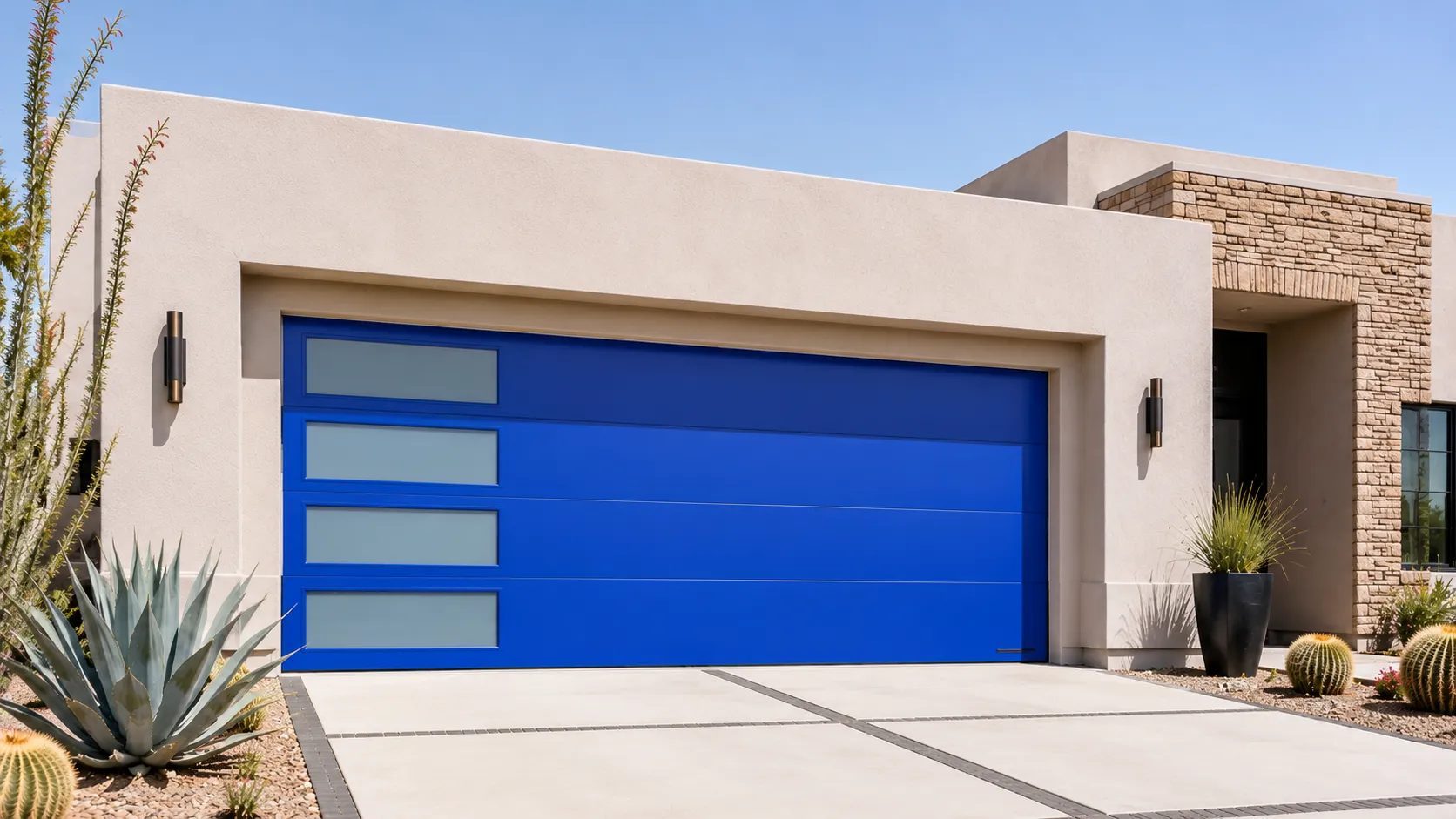
How We Fix It
Most of the calls we get from Prairie Village aren't about a door that broke last week. They're about a door that's been failing slowly since it went in decades ago. The median home here was built around 1959, which puts a lot of these garages right in that first wave of steel sectional doors and early torsion setups. Those doors were fine for their time, but they were never built with insulation cores, and the track hardware from that era wasn't sized for the heavier double-car doors homeowners want now.
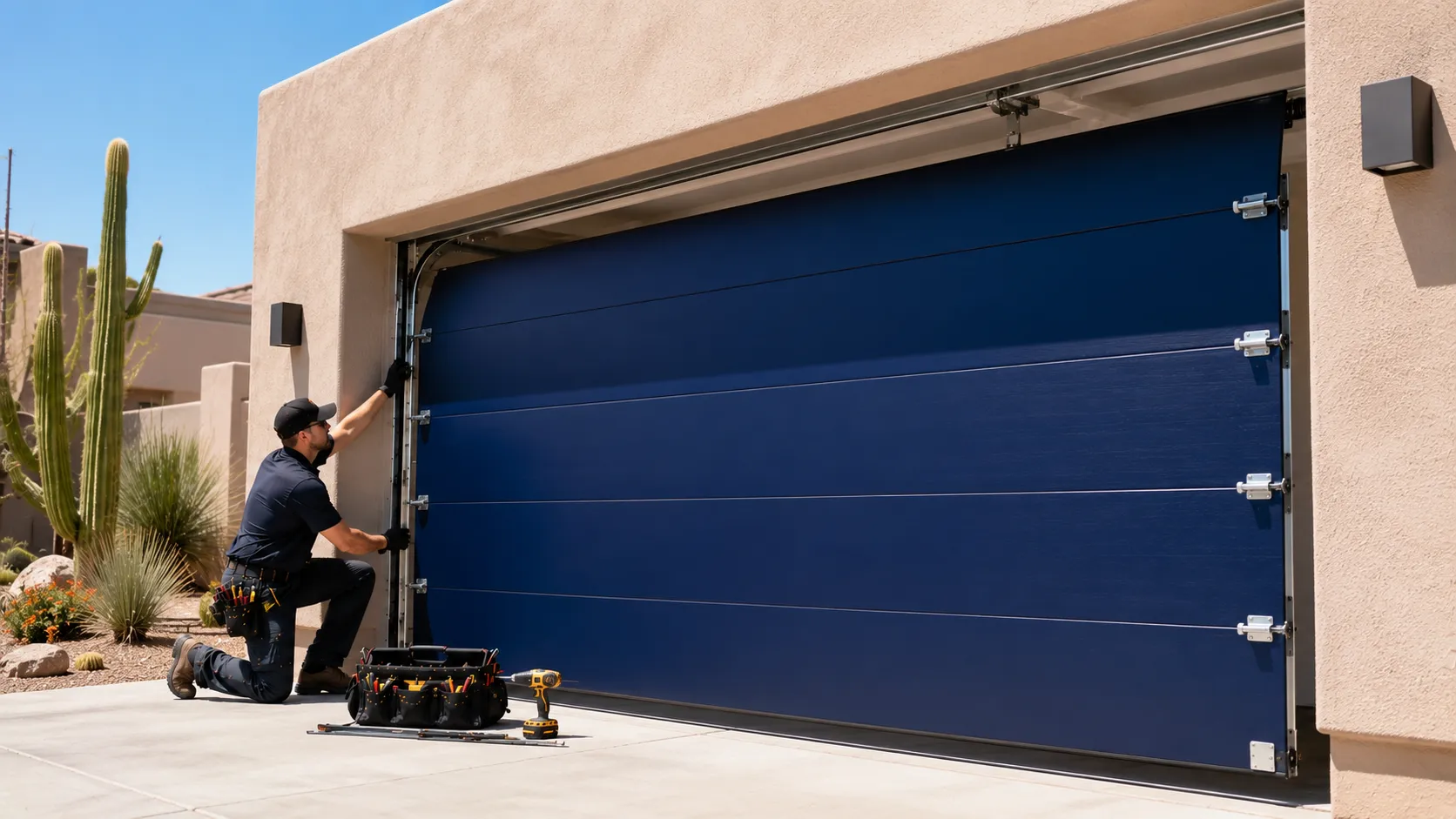
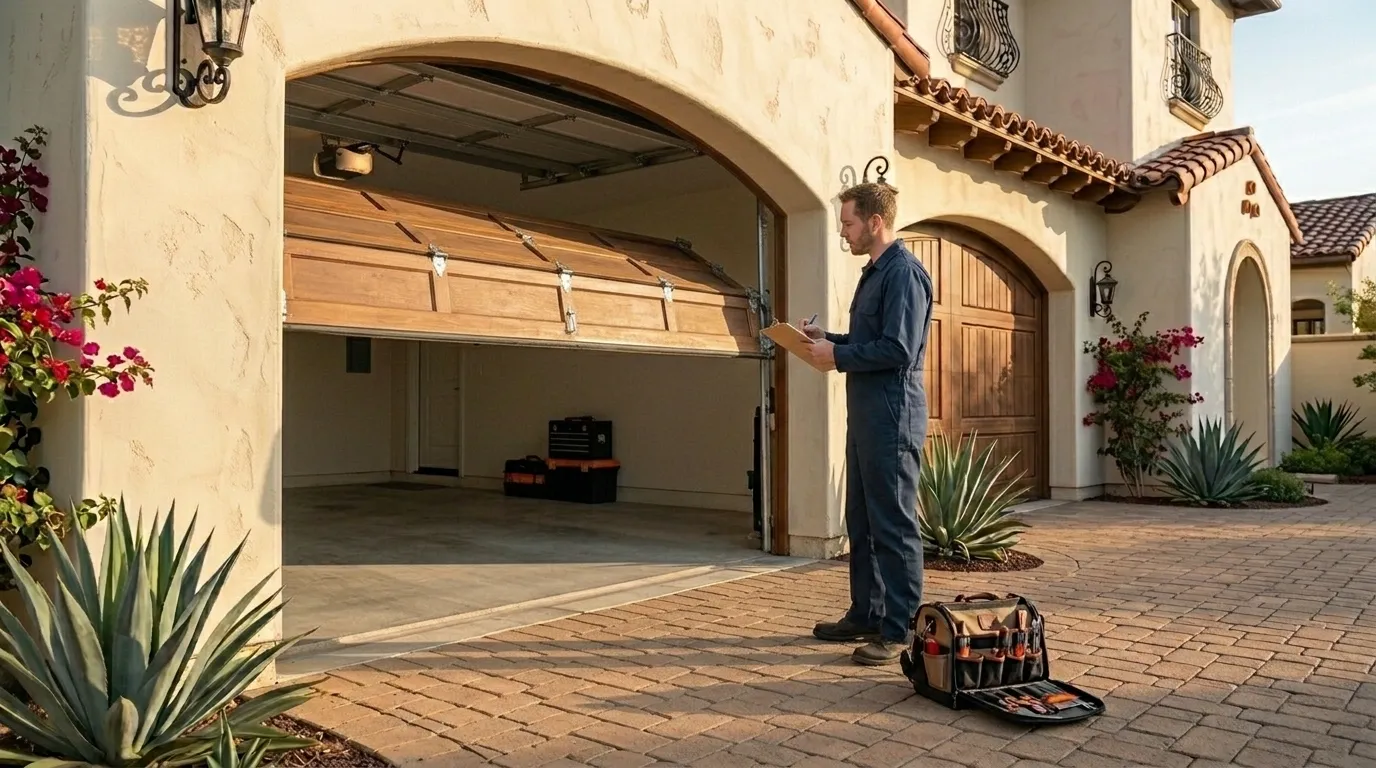
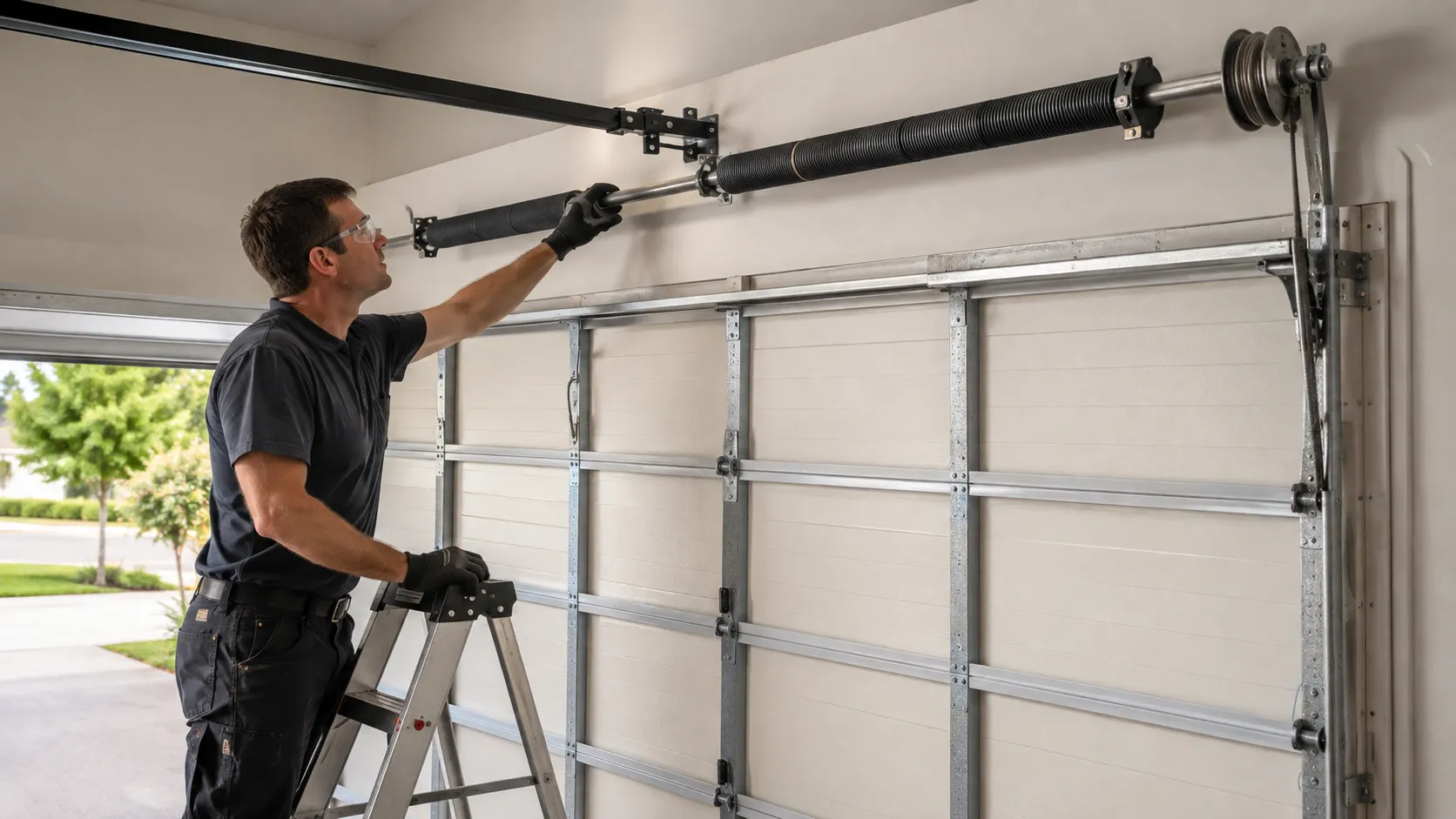
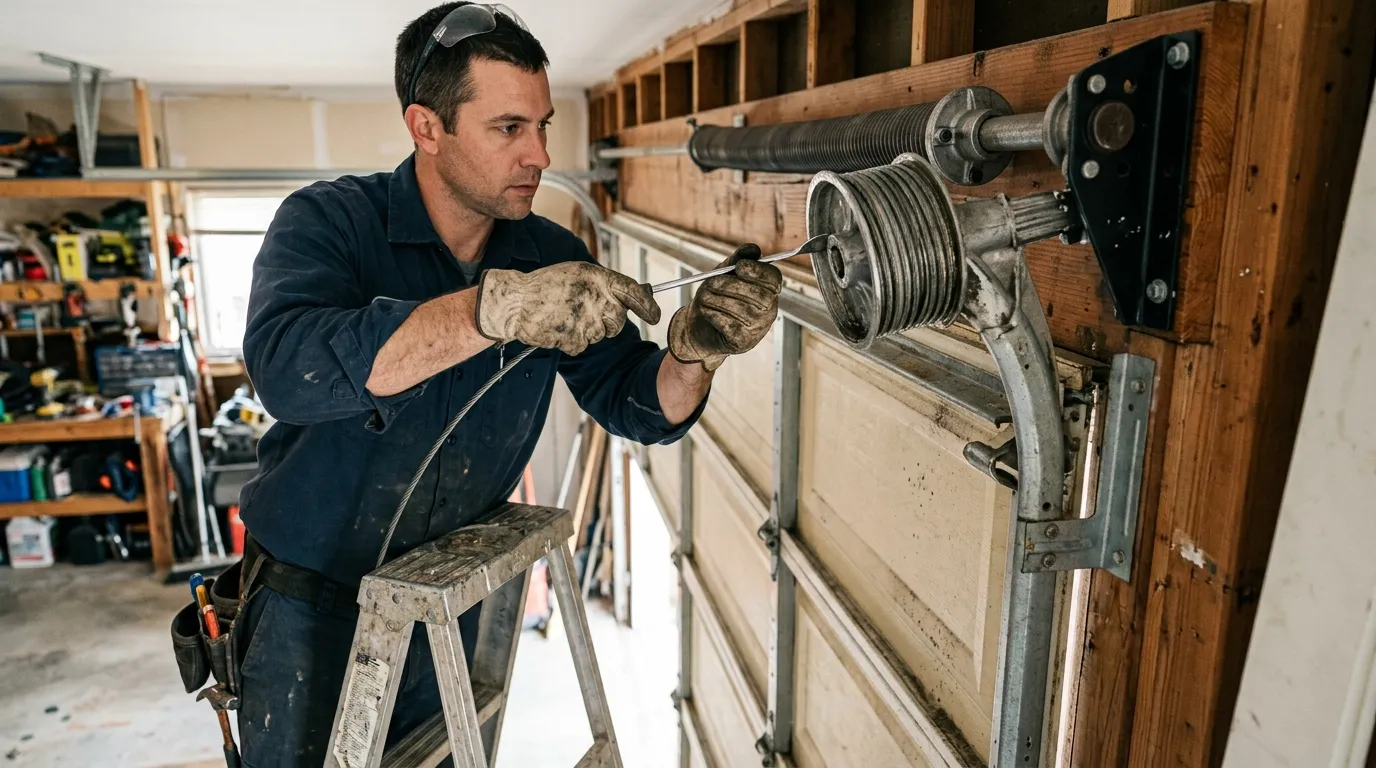
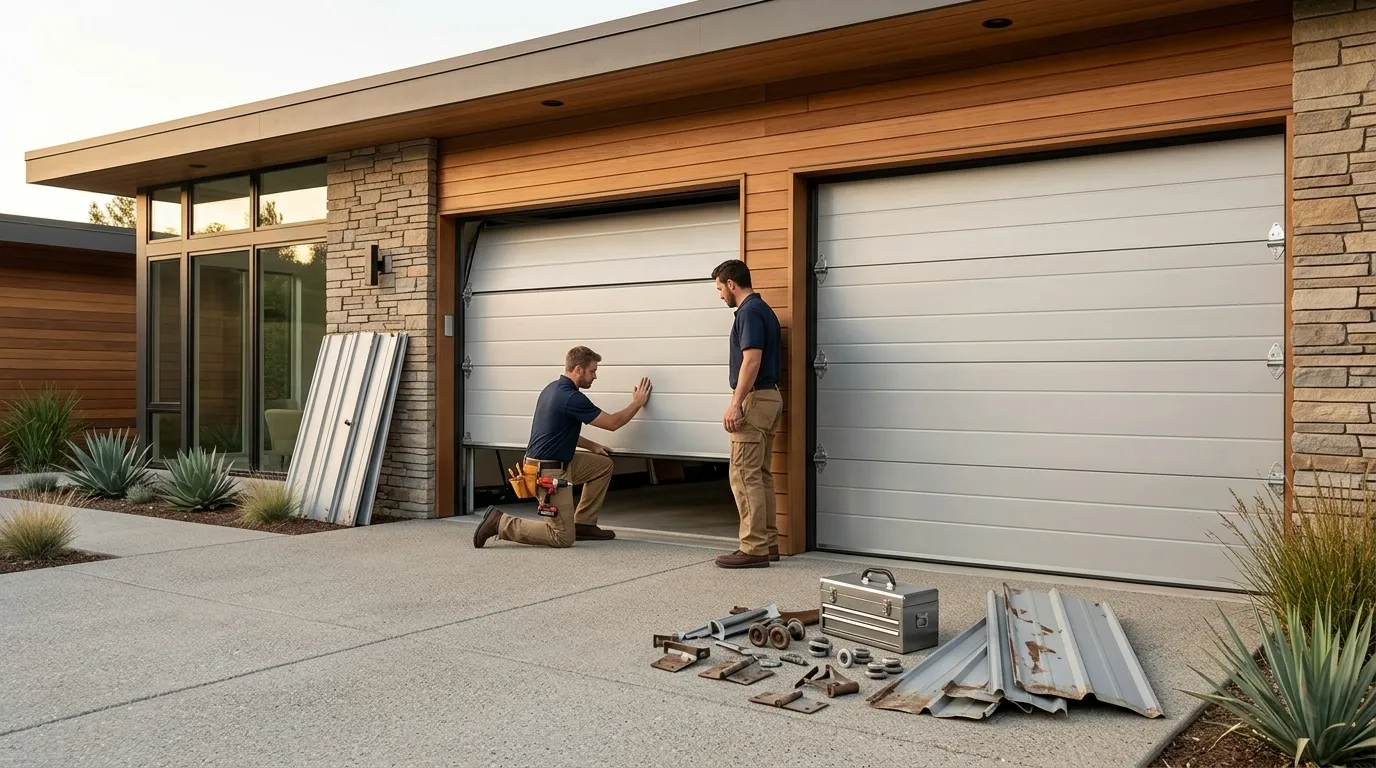
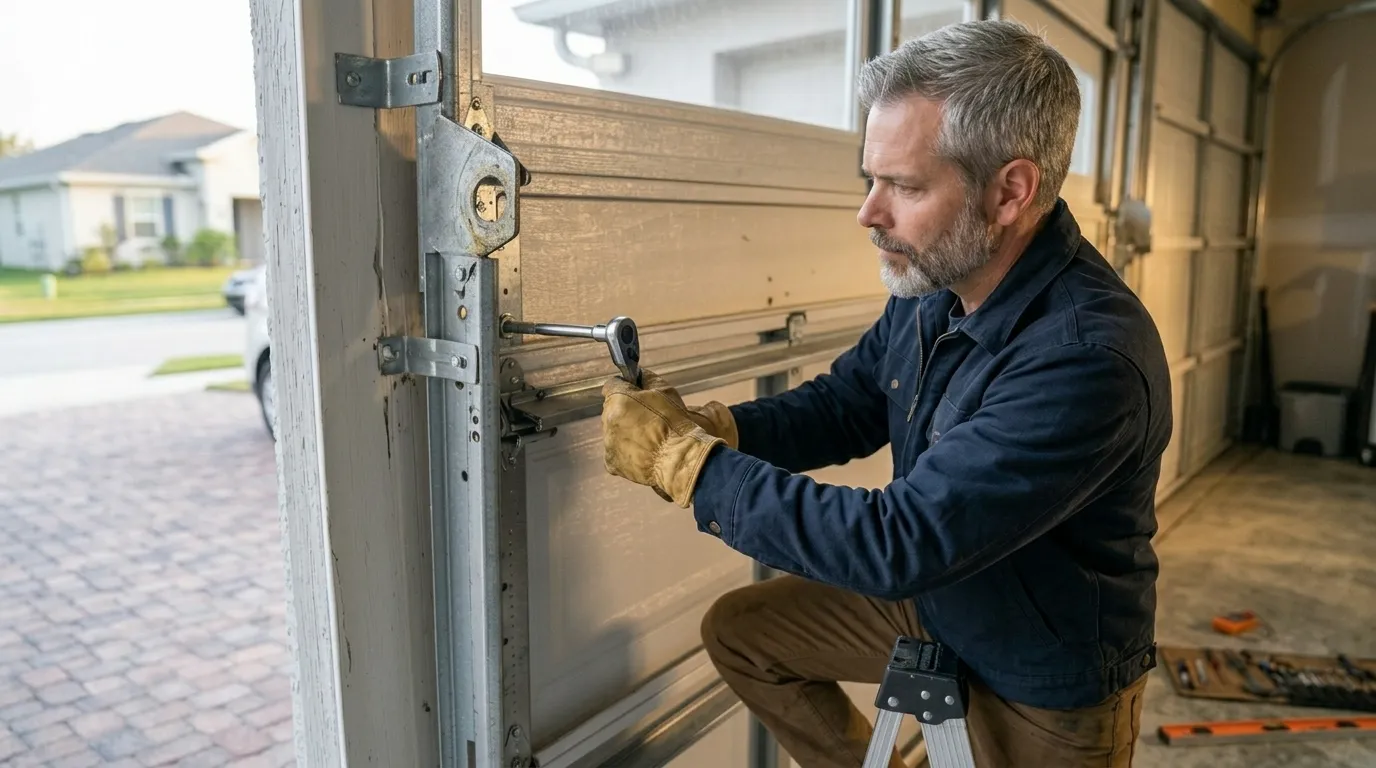
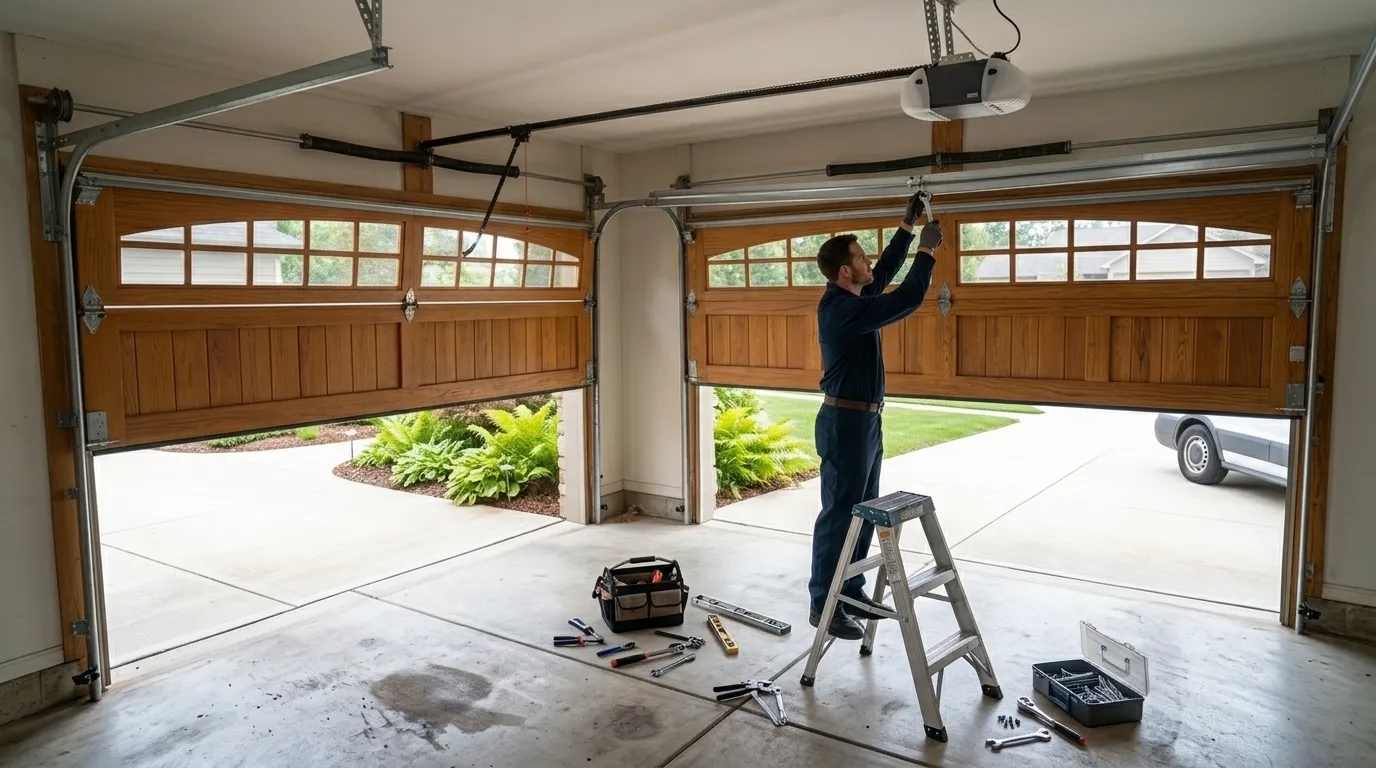
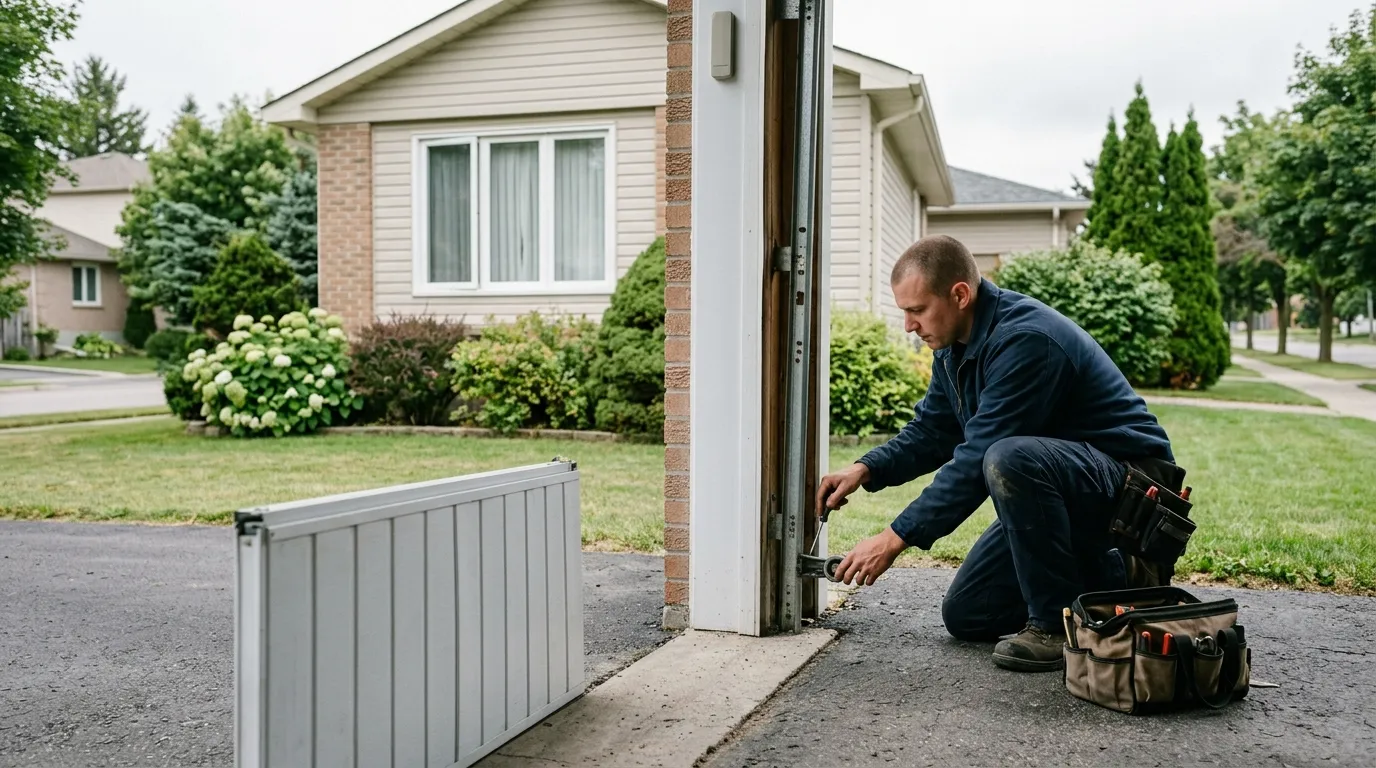
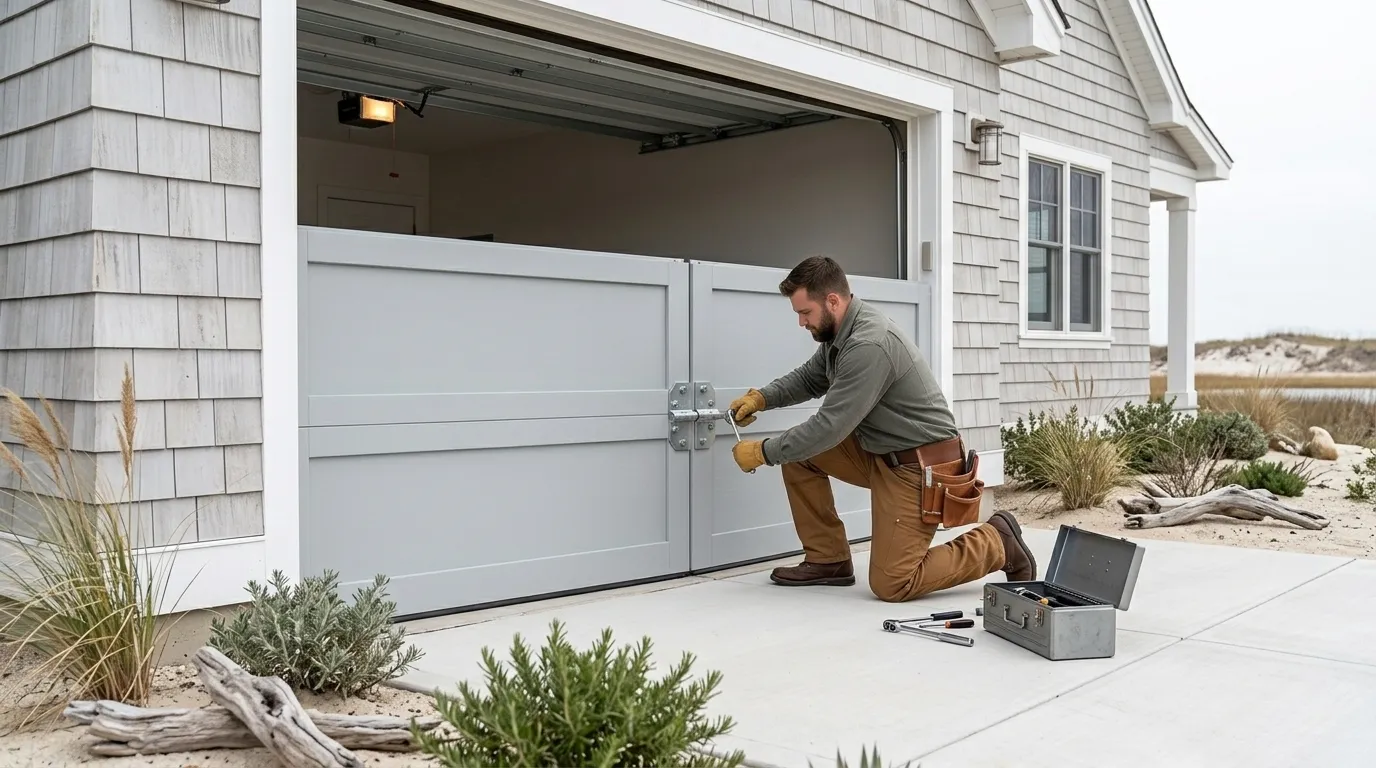
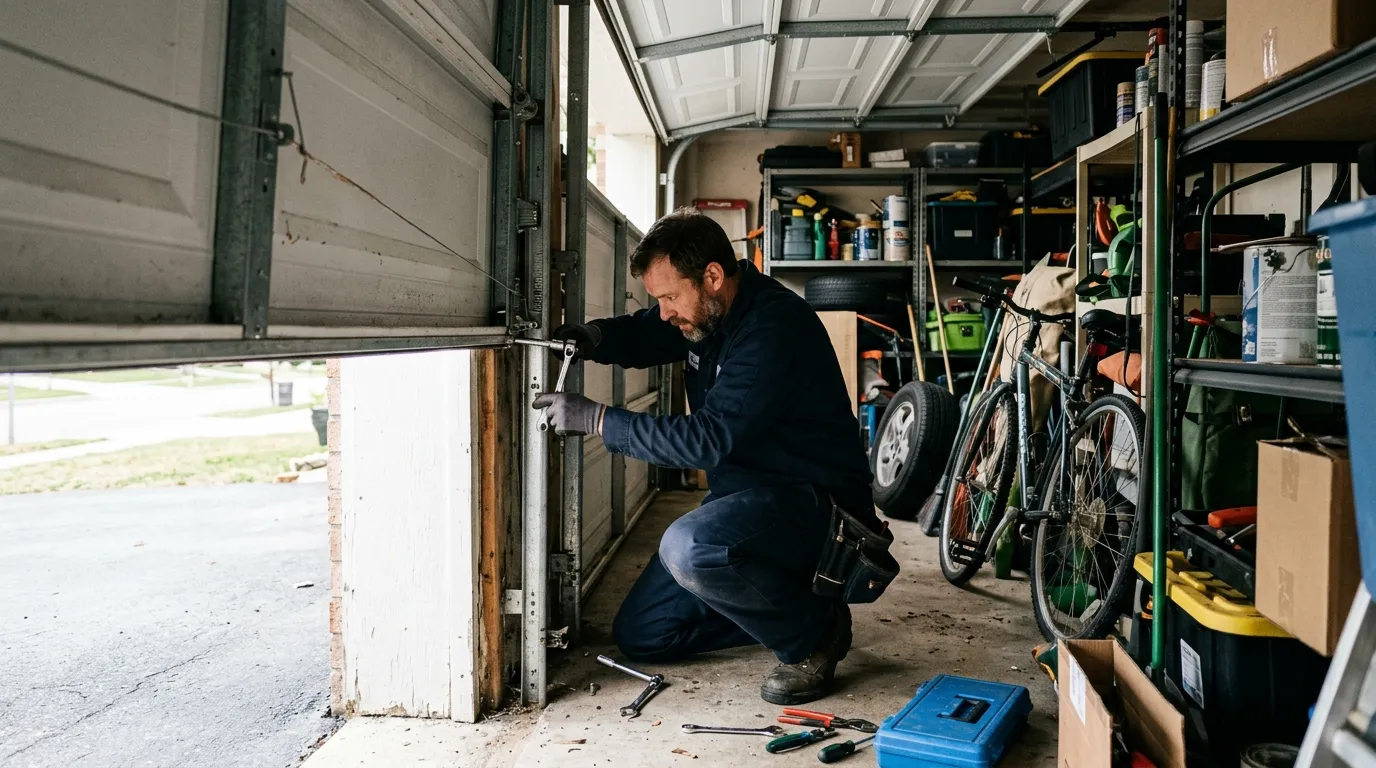
When we come out for a new install, we're not just swapping a panel. We measure the opening against what's actually there - a lot of these 1950s-era garages have headroom and jamb depth that don't match today's standard door kits. We adjust the track mount, set the spring size to the actual door weight (not a generic chart number), and make sure the opener bracket ties into framing that's held up for 60-plus years but was never drilled for a modern unit. Skipping that step is how you end up with a door that looks new and runs rough anyway.
We travel out from Kansas City for these jobs - Prairie Village is about 11 miles out, and we don't keep a separate crew or depot there, just the same install team that handles the rest of the area.
Parts We Carry
For a service area with housing mostly built between 1950 and 2004 - and Prairie Village sitting on the older end of that - we stock doors and hardware that match both eras, not just whatever's newest. That means insulated steel doors sized for original 1959-era openings as well as standard modern widths for additions and garages that were expanded later.
Given the climate here - we're in a cold, severe-winter zone - we lean toward doors with a real thermal break and weatherstripping rated for that kind of temperature swing, not the thin foam-filled panels sold as a budget option. Torsion springs get sized to the door weight we measure on site, not a stock number off a shelf tag. We carry standard-lift and low-headroom track kits, since older Prairie Village garages sometimes don't have the clearance newer track hardware assumes.
One honest limitation: some specialty widths and custom panel colors aren't something we keep on the truck. If your opening is an odd size or you want a specific finish that's not a stock option, that part gets ordered in, and it adds lead time to the job. We'll tell you that up front during the estimate, not after we've already started.
Getting It Booked In
Since we come out from Kansas City for Prairie Village jobs, scheduling is straightforward but it's not a same-day walk-in - we book the visit, do the measure, and confirm the door and hardware before the install crew comes back out. For a straight replacement on a standard opening, that's usually a shorter turnaround. For anything needing an ordered part - odd width, low-headroom kit, custom color - plan on the lead time we quote at estimate.
We'll ask a few things up front: approximate age of the current door, whether the opener is original or already replaced, and whether you've noticed the door binding, dragging, or making noise on one side versus straight up-and-down resistance. That helps us bring the right spring and track stock the first trip instead of a second visit.
If you're not sure whether your door needs full replacement or just a repair, that's a fair question to ask when you call - we'd rather tell you a repair will hold for a few more years than sell a full install you don't need yet.