How We Fix It
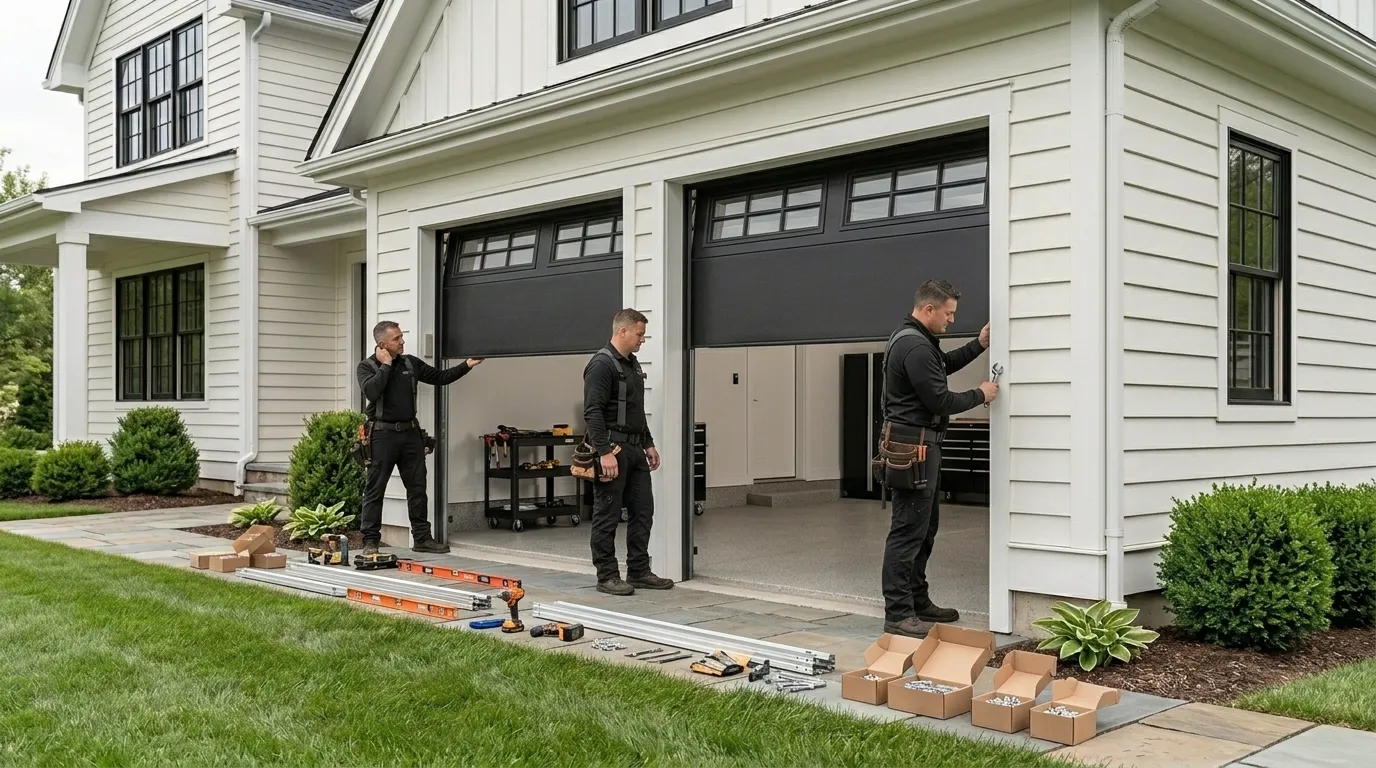
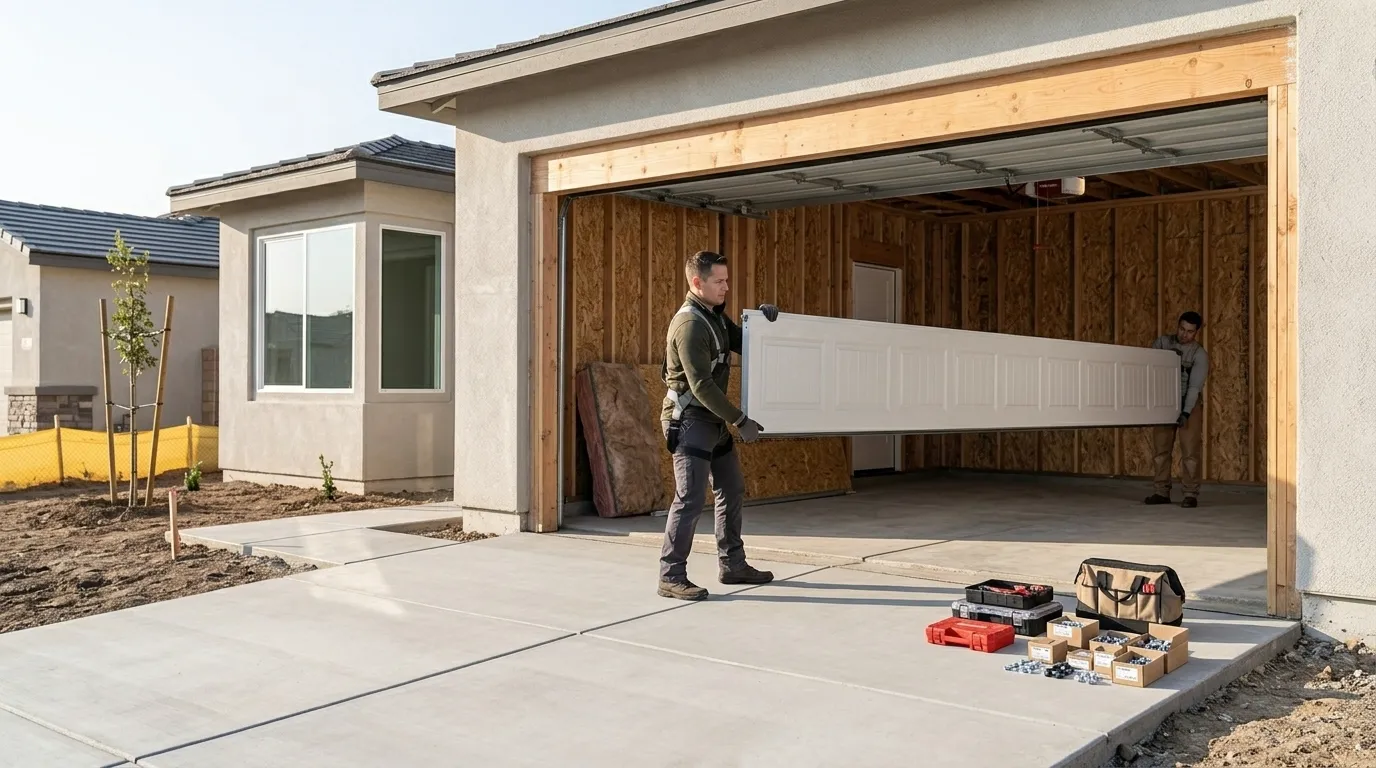
Prairie Village sits about 11 miles from our Kansas City base, so when a panel call comes in from here, the truck is loaded before it leaves - the right hinge sizes, the right end stiles, the fasteners that match a door built decades before the current standard sizing. That drive matters for one reason: it means the visit is a diagnose-and-fix trip, not a diagnose-then-come-back trip, as long as the panel style is one we stock.
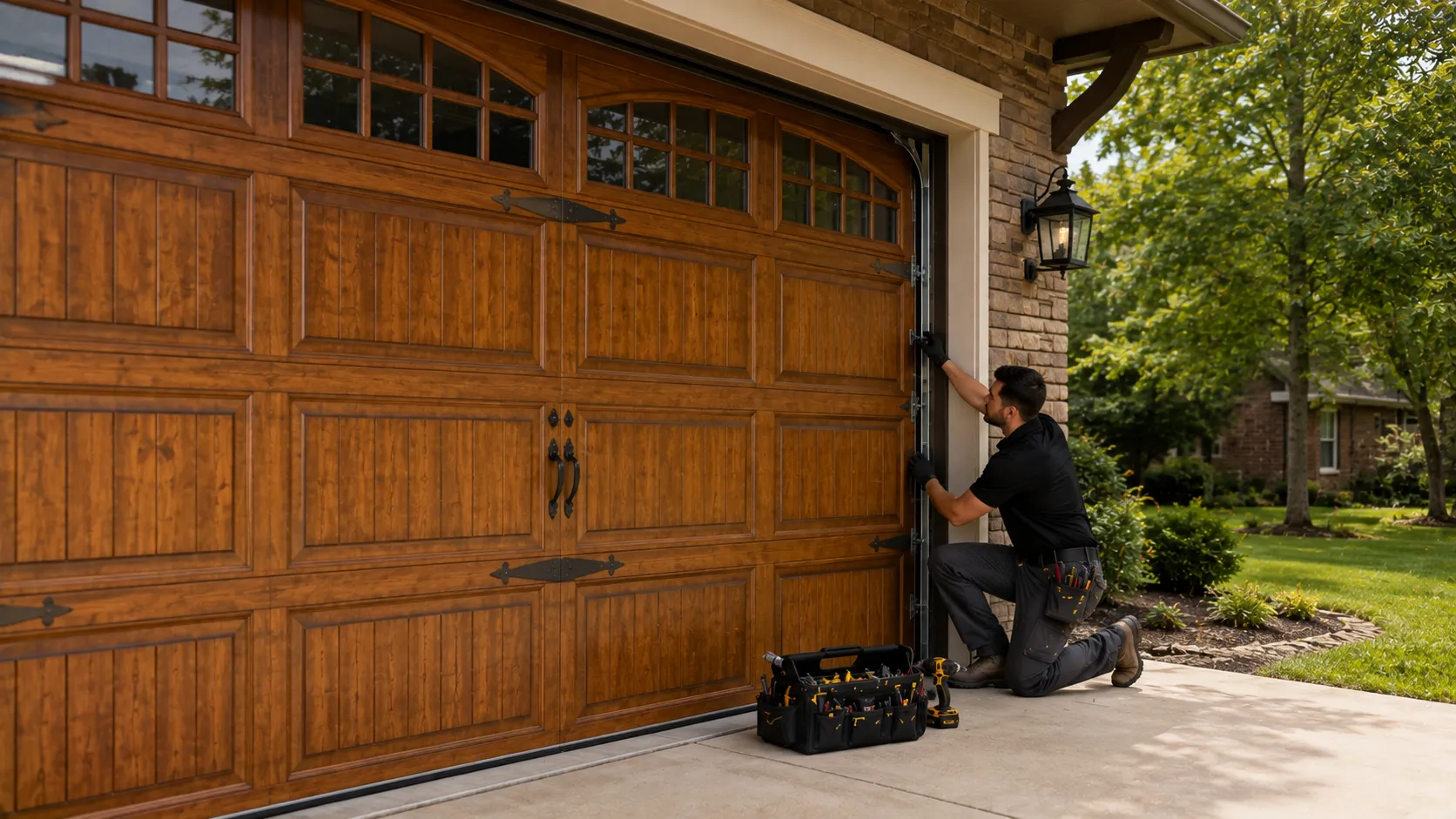
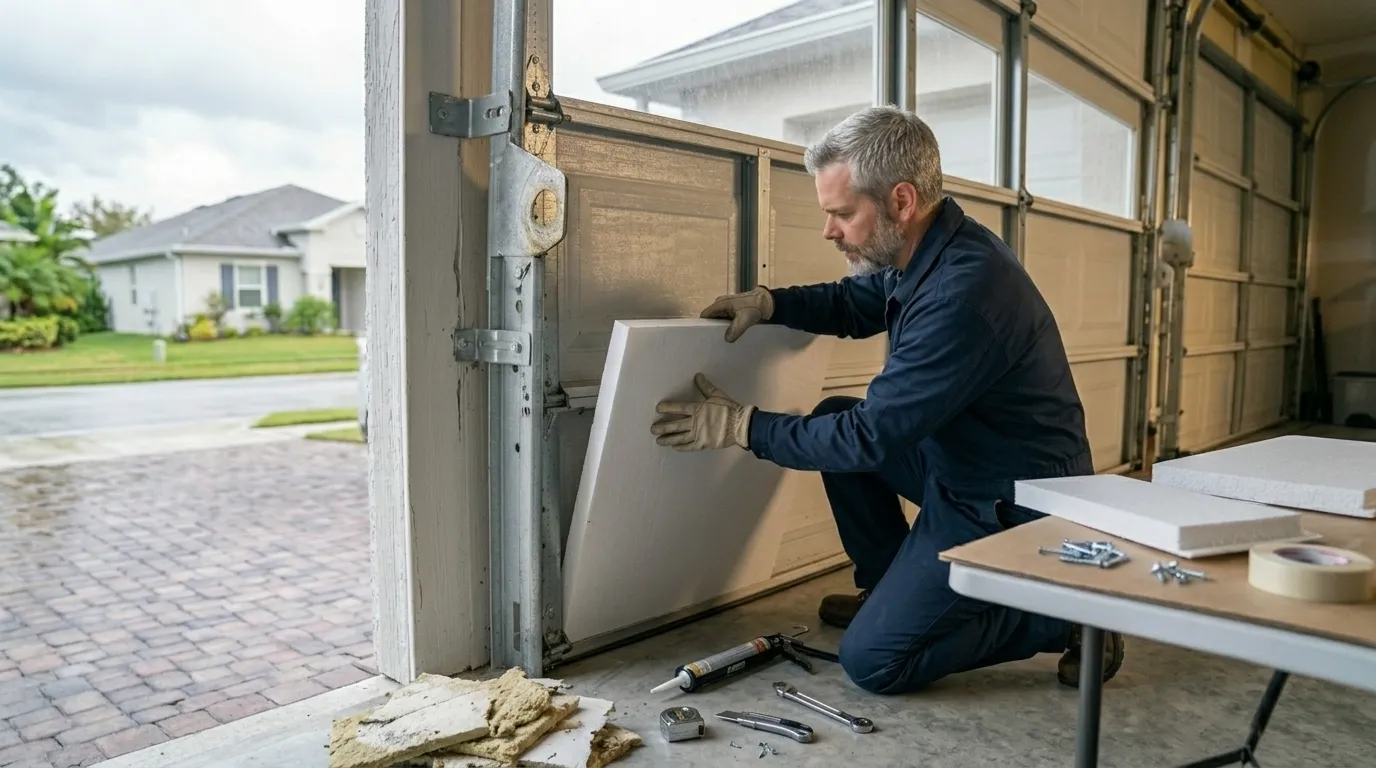
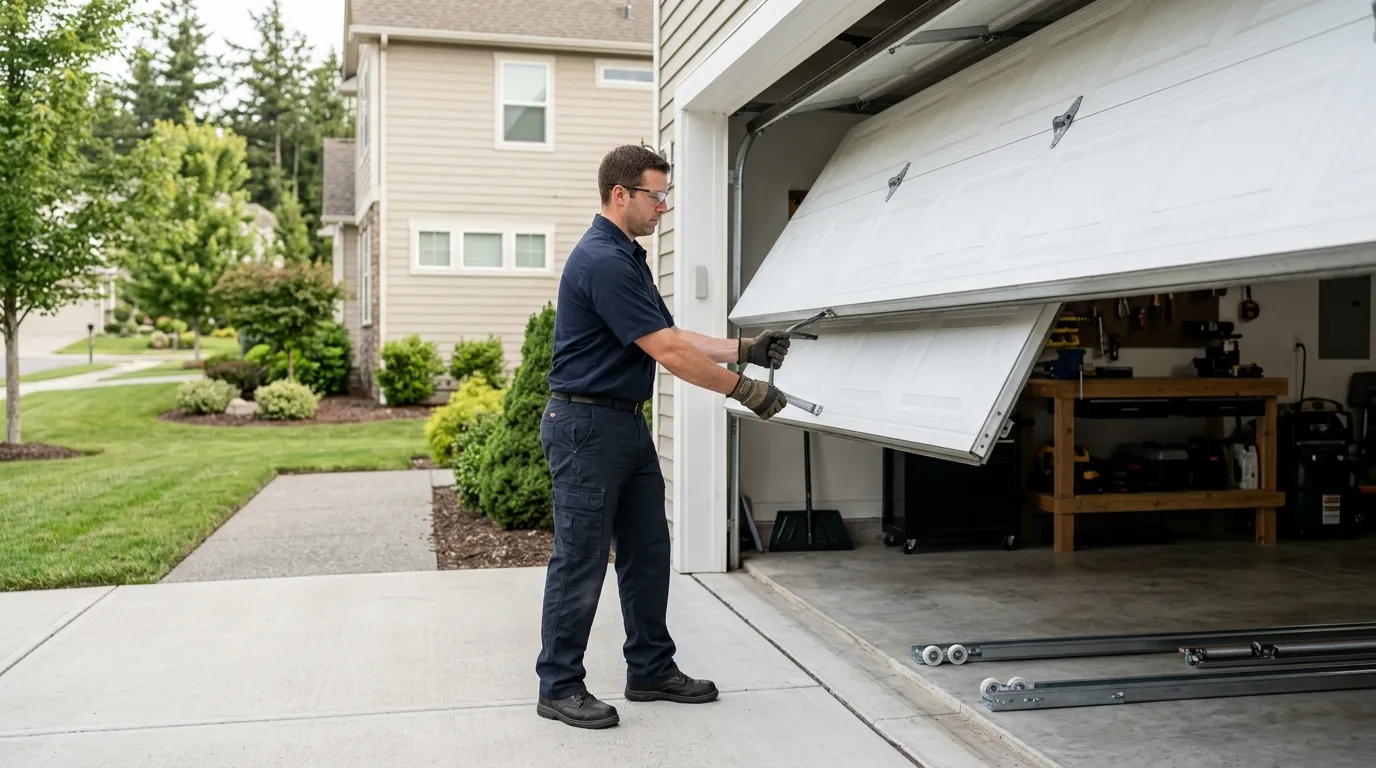
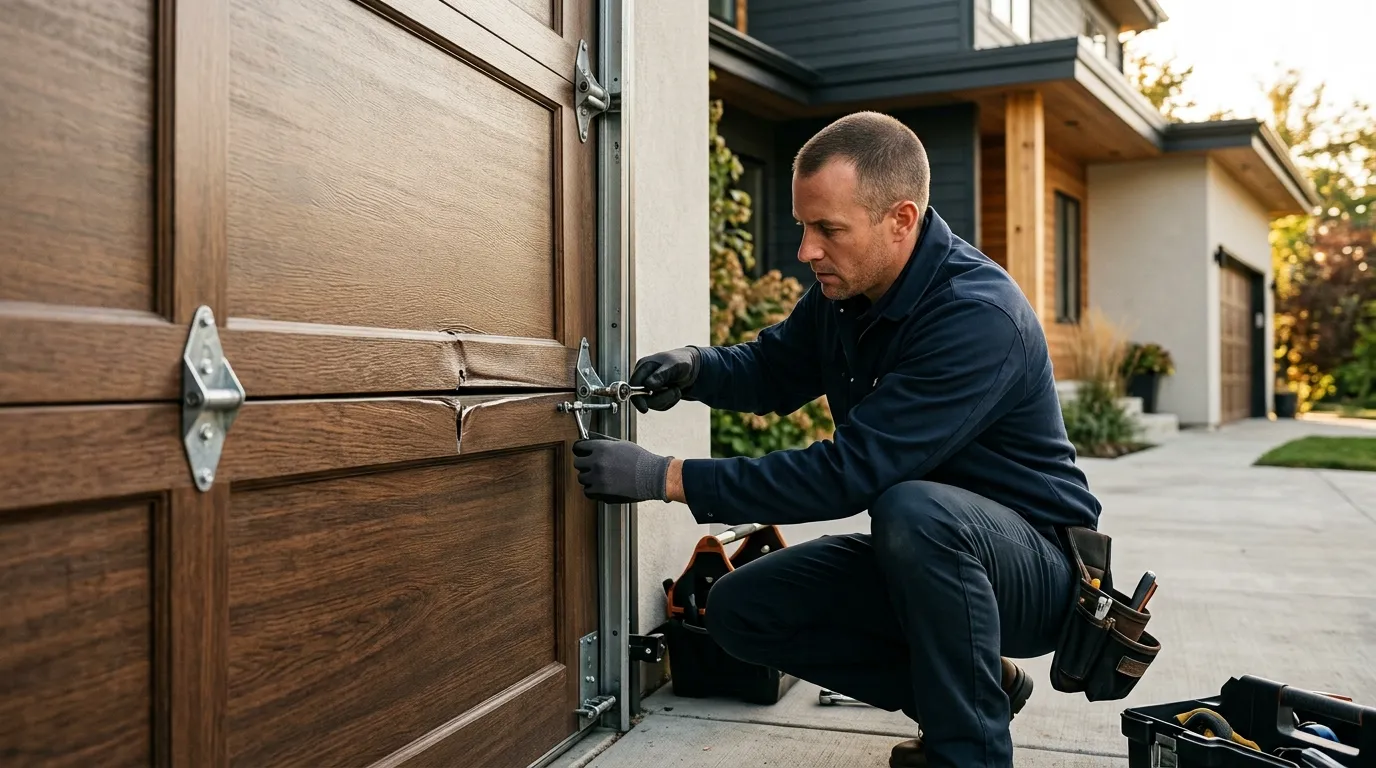
Once we're on site, the job is straightforward on paper and less so in practice. We pull the damaged section, check the track alignment on both sides (a bent panel almost always tweaks the rollers near it), and swap in a matching or compatible panel. If the door is steel and the run is old enough that the exact profile is discontinued, we tell you that on the spot rather than forcing a mismatched panel onto a door that will look wrong and seal worse than before. Sometimes the honest fix is a new door section, not a patch.
Parts We Carry
Prairie Village's housing stock runs older than a lot of the newer suburbs we cover - homes here were built mostly through the 1950s and 60s, with a median year built of 1959, and the broader service area's housing spans 1950 to 2004 with a median around 1973. That gap matters for panels: a door installed on a 1959 build is more likely to carry an older panel width or an obsolete raised-panel steel profile than a door on a house from the 1990s.
We carry common steel panel sizes that fit most doors from this era, along with the hardware that goes with them - hinges, end stiles, strut reinforcement for wider double doors. What we don't carry on the truck is every discontinued wood-panel profile or a custom-width steel section for a door that was already an odd size when it went in. On those, we order the panel and come back once it's in, and we'll tell you the wait up front instead of guessing.
Getting It Booked In
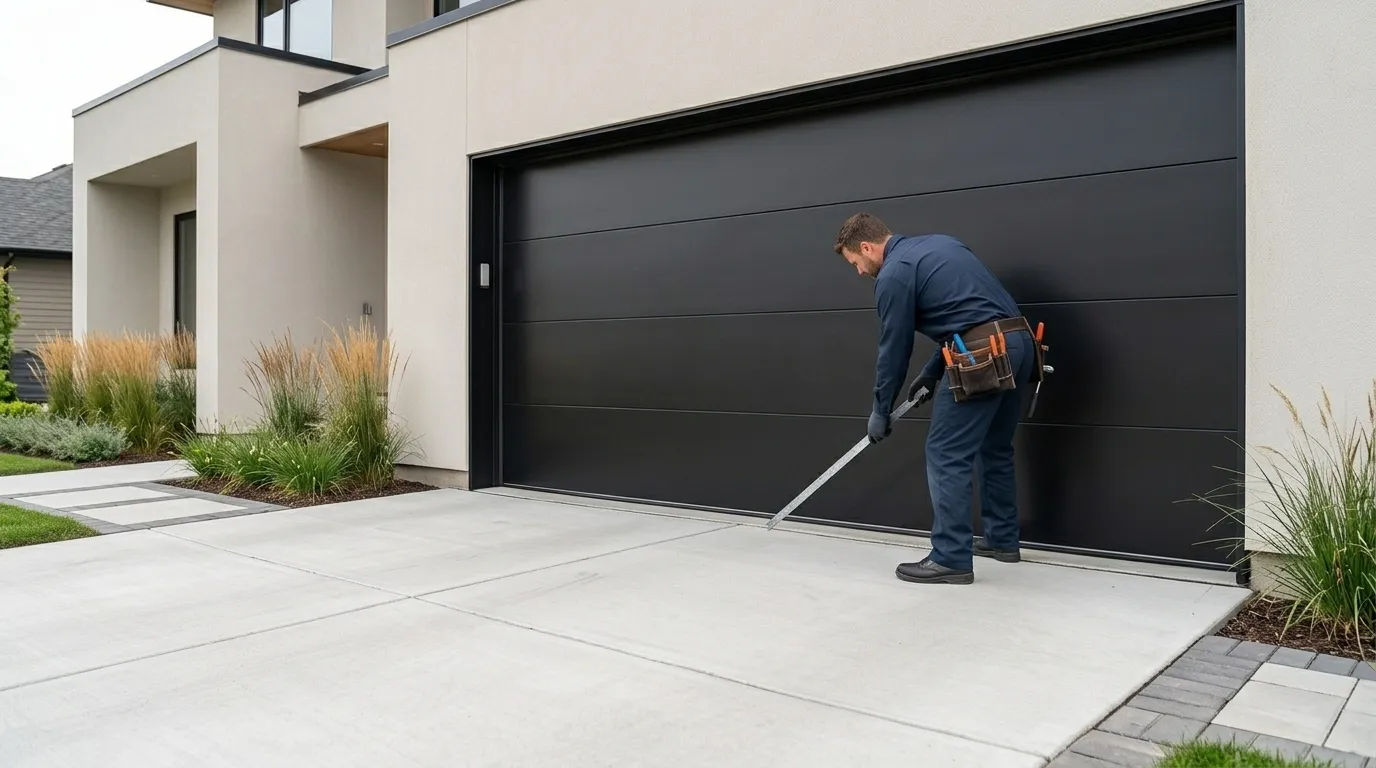
Because the shop runs the job from Kansas City, 11 miles out, we ask a few things up front on the call: door brand if you know it, roughly how old the house is, and whether the damage is one panel or the whole section. That lets us load the panel style most likely to match before we ever drive out, instead of showing up to diagnose and having to reschedule for parts.
Median household income in this area runs well above the wider service area's figure, and we mention that only because it shapes what we recommend - on a door this age, we'll often suggest replacing the full section rather than patching a single panel, since the cost difference is usually small next to the labor of a second visit. We're upfront if a job is better solved with a new door instead of chasing discontinued panels indefinitely.