
How We Fix It
Prairie Village is a smaller suburb, about 10,054 households, and that size shapes what kind of roller calls we get. It's not a high-rise or a new-build tract where every door is the same off-the-shelf unit. It's a steady run of older single-family houses, and on those doors the roller wear pattern is consistent: steel rollers that have been riding the same track for decades, chipped or flat-spotted, dragging metal-on-metal instead of rolling.
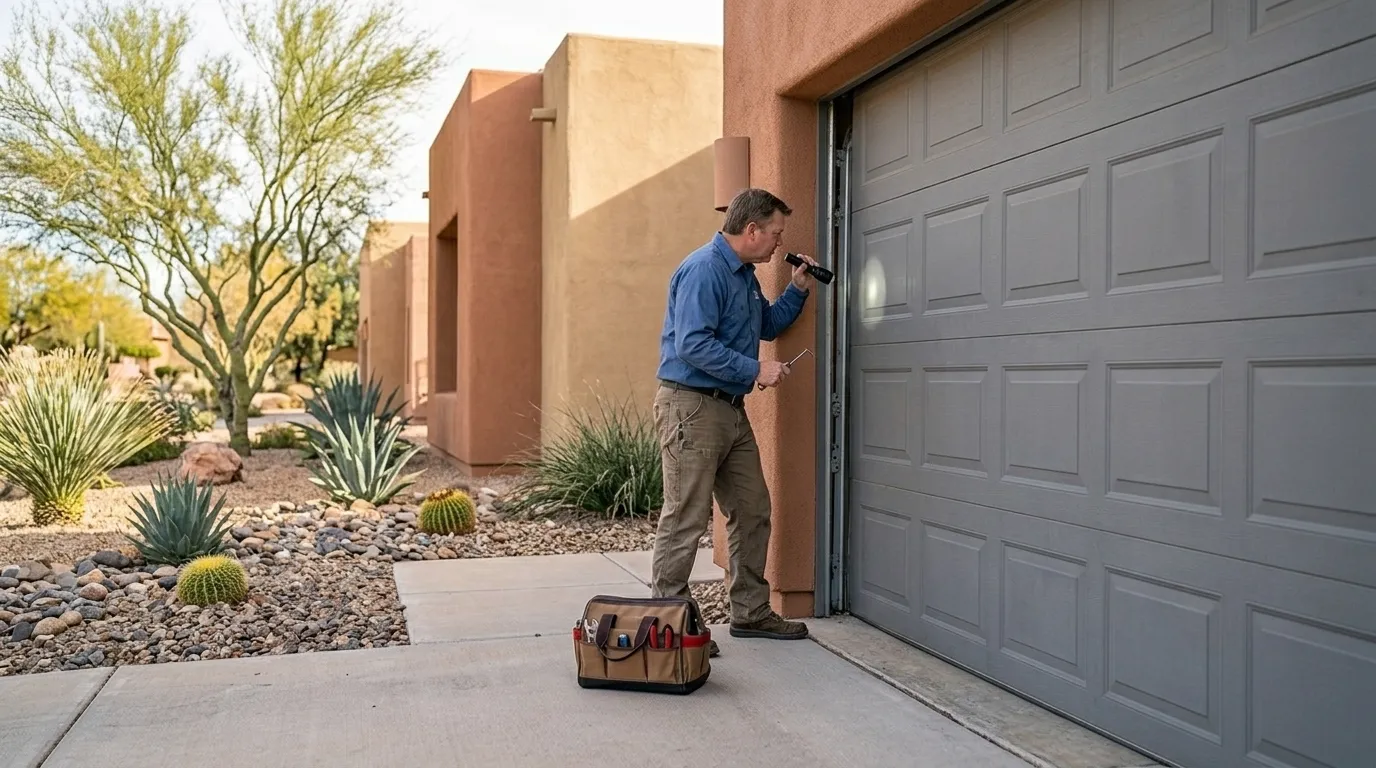
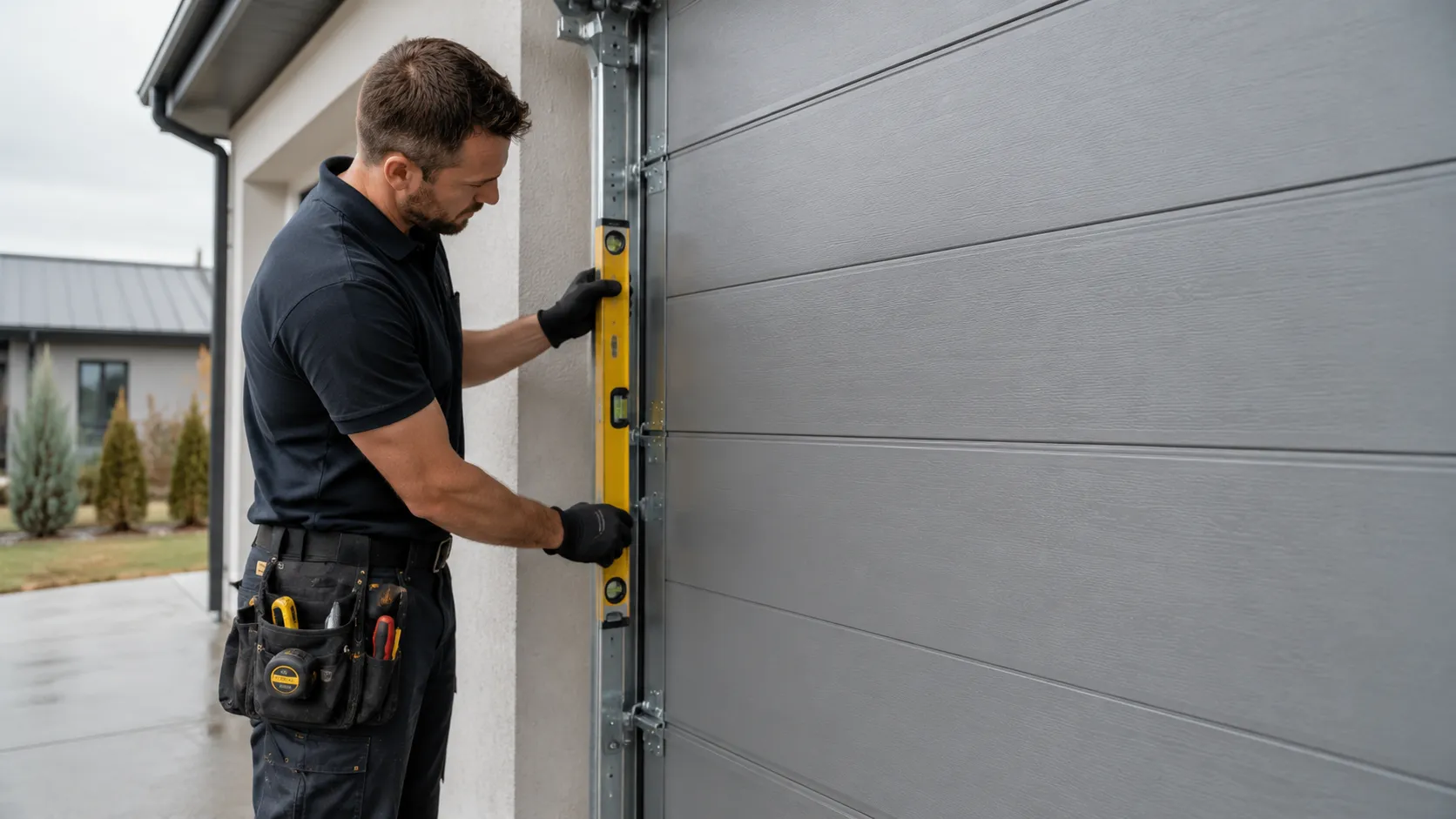
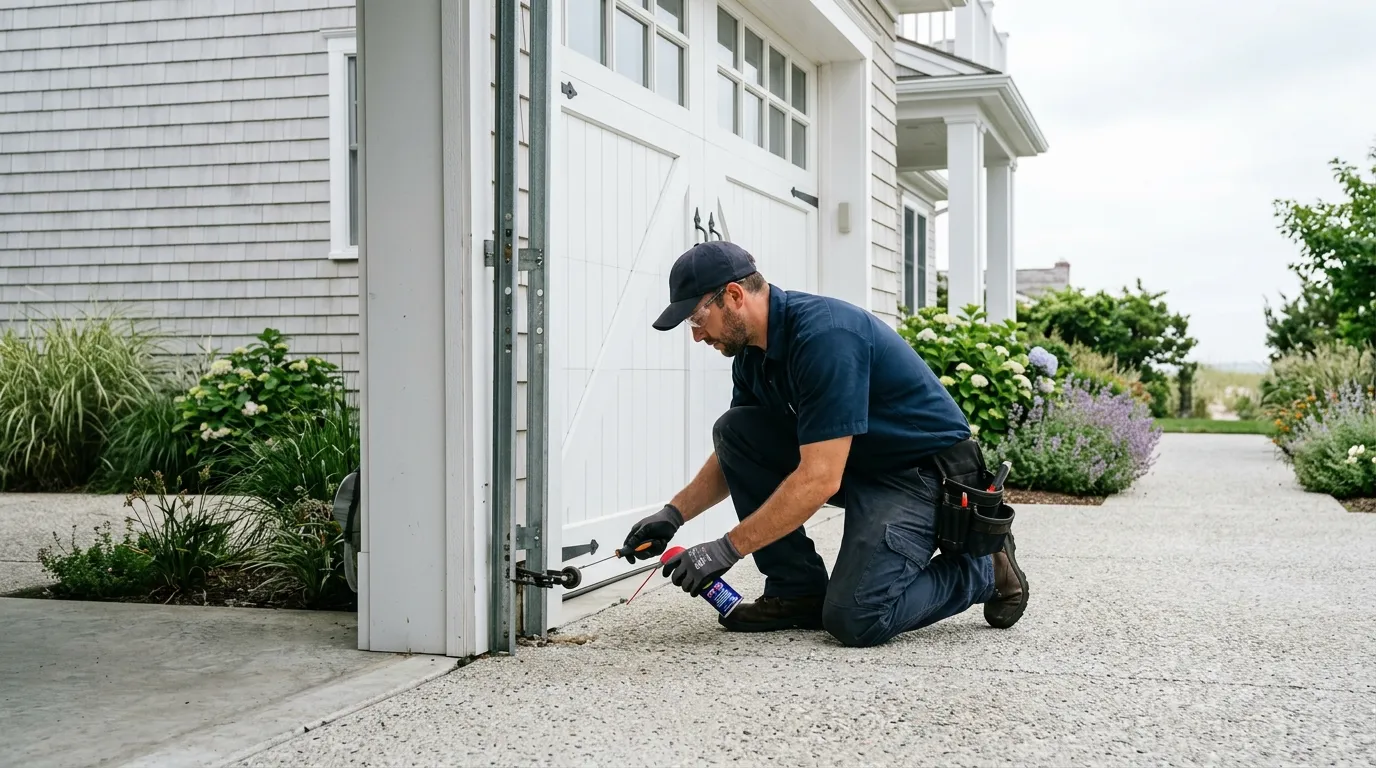
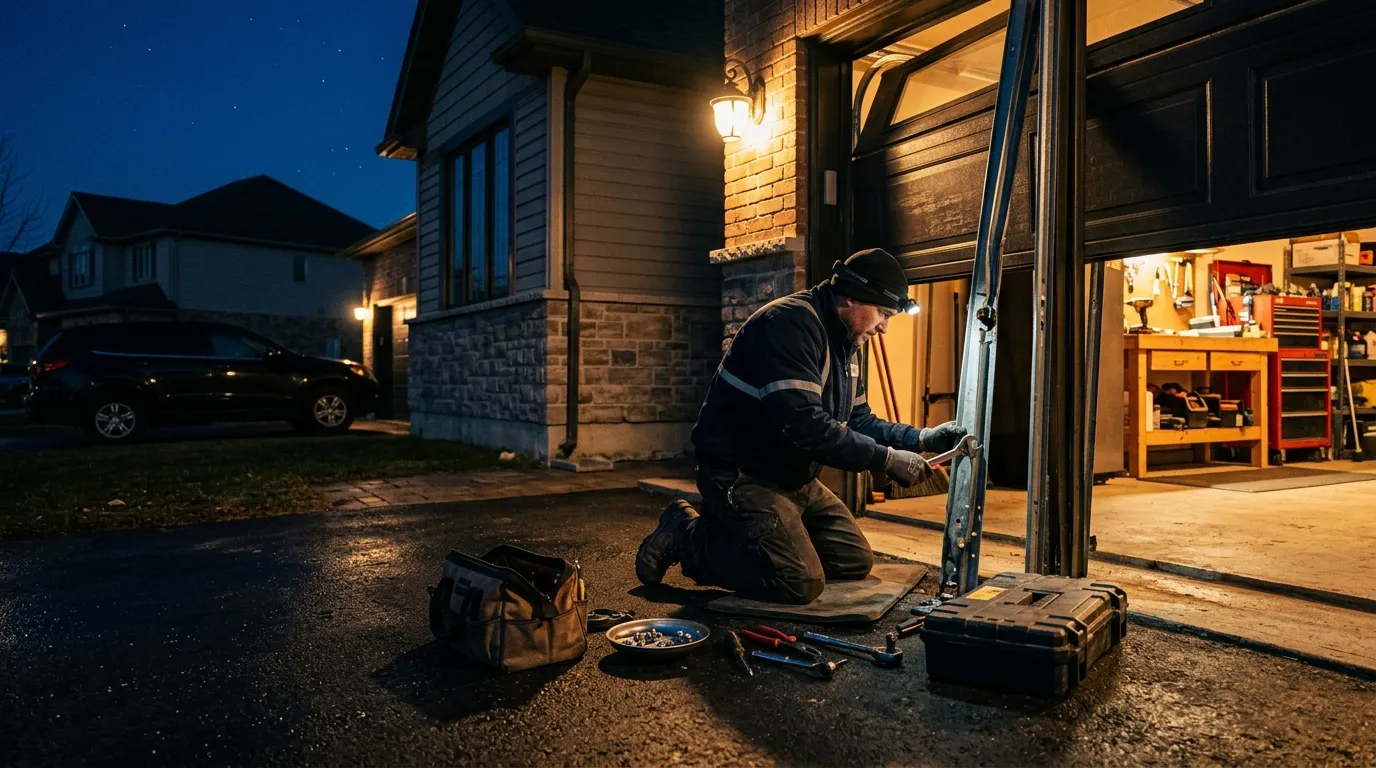
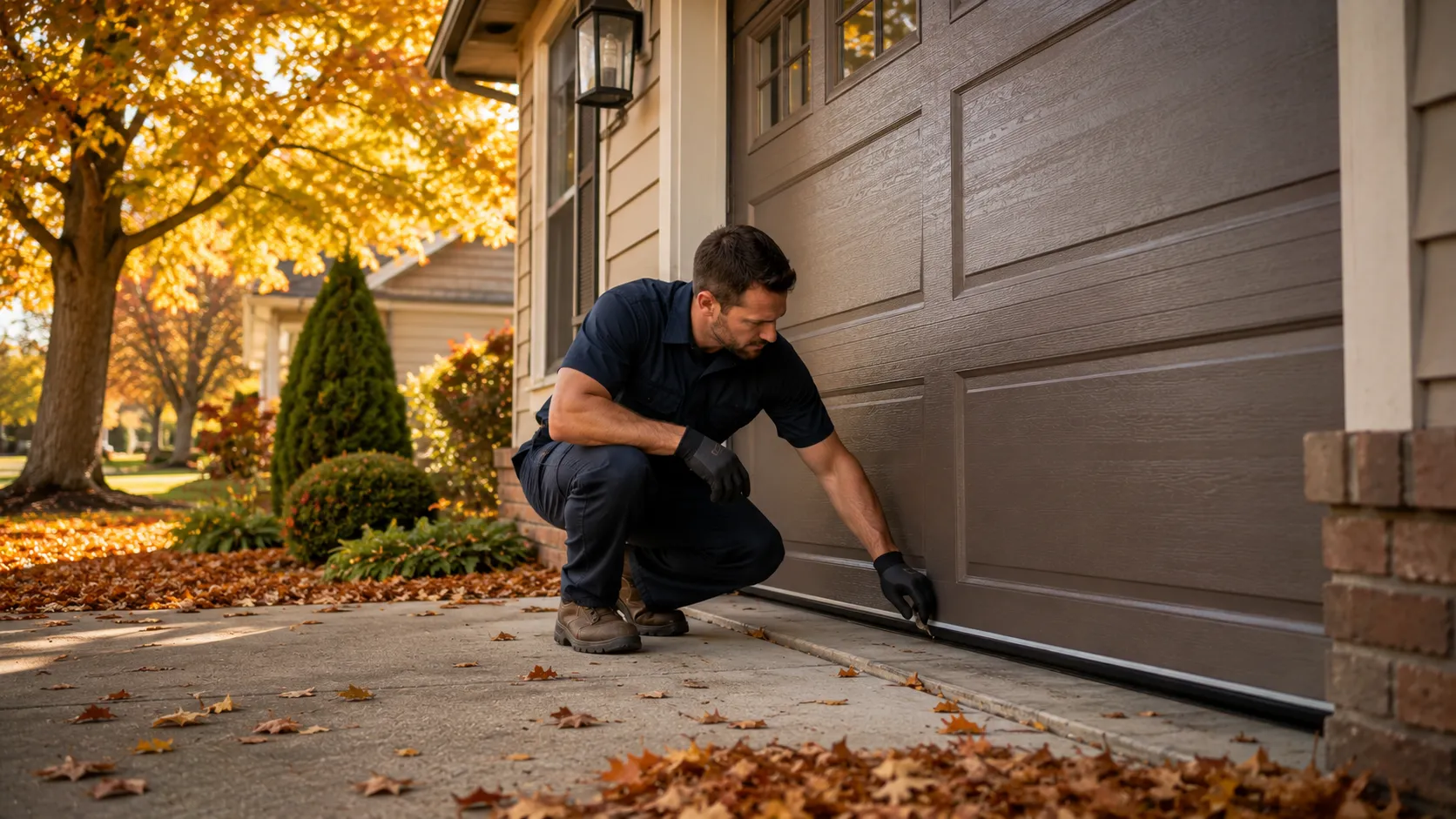
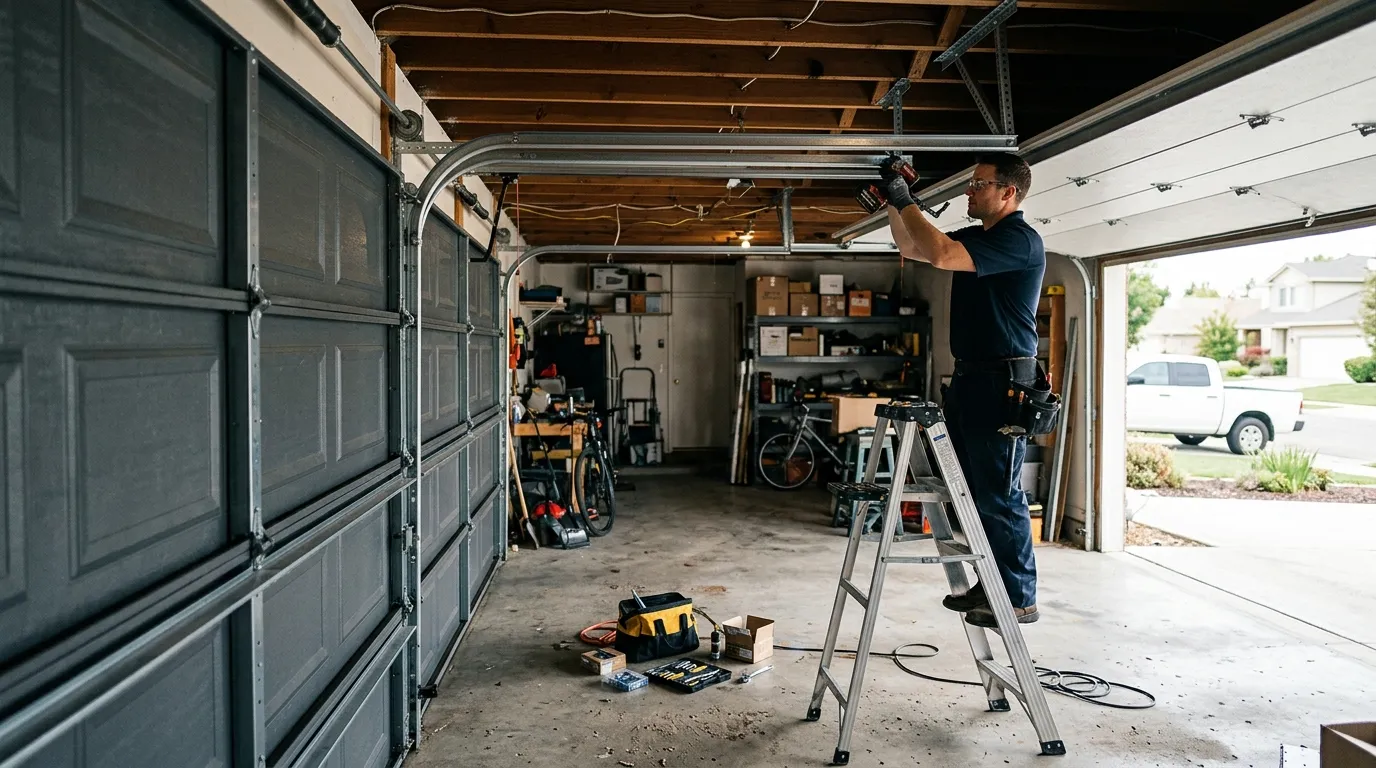
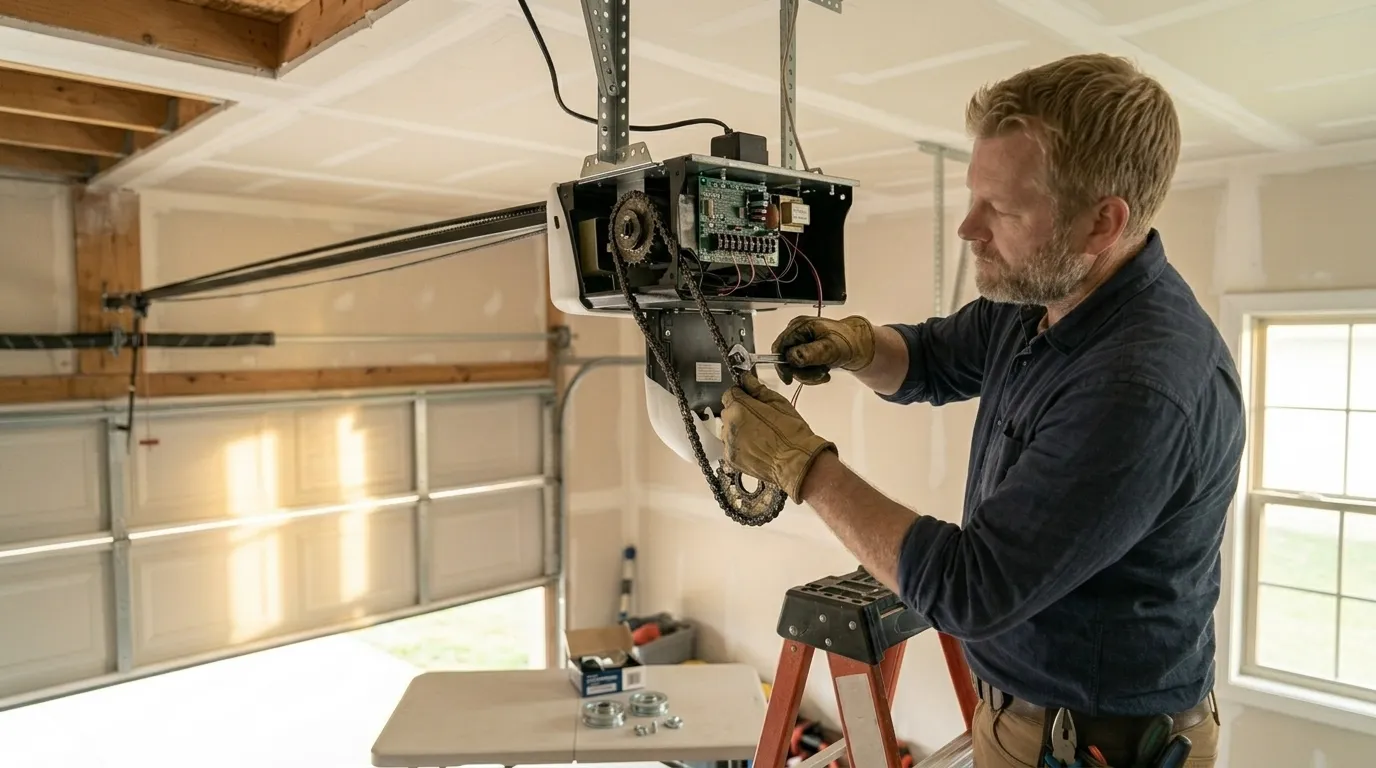
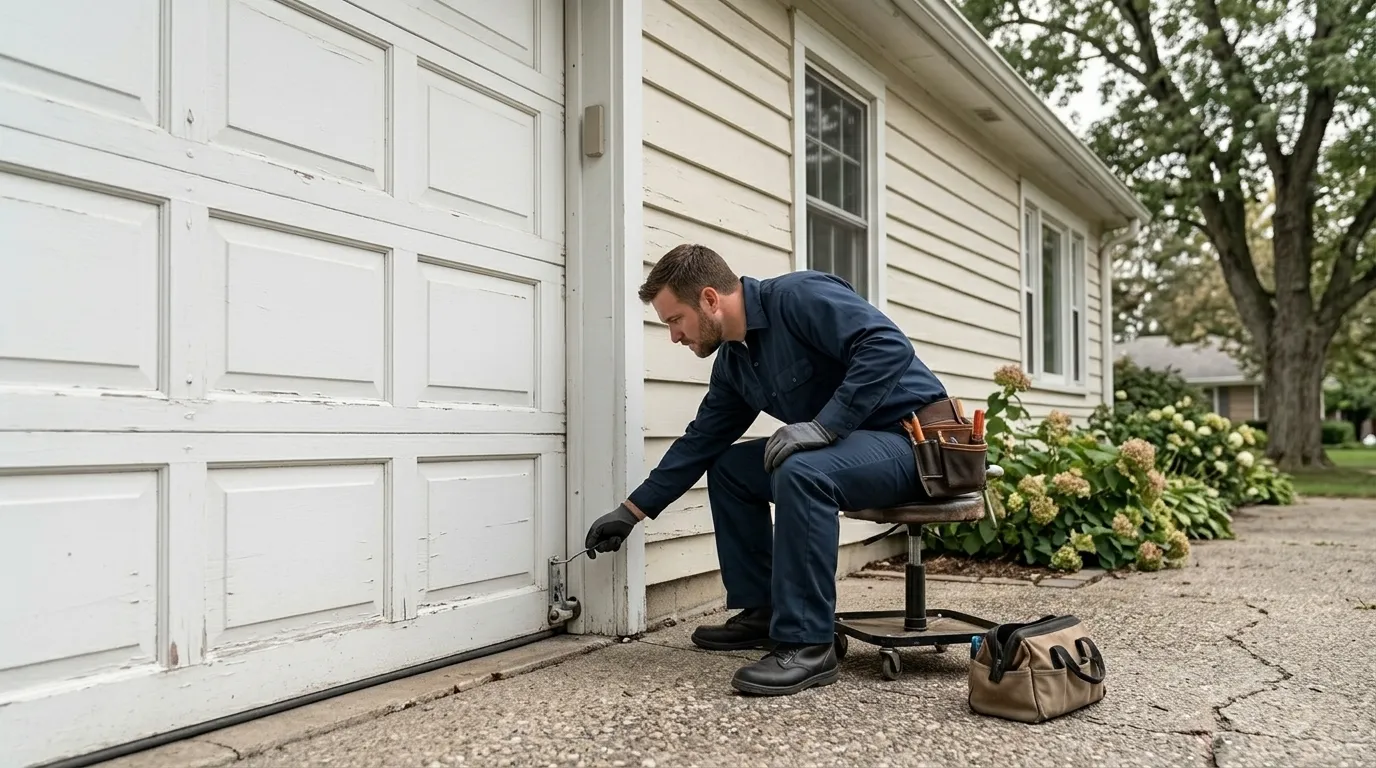
We come out from Kansas City, about 11 miles, and start by running the door by hand before we touch anything electric. A rough, grinding travel almost always points to the rollers and not the opener. We pull the old rollers off the hinges one at a time, check the track for the wear grooves that bad rollers leave behind, and swap in new ones without pulling the whole door apart. If the track itself has been chewed up by years of a bad roller, we true it up or replace the damaged section rather than just bolting new rollers onto a track that will chew through them again in a year.
Most of these jobs run one to two hours. If the springs or cables are also shot, that's a separate repair, and we'll tell you honestly before starting work.
Parts We Carry
For a town where a lot of the housing dates back to around 1959, we carry rollers sized for the older hinge and stem patterns, not just the current standard. That matters because a lot of these doors have 7-foot stems or hinge spacing that doesn't match what's on the shelf at a big box store.
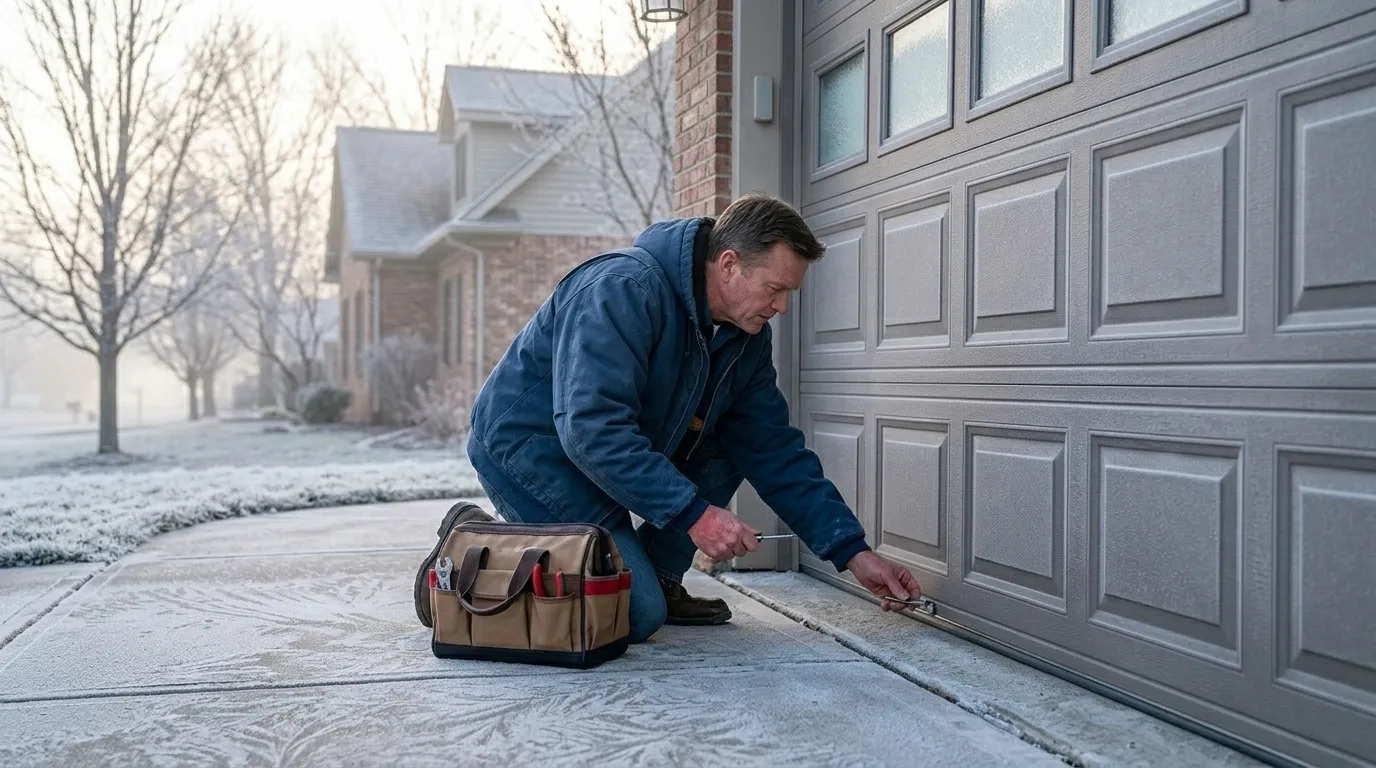
We stock both nylon and steel rollers. Steel is what's original to most of these older doors, and it's cheap, but it's loud and it wears the track faster. Nylon rollers run quieter and hold up better through Prairie Village's cold winters - steel rollers get brittle and can chip or crack when the metal contracts in a hard freeze, where nylon doesn't have that failure mode. For a lot of the houses in this suburb, moving from steel to nylon during a roller job is the single upgrade that actually changes how the door feels day to day.
We don't stock every stem length or bearing size on the truck for every job, so on an odd or non-standard door we may need to order a part, which can add a day. We'll tell you up front if that's the case rather than making you wait to find out.
Getting It Booked In
If your door is grinding, jumping in the track, or hanging up partway through its travel, that's roller wear, not something to keep running past. Call and tell us what the door is doing and roughly how old the house is; on a house from the late 1950s or early 1960s we can usually guess the hardware before we even arrive.
We travel from Kansas City to reach Prairie Village, so we schedule the visit rather than showing up same-day on every call. Tell us the symptom clearly and we can bring the right roller stock the first trip instead of a second visit to grab a part.