
Time on the Job
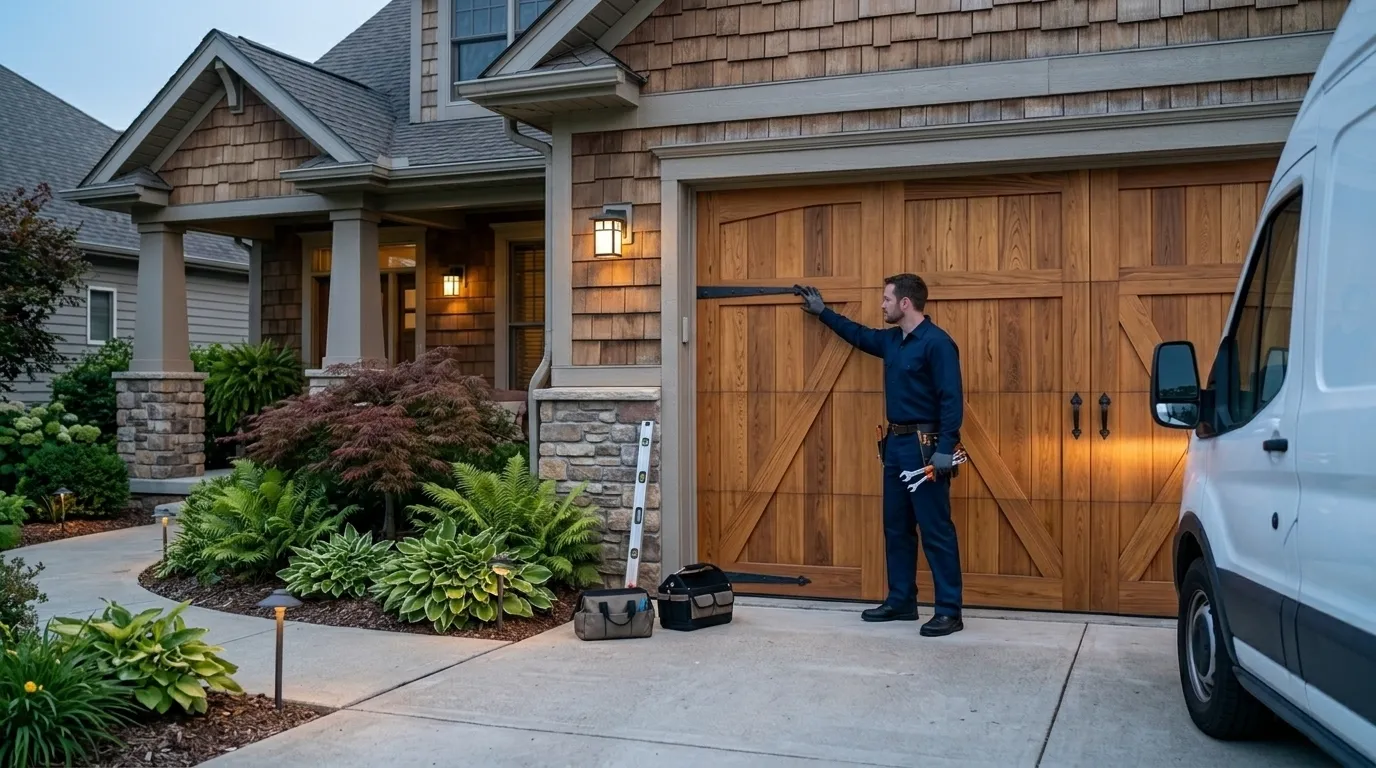
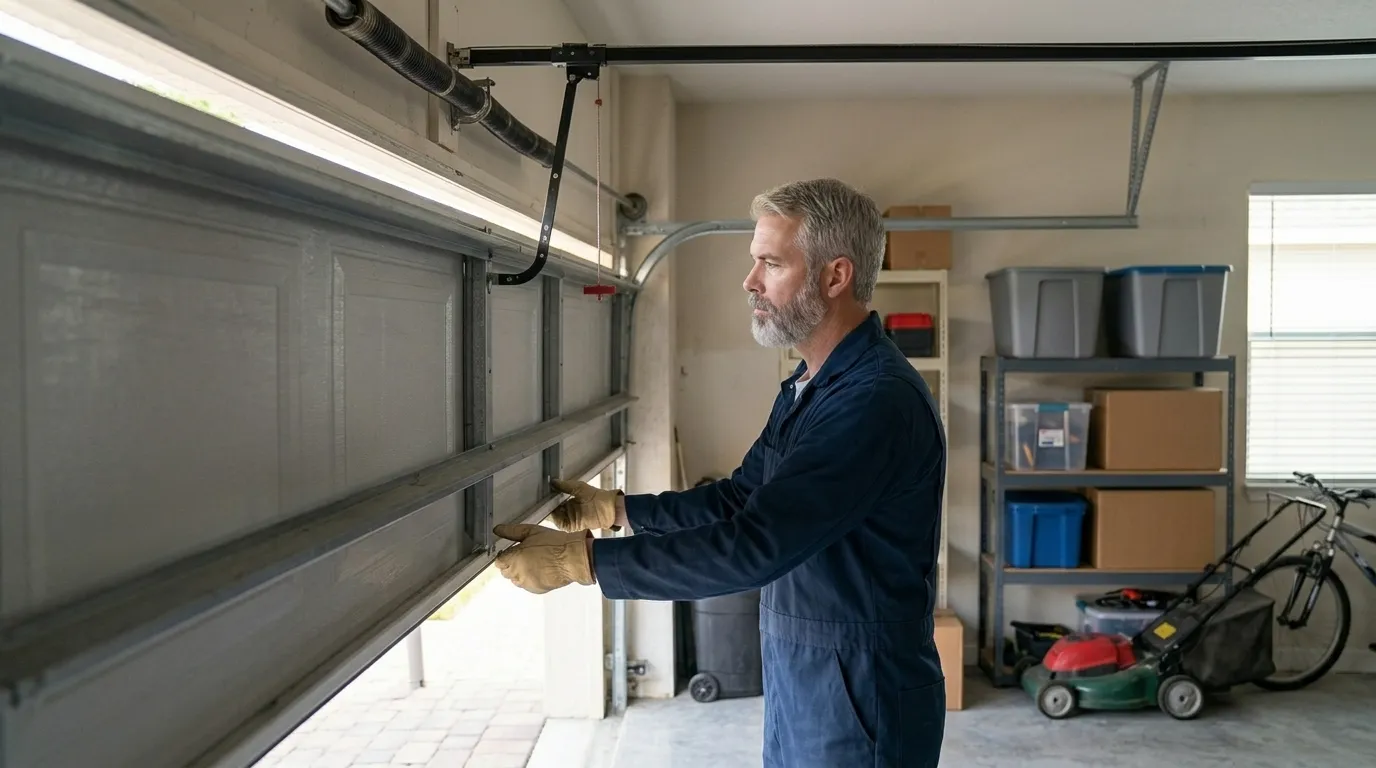
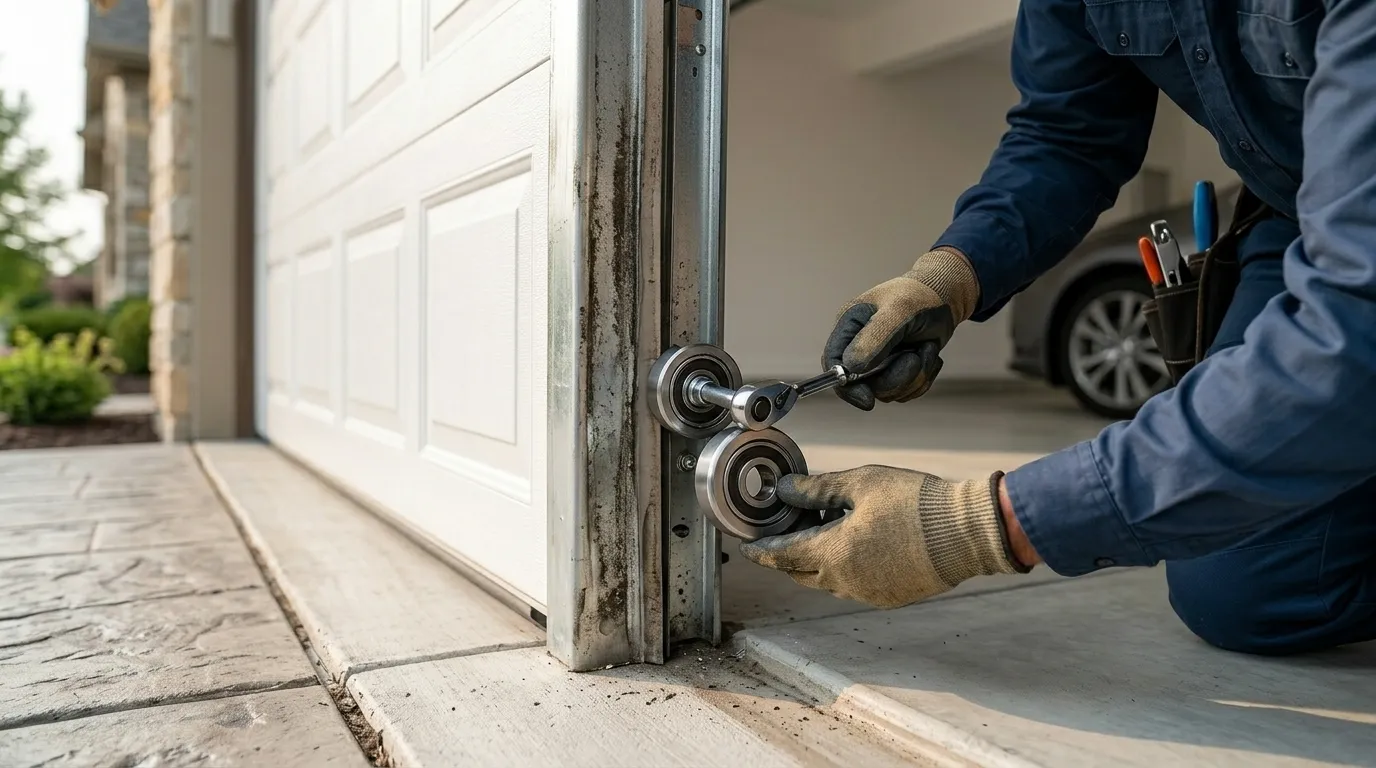
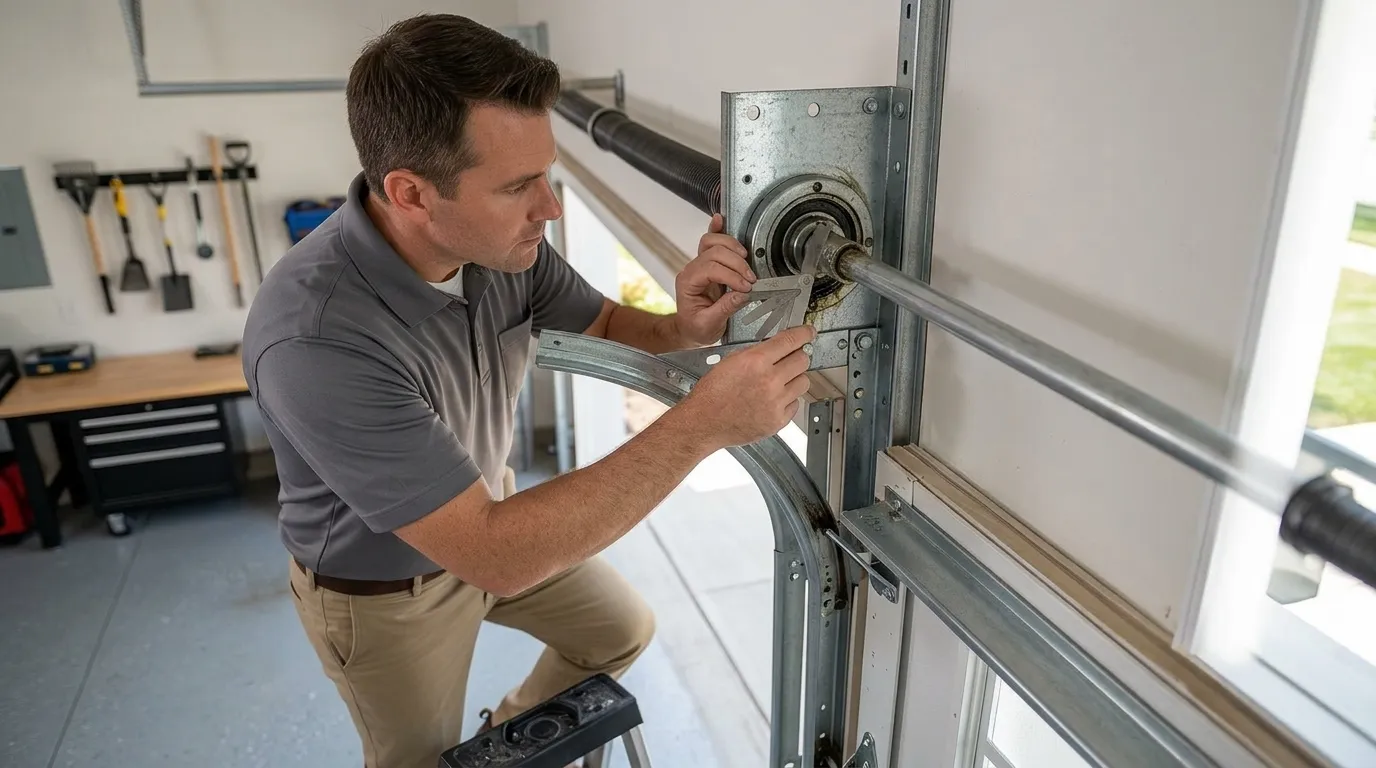
Most of the houses we get called to across the wider Kansas City service area went up between 1950 and 2004, with the median sitting around 1973. Lansing runs later than that - the typical home here was built closer to 1987. That's not a small gap. A door built in 1973 is almost always on old torsion hardware with a heavier gauge cable and a drum style that nobody's made in years. A door from the late 80s is more likely running a lighter-duty extension spring setup or an early torsion conversion, with cable routed over stamped pulleys instead of the older cast ones. When we get a cable call from Lansing, we're loading gear for that later-era hardware, not the older stuff we'd expect on a call closer into the city. We come out from Kansas City - it's about 12 miles - so knowing which cable and drum combination we're dealing with before we're on the road saves a second trip.
What Causes It Around Here
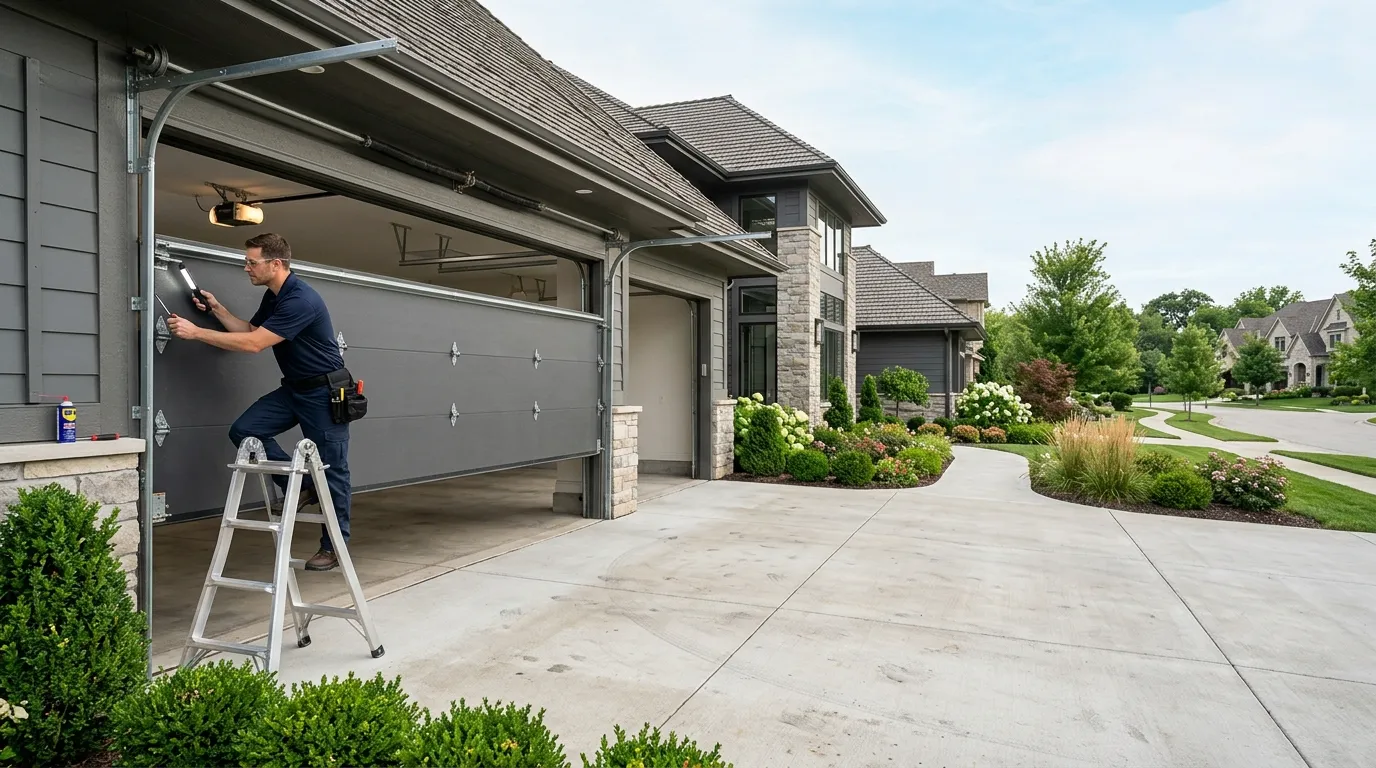
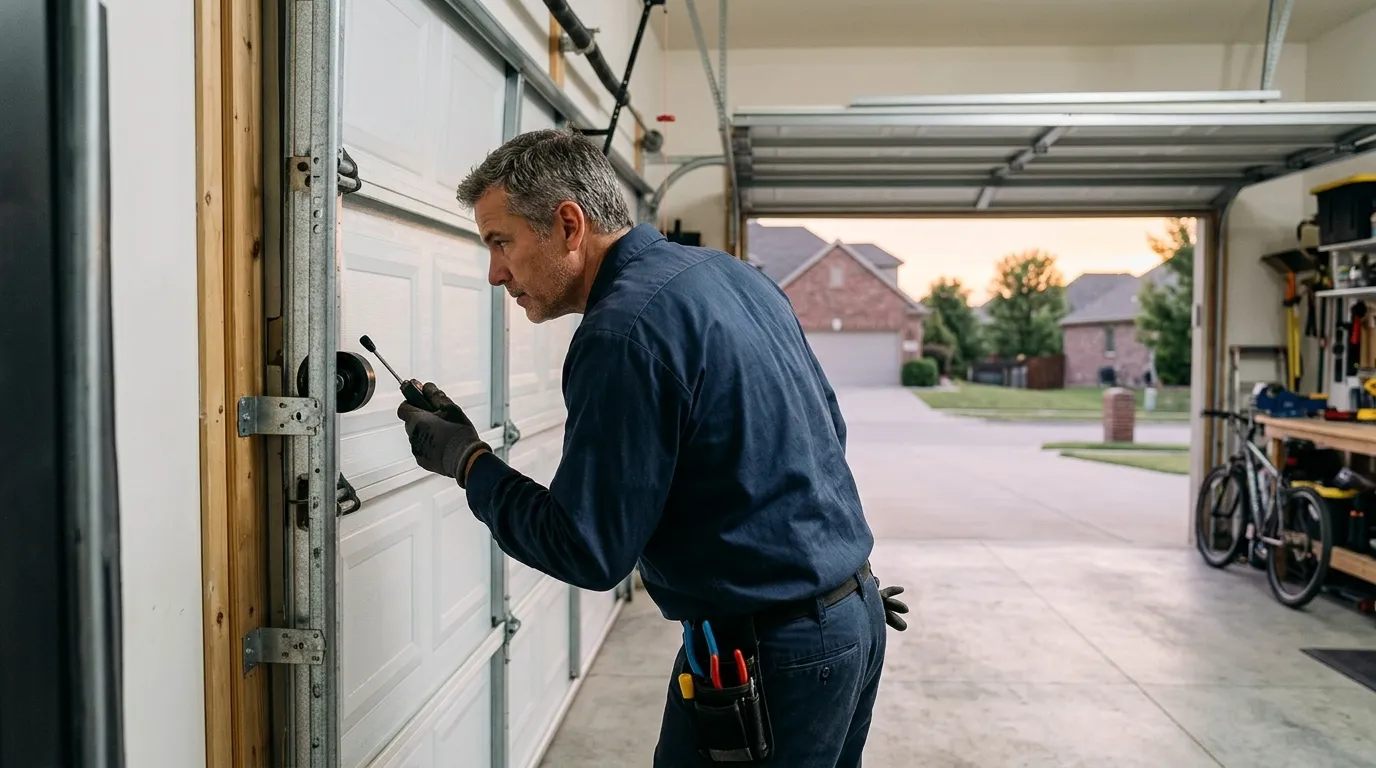
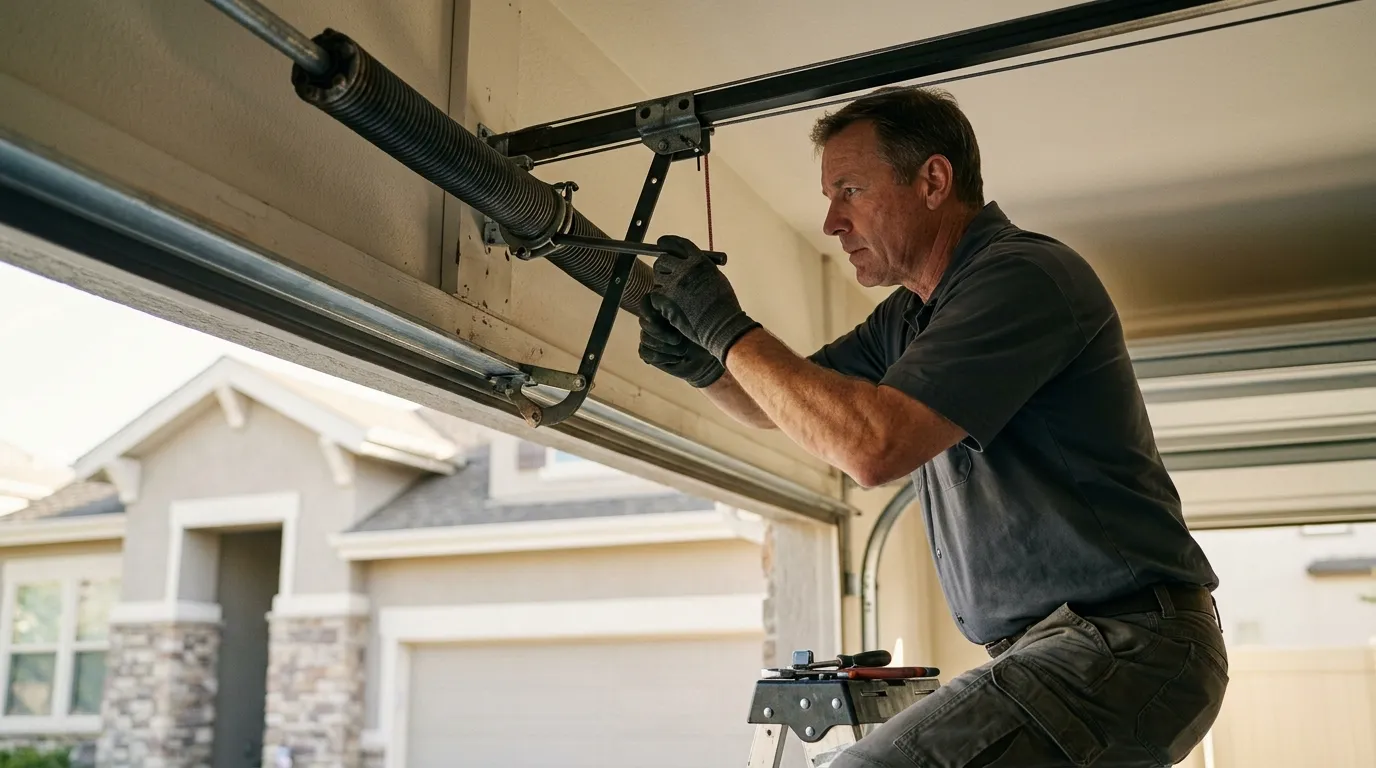
Cable failure on a door from this era usually starts at the bottom bracket or where the cable wraps the drum, not mid-span. Lighter cable that was standard on doors going in through the late 80s work-hardens and frays faster at those wrap points than the heavier cable used on older torsion setups. Winter is the other half of it. This region sits in a cold-severe climate band, and a cable that's already thinning from wear will often let go on the first hard freeze of the season when the steel contracts and the door gets stiff on its rollers. We also see cable damage from a broken spring that's been left alone - once a spring goes, the opposite cable is doing double duty and it doesn't take long before it stretches, kinks, or snaps. One cable rarely fails on its own without something upstream pushing it there.
Can You Do This Yourself
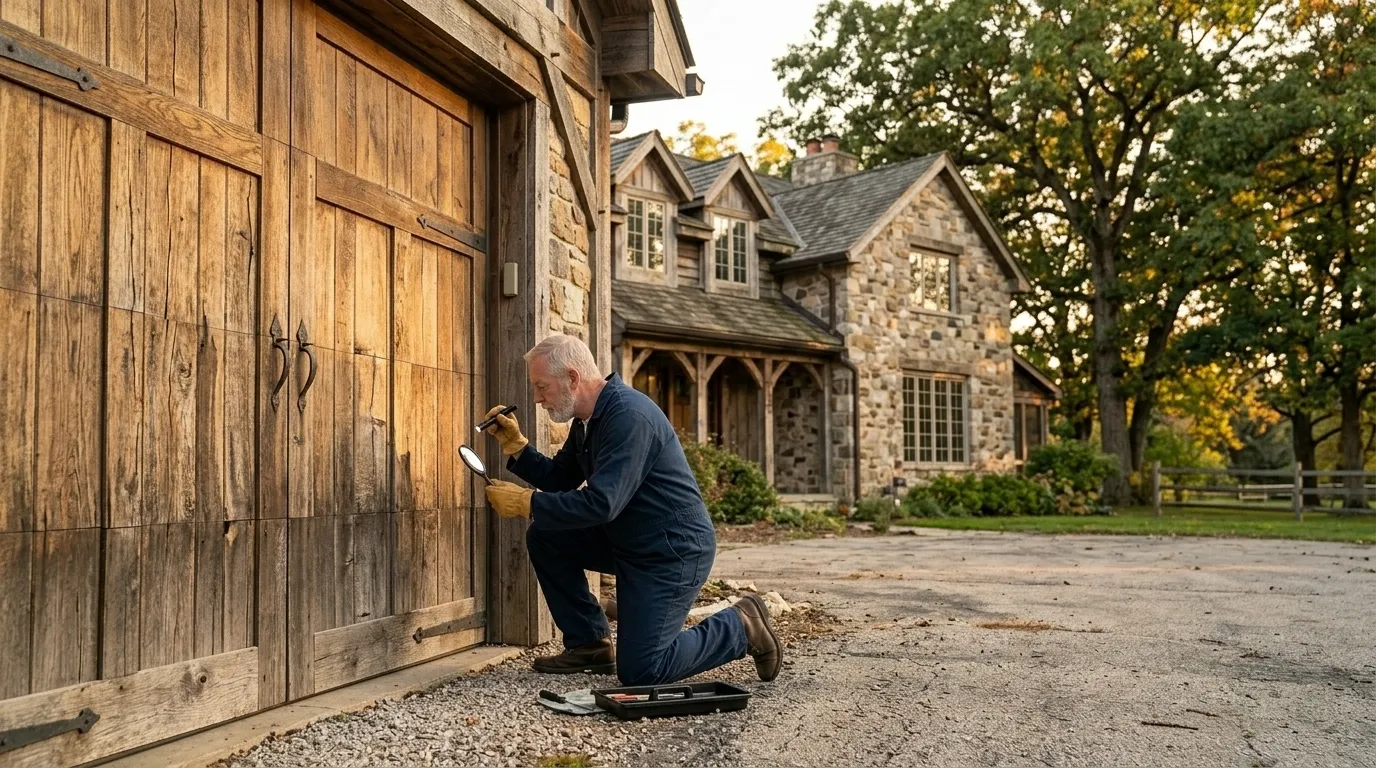
A garage door under spring tension is not a safe DIY cable job - the spring is storing enough force to snap a cable back hard enough to injure someone, and that's true whether the door is from 1973 or 1987. What you can do yourself is spot the warning signs early: a cable that looks frayed or has visible kinks, a door that shudders or sits crooked when it's partway open, or a bottom bracket that's visibly loose. Catching that before the cable snaps is the difference between a straightforward repair and a door that's come off its track and needs more work. If you see any of that, stop using the door and call - don't try to force it open or closed.
Getting It Booked In
We work Lansing as part of the wider Kansas City service area, traveling out for the job rather than running a branch location here. When you call, tell us the door's rough age if you know it, or just describe what's happening - a door that won't budge, a cable hanging loose, a loud bang followed by the door refusing to move. Any of those tells us what to load before we head out. We don't quote a same-day window here since we're coming from Kansas City, but we can usually tell you on the phone what parts the job is likely to need.