
Time on the Job
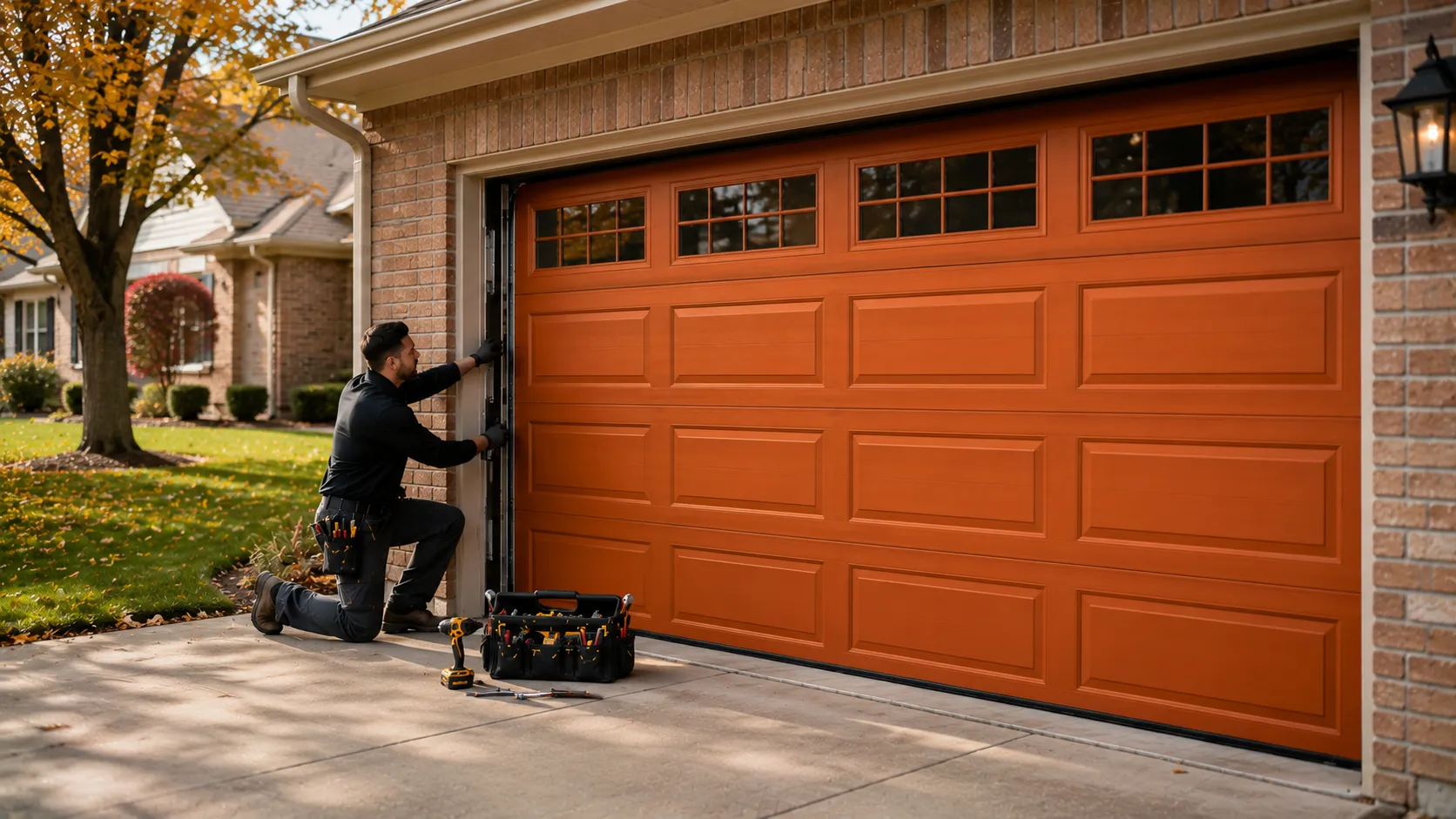
Lansing sits 12 miles out from Kansas City, and that drive shapes how a repair call here actually works. It's not a five-minute hop, so when we head your way we bring a truck stocked to handle the job in one trip rather than guessing and coming back. That means when you call, we're thinking about what's likely broken before we ever pull onto your street, based on what we know about the doors out here.
The honest limitation: because we're driving in from Kansas City rather than sitting in Lansing full time, we can't promise a same-hour arrival the way a shop physically located in town might. What we can promise is that once we're there, the truck carries the parts this area actually needs, not a generic assortment.
With roughly 3,632 households in Lansing, this isn't a market we treat as an afterthought tacked onto a Kansas City route. It's enough call volume that we've built our parts stock around what actually fails on doors from this era, which is different from what fails on the older stock closer to the city core.
What Causes It Around Here
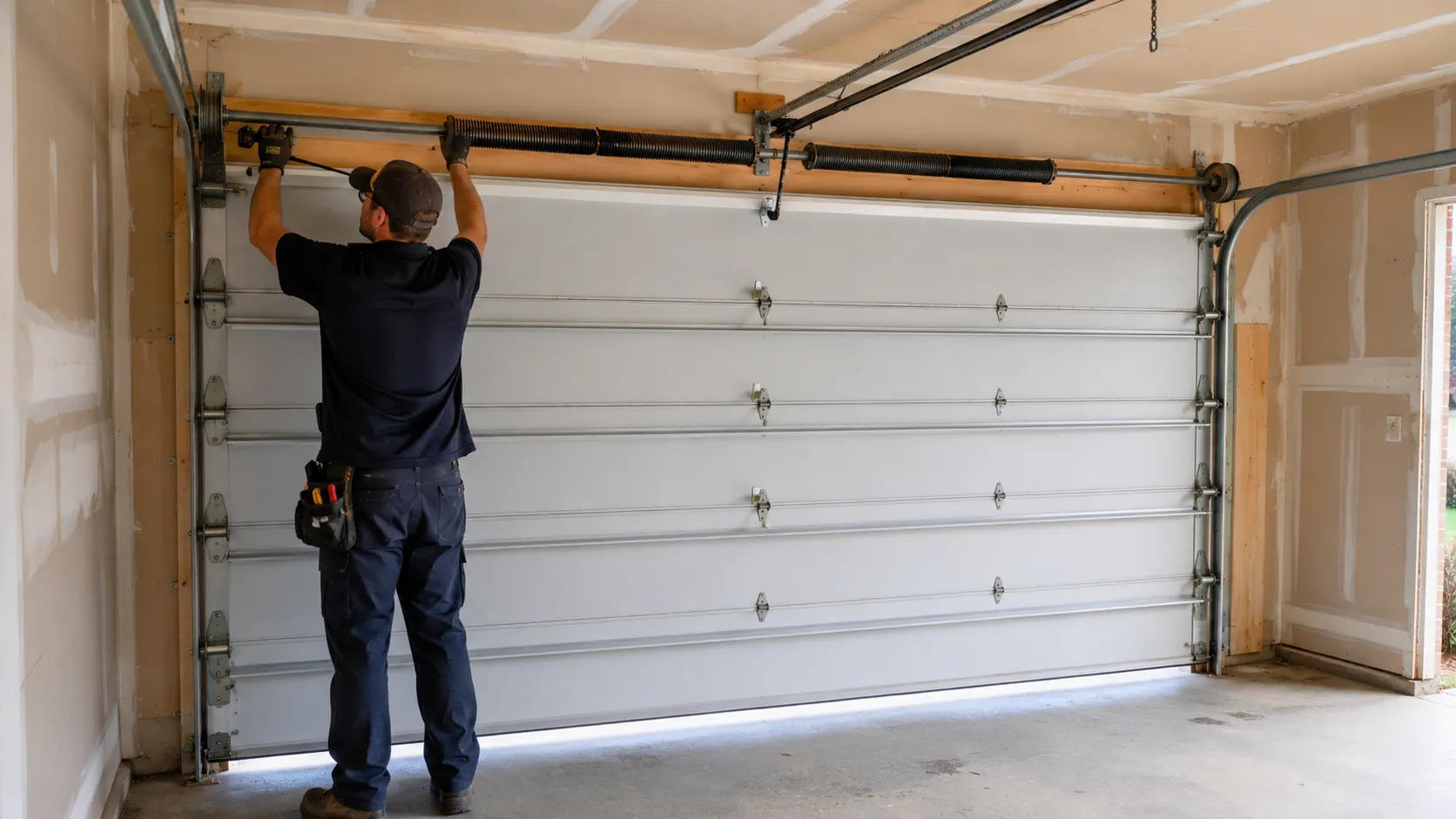
Lansing's housing runs newer than a lot of the Kansas City area - median build year around 1987, versus a metro-wide spread that goes back to 1950s and 60s stock. That two-decade gap matters. A door built in 1987 is more likely to be a factory steel section on a chain-drive opener with a center torsion spring, not the single-panel, side-mounted hardware you find on the pre-1970 houses closer in.
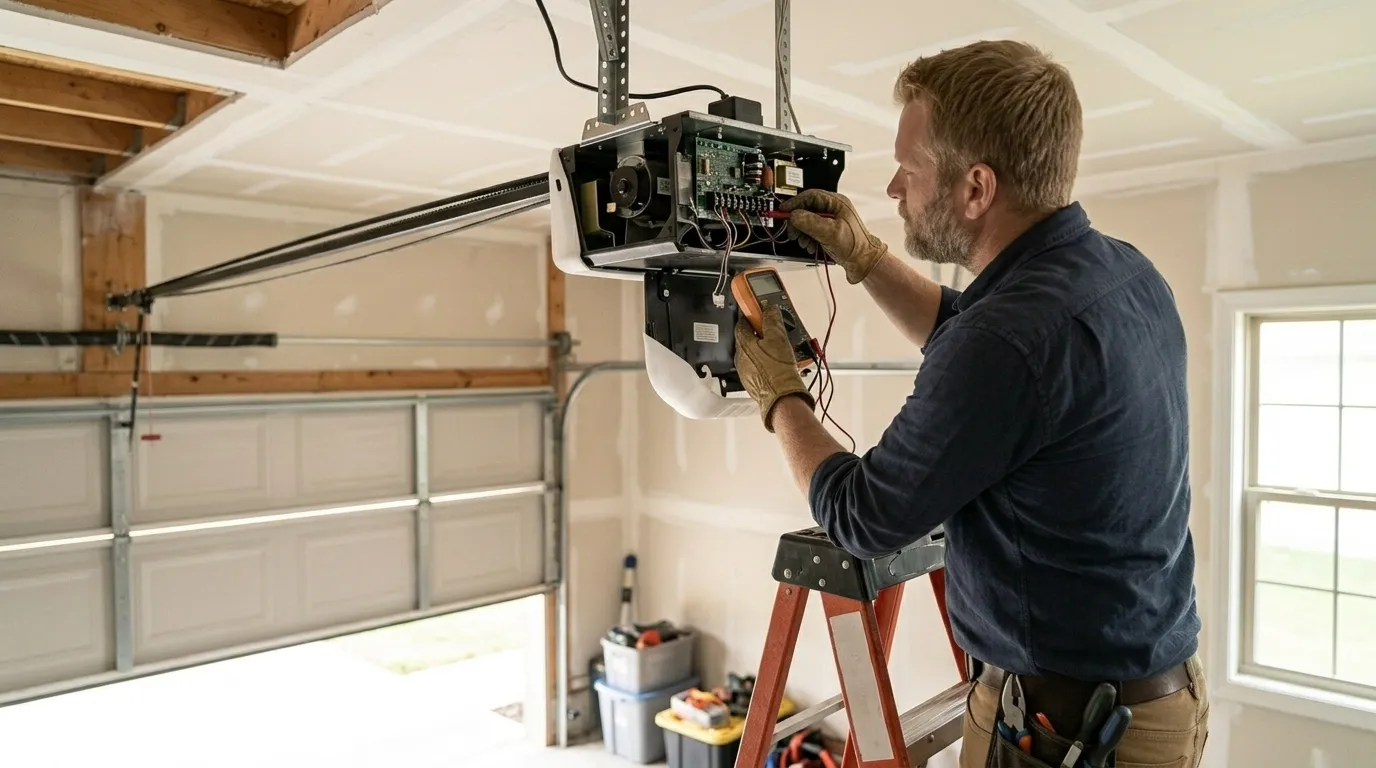
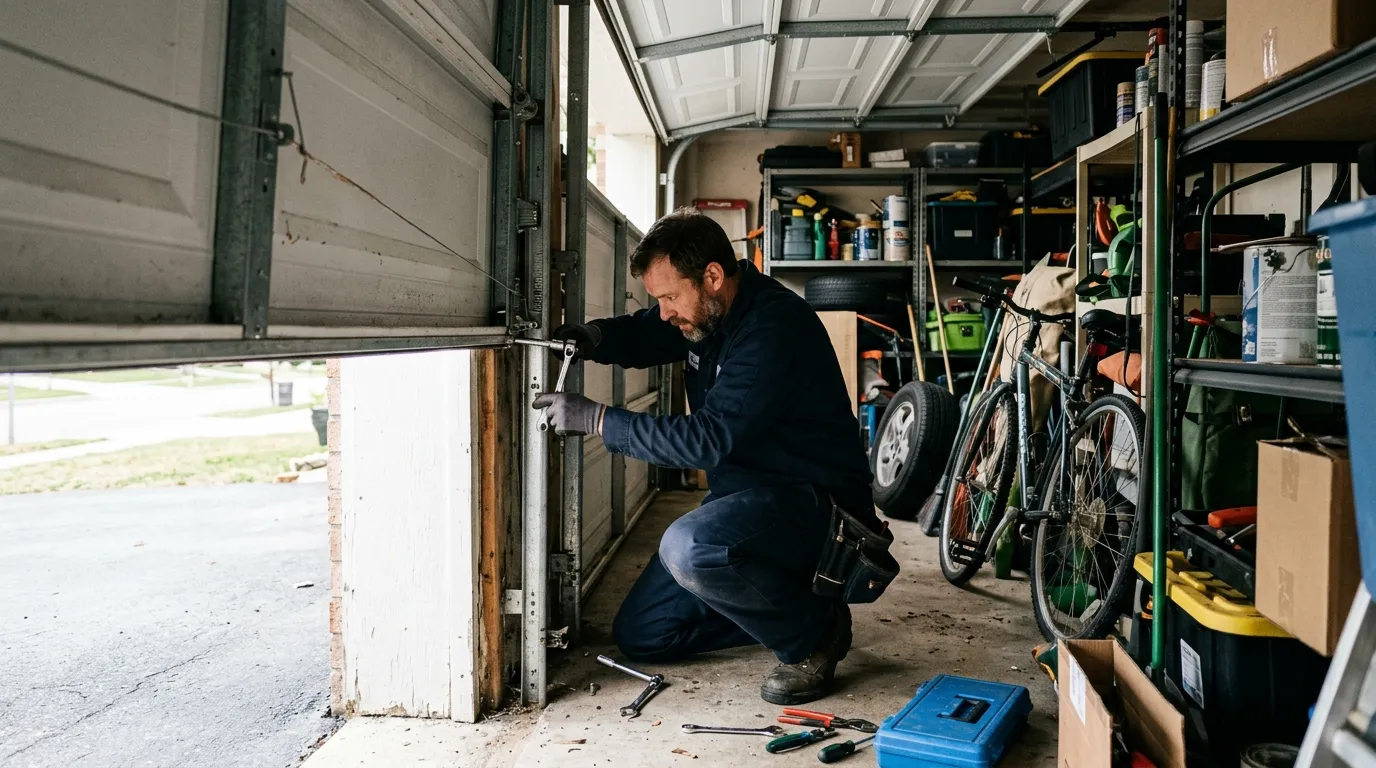
What we see fail on these newer builds: the original chain-drive opener finally giving out after decades of use, torsion springs that were sized right for the era but are now well past their cycle count, and worn nylon rollers that were standard equipment at the time and were never built to last forever. Sensor alignment issues also turn up more here than on older setups, since these homes were built right around when photo-eye safety sensors became standard equipment.
We're not going to tell you Lansing has some unique weather problem - the cold winters here hit the same as anywhere else in the area, and that affects lubrication and metal fatigue the same way it does everywhere. What's different in Lansing is the age of the equipment itself, not the climate acting on it.
Can You Do This Yourself
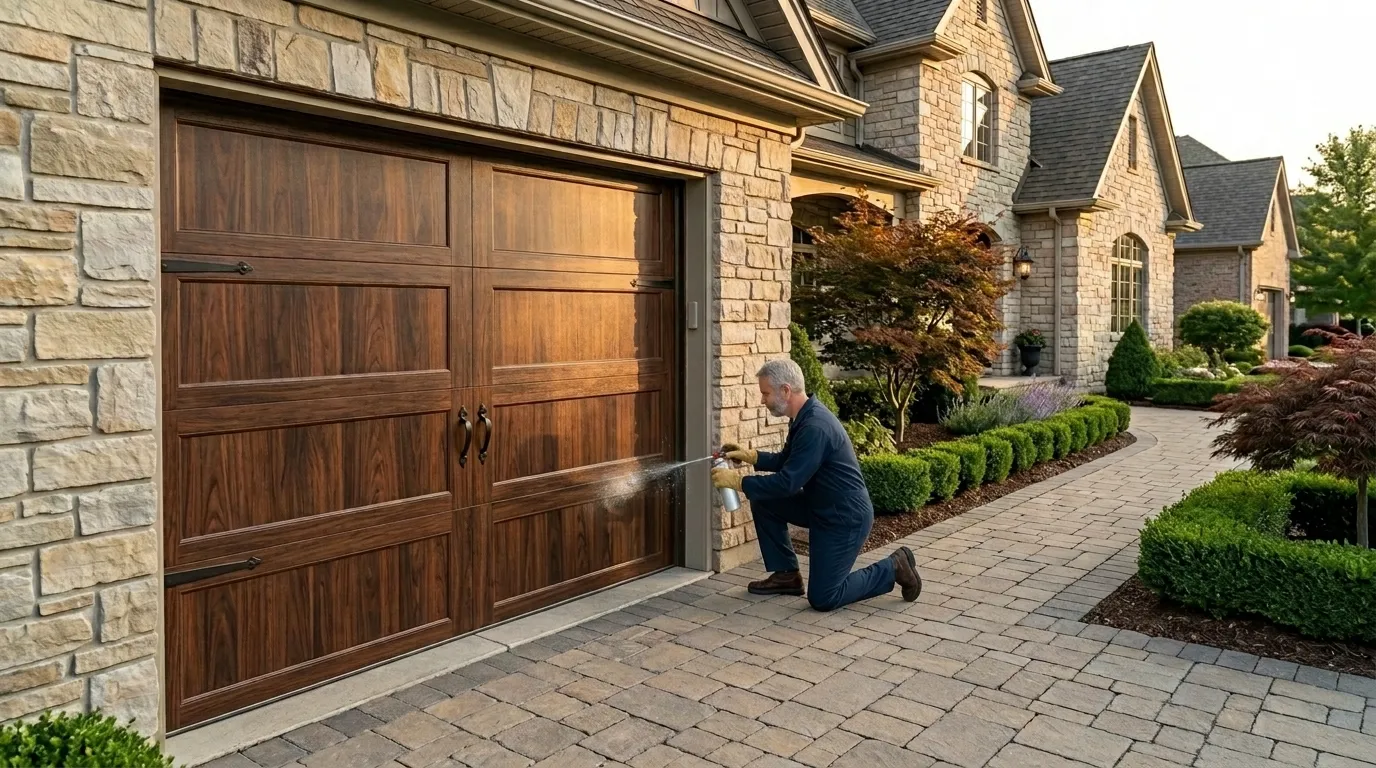
Some of this is within reach for a handy homeowner. Lubricating rollers and hinges, tightening loose hardware, and testing the photo-eye sensors for alignment are all things you can do safely on a weekend afternoon.
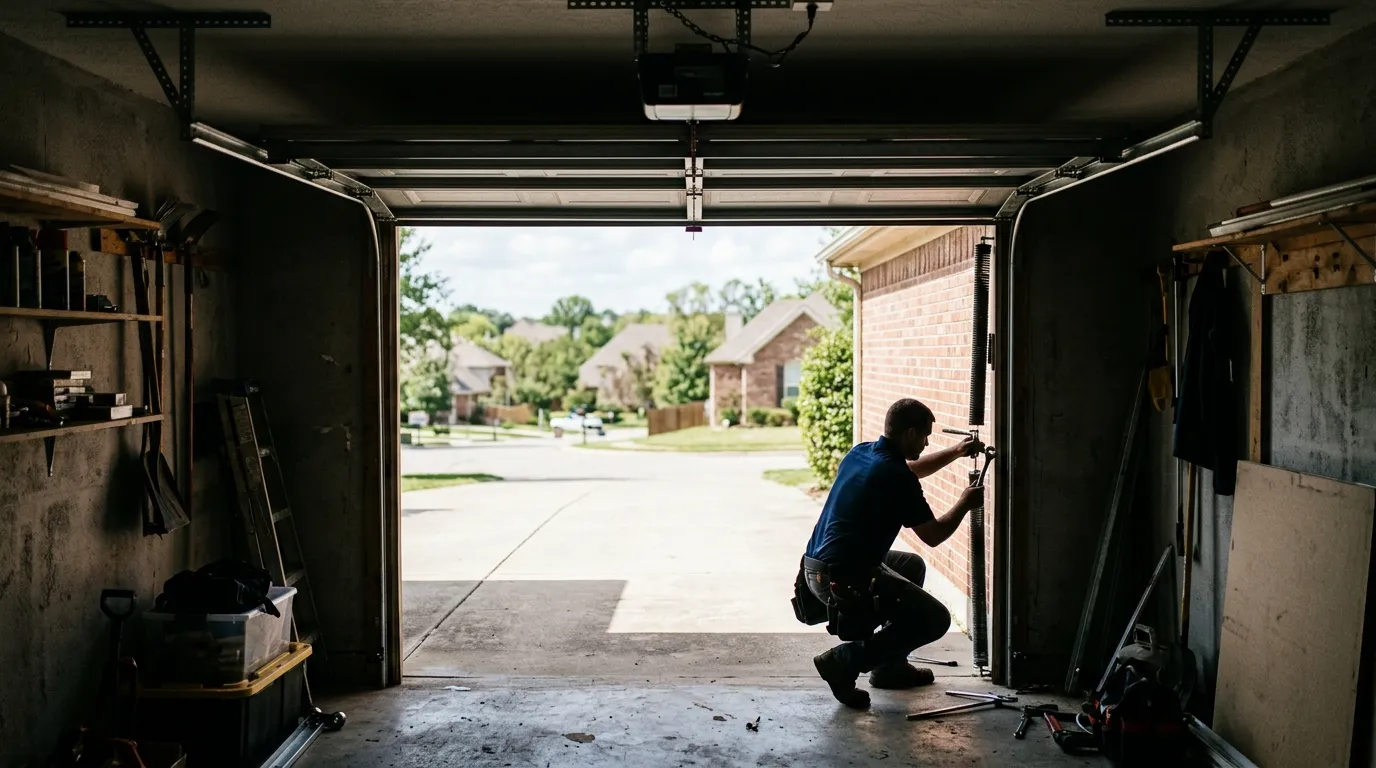
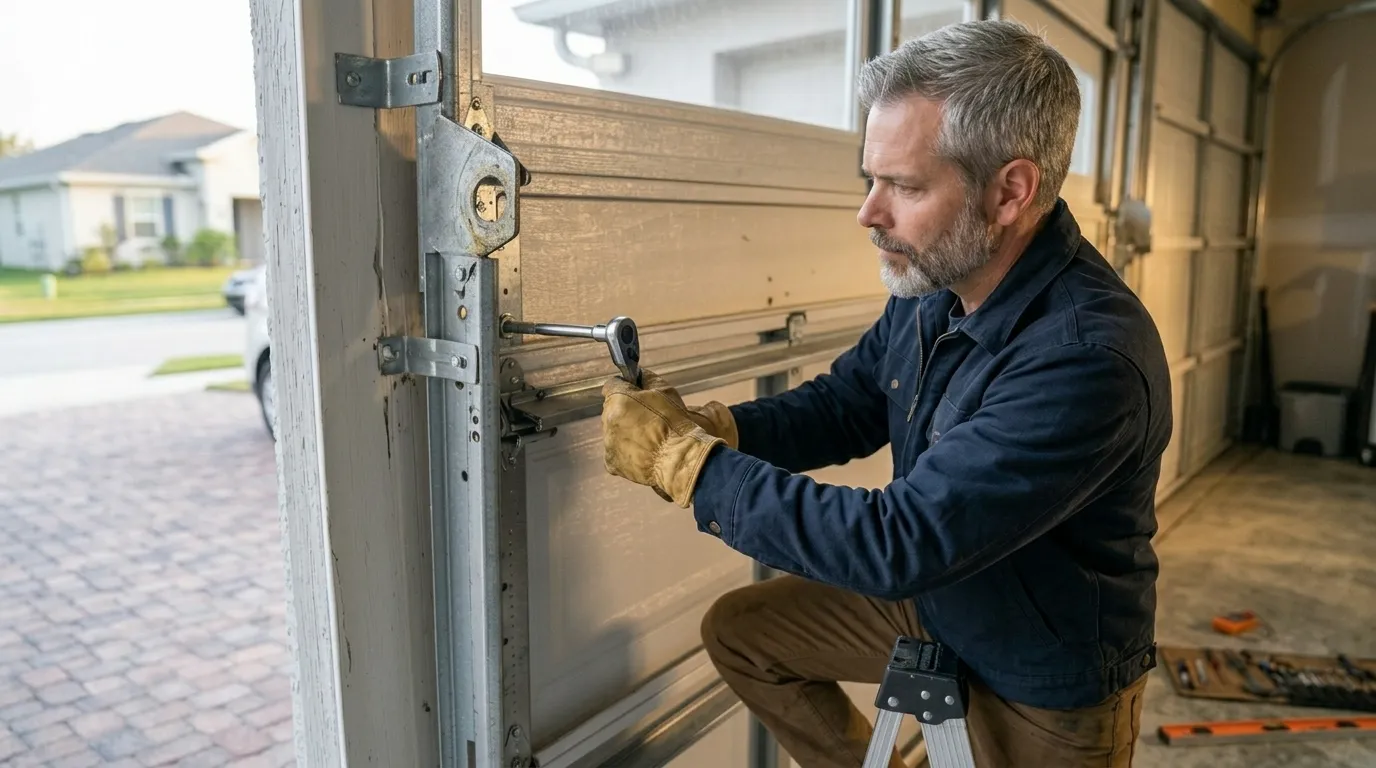
Torsion springs are not on that list. They're under enough tension to cause serious injury, and on a door from this era the spring is almost always a single center-mounted unit carrying the full load of the door - there's no redundancy if something goes wrong mid-adjustment. Cable work carries the same risk. If you're not sure whether what you're looking at is a spring or a cable, treat it as one and call it in.
Getting It Booked In
Because we're routing out from Kansas City rather than working from a location inside Lansing, it helps to describe what's happening with the door when you call - whether it's stuck, making noise, or the opener just quit - so we can bring the right parts on the first trip. Given the age of housing stock here, we can usually make a reasonable guess at what's failed before we arrive, which cuts down on return visits.