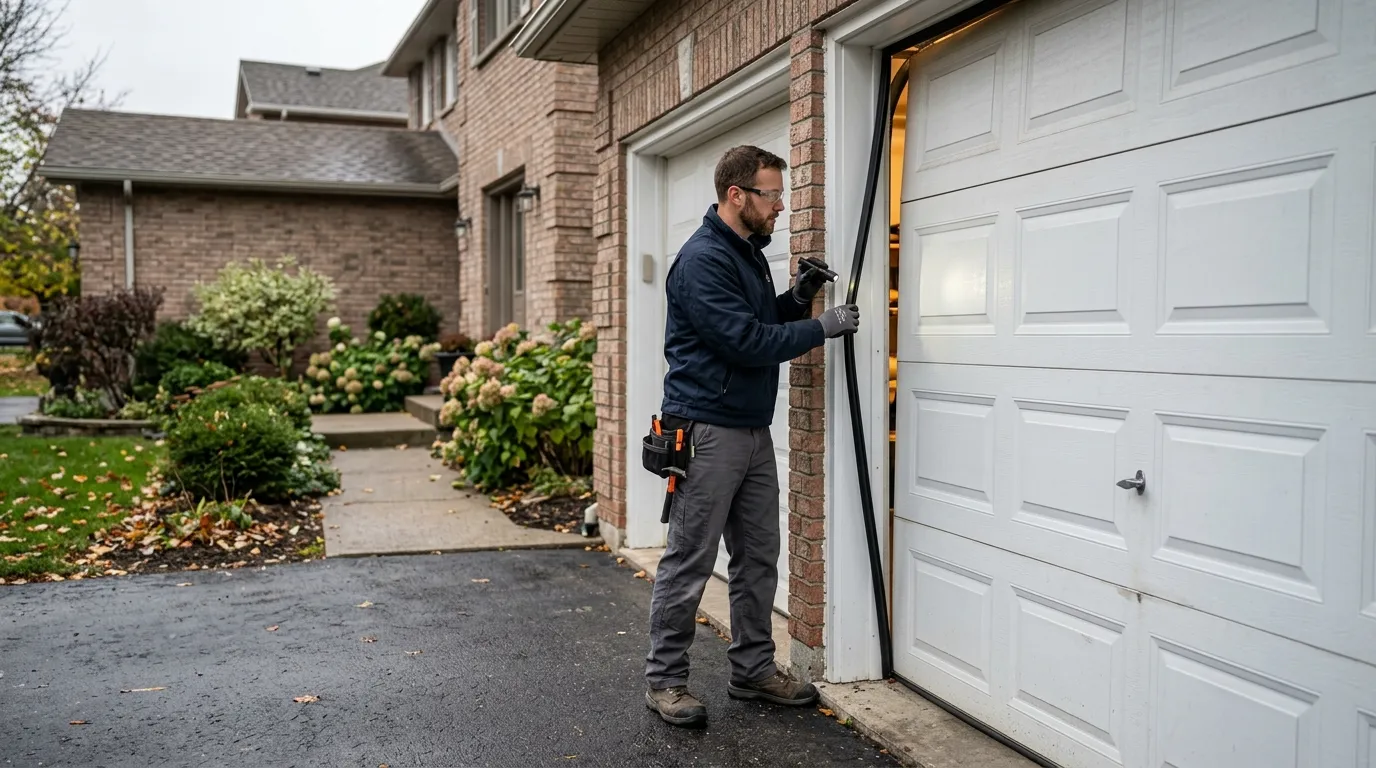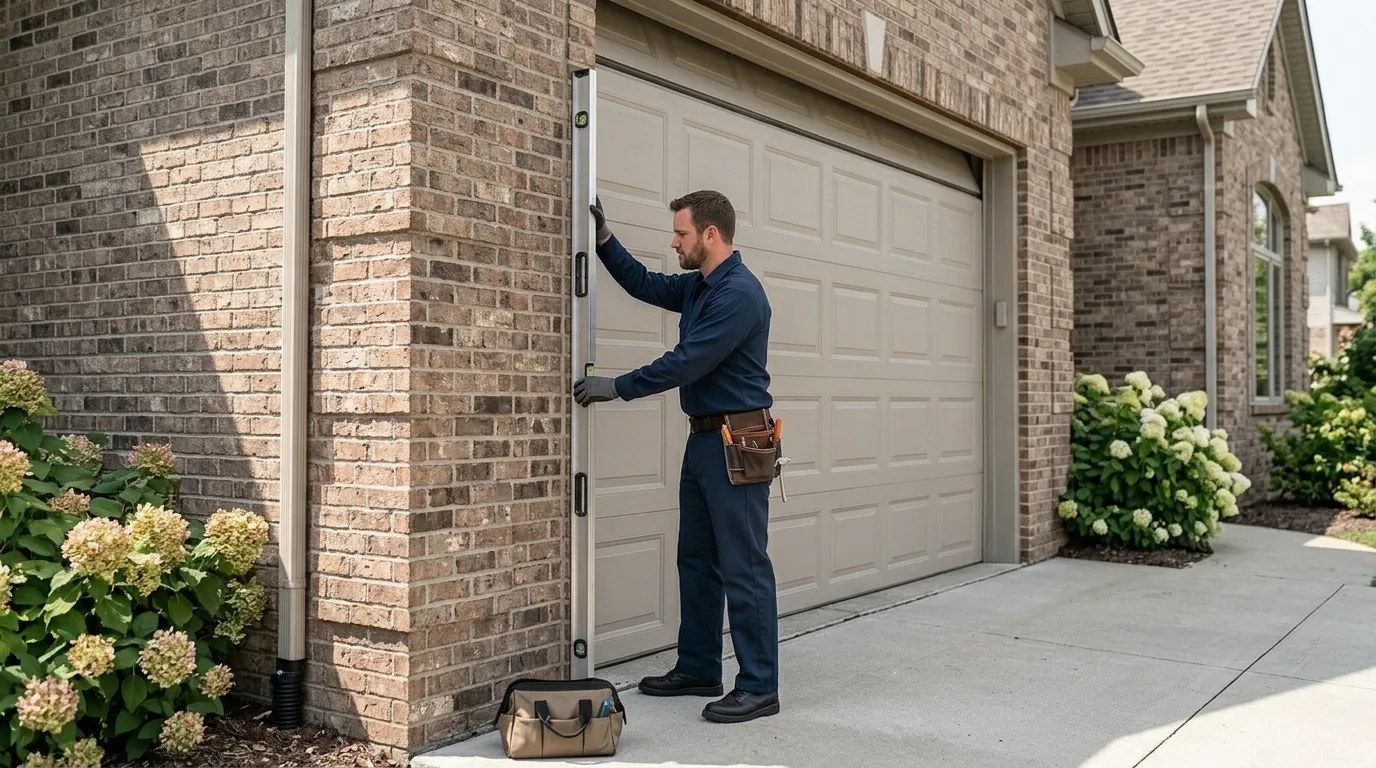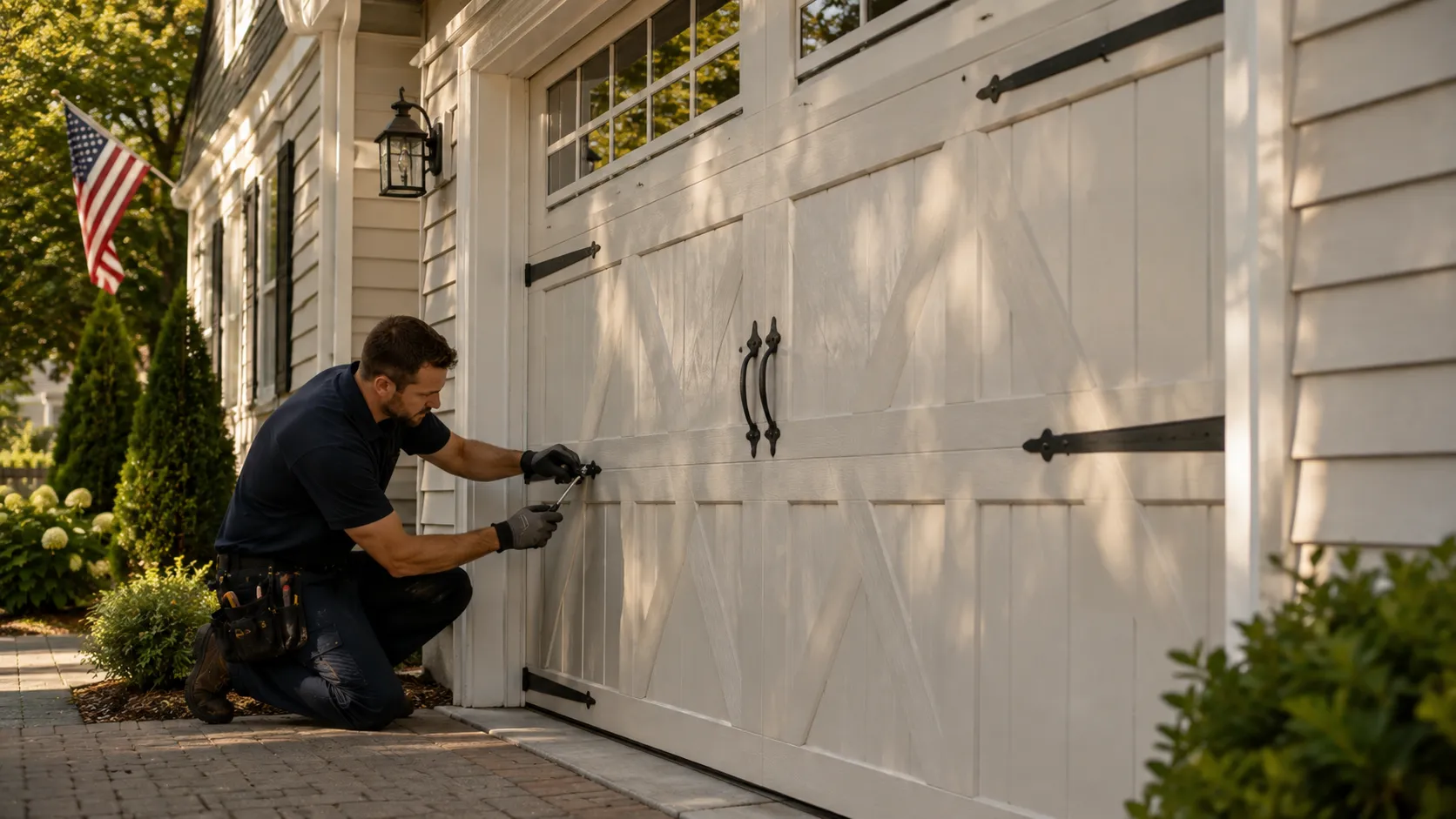
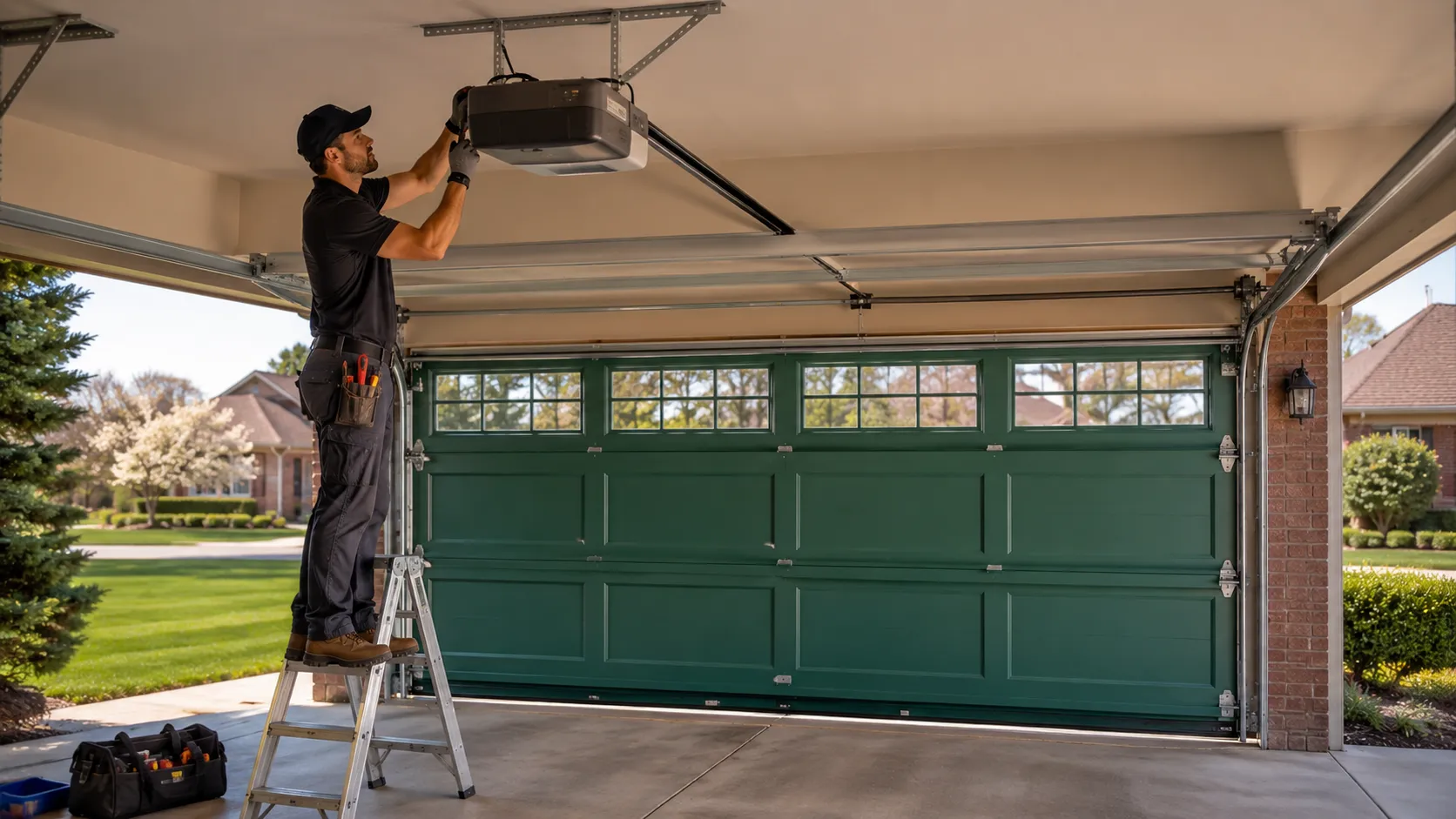
Time on the Job
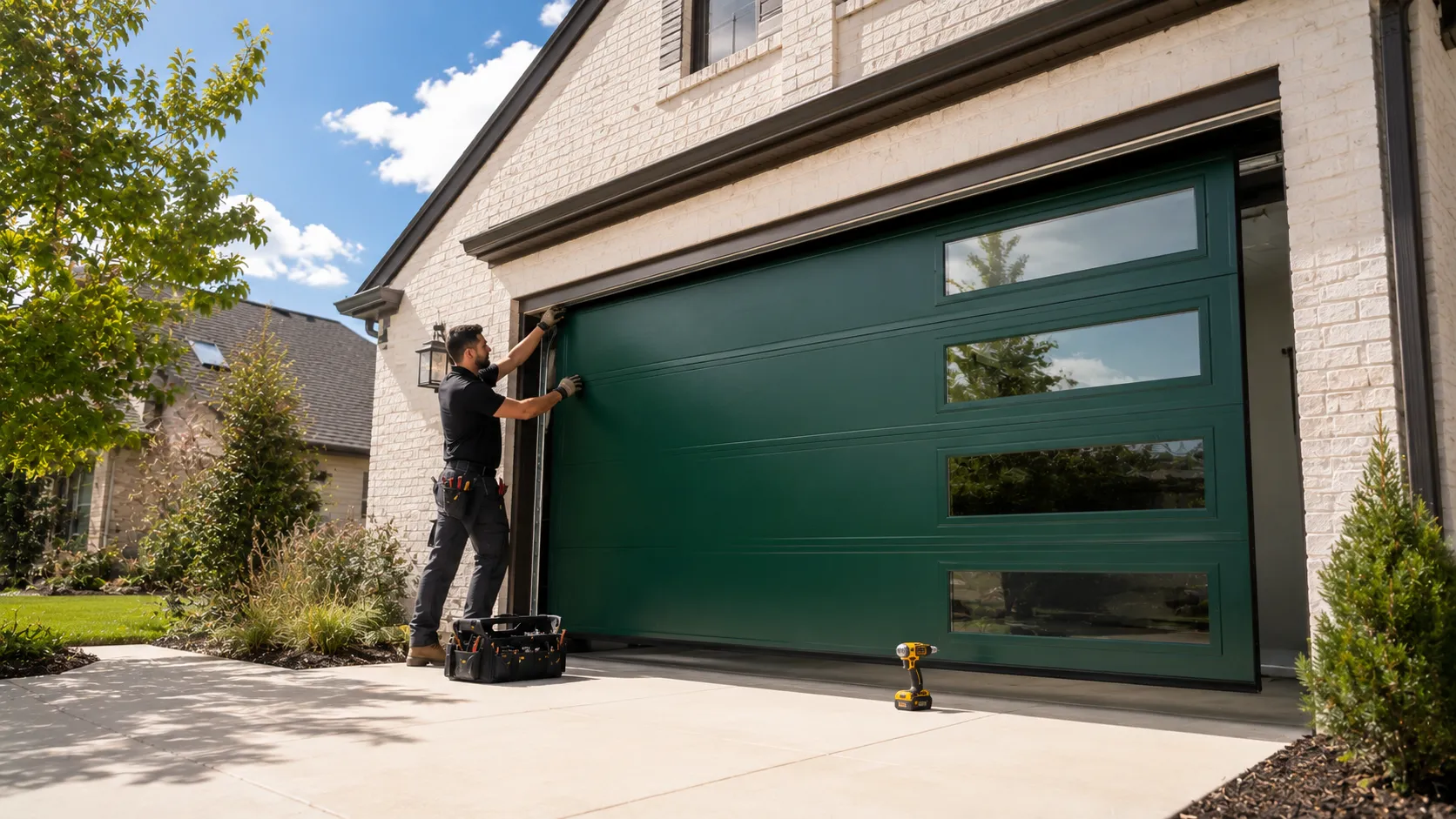
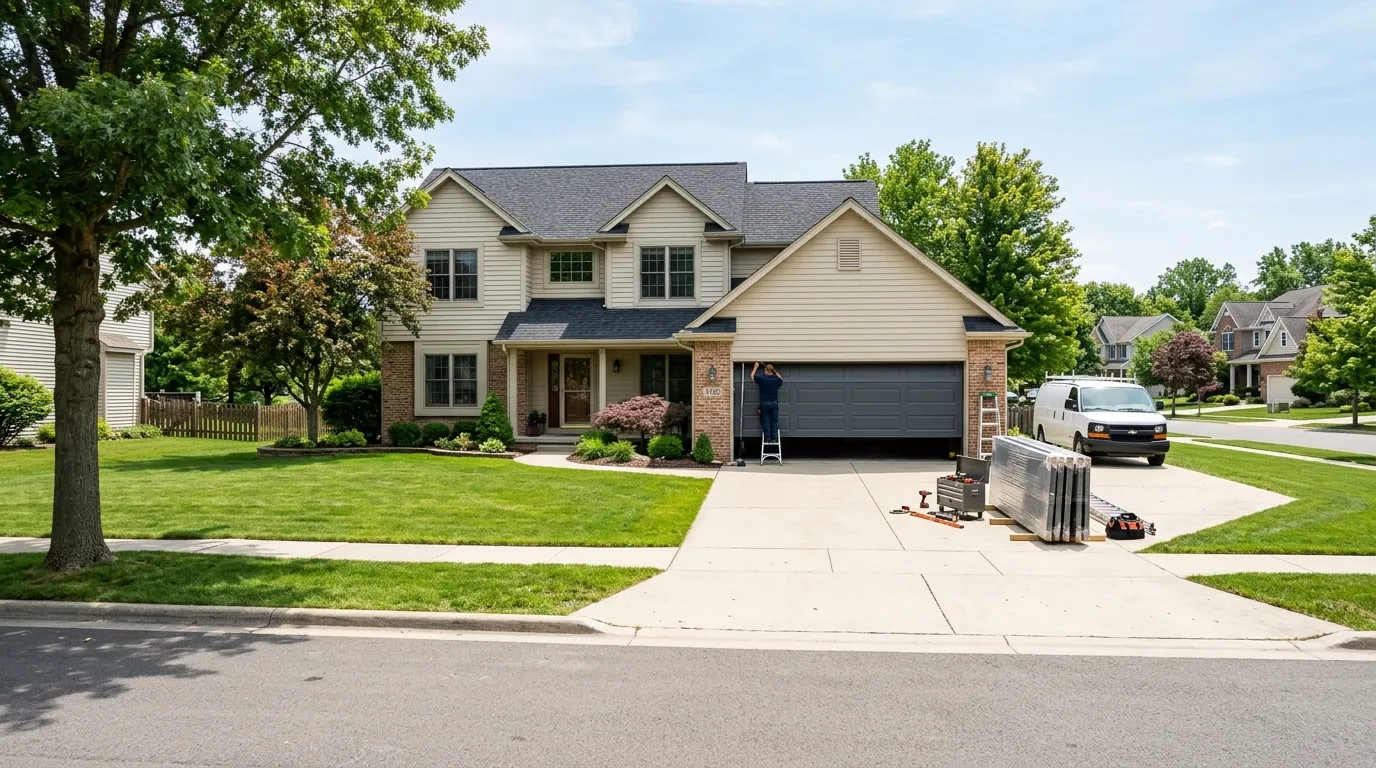
Most of the calls we get for a new install in Leavenworth aren't about a door that quit working - they're about a door that still works but doesn't fit the house anymore. The town's housing stock centers on 1969, and a door that age is usually a single steel skin on 2-inch tracks with an extension spring setup that was standard for the period but isn't what suppliers stock as a first option now.
A straight swap - same size opening, same track width - is a shorter job than a conversion. Widening an opening, moving to torsion hardware, or adding insulation to meet a newer energy expectation takes longer because the header and jamb sometimes need work before the new door goes in. We can't give you a stock timeline here since it depends on what's behind the old door once it comes off, but we can tell you upfront: insulated doors and anything custom-sized are special order, not something carried on the truck.
We come out from Kansas City, about 17 miles, so scheduling is built around the drive, not a local yard. That's worth knowing when you're picking a install date - there's no same-day walk-in option here, and we won't pretend otherwise.
The Complications
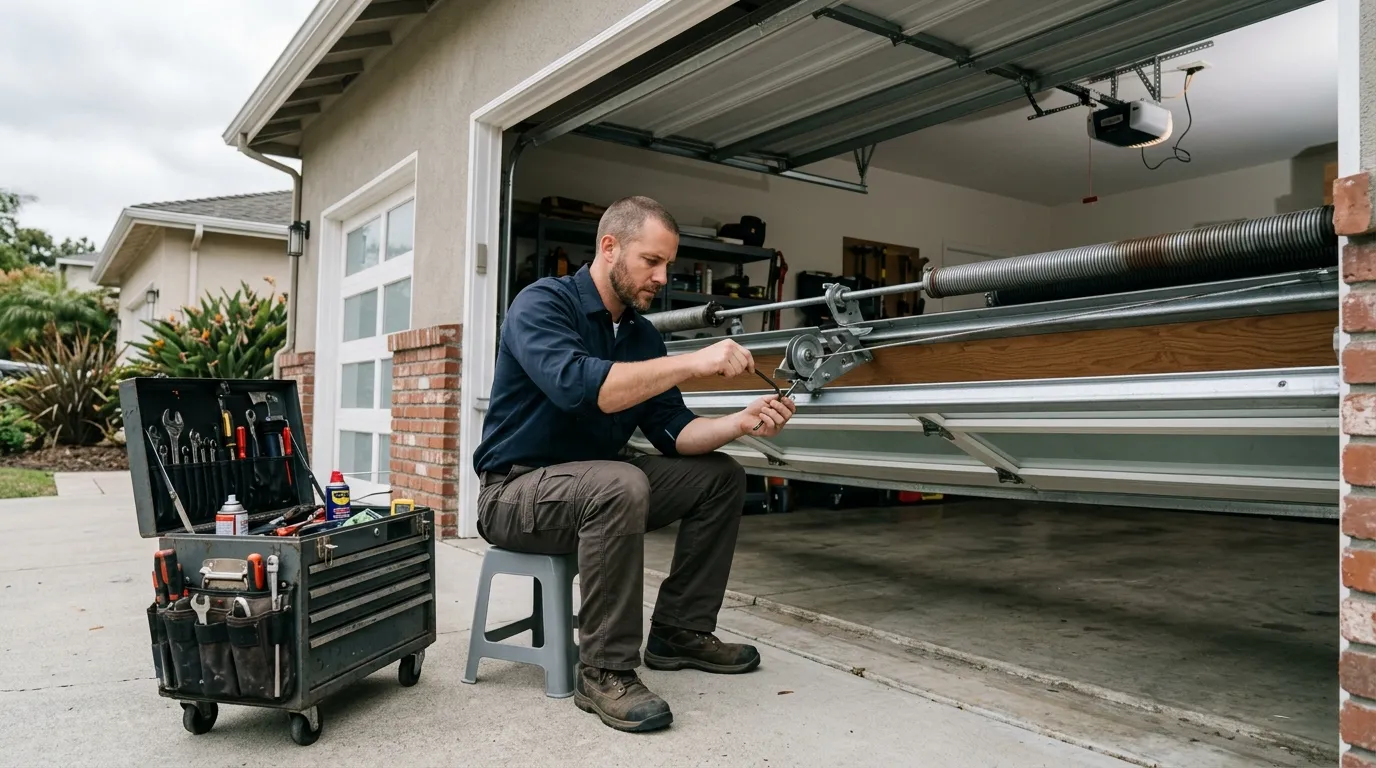
A door built around 1969 usually means one of two setups: an extension spring pair mounted along the horizontal track, or an early torsion bar - Leavenworth sits right at the edge of when that hardware switch happened across this part of the market. Neither is dangerous by itself, but neither one bolts a modern opener onto it without an adapter bracket or a full hardware swap, and that's the part that turns a simple door order into a half-day job.
Headroom is the other recurring issue. Houses from this era were framed with less clearance above the opening than current doors expect, especially if you're moving up to an insulated panel, which runs thicker than the old single-skin steel. We measure before we quote for exactly this reason - guessing on headroom is how a job goes from a morning to an afternoon.
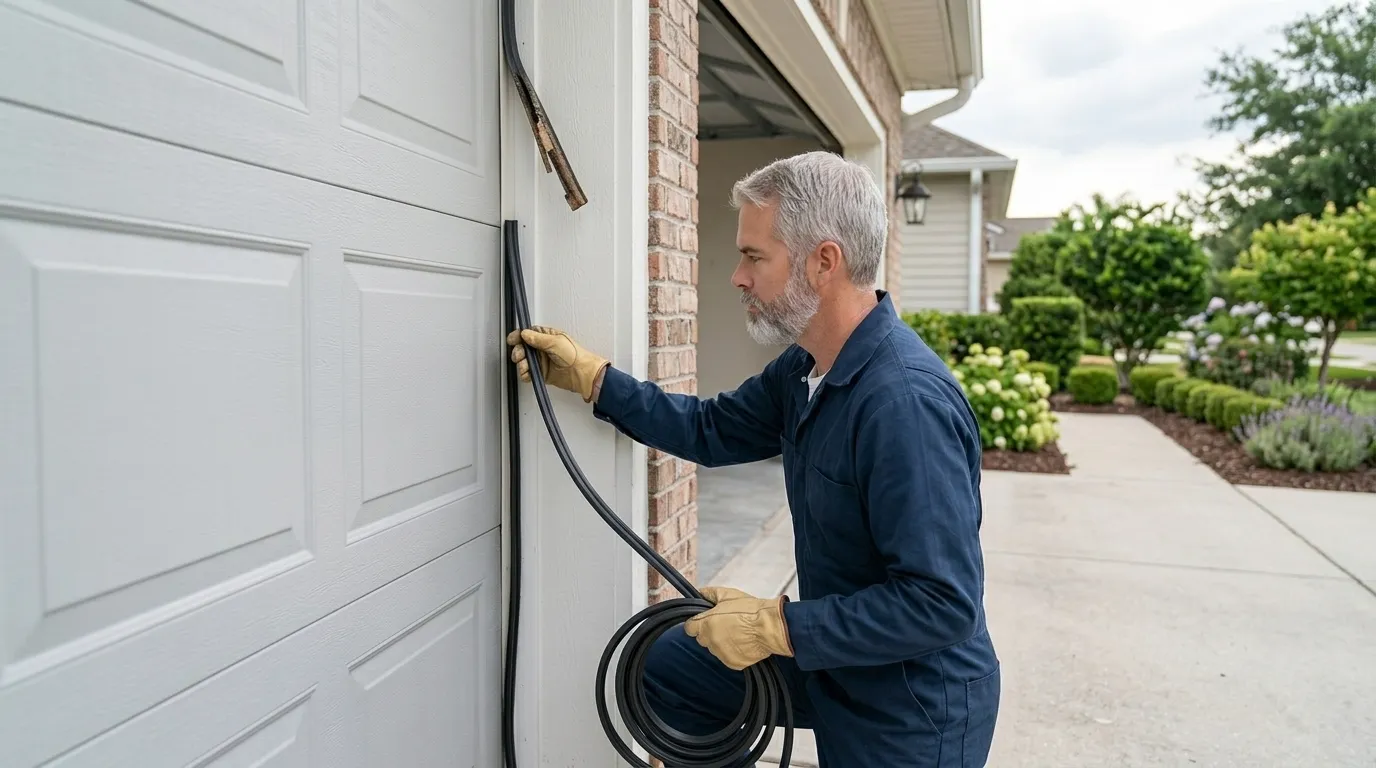
Rust at the bottom panel and cracked, non-insulated seals show up often on doors this age, especially where drainage away from the slab hasn't been great over fifty-plus years. None of that is a reason to panic. It's just what we expect to find, and we'd rather tell you now than surprise you on install day.
Getting It Booked In
Because the crew is coming from Kansas City - about 17 miles each way - booking works a little differently than it would for a company with a yard in town. We schedule the visit, take measurements and confirm the door and hardware needed, then order what isn't already stocked. Insulated panels and non-standard widths are the parts most likely to need a lead time, so if you're planning around a specific date, tell us that up front.
There's no drop-in showroom here to walk into and pick a door off a wall - the process runs through a phone call or the request form, a site visit, and then the install date. For a straight swap on a standard-size single door, that's usually a simpler back-and-forth. For anything involving a widened opening or a full torsion conversion on an older Leavenworth house, expect an extra step or two before the crew shows up with the door itself.
Can You Do This Yourself
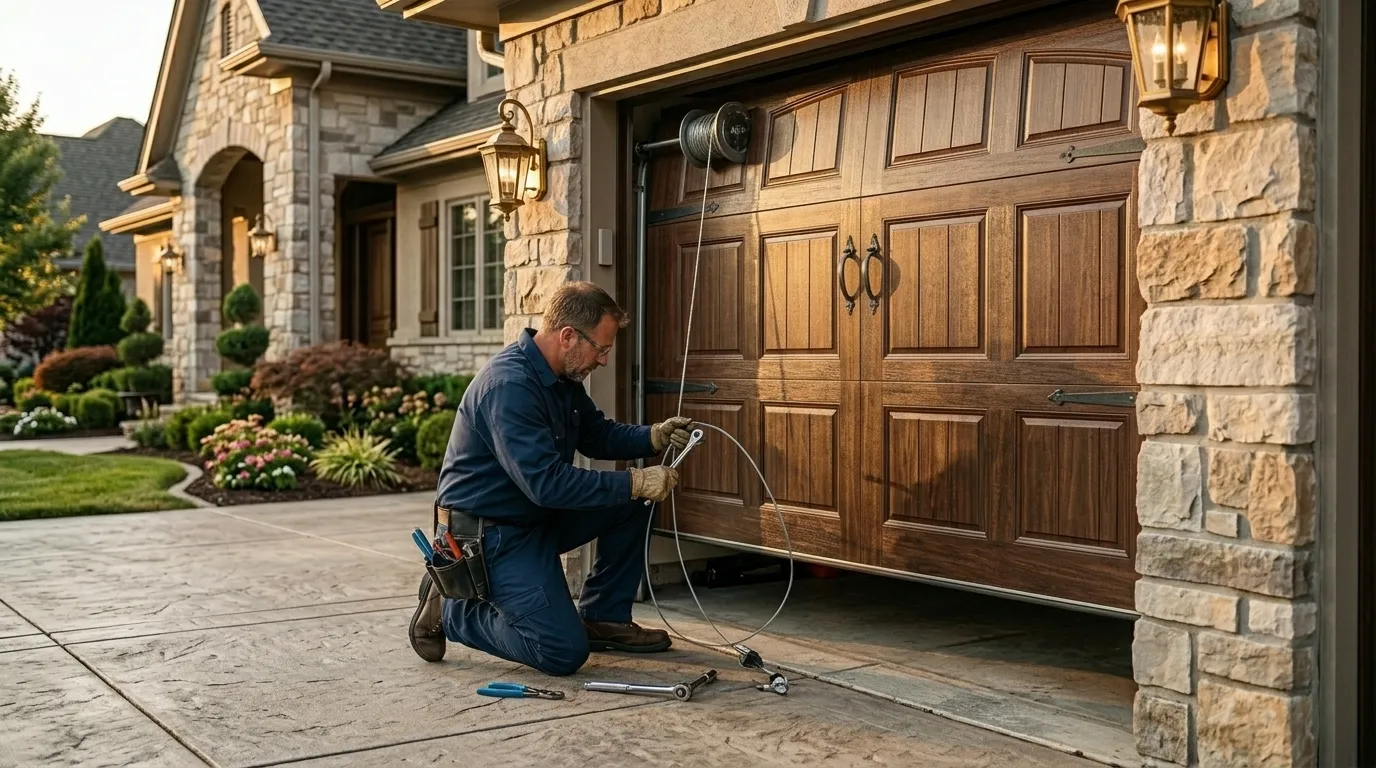
A garage door isn't a weekend project the way a fence panel or a screen door is, and that's truer on an older setup. If your house is one of the many in Leavenworth built around 1969, there's a decent chance you've still got extension springs under tension along the track, and those store enough force to cause a real injury if the cable slips while you're working near it. Torsion bar hardware carries the same risk in a different form.
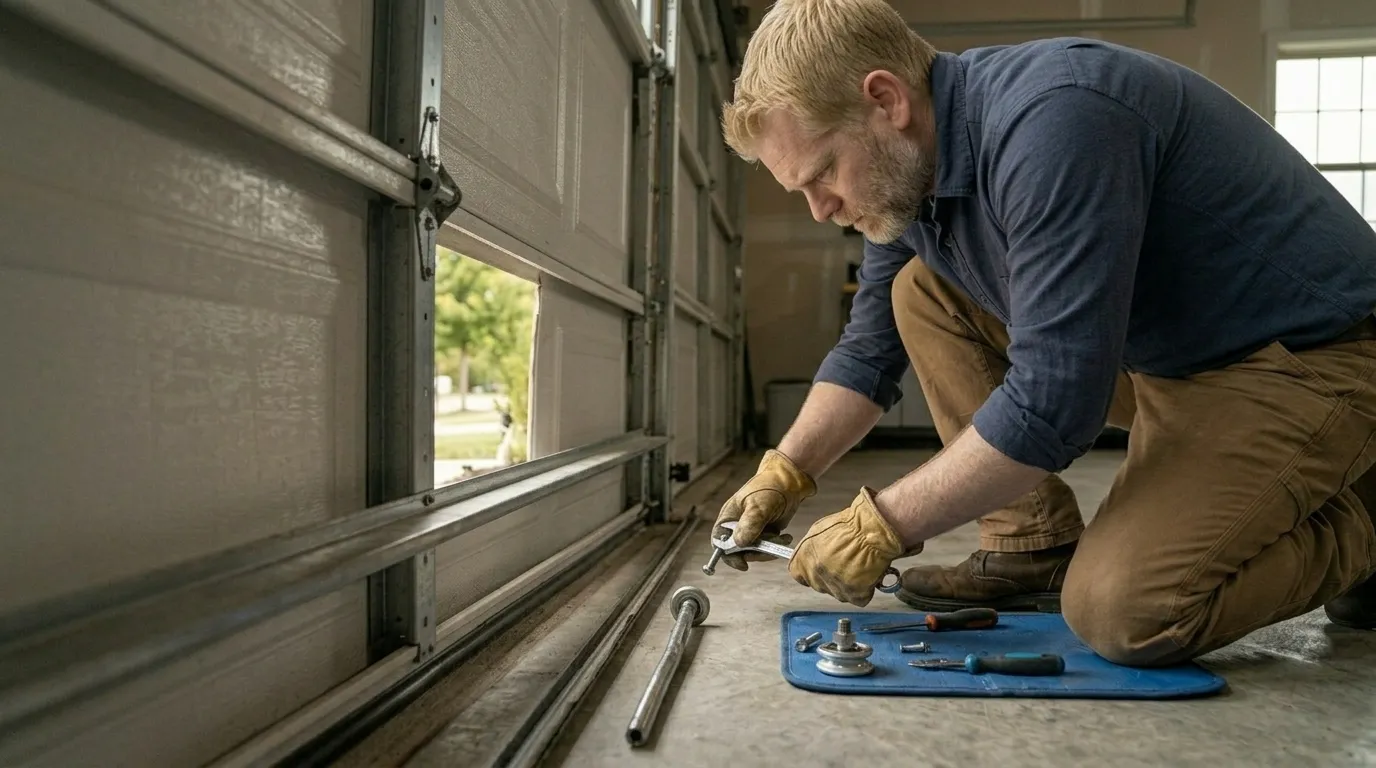
Swapping hinges, rollers, or weatherstripping on a door that's already off its hinges is reasonable DIY territory. Removing an old door, resetting jamb hardware, or converting from extension to torsion springs is not something we'd recommend doing without the right winding bars and clamps, and we won't sugarcoat that just to sound approachable. If you're set on doing the work yourself, at minimum get someone experienced to walk you through spring tension before you touch it. That's the one place a shortcut costs more than it saves.