
Time on the Job
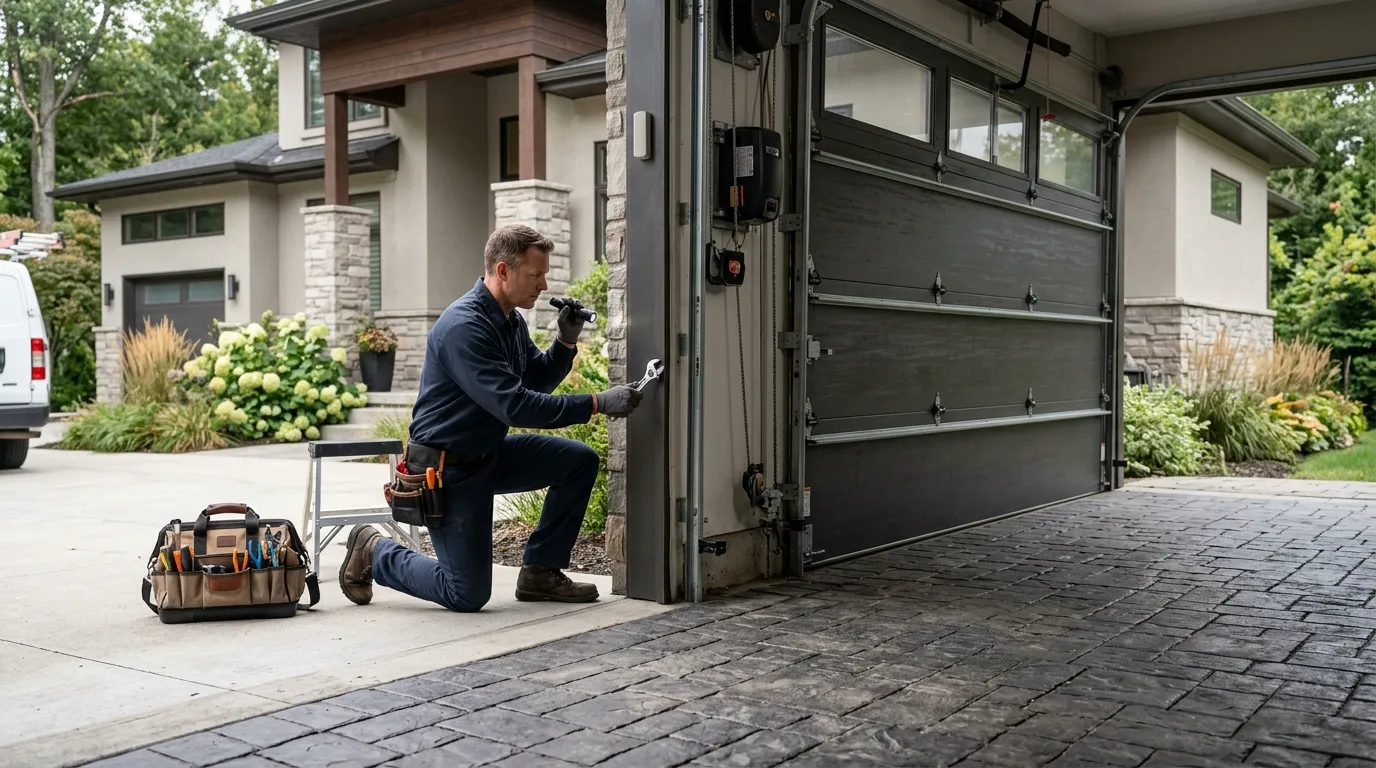
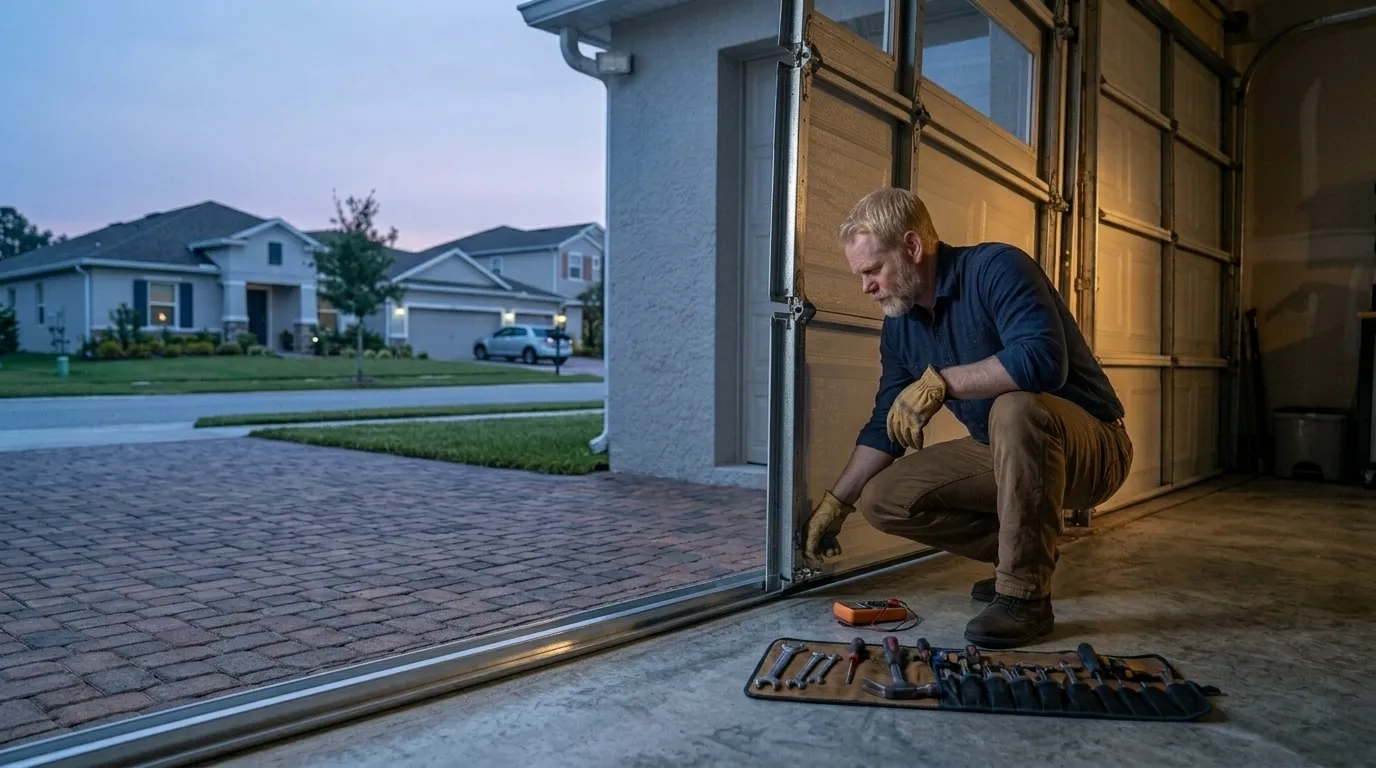
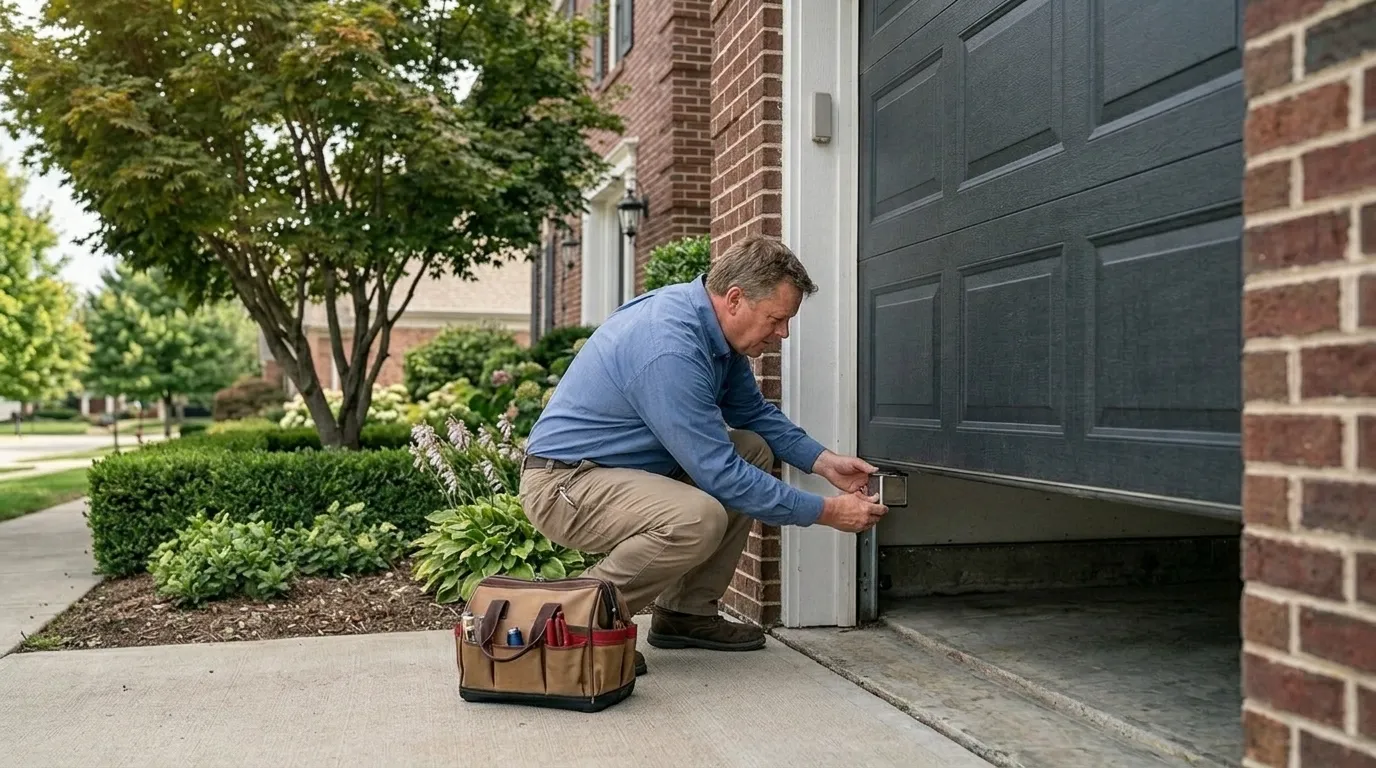
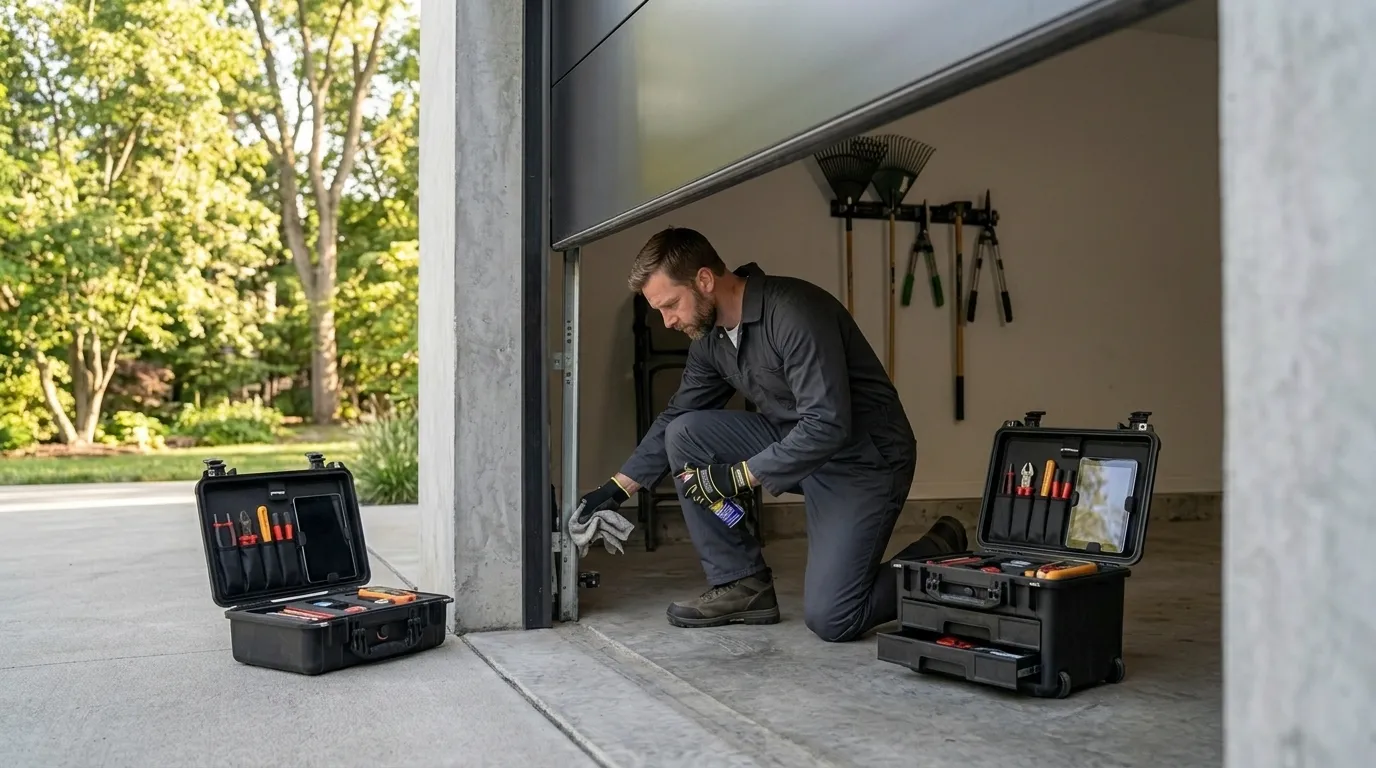
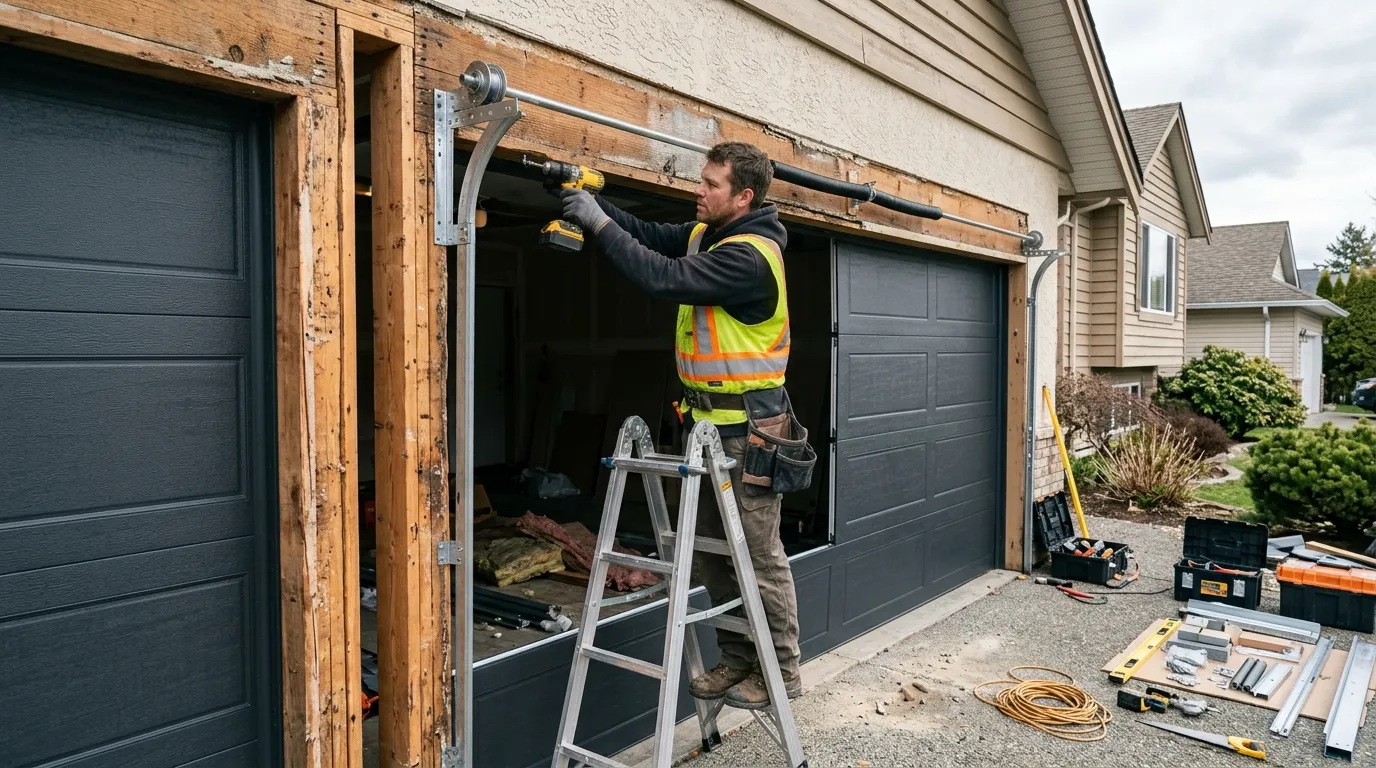
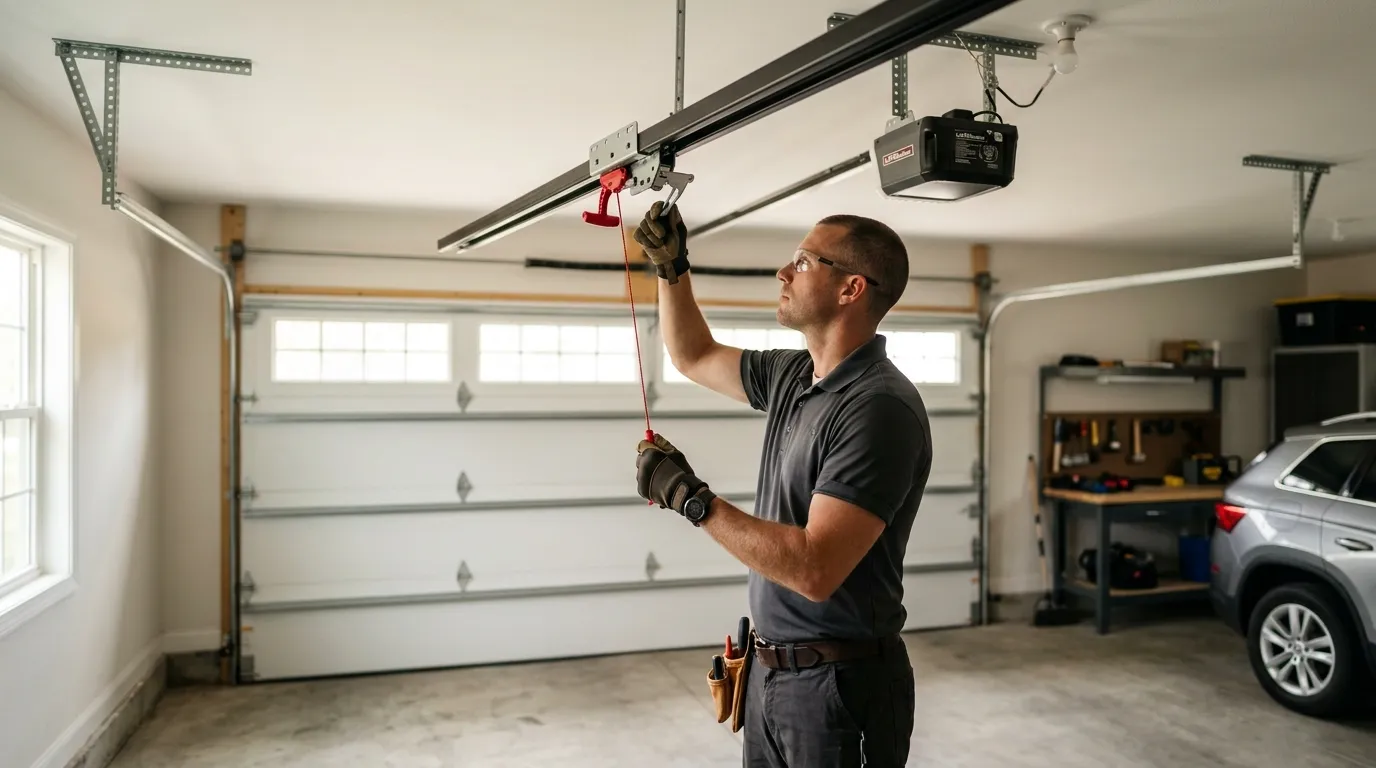
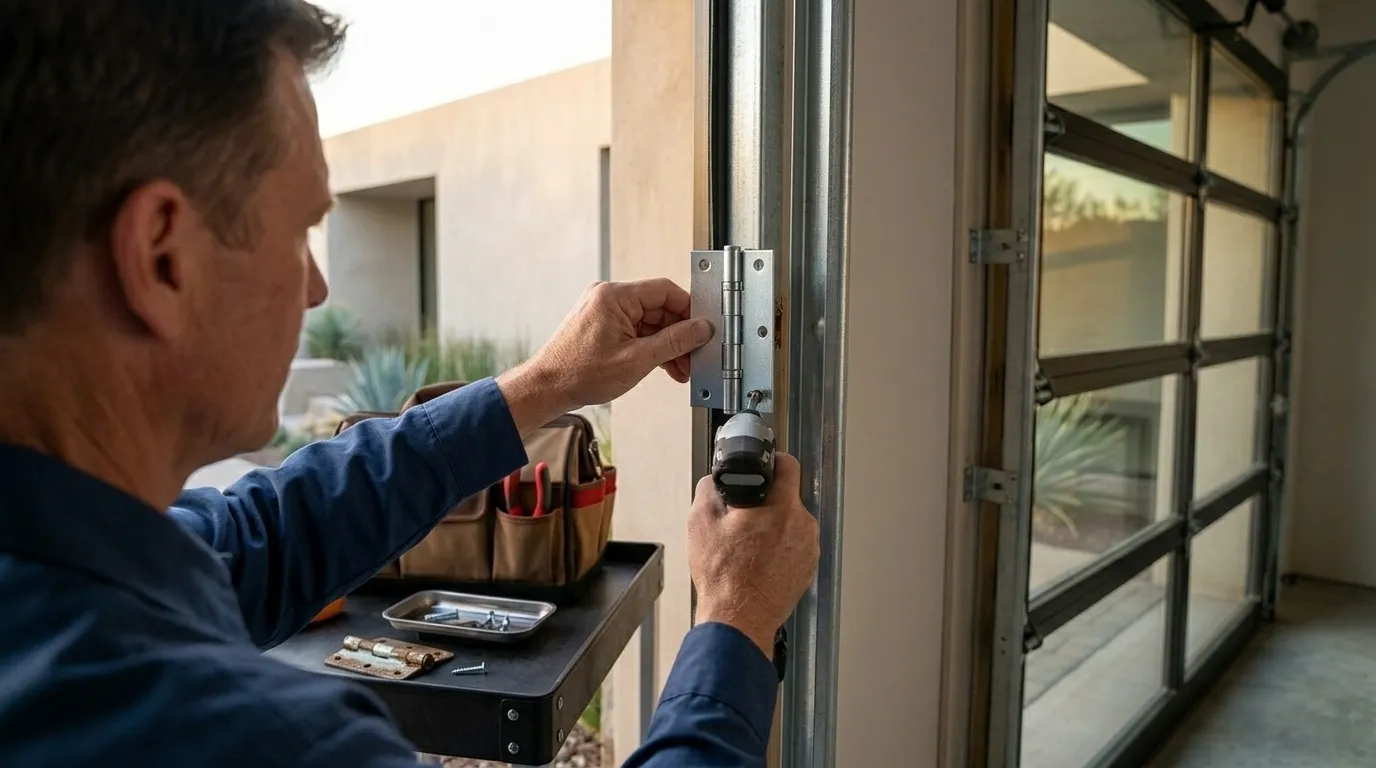
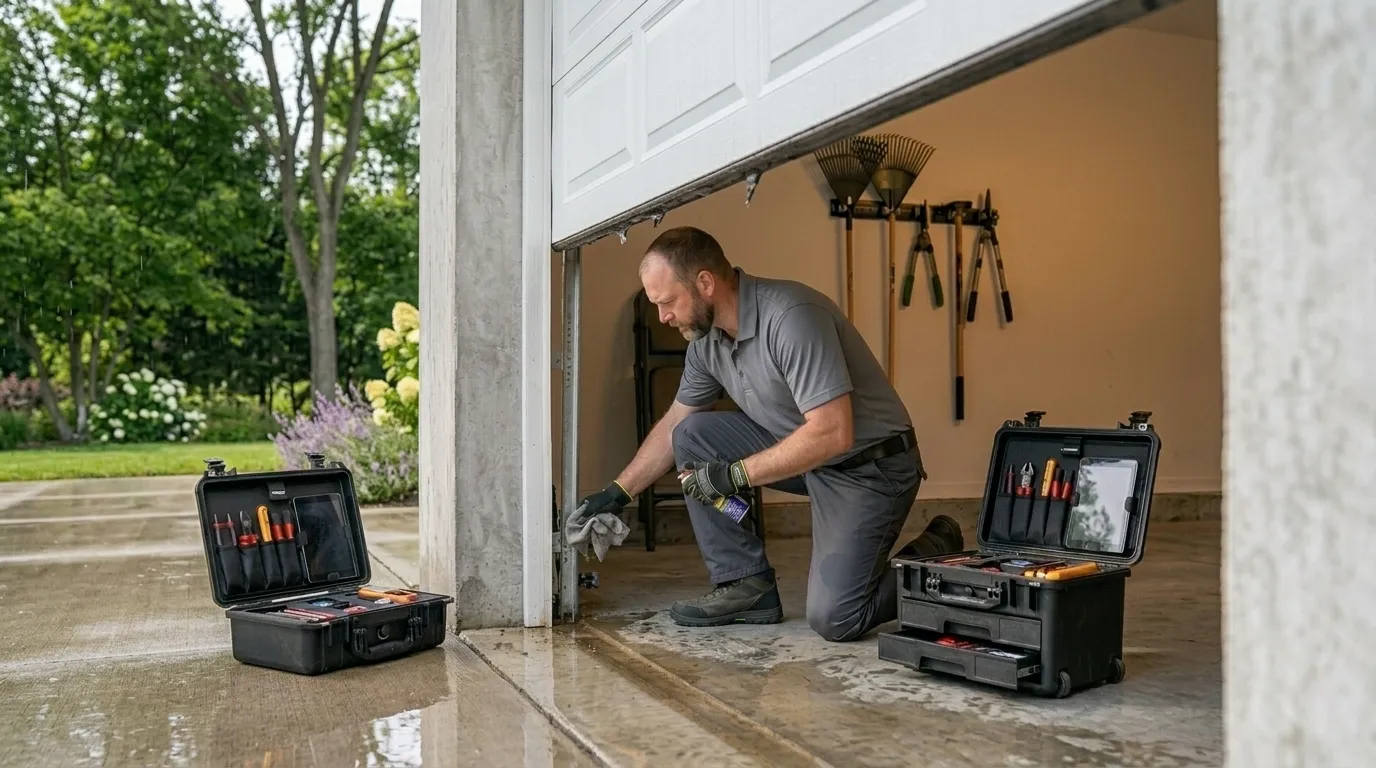
Leavenworth has about 13,480 households, a town-sized service area rather than a sprawling metro, and that shapes what shows up on a roller call here. It's not high-rise density and it's not scattered acreage either - it's a steady run of houses built close to the same era, which means the roller problems repeat themselves from block to block instead of varying wildly like they might in a mixed-age suburb. A full roller set swap on a double door, old rollers off, new ones and end bearings on, track cleaned and re-shimmed if it's bent, usually runs under two hours once we're on site. Single doors go faster. What adds time isn't the roller itself - it's whatever the roller wore out on. A groove worn deep into a track edge from twenty-plus years of a hardened nylon roller riding it wrong takes longer to true up than the roller swap itself.
The Complications
The median home in Leavenworth was built around 1969, and that vintage brings a specific roller problem: steel rollers on steel track, no nylon in sight, installed before sealed bearings were standard on residential doors. Steel-on-steel wears the track faster than it wears the roller, so by the time someone notices a door running rough or grinding, the track itself has usually taken damage - a lip pushed out, a rail bowed from years of a stiff-rolling wheel forcing it sideways. Swapping in new rollers without addressing that track damage just buys you a few months before it grinds again. The other complication is the cold. This area sits in a severe cold-winter band, and steel rollers with old, thickened grease seize up hard on the first sub-zero morning, then get forced through a full open-close cycle by an opener that doesn't know anything is wrong. That's usually the day a bearing finally lets go.
Getting It Booked In
We run this job out of Kansas City, about 17 miles from Leavenworth, so we don't have a local depot here - we schedule the trip and come to you. Give us a call, tell us what the door's doing (grinding, jumping the track, hanging up partway), and whether you know roughly how old the door is. That's more useful to us than a guess at what part is broken, because on a house from this era, a rough-running door is more often a track and roller problem together than a roller problem alone. See our full Leavenworth service area page for what else we cover out here.
Can You Do This Yourself
Swapping a single roller on a door that's otherwise tracking straight is within reach for someone comfortable with basic tools and willing to release spring tension safely first - that part isn't optional and it's where people get hurt. Where it gets harder is exactly what's common here: steel rollers seized from cold and old grease, on track that's already bent from years of wear. Forcing a seized roller out can bend the track further, and re-aligning a bowed rail without the right clamps usually makes it worse, not better. If the door's from the late 1960s or early '70s and it's grinding rather than just squeaking, that's a track inspection first, roller swap second - not a job to start with the roller.