Time on the Job
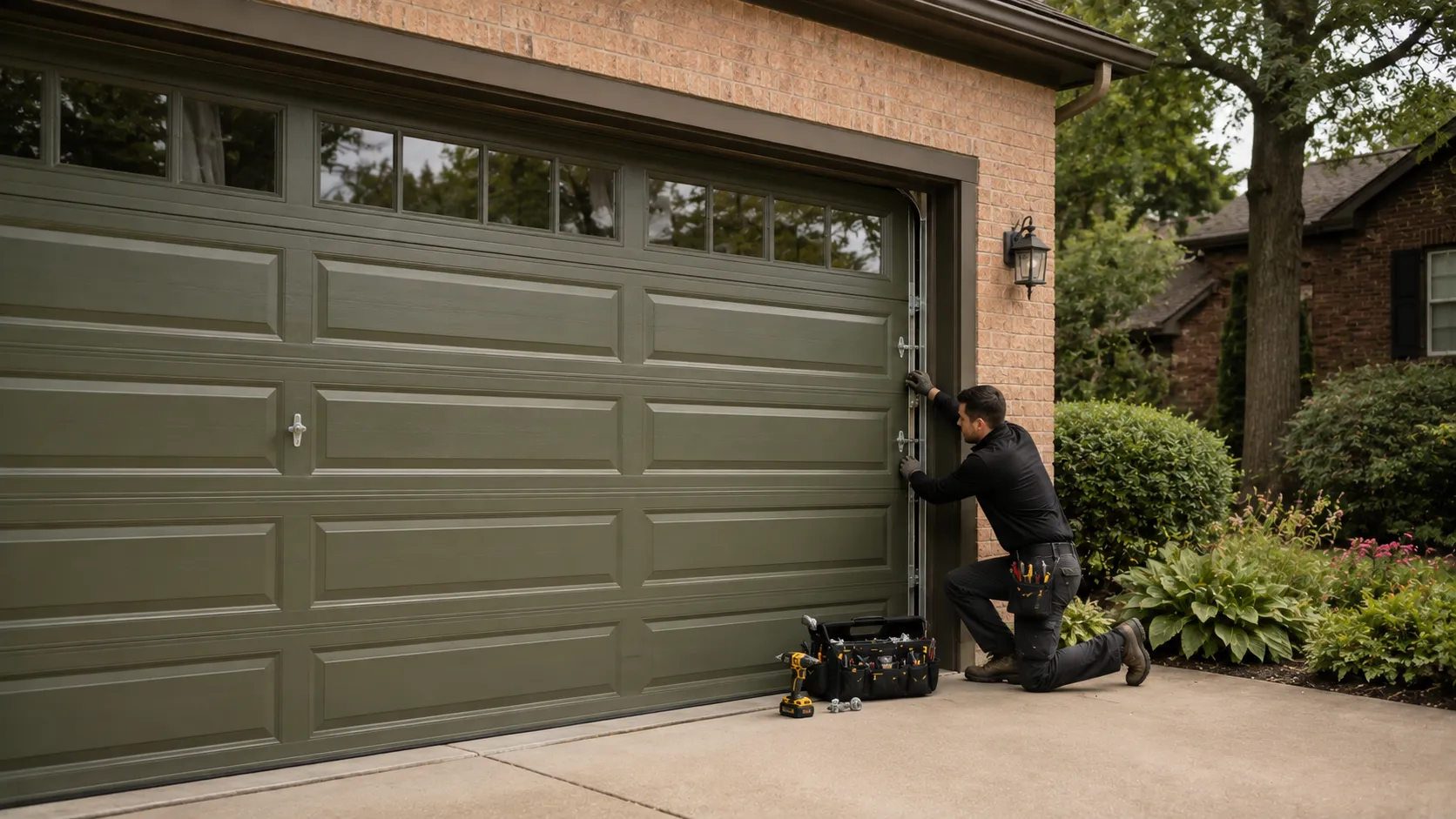
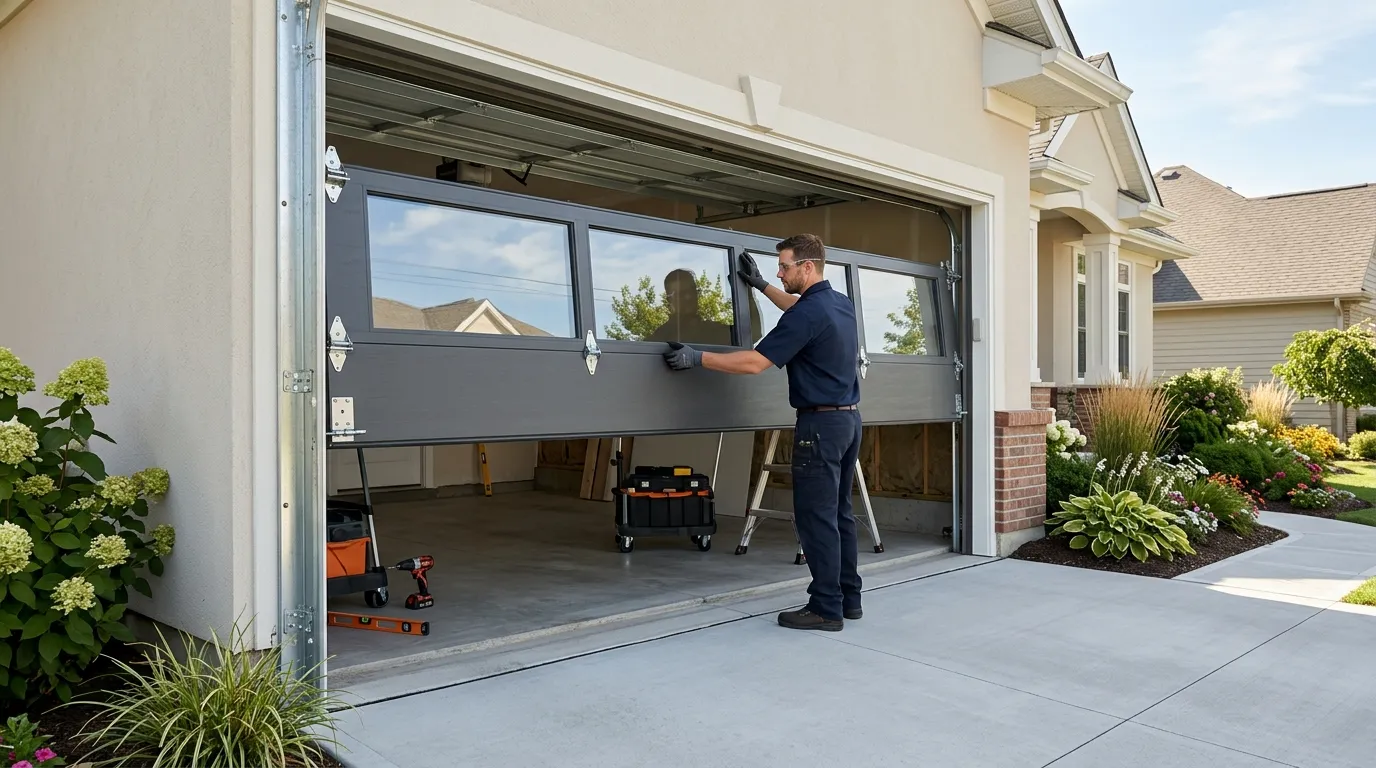
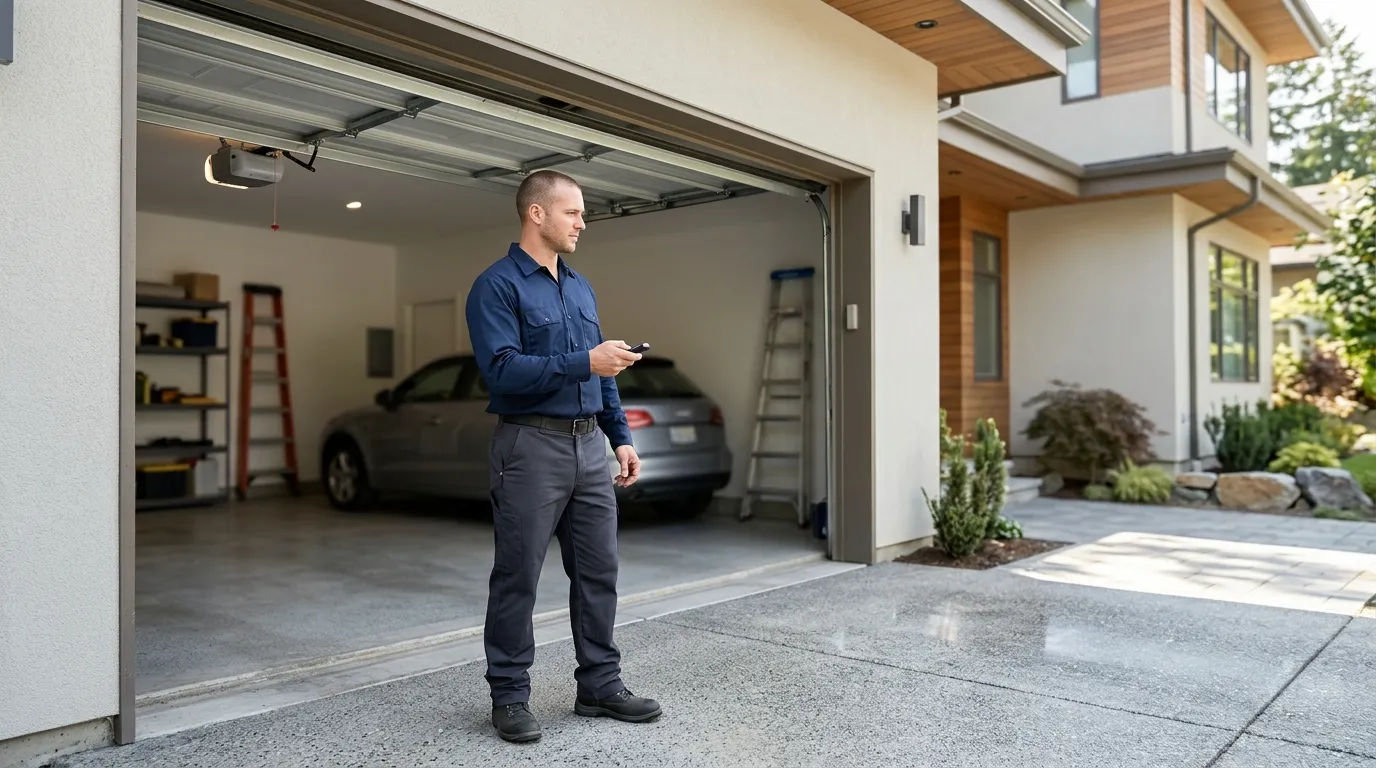
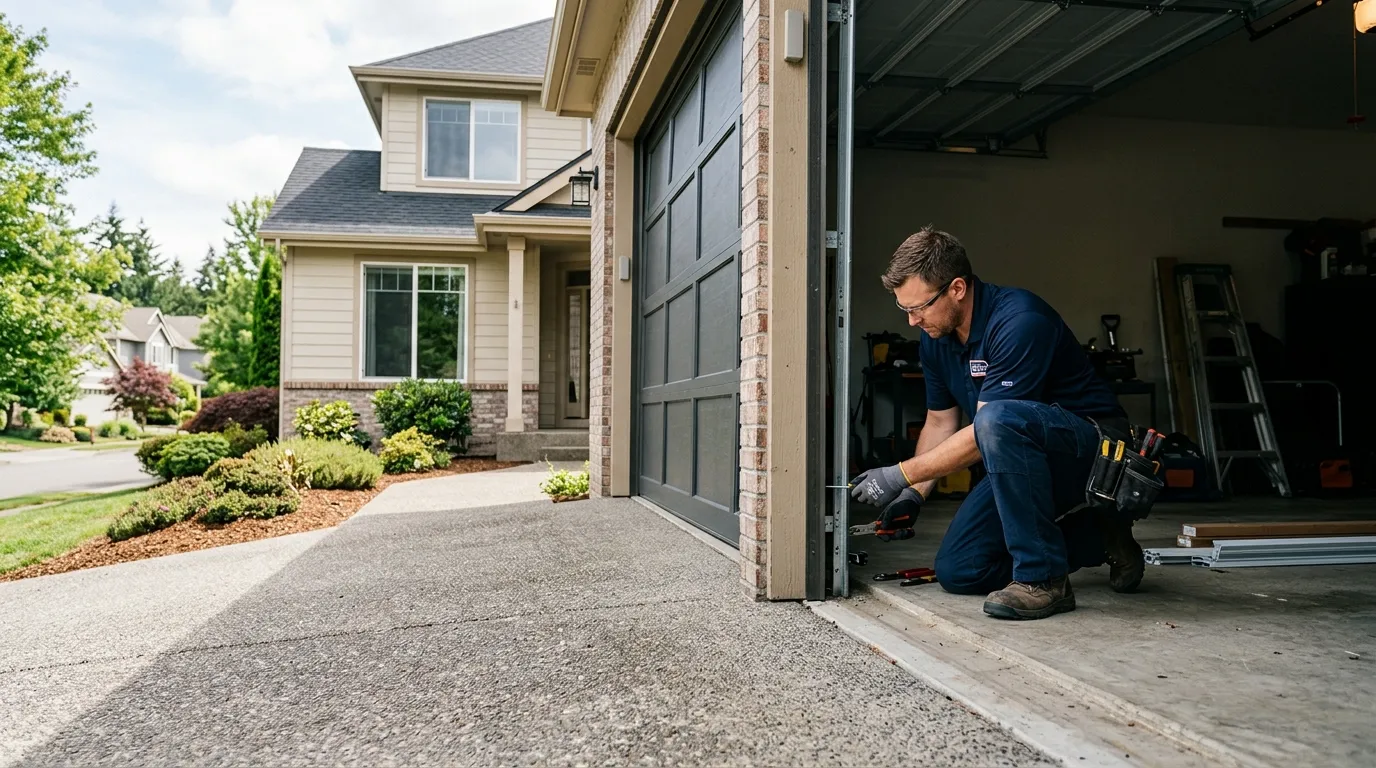
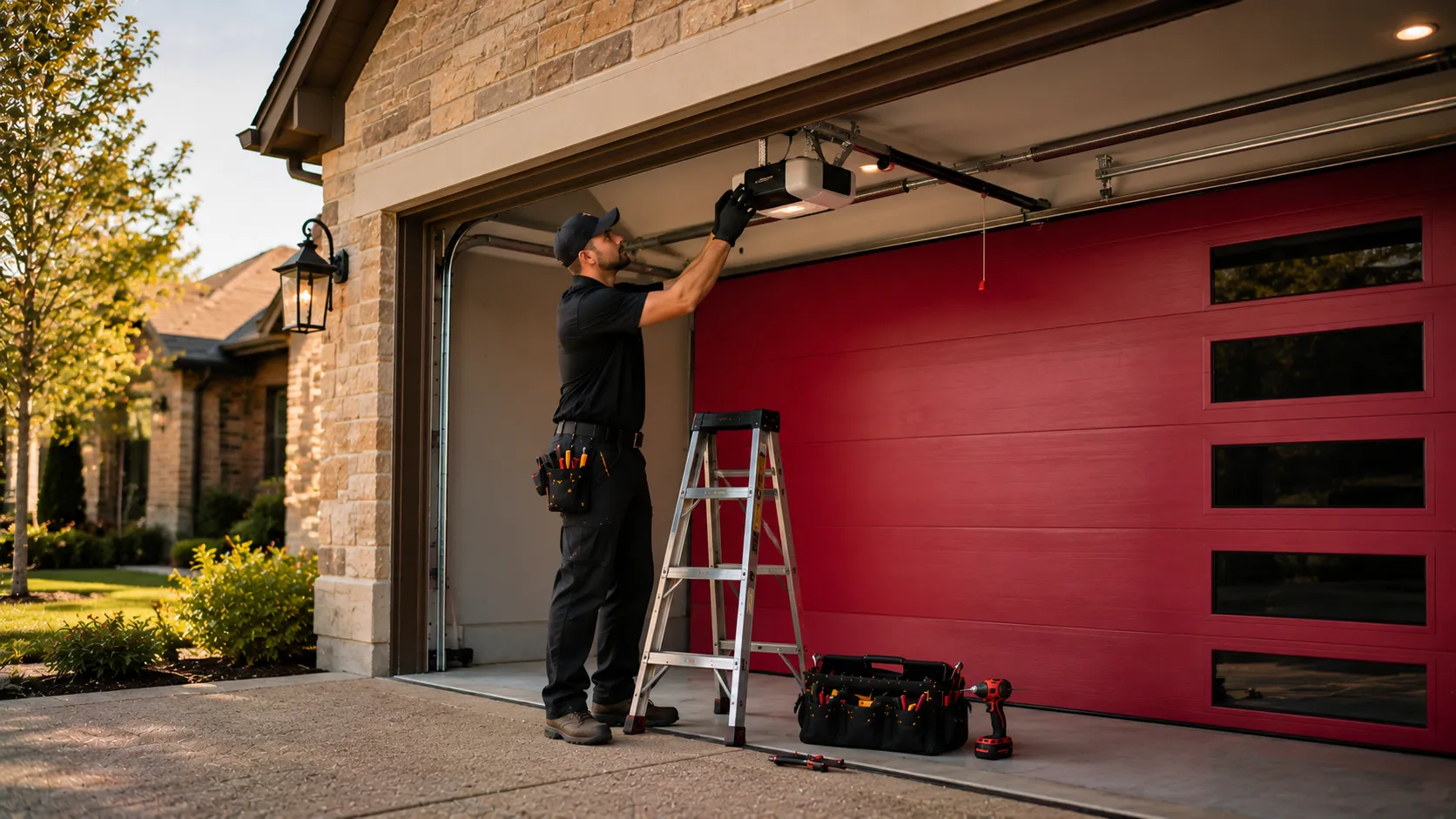
Most houses in Leavenworth went up around 1969, which puts the original garage door well before the opener was ever added. Openers weren't standard equipment on a lot of these builds - homeowners bolted one on later, sometimes in the '80s, sometimes in the '90s, on hardware that wasn't designed with a motor in mind. That mismatch is the first thing we look at when we get a call out this way. A chain-drive unit fighting an undersized rail bracket, or a wall button wired into a circuit that was never meant to carry a garage door opener's draw - these aren't rare finds here, they're close to the norm. We're driving in from Kansas City, 17 miles out, so we don't pad the visit with guesswork. We check the motor, the logic board, the travel limits, and the safety sensors in that order, because on a retrofit setup any one of those can be the actual failure while the others look fine. Diagnosis on-site usually takes under an hour once we're through the door. What it doesn't take is a second visit to figure out what's wrong - we tell you on the spot, and if the fix needs a part we don't carry on the truck, we tell you that too, straight up, before we leave.
The Complications
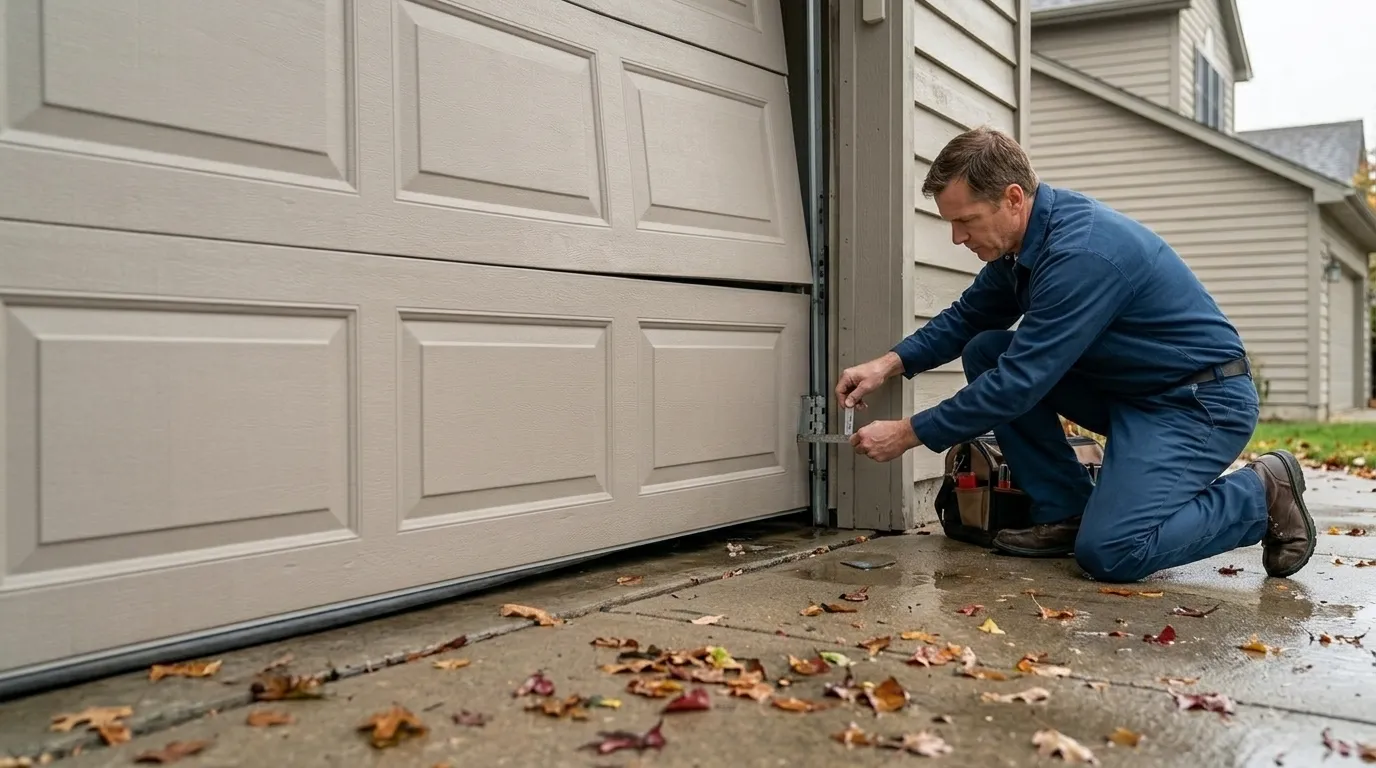
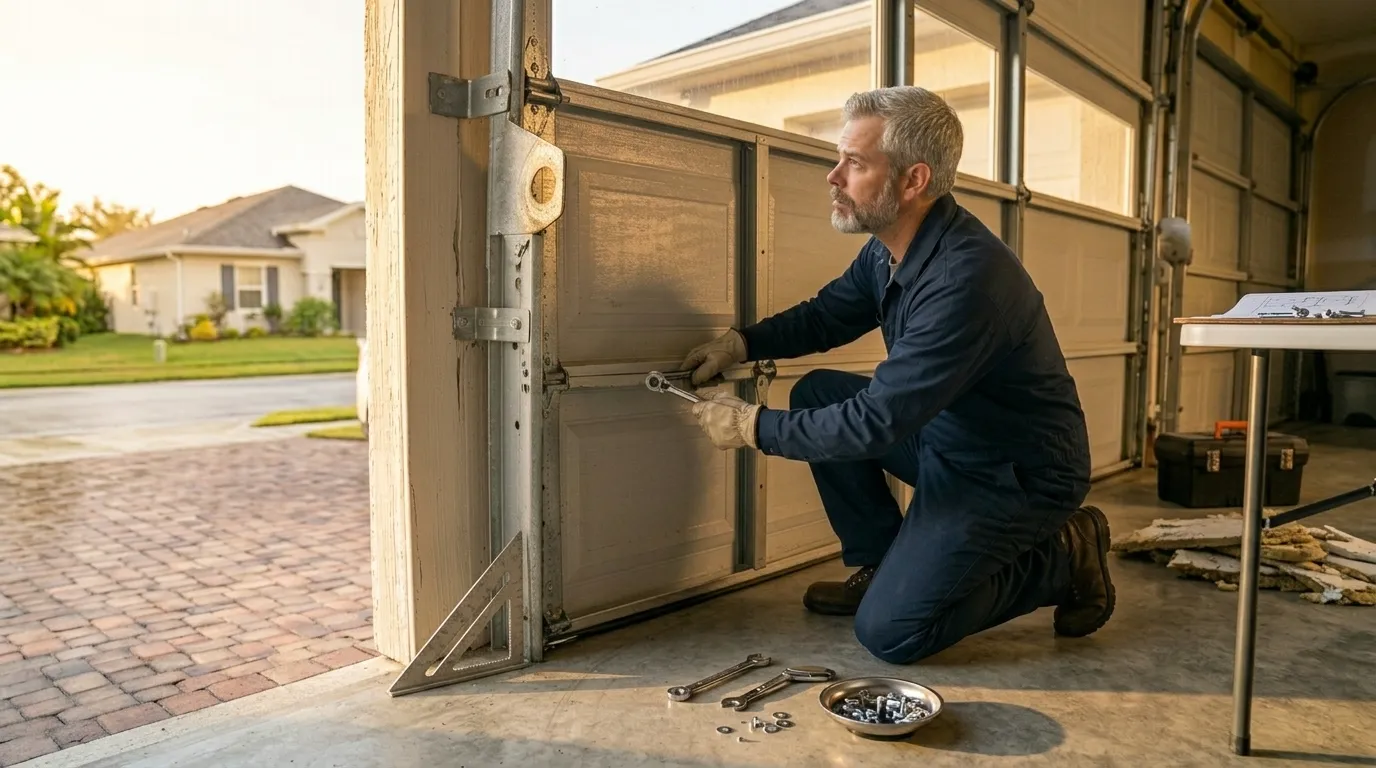
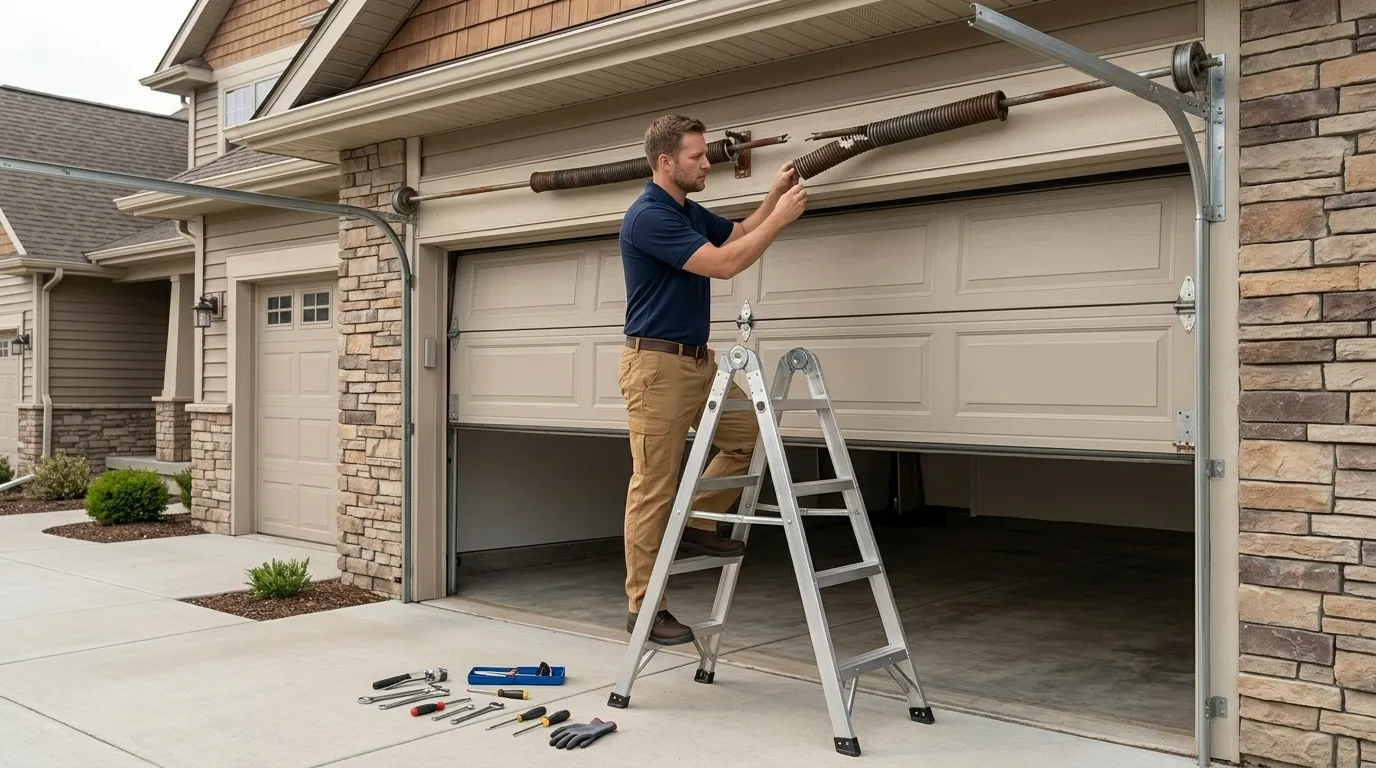
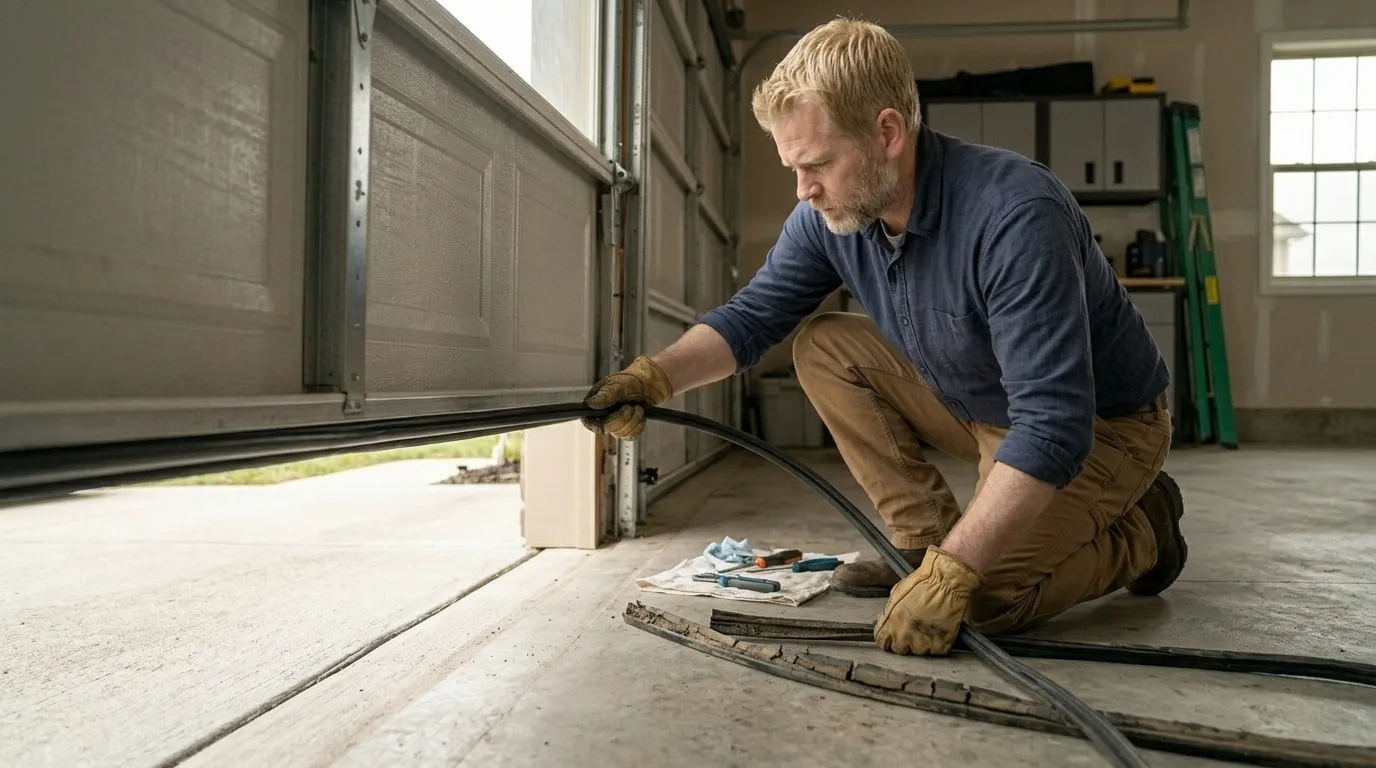
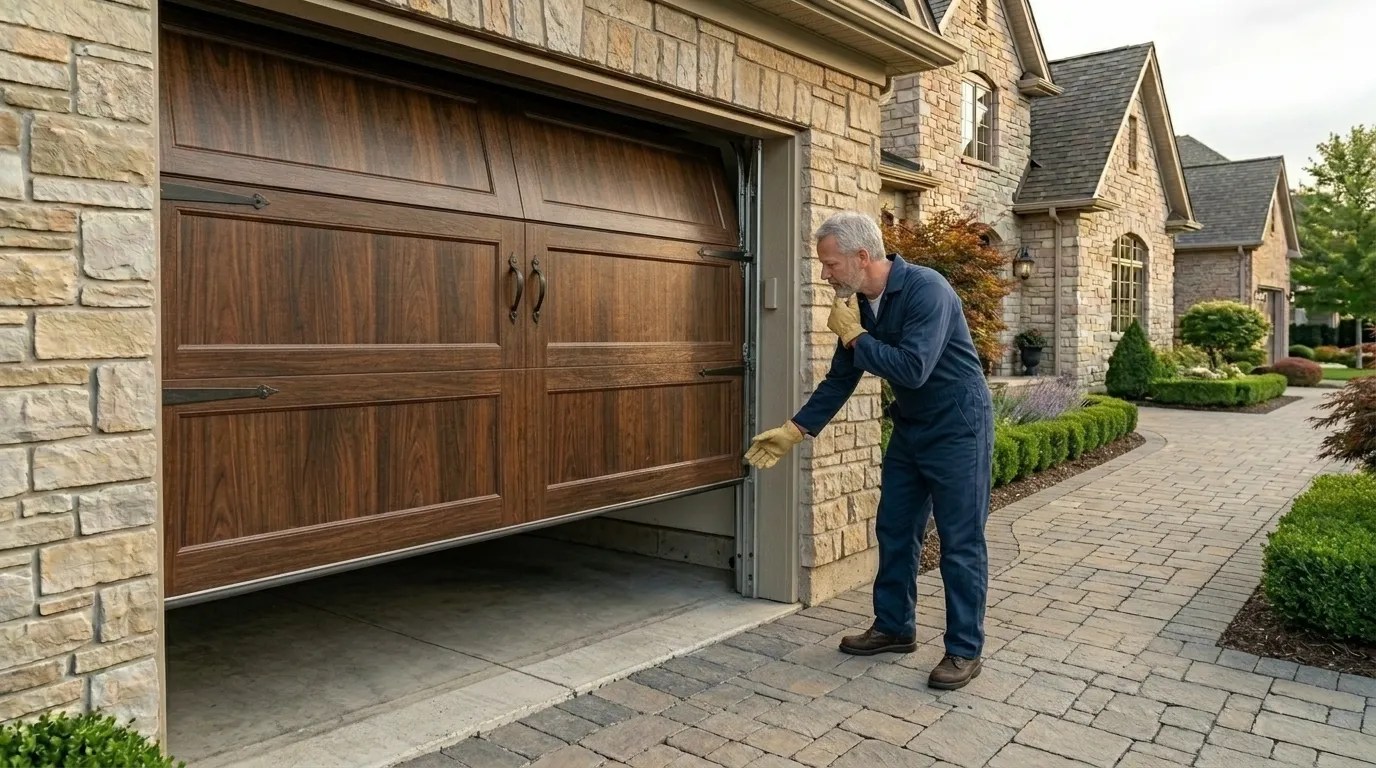
A door and opener installed decades apart don't always agree on load. If the original door on a 1969-era house has never been swept for balance, the opener has probably been straining against a spring that's lost tension without anyone noticing - the opener takes the blame, but the spring is the problem. We also see logic boards that were swapped once already, on openers that predate rolling-code remotes, paired with newer safety sensors bolted on to meet code after the fact. That combination throws error codes that don't match anything in a current manual, because half the unit is old and half isn't. Wiring is another one: a wall-mounted control wired straight into house current instead of a low-voltage transformer setup shows up more in older Leavenworth stock than newer builds elsewhere in the service area. None of this is fixed by swapping the opener for a new one and walking away - the mismatch is often in the door hardware itself, not the motor. We won't sell a replacement opener onto a door that's out of balance, because it will fail again inside a year and we'd rather say so now.
Getting It Booked In
Since we're covering Leavenworth from Kansas City rather than running a branch out here, booking works best when you can tell us a little about the opener up front - brand if you know it, roughly how old, and whether it's making noise, running silent, or not moving at all. That lets us bring the right parts on the first trip instead of the second one. We schedule the visit, drive out, diagnose on-site, and quote before doing any work. There's no dispatch fee buried in that - you get a number before we touch anything.
Can You Do This Yourself
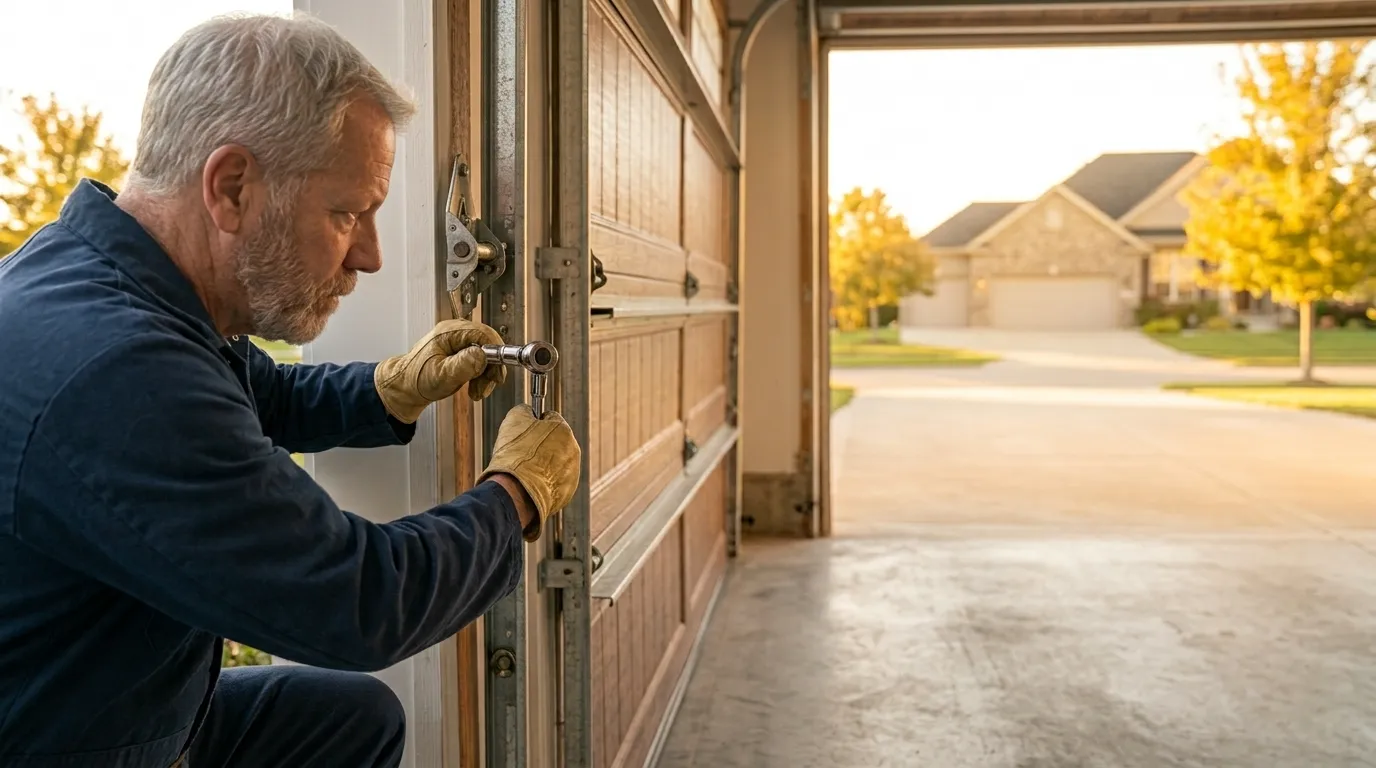
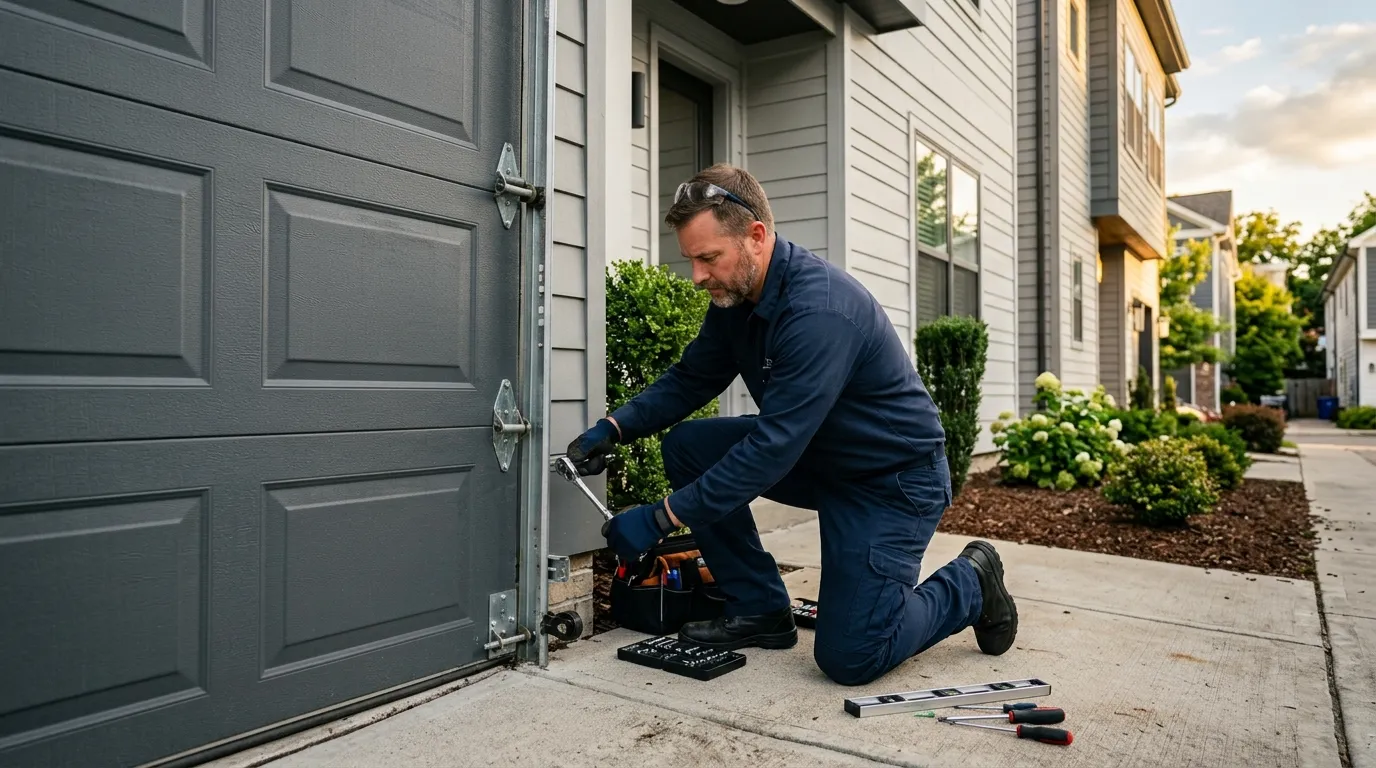
Some of it, yes. Reprogramming a remote, replacing batteries in a wall sensor, or clearing a photo-eye that's knocked out of alignment - all fair game for a homeowner with a ladder and ten minutes. What we'd stop you on is anything involving the drive gear, the logic board, or the high-voltage wiring behind an older wall control, especially on a retrofit setup where the original wiring wasn't built to current code. If the opener is original to a retrofit install from the '80s or '90s, parts for it can be hard to source - sometimes the honest fix is a full replacement rather than chasing down a discontinued board. We'll tell you when that's the case instead of billing hours trying to save a dead unit.