
Serving Kansas City, KS & nearby
(913) 442-7958
Kansas City, KS

Garage Door Repair for Leawood Homes

Leawood homes were mostly built after 1989, so the failures we see there run newer than the rest of our service area. Here's how a repair call from Kansas City actually works.

Garage Door Repair for Leawood Homes
Kansas City, KS
8 services
7 service areas
Diagnosis first, then the fix

How We Fix It

Leawood sits about 16 miles from our base in Kansas City, which is farther than most of the service area we cover. That distance doesn't change what tools ride on the truck, but it does mean the call gets scheduled with the drive in mind rather than treated like a same-block stop. When you call, we're working out a route, not walking over from a job three streets away.

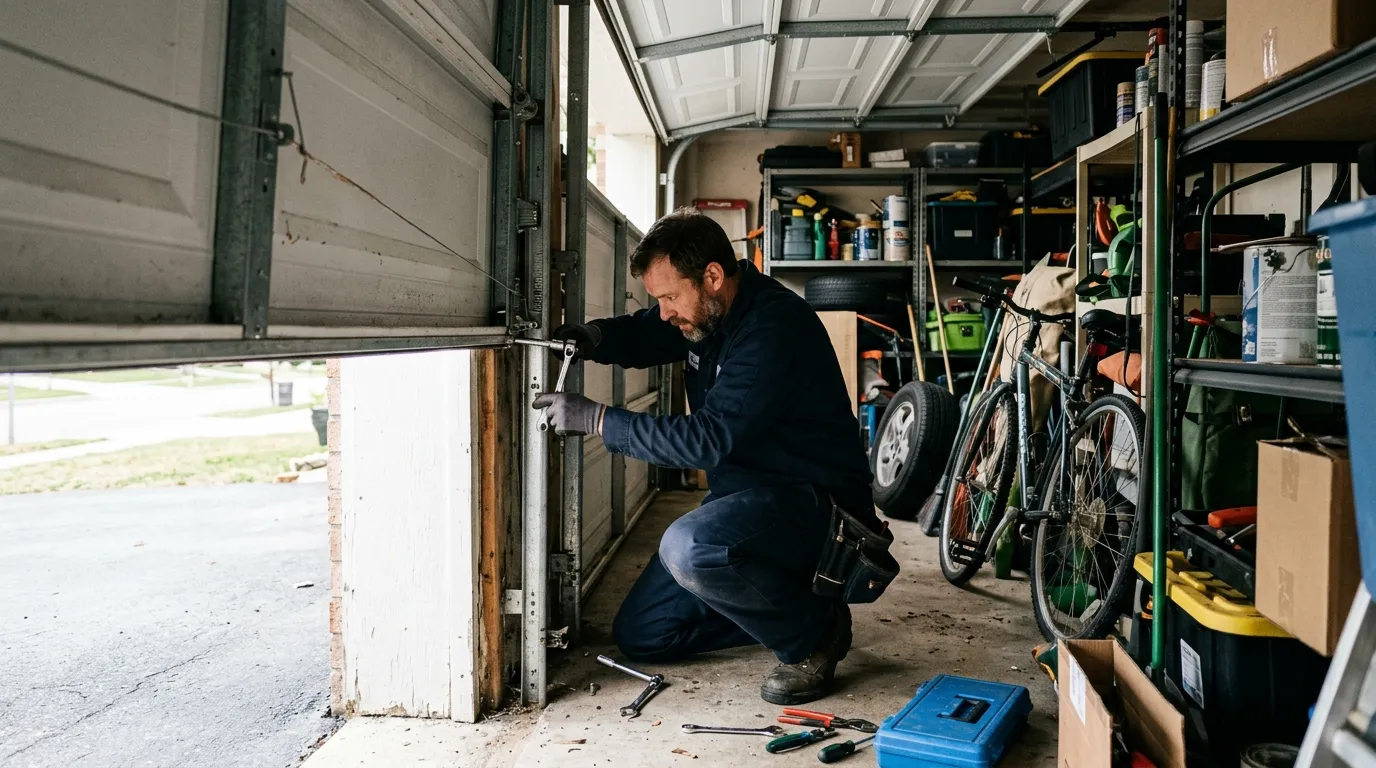
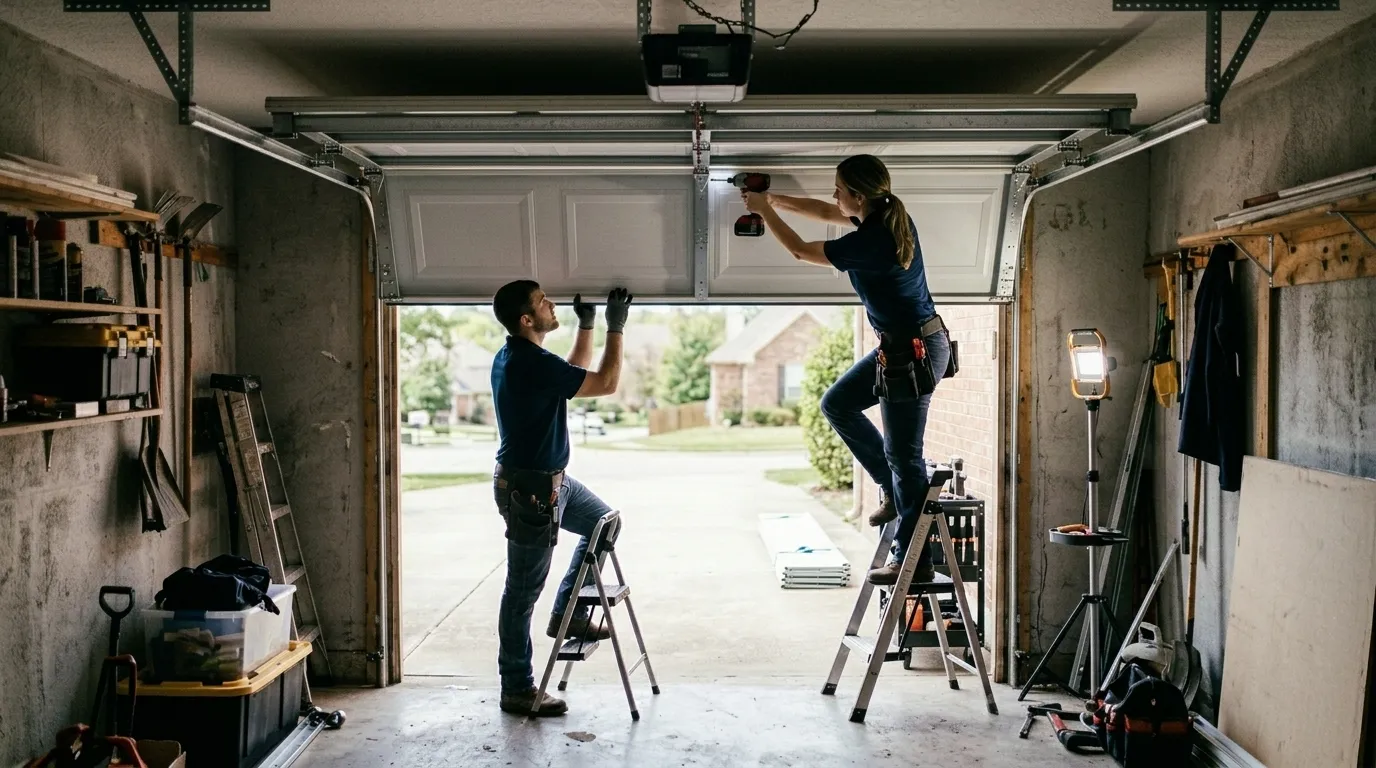
Once we're at the house, the fix itself is the same process it would be anywhere: identify the failed part, replace or repair it, test the door through a full cycle before we leave. A broken torsion spring gets swapped, a bent track gets pulled straight or replaced if it's kinked past saving, a dead opener board gets diagnosed before we guess at a fix. The travel affects scheduling. It doesn't affect the work.

We don't stage a branch or a depot in Leawood - we're honest about coming from Kansas City for every call here, and that's worth knowing before you book, especially if you're hoping for a same-hour fix on a weekday afternoon.

Getting It Booked In

Because Leawood is on the outer edge of where we drive, it helps to have the basics ready before you call: the door's rough age if you know it, whether it's making noise or just refusing to move, and whether the opener still has power. That lets us bring the right spring size or track hardware instead of showing up to reassess and coming back a second time.

Leawood's household income runs well above the rest of our coverage area - median income here is $184,976 against a broader area median of $89,385 - and that shows up in the kind of doors we get called out for. More insulated steel doors, more heavier double-car sections, more openers with battery backup and smart controls. None of that changes how we book the job, but it does change what we load before we leave Kansas City.

What Causes It Around Here

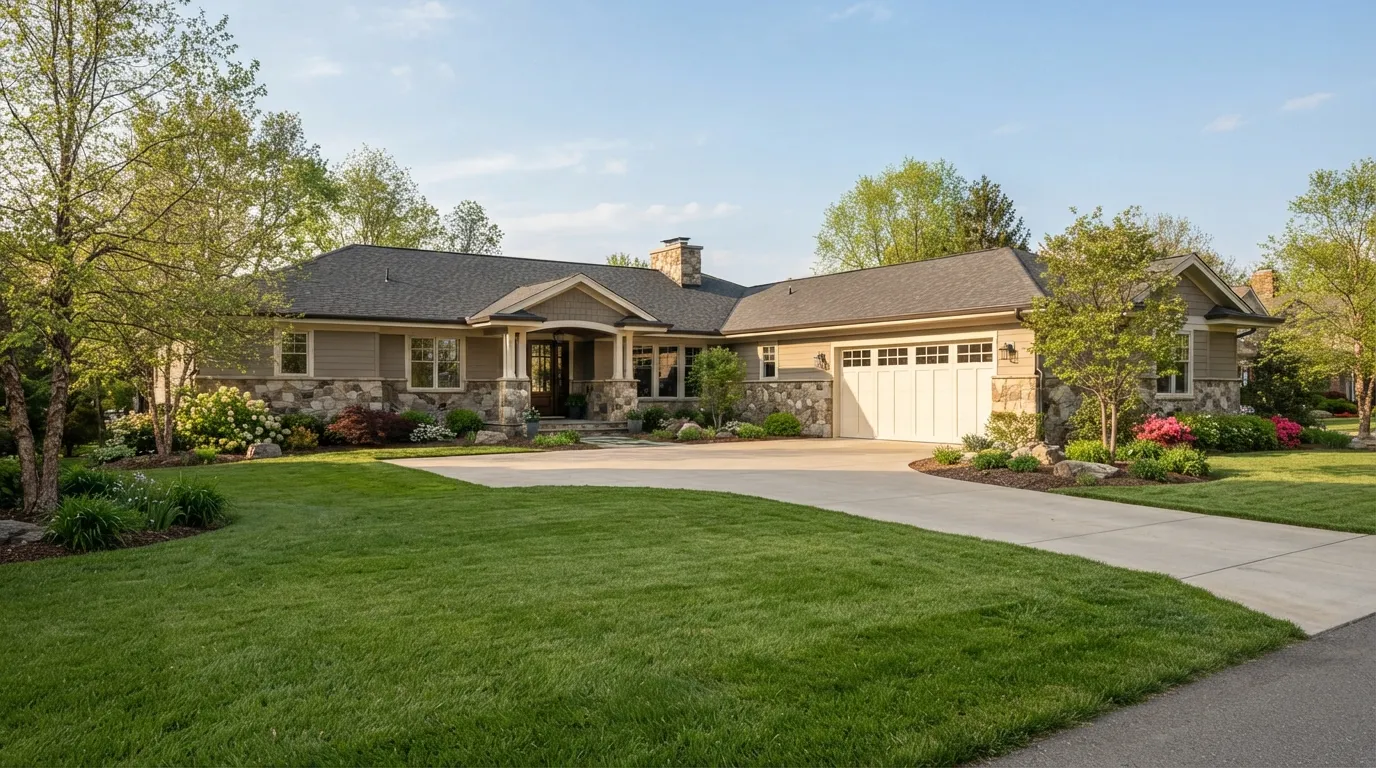
This is where Leawood actually splits from the rest of the area we serve. Housing across our broader service territory mostly went up in the 1960s and 70s, with construction spanning 1950 to 2004. Leawood's own median year built is 1989 - closer to two decades newer than the area average. That gap matters because it points to a different generation of hardware.

A door installed in 1989 is far more likely to be on a factory torsion system with a steel track built to a later spec, not the older side-mounted setups common on the 1960s stock nearby. The failures we see in Leawood tend to be wear-based rather than obsolescence-based: a spring that's simply cycled out after decades of use, rollers that have finally worn through their bearings, a sensor that's drifted out of alignment. We're not chasing parts for hardware that hasn't been made in fifty years - we're replacing components that have just done their job for a long time.

The cold is still a factor regardless of the house's age. This region sits in a severe cold climate band, and a stiff steel spring on a subzero morning behaves differently than one at 60 degrees, no matter what year the door went in.

Parts We Carry

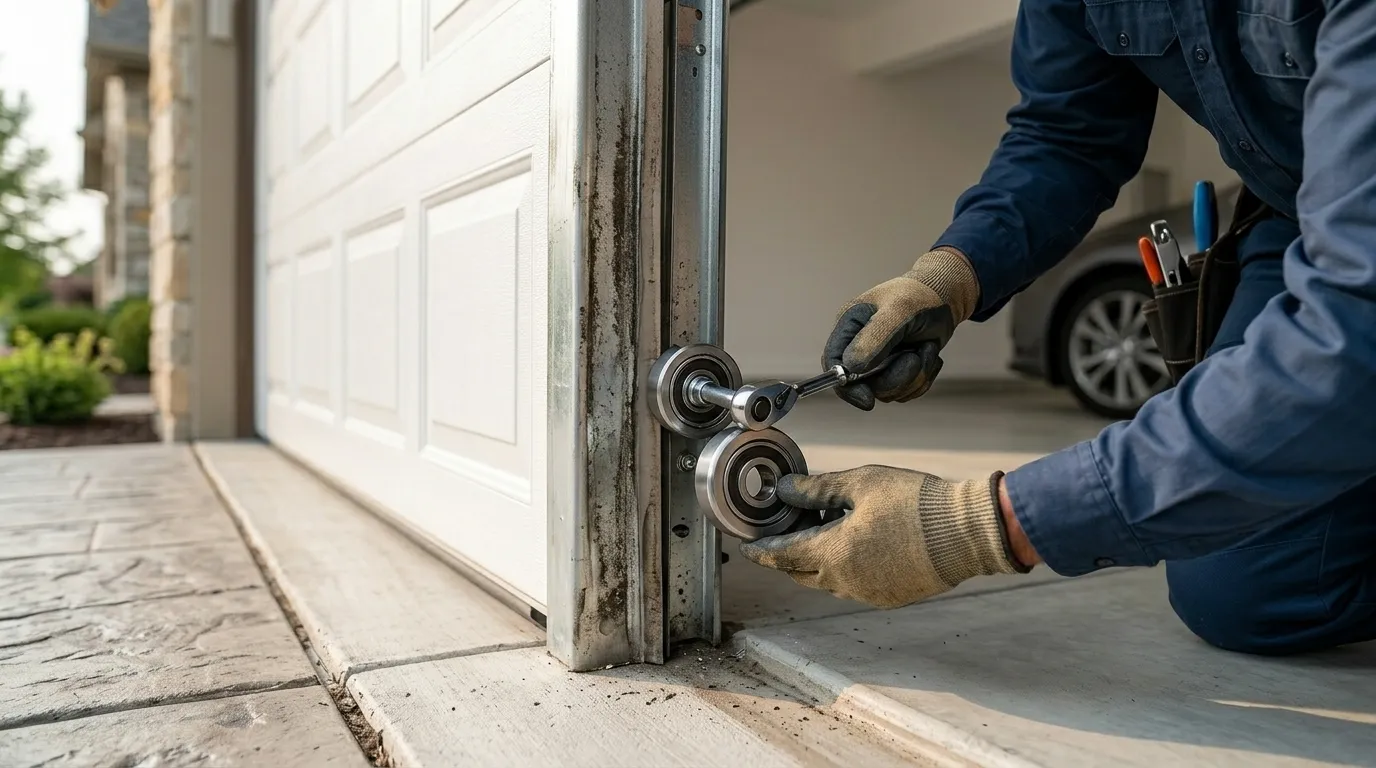
For a 1989-era door, the parts we carry on the truck line up well: standard torsion springs sized to newer door weights, factory-matched cables, steel rollers, and openers compatible with the circuit boards and safety sensors that became standard industry-wide by the late 80s. We're not hunting down obsolete one-piece hardware or discontinued track brackets for Leawood calls the way we sometimes are on the area's older 1960s housing stock.

Where we run into limits: if a door has a specialized insulated panel or a custom width outside standard sizing, that part may need to be special-ordered rather than pulled off the truck, and that adds days, not hours. We'll tell you straight if that's the situation rather than quote a fix we can't actually complete that day.

Can You Do This Yourself

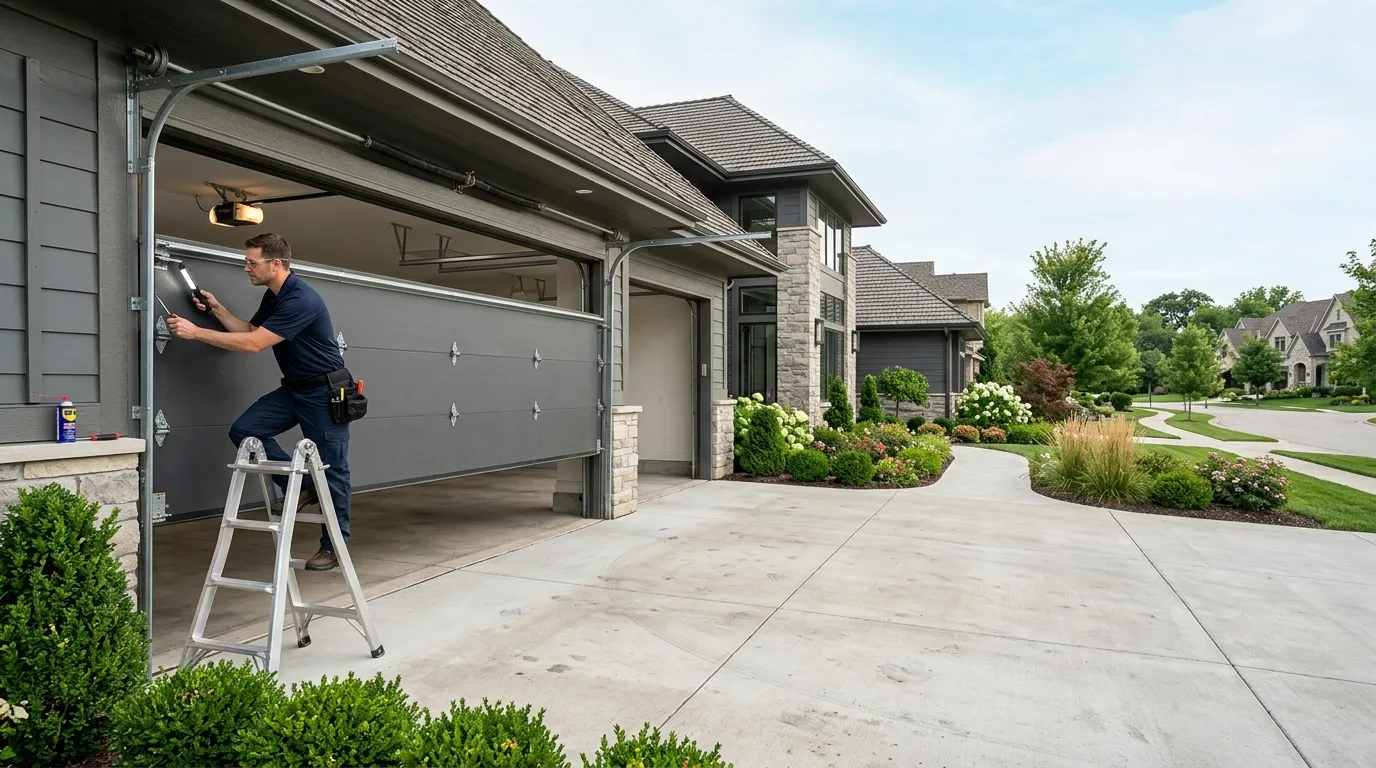
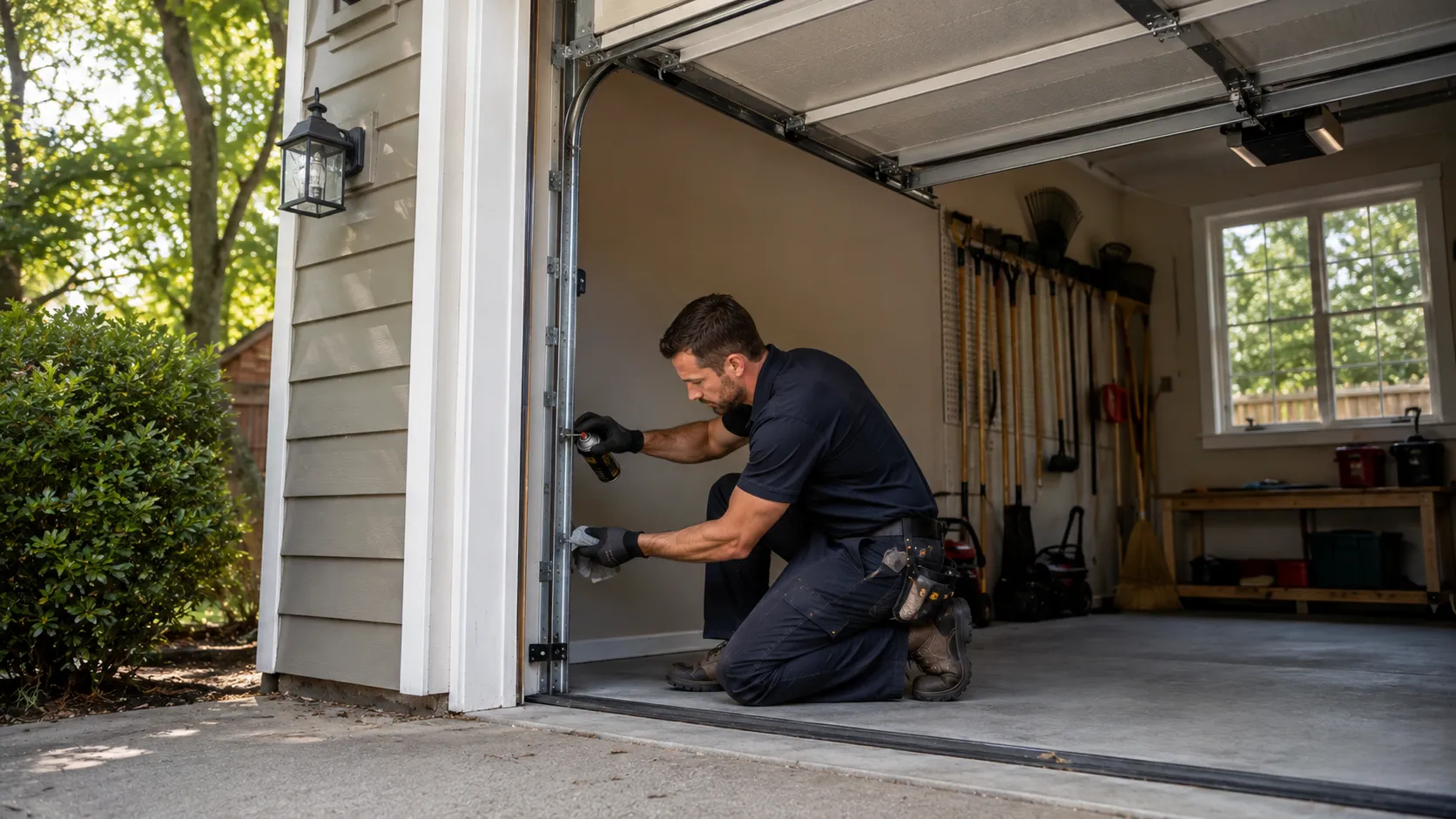
Some of this is fair to handle on your own. Tightening loose hardware, lubricating hinges and rollers, clearing a sensor's line of sight, or replacing weatherstripping around the bottom panel - none of that needs a truck or a call.

Torsion springs are a different matter. They're wound under enough tension to cause a serious injury if the winding bars slip, and that's true whether the door is 20 years old or 50. If the spring's broken, if the door won't stay up on its own, or if you hear a loud bang from the garage followed by the door refusing to lift, that's a call, not a weekend project. We'd rather tell you to leave it than have you find out the hard way why we carry the tools we do.
How it works

From “it’s stuck” to “it’s fixed”

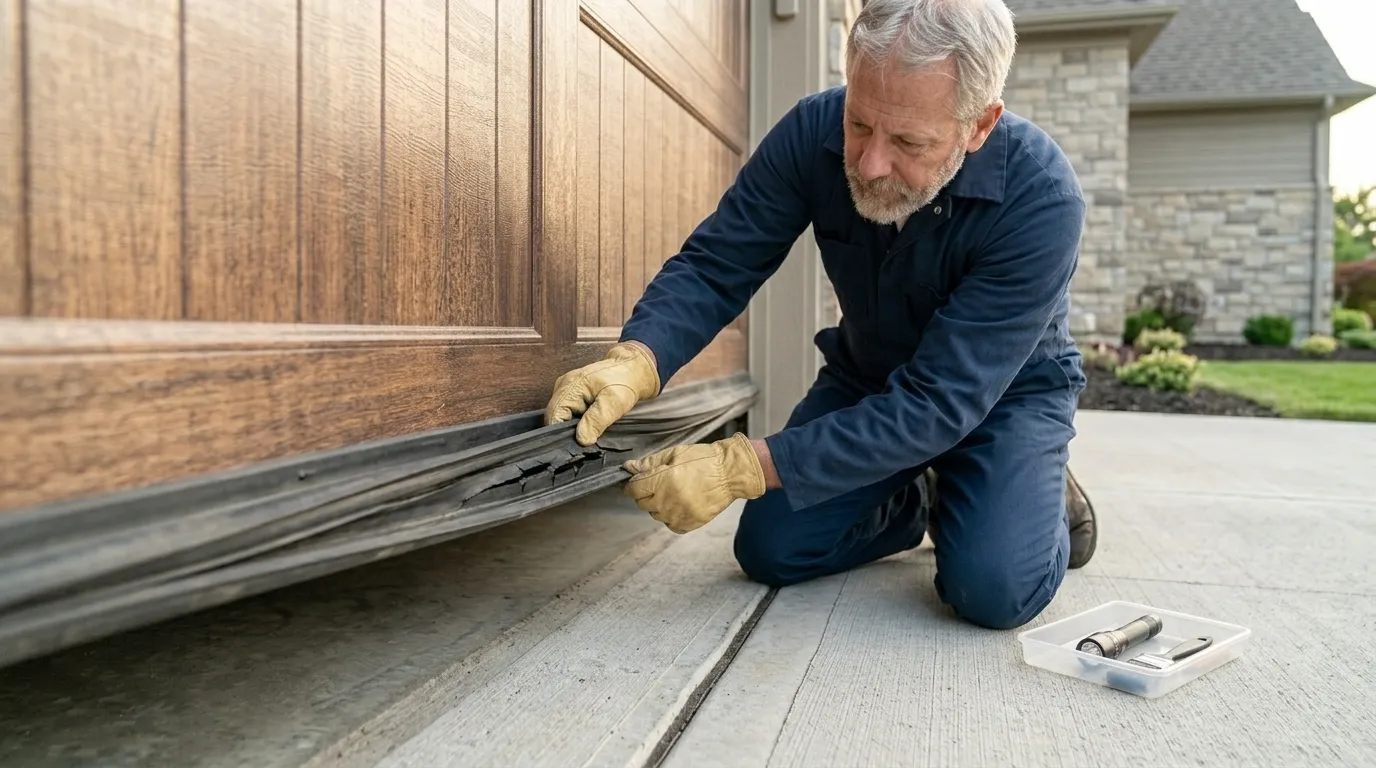
Tell us what’s wrong - Kansas City garage door service

Tell us what’s wrong

Describe the symptom - won’t open, loud bang, opener runs but the door won’t move.

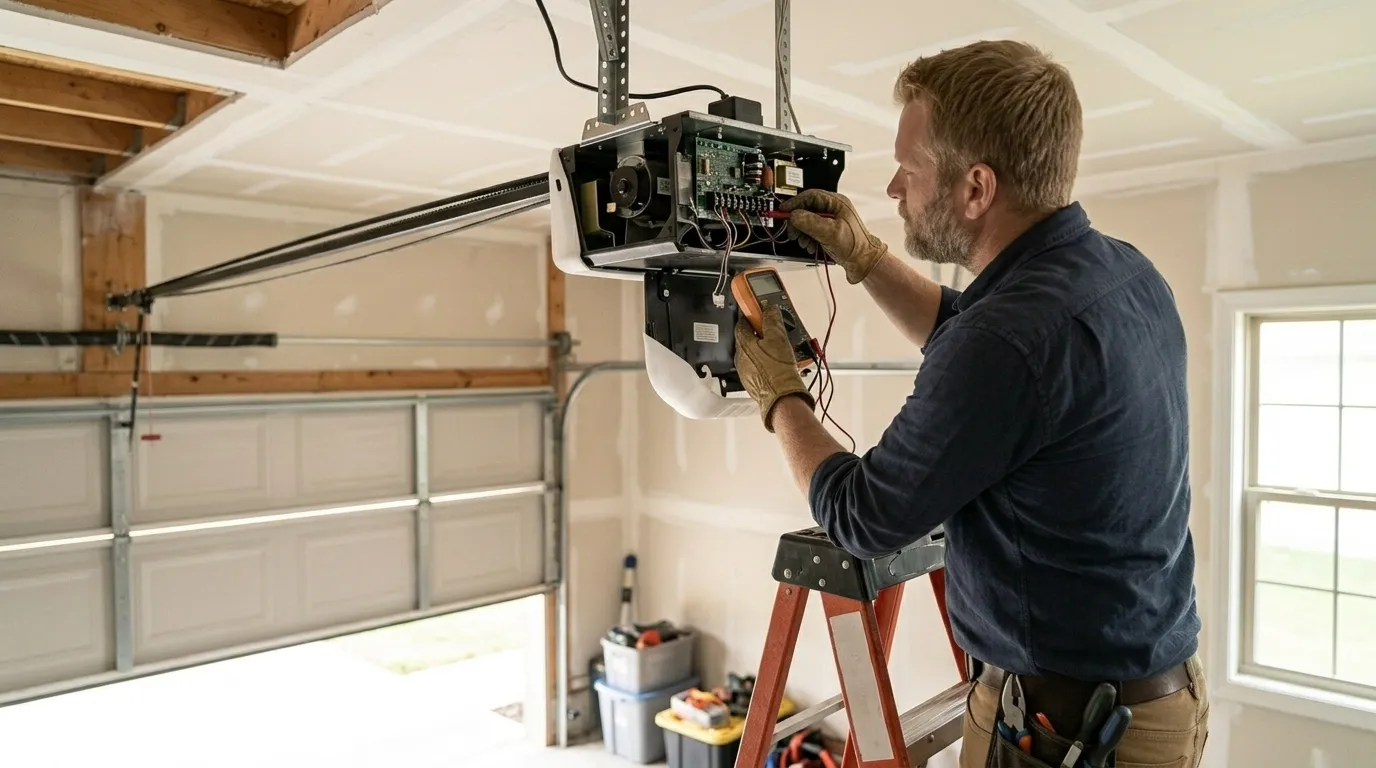
On-site diagnosis - Kansas City garage door service

On-site diagnosis

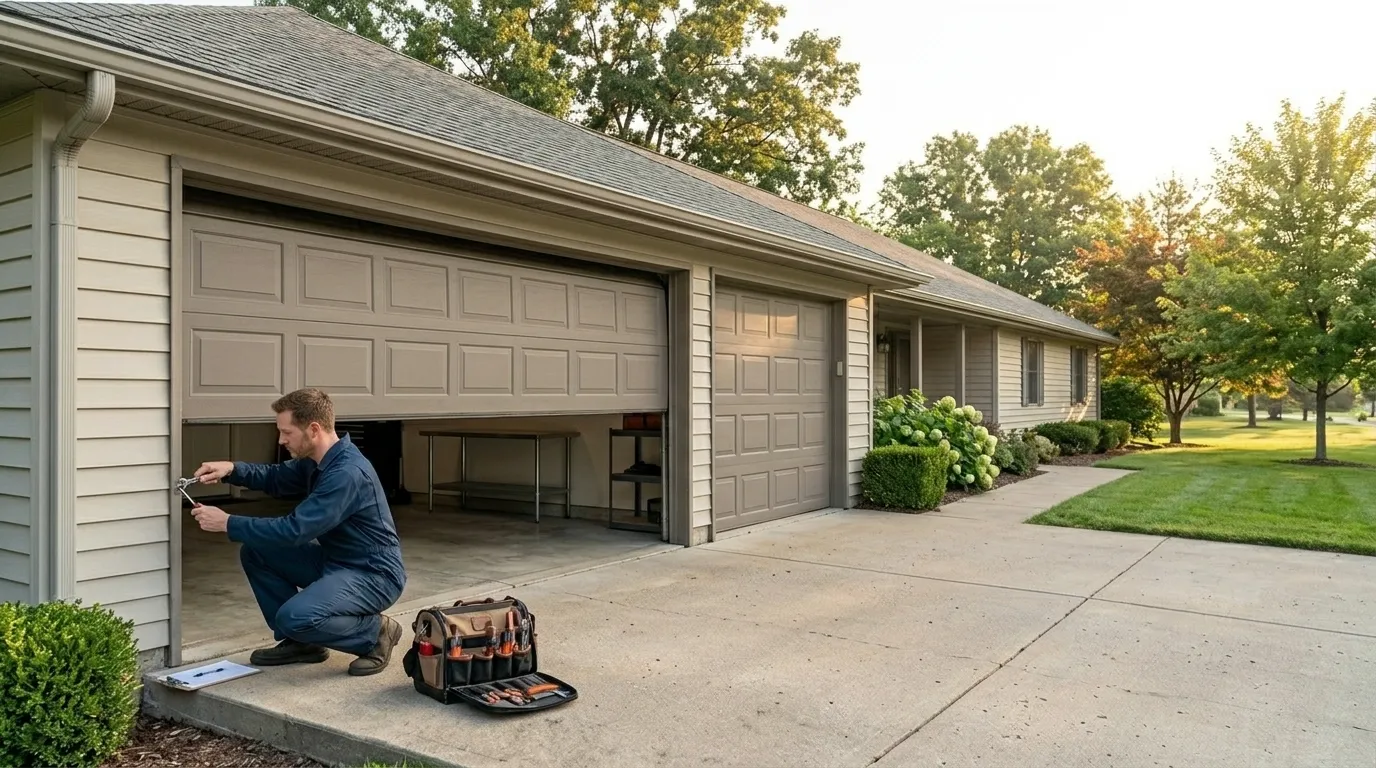
A technician tests the door under power and by hand and finds what actually failed.

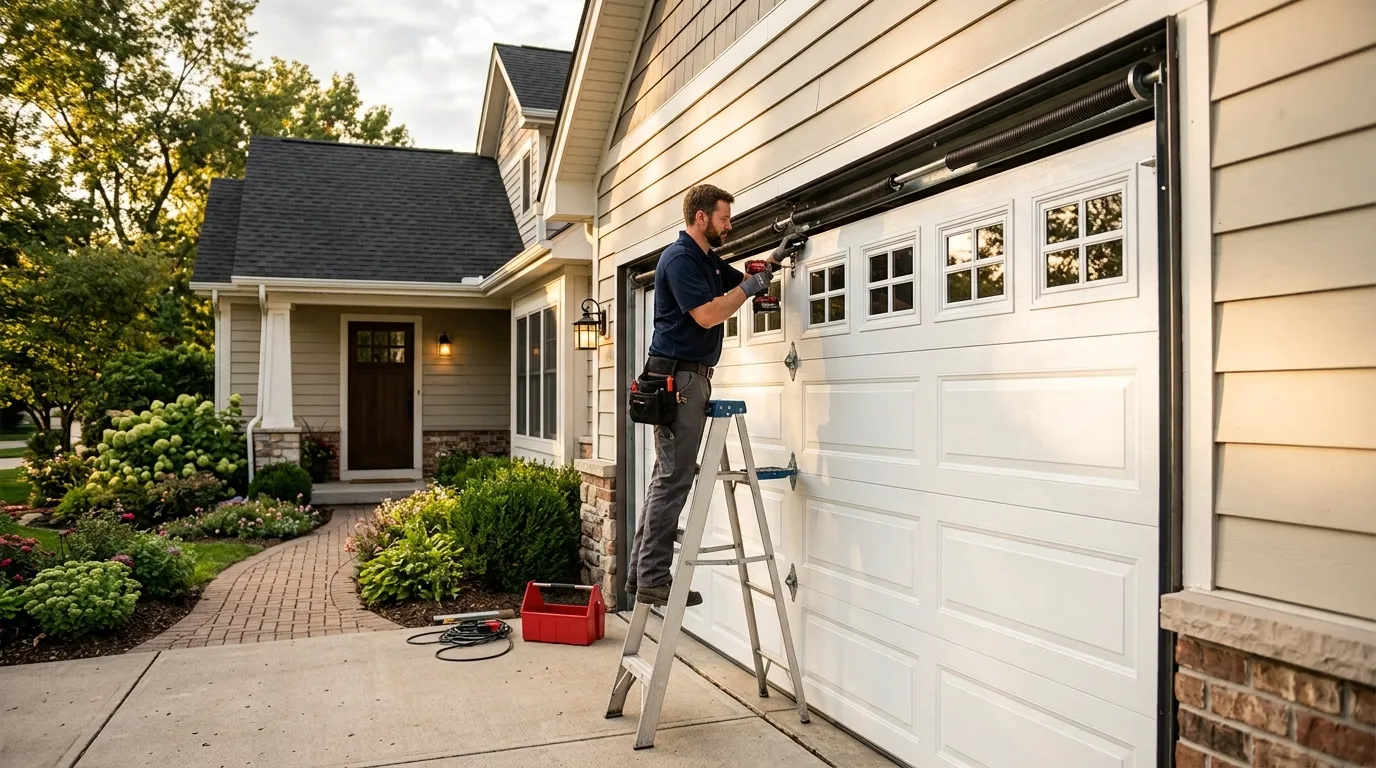
Clear, up-front plan - Kansas City garage door service

Clear, up-front plan

You get the fix that’s needed and what drives the cost - before any work starts.

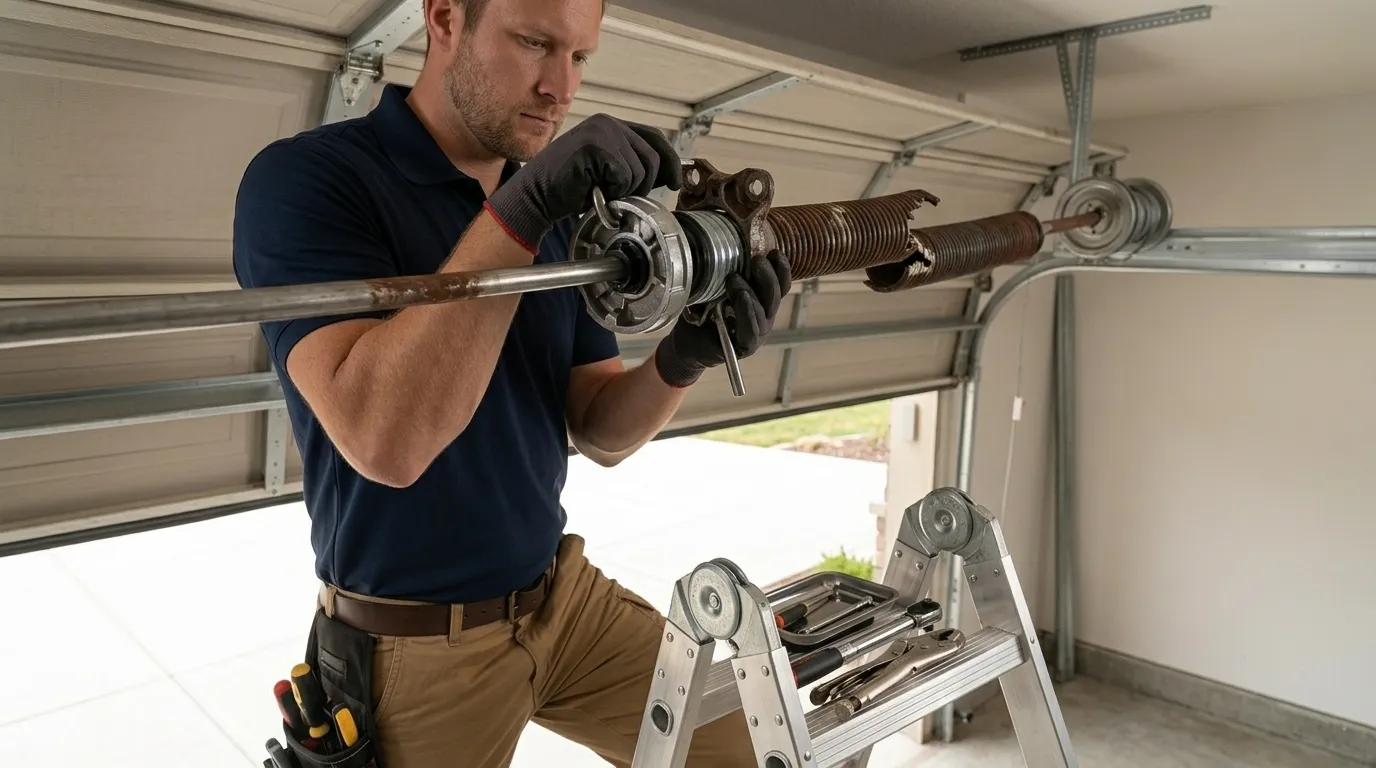
Repaired & tested - Kansas City garage door service

Repaired & tested

The repair is done, the door is set true and tested, and the work area left clean.

Serving Kansas City, KS - tell us what your door’s doing and we’ll take it from there.

How we work

What to expect

Diagnosis firstEvery visit starts by finding what actually failed - not a pre-written parts list.
The right part for the doorSprings and openers matched to the door’s weight and age, so the fix holds up.
Straight answersWhen a repair makes more sense than a replacement - or the reverse - you hear it plainly.
Clean, careful workTension released safely, hardware set true, the door tested under power before we leave.
152,933
Residents in Kansas City
8Garage door services
7Neighborhoods & suburbs
KSServing Kansas City, KS
Questions

Frequently asked

Straight answers about garage door repair in Kansas City. Still unsure? Ask us directly.

How far out is Leawood from your team, and does that affect scheduling?

Leawood is about 16 miles from our base in Kansas City. We don't keep a branch there, so calls get routed as part of the day's drive rather than handled as a walk-up job. It's worth mentioning when you book so we can plan the route accordingly.

Are Leawood garage doors different from the rest of the area you cover?

Generally, yes. Leawood's housing runs newer - median year built is 1989, versus the 1950-2004 range and 1960s-70s concentration common across the wider service area. That means more factory torsion systems and fewer of the older side-mounted setups we see elsewhere.

Do cold winters affect a newer door the same way as an older one?

The region sits in a severe cold climate band, and that affects spring tension and lubrication regardless of the door's age. A newer torsion system handles it better than old worn-out hardware, but cold mornings still stiffen springs and slow openers on any door.

Can I replace a torsion spring myself to save the trip?

We'd advise against it. Torsion springs hold enough stored tension to cause serious injury if the winding bars slip, and that risk doesn't shrink because the door is newer. It's one of the few jobs we tell homeowners to leave to a call rather than a driveway project.

Ready to get your garage door sorted?

Tell us what it’s doing and where you are in Kansas City - we’ll take it from there.

Request a QuoteCall