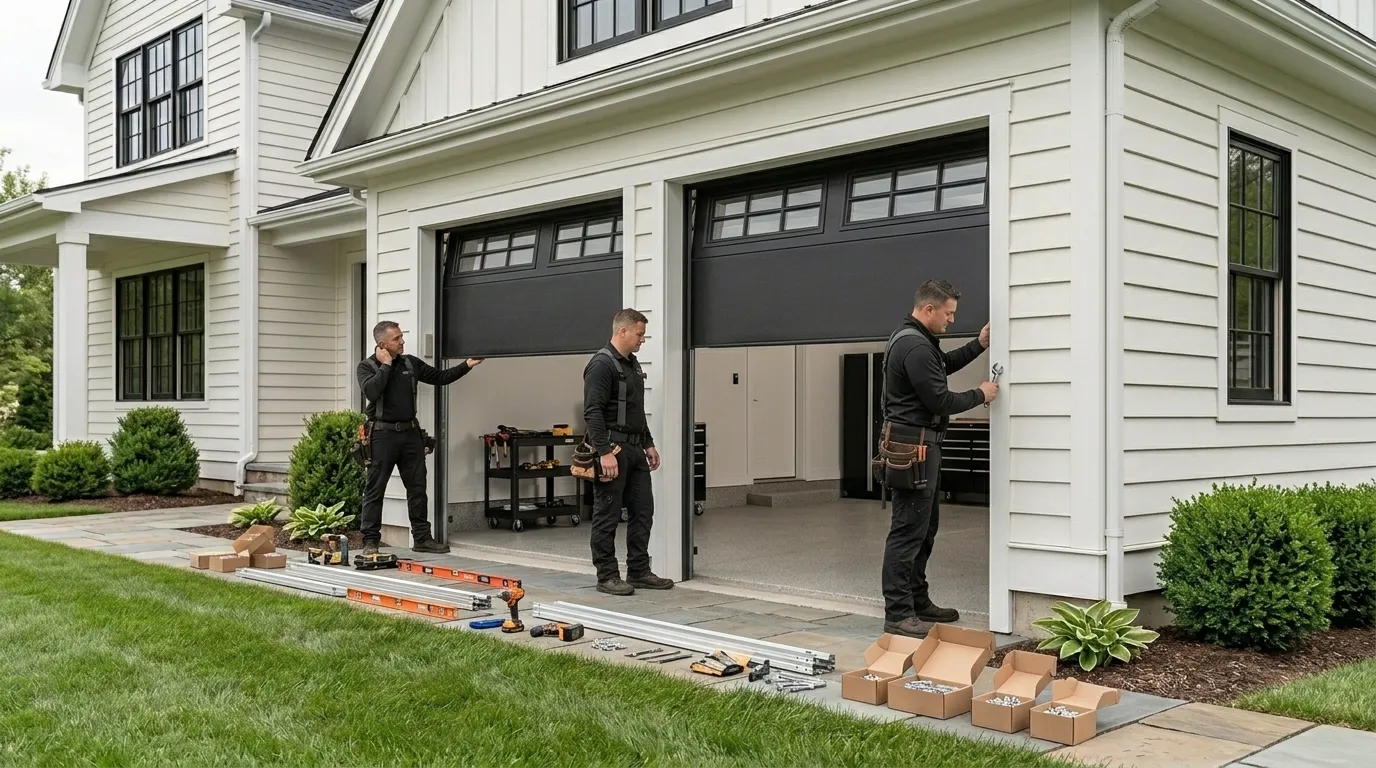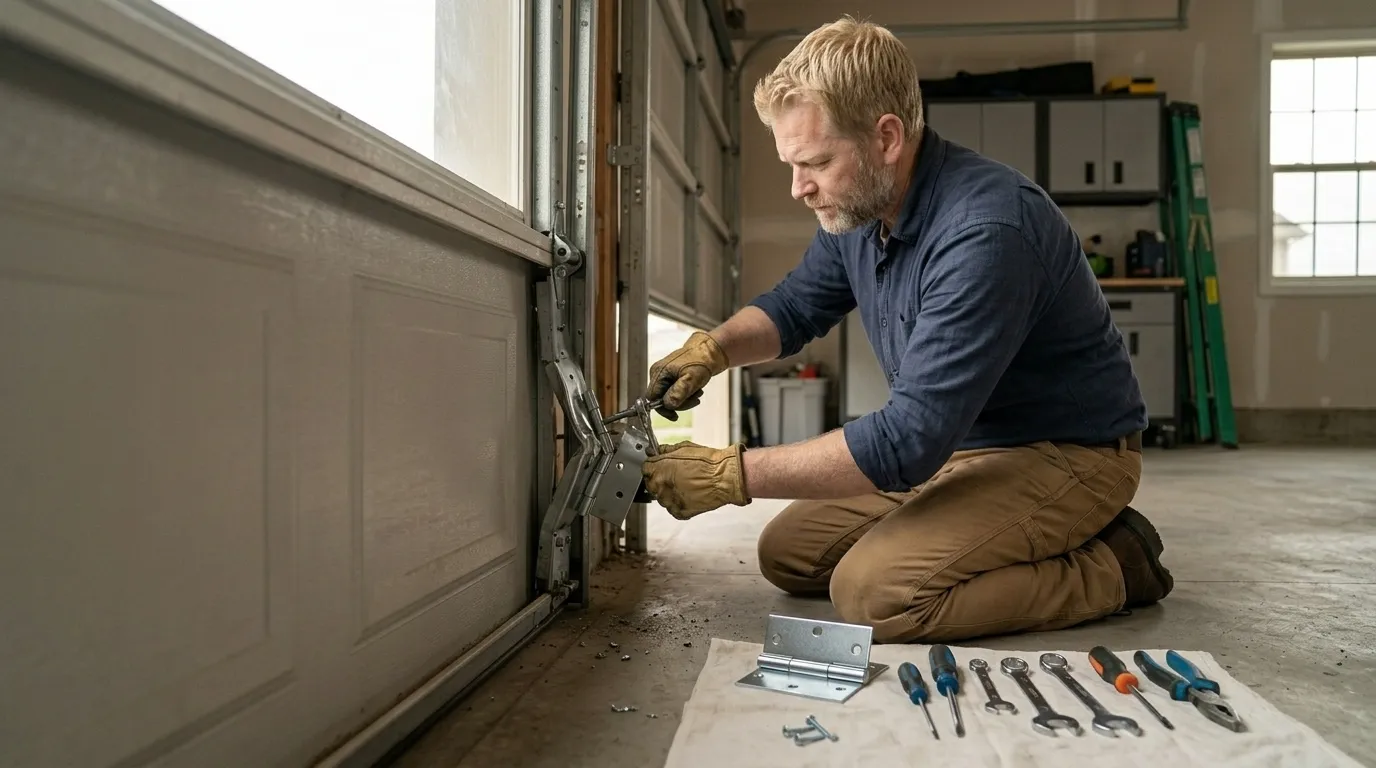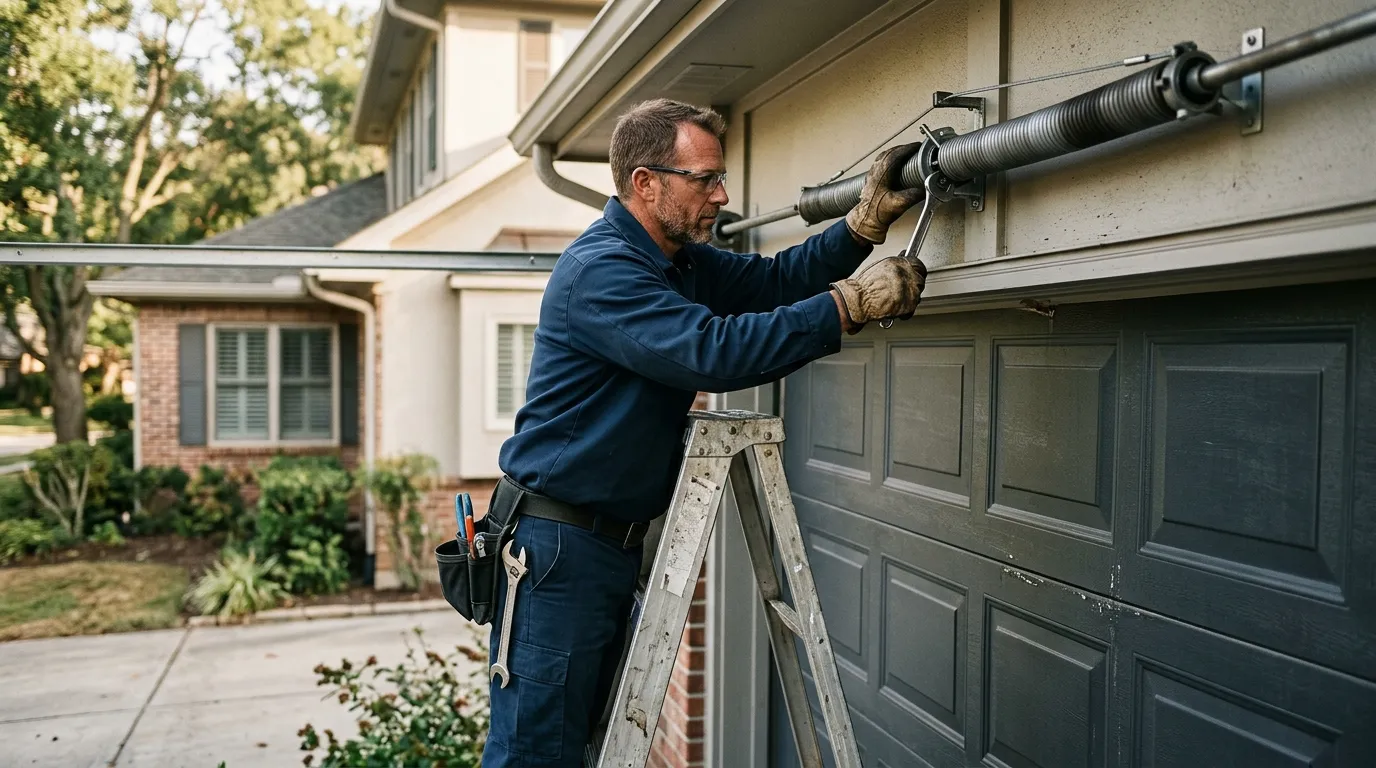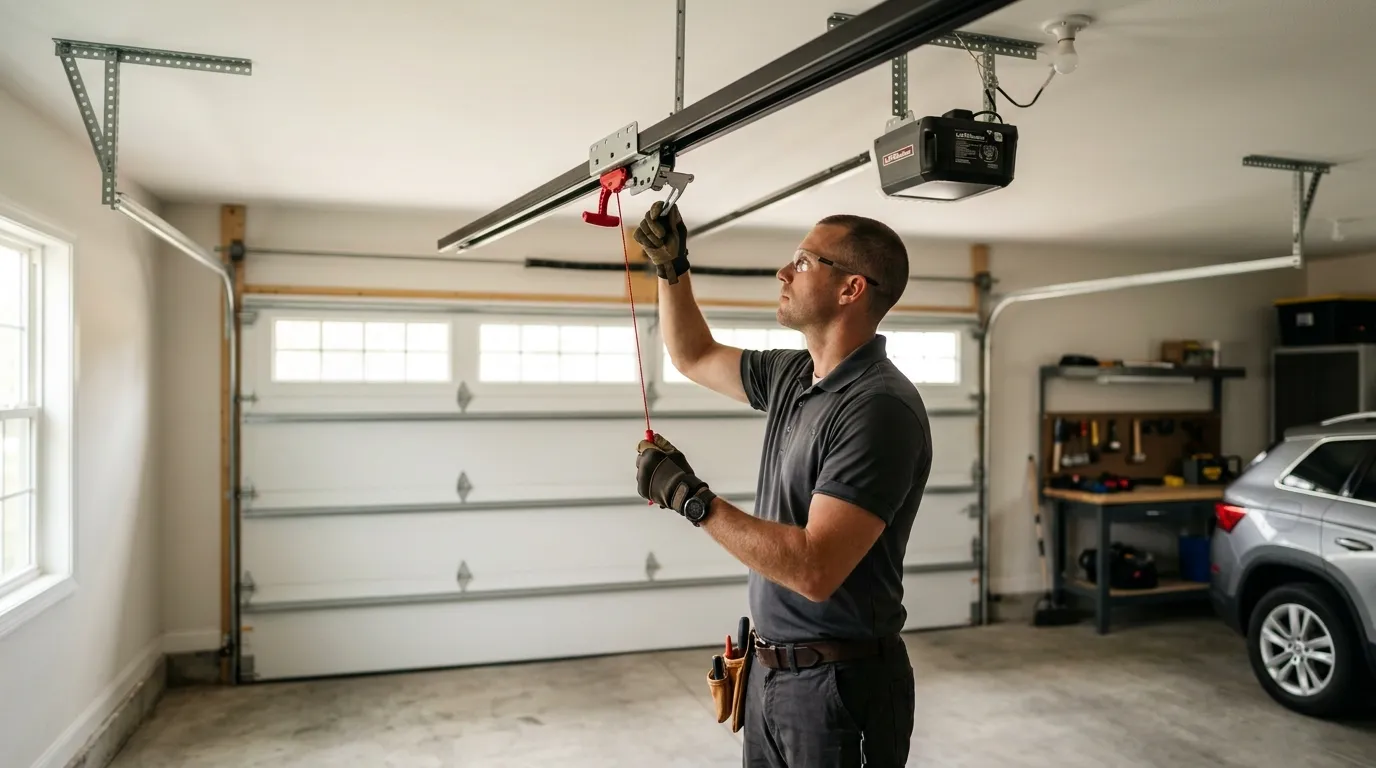
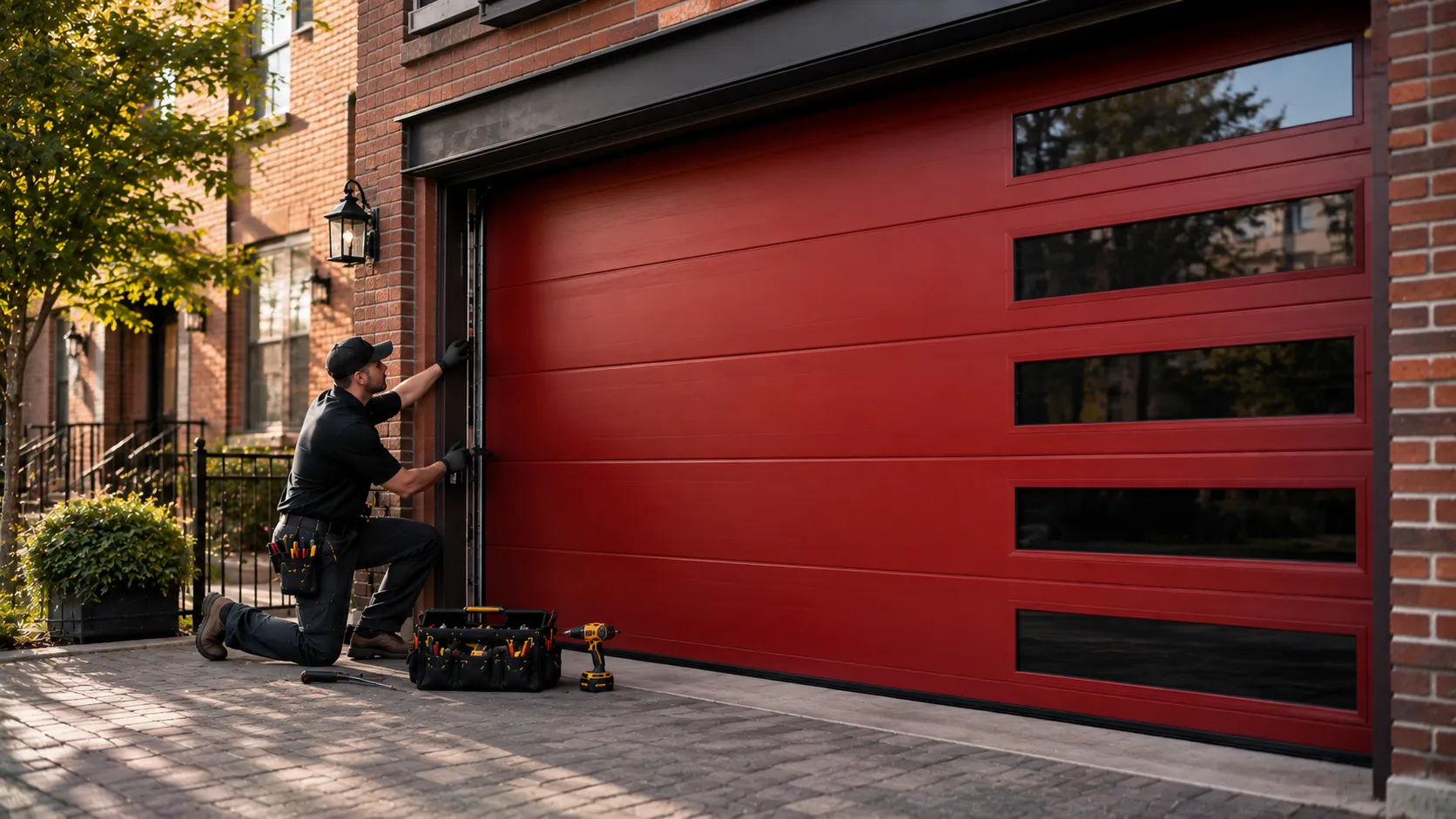
How We Fix It
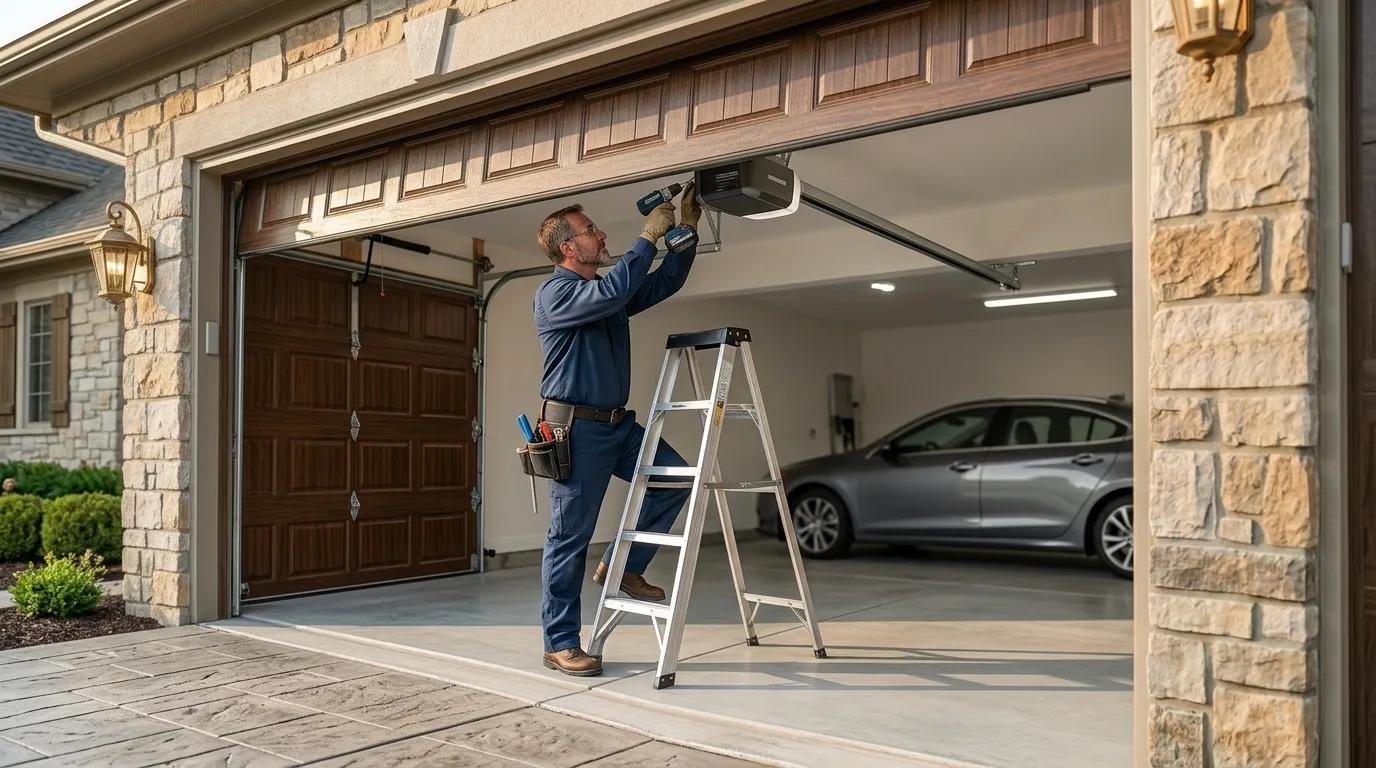
Most of the opener calls we take in Leawood involve hardware that's never been swapped since the house went up. The median build year here is 1989, which means a lot of these units are the original chain or screw drive that came with the house, or a first-generation replacement bought sometime in the 90s. We start the same way every time: check the wall console, check the wiring at the head unit, check the logic board, then move to the drive gear and the sensors. On a unit this old, the failure is often a stripped nylon drive gear or a capacitor gone bad on the board rather than anything exotic. We test the safety reverse and the force settings before we call the job done, because on a unit this age those were often never adjusted correctly to begin with. If the board is fried and the model's been out of production a while, we tell you that up front instead of chasing a part that isn't coming.
Getting It Booked In
We work out of Kansas City and drive to Leawood for these calls - it's about 16 miles each way, and that's built into how we schedule the day rather than something we pretend isn't there. There's no local branch here, so booking runs through the same channel as the rest of the service area. Tell us the opener brand if you can read it off the motor housing, and whether the door still moves on manual release - that one detail tells us a lot about whether we're dealing with the opener itself or something downstream in the track or springs. You can see what else we cover for the wider area on our <a href="/garage-door-opener-repair-kansas-city-ks">Kansas City opener repair page</a>, and check the towns we reach from here on the <a href="/areas/area/leawood/">Leawood area page</a>.
Parts We Carry
We carry the parts that fail most often on openers from this era: drive gears and sprockets, circuit boards for common brands, safety sensor pairs, wall consoles, and remotes. Belt and chain sections for standard residential drives are usually a same-visit fix. Where we run into trouble is logic boards for models that have been fully discontinued - some of the boards used in openers from the late 80s and early 90s simply aren't made anymore, and no amount of searching changes that. In that case we're honest that repair isn't the right call and replacement is the more sensible spend, rather than sinking money into a board that'll fail again in a year because it's the last old-stock unit we could find.
Can You Do This Yourself
Swapping a remote battery or reprogramming a keypad code is fine to do on your own, and most owners already know how. Where we'd stop you is anything involving the motor housing wiring or the force adjustment screws - on an opener this old, the internal wiring insulation can be brittle, and getting the force setting wrong on a unit without modern safety reverse testing is a real risk to fingers and to whatever's parked underneath. If the door won't reverse when it hits something on the way down, don't keep using it while you troubleshoot - that's not a project to run while the door's still in daily use. Diagnosing whether the problem is the opener, the springs, or the track takes pulling the cover and testing components with a meter, which is where we'd rather you call than guess.