How We Fix It
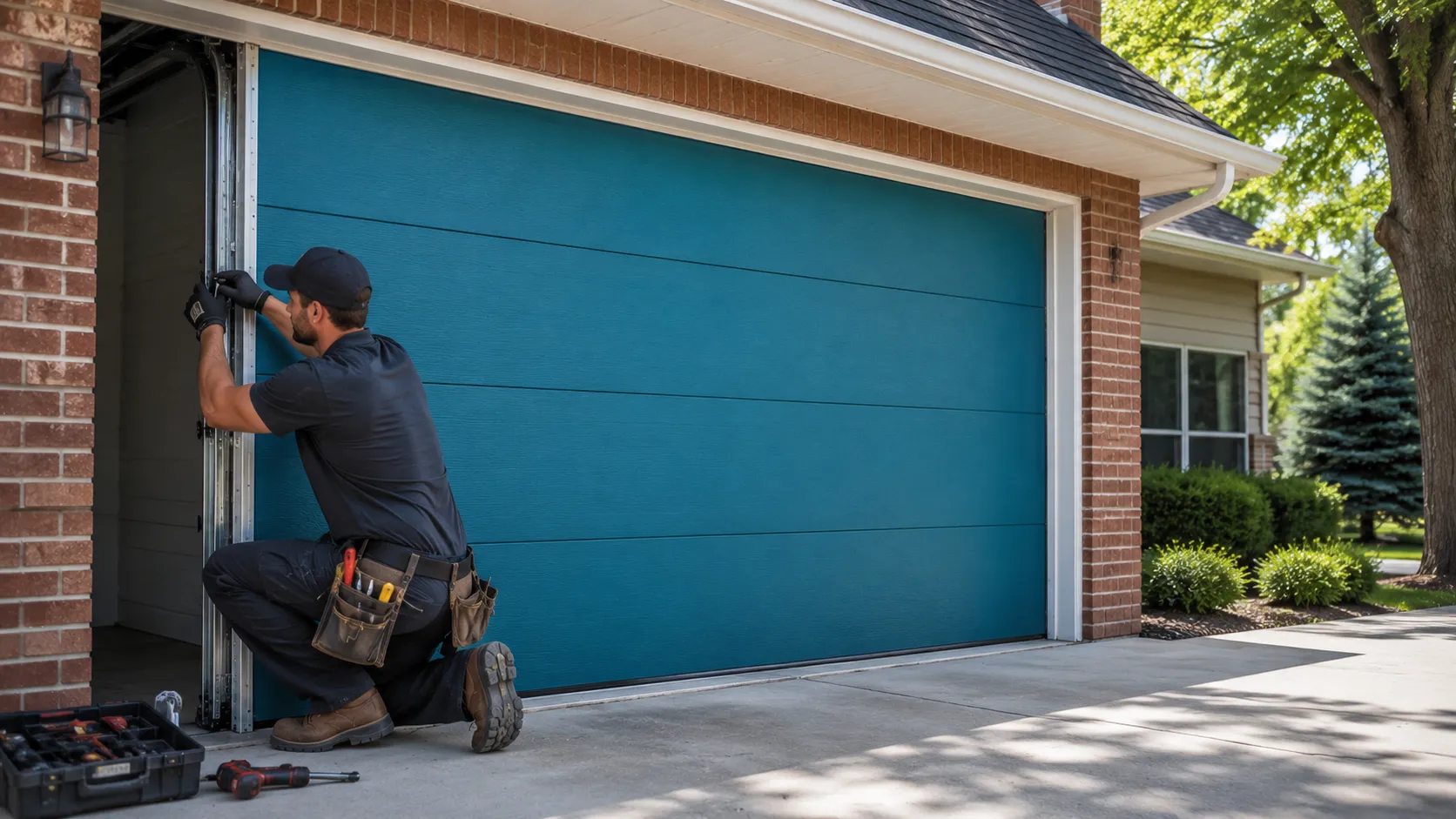
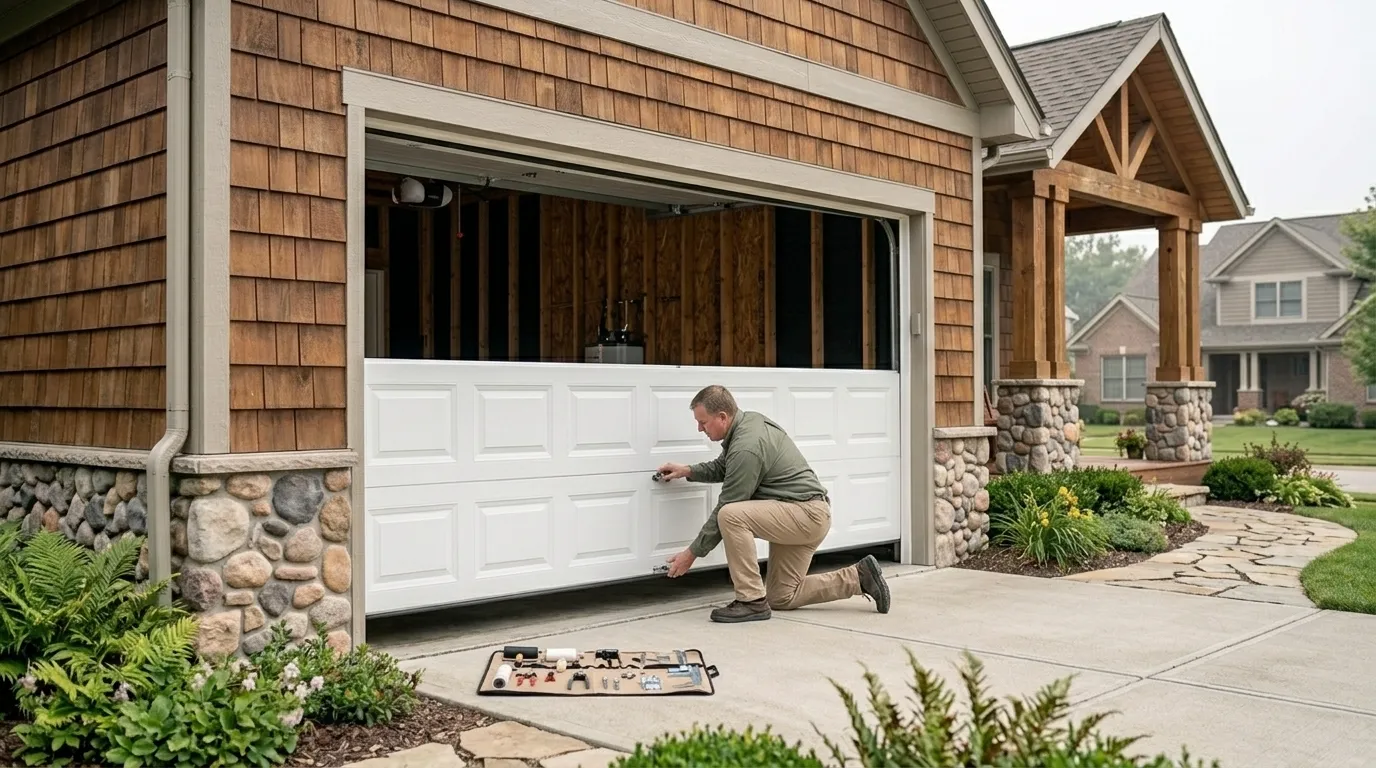
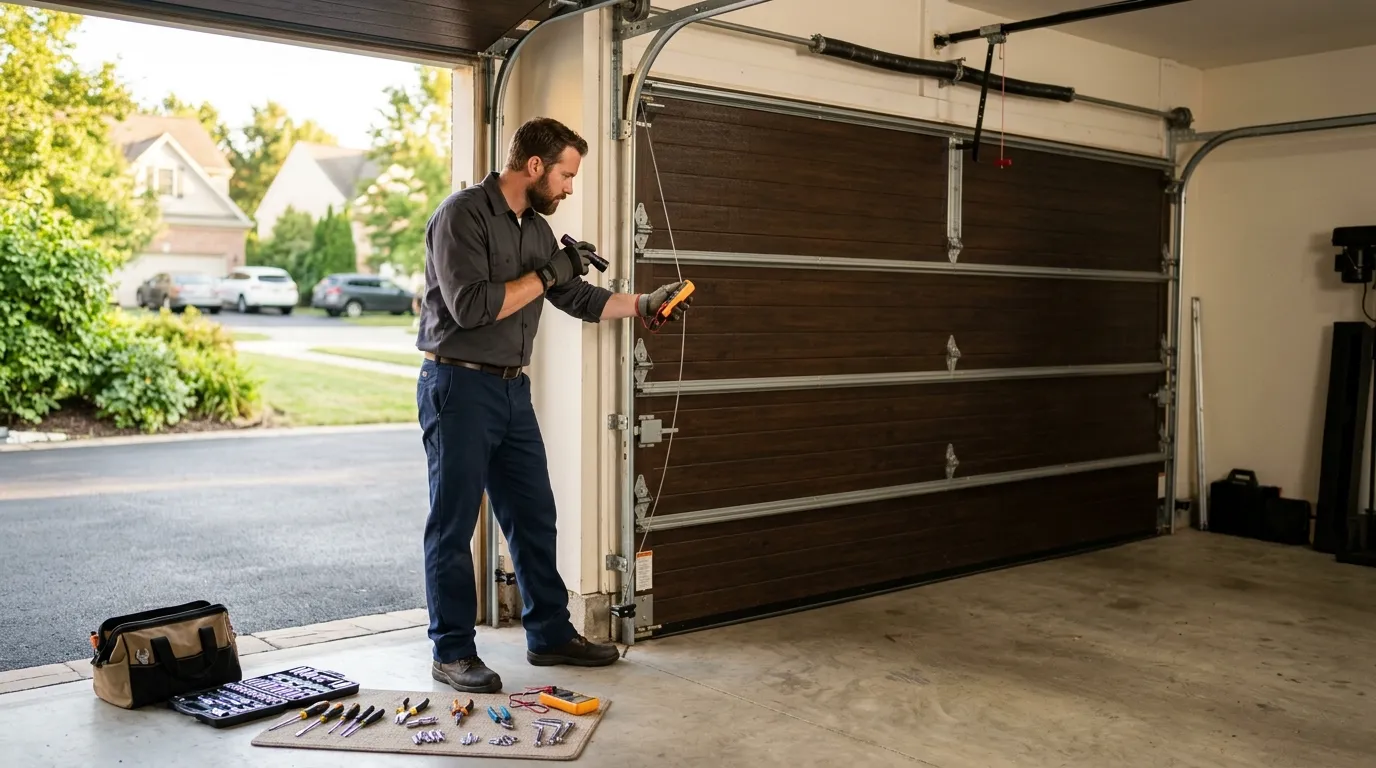
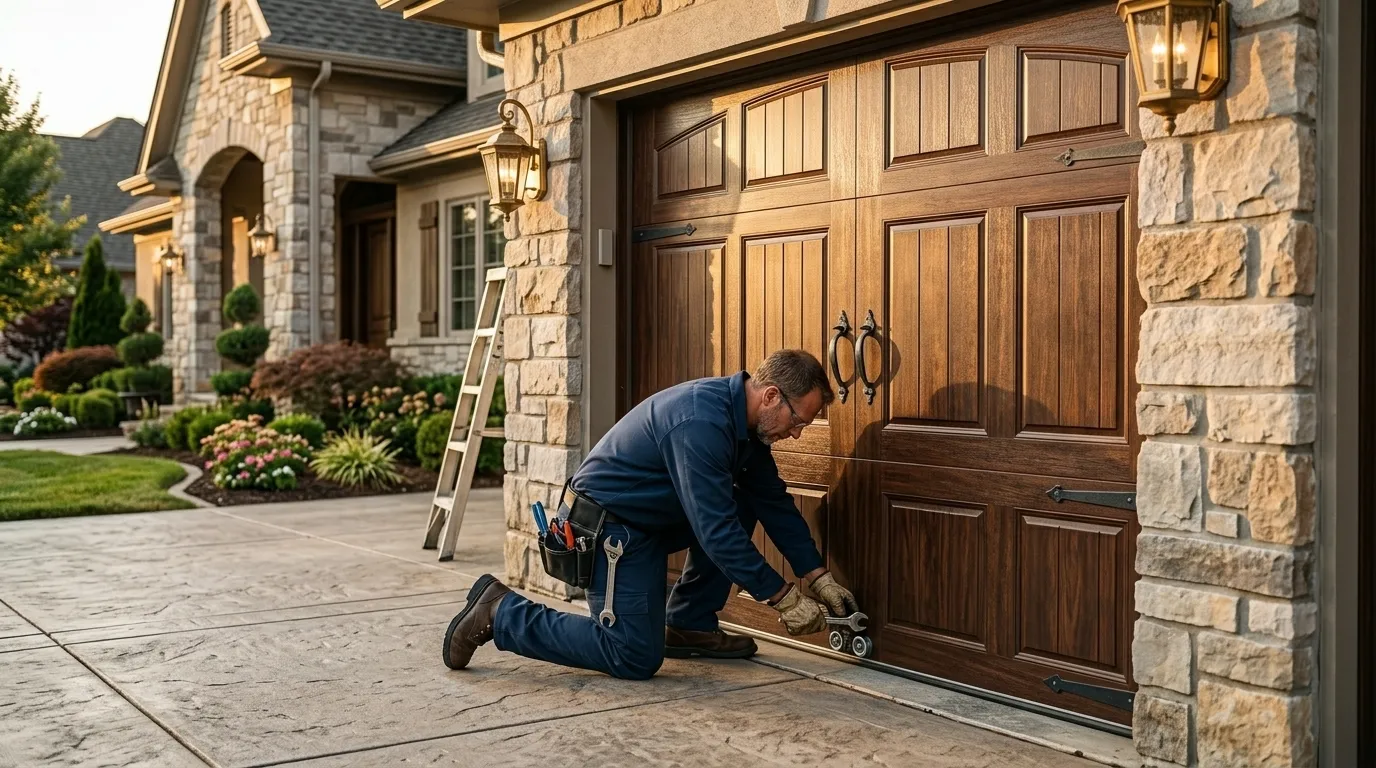
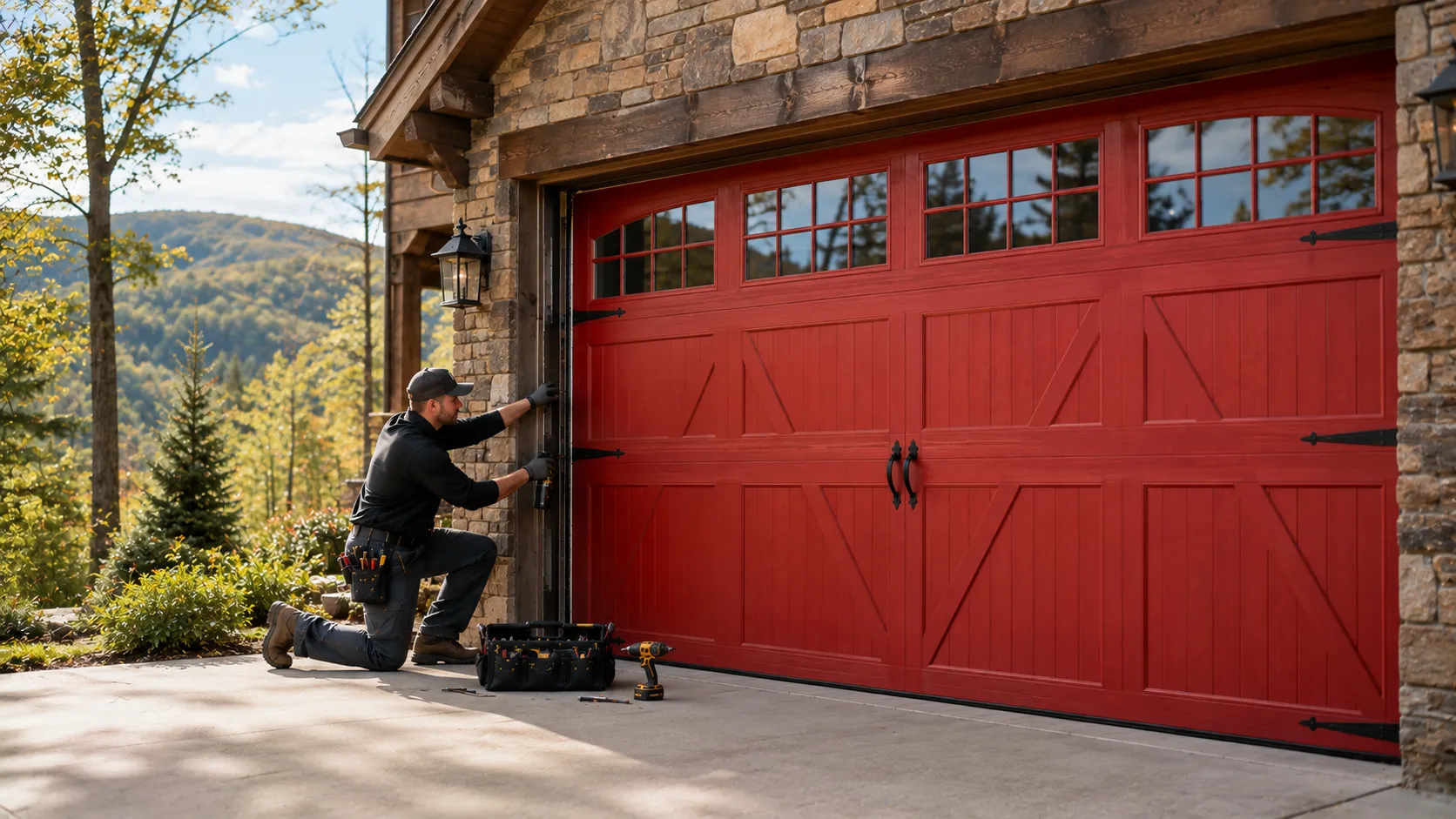
Leawood is a mid-size suburb, roughly 13,174 households, which puts it in a different bracket than the older, denser sections of the service area. That size matters for the work: a town this scale doesn't generate a flood of one type of failure, it generates a steady, varied mix. We show up, run the door through a full cycle, and check the spring tension, the track alignment, and the opener's force settings before we touch anything. Most of what we replace on a Leawood call is a broken torsion spring, a bent track from a door that got backed into, or a logic board on an opener that's stopped talking to the wall button. We diagnose on site and quote before we start work, not after. If a repair is going to cost more than about half of a new door installed, we say so plainly instead of running up a bill on a door that's already near the end of its life. That's not a sales pitch, it's the math, and we'd rather tell you that up front than let you find out after three separate visits.
Getting It Booked In
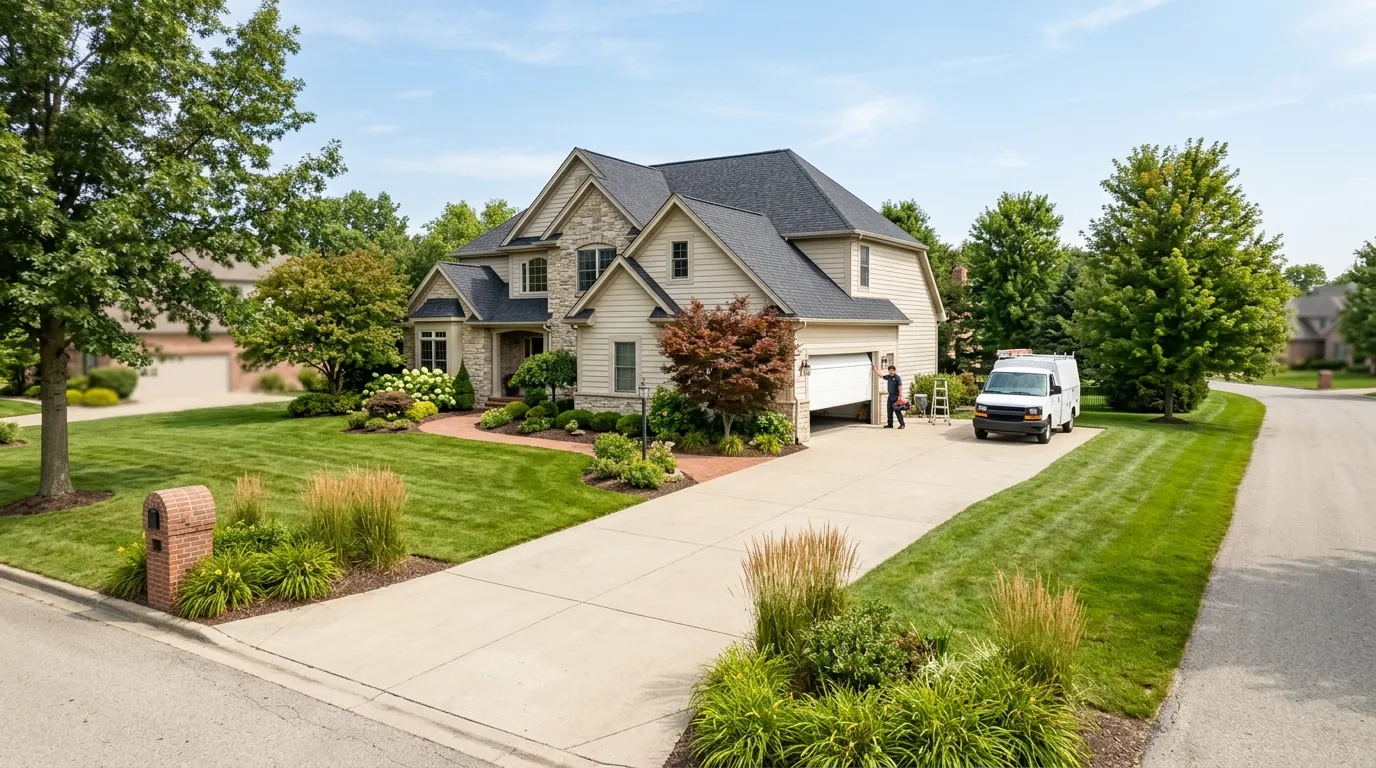
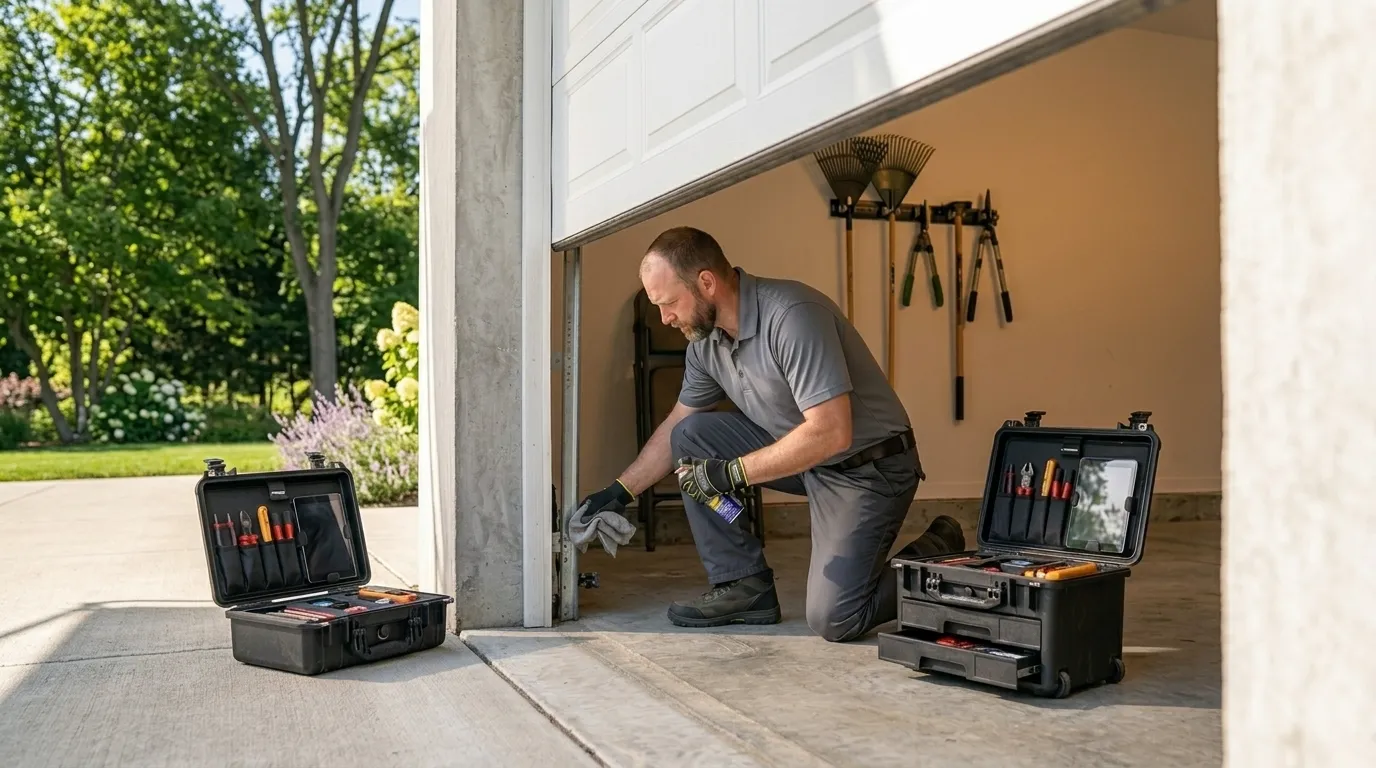
We travel to Leawood from Kansas City, about 16 miles out, so a call here isn't a same-block job for us the way it might be for a company based closer. Tell us the door's symptom when you call - won't open, opens partway and stops, makes a grinding noise on the way down - and we'll bring the right parts on the truck instead of guessing. Openers and torsion springs are the two things we stock heaviest, because they're the two things that fail most on doors from the 1980s and 90s build era that make up most of this town's housing. We book the visit, confirm a window, and diagnose on arrival. We don't quote sight-unseen over the phone for anything beyond a basic spring swap, because a stuck opener and a broken cable can look identical from a homeowner's description and cost very different amounts to fix.
Parts We Carry
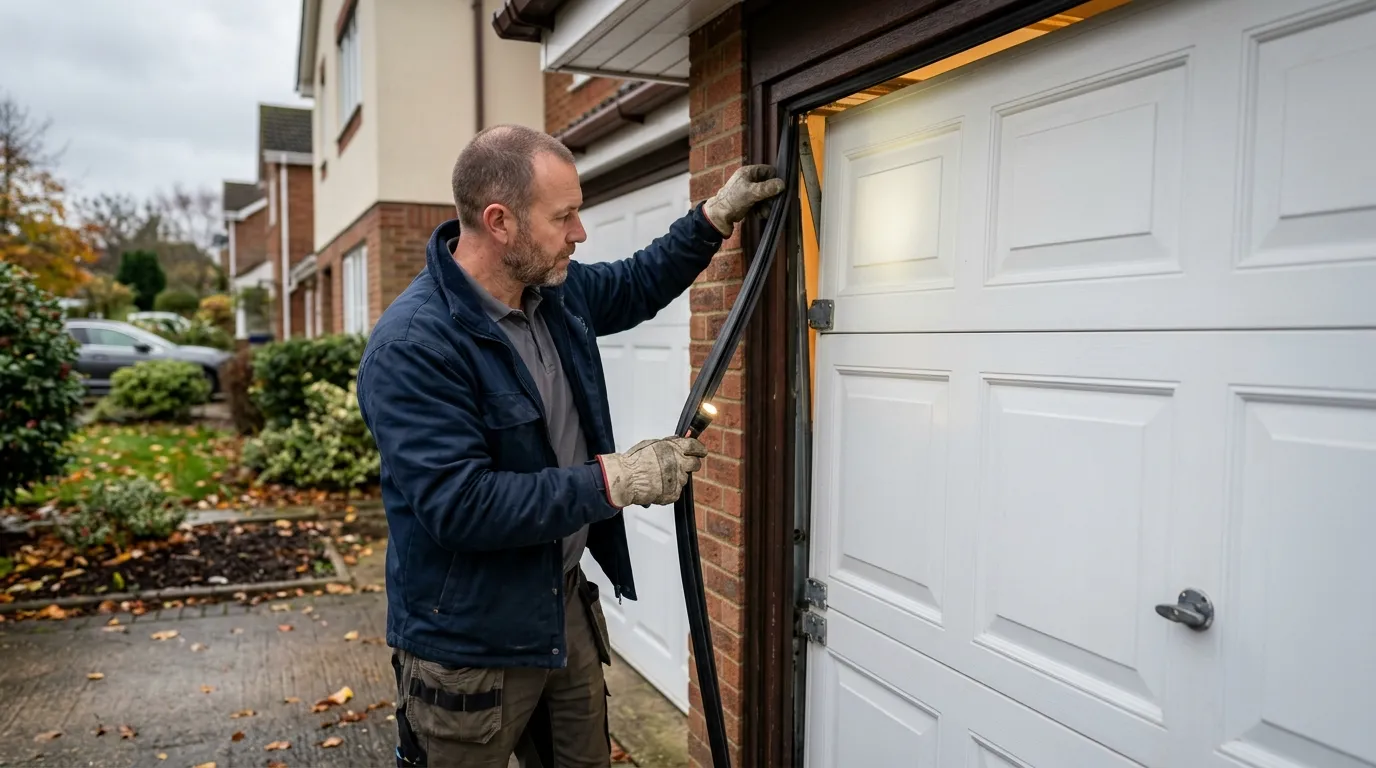
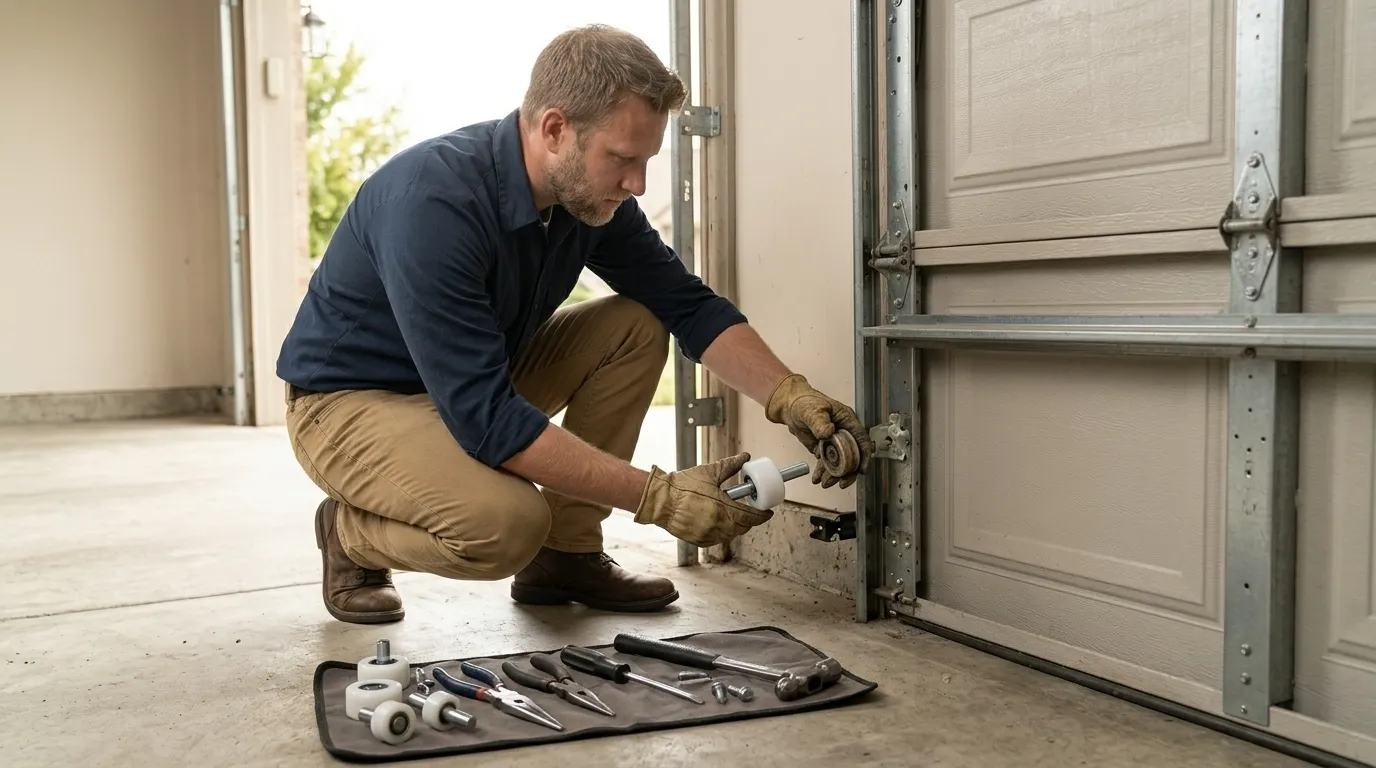
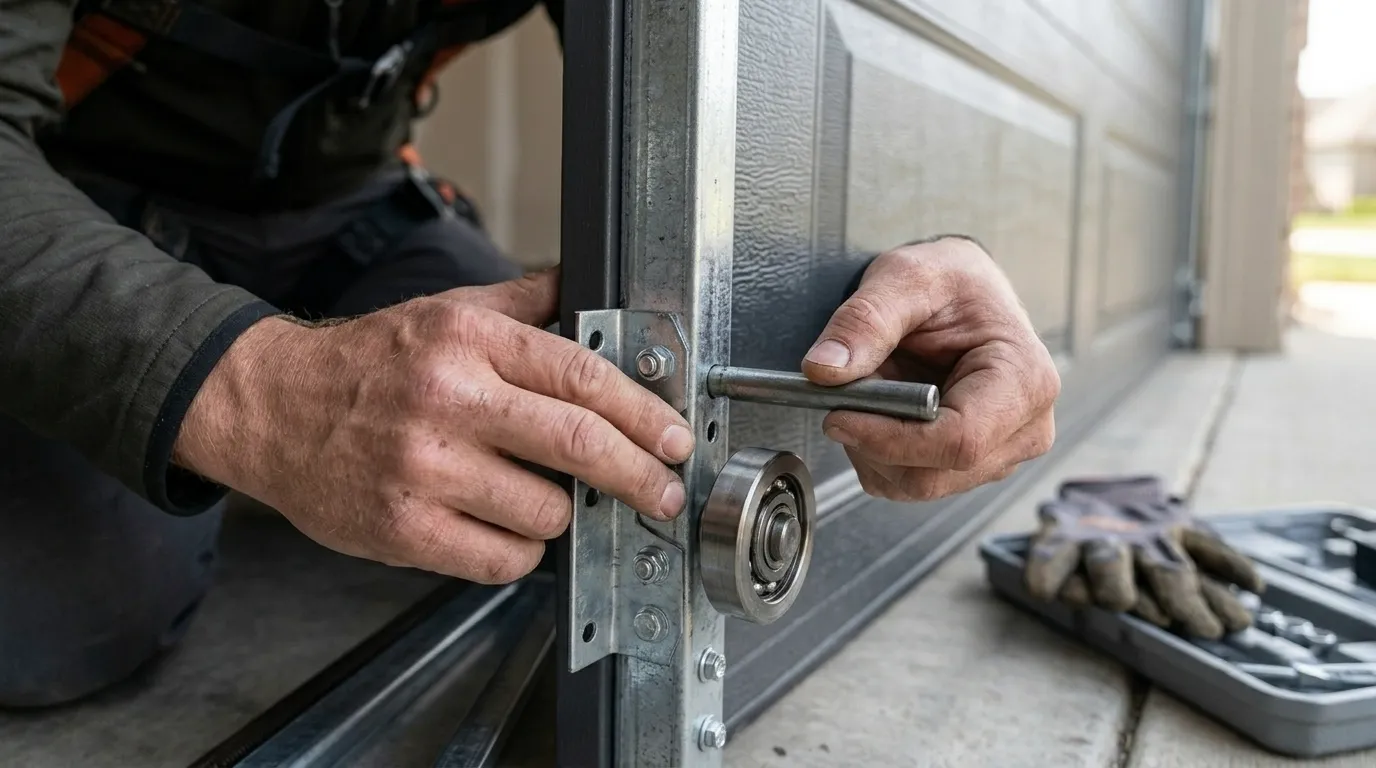
We carry torsion springs in the sizes that match sectional steel doors from the 1980s-2000s build window, since that covers most of what's on Leawood driveways. We also stock standard opener drive components - chain and screw-drive gear kits, logic boards for the common residential brands - along with rollers, cables, and hinges sized for two-car sectional doors. What we don't carry on the truck is anything for a custom or oversized door, or older one-piece hardware from pre-1970s construction; that's a special-order part, and we'll tell you the lead time honestly rather than promise a same-visit fix we can't deliver. If your door falls into that category, we'll get you a firm timeline before we leave, not a vague one.
Can You Do This Yourself
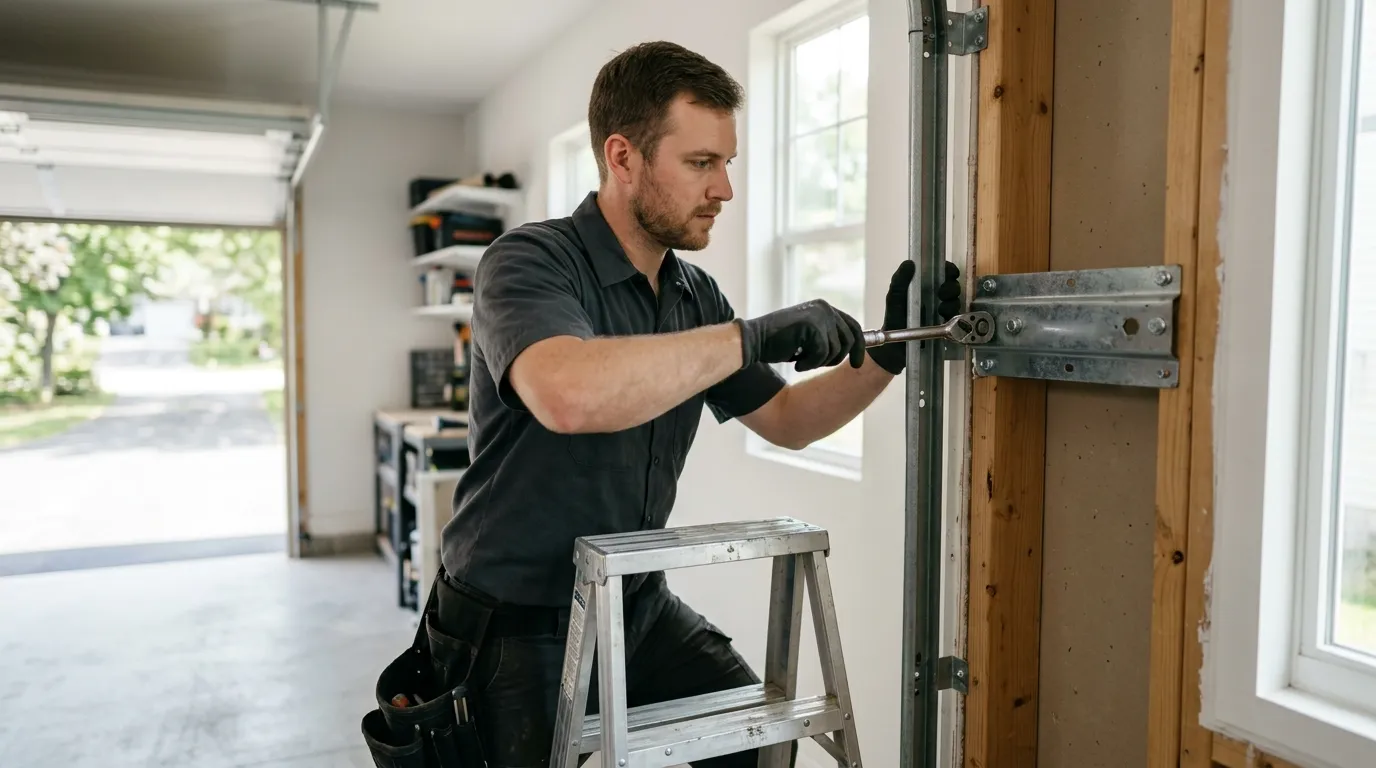
A lot of what goes wrong is safe for a homeowner to handle - tightening a loose hinge, lubricating a track, replacing a remote battery, or resetting an opener's travel limits. What isn't safe is anything involving the torsion spring itself. Those springs hold enough tension to break a hand or worse, and on a door from the 80s or 90s the spring has usually been under load for two to four decades without ever being serviced. If your door won't budge, makes a loud bang before it locks up, or the spring itself looks visibly separated on the shaft, stop and call rather than pull the emergency release and try to force it. That one is not a DIY repair, and we say that even though it means fewer easy jobs for us - it's the honest answer, not the profitable one.