
Parts We Carry
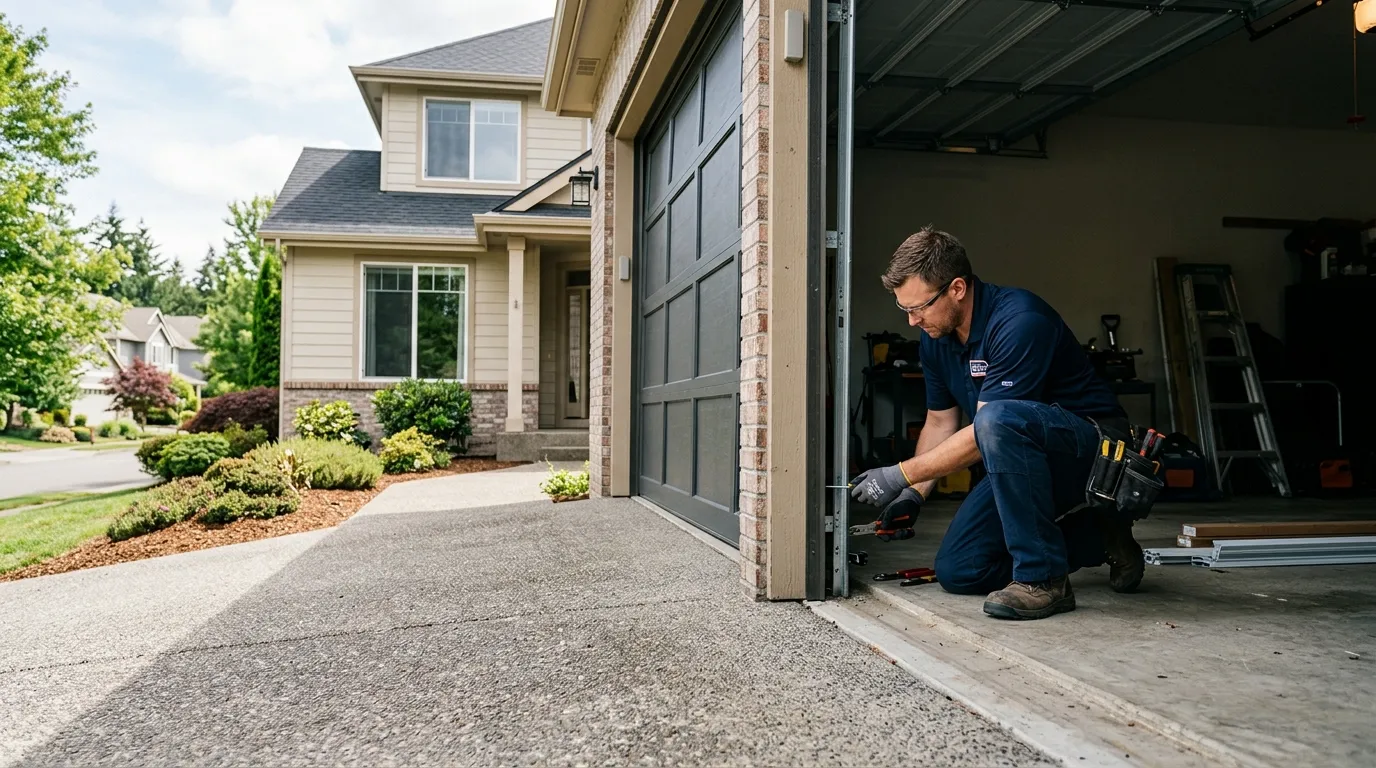
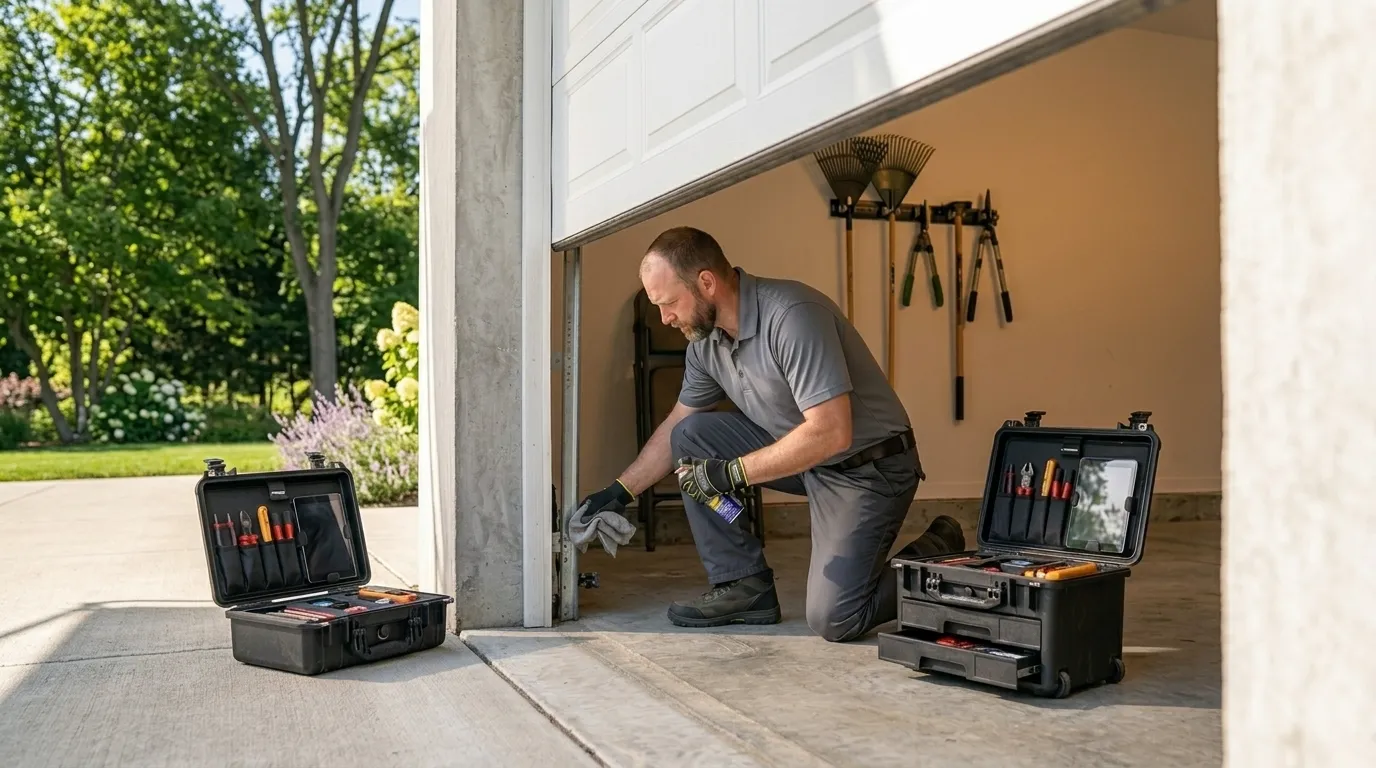
Basehor's median house was built around 2004, decades newer than the 1973 median across the rest of the area we cover. That gap matters more than it sounds. A door built in 2004 is almost always a steel sectional panel on extension or torsion springs, with a photo-eye safety sensor pair low on the track and an opener with a circuit board, not a mechanical relay. We carry the springs, cables, and rollers that fit that generation of hardware - the parts that go on doors built during the 1990s and 2000s building boom. What we don't stock on the truck is the odd stuff: obsolete torque-master spring conversions or panel profiles that stopped being made years ago. If your door turns out to be older than the neighborhood average, we'll tell you straight whether it's a same-visit part or a special order. Basehor's 2,621 households sit on the newer end of what we see across the wider area, so most calls here are standard parts, standard fixes.
How We Fix It
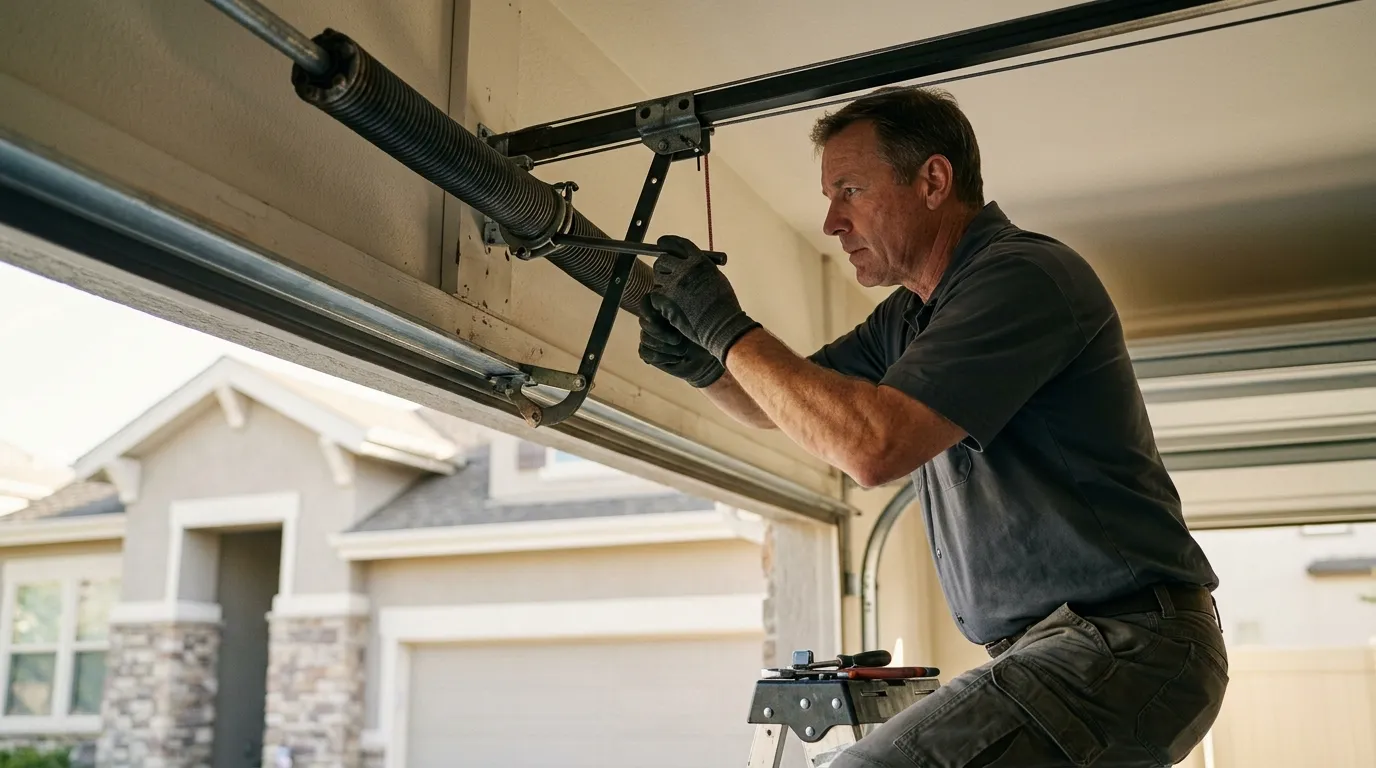
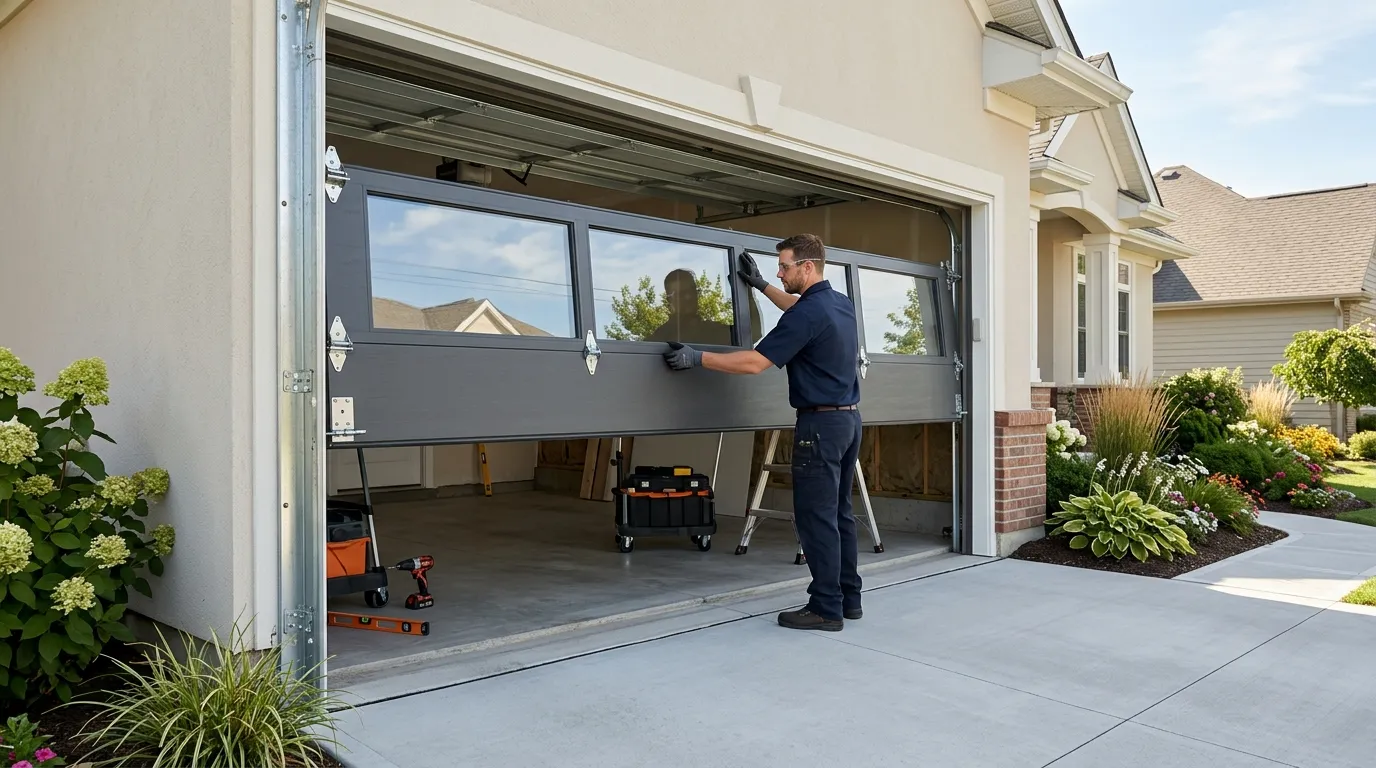
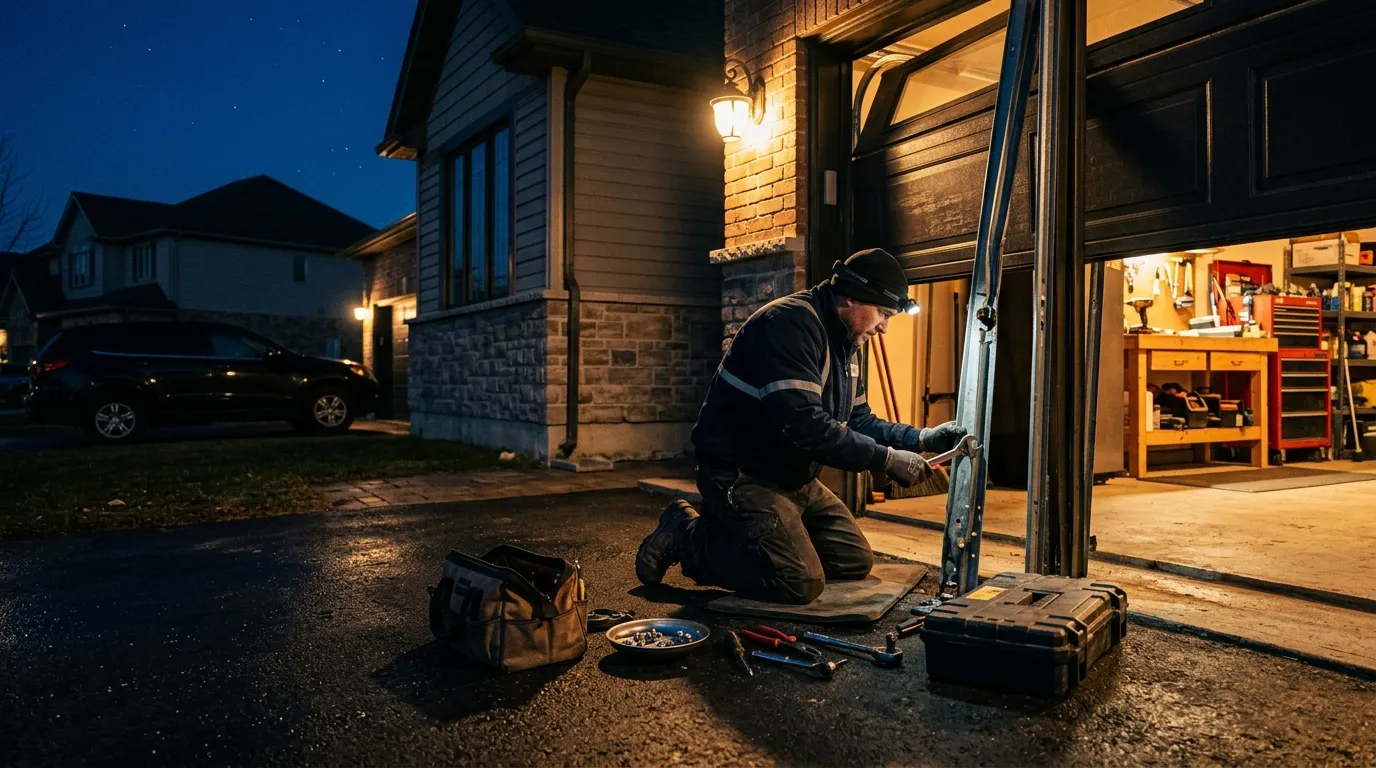
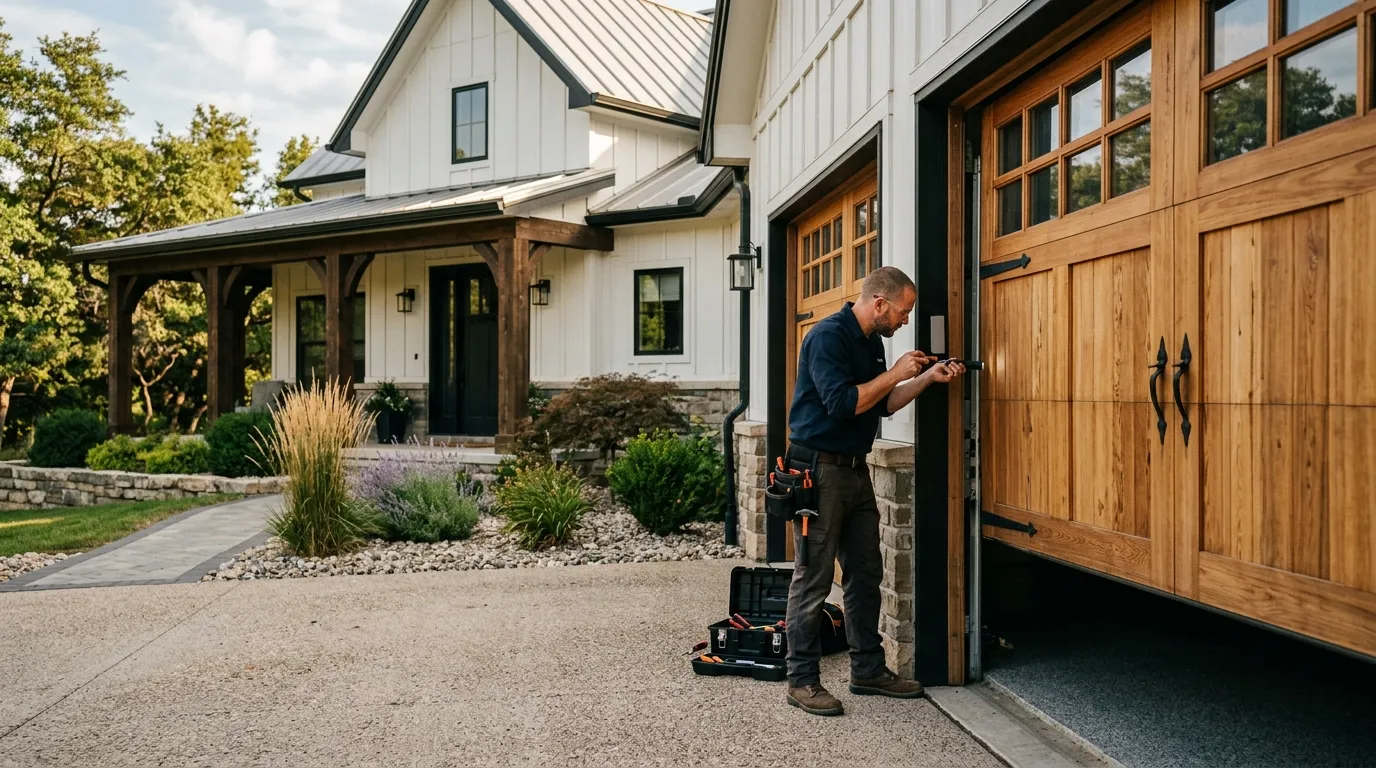
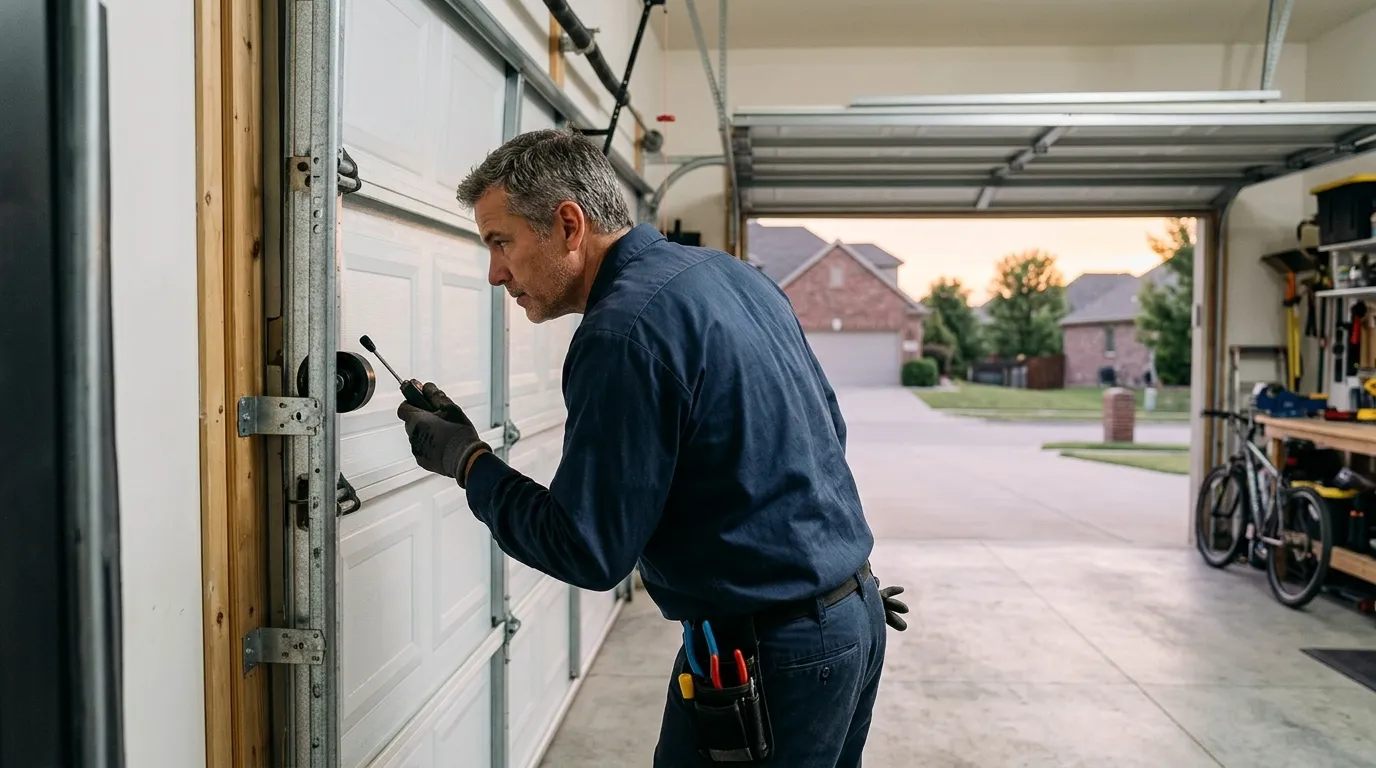
On a 2004-era door, a broken spring job usually means matching the wire gauge and coil length to a torsion or extension system that's still common and well documented - not guessing at hardware from a different decade. We measure the door, weigh out the spring rate, and swap in a matched pair rather than patching one side. Opener issues on houses this age are more often the logic board or the safety sensor alignment than a dead motor, since these units have circuit-driven safety cutoffs rather than the older mechanical kind. Track and roller wear shows up the same way it does anywhere, but on newer stock the tracks are usually still true, so it's a roller and hardware fix rather than a full track replacement. We do the diagnosis on site before quoting anything, and we don't sell a full opener swap when a sensor realignment or a board reset solves it.
The Complications
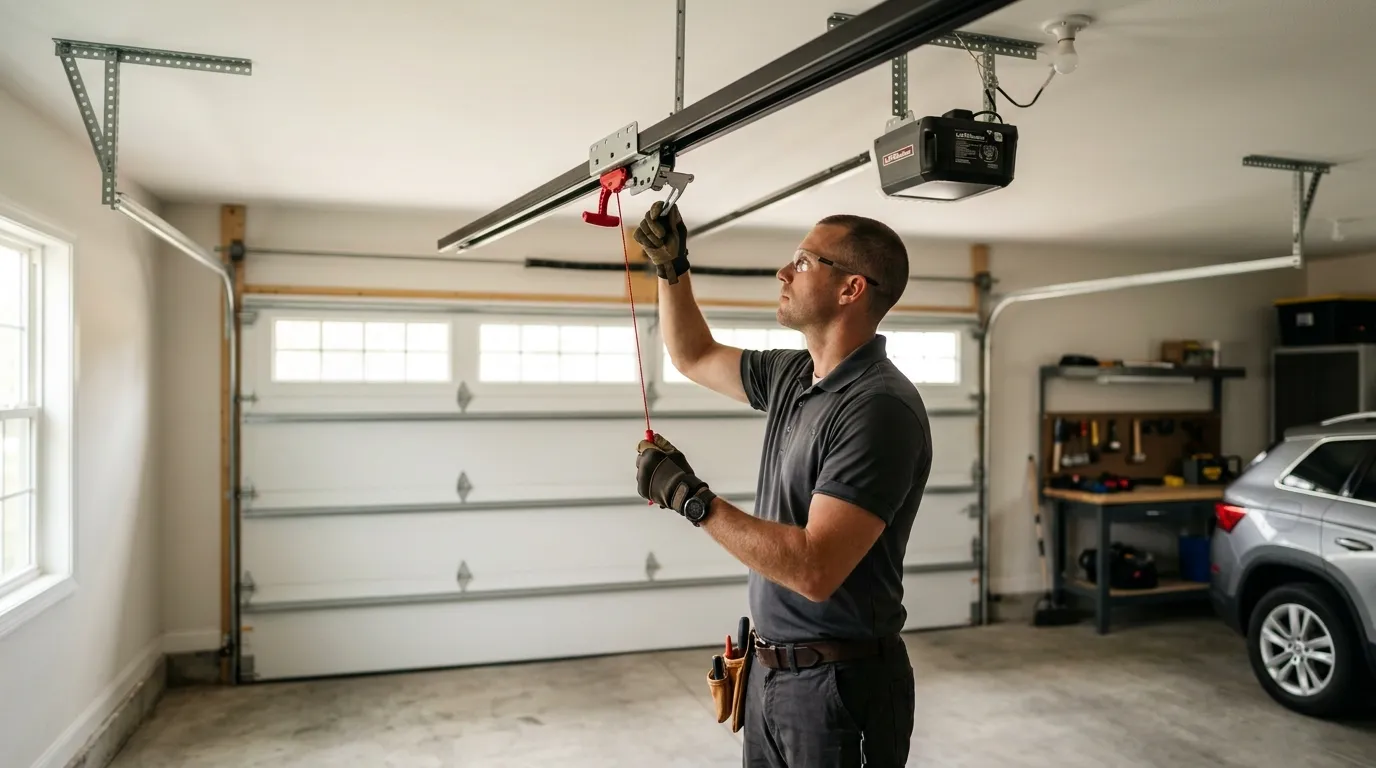
The complication in Basehor isn't old hardware - it's the opposite. Newer doors mean newer openers, and newer openers mean more electronics: circuit boards, wireless keypads, smartphone-linked units. When something goes wrong on one of these, it's not always obvious whether the fault is mechanical or electrical, and that changes what the fix costs. A bent track is a bent track anywhere. A logic board that's failing intermittently can take longer to pin down, and if the opener is a specific smart-home model, we may need to order a matched control board rather than a universal one. We're upfront when a repair isn't worth it - if a mid-2000s opener has a dying board and the unit is near the end of its expected life anyway, replacing it outright is usually the better call than chasing an intermittent electrical fault twice.