Parts We Carry
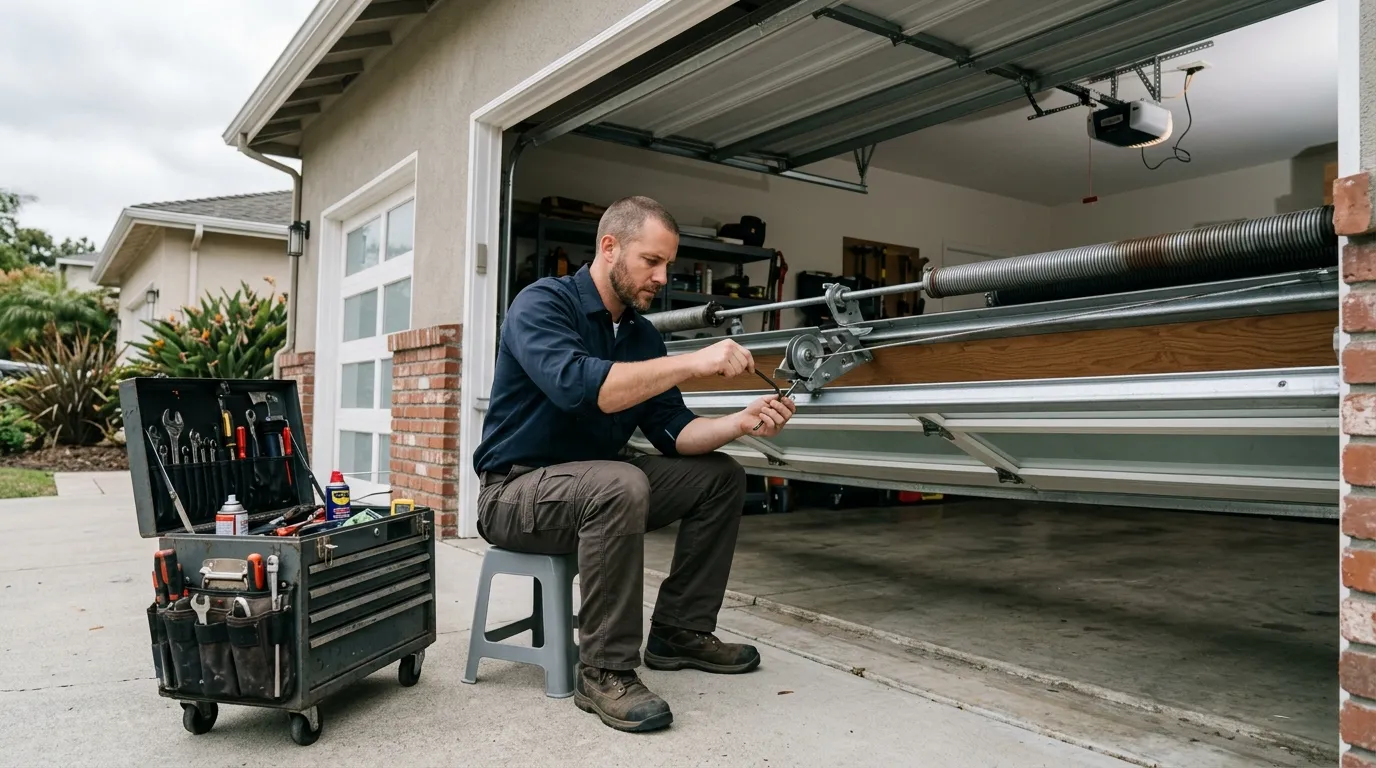
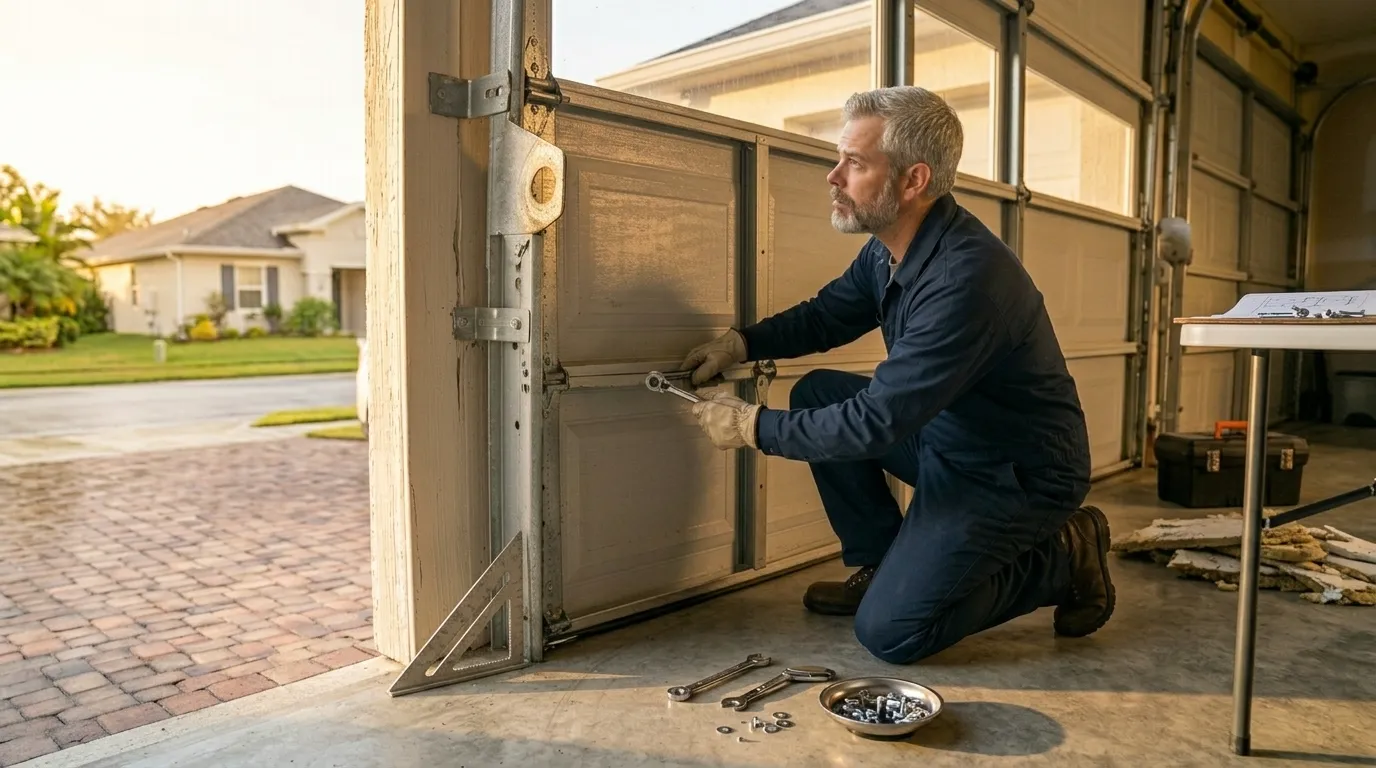
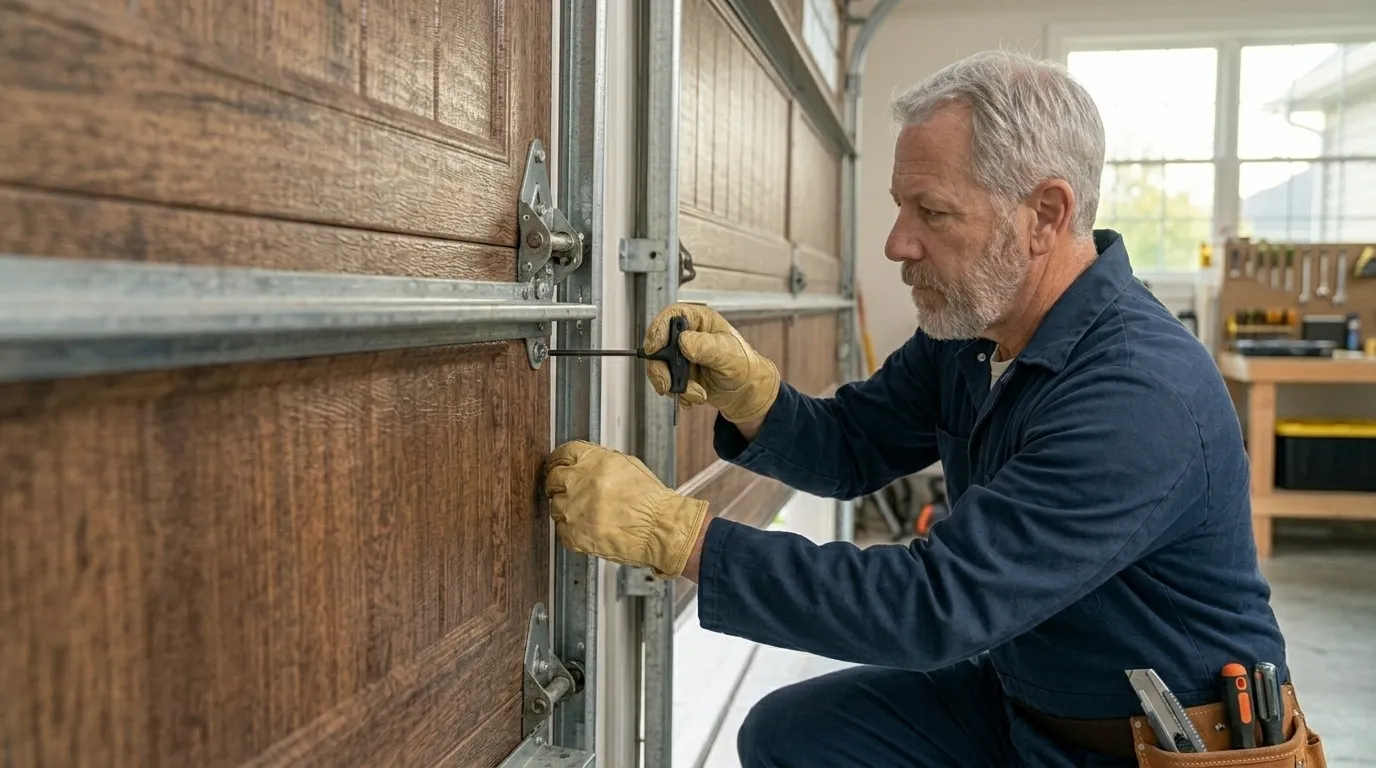
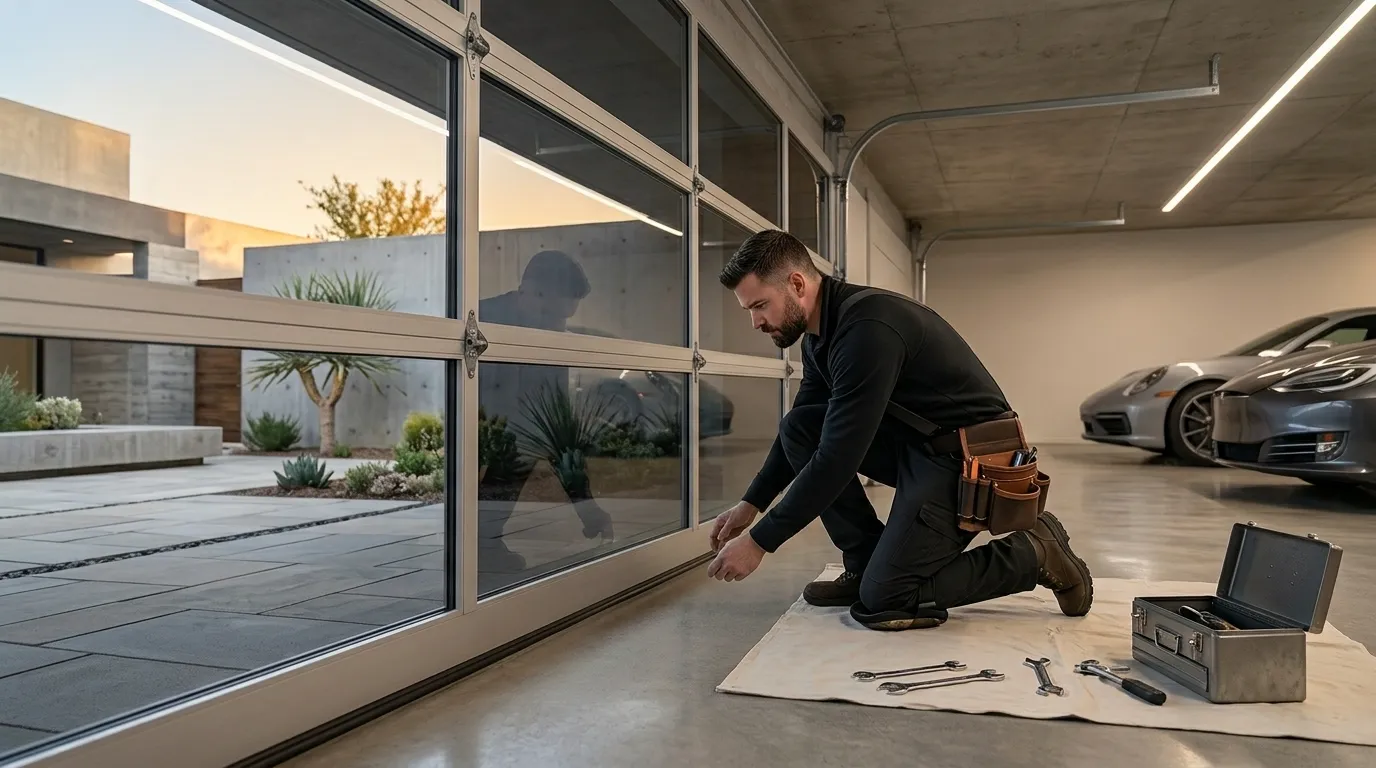
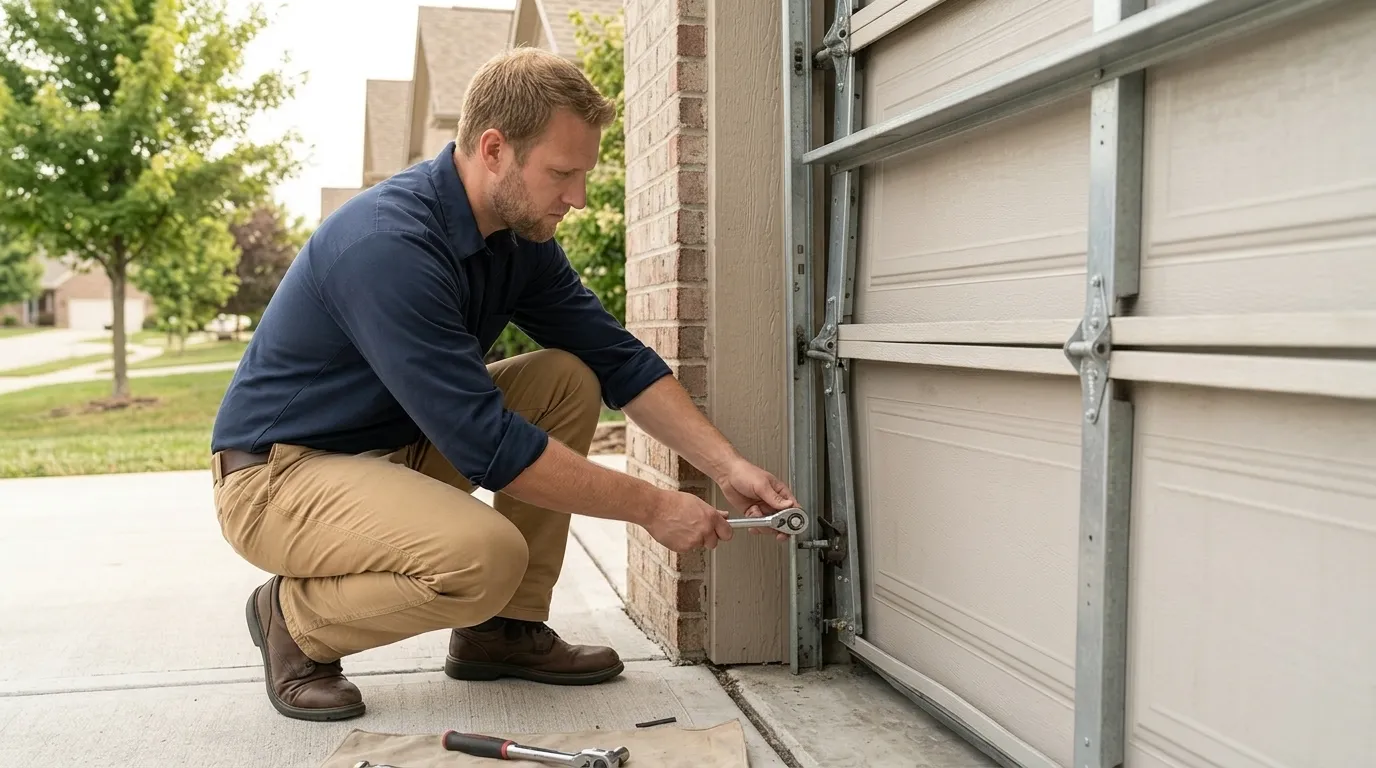
Basehor's houses mostly went up around 2004, which puts most doors here on newer roller and track hardware than what you'd find on the 1973-era stock common across the rest of the service area. That means nylon or plastic-capped rollers instead of the bare steel wheels on older builds, lighter-gauge galvanized track sections, and low-headroom track kits that were common on garages built in that era. We carry replacement rollers in both nylon and sealed-bearing steel, track sections in the standard 2-inch and 3-inch radius profiles, and the brackets and hinges that pair with them. What we don't stock on the truck are proprietary track systems from certain designer door lines - if your door uses one of those, we order the part and schedule a return trip rather than force a fit with something close enough. On a newer door, close enough usually isn't.
How We Fix It
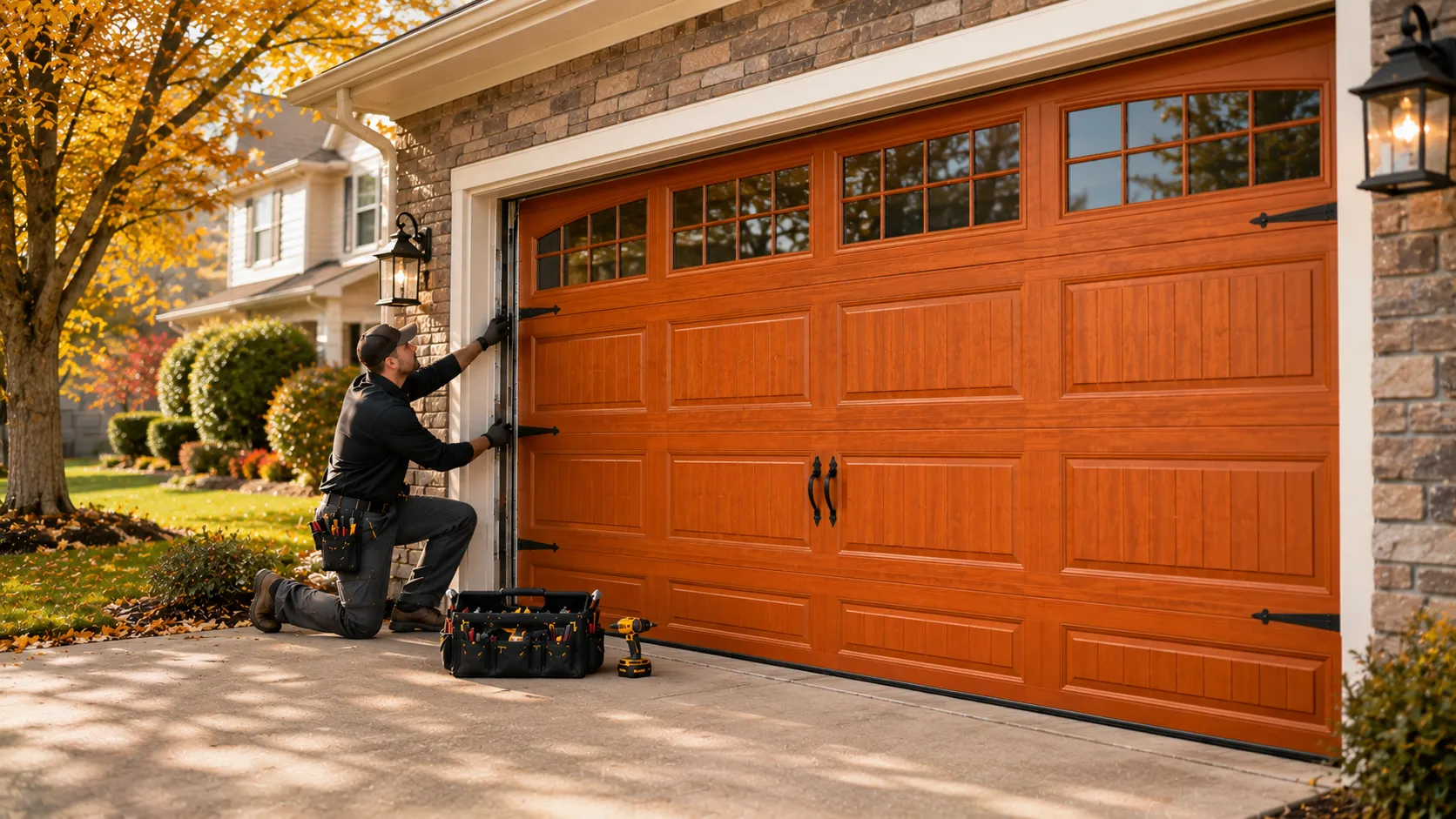
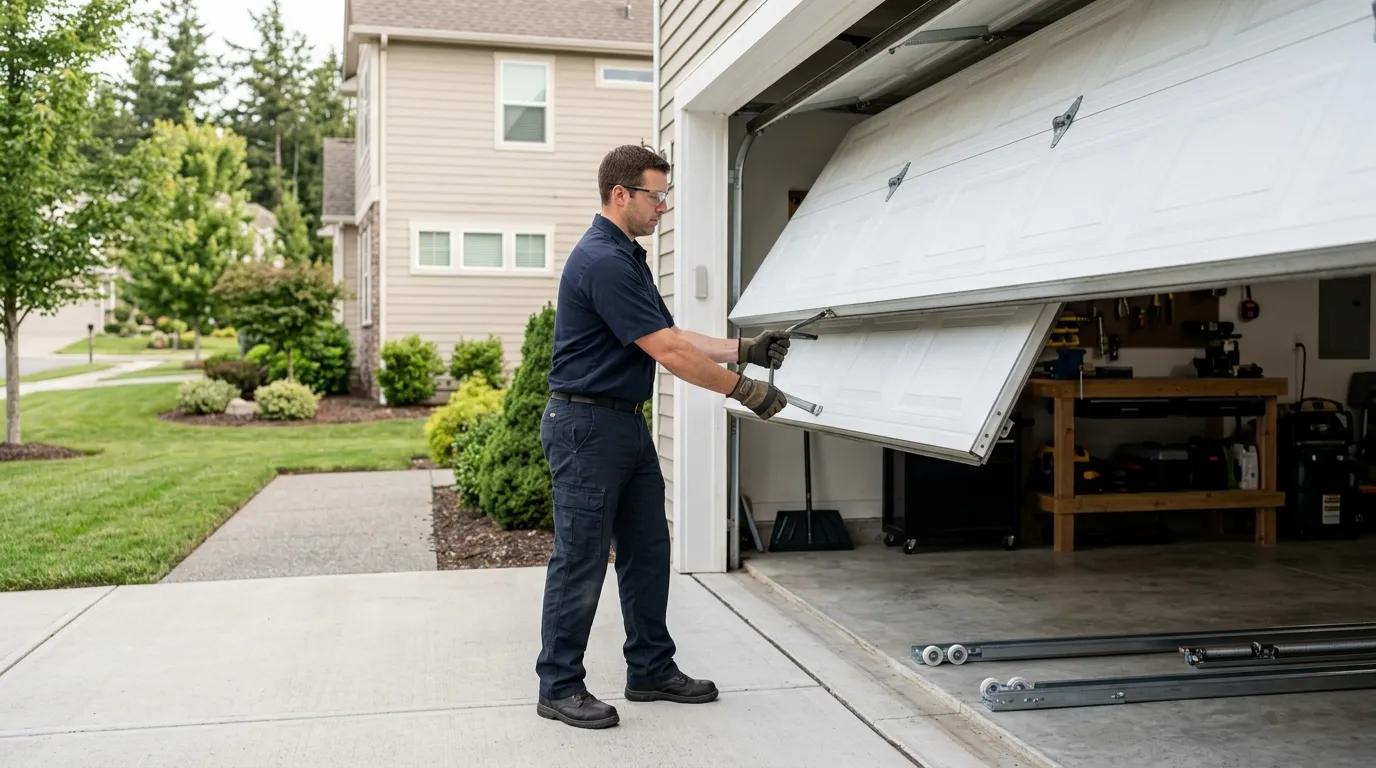
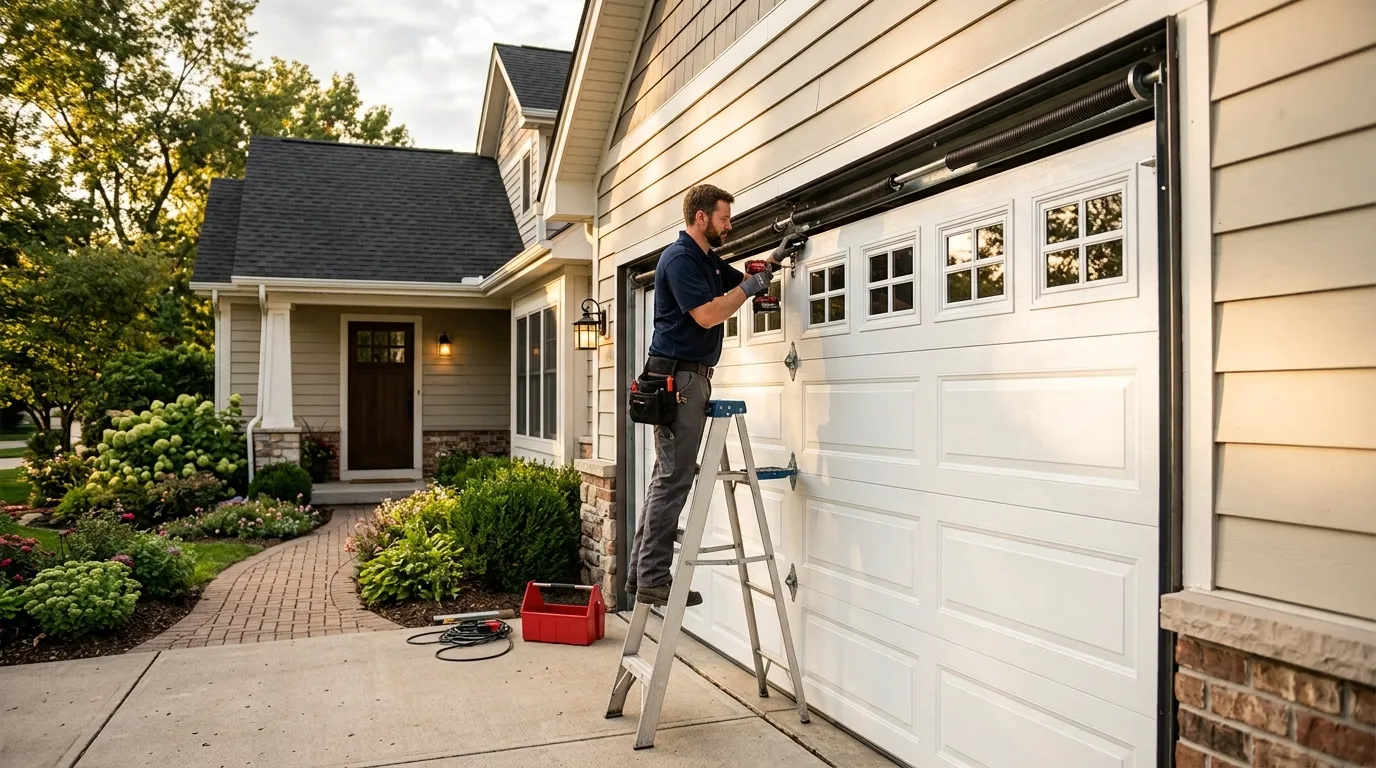
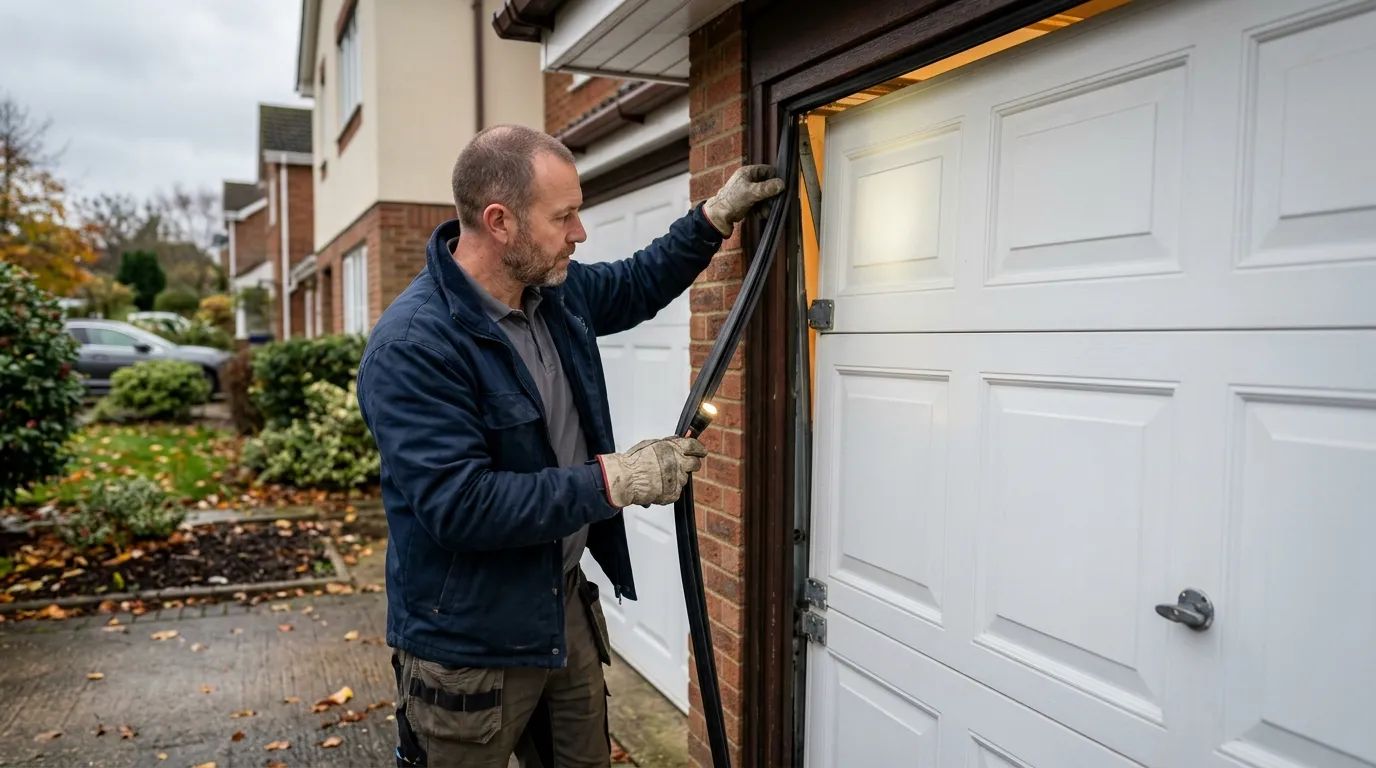
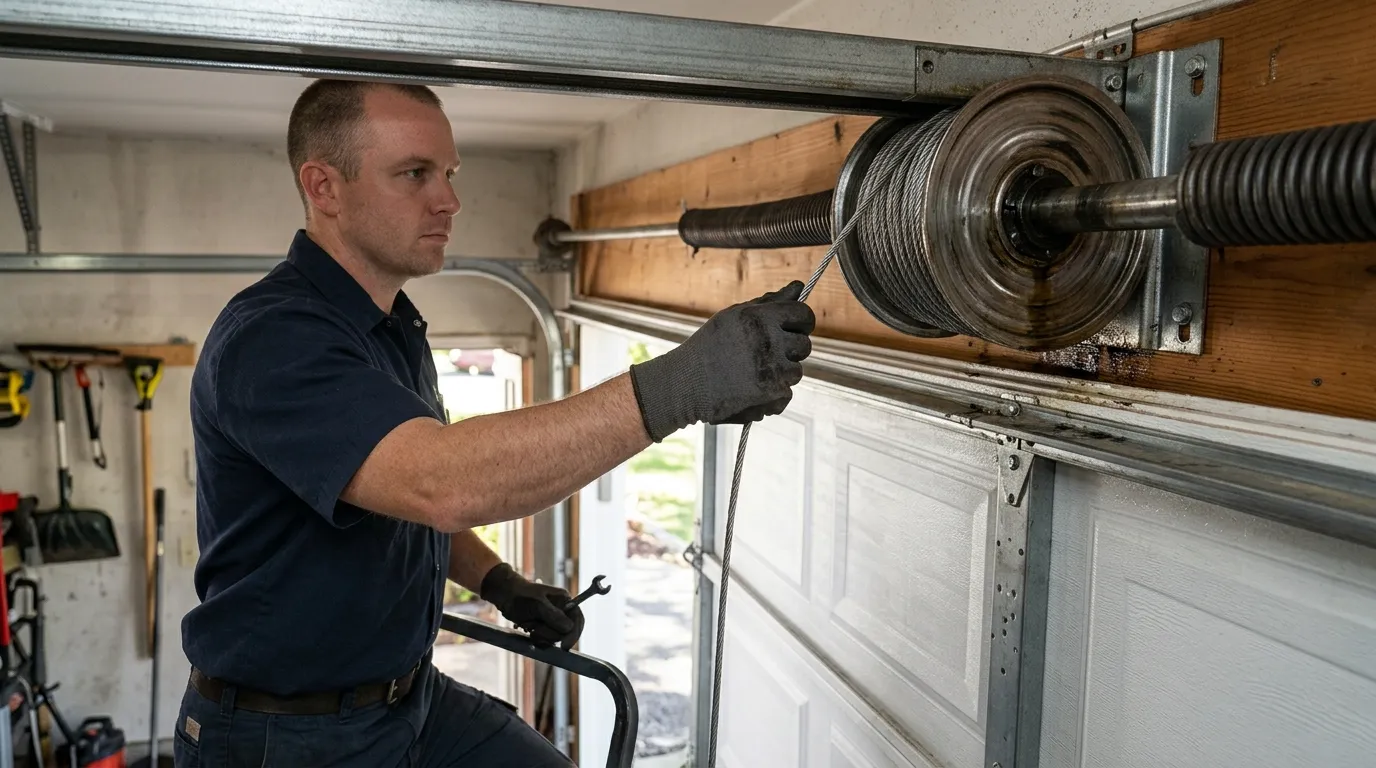
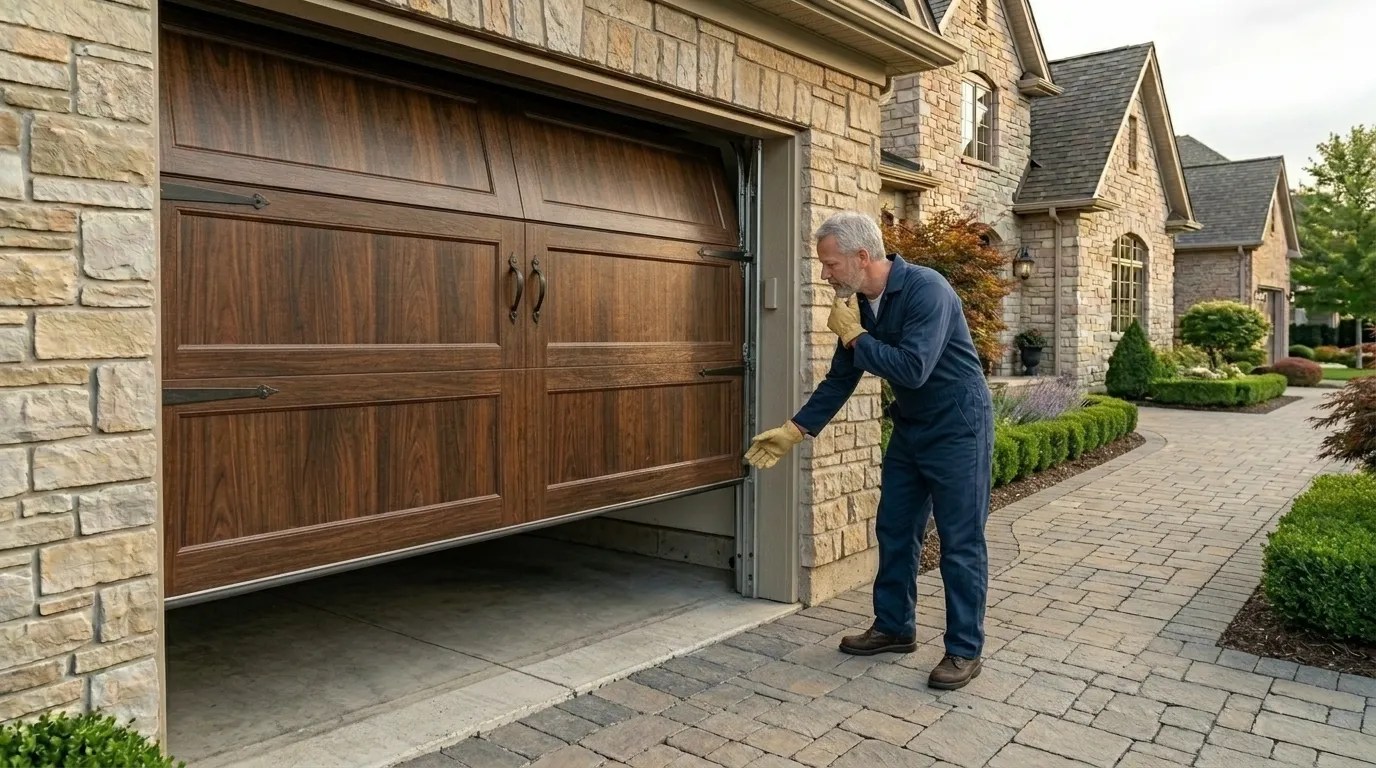
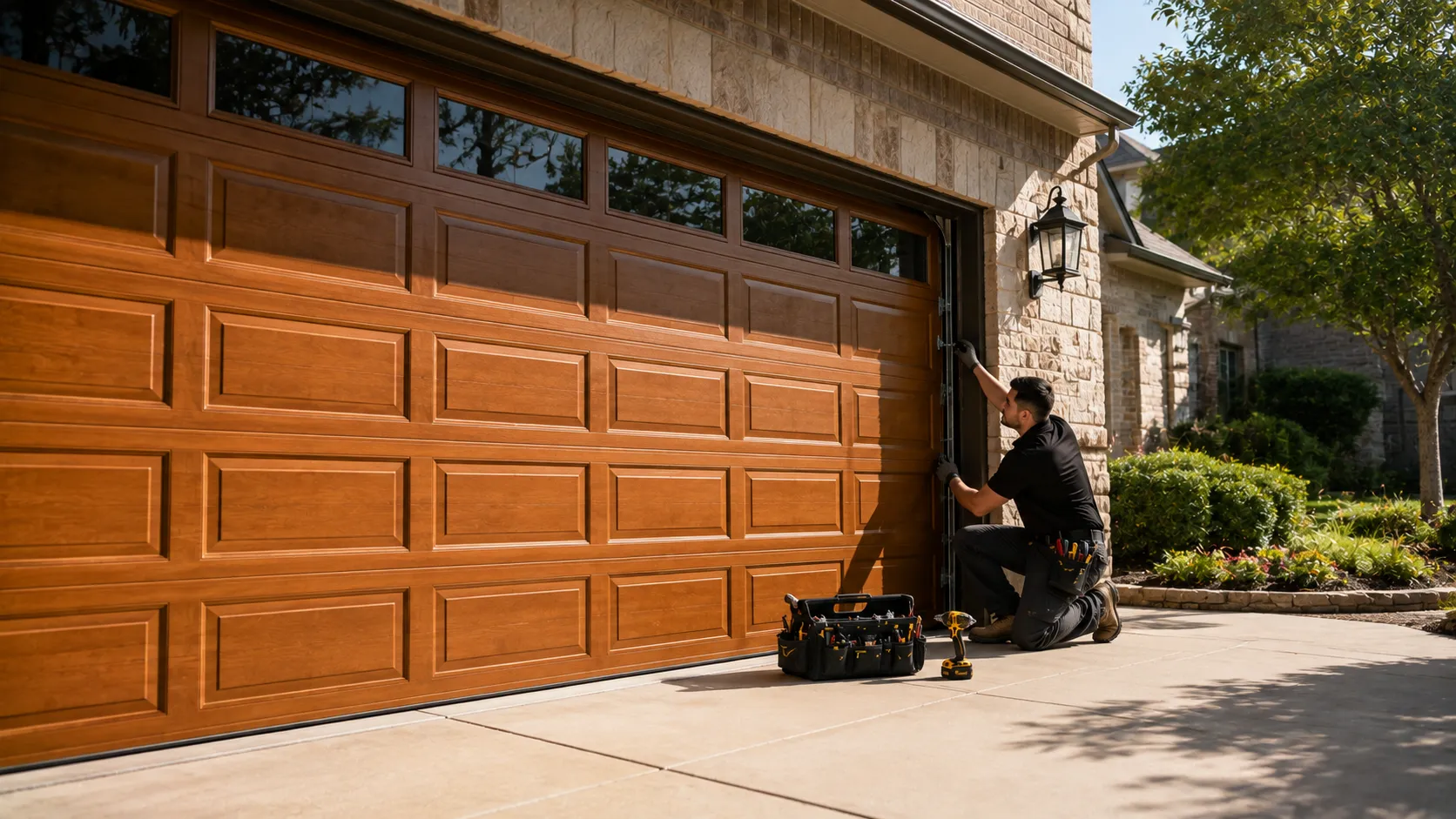
The first thing we check on any off-track call is whether the track itself bent or whether a roller just walked out of it. On 2004-and-newer construction, we see the second case more than the first - a roller pops out at the curve where vertical track bends into horizontal, usually because a hinge worked loose or a cable stretched unevenly. We reseat the door on the track, check that both sides run parallel, and test the rollers under load before we touch the springs. If the track bent - which happens when someone tries to force a stuck door past the point where it's binding - we replace that section rather than hammer it back into shape. Bent track that gets pounded straight looks fine and fails again within a season, and on a house this age, patch jobs that don't hold aren't worth the second trip for either of us.
The Complications
With household income here running near $106,325, well above the $89,385 median across the wider service area's 67,367 households, more owners in Basehor choose full track and roller hardware replacement over patchwork repair once a door's come off its rails - it's often the more sensible call on a door this age rather than a cost-driven one. Kansas City's cold winters still work on 2004-built track the same way they work on older track, contracting galvanized rail and popping rollers loose at the bend, so a door that ran fine in October can start binding by January. Basehor's 2,621 households sit on a smaller stock of newer doors, so the off-track calls we get here tend to be plastic-roller failures and misaligned sensor brackets rather than the worn steel rollers and sagging track common on 1973-era doors elsewhere in the area. One limitation worth saying plainly: if the opener's travel settings are off along with the track, we adjust what we can, but a failing opener board is a separate repair we'll flag rather than bundle in.