Parts We Carry
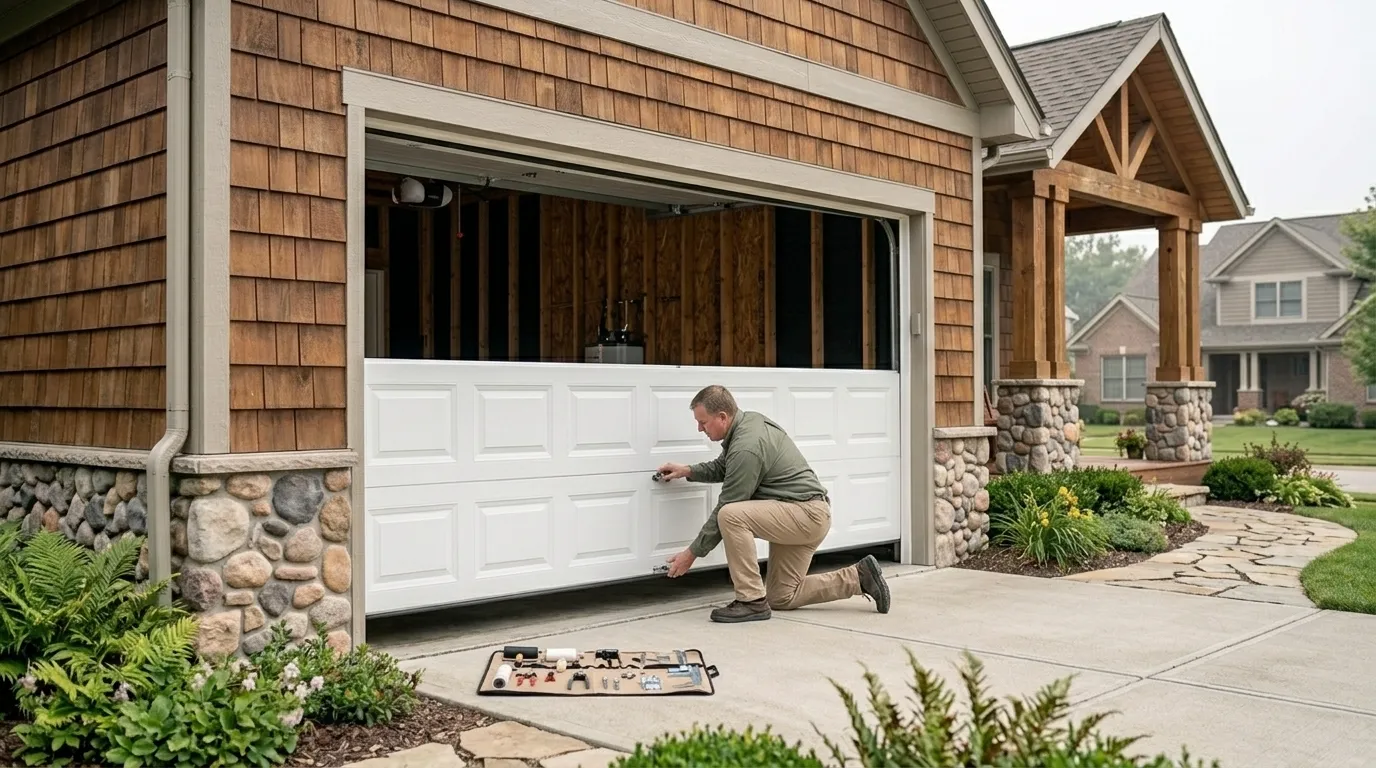
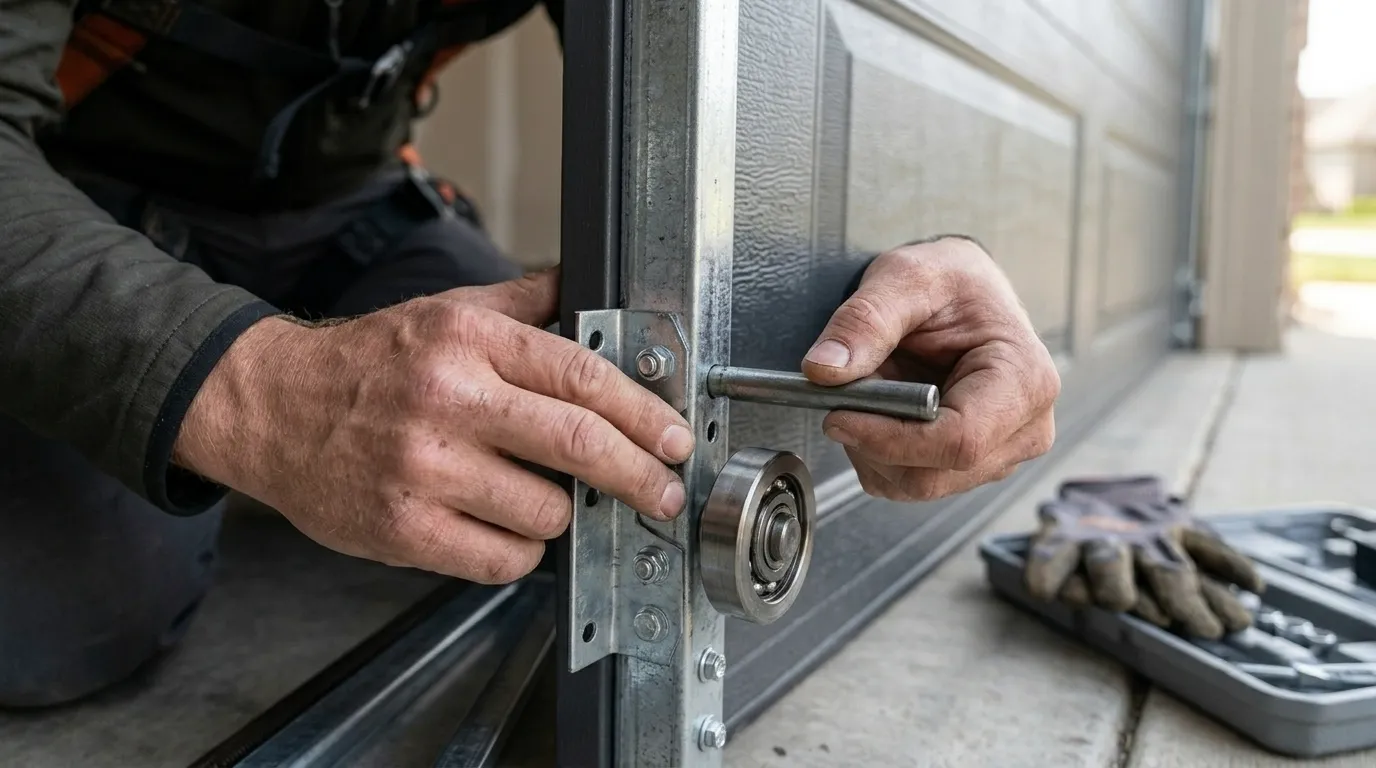
Basehor's median household income sits at $106,325, well above the wider service area's $89,385, and that shows up in the doors we see here. Higher household budgets since the early 2000s meant more insulated steel doors with factory nylon rollers rather than the bare steel rollers common on the older stock closer to Kansas City. Most of the region's housing dates to a 1973 median build year, but Basehor's own median build year runs to 2004 - a full generation newer. That means fewer doors held together with mismatched replacement hardware from decades of patch repairs, and more doors still running their original roller set because the house itself isn't old enough to have needed a second round yet. We stock 2-inch and 3-inch nylon rollers with sealed ball bearings as the default here, plus 10-ball and 13-ball steel rollers for the smaller number of older or heavier-duty doors. We don't carry every proprietary roller a big-box builder-grade door ships with, and if your door uses one of those, we'll tell you before we quote instead of after.
How We Fix It
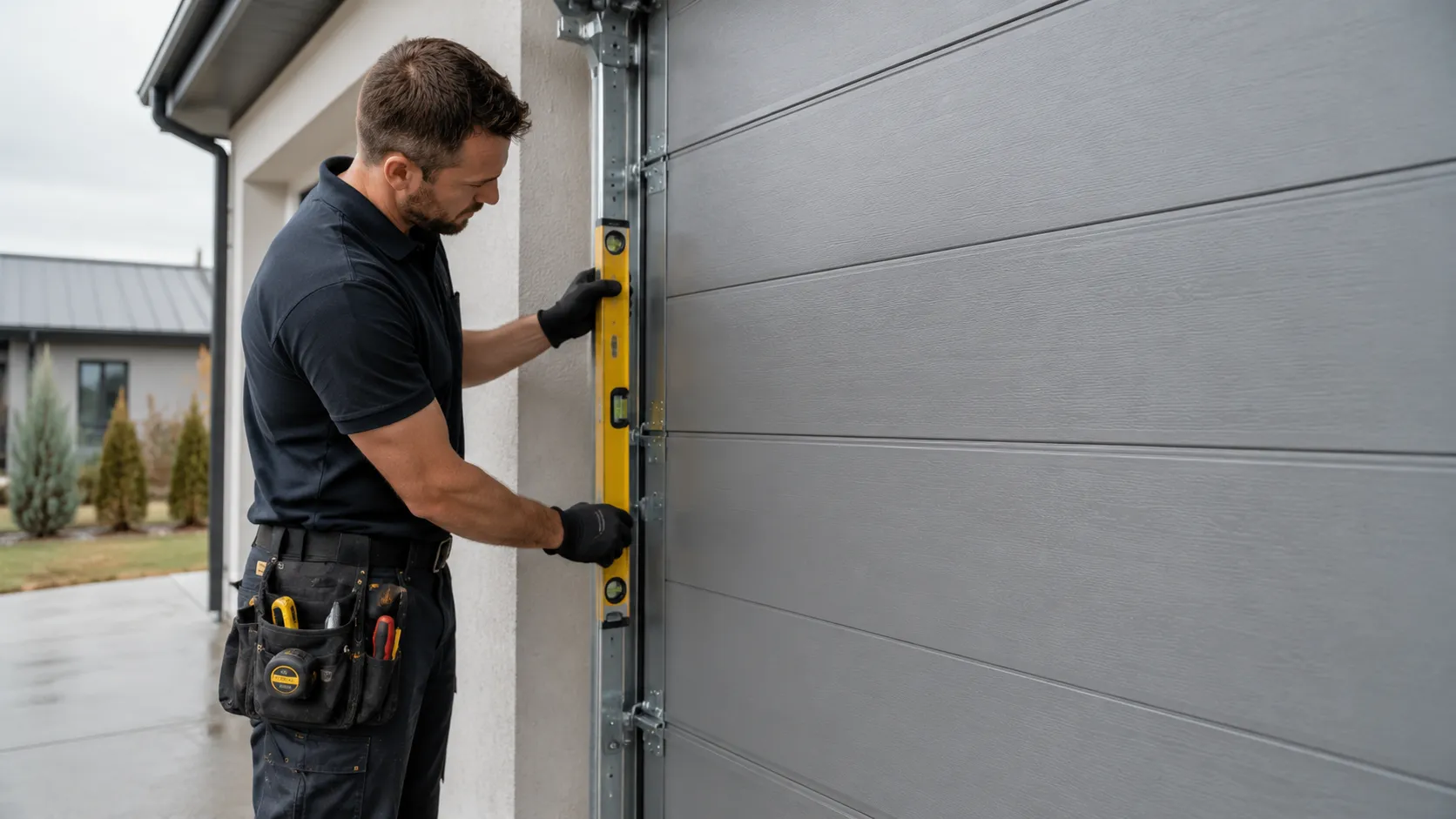
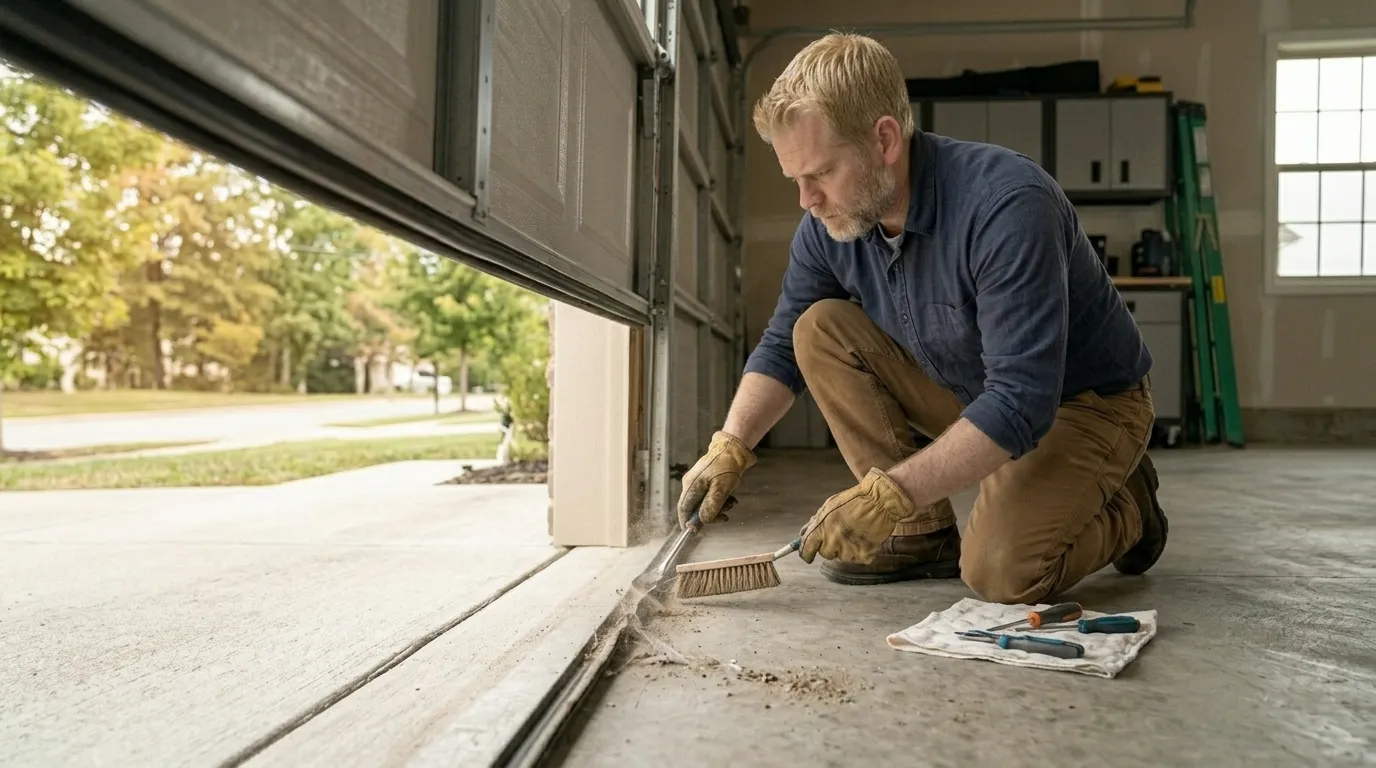
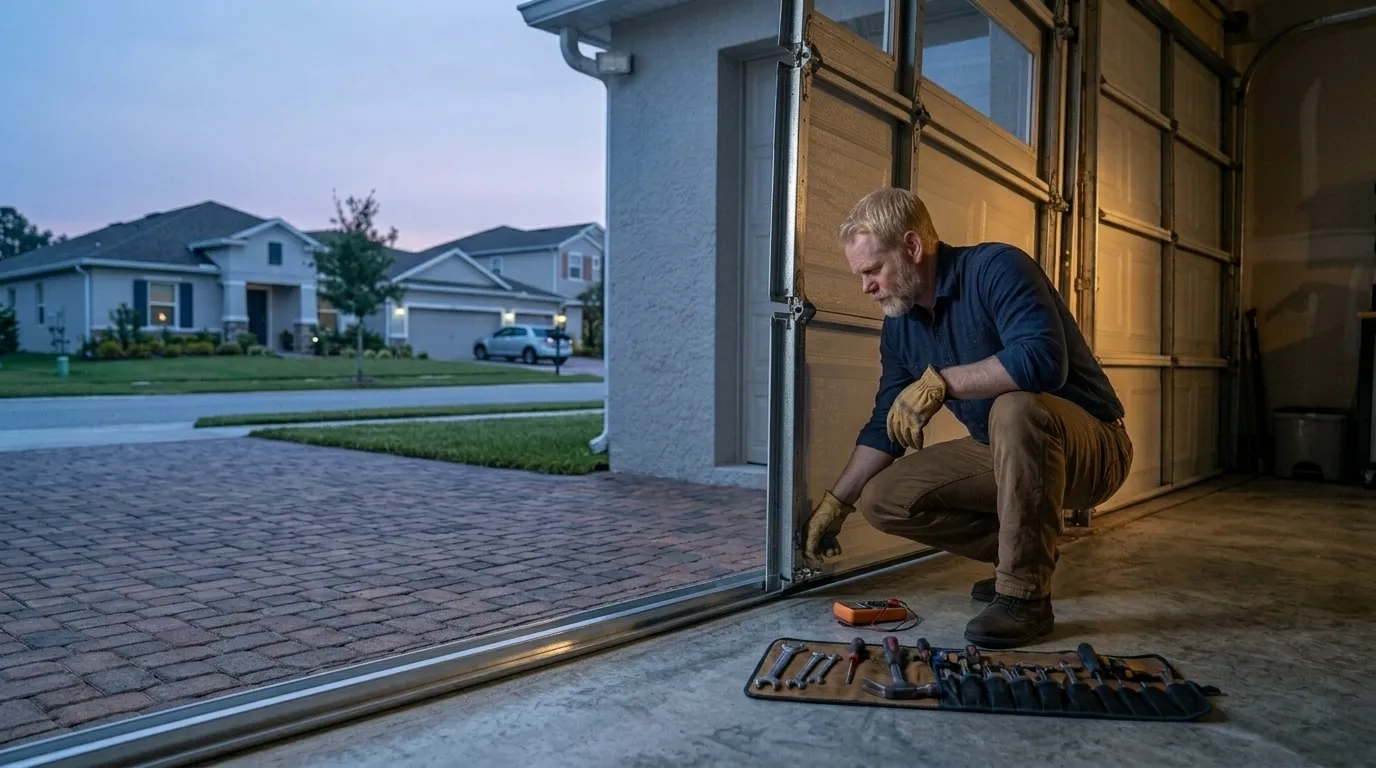
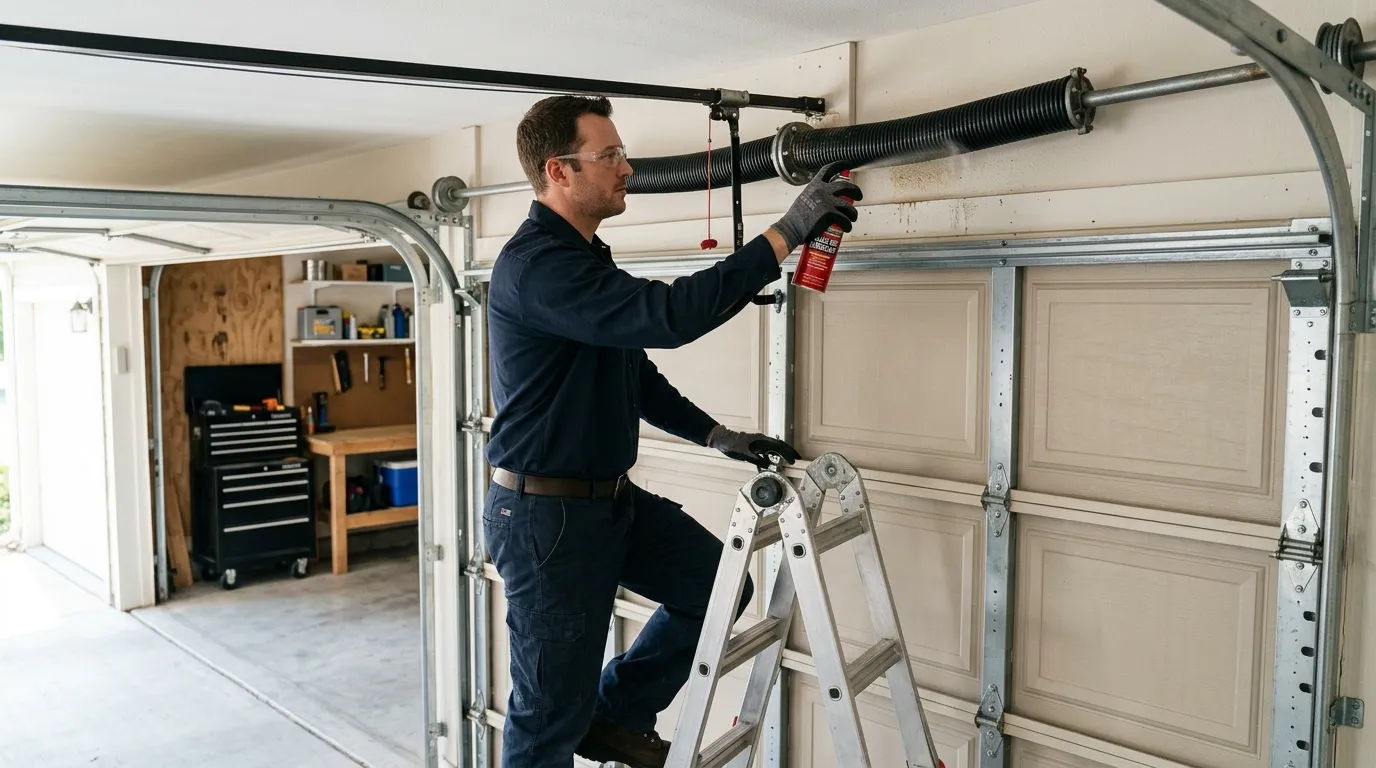
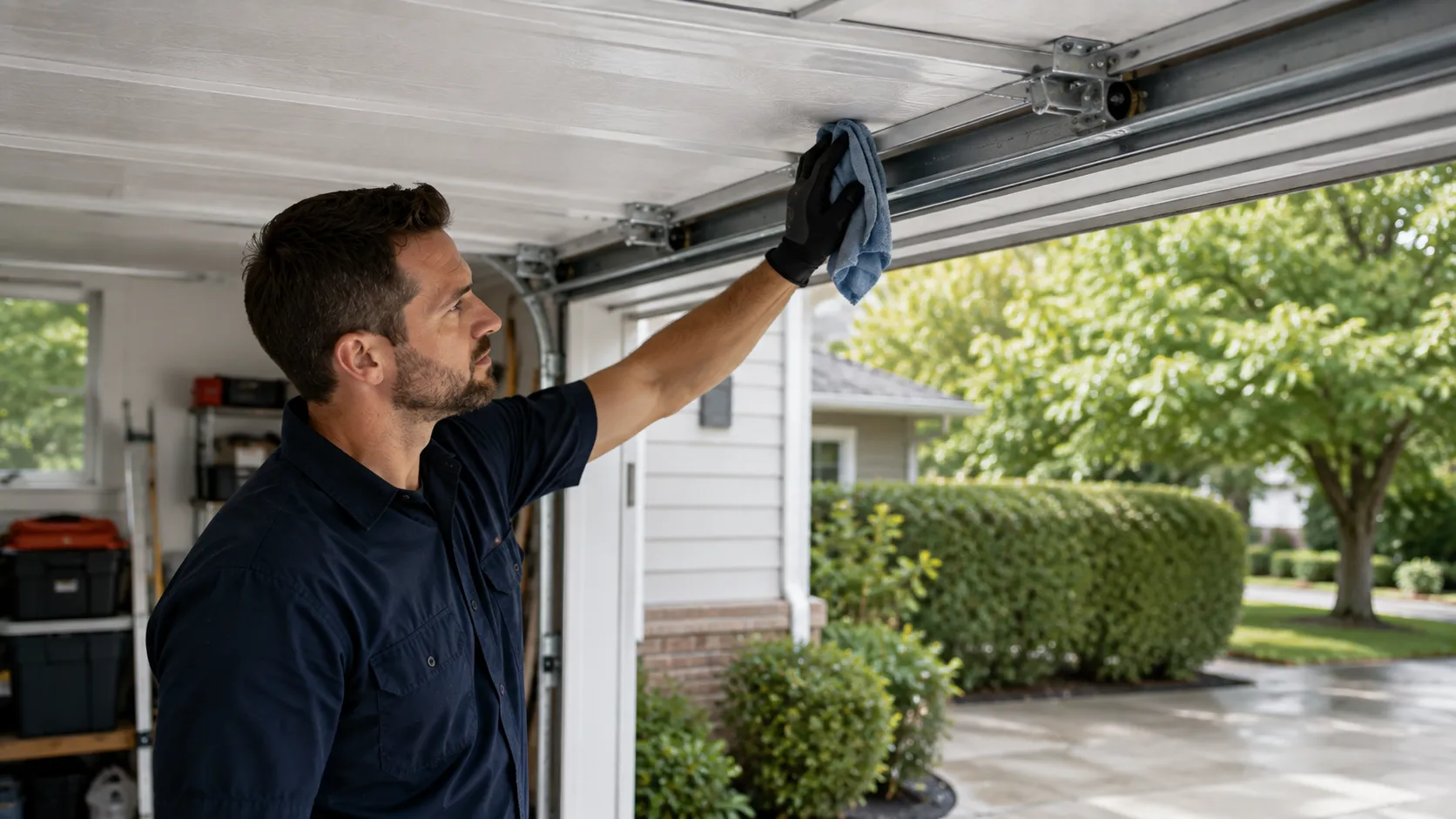
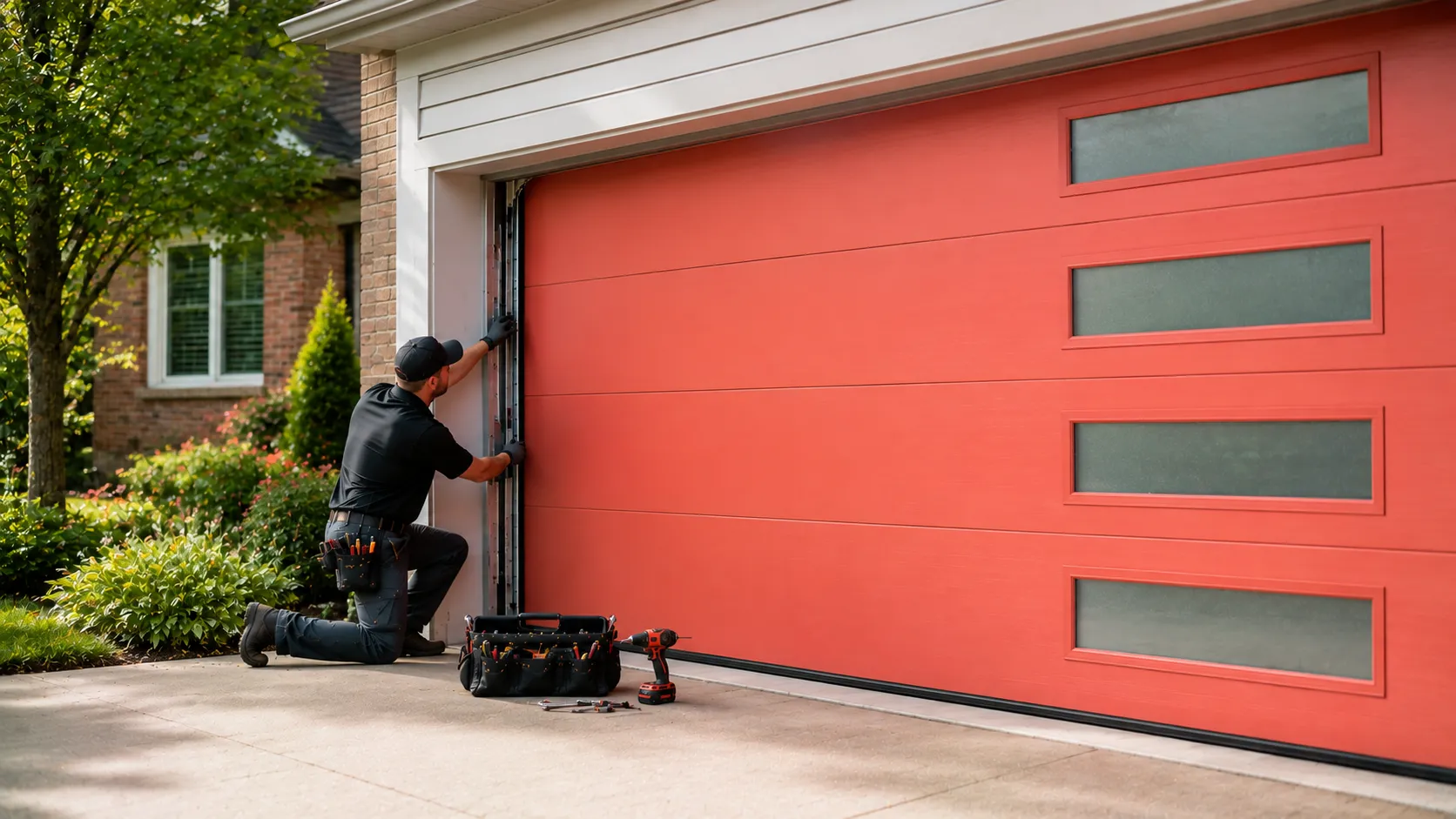
A roller job starts with the track, not the roller. On a 2004-era door the tracks are usually straight and true, so a bad roller is often just a bad roller - worn nylon, a cracked stem, or a bearing that's gone dry and started grinding. We release spring tension, pull the roller brackets one at a time so the door stays supported on the track, and swap rollers without dropping the whole panel assembly. On sealed-bearing nylon rollers we don't lubricate the bearing itself, only the track contact surface; oiling a sealed bearing does nothing and can attract grit. If a bracket is bent, we replace the bracket at the same time - a straight roller in a bent bracket wears out again inside a year. We test the door through a full open-close cycle under normal spring tension before we call the job done, listening for the rumble that means a roller's still riding wrong.
The Complications
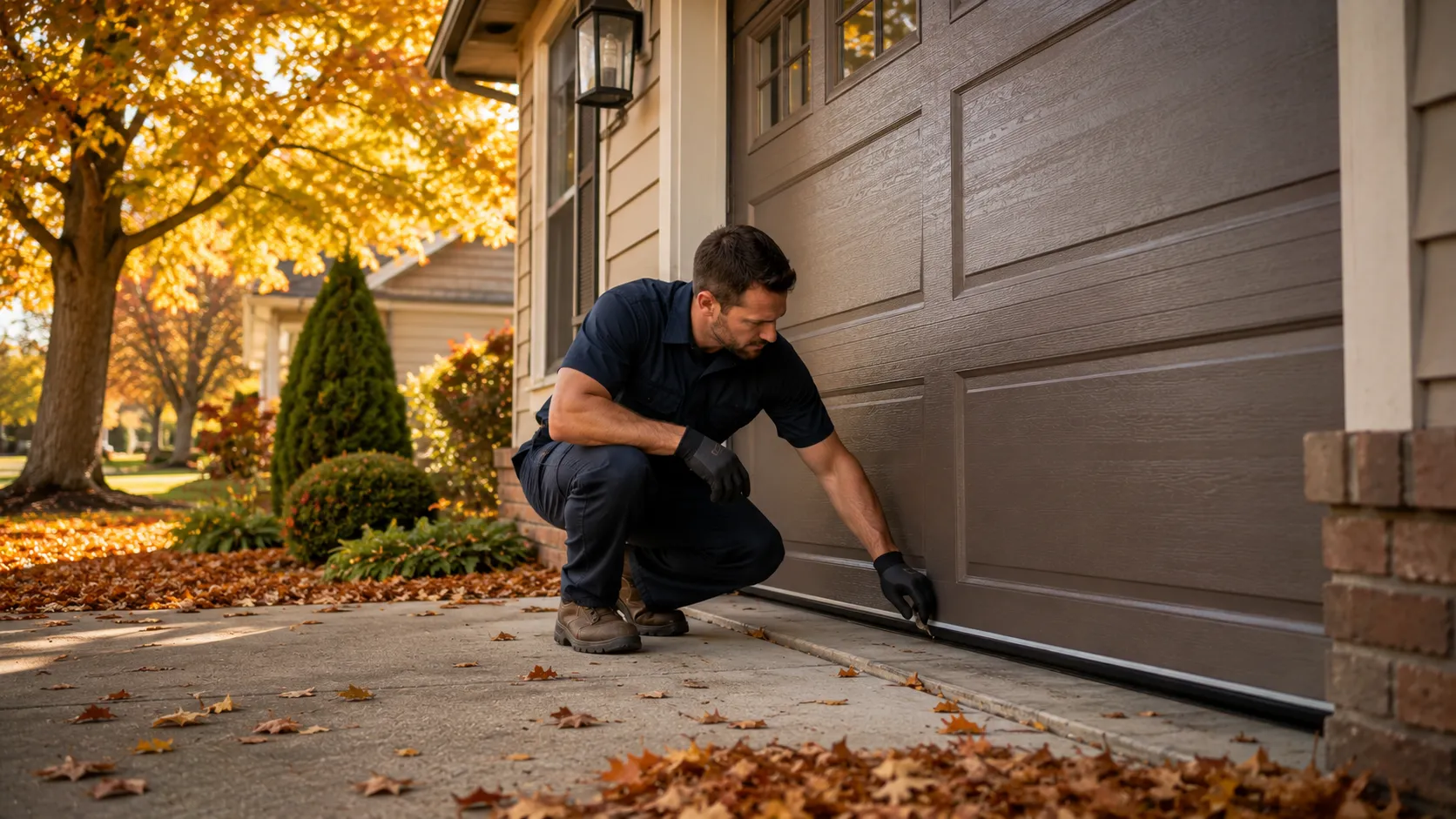
Winters here get genuinely cold, and severe cold is hard on plastic. Nylon rollers can go brittle at the edges after enough freeze-thaw cycles, and a roller that's cracked but not yet broken will still turn - it just won't turn quietly, and it'll shed small chips of nylon onto the track over time. That's usually the first sign something needs looking at, not a full seizure. The other complication is age mismatch: because Basehor's housing stock skews newer than most of the area, we occasionally find a door that's had one roller replaced with a mismatched part from a prior repair, sized for a different track gauge. That roller will bind under load even though it looks fine sitting still. We check roller diameter against the track width before we install anything, not after, because a roller that's a hair off spec will work loose again within months and you'll be paying for the same repair twice.