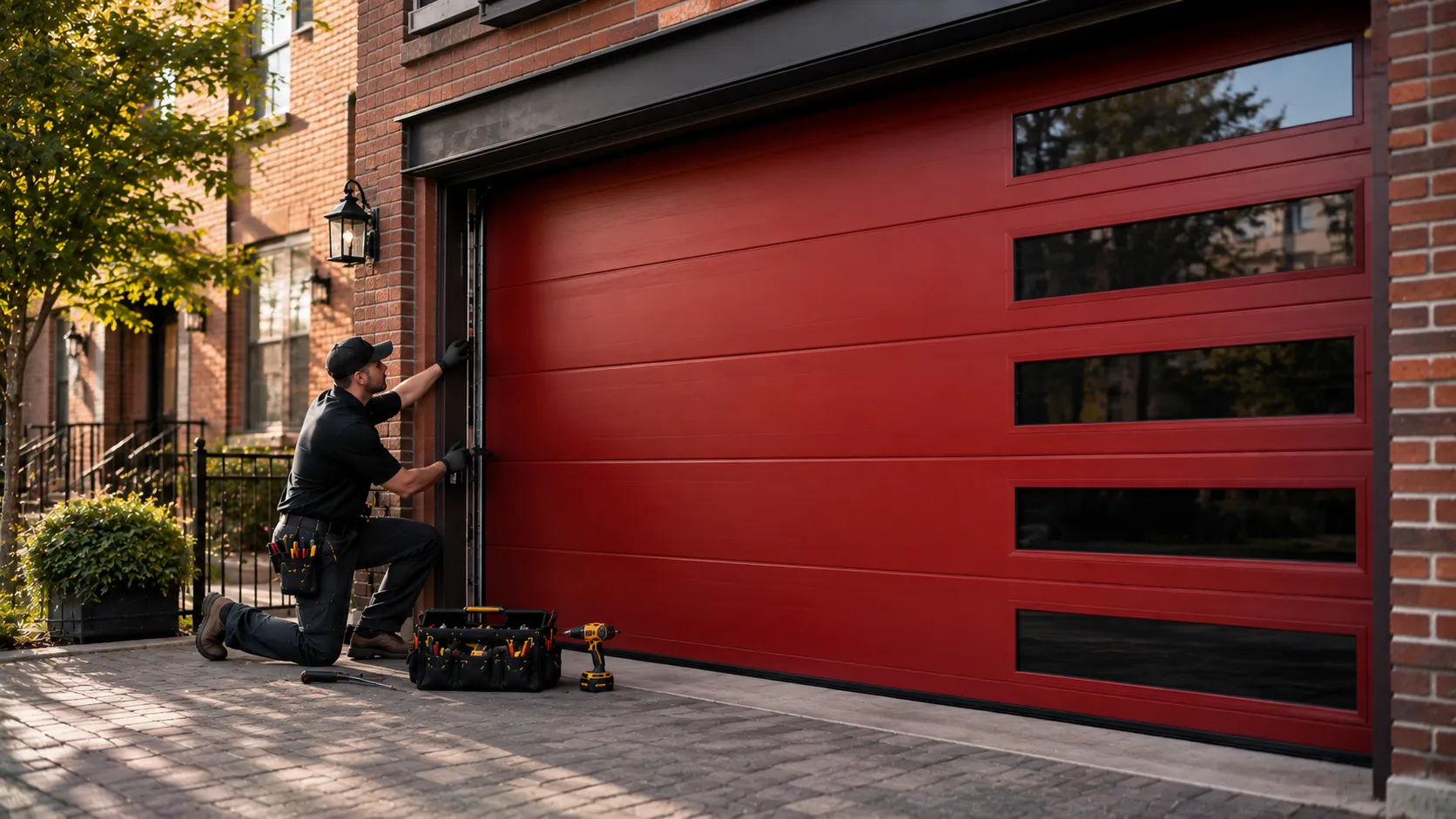
Parts We Carry
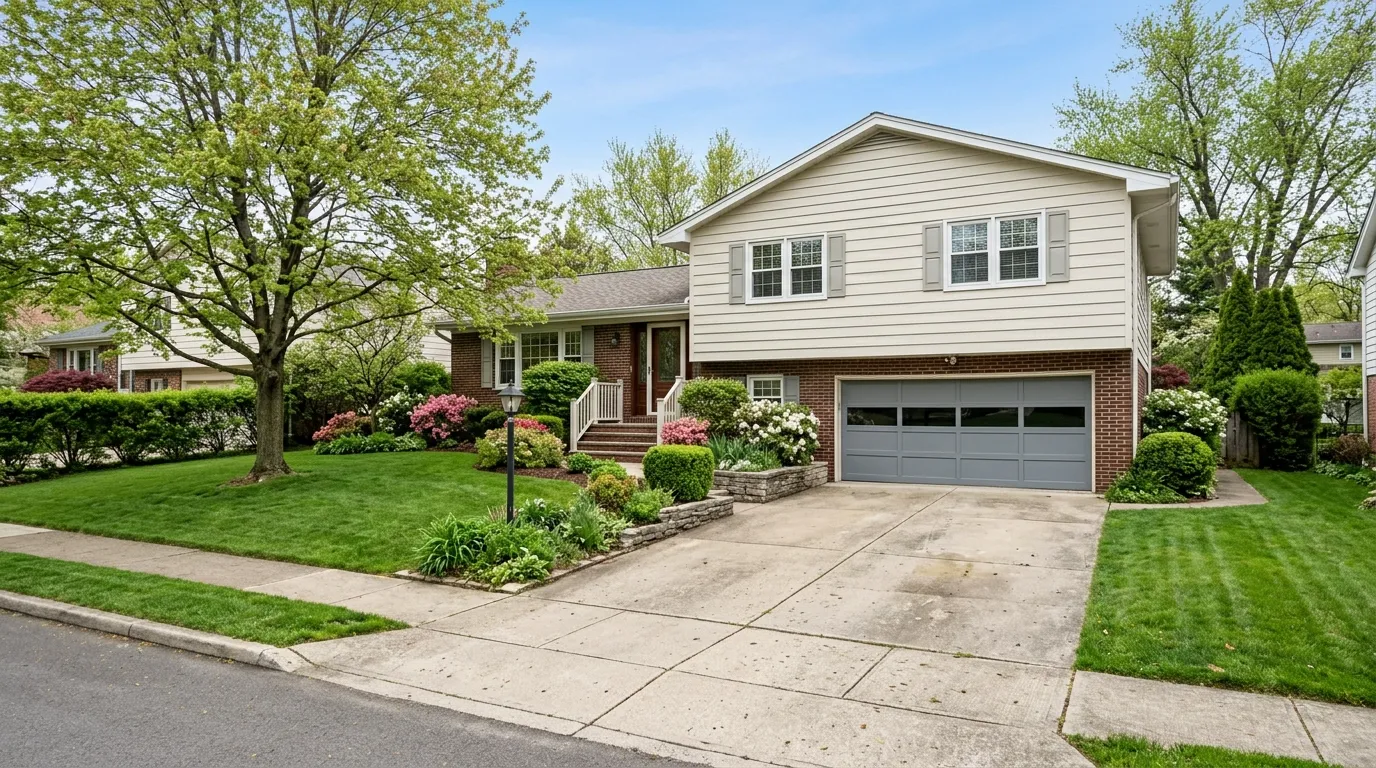
Basehor's housing is younger than most of the rest of our service area - the median build year here lands around 2004, not the 1973 mark you see closer into Kansas City. That changes what breaks. You're not dealing with a door hung on hardware from the Johnson administration. You're dealing with factory steel or insulated doors on torsion springs sized for that heavier door weight, and openers with circuit boards that are now pushing fifteen to twenty years old.
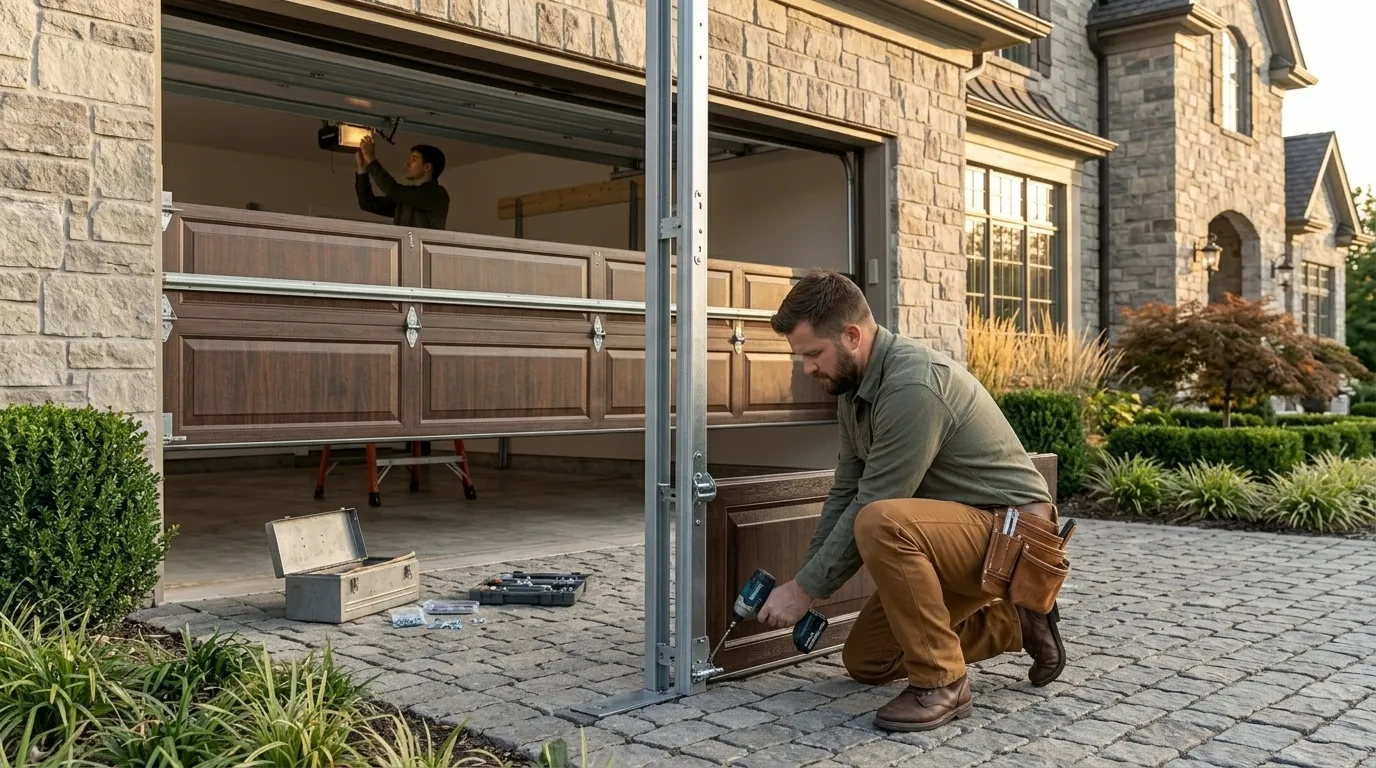
We carry torsion springs in the ranges that match insulated residential doors, standard nylon and steel rollers, safety sensor pairs, and logic boards for the major chain and belt-drive openers that were common in new-construction installs through the 2000s and 2010s. What we don't always have on the truck is a specialty part for a high-end custom door - those sometimes mean a call to source the exact panel or a manufacturer-specific board, and we'll tell you straight if that's the case rather than jury-rig something that won't hold up.
A 2,621-household suburb like Basehor doesn't generate the same call volume as denser, older parts of the metro, so we don't stage a depot here. Everything comes out on the truck from Kansas City, about 10 miles in.
How We Fix It
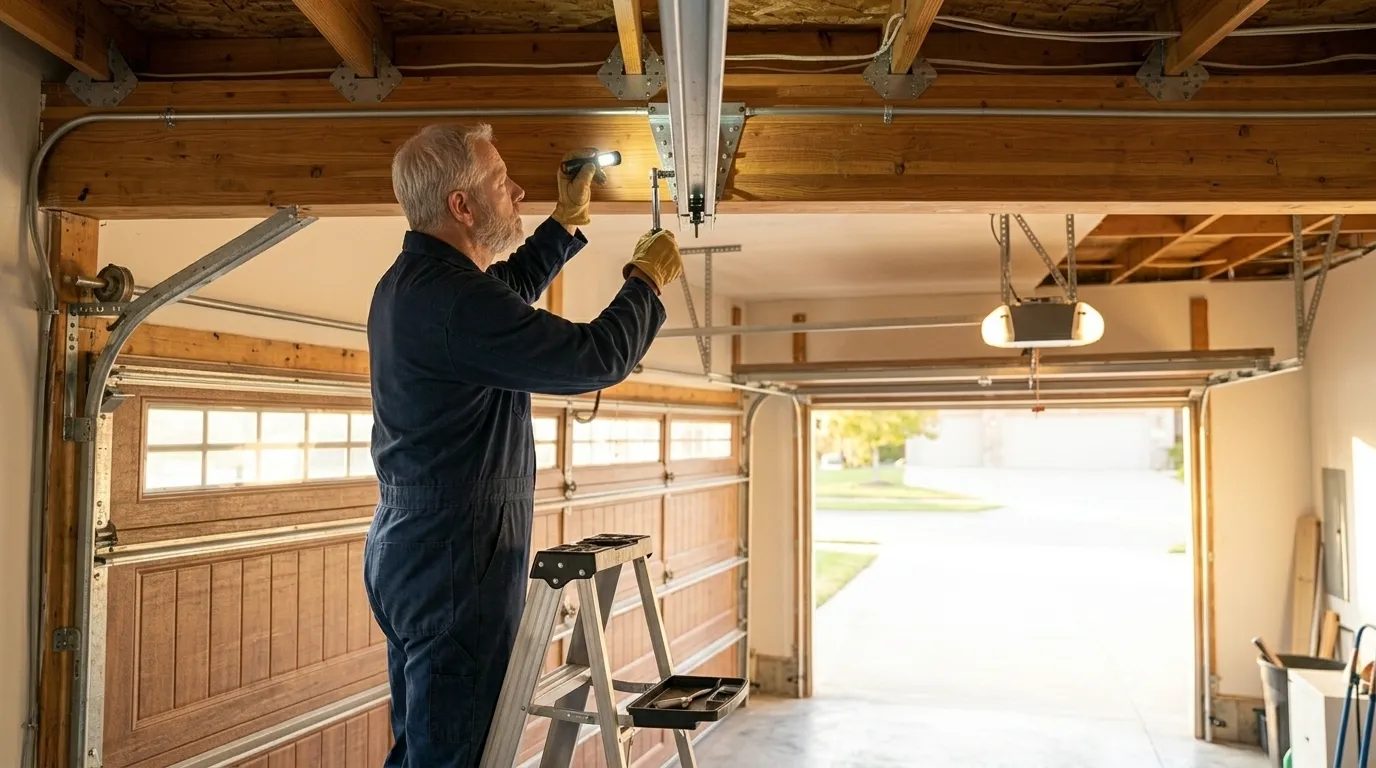
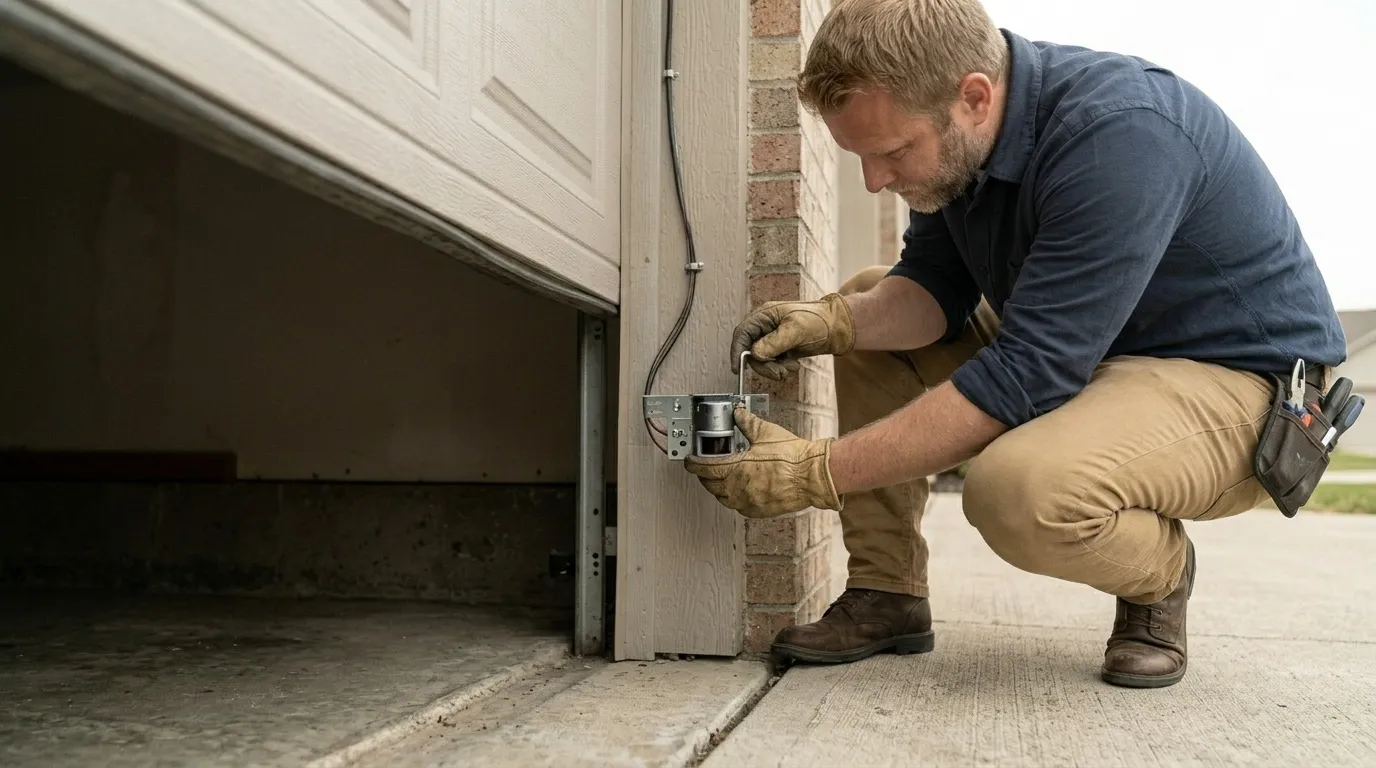
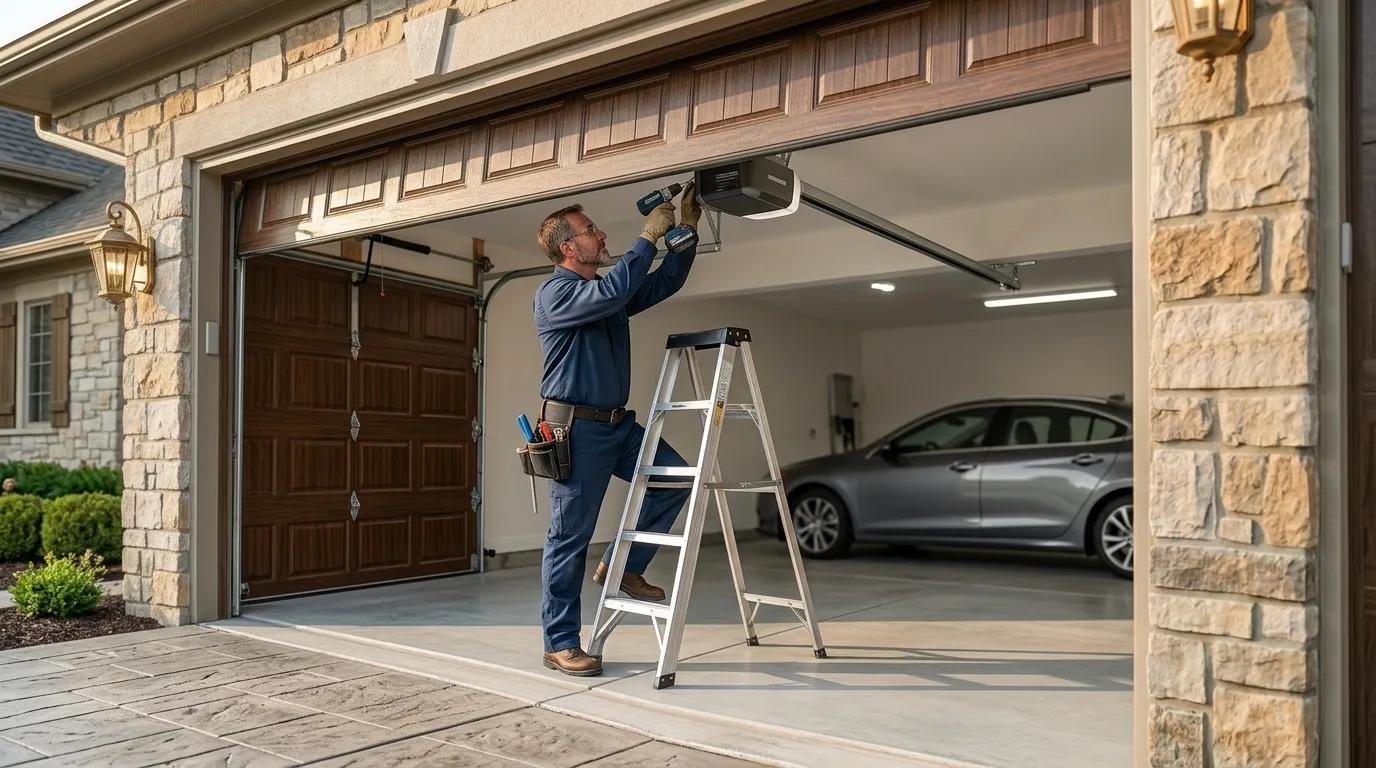
With a door built around 2004, the first thing we check isn't the wood jamb - it's the electronics and the moving hardware that's simply aged out. Opener logic boards fail quietly: the unit runs, then doesn't, then runs again, and homeowners assume it's the remote before it's the board. We test the board, the safety sensors, and the wall control before we touch a spring, because replacing a spring on a door with a dying opener just means a second call.
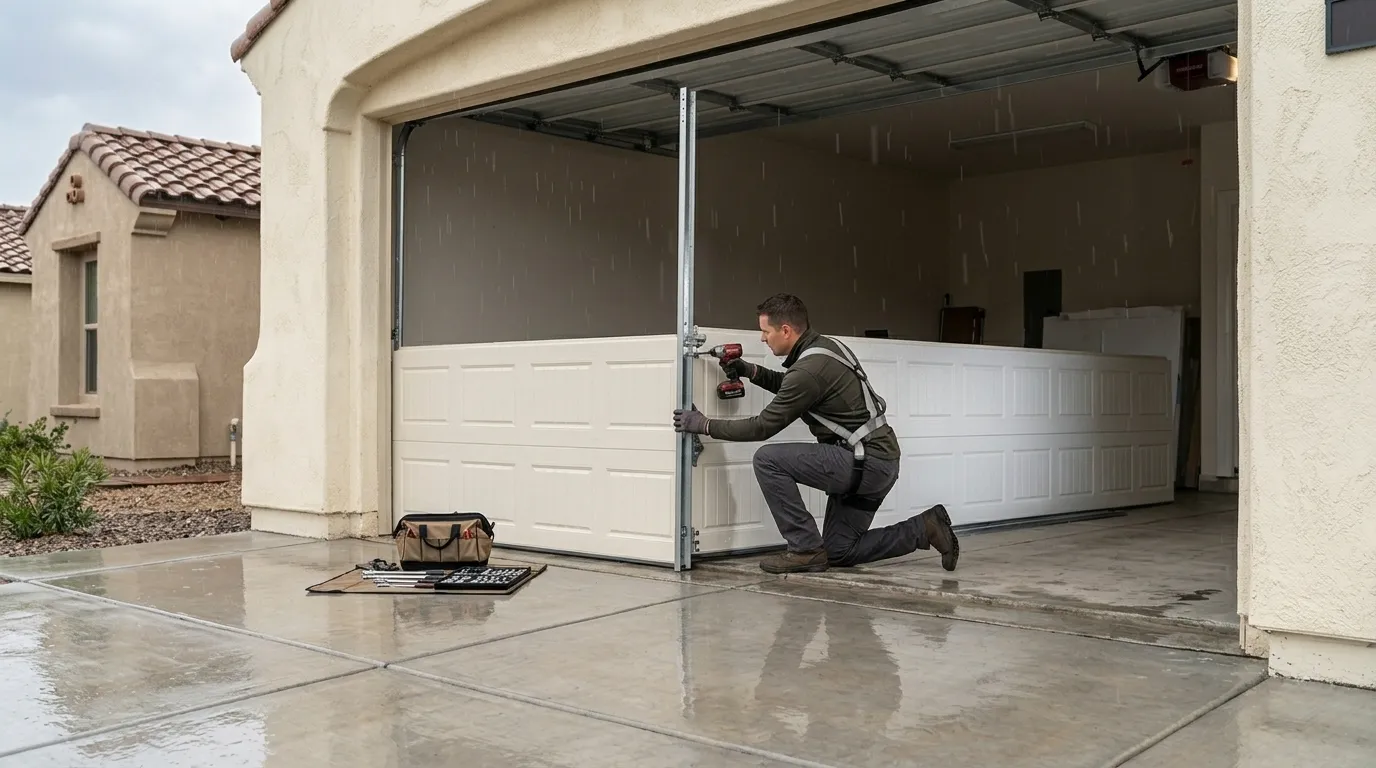
On the mechanical side, insulated steel doors from this era put more load on torsion springs than older lightweight doors did, so springs here tend to fail on schedule rather than surprise - you'll usually hear the bang before the door won't lift. We match the new spring to the door weight, not just swap in whatever's closest, because an undersized spring on a heavier insulated panel just fails again in a year.
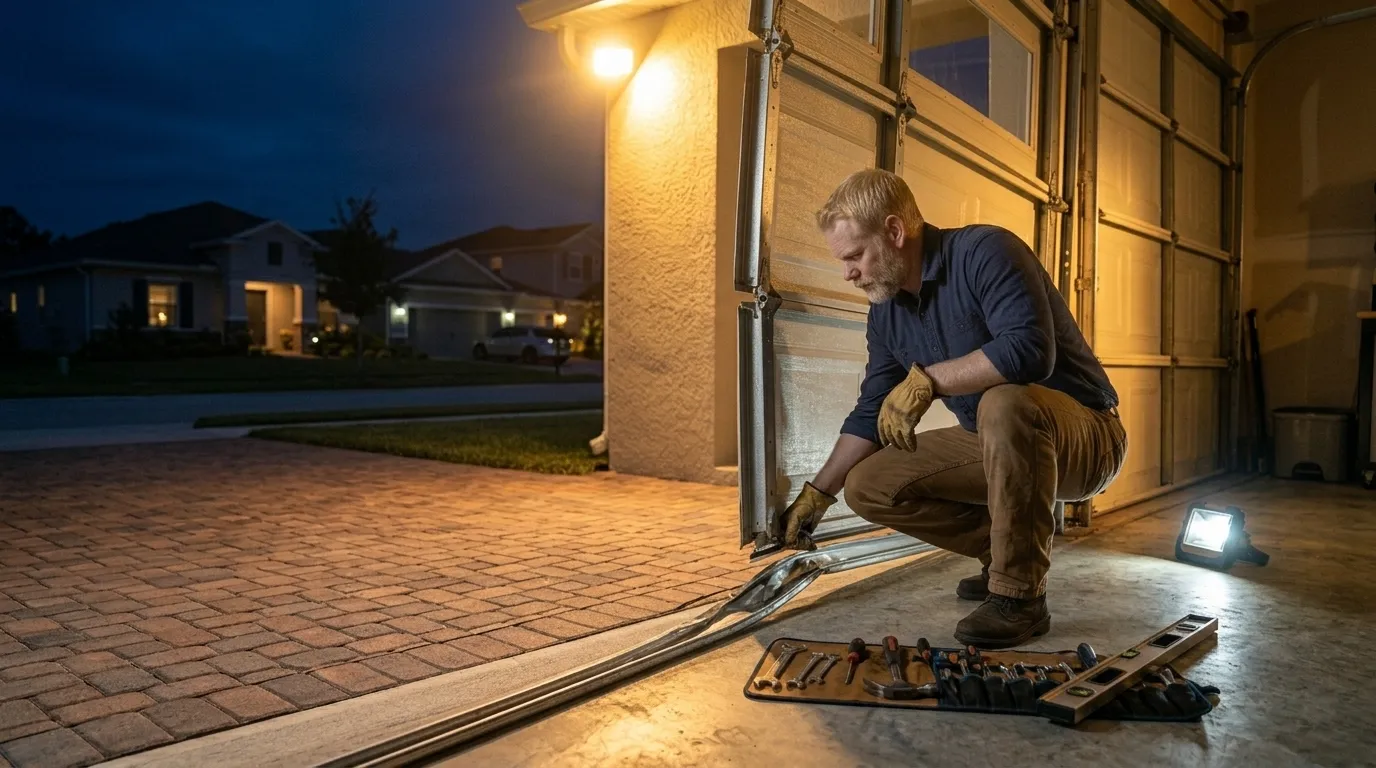
We diagnose on site, price the fix before we start, and don't recommend a full door replacement unless the panel or track is actually damaged beyond repair - a working door with tired hardware gets fixed, not sold.
The Complications
Basehor sits in the same severe cold climate band as the rest of the region, and that matters more for a 2004-era insulated door than it did for the older, thinner doors in parts of the metro built decades earlier. Cold doesn't rot these panels - it stresses the electronics. Opener boards and sensor eyes are more prone to cold-triggered faults in a newer insulated setup than the springs are, and homeowners often call about