
Can You Do This Yourself
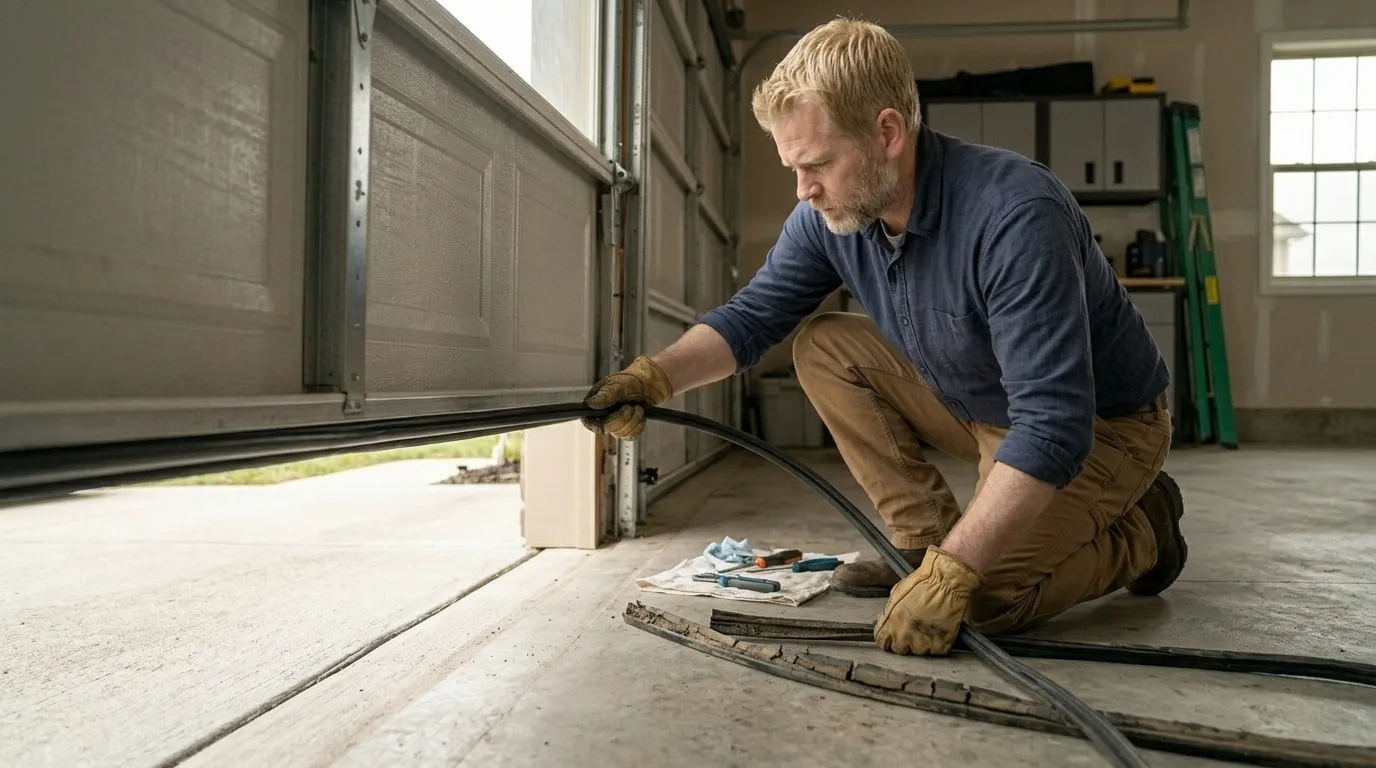
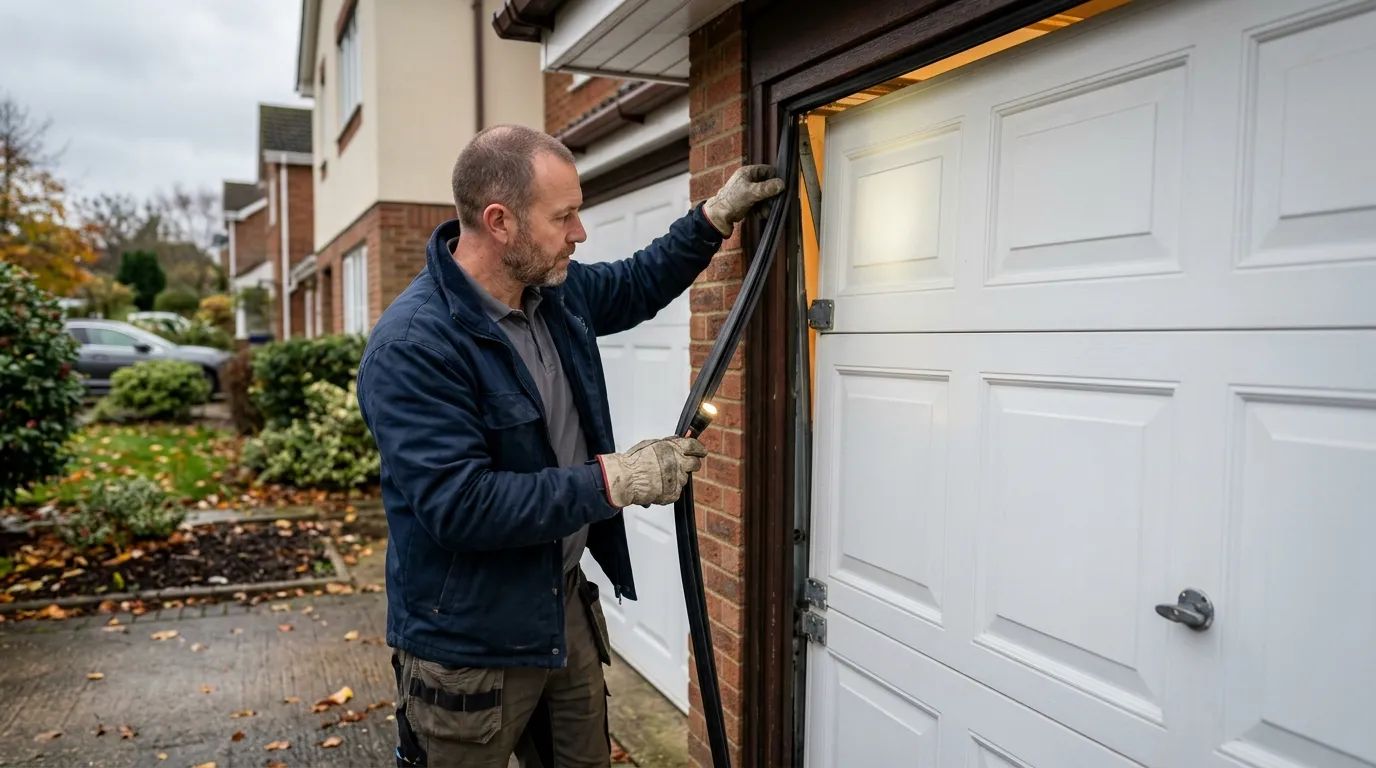
A lot of the garage doors in Mission Hills went up around 1953, and that era matters here. These are often single-layer steel or wood doors on side-mounted extension springs rather than the torsion setups you'd find on a newer build. The cables on that hardware run along the horizontal track and anchor near the bottom bracket under real tension. If one has frayed or popped off the drum, the door can look fine sitting closed and then drop or tilt hard the second you lift it. You can look at a cable and tell if it's frayed, rusted through, or off the pulley. What you shouldn't do is touch the spring system to get at it. On a door this age, the hardware wasn't built with the safety cable and containment features that came standard later, so an extension spring that lets go under load can send a cable or spring arm across the garage. If the door is off track or won't move, leave it shut and call rather than force it.
The Complications
Doors from the early 1950s in this area sometimes still have their original track and drum hardware, just replaced springs and cables over the decades by whoever owned the house before. That mix-and-match history is the real complication: a cable sized for one drum diameter doesn't sit right on a different one, and a pulley that's been swapped out of spec will chew through a new cable in months. On a door this old we also see galvanized cable that's stretched and lost its factory diameter, which throws off the drum wind even after you put a fresh cable on. Winter is the other factor. Kansas City's cold winters make steel cable more brittle, and a cable that's already thinning from wear is the one that snaps on a sub-freezing morning when the door gets used for the first time that day. None of this is a five-minute swap on a door built to this era's spec, and pretending otherwise just means a second call in a few months.
How We Fix It
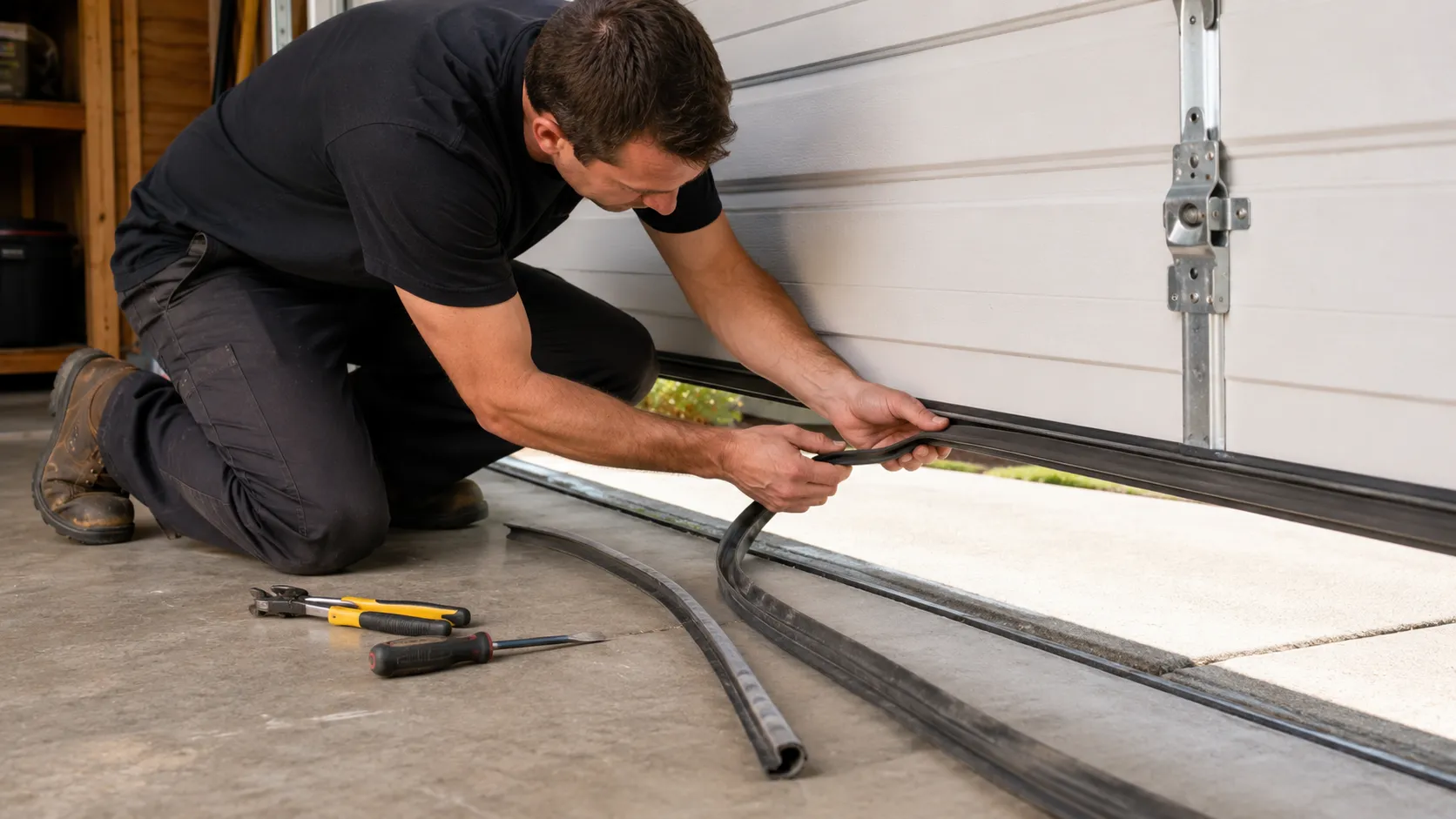
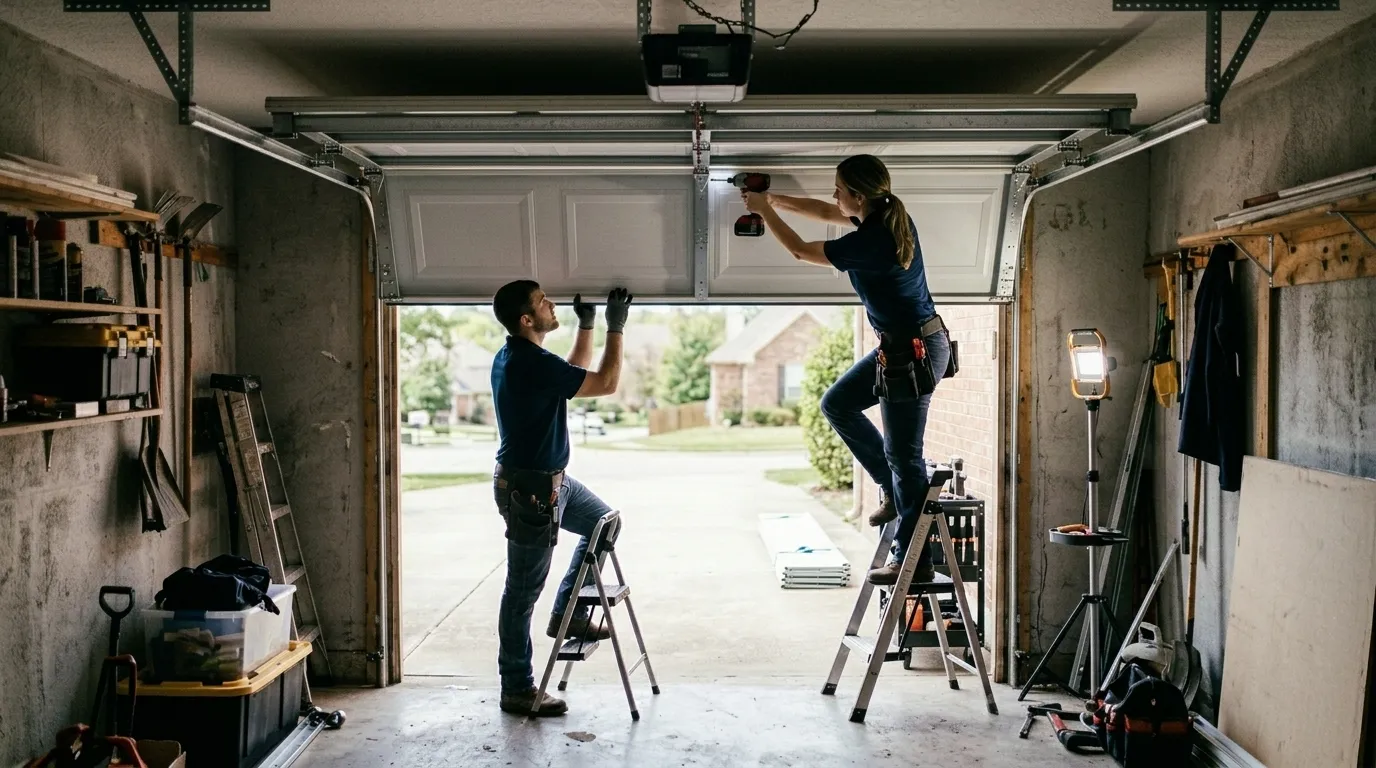
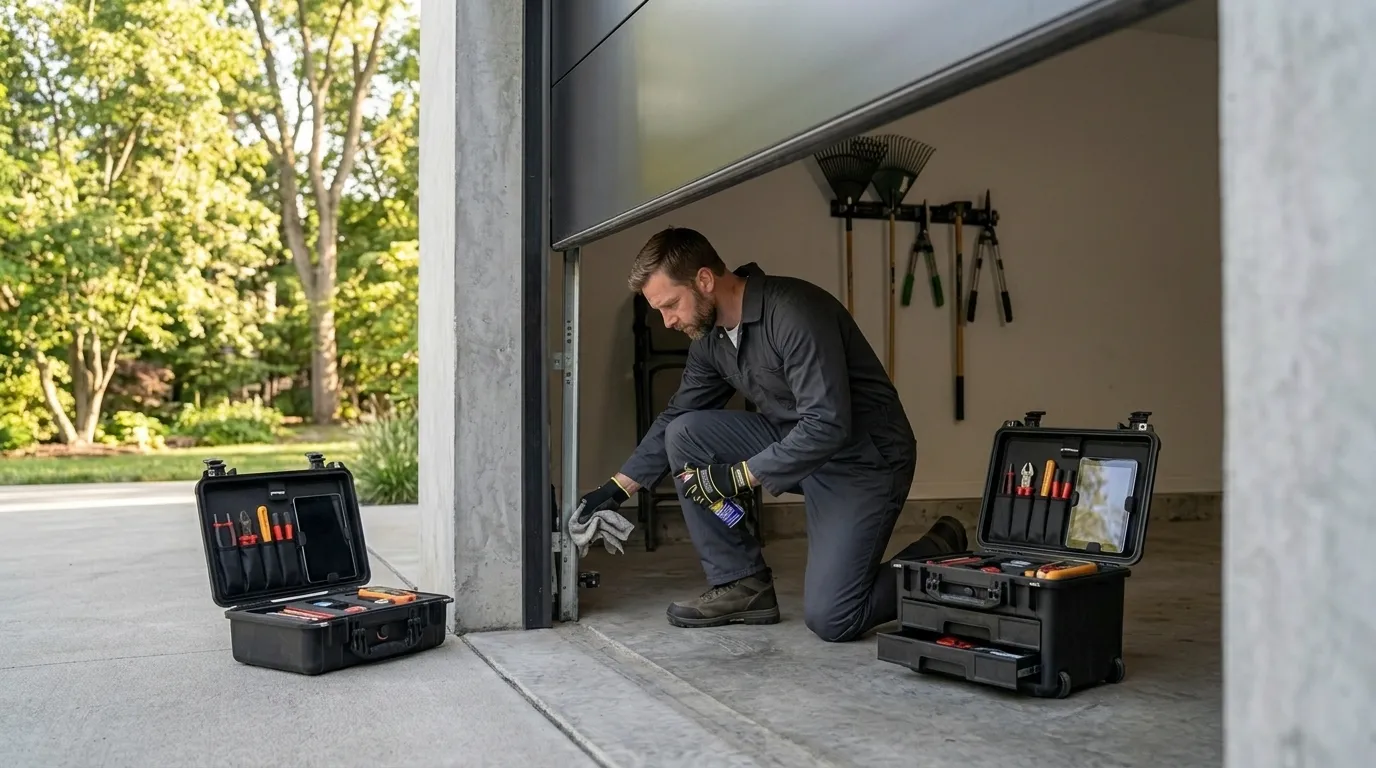
On an extension-spring door from this era, we pull the old cable off the drum and bottom bracket, check the drum groove and pulley for the wear grooves and rust pitting you get on hardware this old, and match new cable to the actual drum diameter rather than assuming a standard size. If the pulley's worn oval instead of round, we replace it too, because a new cable on a bad pulley just frays again. We also check the other side's cable and spring while we're in there. On a door built when this one was, if one cable let go from age and cold, the matching cable usually isn't far behind it, and replacing both at once beats a second call for the same reason in a few weeks.
What Causes It Around Here
Kansas City sits in a cold-climate zone with real winter severity, and cable steel gets more brittle as it gets colder. Combine that with hardware that's been in place since the early 1950s in a lot of Mission Hills garages, and you get cable that's already thin from decades of drum friction snapping on the first hard-cold morning it's asked to lift a heavy wood or early steel door. Households here are fewer than in the bigger suburbs nearby, and a lot of these are original-owner or long-held properties, which means original hardware survives longer here than in areas that turned over and got remodeled doors. That's good for keeping a house's look intact. It's also why cable wear on 1953-era track and drum setups shows up here more than on a door installed in the last twenty years.