
Can You Do This Yourself
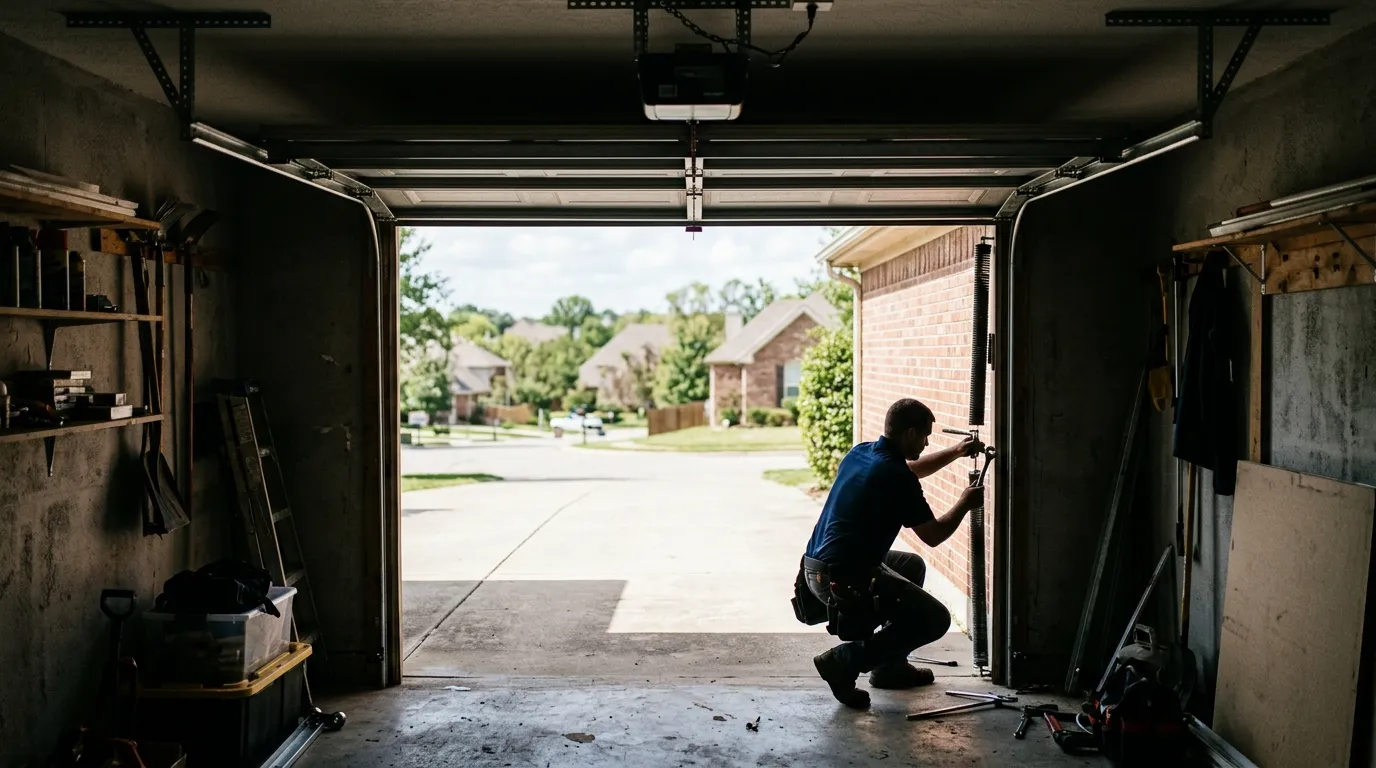
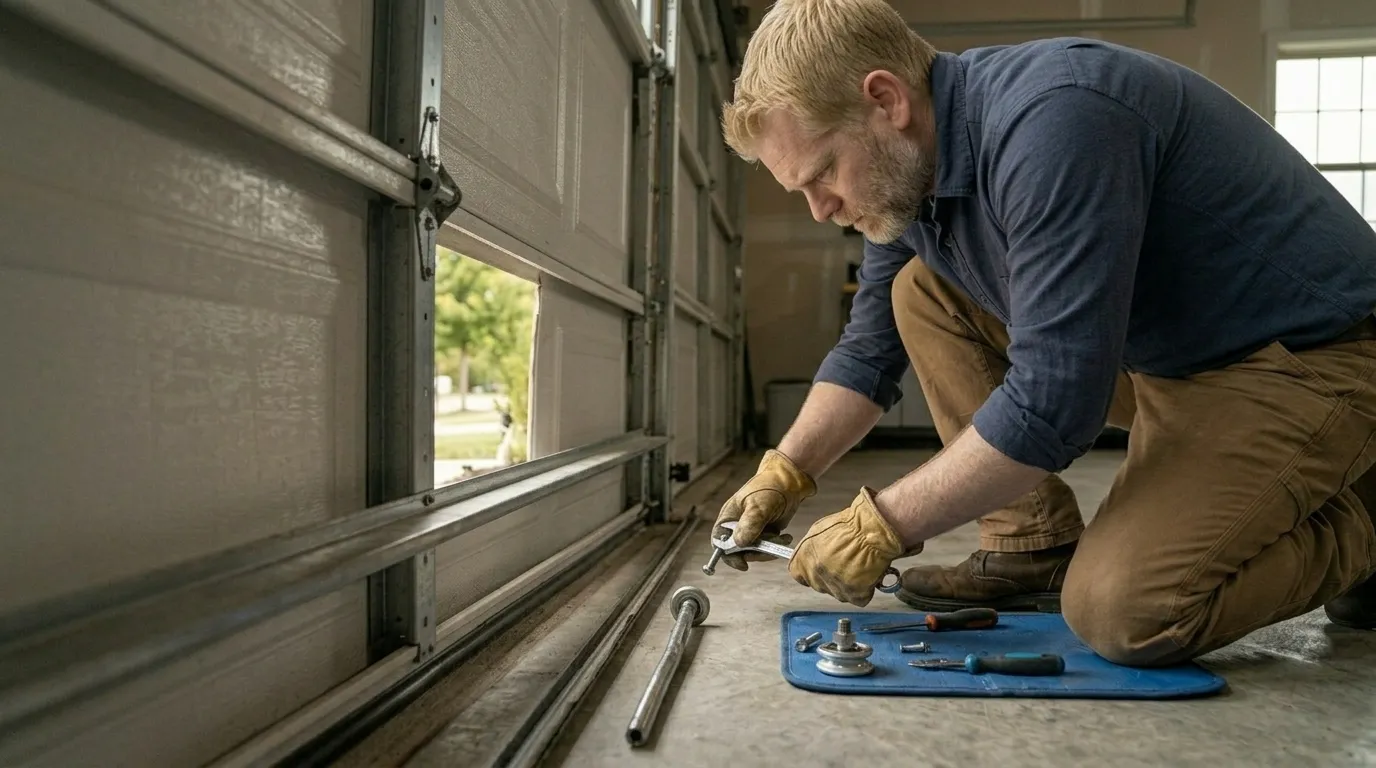
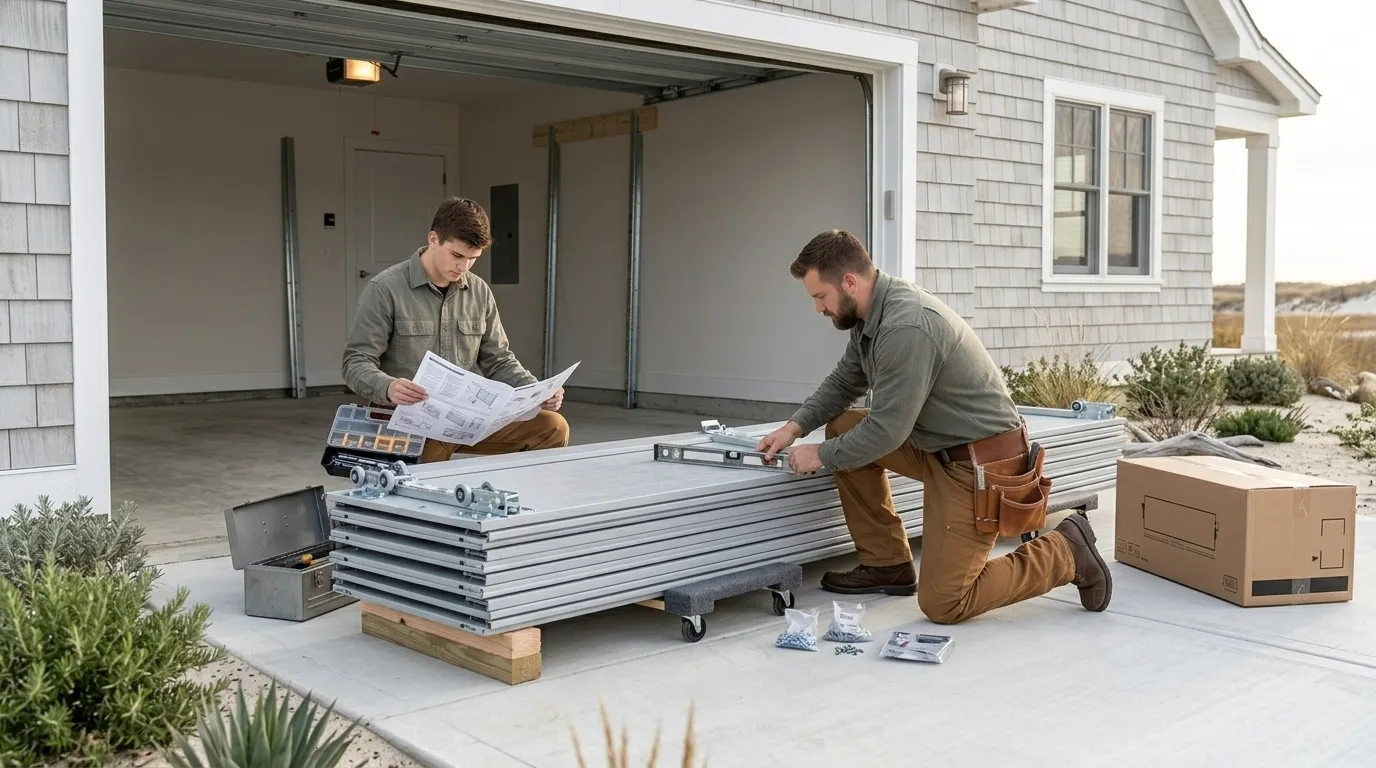
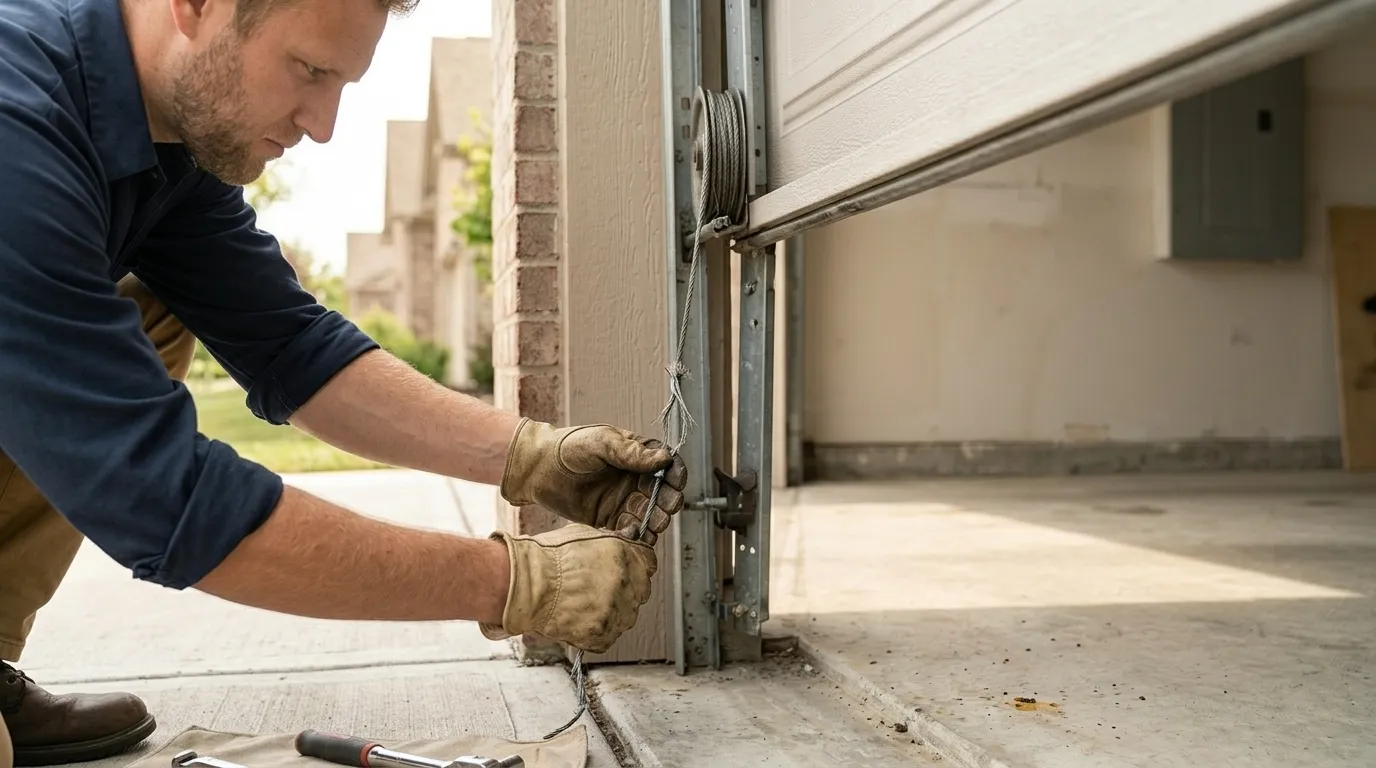
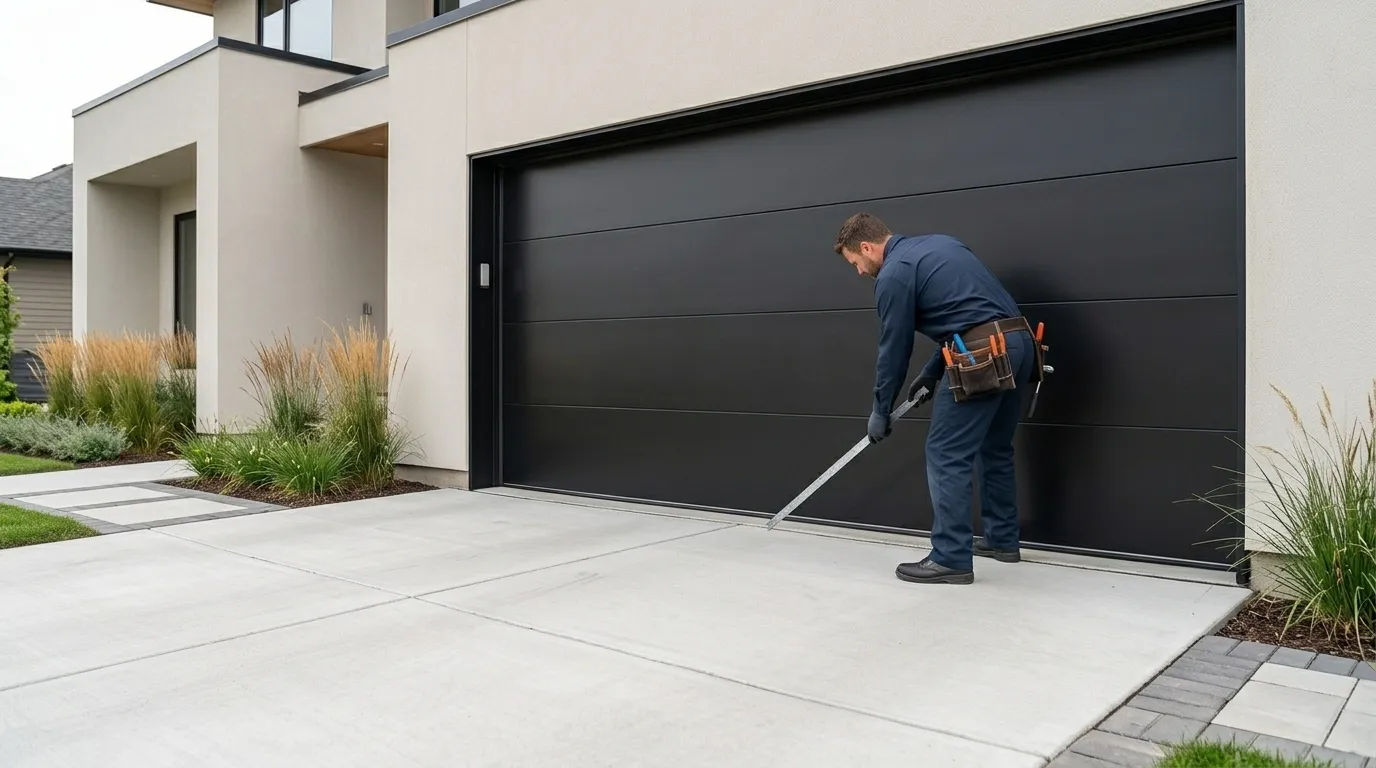
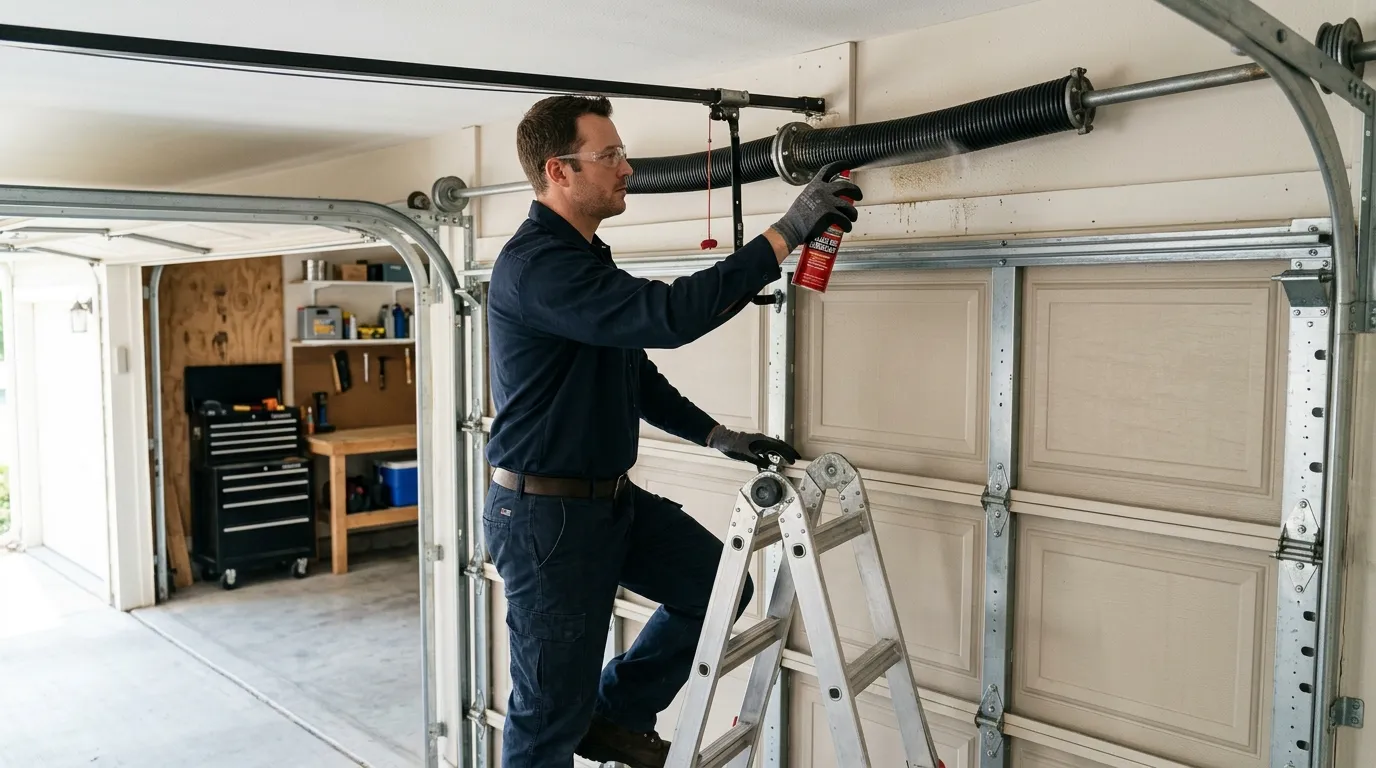
A garage door built the same year the house was, 1953 on most lots in Mission Hills, is not a weekend swap. The header framing, the track spacing, even the rough opening dimensions were set to whatever door style was common that year, and modern doors don't always drop into that opening without some carpentry. If you're comfortable with a circular saw and you've pulled a permit before, a single flat panel replacement on a detached garage is within reach. Anything with a torsion spring, and on a house this old that's most of them, isn't a DIY job. The spring is wound under enough force to break a wrist or worse, and the tools to wind it safely aren't something most homeowners own or want to buy for one job. We'll say the honest thing here: measuring the opening and ordering the wrong track length is the single most common mistake we see corrected, and it costs more to fix than it would have cost to just call first.
The Complications
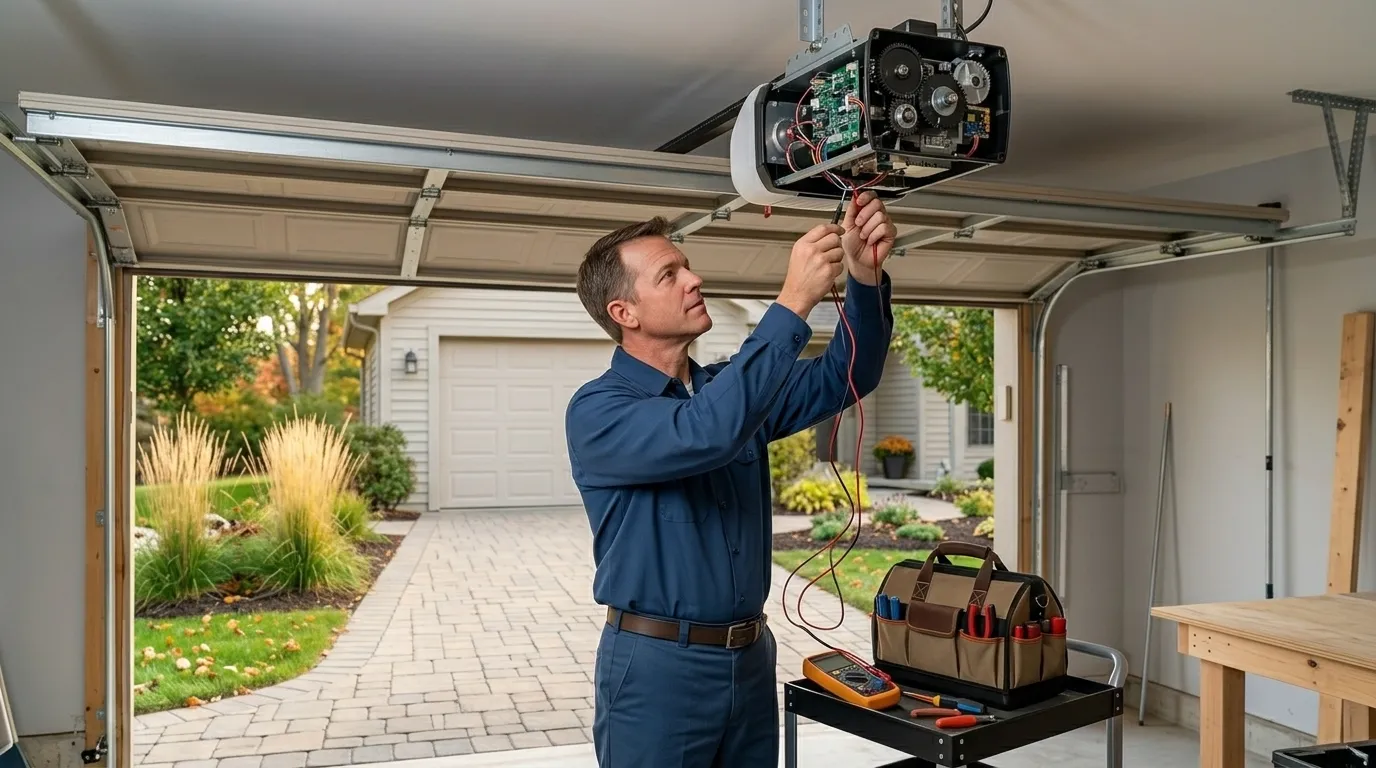
With a median build year of 1953, Mission Hills sits on the older end of the housing stock we see across the wider service area, where most homes went up between 1950 and 2004. That means original headers, original jamb widths, and in some cases wiring runs that were never meant to carry an opener's draw. Swapping in a new door often means widening or reframing the opening, moving an outlet, or replacing rusted-through track brackets that were never touched since installation. None of that shows up until the old door is off the hinges. We plan for it, but we can't quote it blind.
How We Fix It
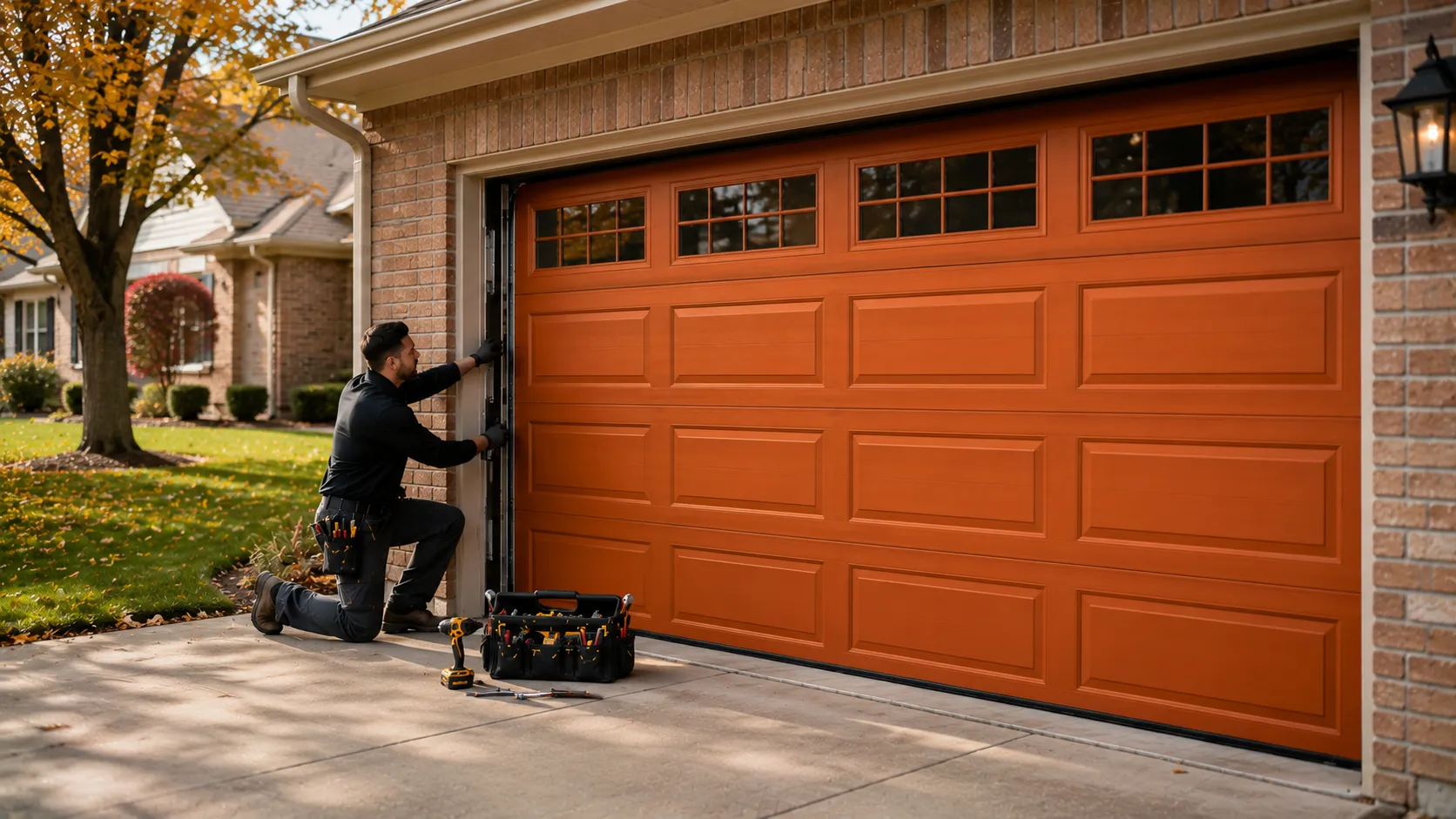
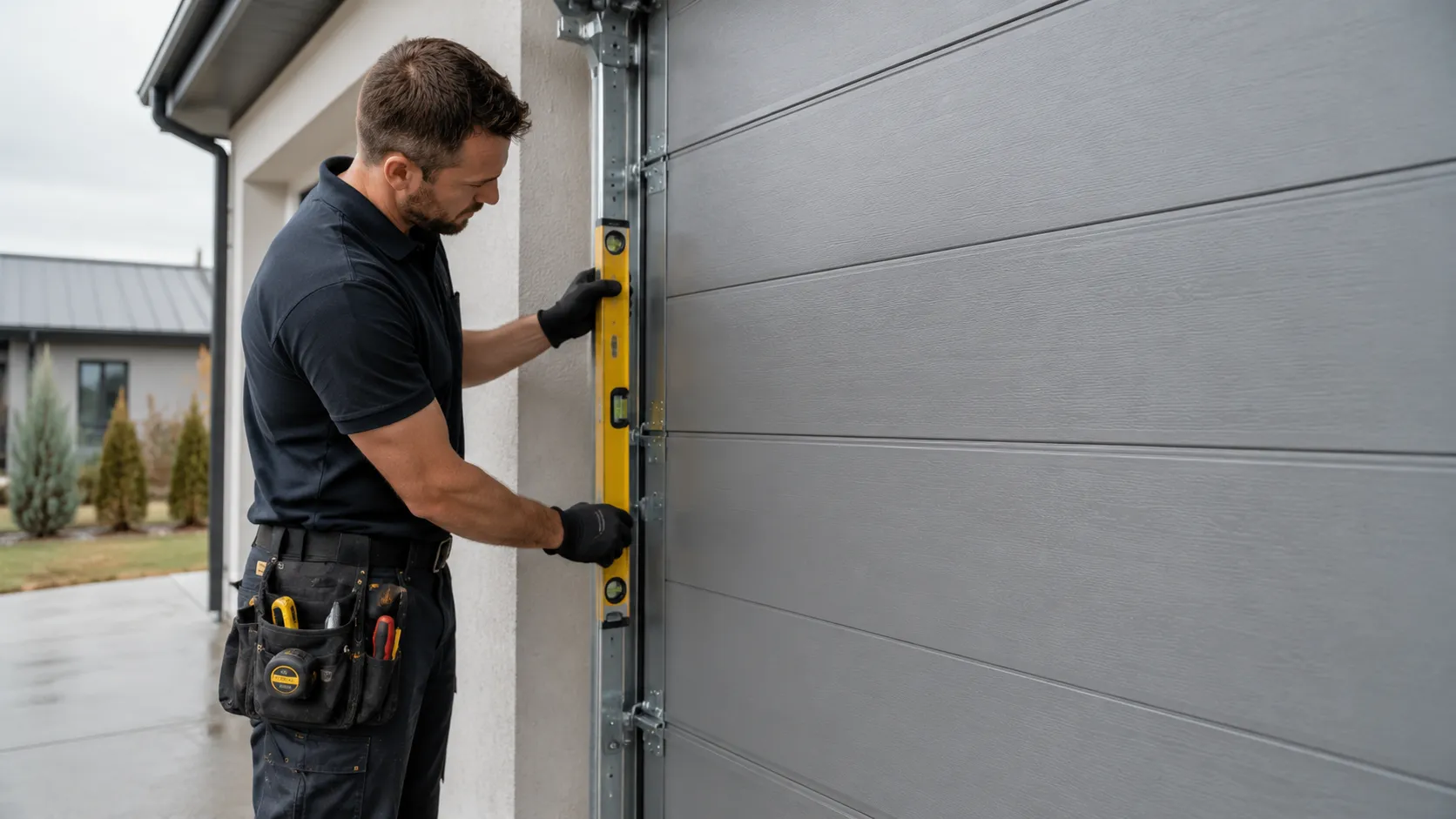
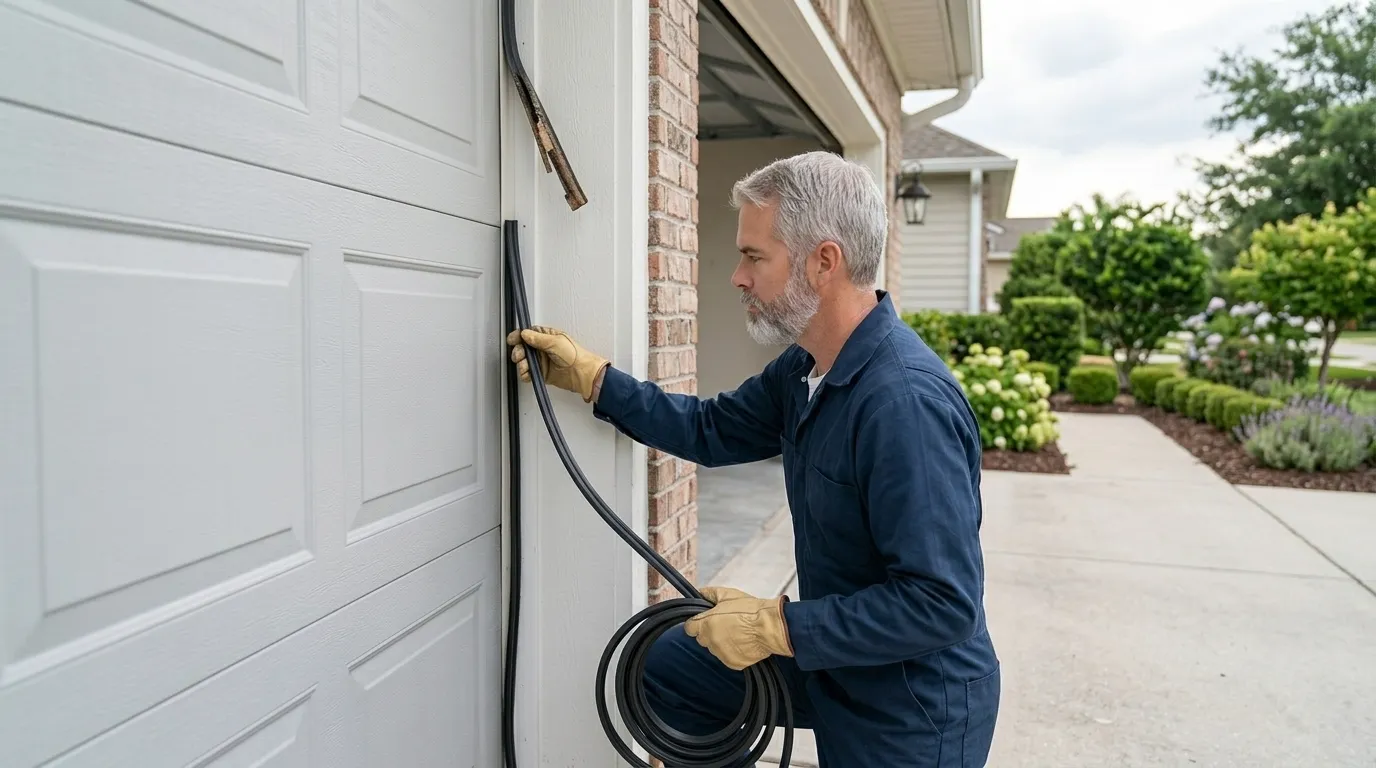
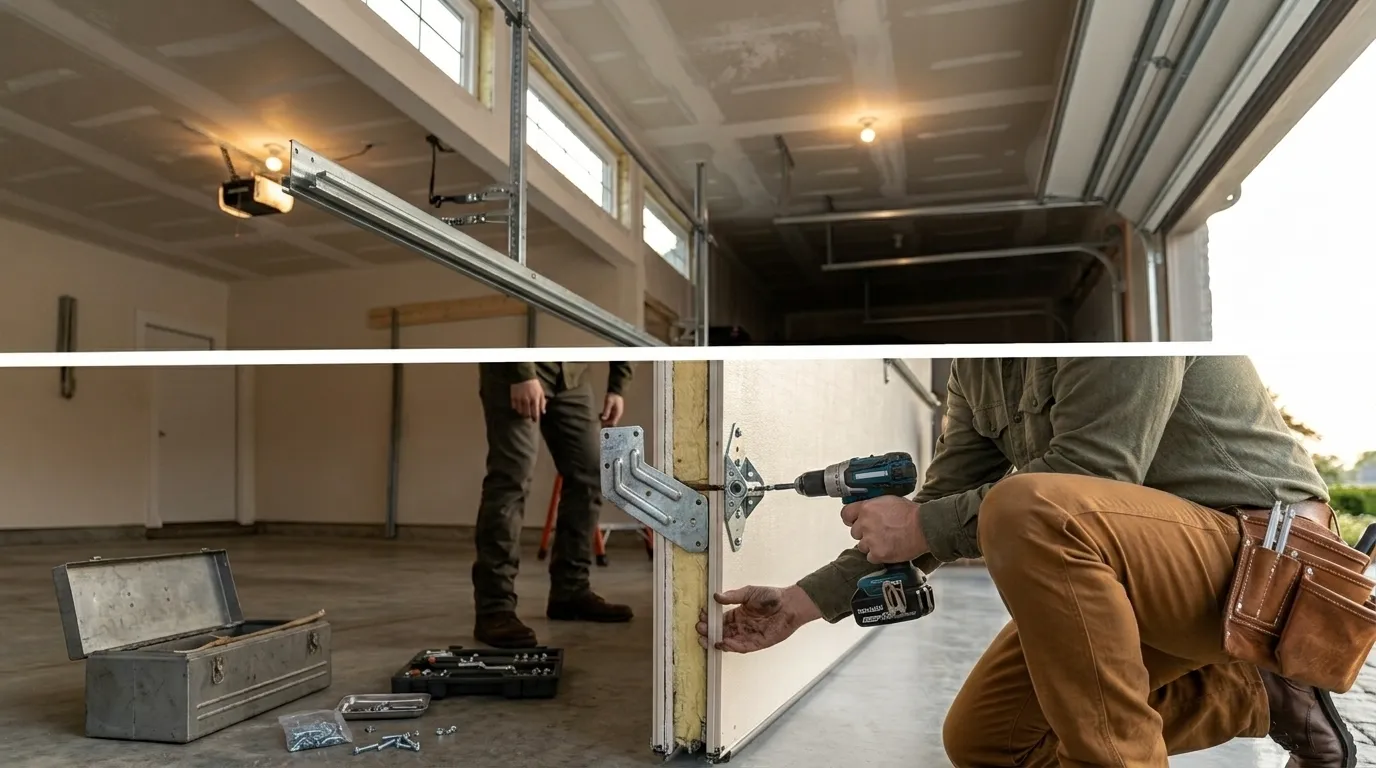
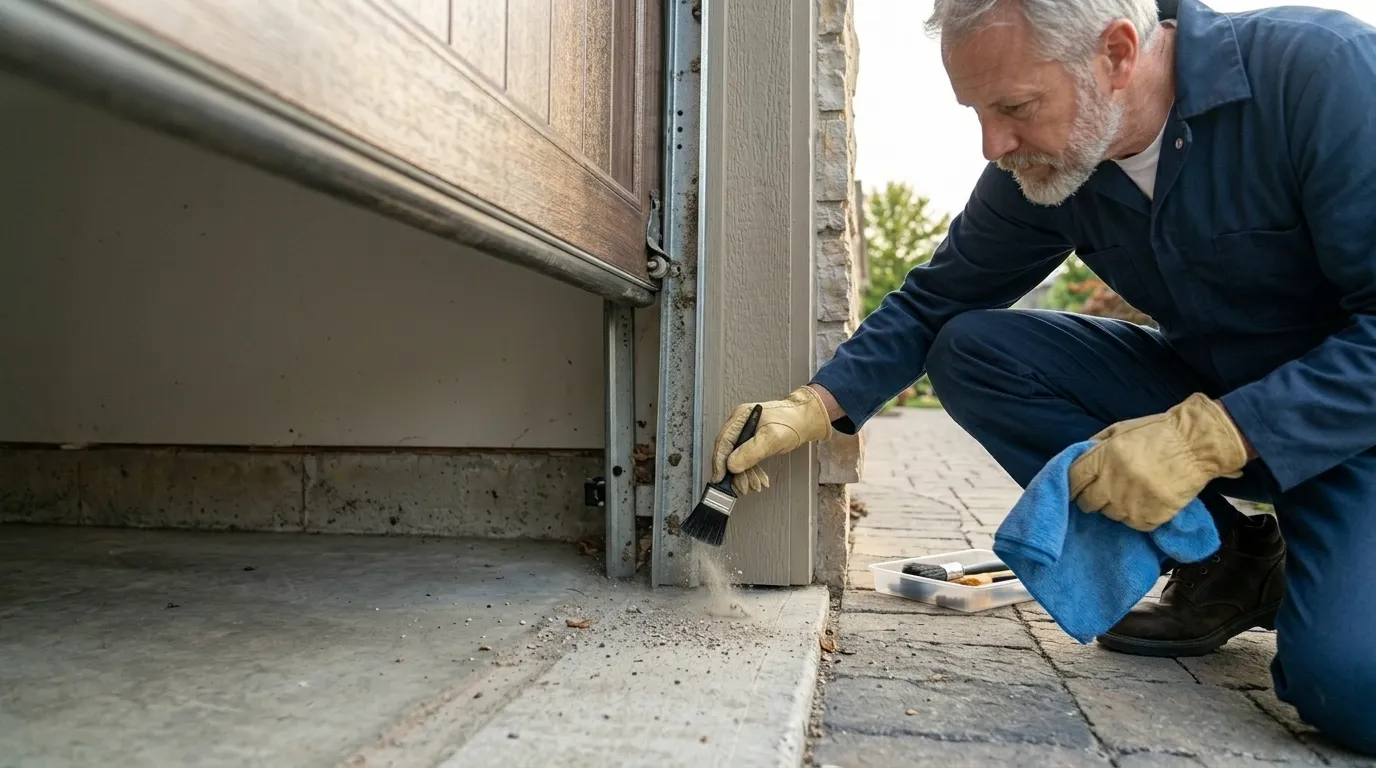
Installation starts with pulling the old door and track, checking the header for rot or settling (common on framing this age), and squaring the opening before the new track goes in. We set new springs sized to the door's actual weight rather than reusing old spring ratings, since a mismatched spring is the fastest way to burn out a new opener. Weatherstripping and bottom seals get sized for a door this age of house never had, which matters here given the severe cold winters this area gets. We test balance and travel before we call it done, not just plug in the opener and leave.
What Causes It Around Here
Doors from the early 1950s building wave were built for a mild-climate assumption that doesn't hold anymore, and most of what's failing on original hardware is a direct result of that mismatch: no insulation core, thin steel or wood panels that have taken decades of freeze-thaw cycling in a cold, severe climate, and rollers and hinges that were never rated for today's heavier opener motors. Add sixty-plus years of settling on original framing, and openings that were square in 1953 often aren't square now. That combination is why so many of these jobs turn into a reframe rather than a straight swap.