
Can You Do This Yourself
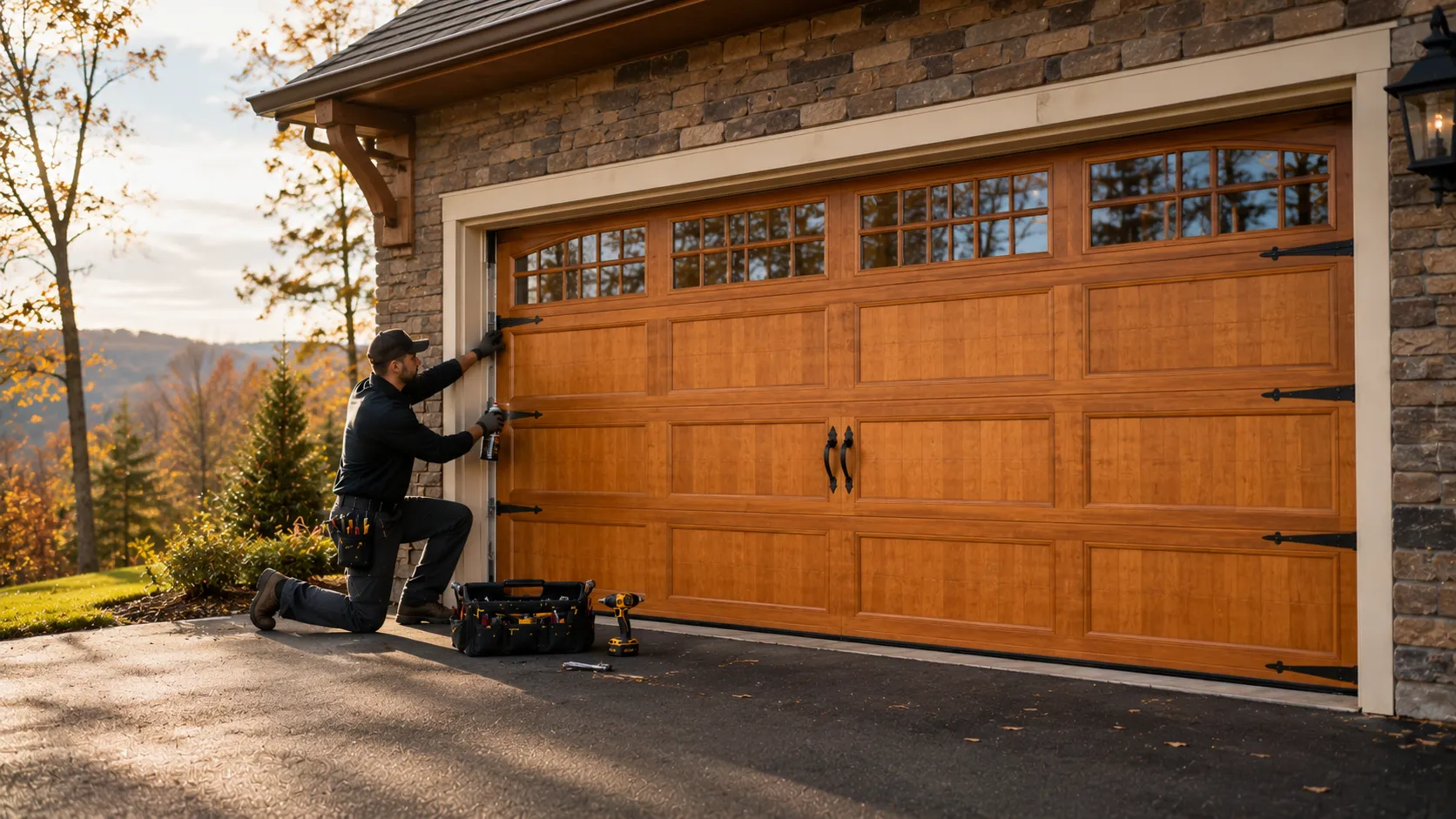
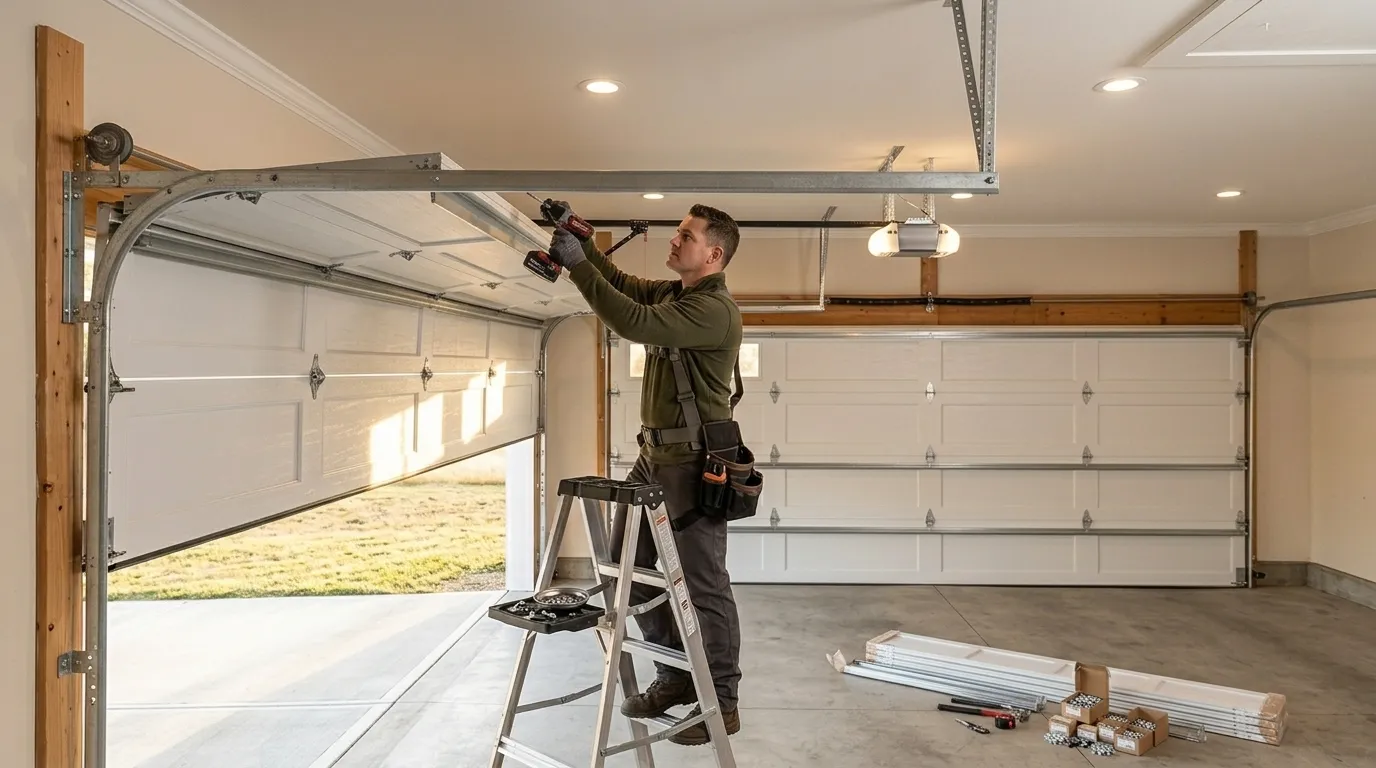
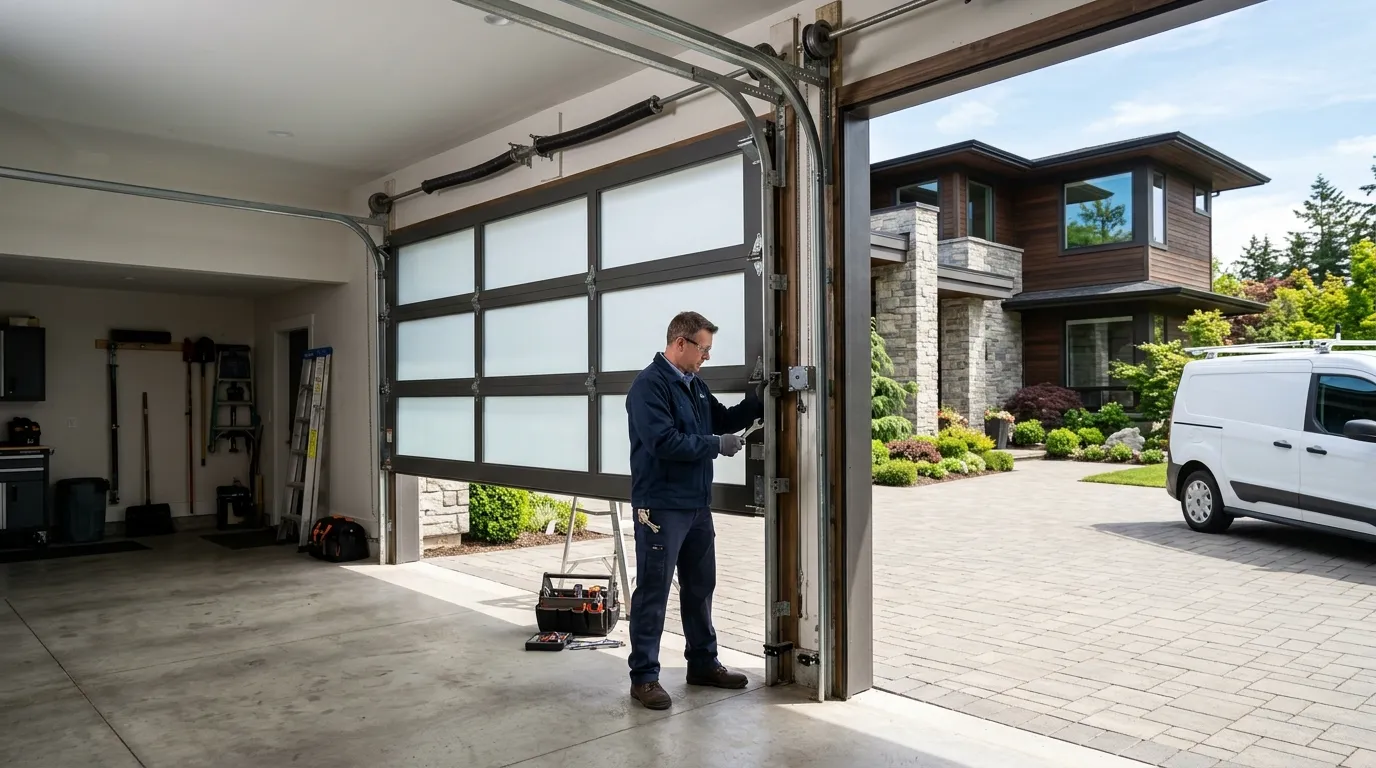
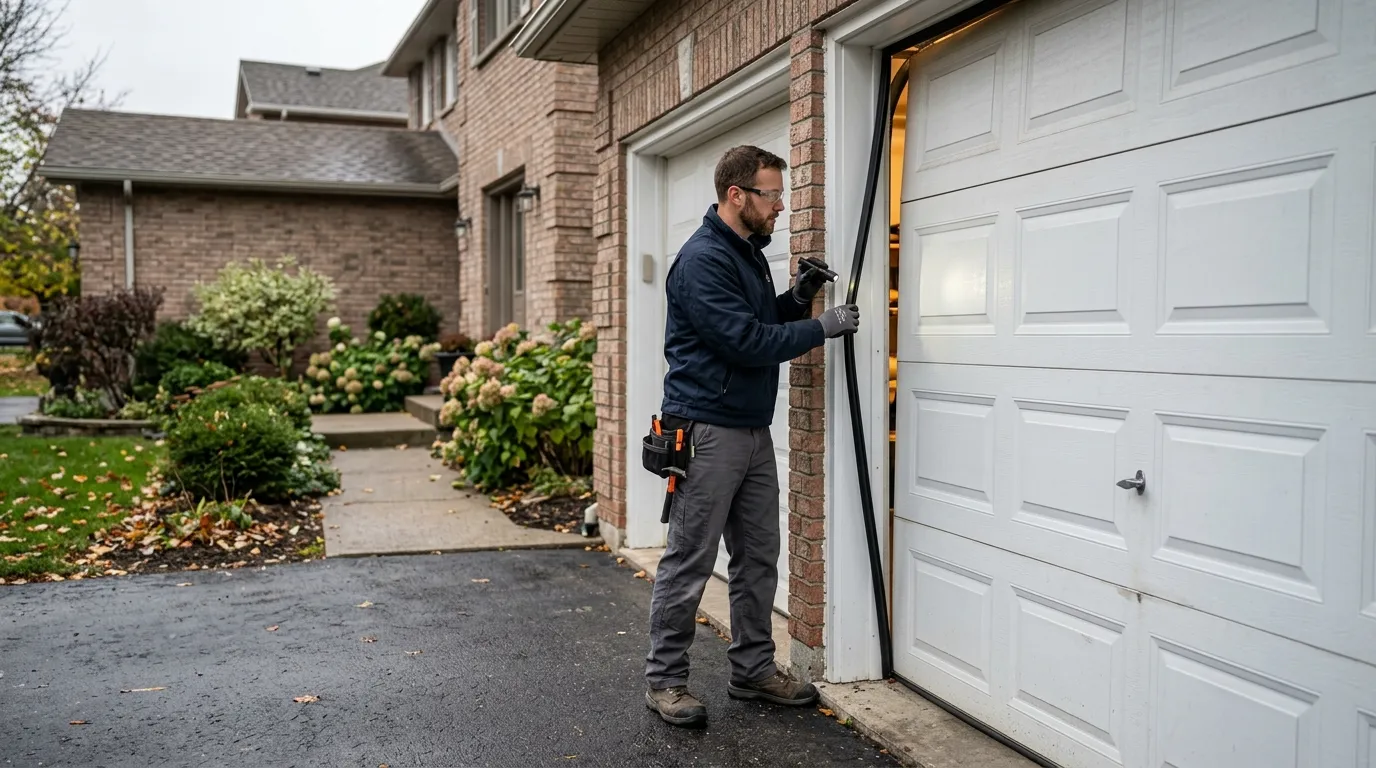
A sagging torsion spring or a door that slams the last six inches is not a job for a Saturday and a socket set. The springs on a door built when this house was new carry enough stored force to break a wrist if the winding bar slips, and most of the doors we see in Mission Hills are still running on hardware from that era. Roller and cable swaps on a lighter, well-maintained door are within reach if you've done it before and have the right clamps. Anything involving the torsion bar, the winding cones, or a door that's come off track entirely is not.
We'll also say the honest thing: some of these original setups aren't worth chasing part by part. If the track is bent, the spring is undersized for a heavier replacement panel, and the opener is original too, patching one piece just moves the failure to the next one. At that point a full hardware swap costs less over two years than three separate service calls.
The Complications
Houses in this pocket went up mostly in 1953, and that means original one-piece or early sectional doors on hardware sized for lighter panels than what's sold today. When an owner swaps in a heavier insulated door without upgrading the spring and track to match, the opener strains, the cables wear faster, and the whole system runs closer to its limit than it should.
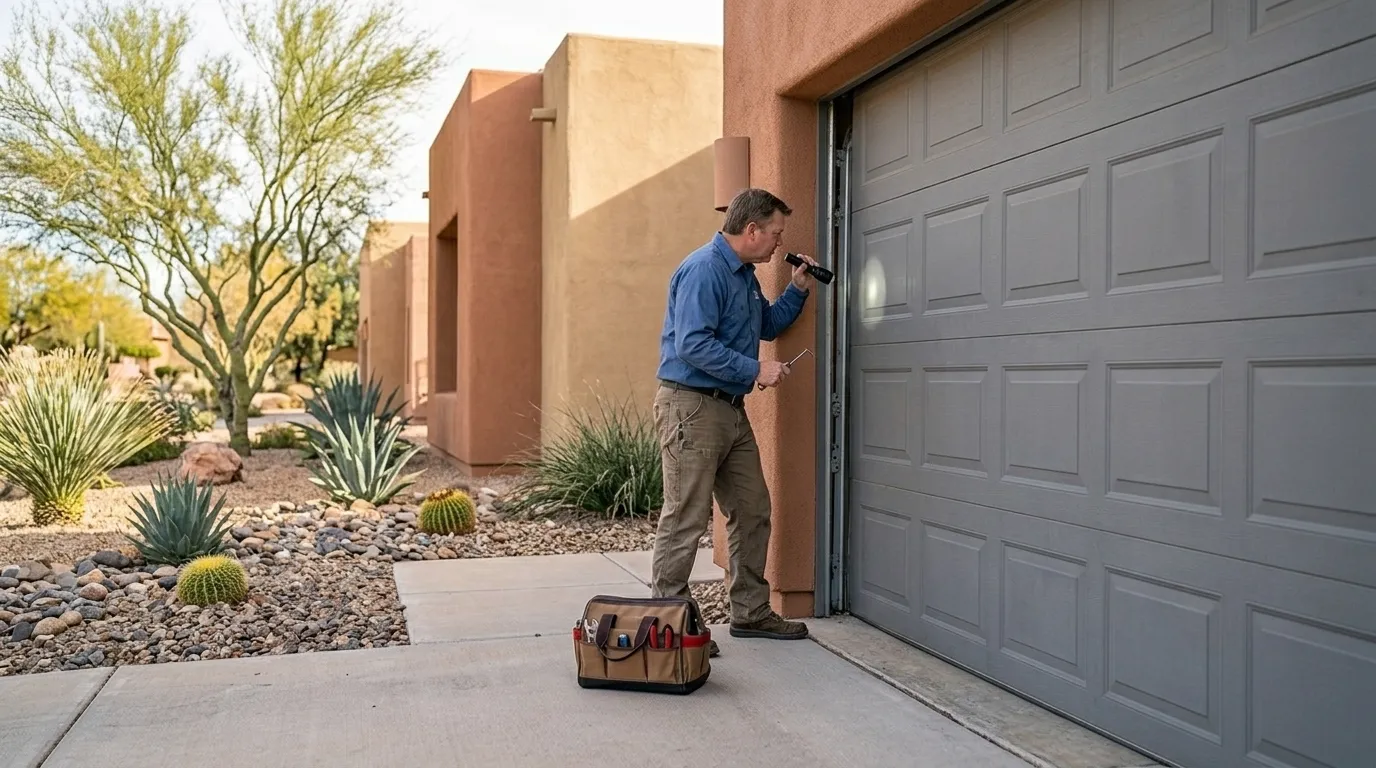
The other wrinkle is that a lot of these garages were never meant to hold today's opener load - the header framing is original, the bracket mounting points are original, and retrofitting a modern opener onto 1950s framing takes more than swapping the unit out of the box. We check the header before we quote a replacement, not after.
How We Fix It
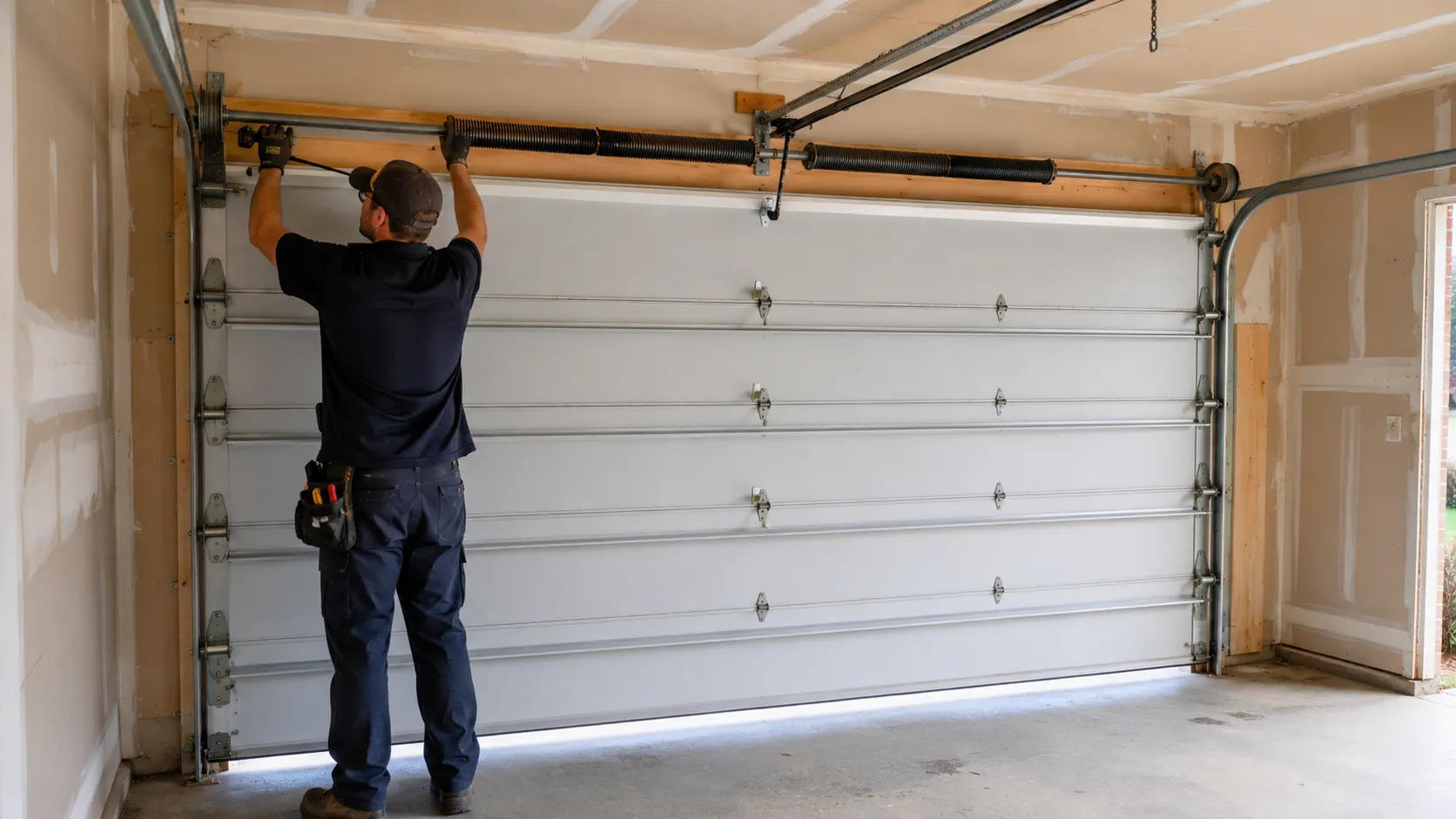
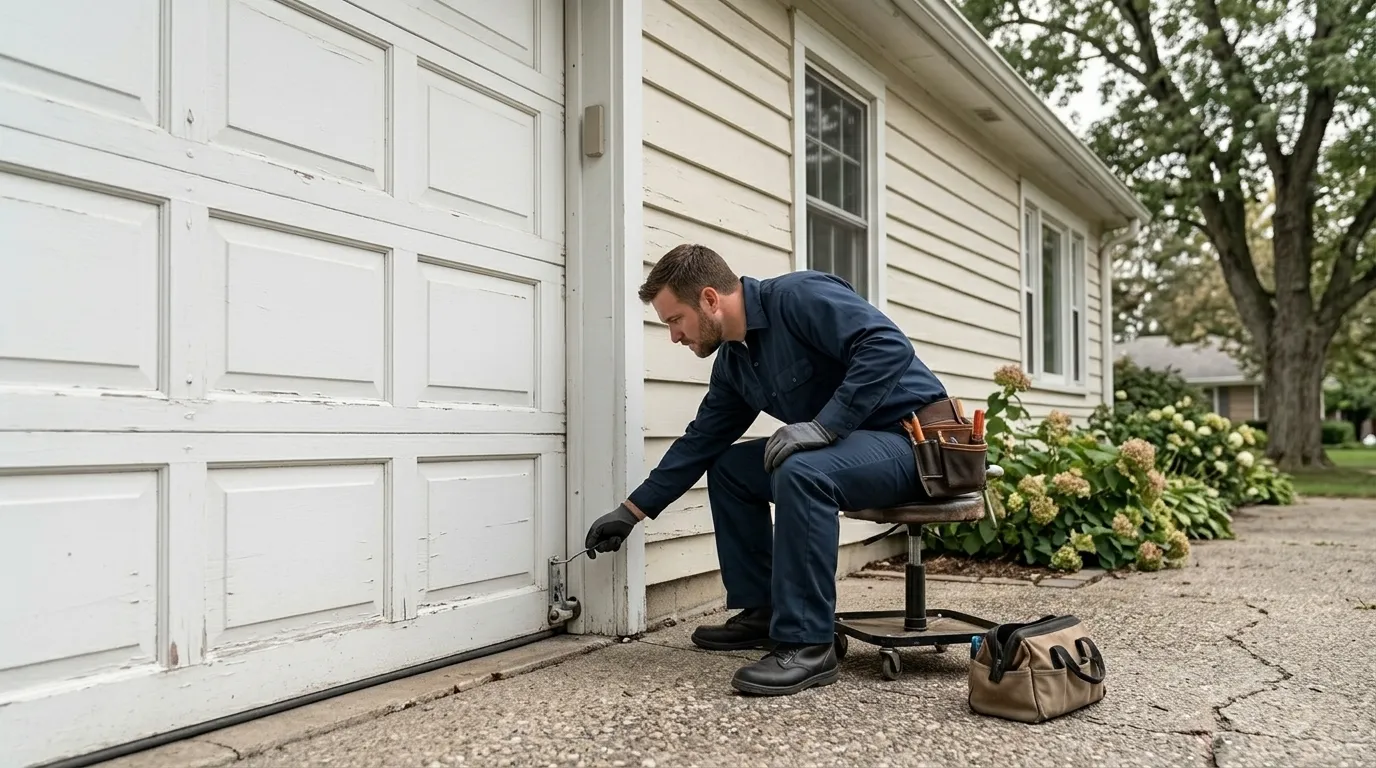
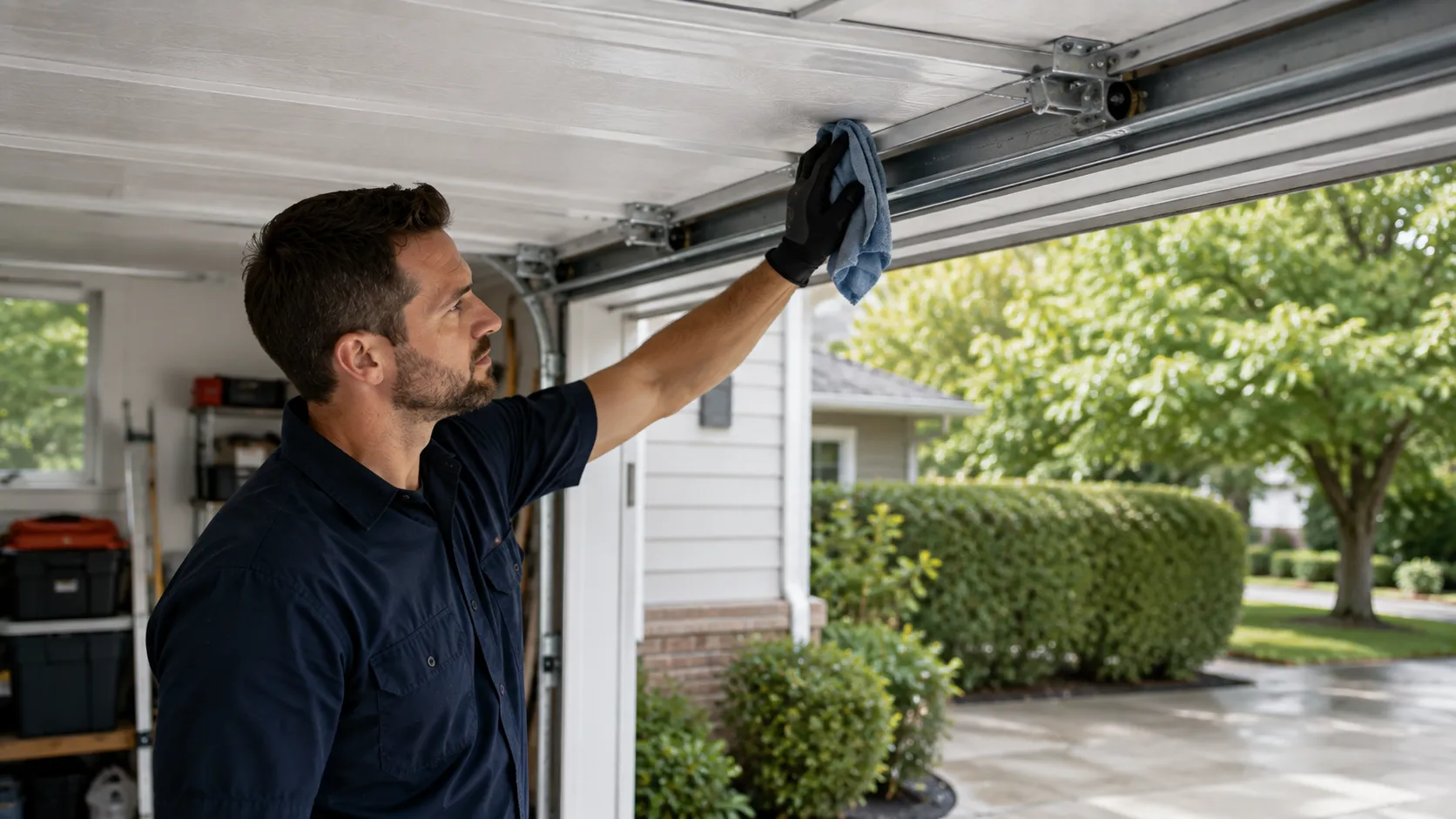
Torsion spring replacement on a door this age starts with matching the wire gauge and wind to the original, not just grabbing the nearest stock size - undersized springs are common on retrofits and they're why some doors here feel heavy at the top of the swing. We replace cables and rollers as a set rather than one at a time, since the ones original to a 1953 install are usually all at the same point in their life.
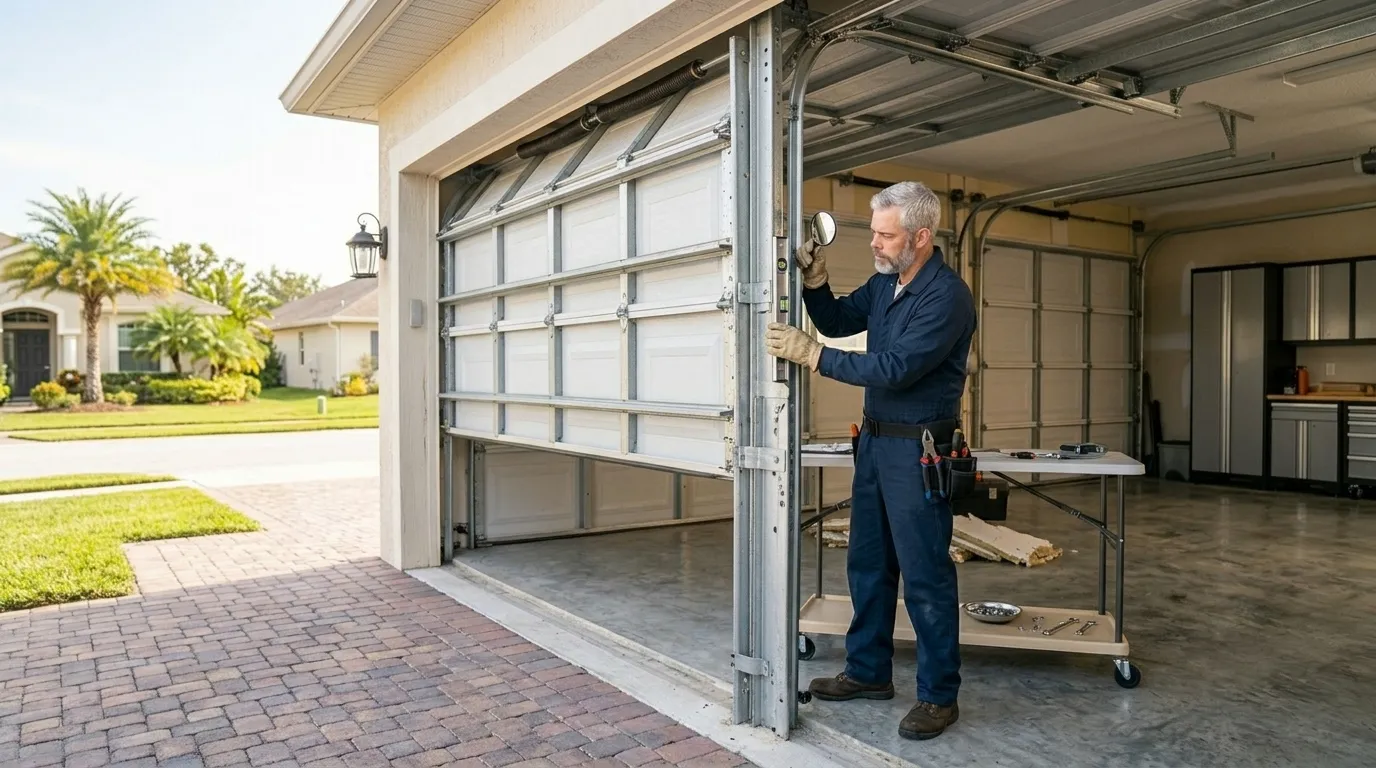
For openers, if the unit is original or close to it, we check whether the header can take a modern unit's mounting load before we install anything. If the framing's sound, a straightforward swap solves it. If it's not, we say so before we start, not after.
What Causes It Around Here
Kansas City winters run cold and hard on steel, and a torsion spring wound for a lighter 1950s-era door doesn't flex the same way once the temperature drops. The failure pattern we see most in Mission Hills is a hard, grinding start on the first real freeze of the season - the spring's been losing tension for a year, and cold steel is what finally breaks it. Original tracks bowed slightly out of true after decades of temperature swings also throw rollers off, which shows up as a door that binds halfway up rather than moving smoothly.