Time on the Job
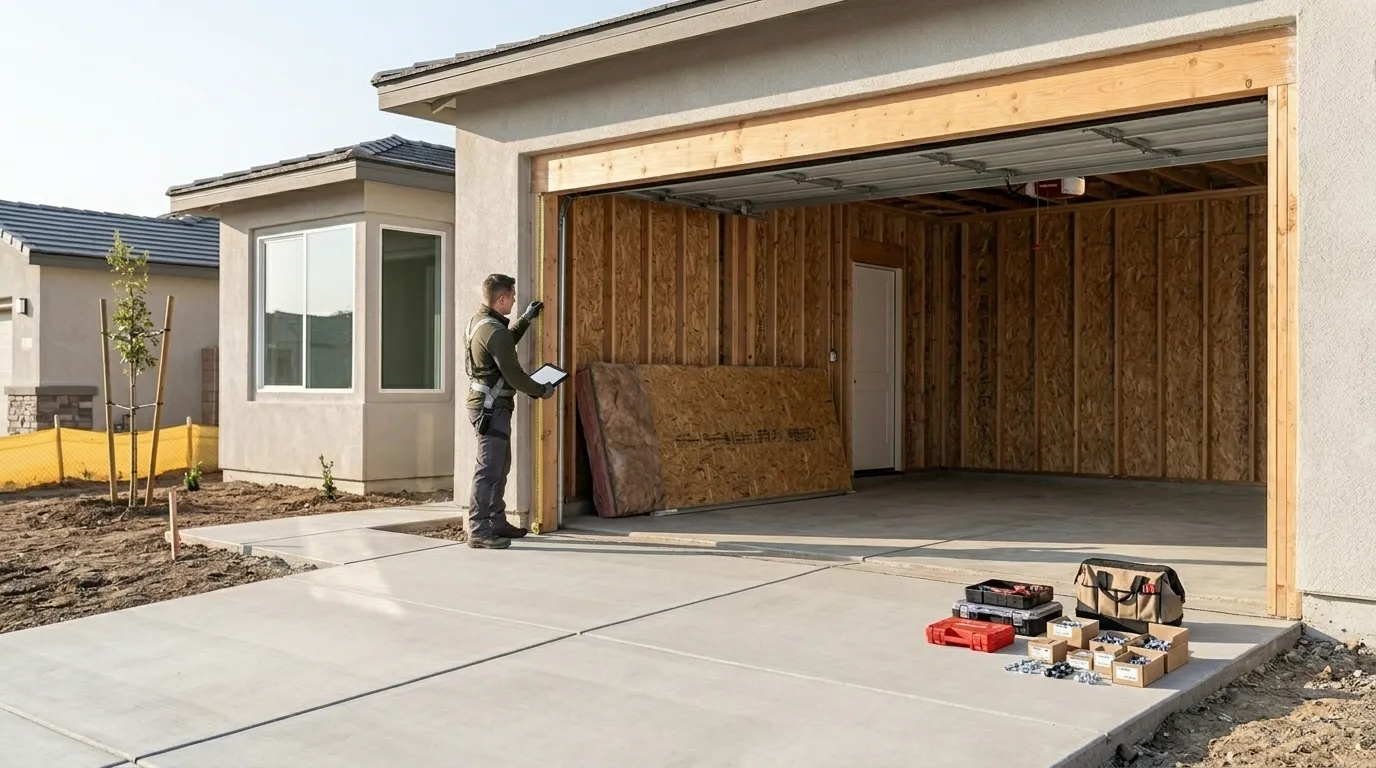
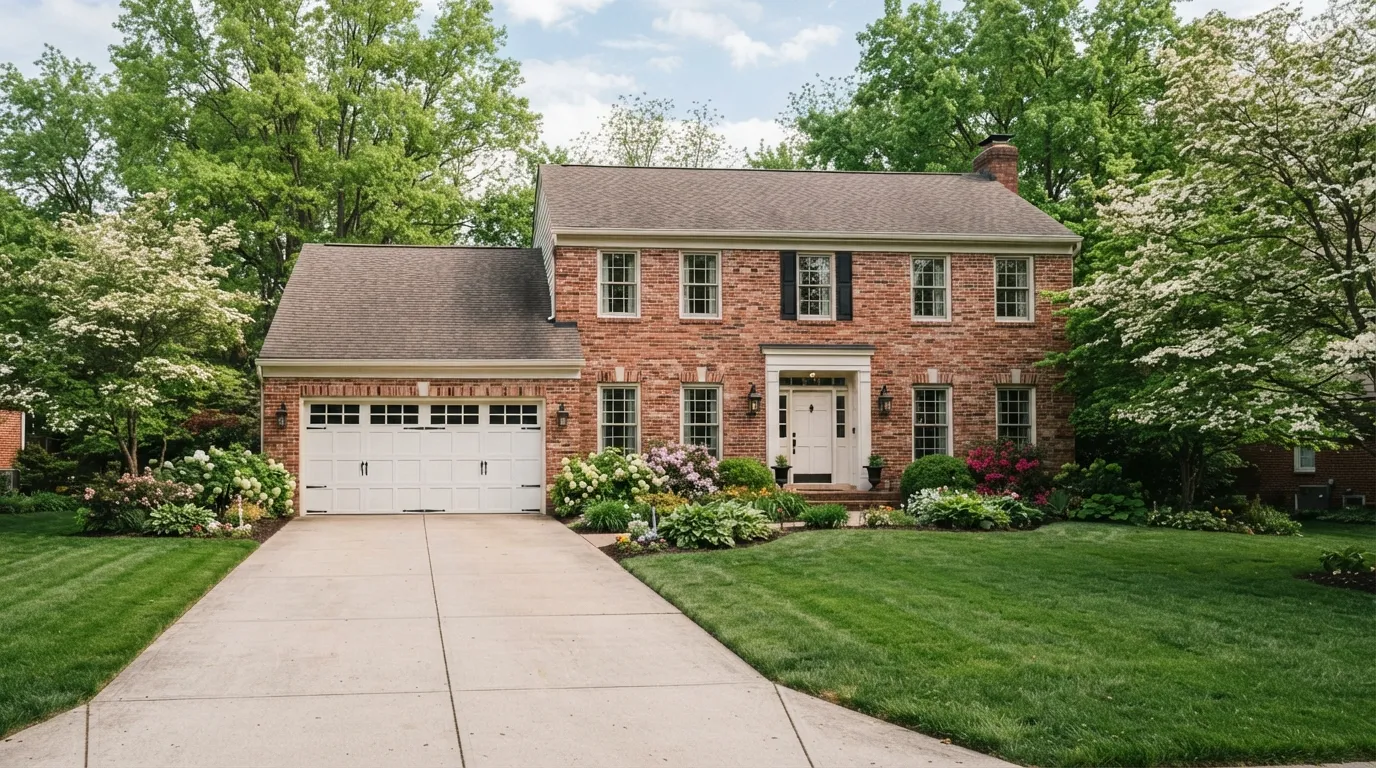
Roeland Park's median house dates to 1950, which puts it near the front edge of the wider build-out we see across this part of the service area (that broader stretch runs 1950 to 2004, with most of it landing in the 60s and 70s). A house built in 1950 almost never started with a two-car garage. What we find now is a single bay that got widened once, or a second bay bolted on later as a lean-to, with a door and opener that don't match the framing they're hung in. That mismatch is where a lot of the noise and binding comes from - not from age alone, but from decades of small fixes stacked on top of an original opening that was never square to begin with. When we get a call from this end of town, we're braced to find hardware from three different decades on the same track.
Can You Do This Yourself
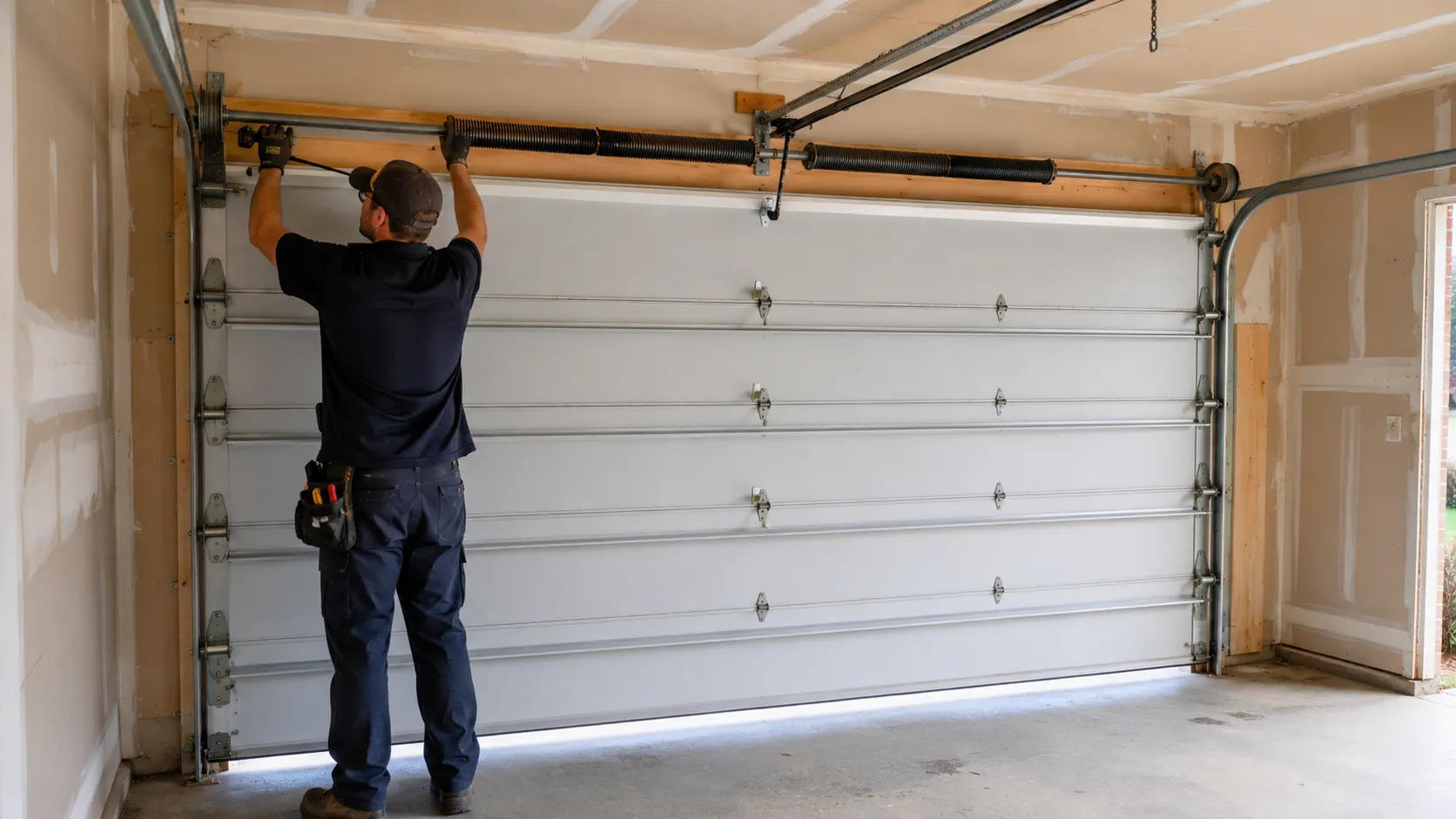
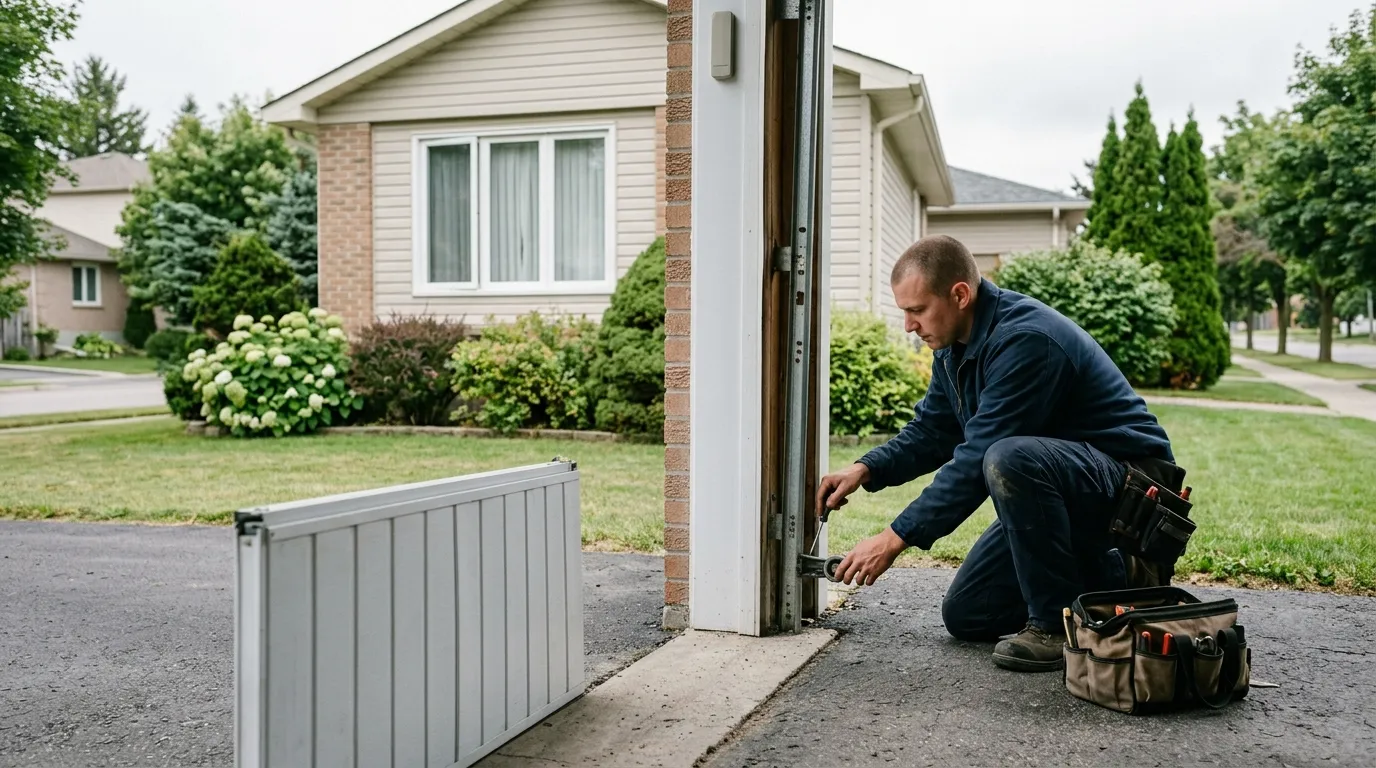
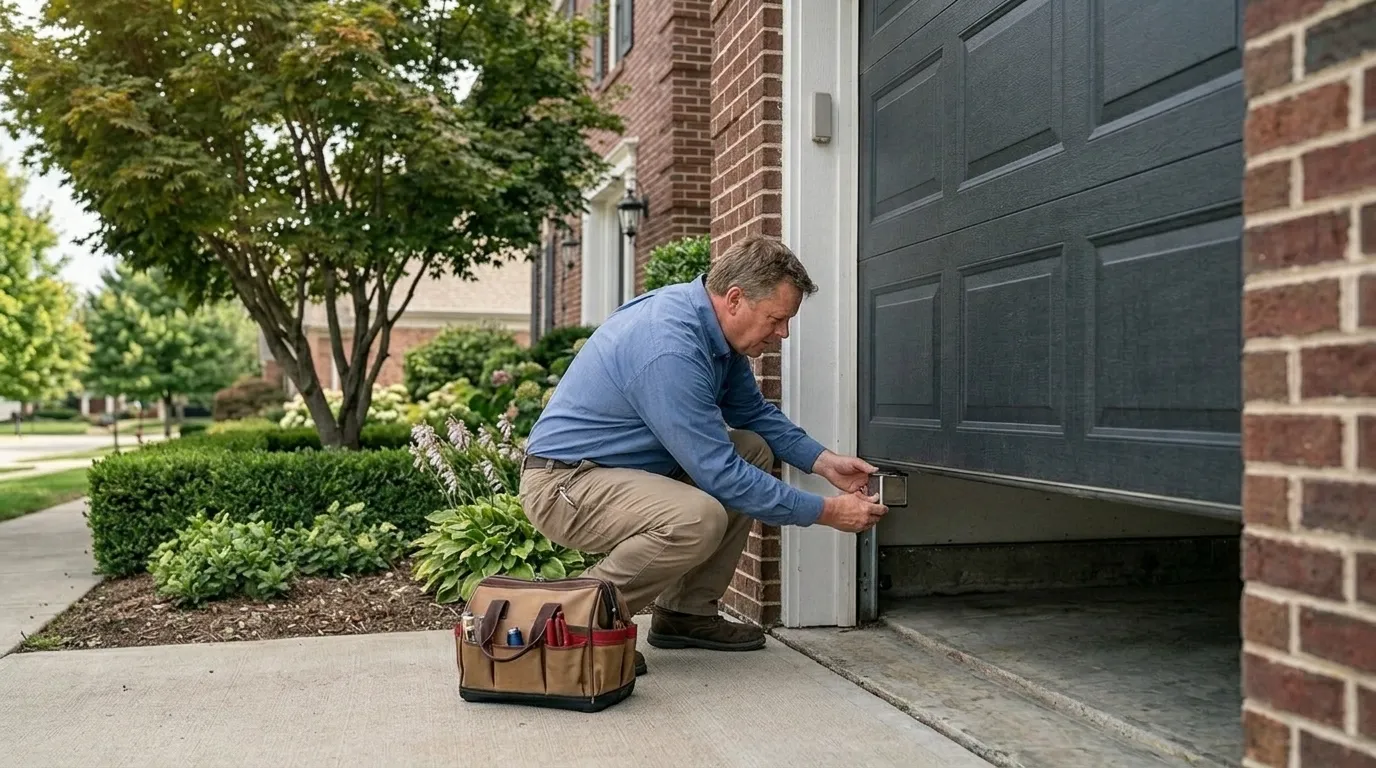
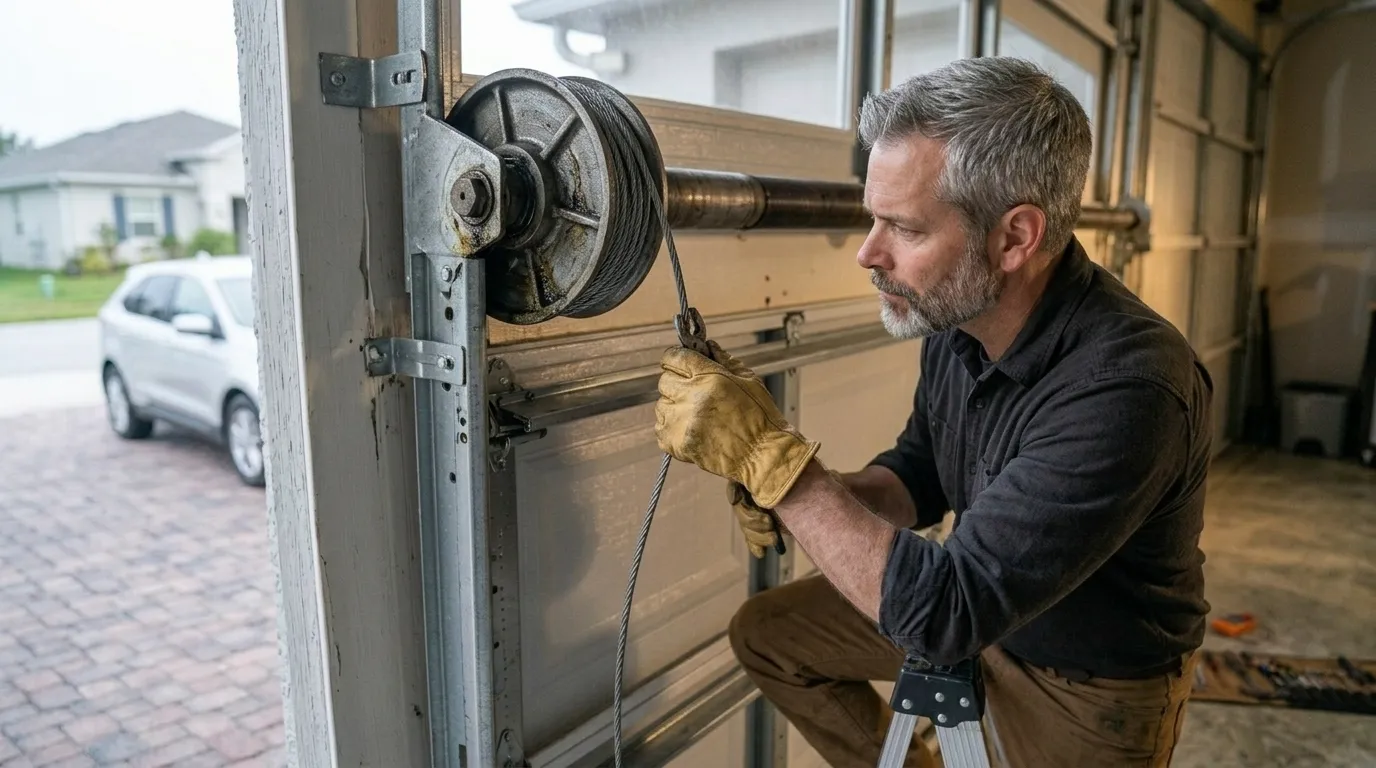
Some of it, yes. You can vacuum the tracks, check that the photo-eye sensors near the floor are aligned and clean, and tighten the loose bolts on the roller brackets - none of that needs a truck. What you shouldn't touch is anything under spring tension. A torsion spring, or the older extension springs some of these 1950-era garages still run, stores enough force to break a wrist or worse if it lets go while you're working on it. If your door won't open, or it opens crooked, or the cable's frayed, that's a call, not a project. We'll say plainly: if the door is original wood from the 1950s and it's warping badly, replacing it usually costs less over five years than repairing it every winter - that's a real trade-off, not a sales pitch.
Getting It Booked In
We don't keep a branch in Roeland Park - we run out of Kansas City, about eight miles away, and that's the honest arrangement: no depot on this side of town, just a truck that comes when you call. That distance doesn't change what we can fix once we're there, but it does mean we're not the crew to call for something that can wait until the weekend if you're hoping for a same-hour drop-in. Tell us what the door is doing - won't open, opens and reverses, grinding on one side - and we'll tell you what to expect before the truck leaves.
The Symptom
The complaint we hear most from this stretch of town starts the same way every year: the door worked fine in October, and now, once temperatures drop hard, it either won't budge or it opens a few inches and stops. That's a spring losing tension in the cold faster than it would in mild weather - metal contracts, and a spring that was already worn from age gives up its lift right when you need it most. On the older single-bay setups, the opener sometimes tries to force it anyway, which is how you end up with a stripped gear or a burnt-out motor on top of the spring problem. If your door groans loud on the way up before it sticks, that's usually the spring telling you it's close to done, not the opener.