Time on the Job
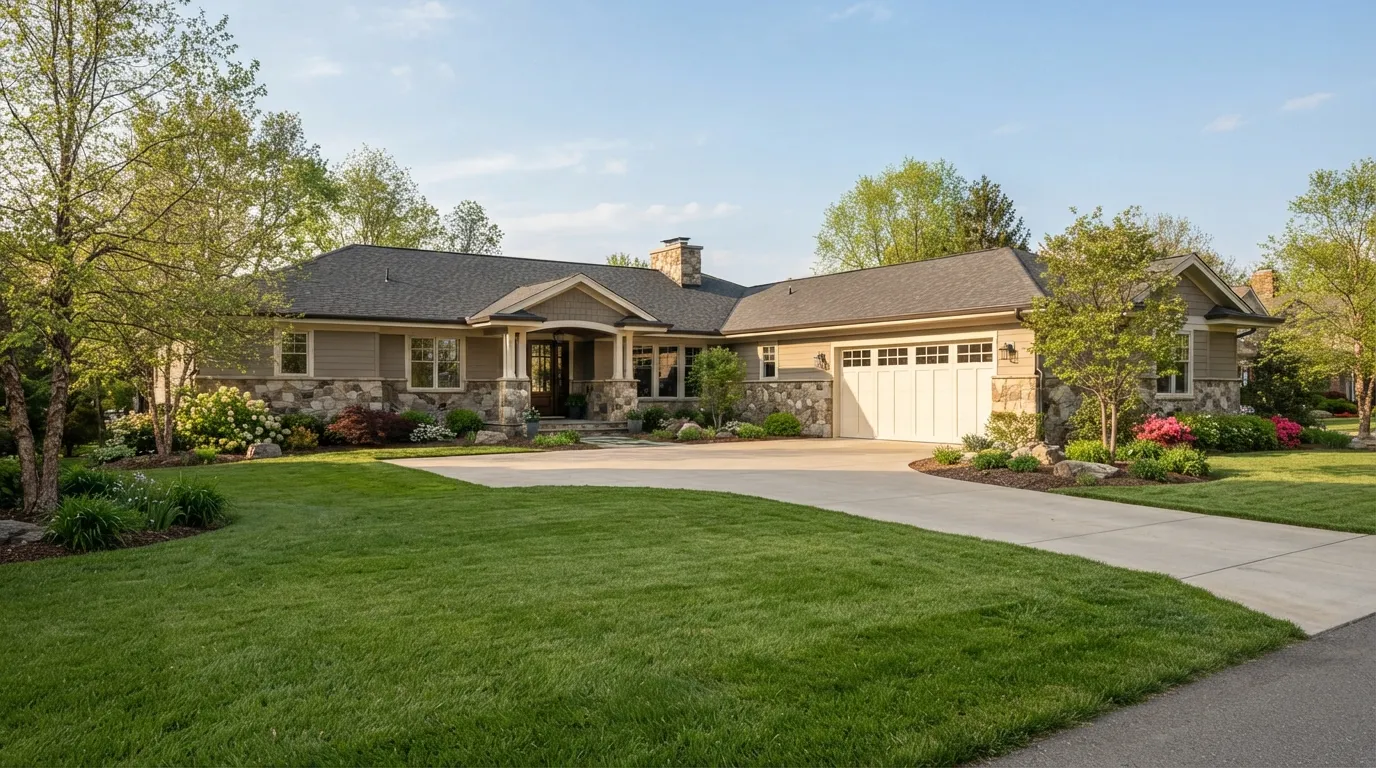
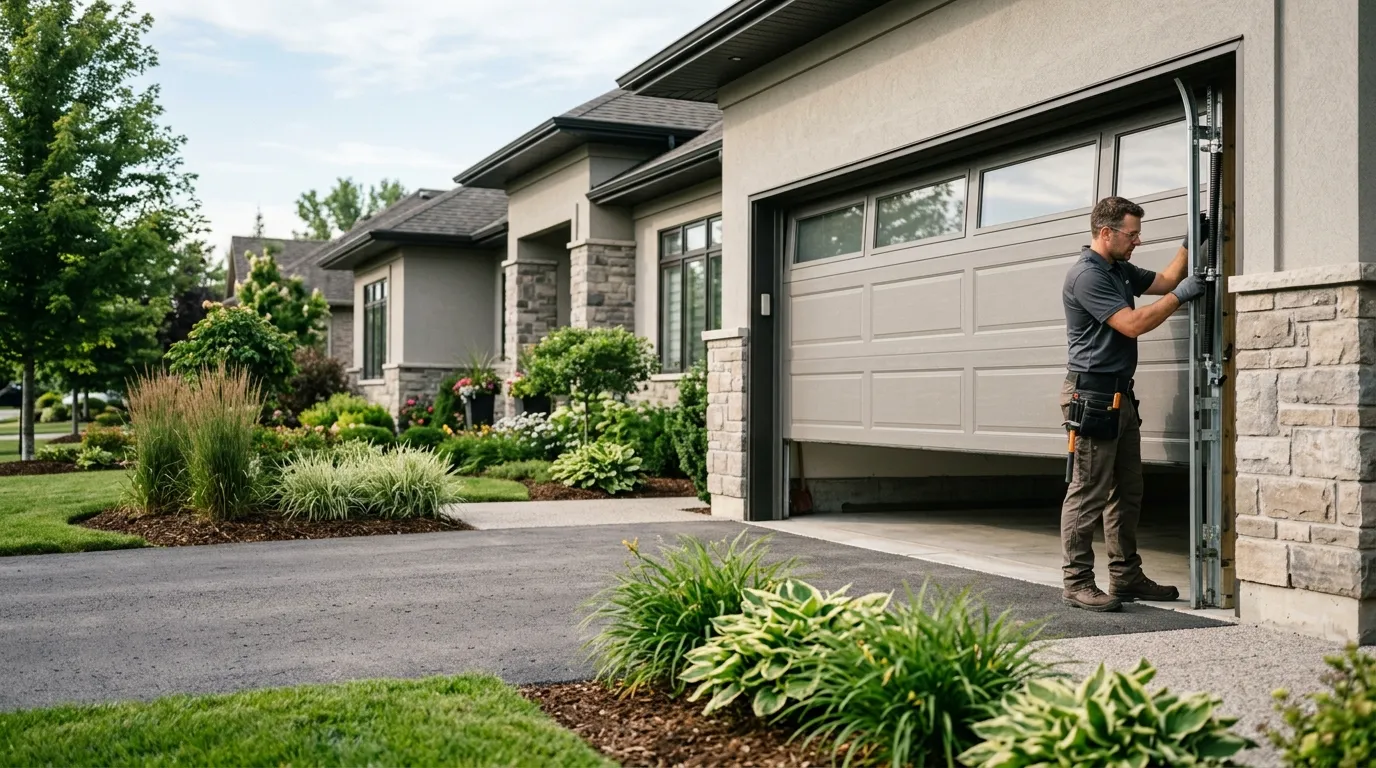
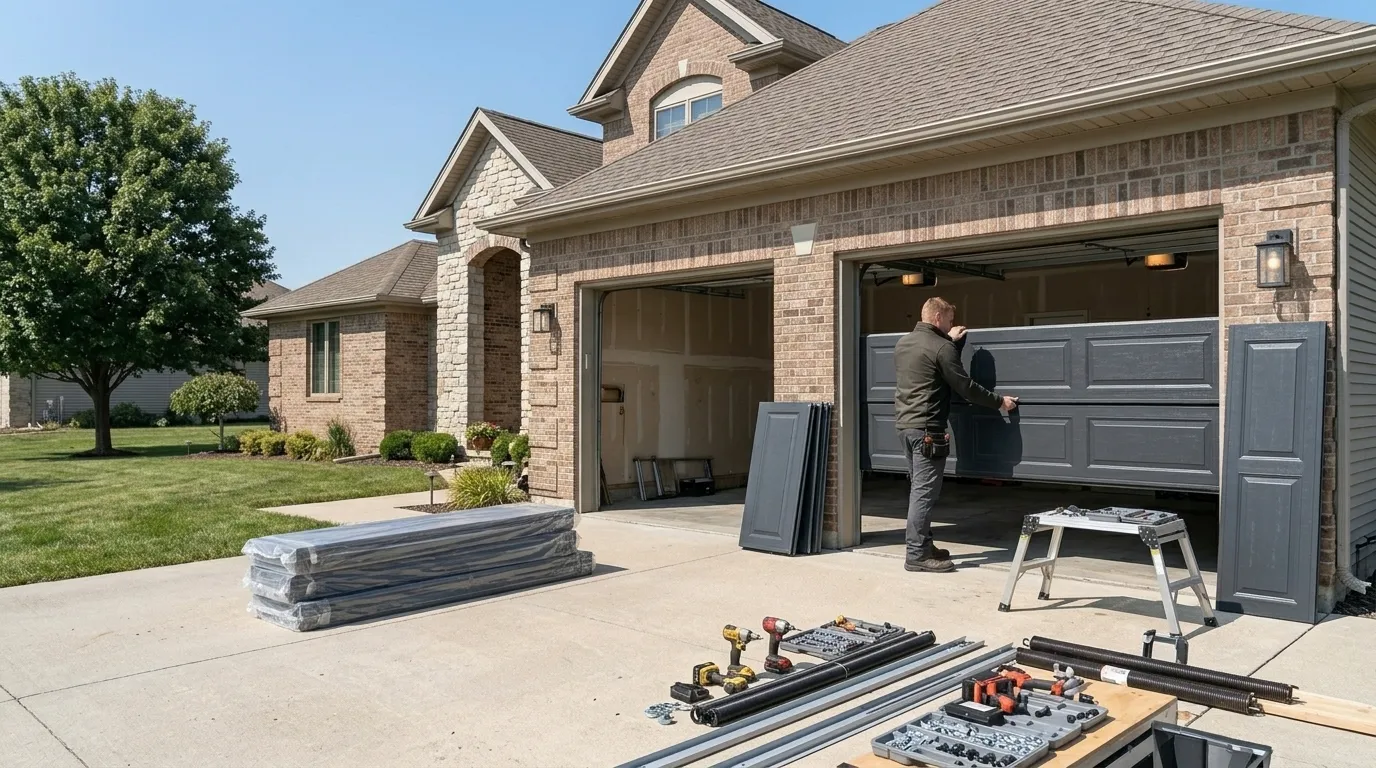
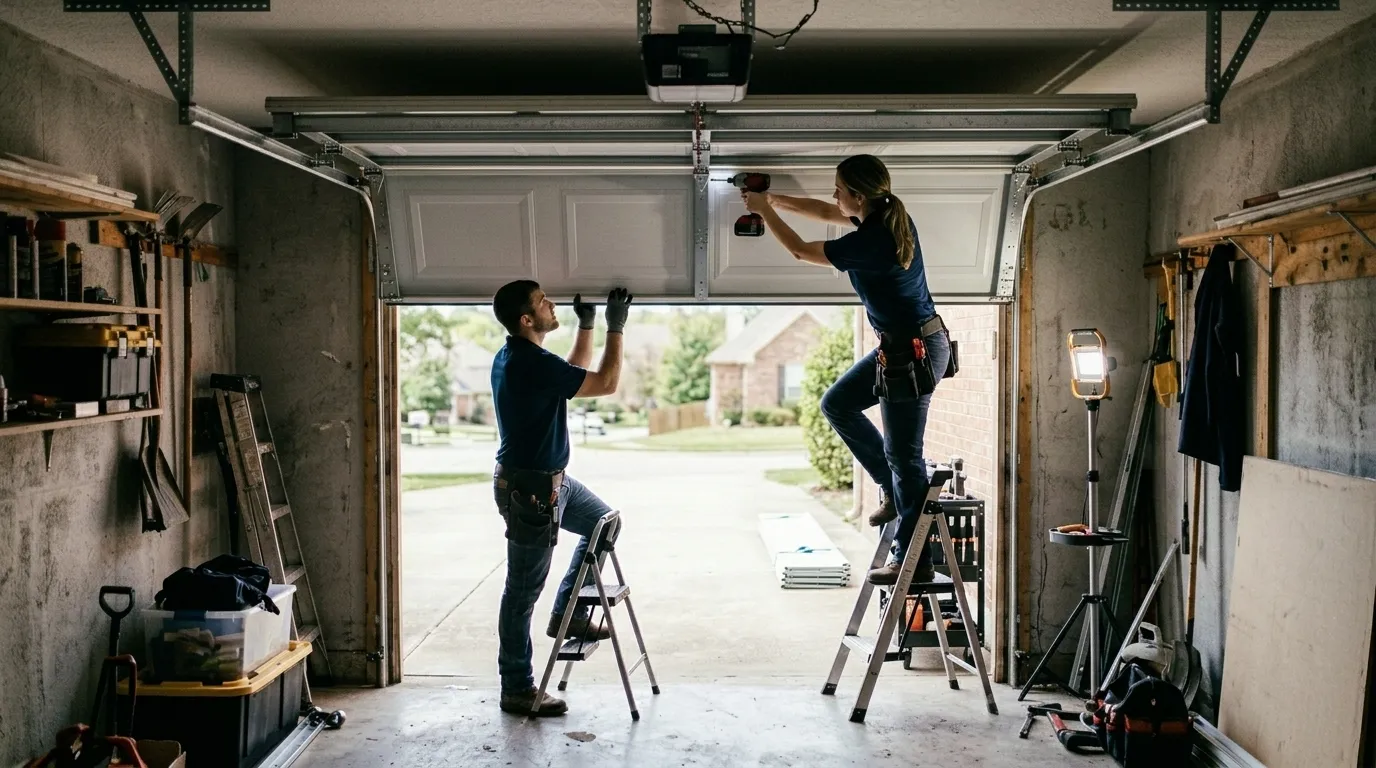
Roeland Park is a small town, roughly 3,256 households packed into a tight footprint about eight miles from Kansas City. That size matters more than it sounds like it should. A town this compact doesn't generate a huge volume of calls in any given week, but the calls that do come in tend to cluster around the same problem: doors and openers that are original or close to it, because so much of the housing here was built around 1950 - earlier than the 1973 median you'd see across the wider service area. A crew coming out from Kansas City isn't guessing what they'll find when they open the panel on a Roeland Park garage. It's usually old steel, old hardware, and a track system sized for a car that's fifty years out of production. Install jobs here run longer on the front end - measuring, checking header clearance, confirming the opening hasn't shifted - because a house built in 1950 rarely has the same clean, square opening you'd get in a 1990s build. The install itself, once the door and hardware are matched to the opening, moves like any other job. It's the fitting that takes the extra time.
Can You Do This Yourself
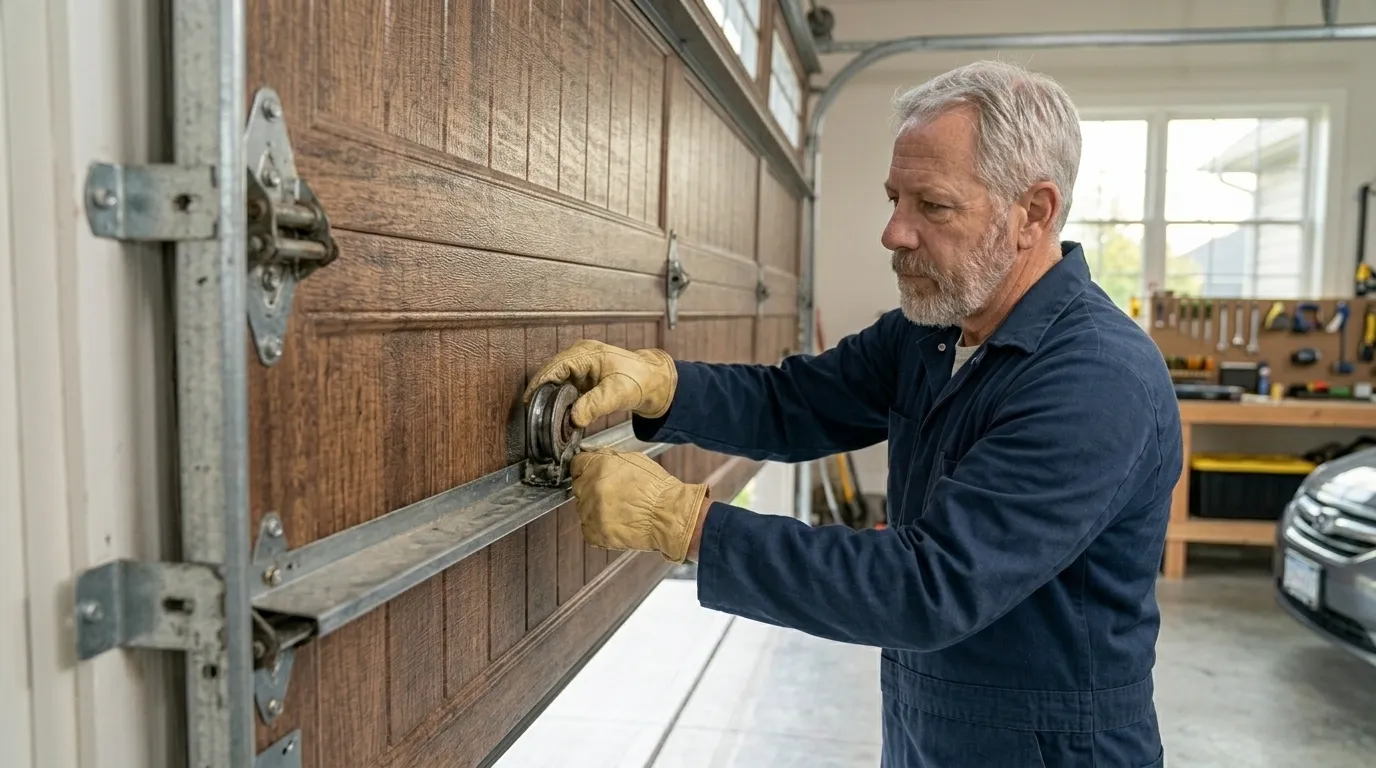
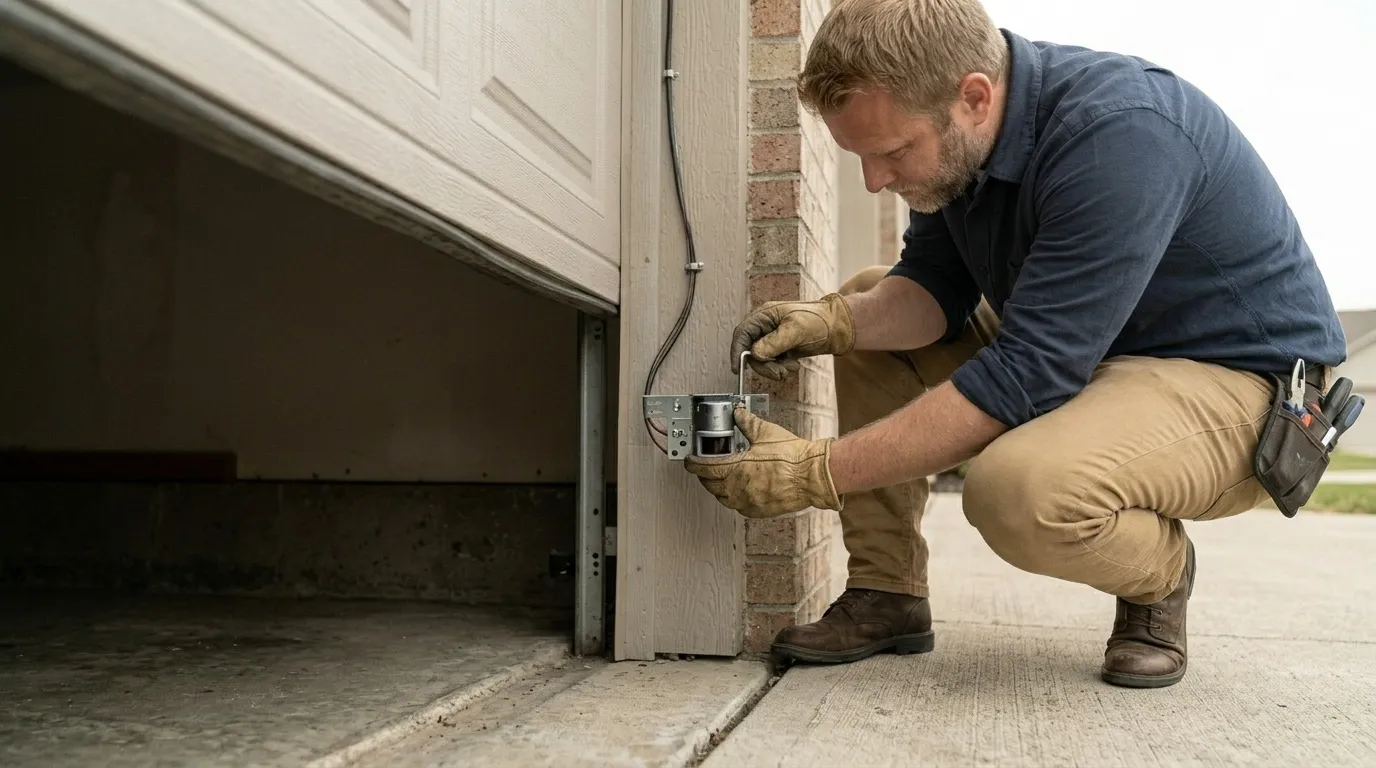
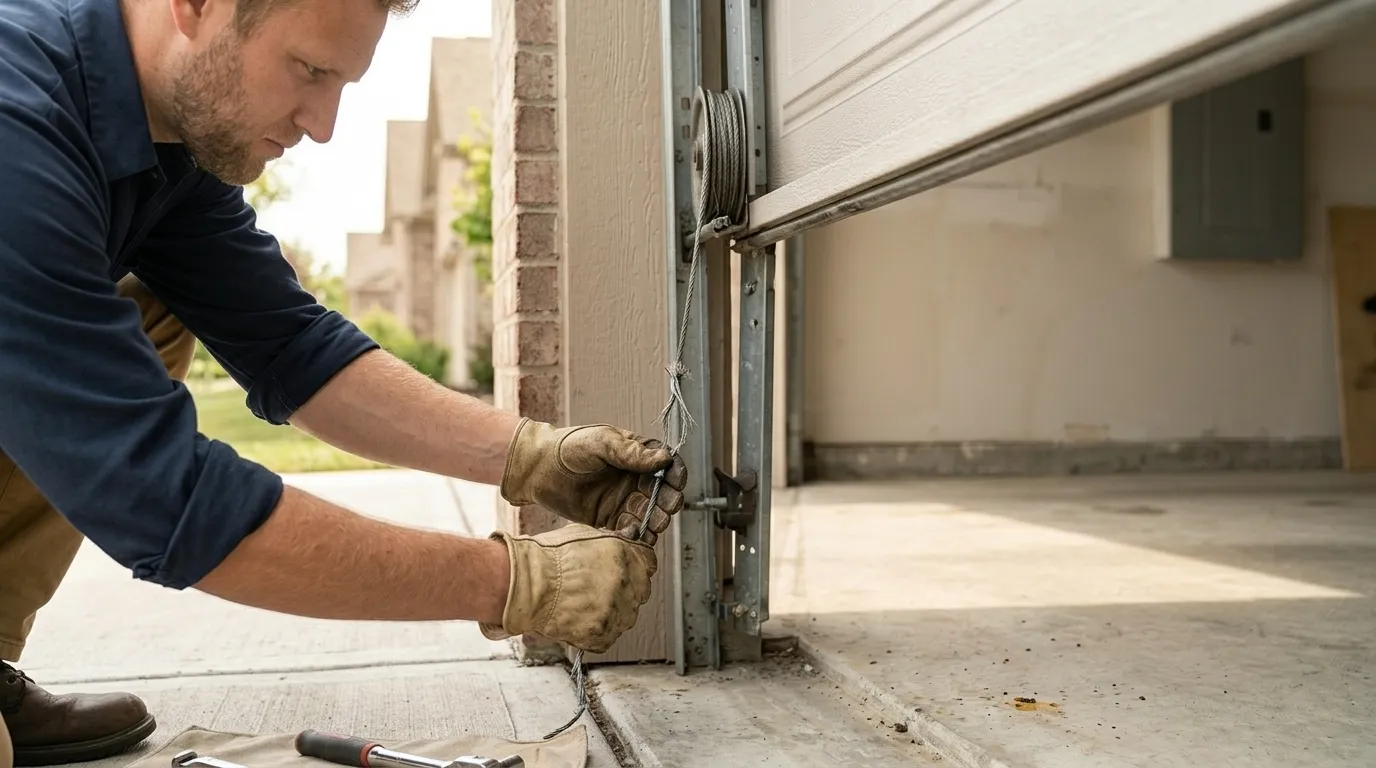
If you're comfortable with tools and patient with adjustments, swapping panels or a single section on a newer door is within reach for a handicap homeowner. A full new install is a different animal, especially on a house from this era. You're not just hanging a door - you're often reworking track brackets, header attachment points, and sometimes the opener mount to match hardware that was never designed to pair with a modern door. Torsion spring tension on a new system is not a place to guess; the wrong wind count on a spring bar has put people in the ER. If your opening is out of square by more than a small amount, which isn't rare in a house built in 1950, you'll be shimming and packing before the door ever gets hung, and that's easy to get wrong in a way that shows up as noise, drift, or a door that won't seal for years. Our honest limit: we don't do same-day emergency swaps out here, since the crew is dispatched from Kansas City, so if you're mid-project and stuck, plan for a scheduled visit, not a walk-in fix.
Getting It Booked In
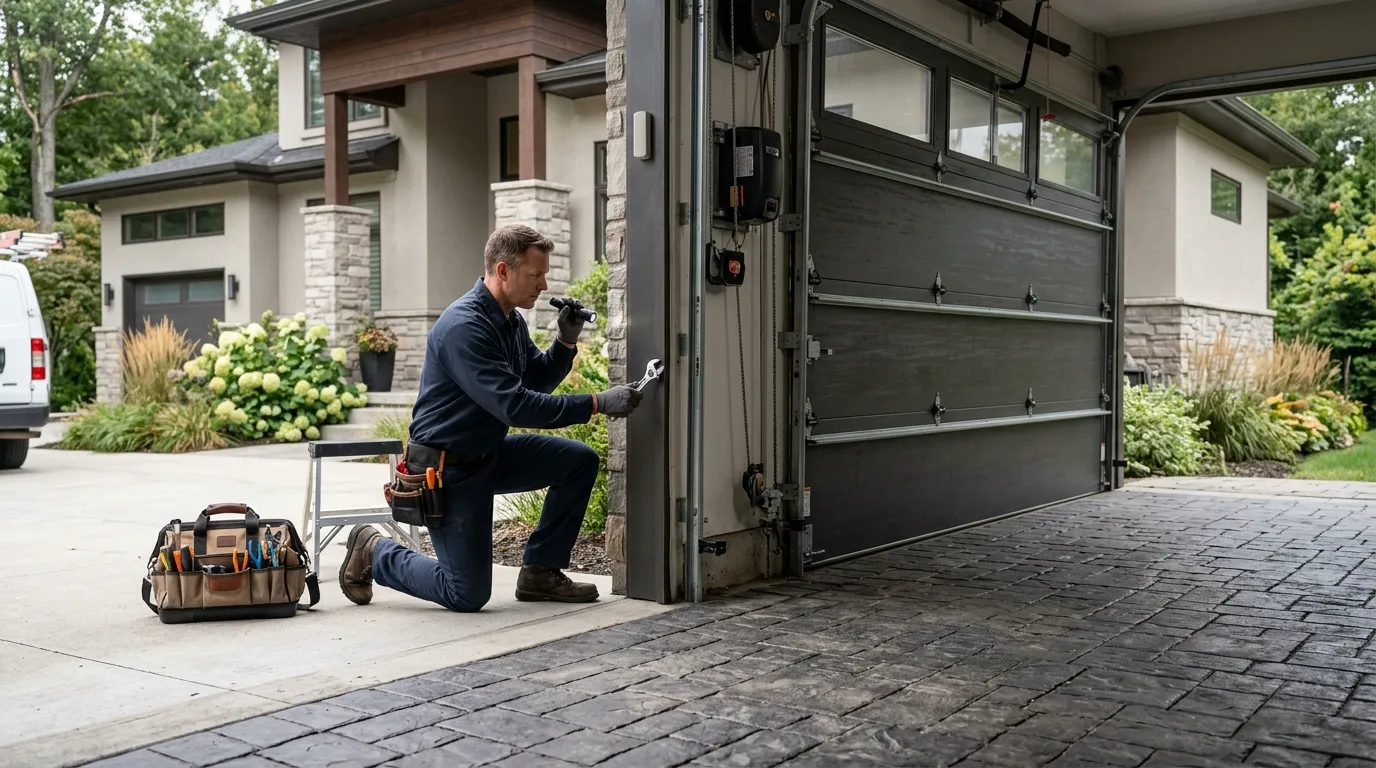
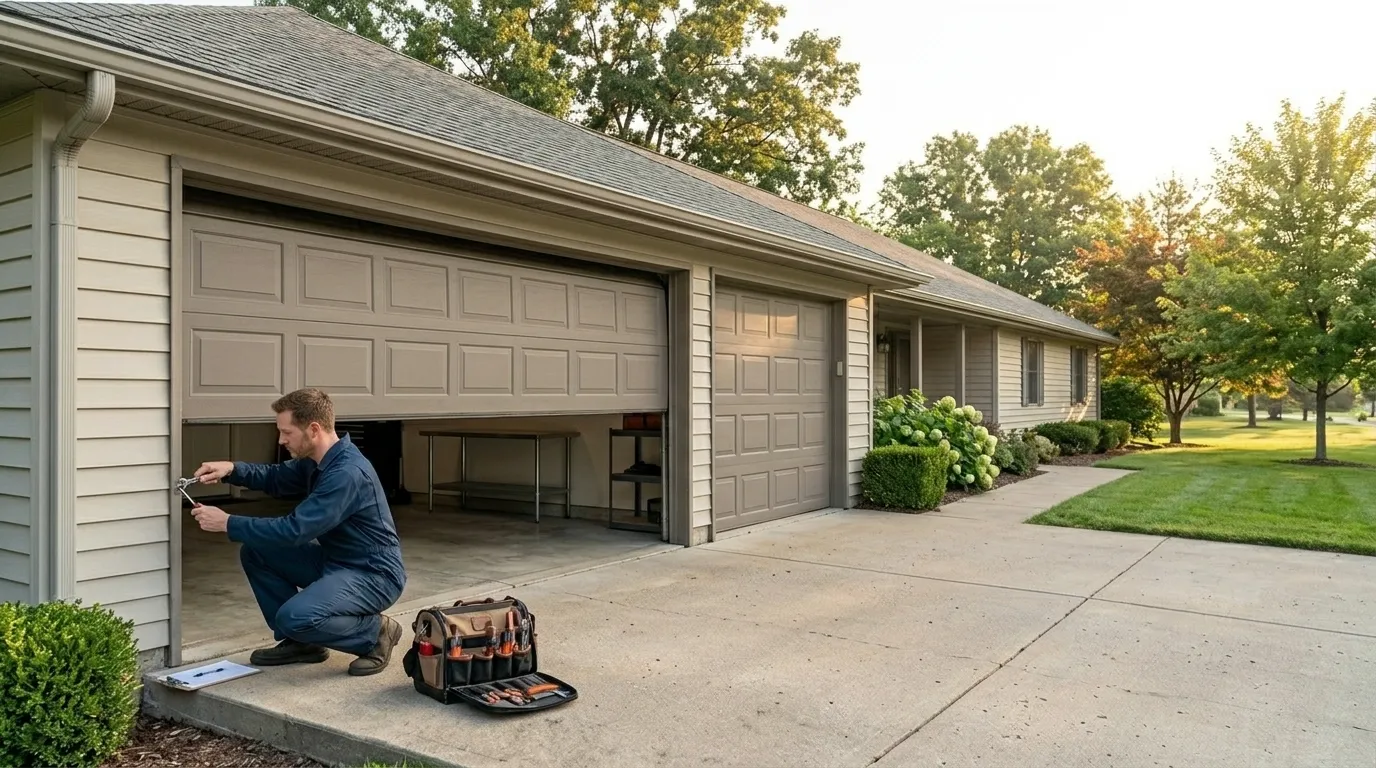
Since the crew travels from Kansas City to reach Roeland Park, jobs here get scheduled rather than run as walk-up service. That's not a knock against the town - it's just the reality of an eight-mile trip for a town of about 3,256 households, which doesn't support a dedicated local crew the way a larger suburb might. Booking a new install means a measurement visit first, especially given how common non-standard openings are in houses from this era, followed by ordering the door and hardware to match, then the install date itself. We won't quote a firm price or turnaround here since those depend on what we find at the opening - but we'll tell you straight after the measurement visit what the job actually needs, instead of quoting blind over the phone.
The Symptom
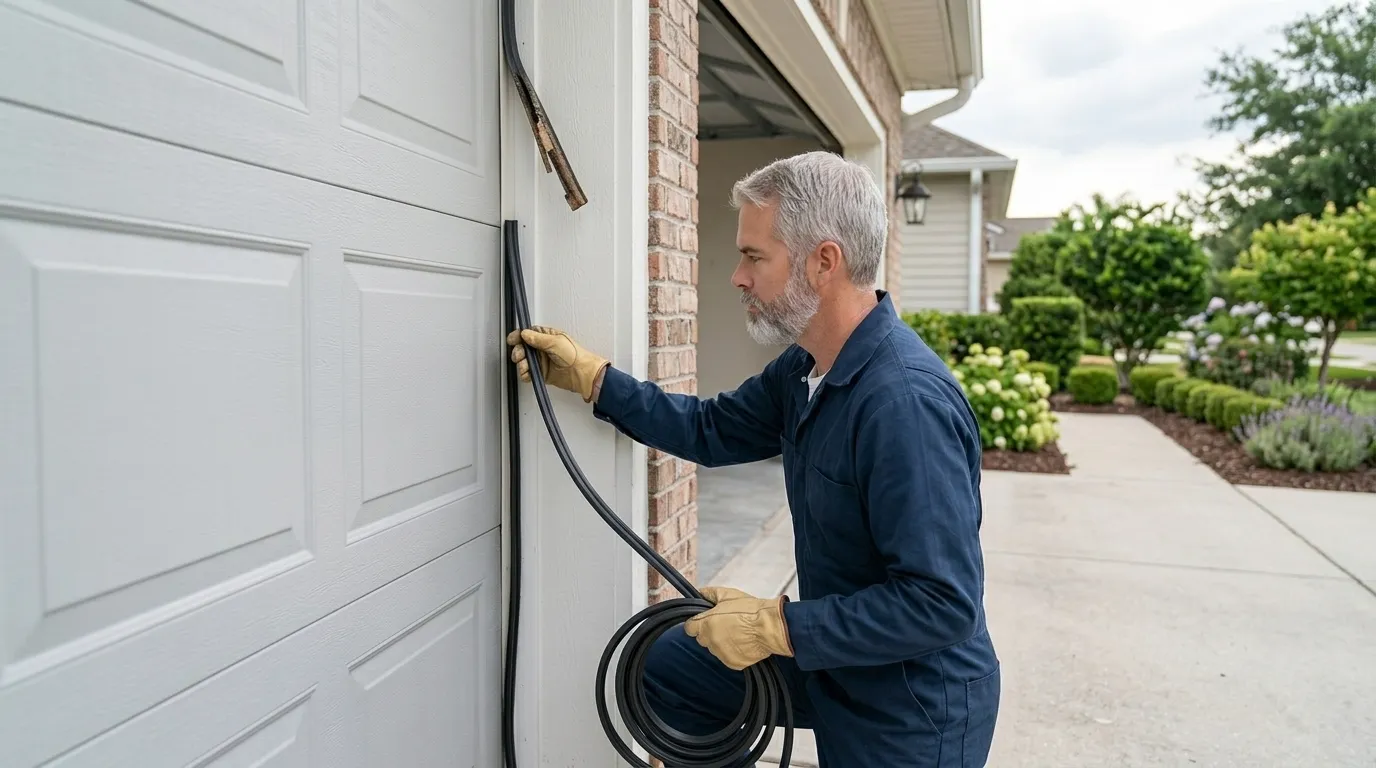
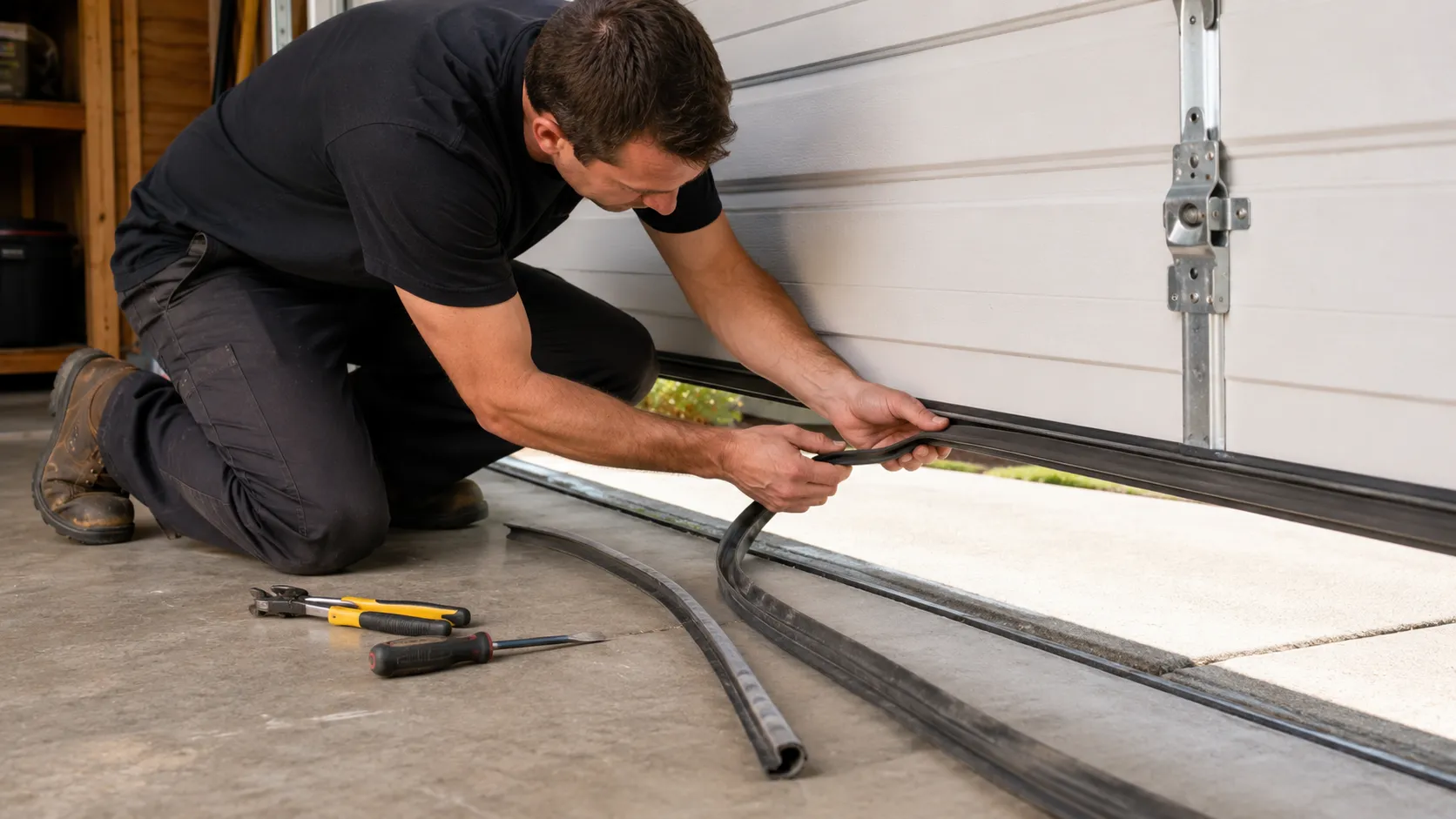
The complaint we hear most from Roeland Park owners looking at a new door isn't a broken spring or a dead opener - it's that the current door has just gotten heavy, loud, and slow, the kind of wear that comes from thirty or forty years on hardware built for a house from 1950. Panels have started to dent or rust at the bottom where they've sat closest to the slab through decades of cold-severe winters. Some owners come to us because a repair quote on the old door came back close to the cost of a new one, once the tech accounted for obsolete track width and a spring system that's no longer stocked. Others are just tired of a door that groans on the way up. Either way, the tell is usually the same: a door that still closes but clearly isn't built for another decade of Kansas winters.