Time on the Job
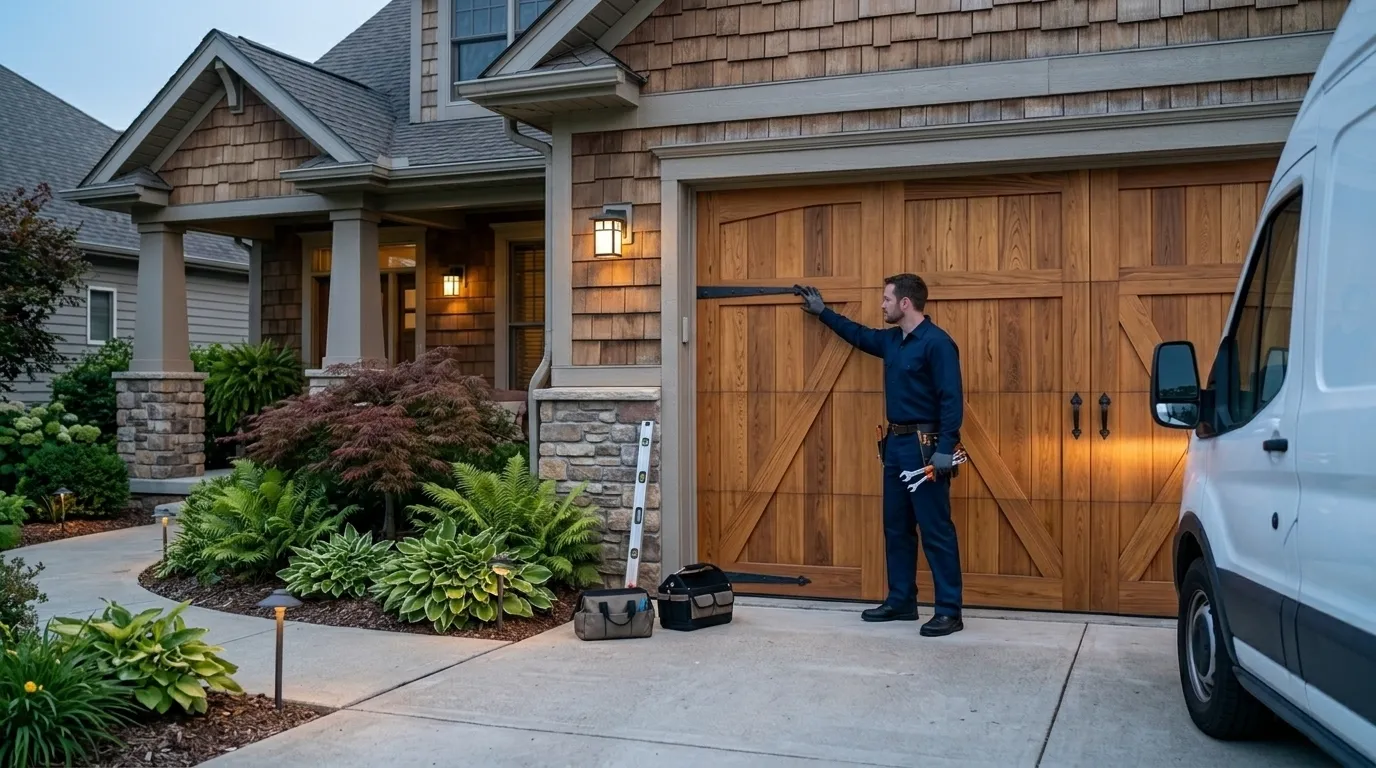
Roeland Park sits about eight miles from our shop in Kansas City, which is close enough that a same-day call isn't a stretch, but it's still a drive across town, not a five-minute hop. That matters for how we schedule: we group Roeland Park calls when we can so a tech isn't crossing the metro twice in an afternoon for two separate jobs. If you call early, you've got a better shot at getting seen before the truck heads back. We don't run a branch out here - everything comes from Kansas City - so the honest answer on timing is that it depends on where else we're working that day, not on some fixed response window we can promise over the phone.
What we can tell you is that once a tech is on your street, the work itself doesn't take longer just because you're in Roeland Park instead of somewhere closer in. A spring is a spring. The drive is the variable, not the repair.
Can You Do This Yourself
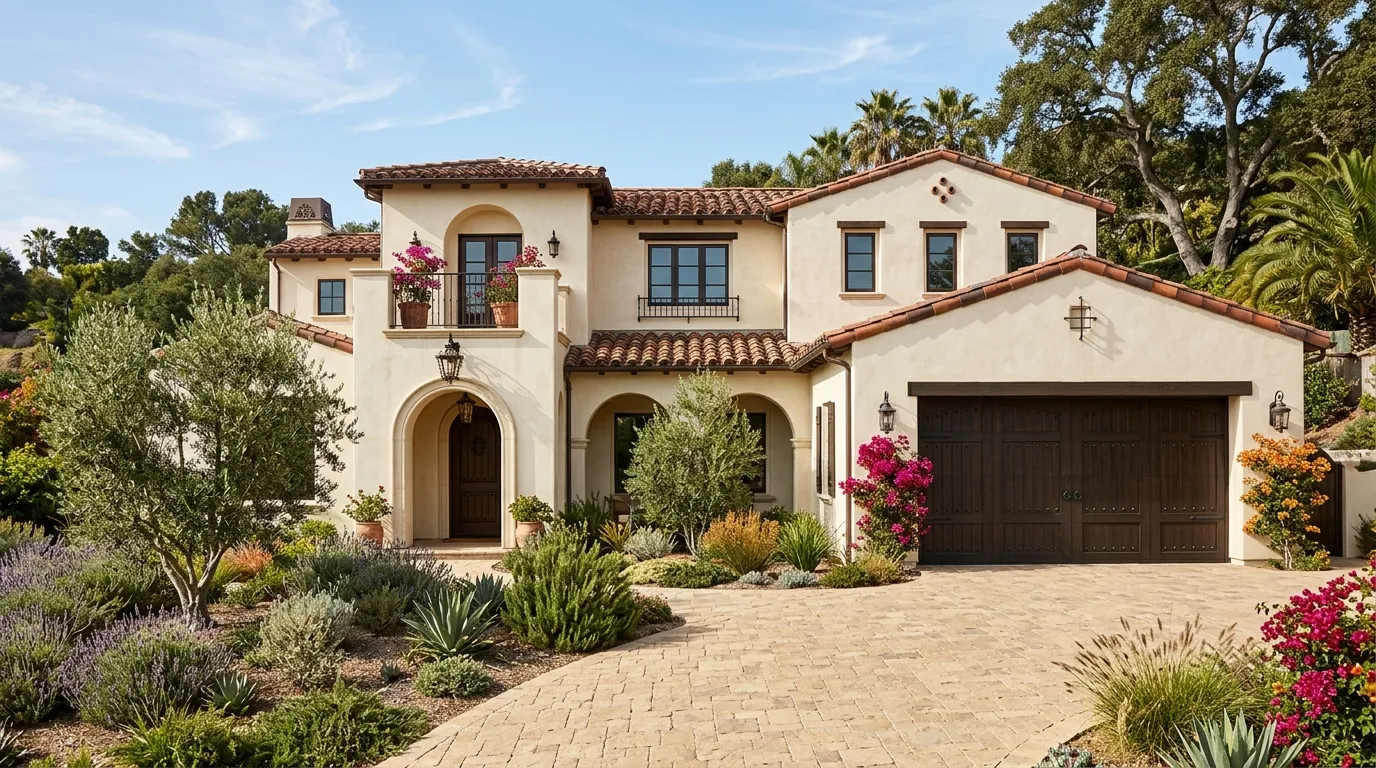
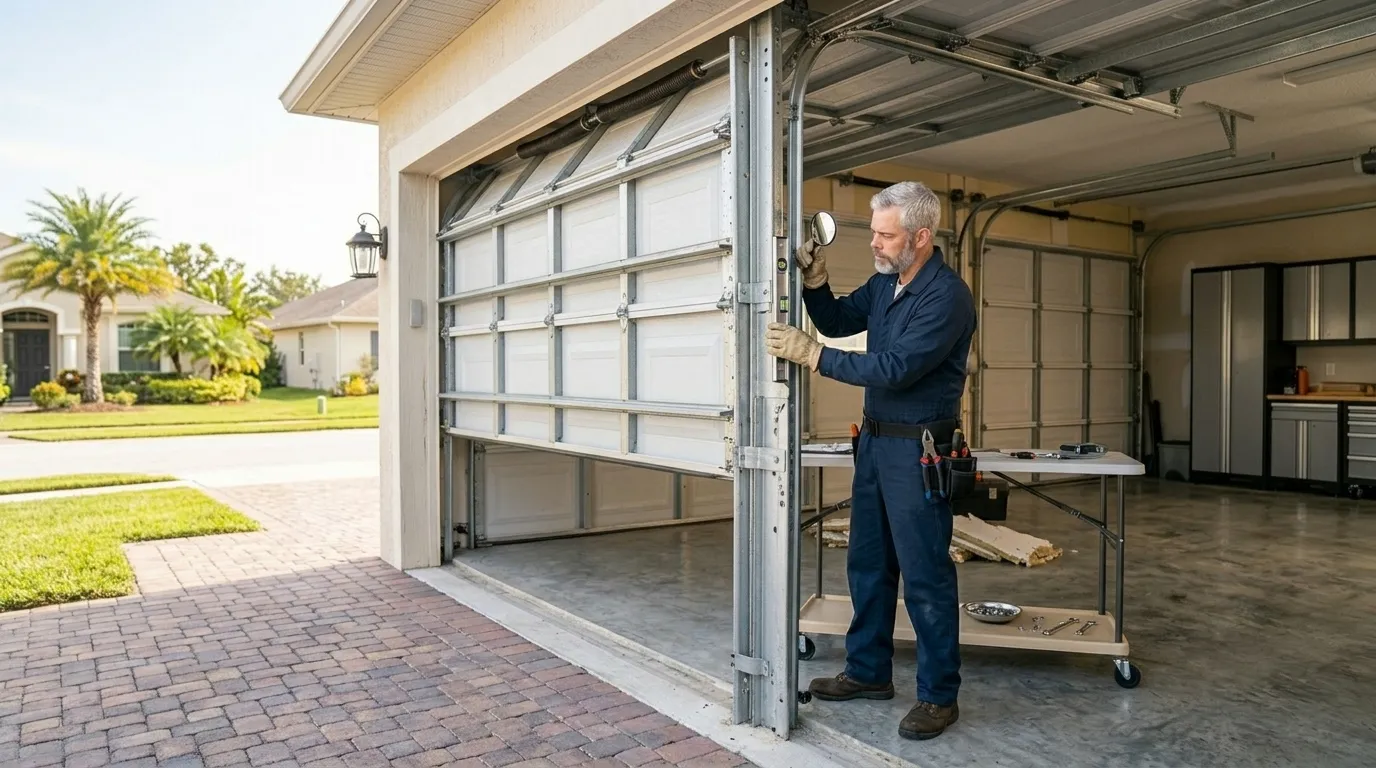
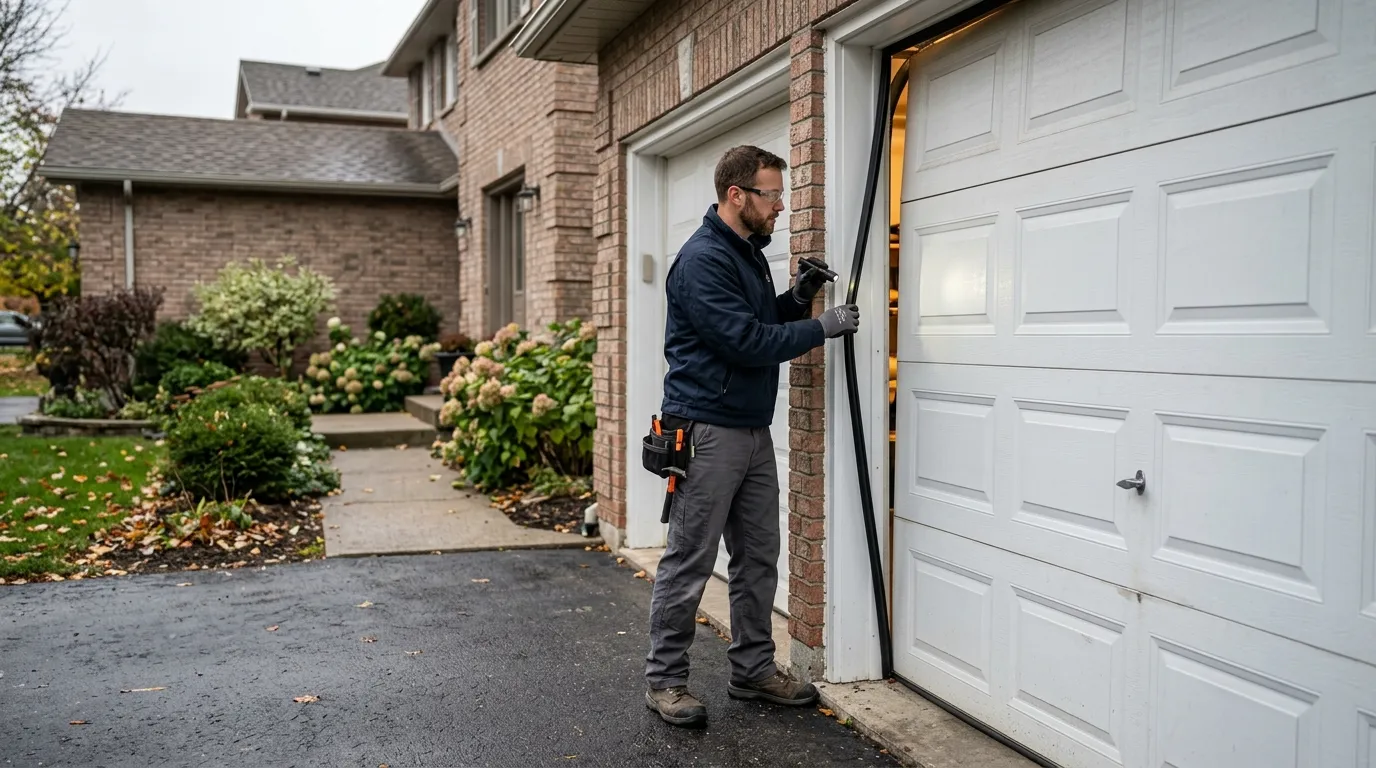
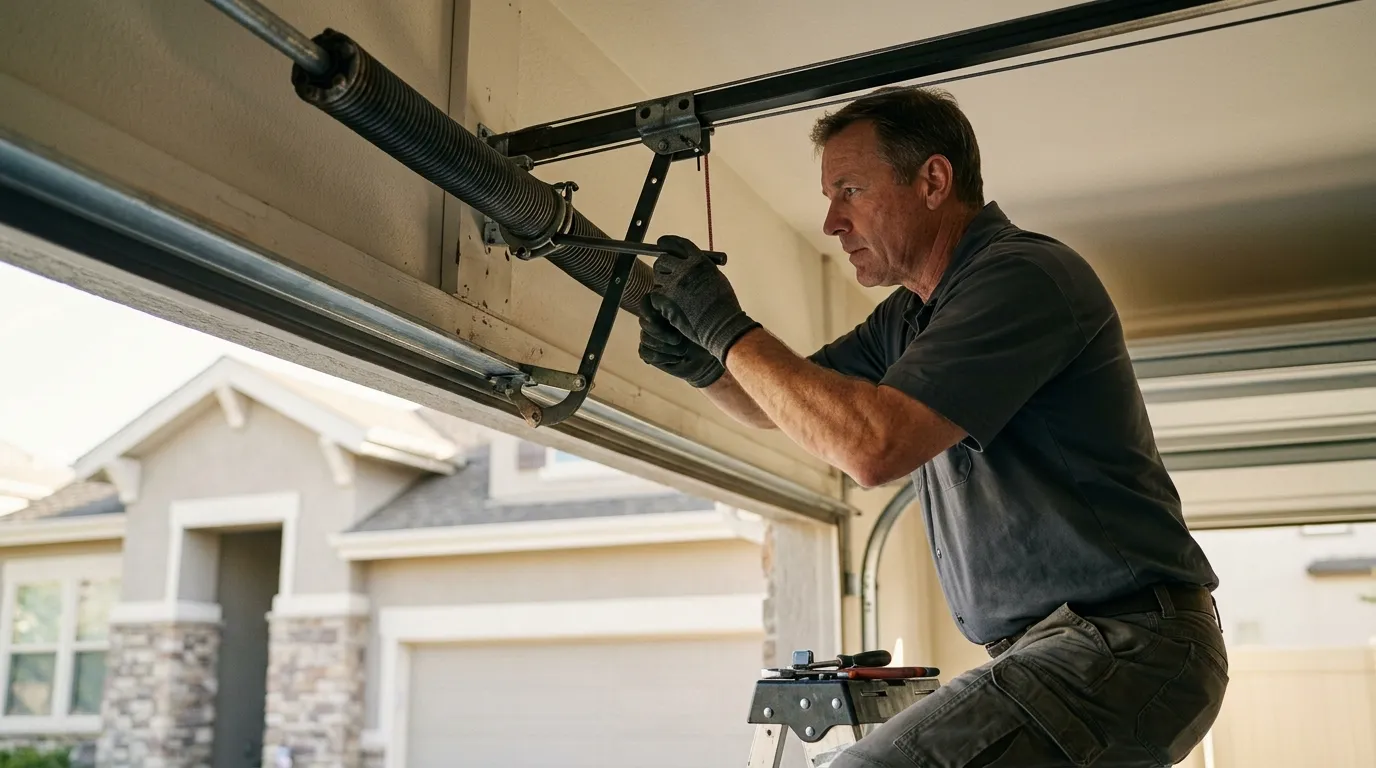
Plenty of what goes wrong with a garage door is fixable by a homeowner with patience and the right bolts on hand - tightening hinges, lubricating rollers, swapping a worn weatherstrip. What isn't a DIY job, full stop, is a torsion spring under load or a broken cable on a door that's still up. Roeland Park's housing runs old enough (median build year 1950, per local data) that a lot of these homes still have their original torsion hardware, and older springs wound to older tension specs are not something to eyeball. If the door is heavy in your hands when you lift it manually, that's a spring problem, and it's a call, not a project.
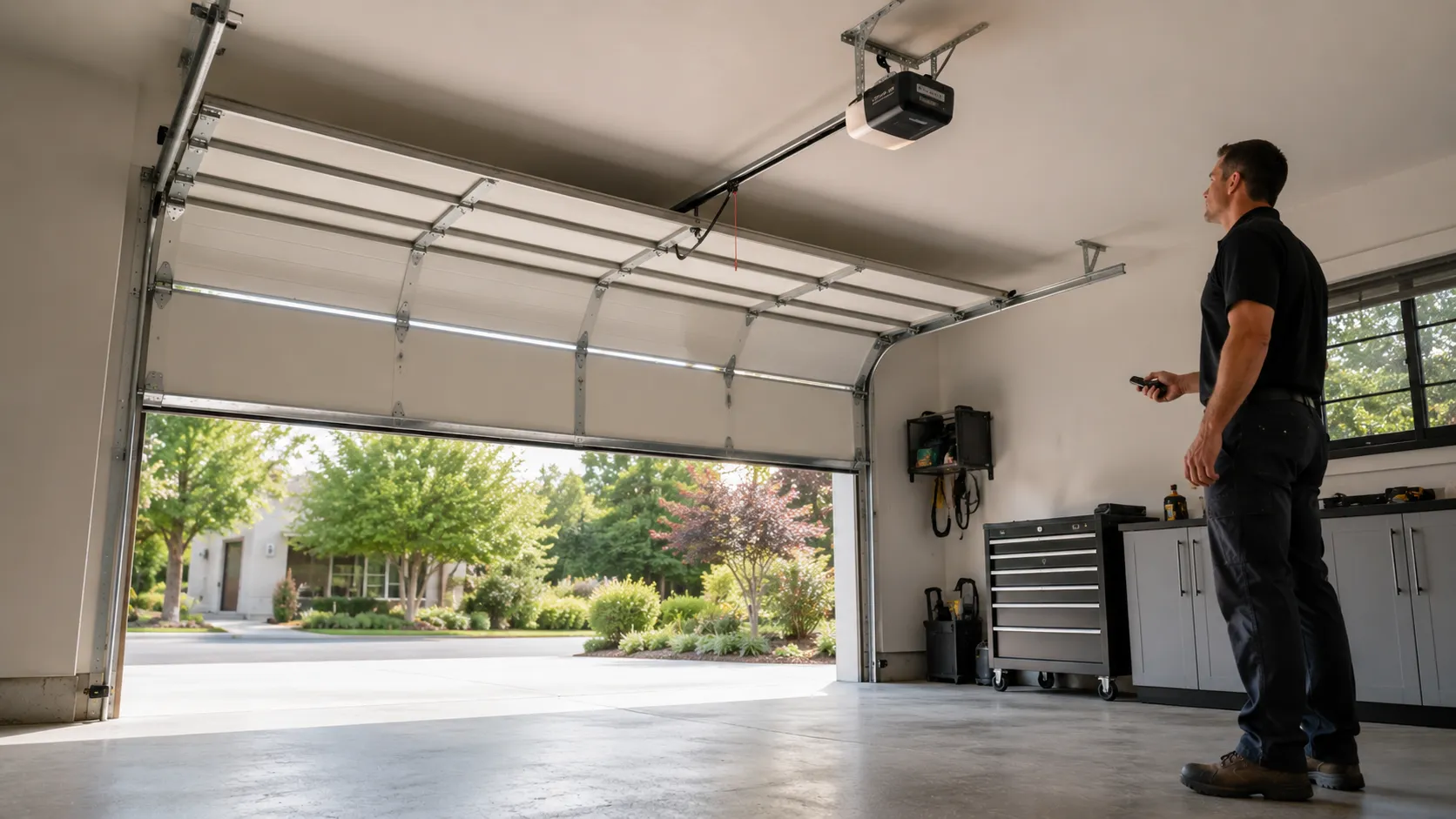
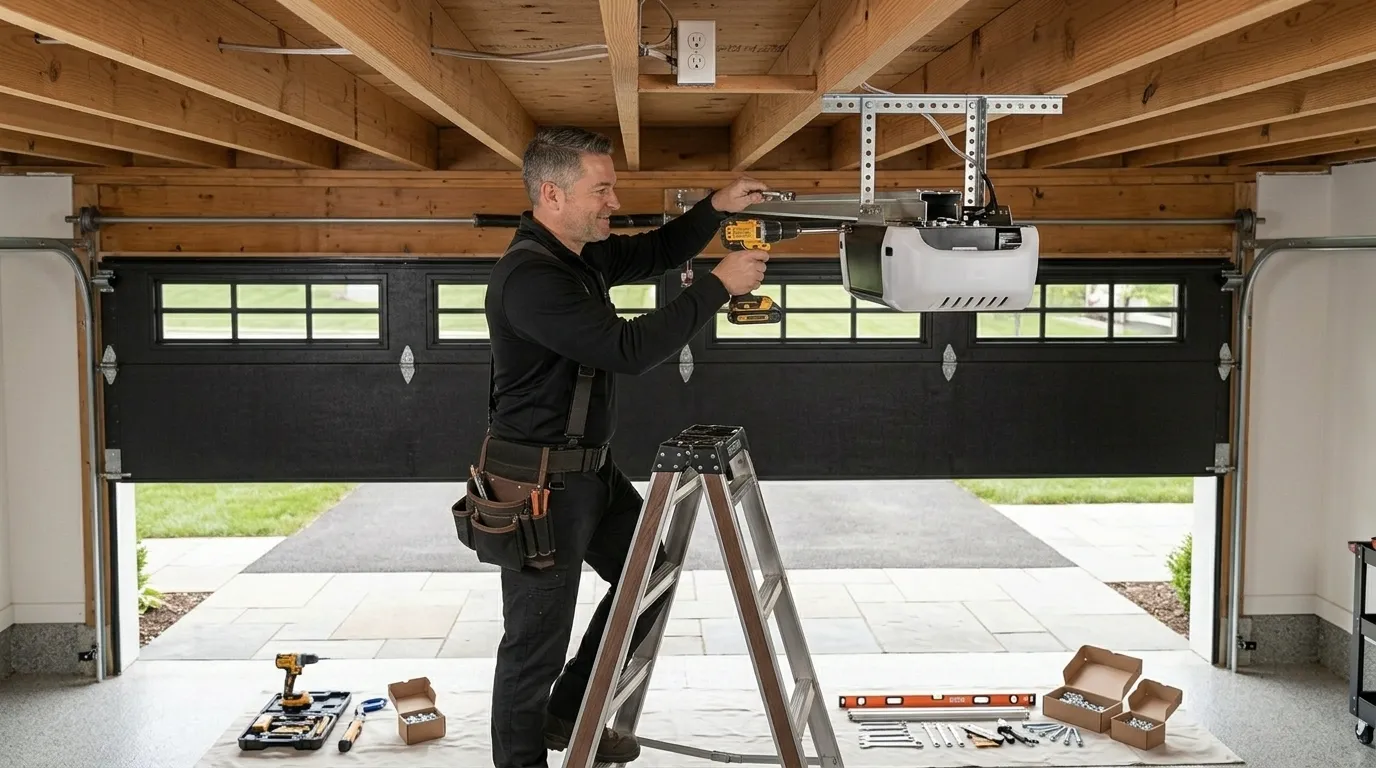
Opener issues are more forgiving to poke at yourself - checking the sensor alignment, replacing a remote battery, resetting the travel limits. If you've done that and the door still won't respond, that's usually a logic board or a motor, and at that point we're the faster route anyway.
Getting It Booked In
Have your door's approximate age and a description of what it's doing - grinding, refusing to close, hanging unevenly - ready when you call. That's more useful to us up front than the brand name, especially on older doors where the original manufacturer may be long gone. Since we're coming from Kansas City, giving us a heads-up on timing (morning vs. after work) helps us route the day so your call doesn't get pushed to the end of a long list.
We'll ask whether the door is original to the house. On Roeland Park's older stock that answer changes what we bring in the truck - a 1950s-era torsion setup needs different spring sizing than anything installed in the last twenty years, and it's better we know before we're standing in your driveway.
The Symptom
The complaint we hear most from this stretch of the metro is a door that's suddenly heavy - it used to lift with one hand and now it takes two, or the opener strains and stalls partway up. That's a spring losing tension, and on houses this age it's often the original spring finally giving out after decades of cycles, not a random failure. A door that reverses right after touching the floor, or that won't close all the way, usually points to sensor misalignment or a track that's shifted slightly out of level - both fixable without replacing the whole unit.
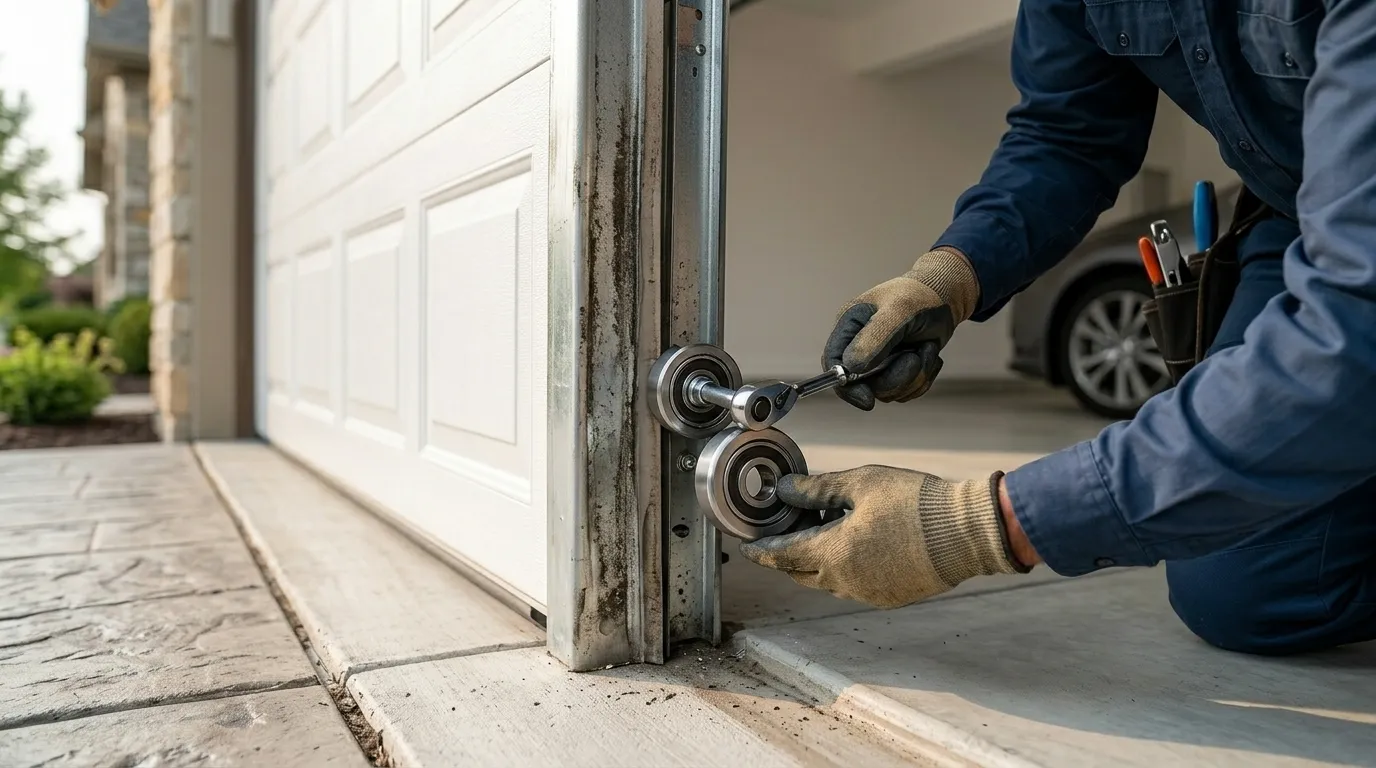
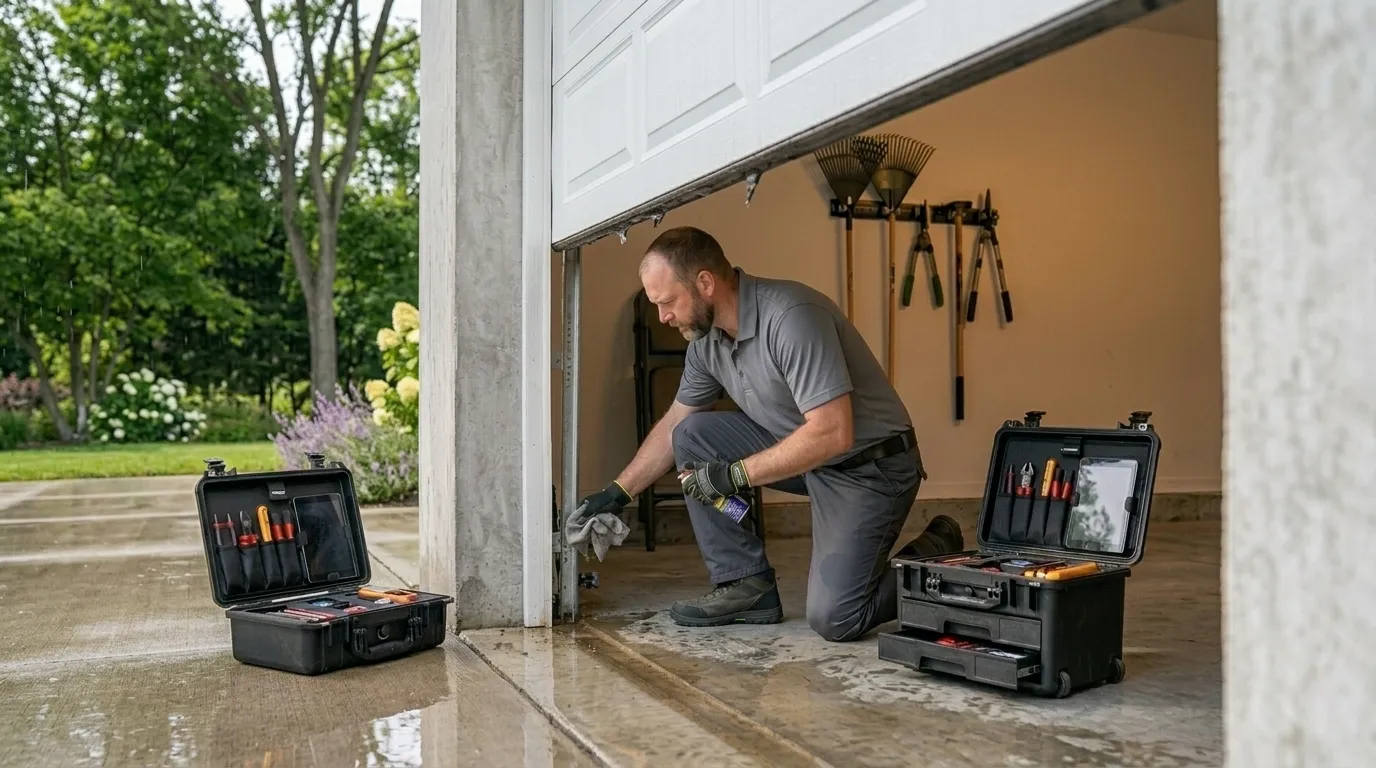
A door that's loud but still moves fine is usually just rollers due for grease or replacement. Loud and slow to respond together, though, is worth a call before it turns into a stuck door on a cold morning.