Time on the Job
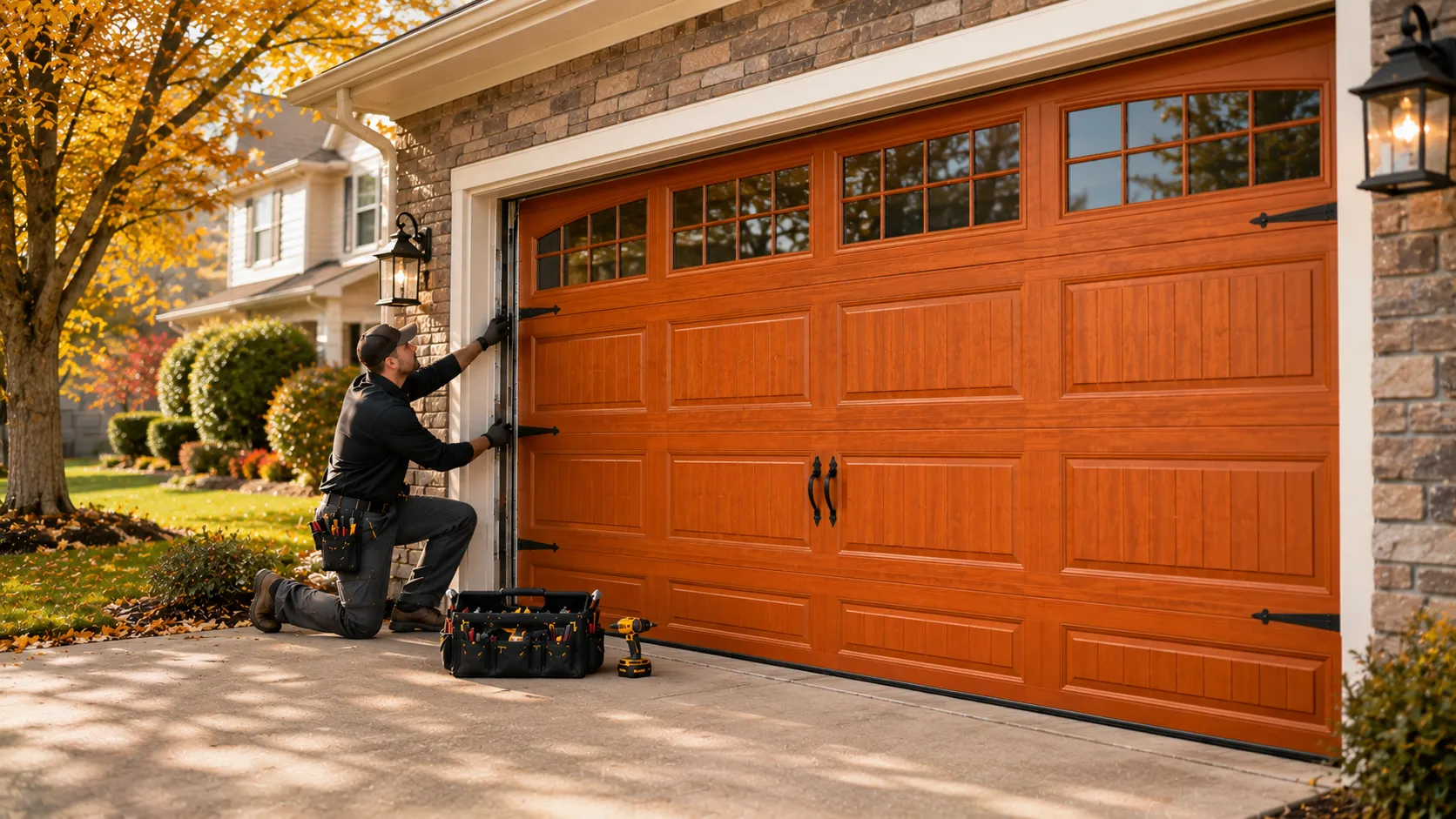
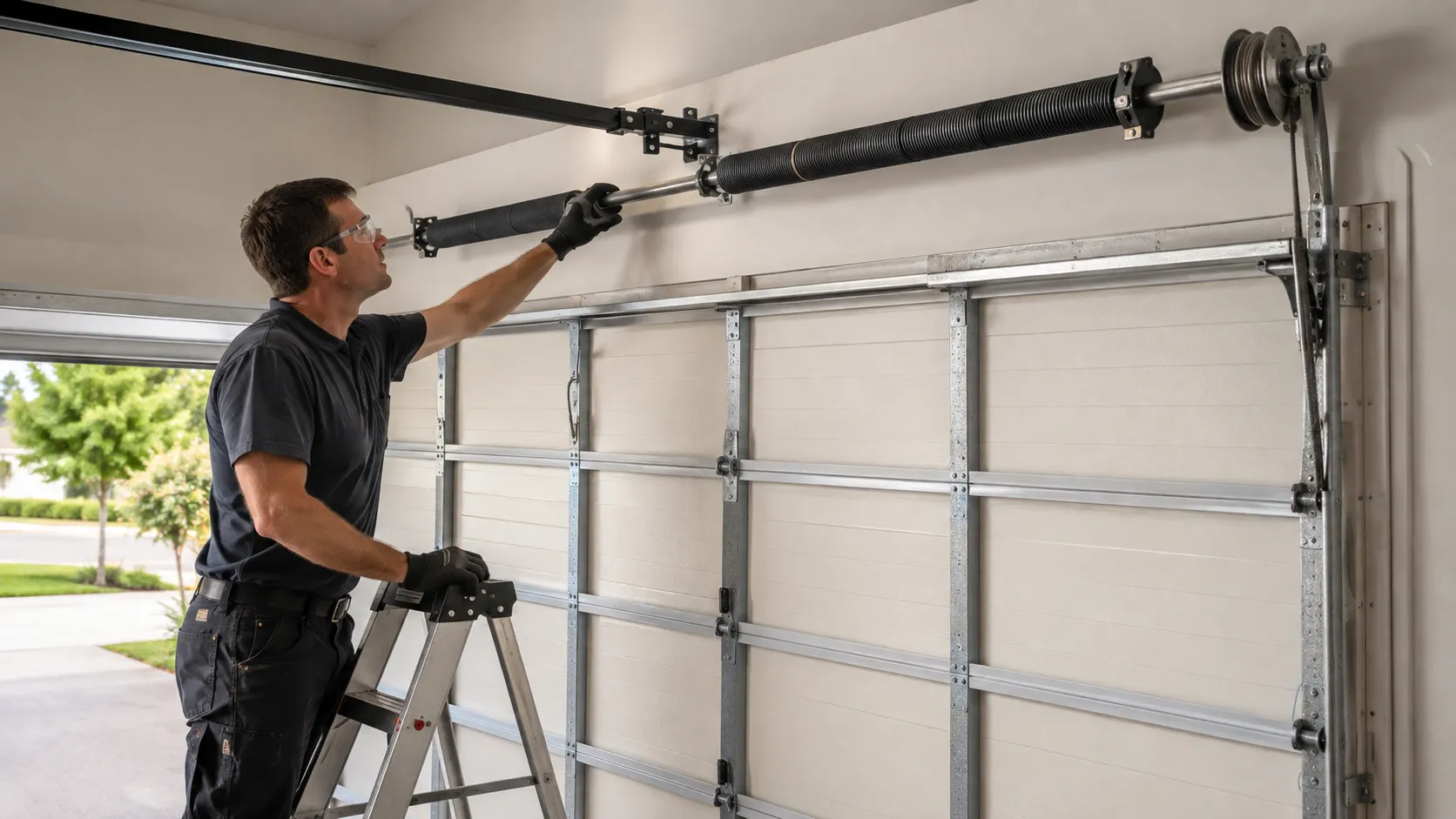
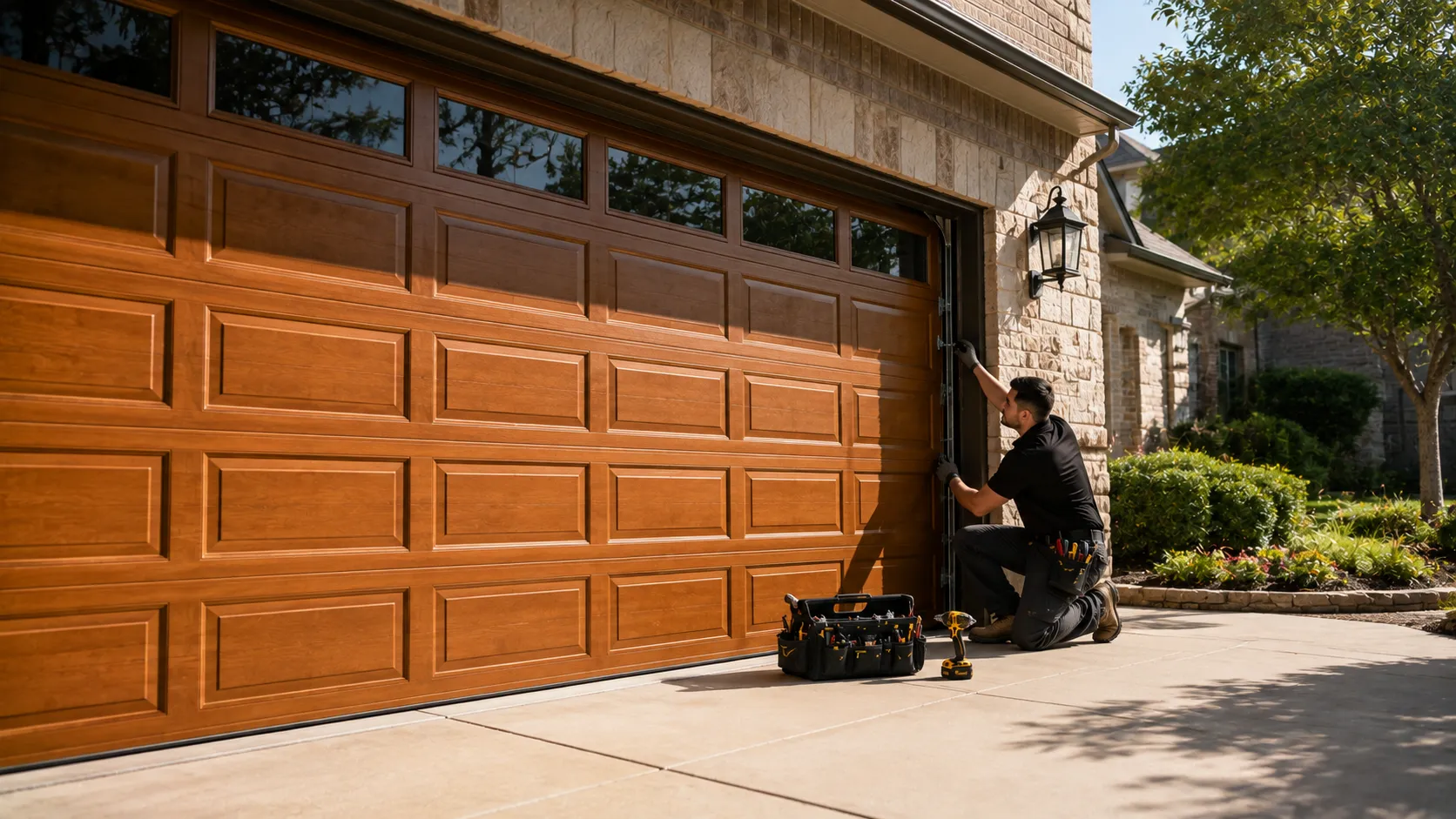
A straight roller swap on a single door, once the truck is unloaded and the door's off its track long enough to work, isn't a long job. You're pulling the old rollers out of the track one at a time, working around the bottom brackets, and setting new ones back in with the door supported. What stretches it out is the track itself. On a door from Roeland Park's era, the track is often the original galvanized steel, bent slightly from decades of use, or it's been repainted at some point and the fasteners are seized. Freeing a stuck bracket bolt without bending the track takes longer than the roller install itself. If the springs are original too, that's a separate job and a separate conversation, because you don't want anyone opening a torsion spring system who hasn't done the roller work first and checked what else is worn. We don't pad the estimate to cover surprises we haven't found yet, but we also won't quote a roller job and then discover halfway through that the track needs replacing and pretend that wasn't foreseeable.
Can You Do This Yourself
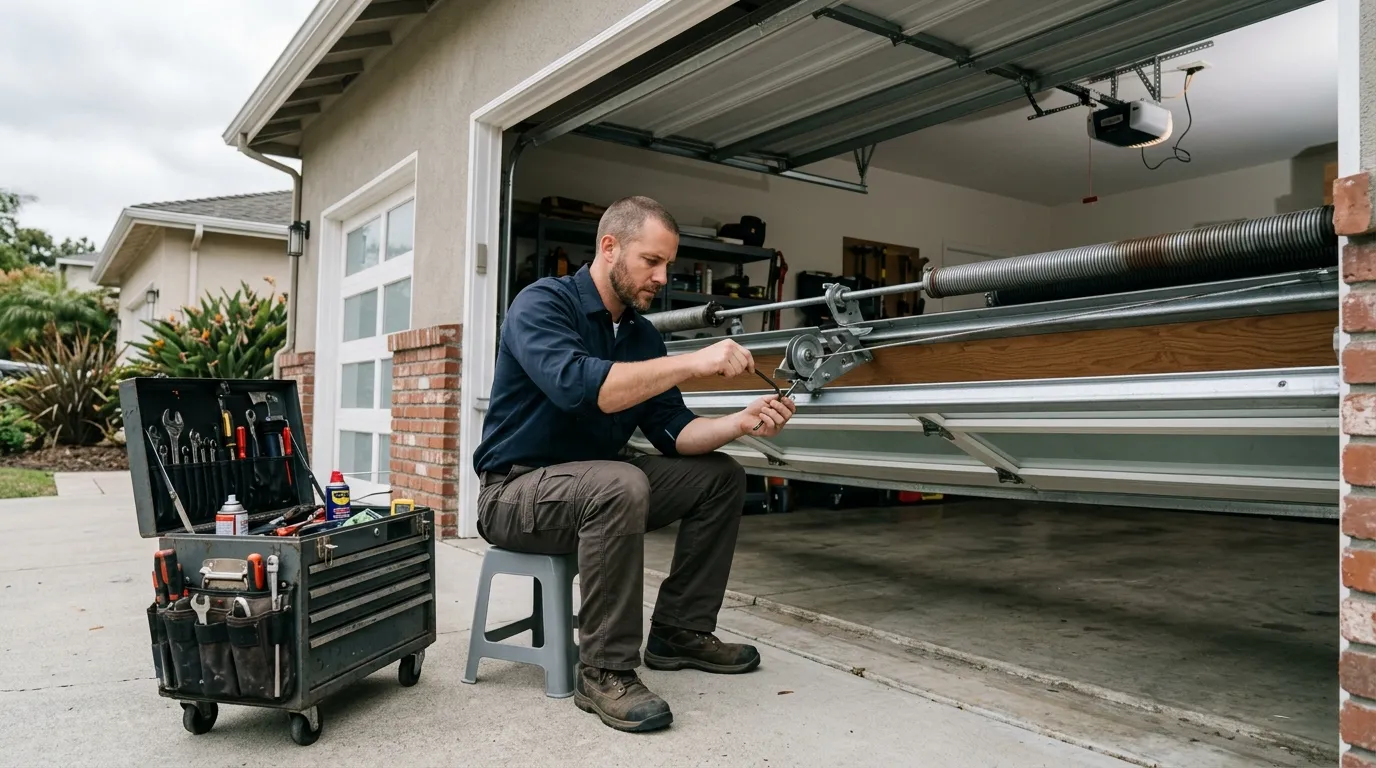
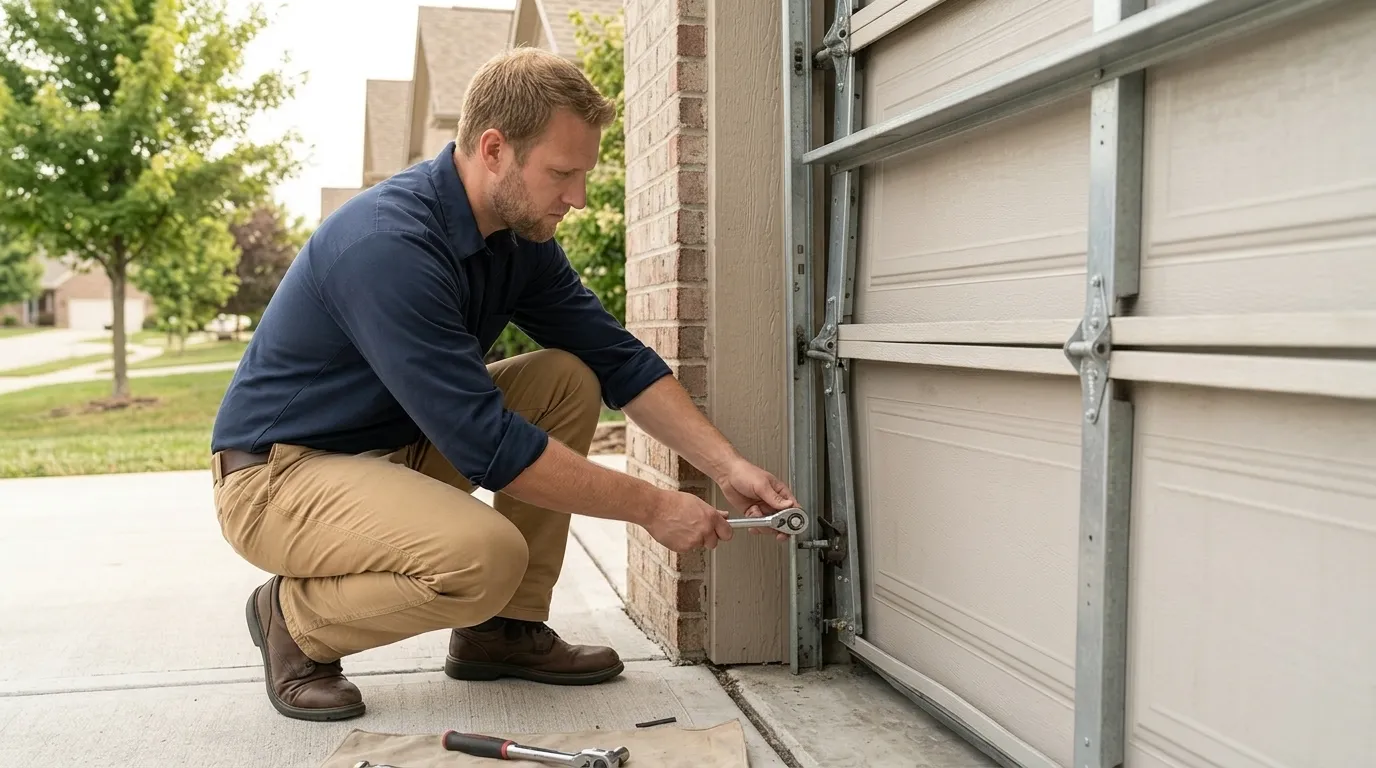
Nylon rollers on a light single door, with the door propped and the springs in good shape, is within reach for someone comfortable with hand tools and patient about working one bracket at a time. Where it stops being a weekend job is the bottom brackets, which hold spring tension even with the door down. On a house built around 1950, those brackets have usually never been touched, and the fasteners can be rusted enough that a wrench slips and the bracket lets go. We'd rather tell you that upfront than have you find out with your hand near the cable. If you're set on doing it, do the top rollers only, leave the bottom two brackets alone, and call if the door's binding or scraping instead of rolling smooth. That's not us being cautious for the sake of it. Bottom bracket failure is one of the more common ways people get hurt on a job that looks simple from the driveway.
Getting It Booked In
We work Roeland Park from Kansas City, about 8 miles out, so there's no separate branch here and we're not going to claim a response window we can't back up from that distance. What we can tell you is what to have ready before we come out: the door's age if you know it, whether it's sticking, grinding, or jumping the track, and whether anyone's touched the bottom brackets before. That saves time on-site. You can see the wider area we cover from Kansas City on our Roeland Park area page, and if what you're dealing with sounds bigger than a roller swap, our Kansas City roller replacement page covers the service in more general terms.
The Symptom
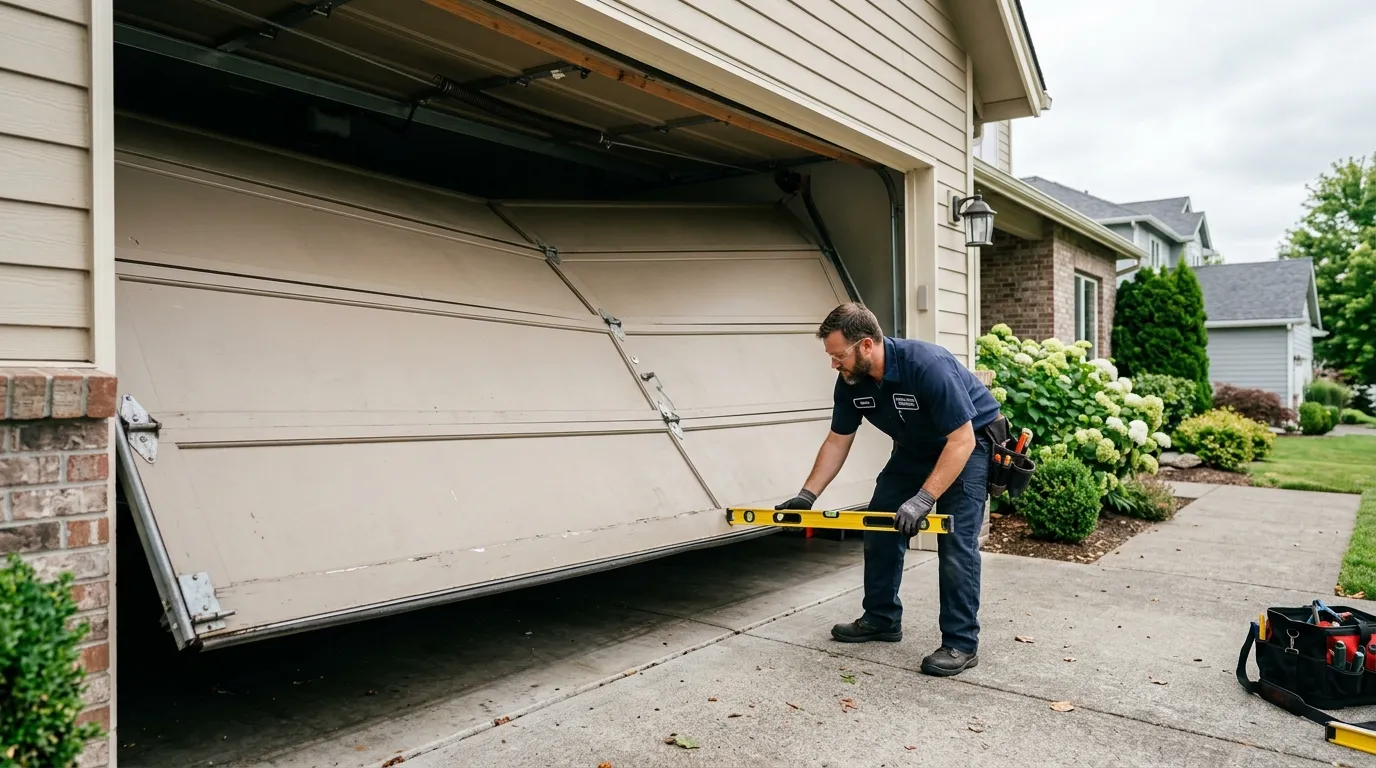
Most roller calls start the same way: a grinding or rattling sound as the door travels, usually worse near the top or bottom of the run where the roller's wearing unevenly against the track. Sometimes it's a door that hesitates or jumps slightly at one point every cycle, which usually means one roller has flat-spotted or cracked while the others are still round. On steel rollers, the sound is sharper and more metallic; on old nylon, it's more of a dry squeal that grease won't fix for long because the roller itself has worn out of round. If the door's binding hard enough that the opener strains or reverses, stop running it. Continuing to cycle a door with a bad roller usually ends with a bent track, which turns a roller job into a track and roller job.